
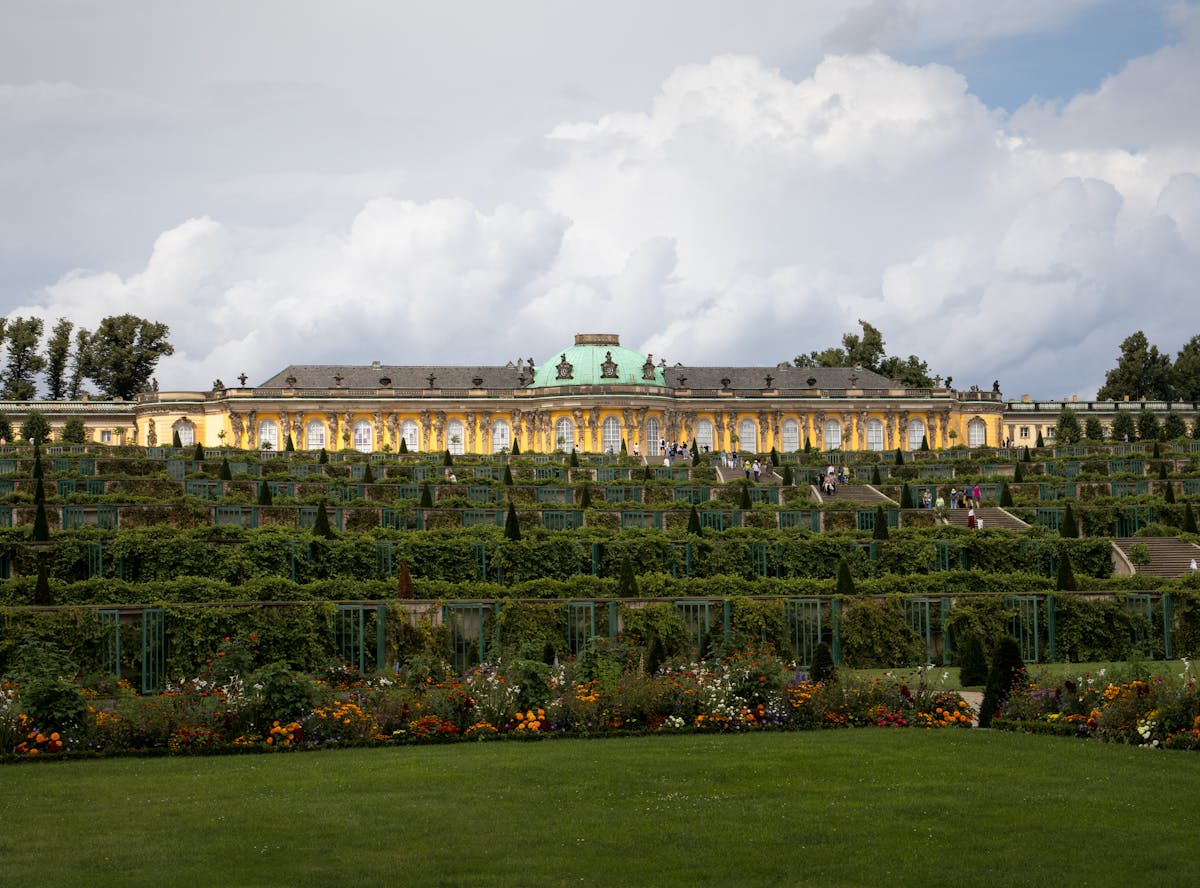
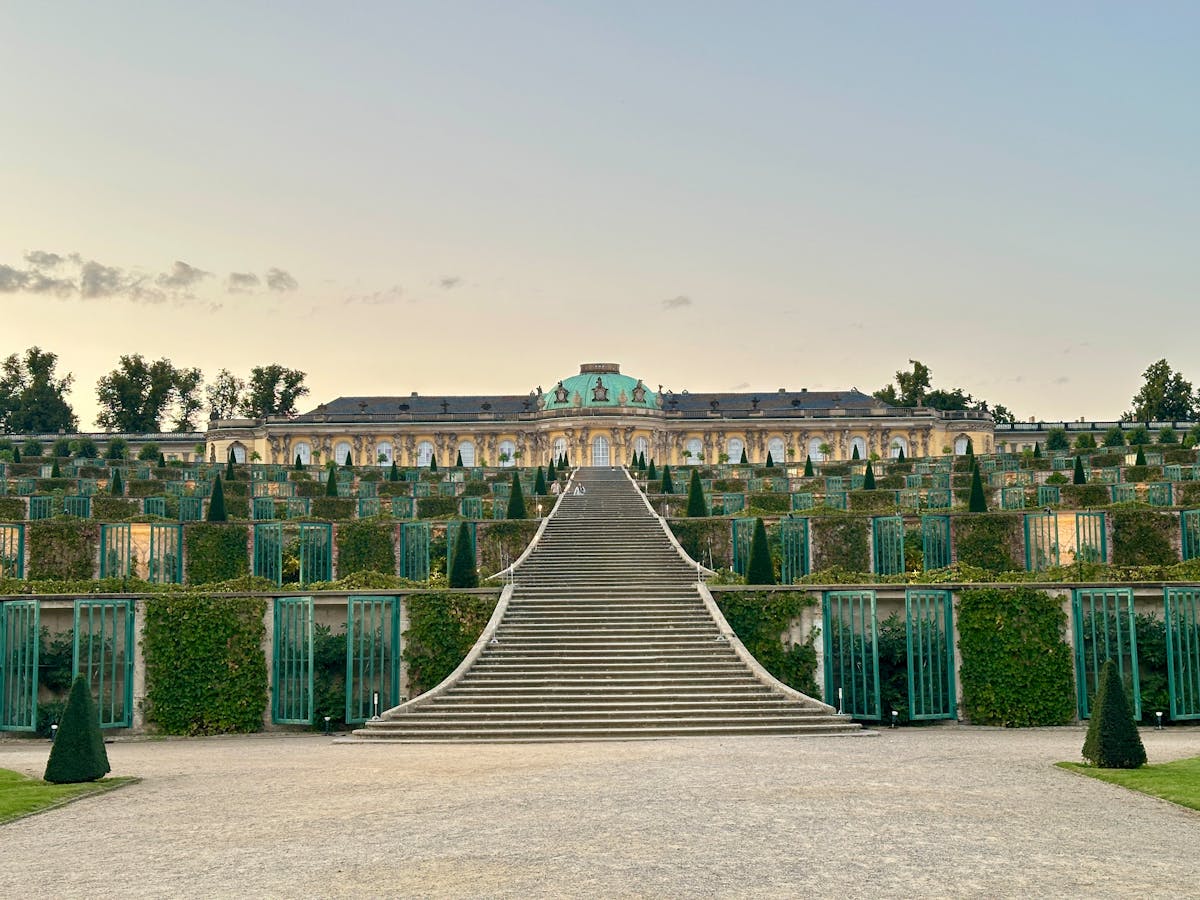
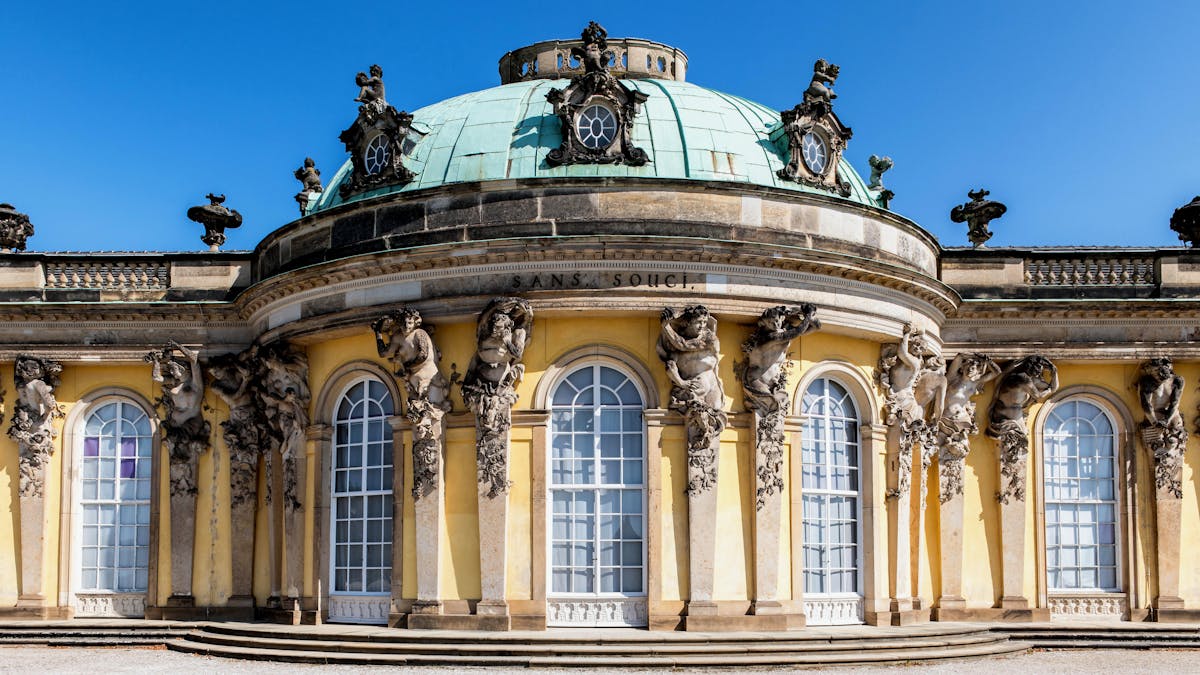
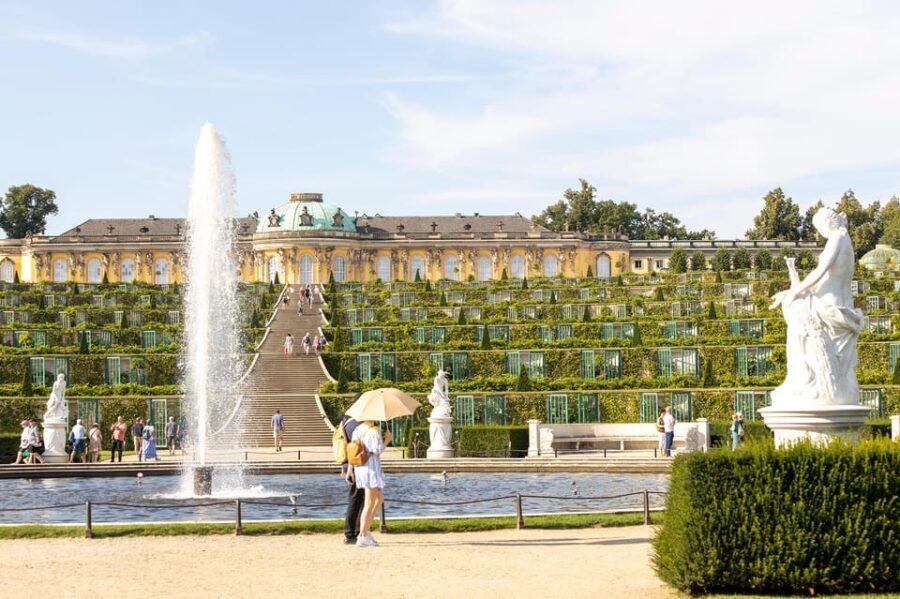
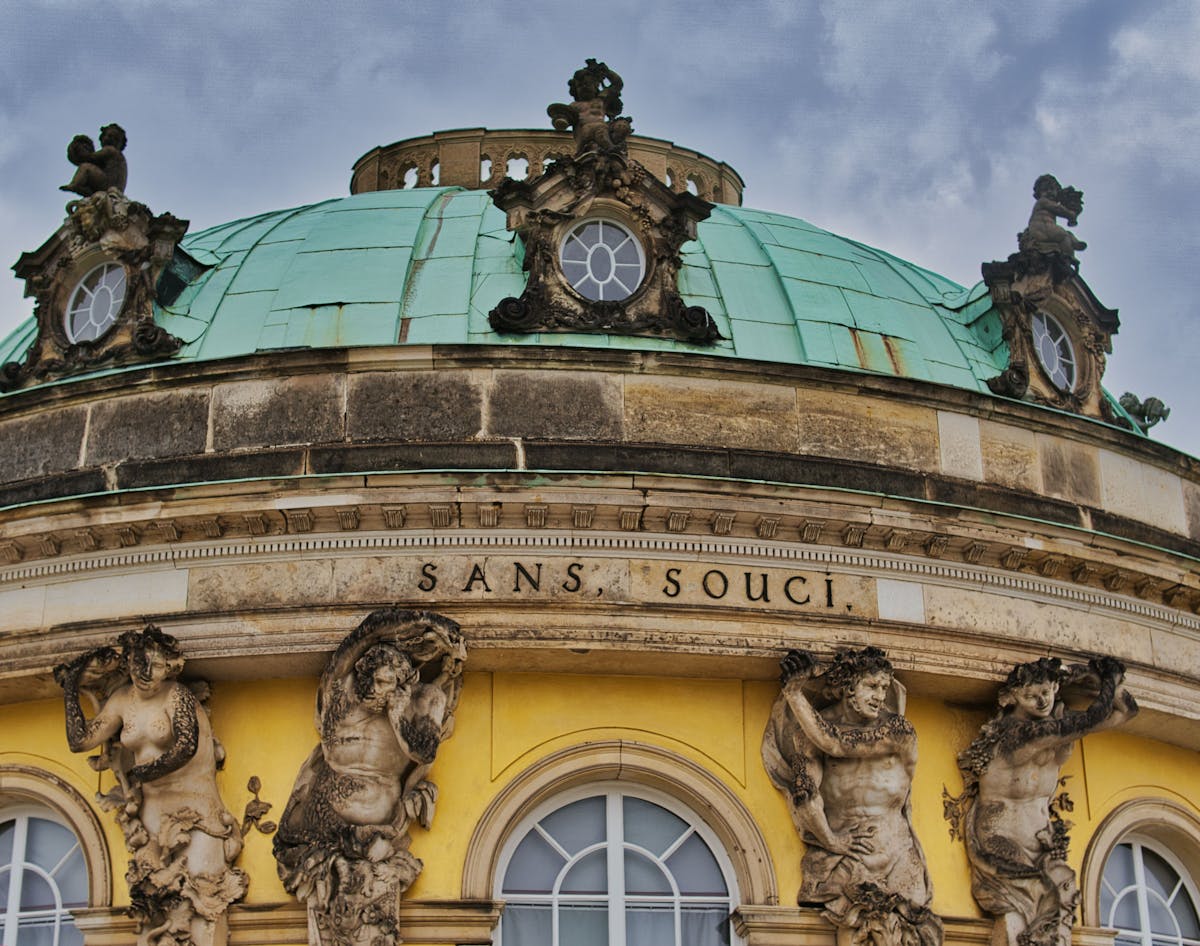
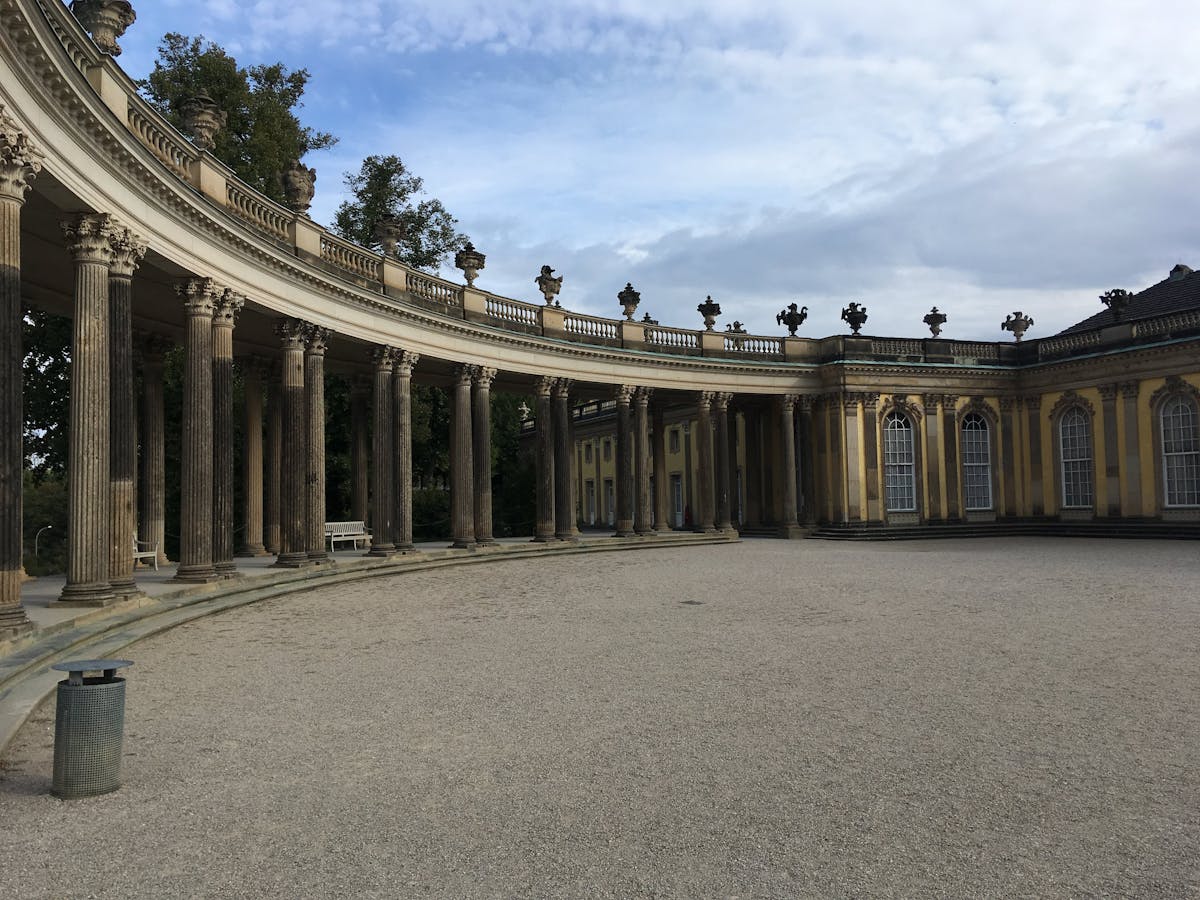
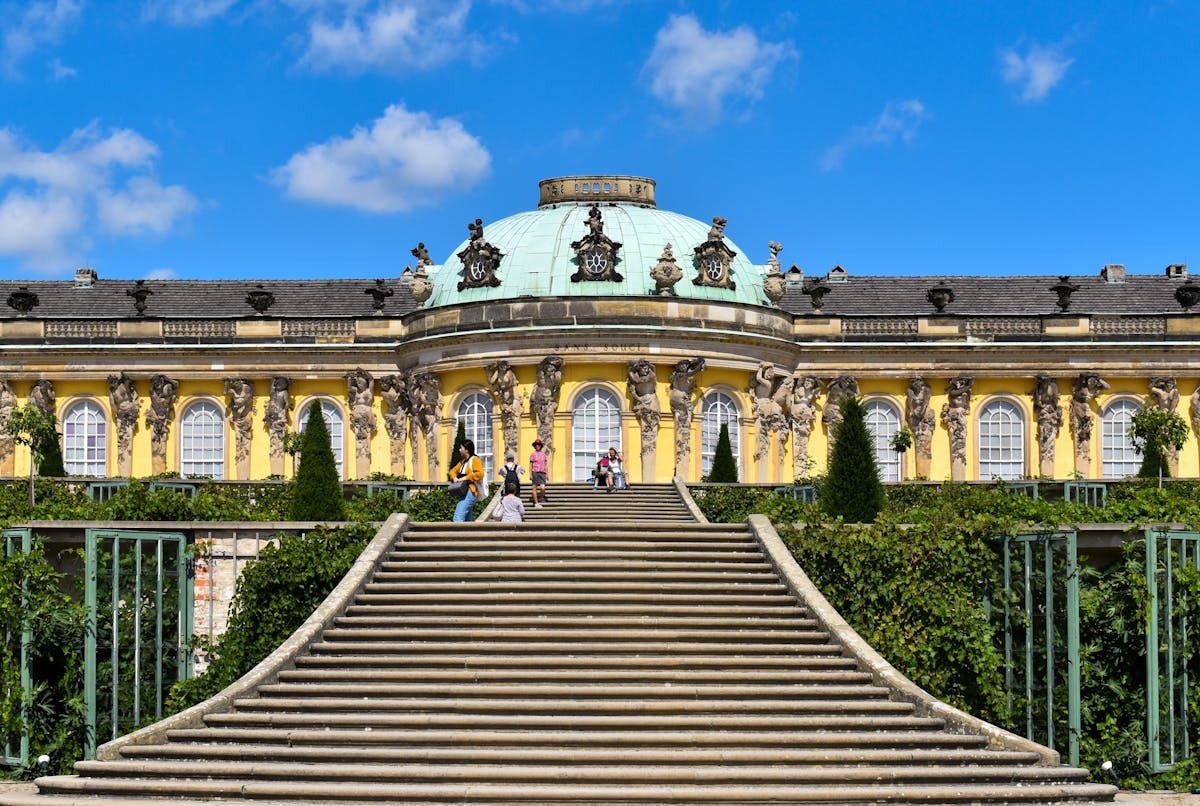
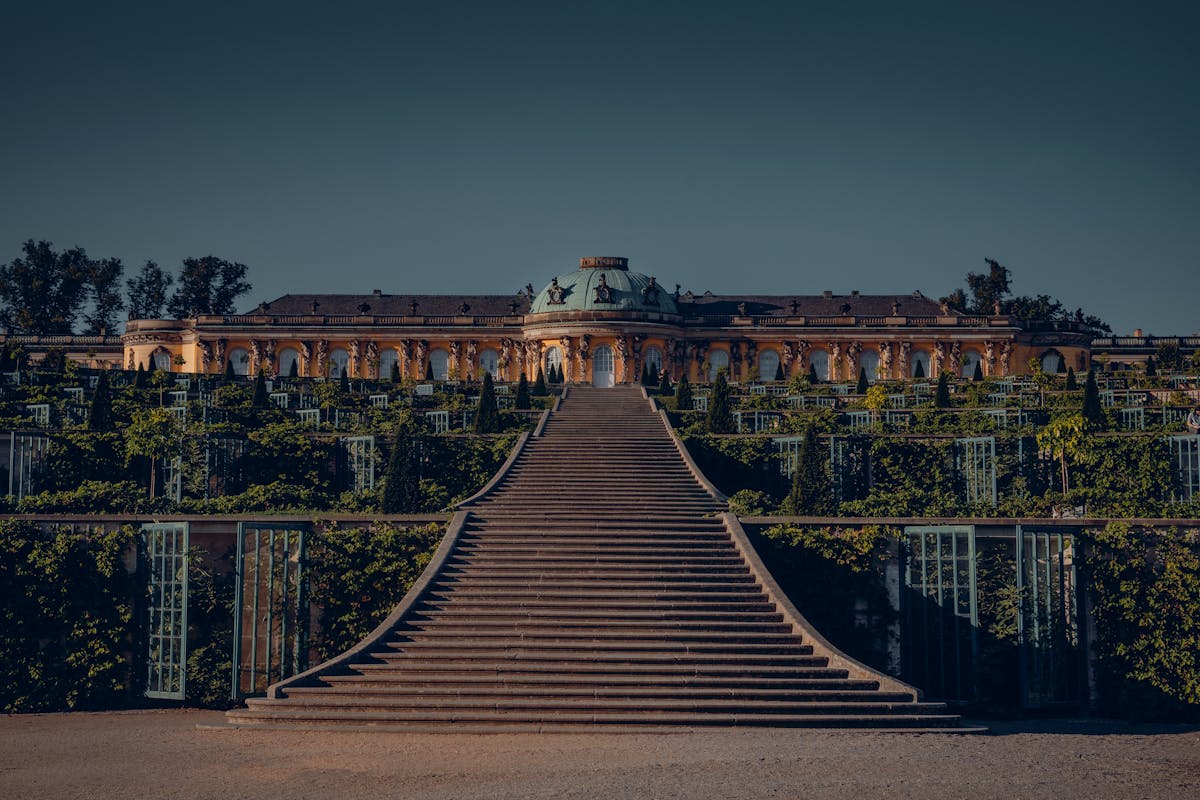
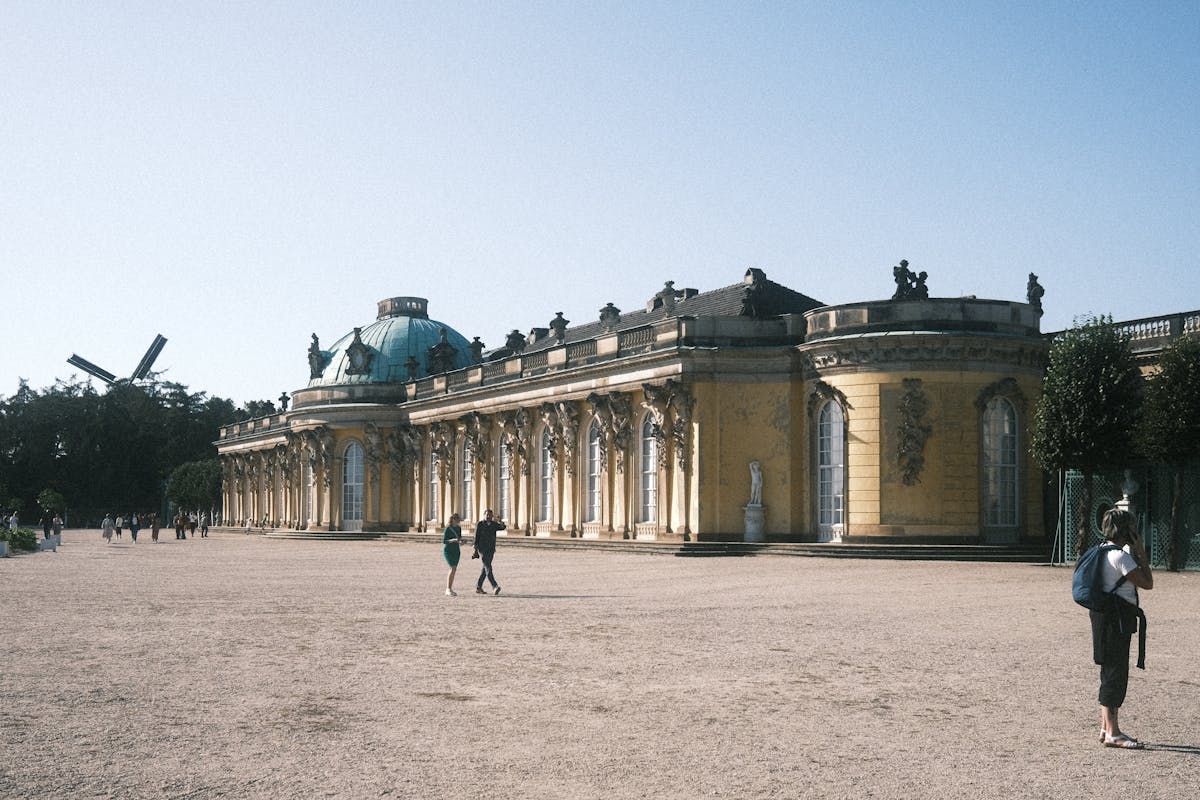
Frederick the Great built Sanssouci Palace as a place to escape the pressures of ruling Prussia. The name literally translates to “without worry.” I thought about that while standing at the base of those famous terraced vineyards, looking up at the yellow Rococo facade, and realizing I’d almost skipped Potsdam entirely because someone told me it was “just a palace.”
It is not just a palace. It’s 741 acres of gardens, a dozen different palaces and pavilions, a Cold War conference site, and the kind of day trip from Berlin that makes you reconsider your entire itinerary.
Potsdam sits just 25 minutes from Berlin by S-Bahn. That’s closer than most people’s morning commute. But the shift feels dramatic — you go from gritty Berlin to manicured Prussian grandeur in the time it takes to finish a coffee.
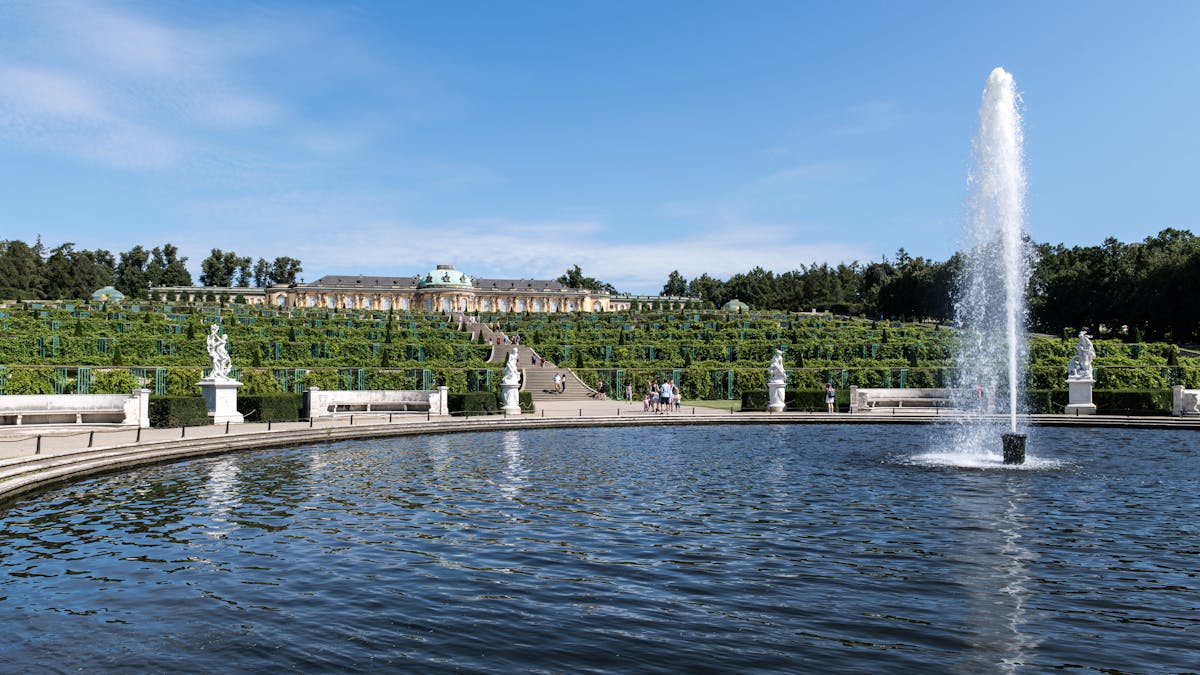
Best overall: Potsdam: City and Castles Tour — $29. Covers the palaces, the old town, and the gardens in 3 hours. Best bang for your money if you want the full picture.
Best for palace access: Sanssouci Palace and Prussian Palaces Entry Ticket — $25. Skip-the-line entry to Sanssouci and every other open palace in the park. Essential in summer.
Best from Berlin: Potsdam and Sanssouci Palace Tour with Entry — $75. They pick you up in Berlin, handle tickets and transport, and include palace entry. Zero planning required.
- How the Ticket System Works at Sanssouci
- Official Tickets vs. Guided Tours
- The Best Potsdam Tours to Book
- 1. Potsdam: City and Castles Tour —
- 2. Sanssouci Palace and Prussian Palaces Entry Ticket —
- 3. Potsdam: Palace Tour by Boat —
- 4. From Berlin: Potsdam and Sanssouci Palace Tour with Entry —
- When to Visit Potsdam
- How to Get to Potsdam from Berlin
- Tips That Will Save You Time
- What You’ll Actually See Inside Sanssouci
- Beyond the Palace: What Else to See
- More Berlin Guides
How the Ticket System Works at Sanssouci
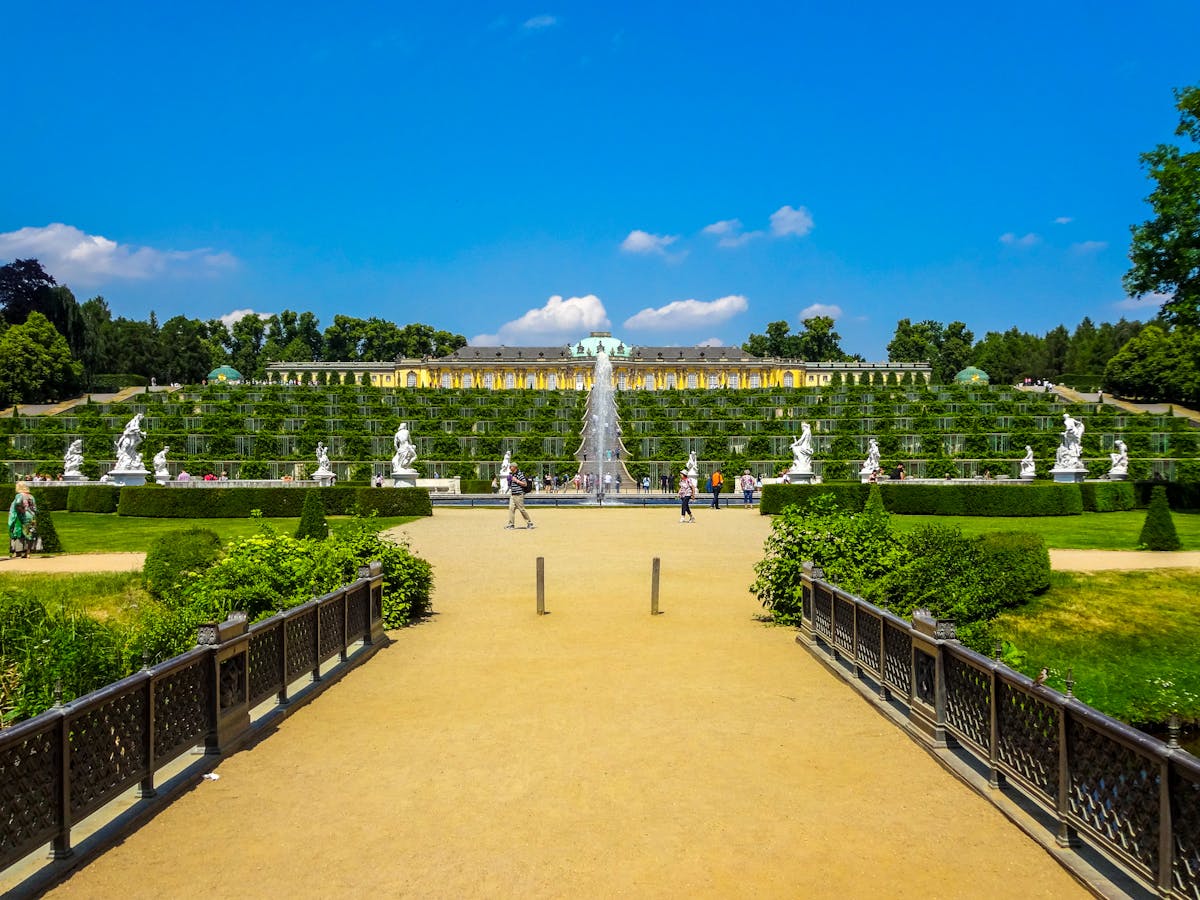
Here’s something that trips people up: Sanssouci Park itself is free. You can walk around the gardens, stroll past the Chinese House, admire the Orangery, and spend half the day there without paying a cent. But getting inside the palaces requires tickets, and the system has a few quirks.
Single ticket for Sanssouci Palace: EUR 14 (reduced EUR 10). You buy this at the ticket office or visitor center, and they assign you a specific entry time. You can’t just show up whenever you want. During peak season, morning slots sell out by mid-morning, which is why pre-booking matters.
The Sanssouci+ combination ticket: EUR 22 (reduced EUR 17). This is the one I’d recommend if you’re spending the full day. It gets you into every open palace in the park — Sanssouci Palace, the New Palace, the Picture Gallery, the New Chambers, and whatever else is open that day. It also gives you a fixed entry time at Sanssouci Palace, so you skip the ticket queue.
Family ticket: EUR 49. Covers 2 adults and up to 4 kids with full Sanssouci+ access. Good deal if you’re traveling with children.
One thing worth knowing: under-18s get free entry to all palaces. You still need to get a ticket (with a time slot), but there’s no charge.
Official Tickets vs. Guided Tours
You can absolutely do Potsdam on your own. Take the S-Bahn to Potsdam Hauptbahnhof, hop on tram 91 or bus 695 to the park, buy your Sanssouci+ ticket, and wander. The audio guide inside the palace is solid and covers the key rooms well.
But there’s a case for guided tours, especially if this is your first time. The park is genuinely enormous — 741 acres — and without context, you’ll walk past buildings without realizing what they are. A good guide connects the dots between Frederick’s personal obsessions, the political history of Prussia, and the specific design choices you’re looking at. That context turns a pretty walk into something memorable.
Go DIY if: you’ve got a full day, you like setting your own pace, and you don’t mind doing the research yourself. Bring comfortable shoes and a packed lunch — cafes inside the park are limited and overpriced.
Book a tour if: you only have half a day, you want skip-the-line entry without the logistics headache, or you’re the kind of person who wants stories and context rather than reading plaques. The guided tour from Berlin handles everything including transport, which is genuinely convenient.
The Best Potsdam Tours to Book
1. Potsdam: City and Castles Tour — $29
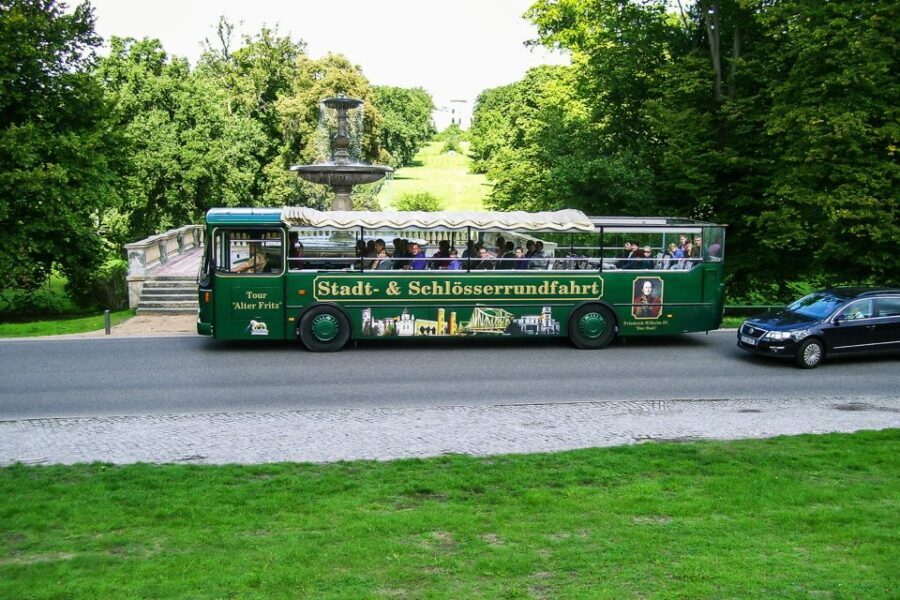
This is the tour I’d point most first-timers toward. It’s a 3-hour guided circuit that covers Sanssouci Park, the New Palace, and Potsdam’s old town, including the Dutch Quarter and the film studios at Babelsberg. You ride a bus between the main stops with a guide providing commentary, and you get enough context to understand what you’re looking at without being locked into a rigid schedule.
At $29, it’s the best value option on this list. You won’t go inside the palaces on this tour (that requires separate tickets), but you’ll see the exteriors, the gardens, and the broader layout of the park. Think of it as the orientation that makes a self-guided palace visit afterward much more rewarding.
2. Sanssouci Palace and Prussian Palaces Entry Ticket — $25
Not technically a tour — this is the Sanssouci+ combination ticket sold through GetYourGuide, which means you get mobile tickets with a confirmed time slot. That matters because the on-site ticket office frequently runs out of morning slots during summer, and standing in that queue when you could be inside the palace is a waste of your Potsdam day.
For $25, you get entry to Sanssouci Palace plus every other open palace in the park. The audio guide inside covers the Marble Hall, the concert room where Frederick played flute, and his private library. It’s a self-paced visit that works well if you prefer wandering on your own terms. The timed entry means you skip the queue at the main gate — a genuine advantage from May through October.
3. Potsdam: Palace Tour by Boat — $27
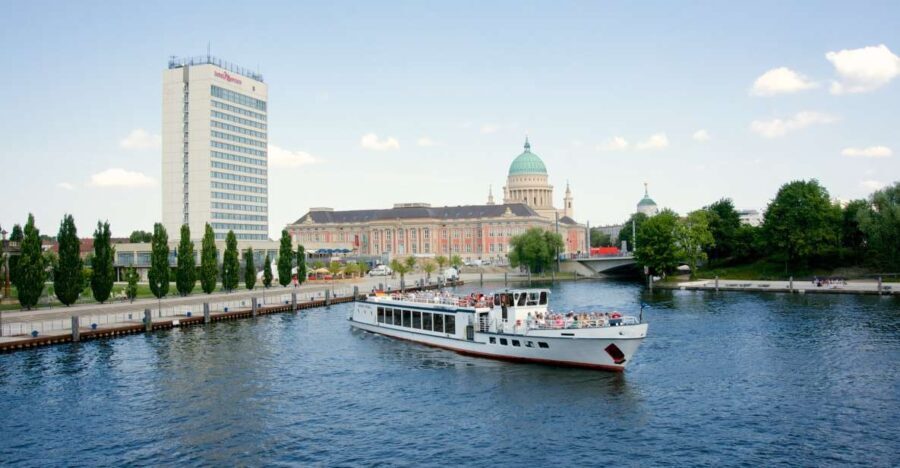
This is the underrated option most people overlook. The 1.5-hour boat cruise follows the Havel River past Sanssouci Park, the Marble Palace, Babelsberg Palace, and the Glienicke Bridge (the Cold War spy exchange bridge, if that’s your thing). You see the palaces from a completely different perspective — their garden sides, the ones designed to be seen from the water.
At $27, it’s affordable and relaxing. The commentary covers the key historical details, and the boats are modern and clean. I’d pair this with a walking visit — do the boat cruise in the morning for context, then spend the afternoon exploring the park on foot. It’s also a good option if you’re traveling with older relatives or small kids who aren’t up for a full day of walking. The boat tour runs seasonally, so check availability for winter months.
4. From Berlin: Potsdam and Sanssouci Palace Tour with Entry — $75
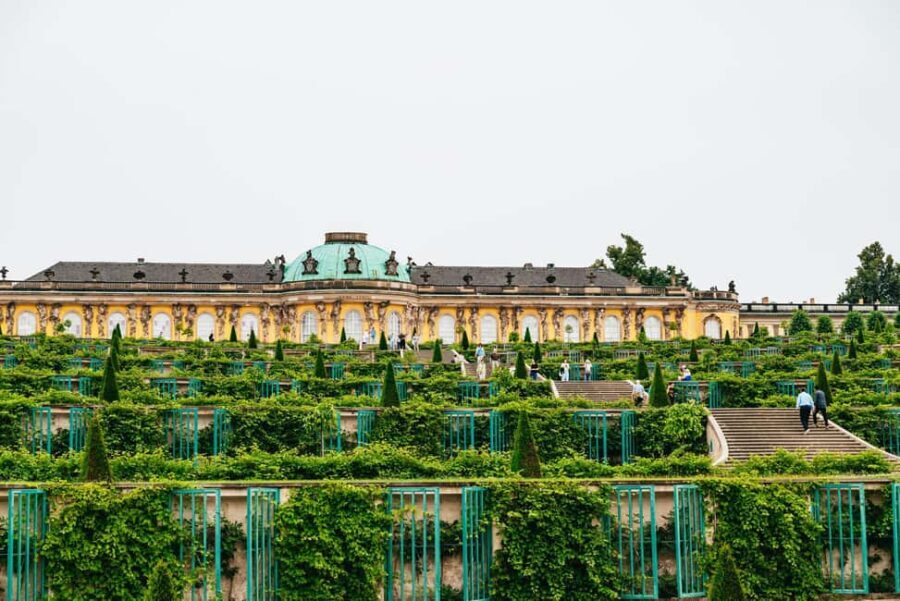
This is the no-planning option. A guide meets you in central Berlin, handles the train ride to Potsdam, walks you through the city’s highlights, and includes entry to Sanssouci Palace itself. The whole thing takes about 4 hours, leaving you the rest of the day for other Berlin activities.
At $75, it’s the premium option on this list, but you’re paying for convenience and depth. The guide covers Potsdam’s old town, the Dutch Quarter, the Russian Colony Alexandrowka, and Sanssouci Park before taking you inside the palace. For anyone who wants to understand the full arc of Prussian history — from Frederick’s flute-playing days to the Potsdam Conference that carved up postwar Europe — this tour delivers. I’d especially recommend it for solo travelers and couples who’d rather have a knowledgeable guide than fumble with audio devices.
When to Visit Potsdam
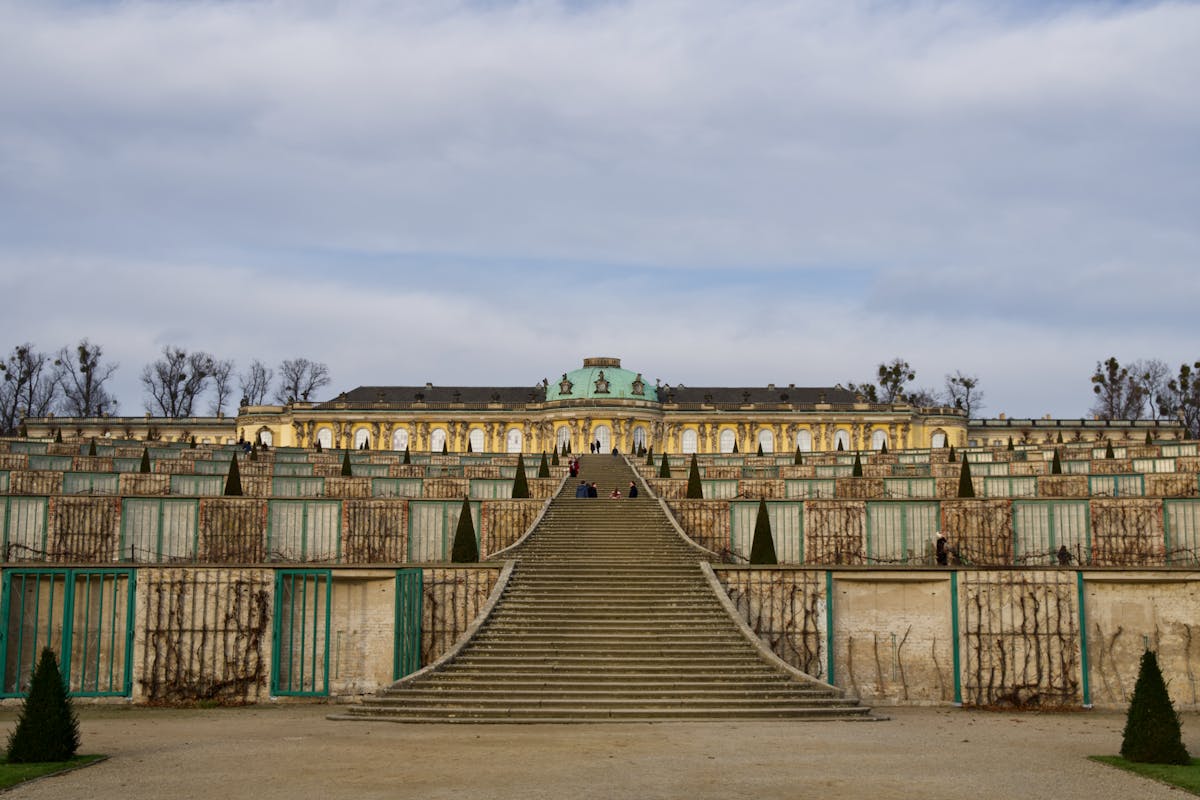
Best months: May through September. The gardens are at their peak, all palaces are open, and boat tours run on the Havel. June is ideal — long days, warm temperatures, and the roses in the Sicilian Garden are in full bloom.
Worst time: January and February. Several palaces close for the winter or have reduced hours. The park is still beautiful with frost on the terraces, but you’ll miss a lot of the interior visits. The New Palace closes entirely from November through March.
Sanssouci Palace hours: Tuesday through Sunday, 10:00 AM to 5:30 PM (April-October), 10:00 AM to 4:30 PM (November-March). Closed Mondays year-round. Last entry is 30 minutes before closing.
Arrive early if you’re buying tickets on-site. By 11 AM on summer weekends, the afternoon slots are often all that’s left. Pre-booking online or through a tour eliminates this problem entirely.
How to Get to Potsdam from Berlin
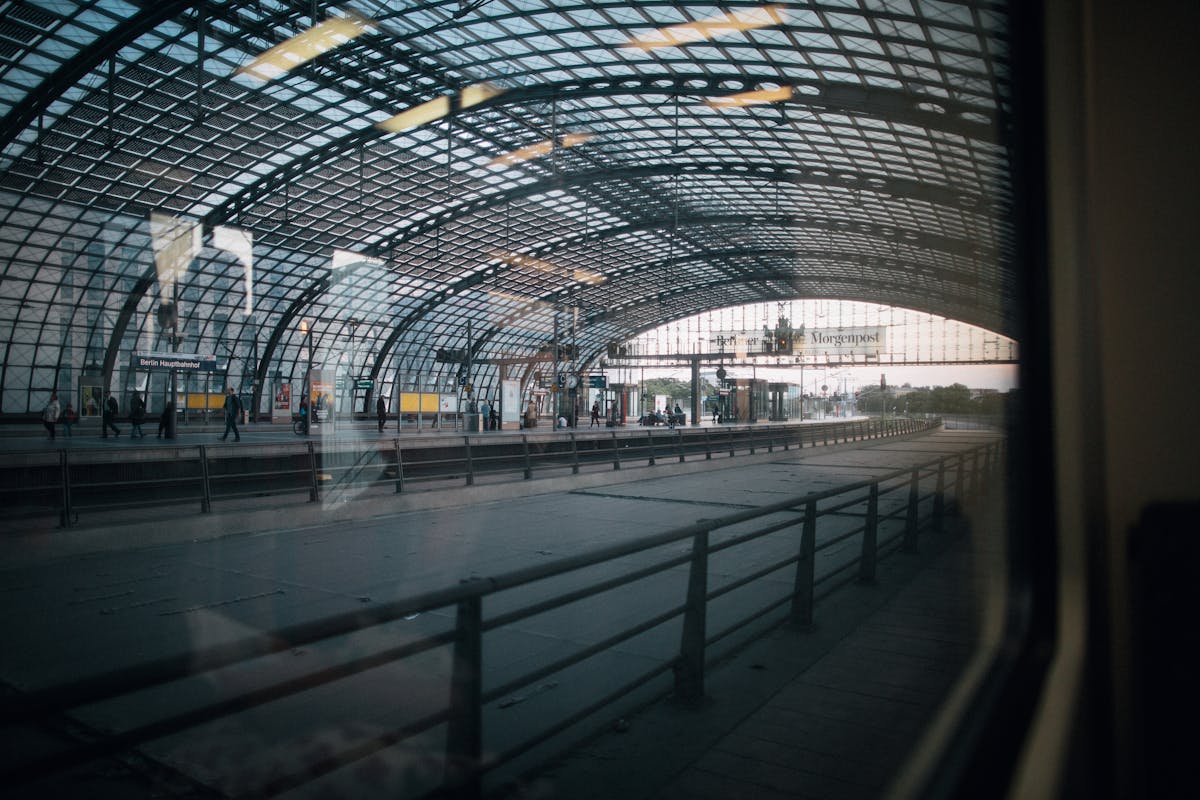
The S-Bahn is the easiest way. Take the S7 from Berlin Hauptbahnhof (or Friedrichstrasse, Zoologischer Garten, or any major S-Bahn station) direct to Potsdam Hauptbahnhof. The ride takes about 25-40 minutes depending on where you board. Trains run every 10 minutes during the day.
You’ll need a Berlin ABC zone ticket (EUR 4.40 single, or use a Berlin Welcome Card if you have one). The standard AB ticket doesn’t cover Potsdam — this catches a lot of people out. Buy the ABC ticket before you board.
From Potsdam Hauptbahnhof, take tram 91 or bus 695 to Sanssouci Park. The stop is “Schloss Sanssouci” or “Park Sanssouci.” It’s about 10 minutes. You can also walk from the station — it’s roughly 2 km through Potsdam’s old town, which is pleasant and gives you a feel for the city.
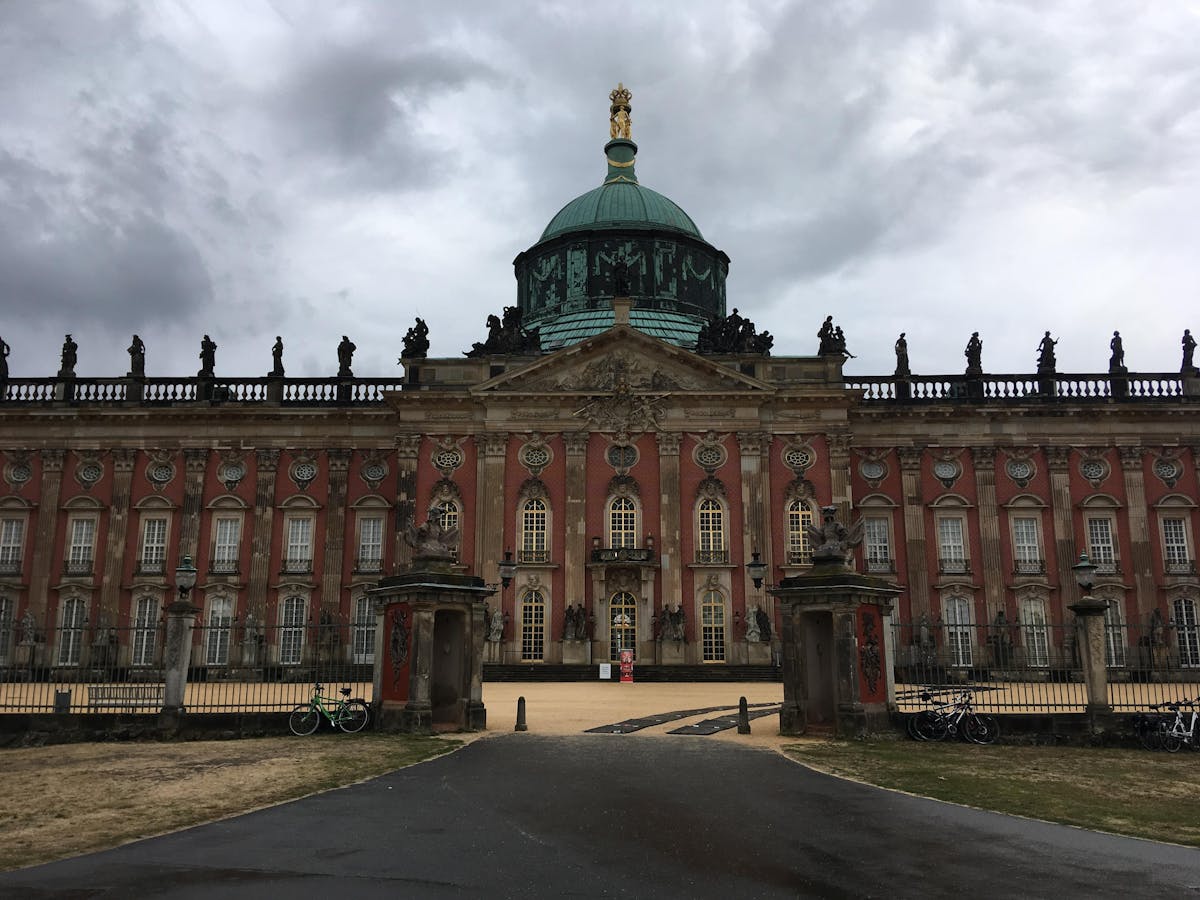
Pro tip: If you want to start at the New Palace (the far end of the park), get off the S-Bahn one stop earlier at Potsdam Park Sanssouci station. The New Palace is a 5-minute walk from there. This lets you walk through the park from west to east, ending at Sanssouci Palace. It’s a better route because you build toward the highlight instead of starting with it.
Tips That Will Save You Time
Book your Sanssouci Palace time slot online. This is the single most important tip. The on-site ticket office has limited capacity, and during peak season (June-August), morning slots disappear fast. Pre-booking through GetYourGuide or the official SPSG website guarantees your entry time.
Wear proper walking shoes. This isn’t a suggestion — it’s a requirement. The park is enormous, the paths are gravel and cobblestone, and you’ll easily cover 8-10 km if you explore properly. Sandals and fashion sneakers won’t cut it.
Bring water and snacks. There are a couple of cafes in the park (the Drachenhaus near the Orangery is decent), but they’re expensive and often crowded. A packed lunch eaten on one of the benches overlooking the terraces is honestly the better experience.
Start early. Gates open at 10 AM, but arriving at 9:30 lets you walk the free gardens before the palace opens. The morning light on the terraces is the best light for photos, and you’ll have less company.
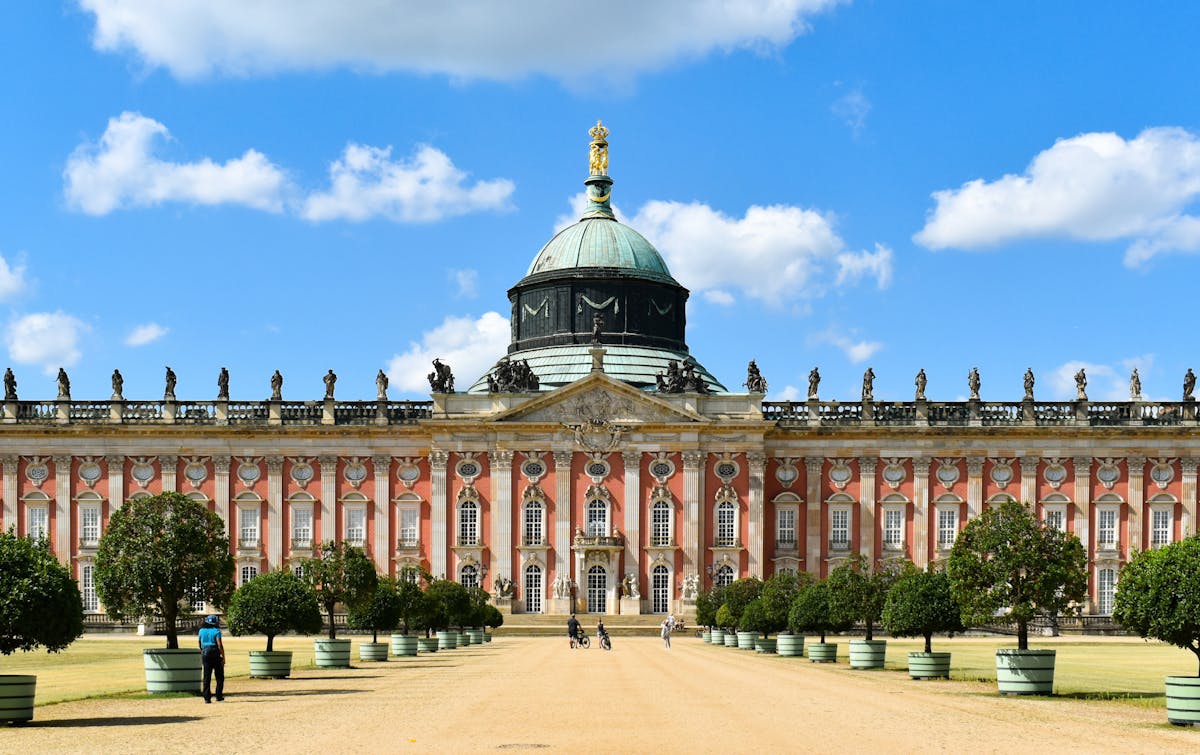
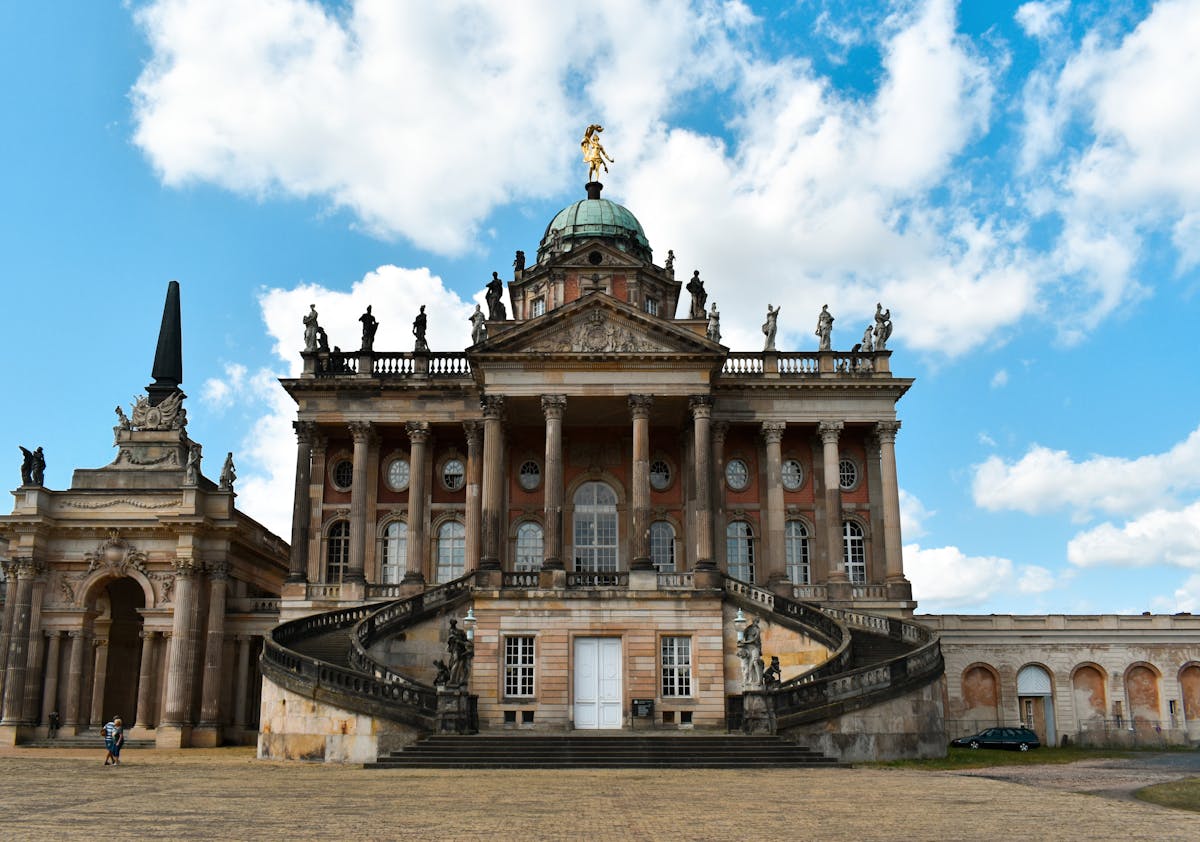
Don’t skip the New Palace. Most visitors beeline for Sanssouci Palace and ignore the New Palace at the other end of the park. That’s a mistake. The New Palace has over 200 rooms, including the Grotto Hall (walls decorated with shells and semi-precious stones) and the Marble Hall. It’s arguably more impressive than Sanssouci itself, and it’s far less crowded.
The Glienicke Bridge is worth the detour. This is where the US and Soviet Union exchanged captured spies during the Cold War. It’s a 20-minute walk from the park, and there’s not much to see besides the bridge itself, but if Cold War history interests you, standing on the exact midpoint where Francis Gary Powers was swapped is a strange and powerful experience.
What You’ll Actually See Inside Sanssouci
Sanssouci Palace is small by royal standards — just 12 rooms. But what it lacks in size, it makes up for in personality. Every room reflects Frederick’s specific tastes: his love of French philosophy, Italian painting, and classical music.
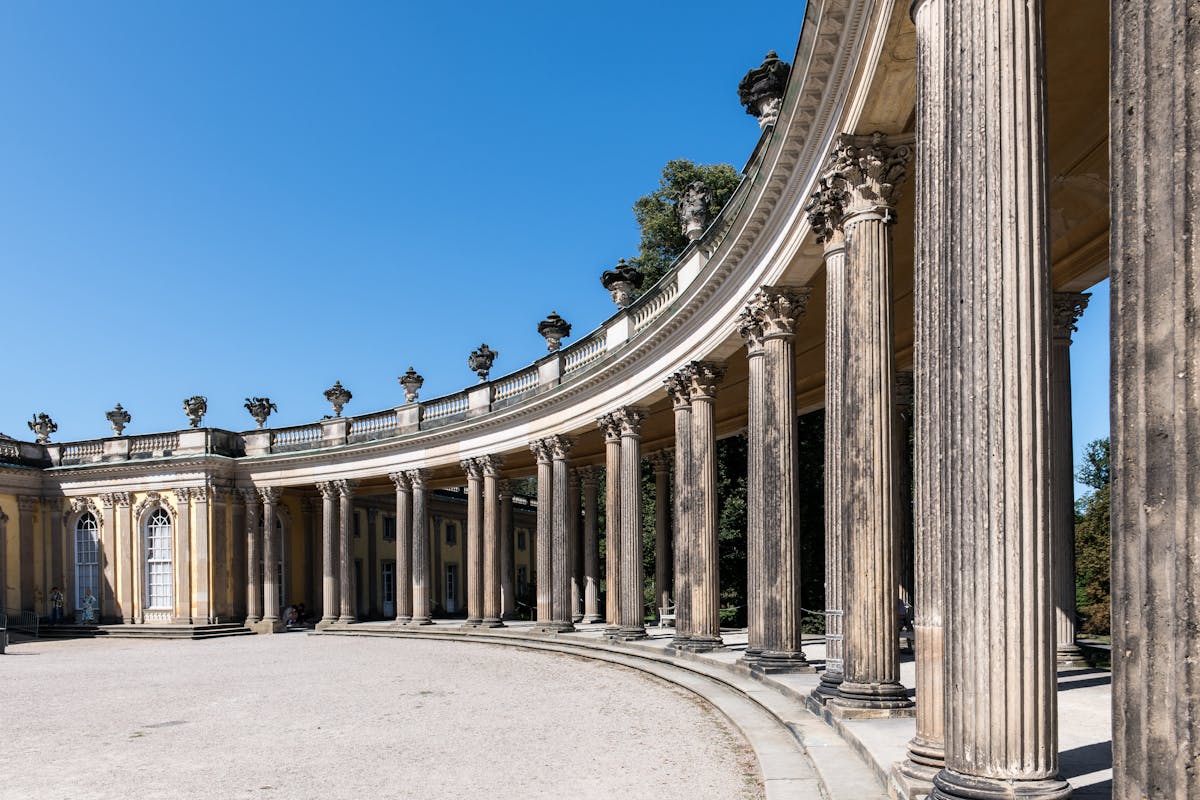
The Marble Hall is the centerpiece. Paired Corinthian columns in white marble ring a circular room topped by a painted dome. It’s where Frederick entertained Voltaire, who lived at Sanssouci for three years (they eventually fell out, because of course they did).
Frederick’s music room is smaller but more revealing. He was a serious flautist — genuinely talented, not just a hobbyist king — and the room has his original fortepiano and the music stands where he performed with Carl Philipp Emanuel Bach. The concert room ceiling is gilded with vines and musical instruments, and the acoustic design still works.
His personal library holds about 2,100 French-language books (Frederick preferred French to German and wrote all his philosophical works in French). The circular room has cedarwood paneling and gilded bronze reliefs. It’s one of the most intimate royal libraries in Europe.
Then there’s the Voltaire Room, guest quarters decorated with carved and painted reliefs of monkeys, parrots, fruits, and flowers. It’s playful and slightly absurd — nothing like the formal state rooms you see in most palaces. The whole building feels personal in a way that Versailles never does.
Beyond the Palace: What Else to See
Sanssouci Park alone could fill a full day. But Potsdam has more beyond the park gates.
The Dutch Quarter (Hollandisches Viertel) is a 5-block grid of red-brick Dutch-style houses built in the 1730s to attract Dutch artisans to Potsdam. It’s the largest surviving Dutch settlement outside the Netherlands. Today it’s full of boutique shops, cafes, and galleries. Good for lunch.
The Russian Colony Alexandrowka is a cluster of 13 wooden Russian-style houses built in 1826 for Russian military choir singers. It looks like a small Siberian village dropped into the middle of Brandenburg. There’s a Russian Orthodox chapel on the hill above.
Cecilienhof Palace is where Truman, Stalin, and Churchill (later replaced by Attlee) met in July 1945 to decide the postwar order at the Potsdam Conference. The conference room is preserved as it looked in 1945, complete with the round table and the national flags. If you’re a WWII history person, this is required.
Potsdam also has its own Brandenburg Gate. It predates the one in Berlin and looks completely different — a Roman triumphal arch commissioned by Frederick after the Seven Years’ War. It marks the western entrance to the old town and most visitors walk right past it without realizing its significance.
More Berlin Guides
If you are building out a Berlin trip, Potsdam pairs well with a few other experiences we have covered. A Spree River cruise is the perfect low-energy complement to a full day of walking at Sanssouci — you see the Reichstag, Museum Island, and the East Side Gallery from the water without putting any more miles on your feet. Booking a visit to the Reichstag dome gives you the best free panoramic view in Berlin, and the TV Tower at Alexanderplatz offers an even higher vantage point.
For a deeper dive into the city, a Berlin walking tour covers the history that Potsdam only hints at — the Wall, Checkpoint Charlie, and the streets where the Cold War played out. The Third Reich walking tour connects the Cecilienhof story to what happened in Berlin itself, and our Berlin Wall guide covers the sites where the division Potsdam Conference set in motion became physically real. If you want to cover more of Berlin without another full walking day, a guided bike tour threads the major landmarks together in a few hours.
This article contains affiliate links. If you book through our links, we earn a small commission at no extra cost to you. This helps us keep creating free travel guides.