
Leon Trotsky wrote most of The History of the Russian Revolution on Büyükada. Stalin had exiled him from the Soviet Union in 1929; he landed on the biggest of the Princes Islands, rented a three-storey wooden mansion, and stayed four years. A thousand years earlier, Byzantine emperors were using the same islands for almost exactly the same reason, which is where the name comes from — close enough to watch, far enough to be out of the way.
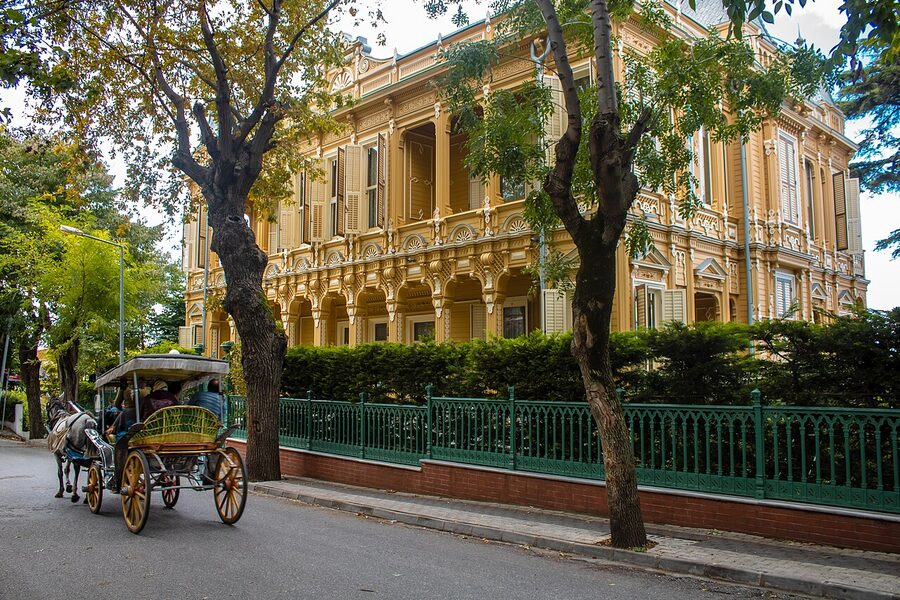

A day trip runs €30-90 depending on whether you go guided or self-organised. The key thing to know going in: the islands are car-free. Since 2020, even the famous horse-drawn phaetons have been banned (animal welfare concerns). Everyone gets around on foot, bicycle, or electric buggy. This is part of the appeal — you arrive from a city of 16 million people and within 90 minutes you’re on an island where the loudest sound is cicadas.


In a Hurry?
- Best overall: Two-Island Tour (Heybeliada + Büyükada) — guided day trip covering the two most-visited islands. Lunch included, 8-9 hours.
- Best for Büyükada: Full-Day Büyükada Tour with Lunch — just the biggest island, deeper exploration, bike rental included.
- Best for walkers: Princes Islands Walking Full-Day Tour — same itinerary but focused on hikes through the pine forests and coastal paths.
- In a Hurry?
- What the Day Actually Looks Like
- What to Do on Büyükada
- The Three Tour Options
- 1. Two-Island Tour (Heybeliada + Büyükada) — from €45
- 2. Full-Day Büyükada Tour with Lunch — from €50
- 3. Princes Islands Walking Full-Day Tour — from €55
- Self-Organised vs Guided
- A Short History of the Islands
- When to Visit
- Getting There
- On the Islands — Transport
- What to Eat
- Photography Tips
- Combining With Other Istanbul Days
- Accessibility
- Common Mistakes
- What Guides Won’t Tell You
- The Short Version
What the Day Actually Looks Like
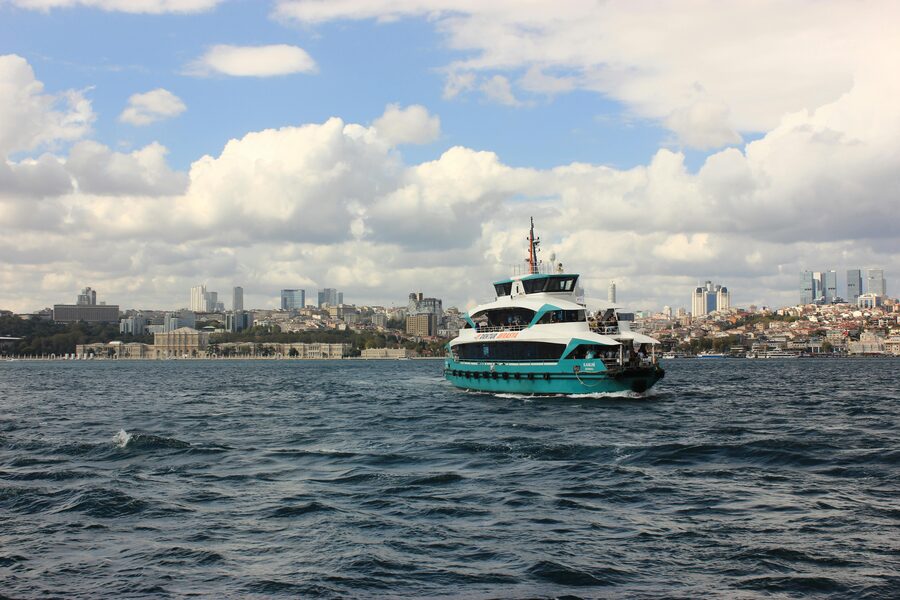
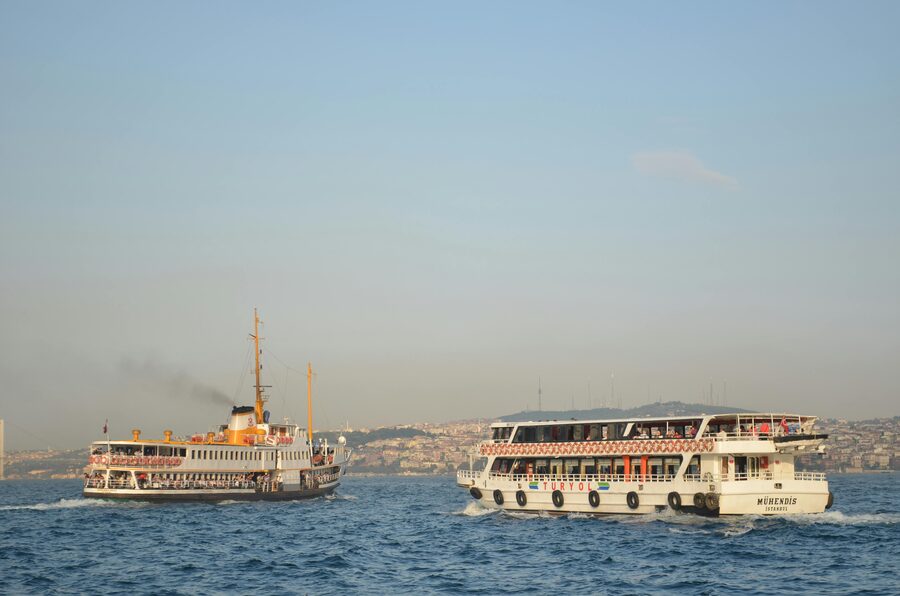
You board at Kabataş ferry terminal (European side) or Bostancı (Asian side) between 8am and 10am depending on your tour. The public ferry (IDO) costs €3-5 each way on the OV-equivalent Istanbulkart. Tour operators usually use the same public ferries but include your ticket plus a guide and lunch.
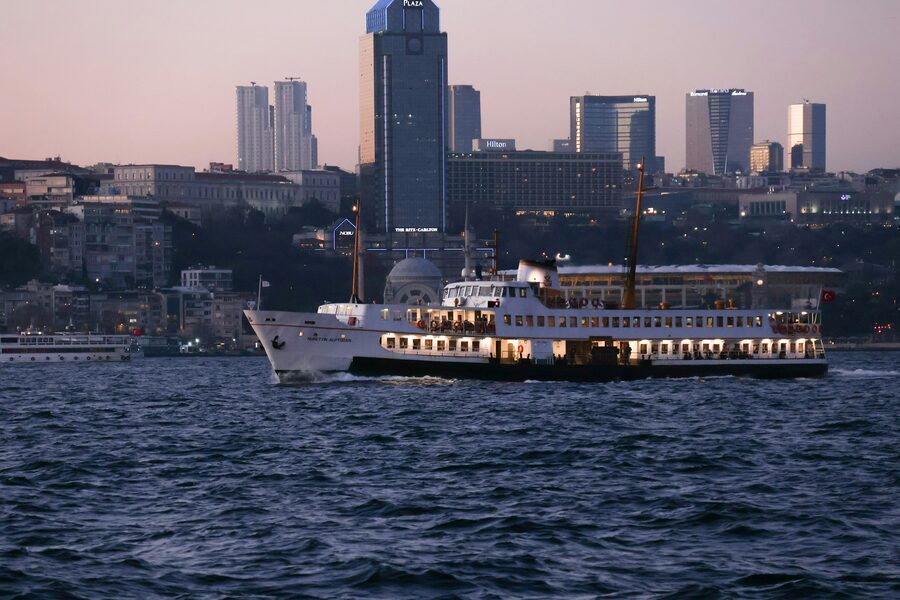
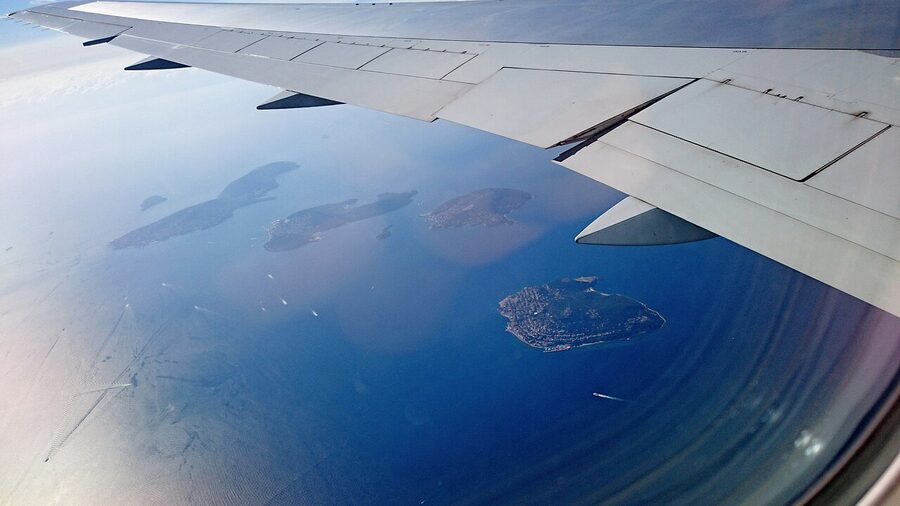
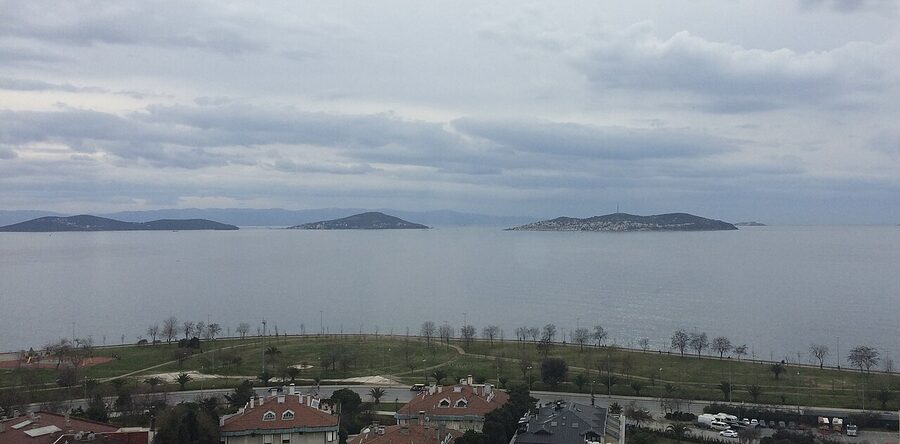
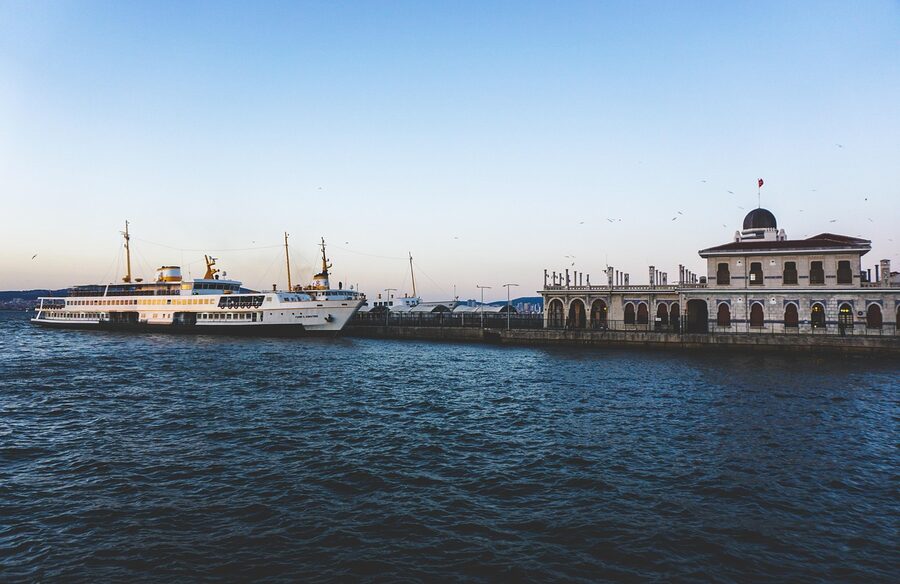
The ferry stops in order: Kınalıada (first and smallest), Burgazada, Heybeliada, Büyükada (the biggest and last). Most tours get off at Heybeliada for 2-3 hours, re-board the next ferry, and spend 3-4 hours on Büyükada before returning.
Kınalıada: smallest, closest to Istanbul, largely Armenian community historically. Most tours skip it or just ferry-pass. Worth a short stop if you’re doing the islands on your own.
Burgazada: middle-sized, smaller village, slightly quieter. Famous for author Sait Faik’s home (now a museum).
Heybeliada: medium-sized, formerly home to the Halki Seminary (Greek Orthodox theological school, closed since 1971). The hilltop naval academy building is visible from the port.
Büyükada: the big one. About 6 km² with two pine-covered hills, the village clustered around the north port. The main attraction and where most day-trippers spend the bulk of their time.
What to Do on Büyükada
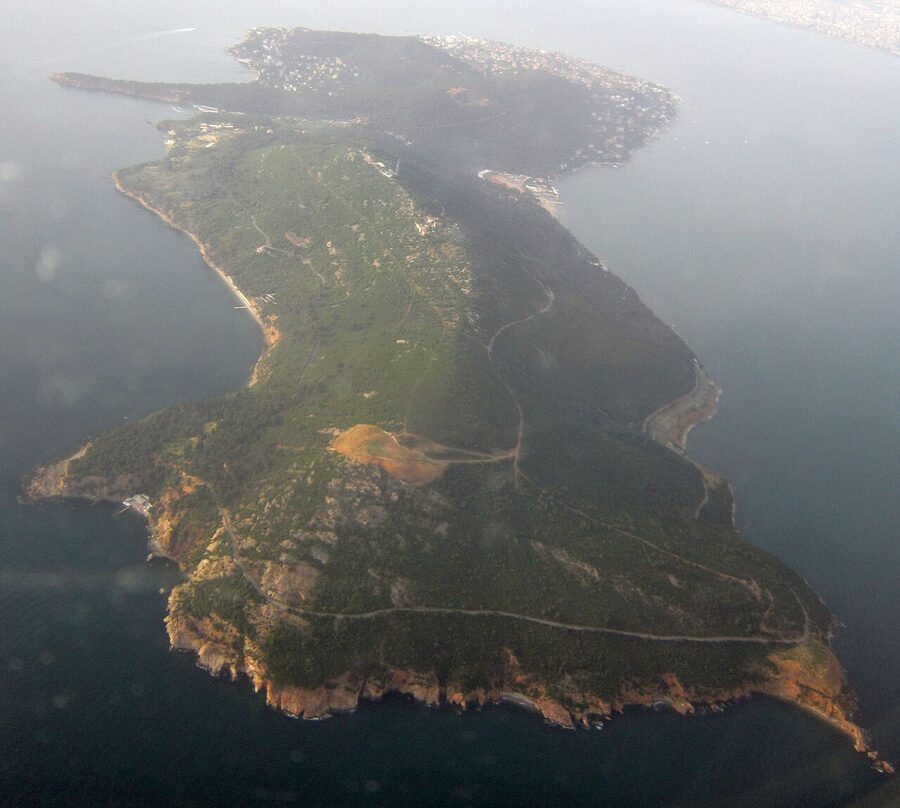

Rent a bicycle. €5-8 for the day from shops near the port. The island has a roughly 8km loop road that circles the whole thing. Easy-to-moderate gradients. Most visitors cover half the loop in 90 minutes. If you’re moderately fit, do the full loop in 2-3 hours.
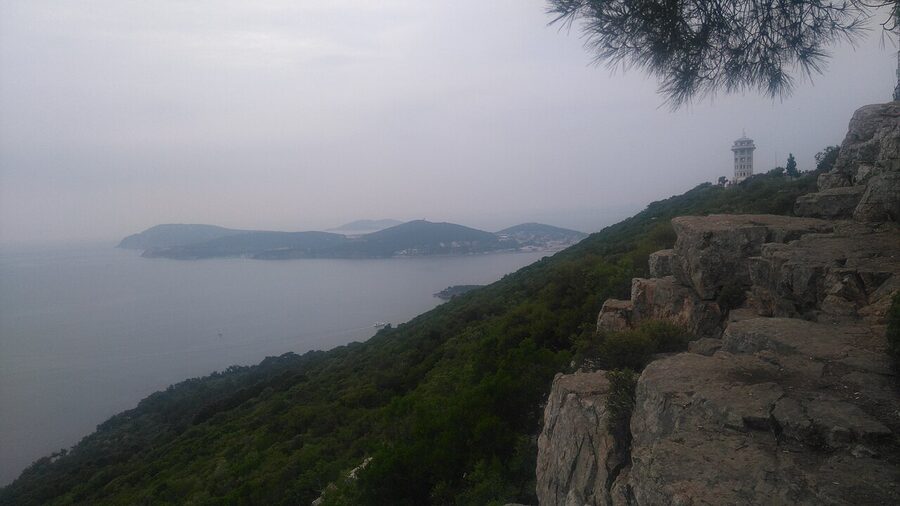
Walk to the Aya Yorgi Monastery. 45-minute uphill walk from the port to the summit of the island’s higher hill (Yucetepe, 203m). The monastery is modest but the views across the Marmara are superb. There’s also a sit-down restaurant at the top — Yucetepe Kır Gazinosu — with a terrace that feels very out-of-Istanbul.
Swim at Yörükali Beach. The main swimming beach. €10-15 entry including a sunbed. Water is Sea of Marmara — warmer than the Bosphorus, cleaner than Istanbul’s inner waters.
Visit Trotsky’s House. Leon Trotsky lived on Büyükada from 1929 to 1933 after Stalin exiled him from the Soviet Union. The wooden mansion where he wrote his autobiography is now in private ownership and not open to visitors, but you can see it from the road. The tourist interest is more about the story than the building.
_(34154982376).jpg)
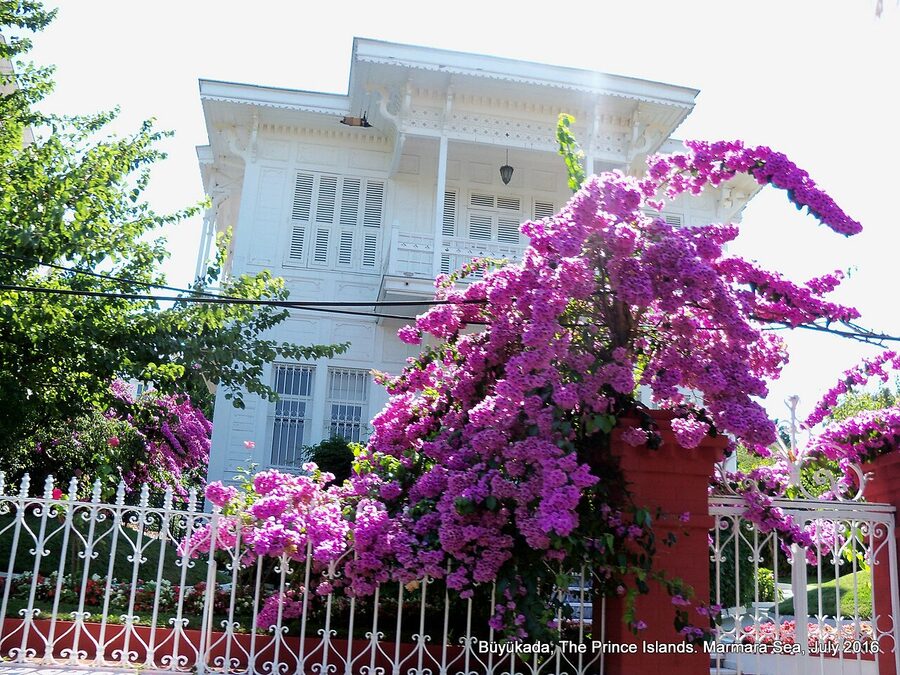
Wander the wooden-mansion streets. The streets radiating out from the port are lined with 19th and early 20th century wooden villas. Some are still private homes; some are small hotels; some are visibly decaying in beautiful ways. Photogenic.
Eat lunch at the port. Seafood restaurants line the harbour. Most are tourist-priced but portions are generous. €15-30 per person for a full meal.
Büyükada Lighthouse (Fener). At the southwestern tip — an hour’s walk or 15-minute bike ride. Not open to visitors but picturesque.

The Three Tour Options
1. Two-Island Tour (Heybeliada + Büyükada) — from €45
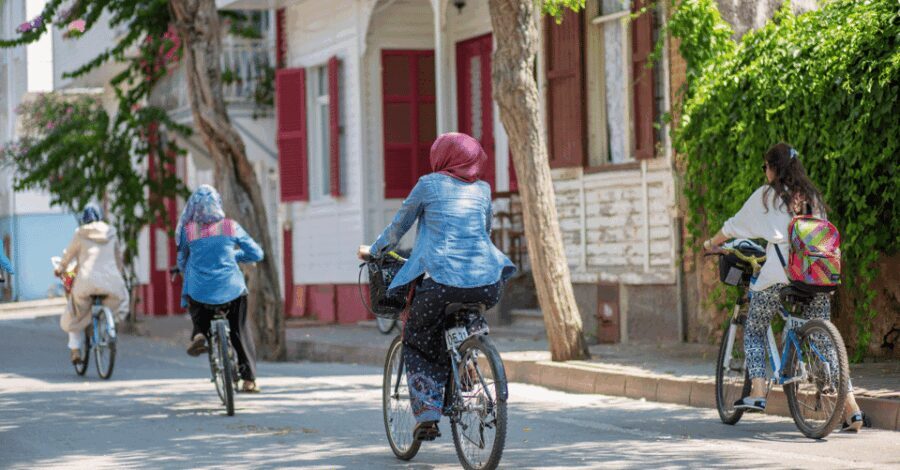
The default. Public ferry out, stops on Heybeliada (2-3 hours) and Büyükada (3-4 hours), guided walk on each, seafood lunch, return ferry. Best for first-time visitors wanting context and logistics handled. Full review.
2. Full-Day Büyükada Tour with Lunch — from €50
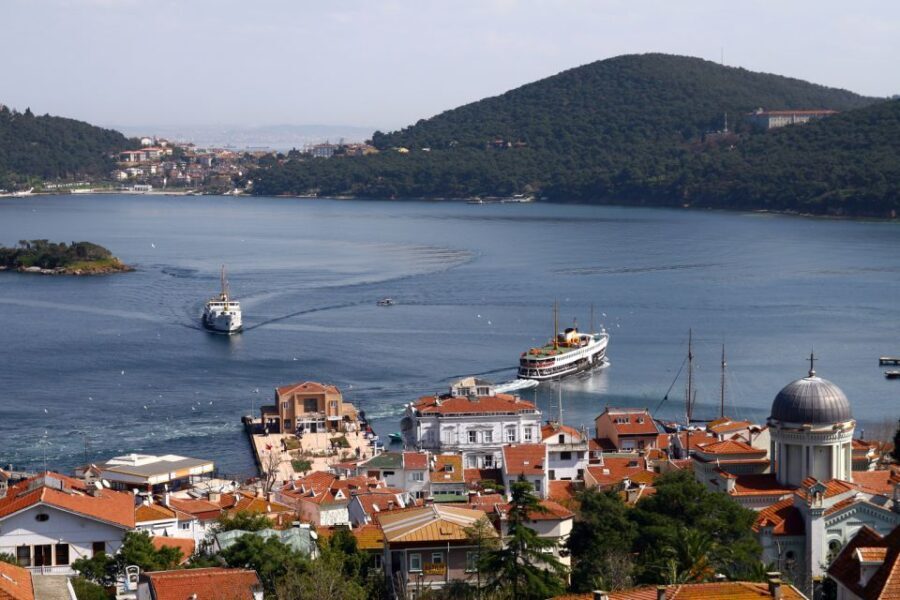
For visitors who prefer one island explored thoroughly. Skips the smaller islands, spends all day on Büyükada with bike rental, hike to Aya Yorgi, lunch at the port. Better for active visitors who want to cover the whole island rather than fragment across two.
3. Princes Islands Walking Full-Day Tour — from €55
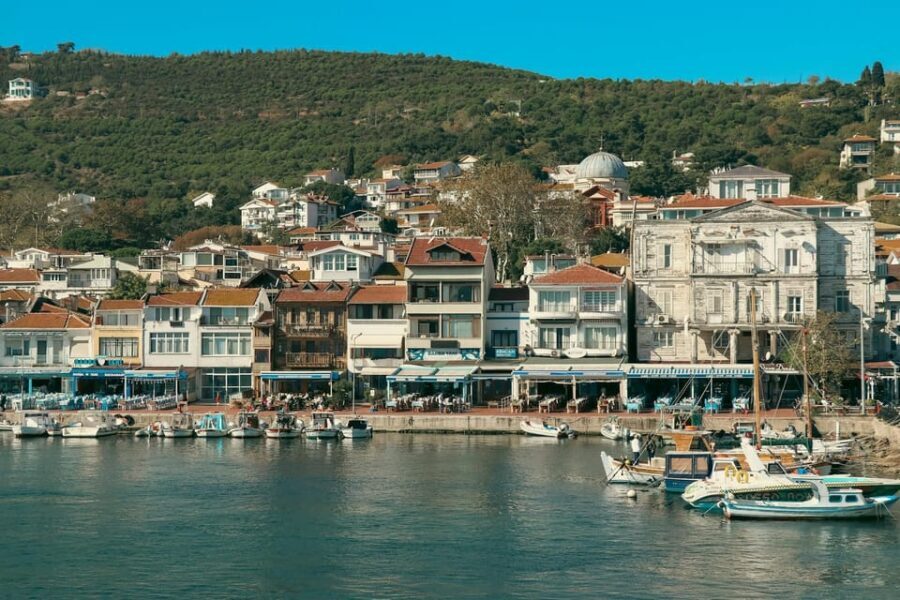
For visitors who prefer walking to biking. Covers Heybeliada and Büyükada with 6-8 km of foot trails through pine forests, coastal paths, and the Aya Yorgi summit hike. Most physically demanding of the three options; best for fit travellers and nature-walk fans.
Self-Organised vs Guided
Going on your own is genuinely easy and saves about €30 per person. The trade-off is you’re doing the logistics.
Self-organised:
- Tram T1 or metro to Kabataş ferry terminal
- İDO public ferry to Büyükada (90 min, €3-5)
- Rent bike (€5-8) or walk
- Lunch at port (€15-25)
- Return ferry by 5pm
Total per person: €30-45. Time: 8-9 hours.
Guided tour: same day structure, plus guide commentary, pre-arranged lunch, sometimes private ferry transfer. €45-90 per person.
Rule of thumb: if you’re confident with public transport and not worried about Turkish-only signage, go self-organised. If you want the “set it and forget it” day, book guided.
A Short History of the Islands
The Princes Islands have been used as exile destinations since the Byzantine period. The name comes from the Greek “Prinkipos” — for centuries these were where Byzantine emperors sent deposed princes, dethroned empresses, and fallen court figures. Rather than executing high-status rivals, the imperial system sent them to live out their days 20km offshore.
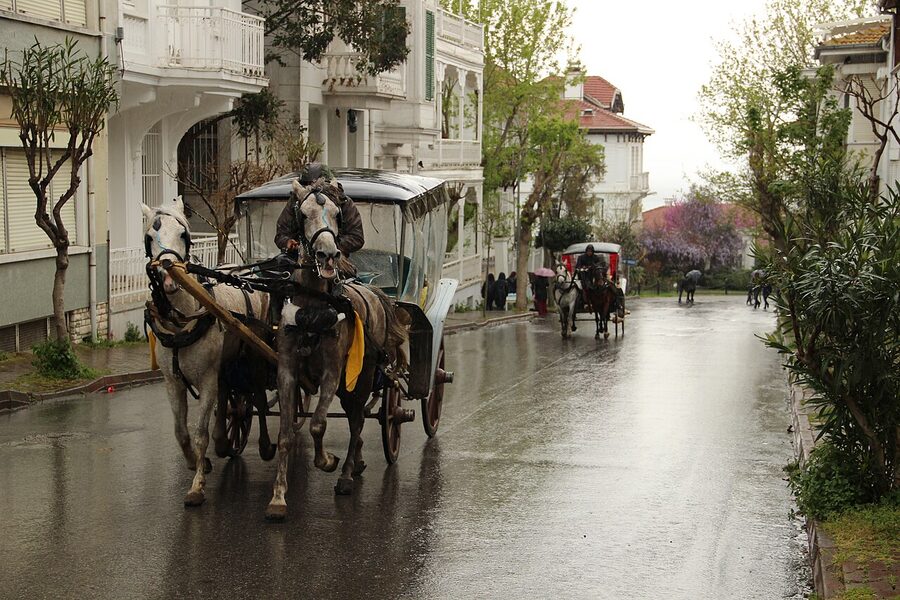

The Ottomans continued the tradition after 1453. Deposed sultans, exiled princes, and political prisoners were sent here throughout the imperial period. The islands stayed sparsely populated until the 19th century, when ferry service from Istanbul made them accessible for summer excursions. Wealthy Istanbul families built wooden mansions as summer homes from the 1860s onward — most of the visible “historic” architecture today dates from this 50-year window.
In the 20th century, the islands remained a summer retreat. Leon Trotsky’s 1929-1933 residence on Büyükada is the most famous exile story — he wrote his autobiography and most of his History of the Russian Revolution on the island. His three-storey wooden mansion still stands (privately owned, not open to the public).
The Halki Seminary on Heybeliada is a separate, politically charged story. Founded in 1844 as a Greek Orthodox theological school, it was forcibly closed by Turkish authorities in 1971 and has remained closed ever since. Reopening the seminary is a recurrent demand of the Ecumenical Patriarchate; various Turkish governments have promised and withdrawn reopening commitments. The building itself is visible from the port road on Heybeliada.
The ban on horse-drawn phaetons in 2020 marked the most visible recent change. Until then, phaetons were the main transport around Büyükada and Heybeliada — tourists rode them as sightseeing vehicles. Animal welfare campaigns (some horses were poorly treated or overworked in summer heat) eventually pushed the municipality to ban them. Electric vehicles and bicycles now do the job.
When to Visit
Best time of year: late April-May or September-October. Mild weather, full ferry schedules, crowds manageable. The islands lean Mediterranean in temperature — late October can still be warm enough for beach swimming.
Peak: June-August weekends. Istanbul residents descend on the islands en masse every summer Saturday and Sunday. Ferries run full, beaches are packed, restaurants have waits. Go midweek if visiting in peak season.
Shoulder: March, November. Ferry frequency drops; some businesses close. Still viable but reduced options.
Winter: December-February. Ferries run less frequently (every 2-3 hours rather than hourly). Most tourist restaurants close. The islands look different — grey, quiet, largely empty. A few dedicated winter visitors enjoy the solitude.
Best day of week: Tuesday-Thursday. Weekends are Istanbul-resident day-trip heavy.
Best time of day: first ferry out. Aim for the 9am departure from Kabataş. You’ll arrive by 10:30am with the full day ahead. Last return ferry is typically 6:30-7pm in summer, 5:30pm in winter.
Getting There
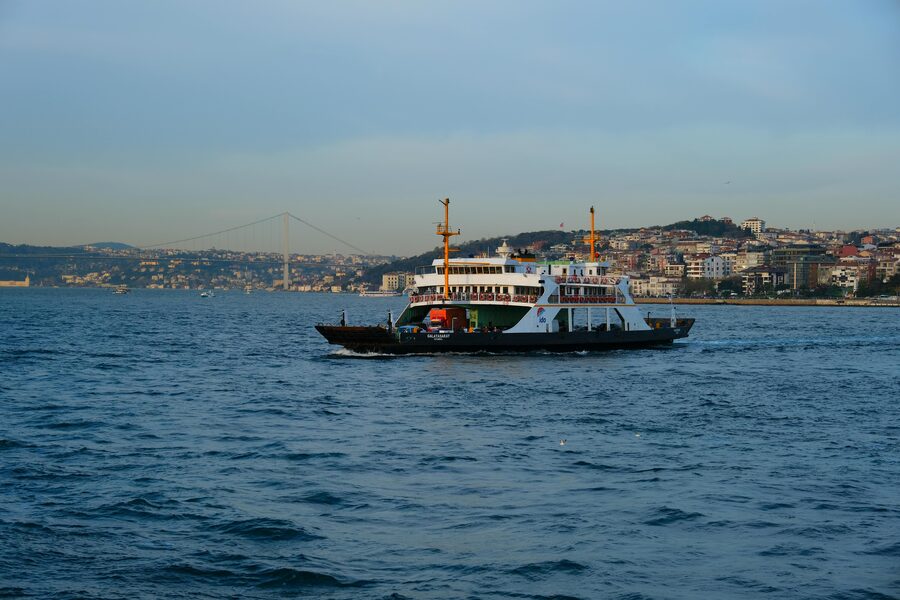
From European side (Sultanahmet, Taksim, Beyoğlu): take tram T1 or funicular F1 to Kabataş. Ferries depart from Kabataş terminal directly. 90 minutes to Büyükada.
From Asian side (Kadıköy, Üsküdar): go to Bostancı terminal. 60 minutes to Büyükada.
From Eminönü: occasional ferries from Eminönü Adalar İskelesi. Check current İDO schedule.
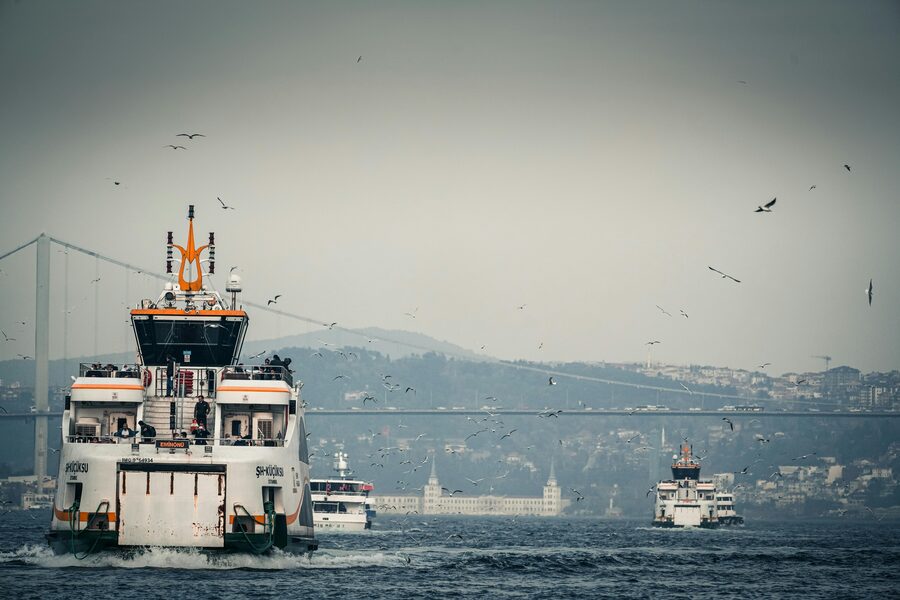
Ferry options: standard İDO ferry (€3-5, 90 min), private sea-bus IDO Bursa express (€8-12, 45 min). The express is faster but runs less frequently.
Istanbulkart: get one at any station if you’re staying in Istanbul more than a day. Loads with credit, swipes on everything — trams, ferries, buses, metro. Ferry fares are about 1/3 less with Istanbulkart than cash.
On the Islands — Transport
Car-free. Since 2020, horse-free. That leaves:
Bicycle: €5-8 per day from shops near the port. The main way most visitors get around. Helmets usually included.
Electric buggy: small tourist shuttles running around Büyükada’s main loop. €3-5 per segment. Good if you don’t want to cycle.
Walking: the islands are small enough to cover on foot if you’re willing to commit to hills.
Water taxis: between the islands themselves, small boats shuttle throughout the day. €2-5 per hop.
Not allowed: private cars, scooters, motorcycles, horse-drawn anything.
What to Eat
Seafood is the expected choice — the islands are in the Sea of Marmara, and most restaurants specialise in fresh fish. Typical dishes:
Meze: a spread of small cold dishes served at the start. Octopus salad, stuffed grape leaves, fava bean purée, smoked aubergine. €10-15 for a shareable selection.
Grilled fish: sea bass, sea bream, turbot. Priced per 100g — expect €8-15 for a whole small fish, €25-35 for a larger one.
Stuffed mussels (midye dolma): Istanbul street-food classic, common at island restaurants too. €2-3 for a dozen.
Raki: the traditional accompaniment. Turkish anise spirit served with water and ice. €4-6 per glass.
Port-front restaurants: Yavuz Restaurant, Ali Baba, and several similar options line Büyükada’s harbour. Similar quality, similar prices.
Hilltop restaurants: Yucetepe Kır Gazinosu near the Aya Yorgi monastery has the best view of the archipelago. €25-35 per person.
Photography Tips
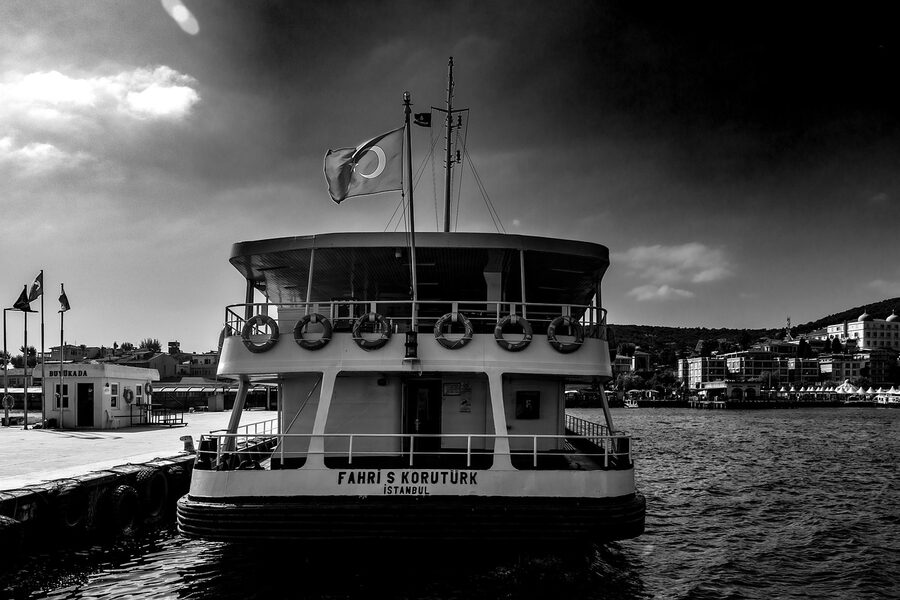
Ferry shots: as you approach Büyükada, the village clusters around the port with pine-covered hills rising behind. Shoot from the ferry deck 10 minutes before docking.
Wooden mansion streets: the streets radiating inland from the port have the best concentration. Early morning or late afternoon light is softer on the wood. Nicoletta Manetti Street on Büyükada is particularly good.
Hilltop views: from Yucetepe (203m summit), you see the whole archipelago plus Istanbul’s Asian-side skyline on clear days. Best at 4-5pm.
Lighthouse: Büyükada Fener at the southwestern tip, best at sunset. Bike or long walk to get there.
Streets with phaetons: these shots are no longer possible — the phaetons are gone. Older travel photos of Büyükada showing horse-drawn carriages are from before 2020.
Combining With Other Istanbul Days
Best Istanbul itinerary context:
Day 1 — Sultanahmet: Hagia Sophia, Blue Mosque, Basilica Cistern, Topkapi. Our Hagia Sophia guide and Topkapi guide.
Day 2 — Bosphorus cruise + Dolmabahçe: boat ride up the strait, afternoon at Dolmabahçe Palace. Our Bosphorus cruise guide.
Day 3 — Princes Islands: full-day escape from the city.
Day 4 — Grand Bazaar + Turkish bath: shopping morning, hamam afternoon. Our Turkish bath guide.
This is the classic 4-day Istanbul rotation. The Princes Islands specifically fit on day 3 because by then you’ve done Istanbul proper and need a change of pace.
If you’re visiting for longer, you can fit Cappadocia (fly out for 2-3 nights) or a Whirling Dervish ceremony or the Old City walking tour in the same week.
Accessibility
The ferries themselves are accessible — ramps to board, space for wheelchairs on deck. Bathrooms on board.
The islands vary:
- Port areas: flat, paved, accessible.
- Village streets (Büyükada, Heybeliada): cobblestone, mostly flat, navigable.
- Hill routes (Aya Yorgi, Yucetepe): steep, not accessible for mobility-limited visitors.
- Beaches: some have accessible ramps; others don’t.
A wheelchair user can reasonably do a Büyükada port-and-village day without the hill climbs. Skip the Yucetepe summit.
Common Mistakes
Going on a weekend in summer. Maximum crowd density. Ferries run full, restaurants have waits, beaches are packed. Midweek or shoulder season.
Expecting phaeton rides. These were the iconic Princes Islands experience until 2020. Now banned. Plan around bikes or walking.
Booking the last ferry back. Ferries fill up in the early evening. Aim for a return 90 minutes before the last one.
Spending all day only on Büyükada. The two-island format gives you variety. Heybeliada is quieter and often more enjoyable than the crowded Büyükada port.
Skipping lunch at the port. Seafood here is genuinely good, and tour-operator “included lunches” are often the cheapest middling options. Pay for a better meal at a proper port restaurant.
Underdressing for the hike. The Aya Yorgi walk is 45 minutes uphill in summer heat. Water, hat, sunscreen.
What Guides Won’t Tell You
Ferries get hot. The ferry interior in July is uncomfortably warm. Sit on the outdoor deck if weather permits — it’s breezier and gives you better views.
Public ferries are cheaper but slower. The private tour operators sometimes use private speedboats that cut the journey to 45 minutes. Worth considering if 90-min ferry time feels wasteful.
Bikes rust in the sea air. Rental bikes on Büyükada are often older and not in great condition. A squeaky chain is normal. Just ride it.
The monastery is modest. Aya Yorgi is a real pilgrimage site for Turkish Christians but the building itself isn’t architecturally dramatic. You’re there for the walk up and the views, not the monastery.
Off-season accommodation is cheap. If you want to stay overnight in a wooden mansion hotel, October-April rates run €60-120 per night — half the summer prices.
The islands have their own microclimate. Often 2-3°C cooler than Istanbul in summer, warmer in winter. Bring an extra layer.
The Short Version
Take the 9am ferry from Kabataş. Spend 2-3 hours on Heybeliada, ferry across for 3-4 hours on Büyükada. Rent a bike (€5-8), ride the island loop, walk up to Aya Yorgi if you have the energy. Seafood lunch at the port. Last ferry back to Istanbul by 6pm.
If you want the day handled for you, book the €45-55 guided two-island tour. If you’re confident on Turkish public transport and prefer flexibility, go self-organised for €30-40 total. Either way, the Princes Islands are the best escape-from-Istanbul day trip — closer and more accessible than Cappadocia, Ephesus, or Pamukkale.
Affiliate disclosure: Some links in this article are affiliate links. If you book through them we may earn a small commission at no cost to you. All recommendations are based on my own visit.