
The water taxi from Faro’s old town marina takes about fifteen minutes to reach Ilha Deserta. That’s all it takes to go from airport tarmac to one of the emptiest beaches in southern Europe. But the thing that caught me off guard wasn’t the sand — it was what we crossed to get there.
Sixty kilometres of lagoon, salt marsh, and tidal flats, stretching from Faro nearly to the Spanish border. Flamingos standing knee-deep in the shallows like they owned the place. A seahorse sanctuary that scientists describe as one of the most important in the world. And barely anyone I talked to back home had heard of it.
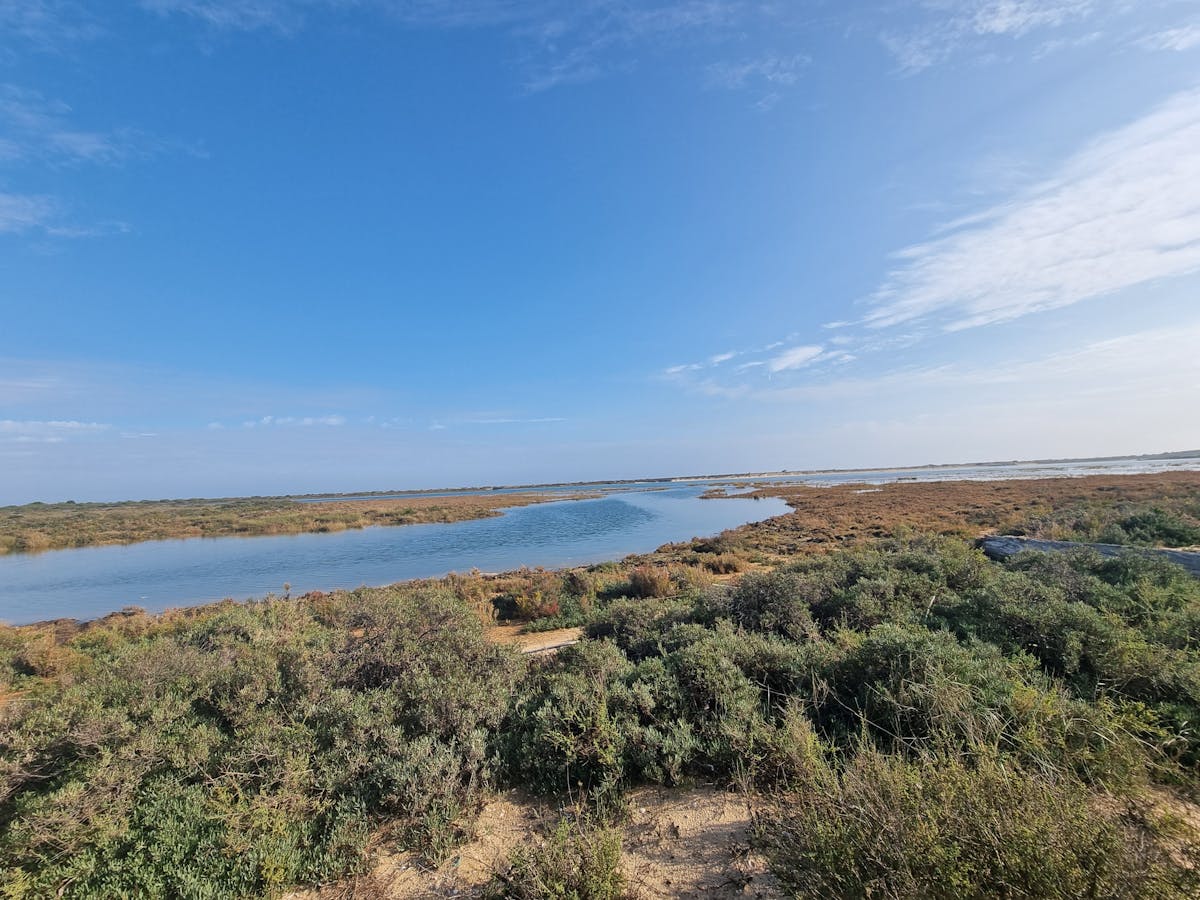
Ria Formosa is the Algarve’s best-kept open secret. A 170 square kilometre nature reserve that sits right behind the tourist beaches, separated by a chain of barrier islands, and most visitors never even realise it’s there.
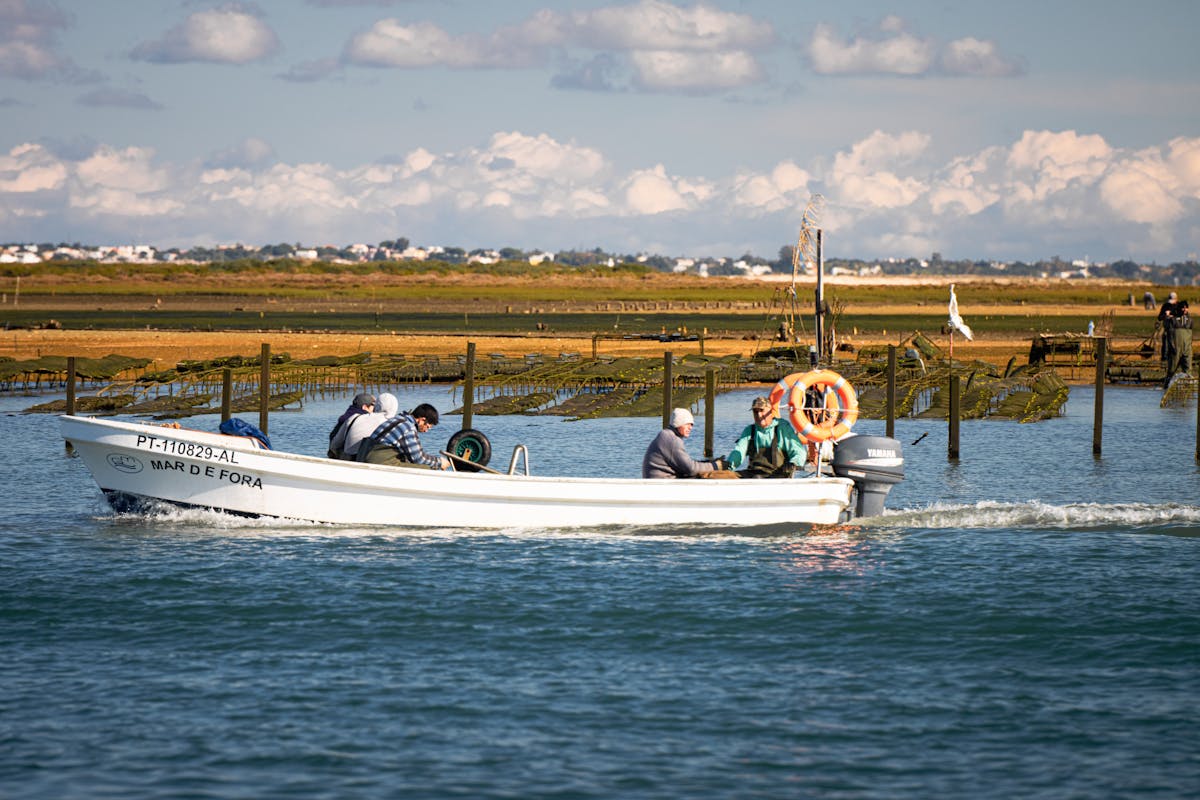
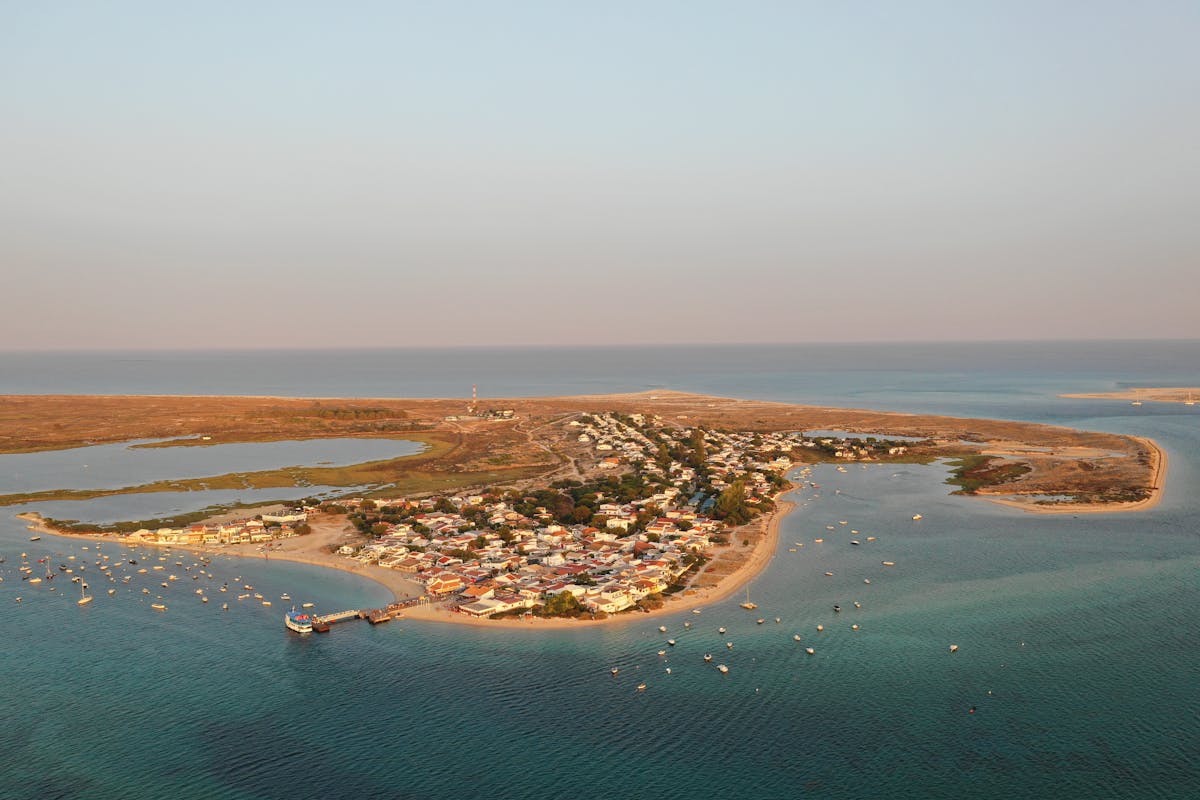
Best island hopping: 4 Stops, 3 Islands & Ria Formosa — $48. Full-day tour hitting three barrier islands with swimming stops and a fishing village walk. The one to book if you only have one day.
Best for nature lovers: Eco-Friendly Bird Watching by Solar Boat — $47. A silent electric boat through the flamingo and wading bird habitats. Two hours, zero engine noise.
Best budget option: Sunset Tour on the Ria Formosa — $30. One hour, golden light, and a fraction of the cost. Hard to beat for a first taste of the lagoon.
- What Exactly Is the Ria Formosa?
- The Best Ria Formosa Tours to Book
- 1. 4 Stops, 3 Islands & Ria Formosa Natural Park —
- 2. Ria Formosa Faro Islands Boat Tour —
- 3. Eco-Friendly Bird Watching by Solar Boat —
- 4. Sunset Tour on the Ria Formosa —
- When to Visit the Ria Formosa
- Tips That Will Save You Time
- More Algarve Guides
What Exactly Is the Ria Formosa?
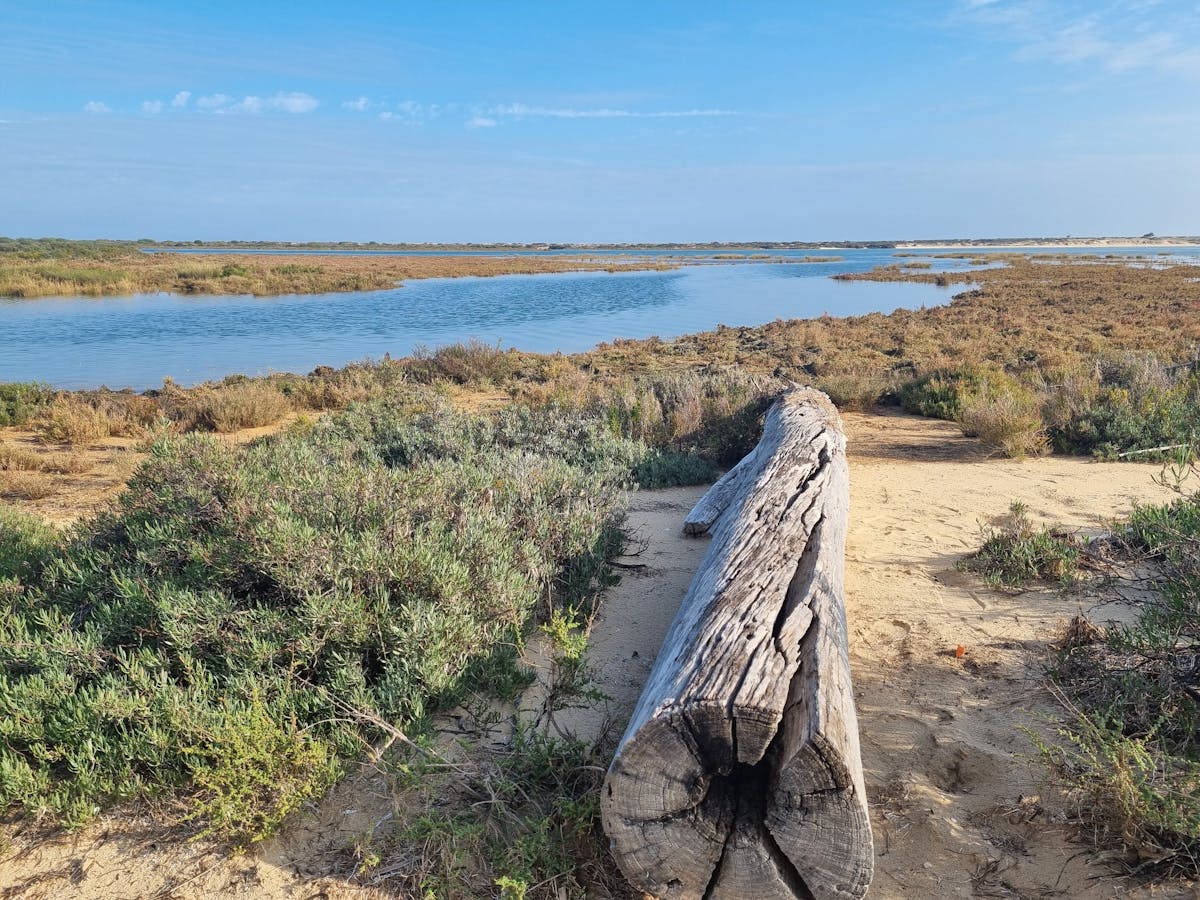
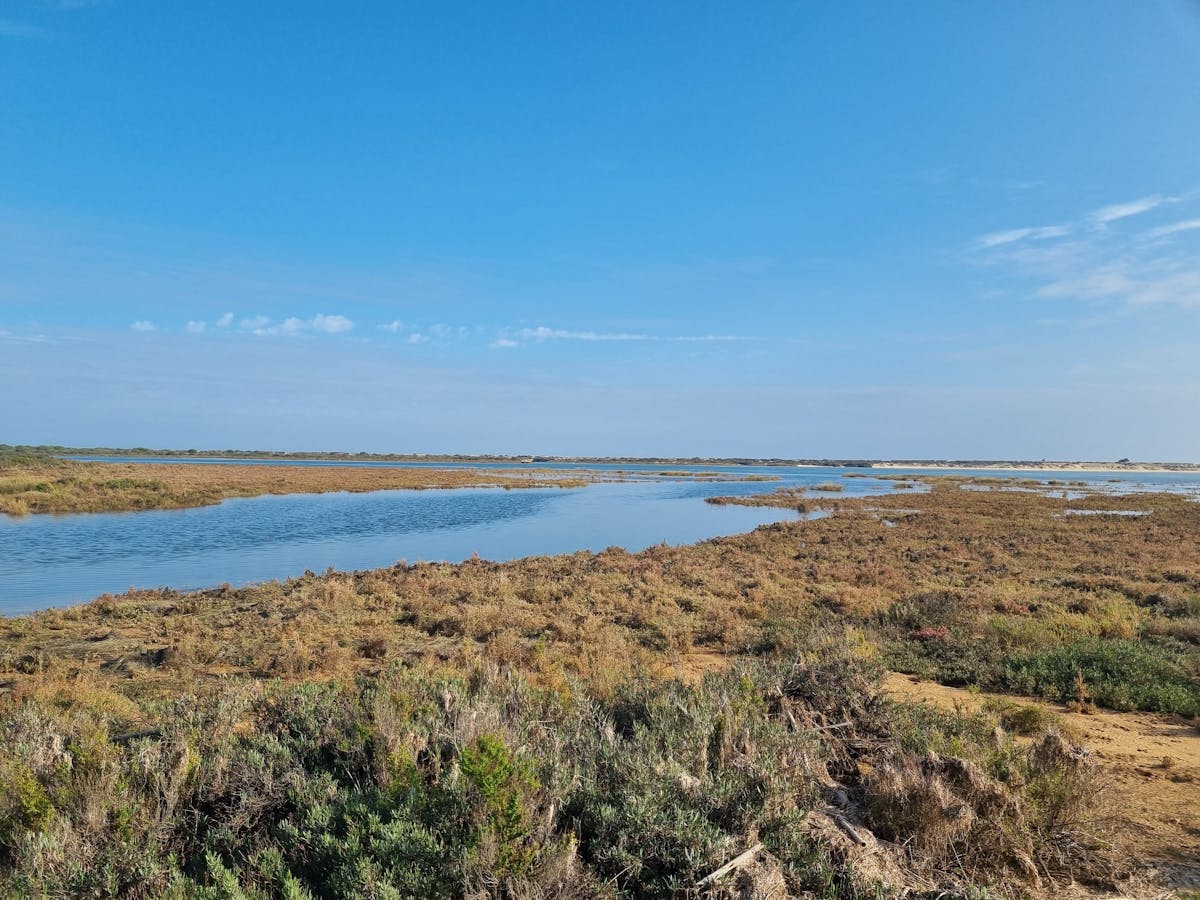
Ria Formosa is a coastal lagoon system — essentially a long, narrow strip of wetland running parallel to the shore, protected from the Atlantic by a chain of five barrier islands. It was declared a Natural Park in 1987 and covers roughly 170 square kilometres of salt marshes, tidal mudflats, sand dunes, and freshwater lagoons.
The park sits in the eastern Algarve, stretching from Garrao beach near Faro almost to Cacela Velha close to the Spanish border. That’s nearly 60 kilometres of coastline. The main access points are Faro, Olhao, Fuseta, and Tavira — all with ferry terminals and boat tour operators.
What makes it special? For starters, over 200 bird species call it home at various times of the year. Greater flamingos are the showstopper, but you’ll also see purple swamphens (the park’s official mascot), spoonbills, little terns, and dozens of wading bird species. The lagoon’s seagrass meadows shelter one of the largest remaining seahorse populations in Europe — a detail that gets marine biologists genuinely excited.
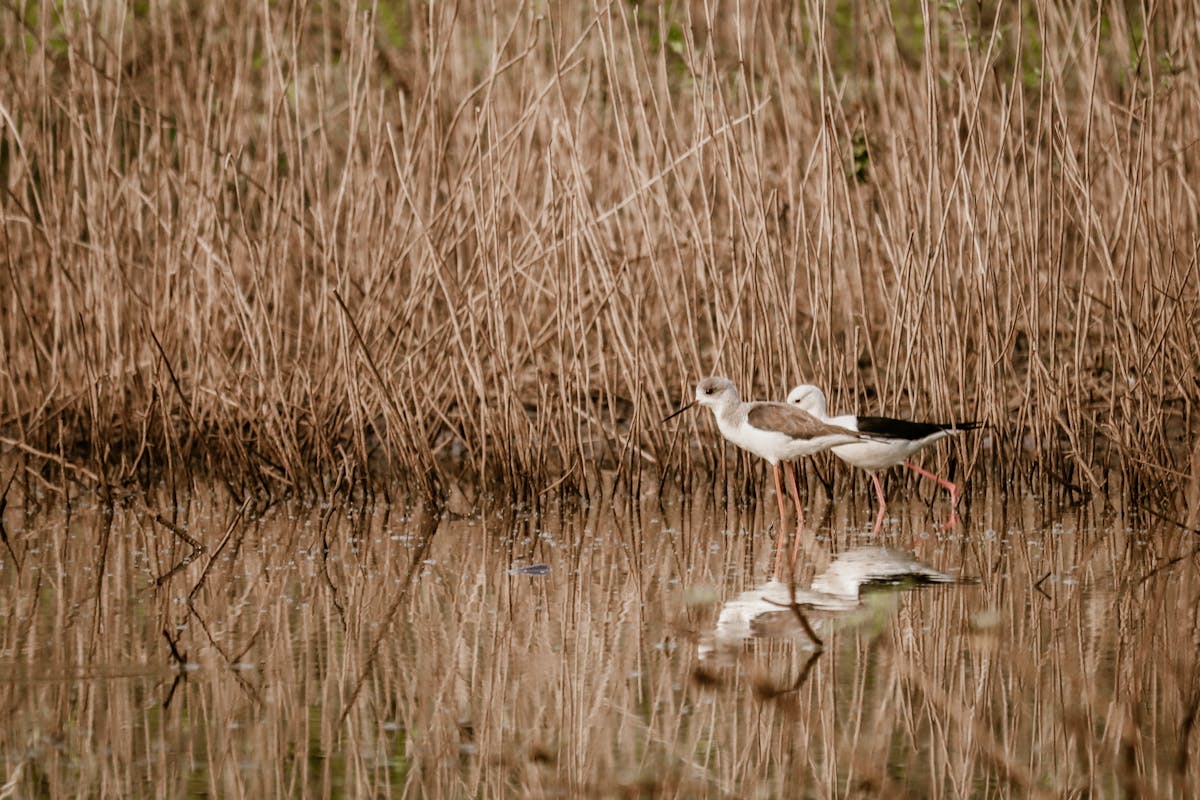
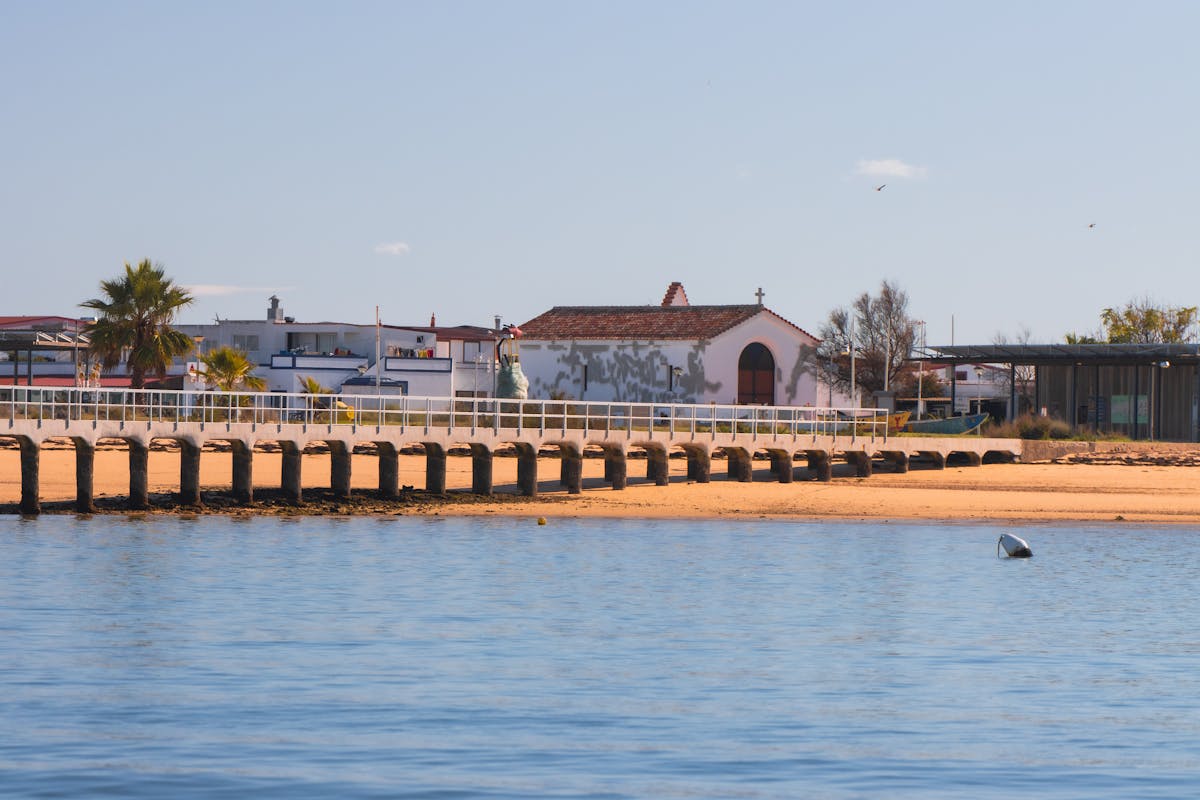
And then there are the islands themselves. Ilha Deserta (Desert Island) has no permanent residents and no buildings apart from one restaurant. Ilha da Culatra is a working fishing village with no cars and no paved roads. Ilha do Farol is named after its lighthouse and has some of the clearest water I’ve seen in Portugal. Each one feels like it belongs to a different decade.
The Best Ria Formosa Tours to Book
You can explore parts of Ria Formosa independently — there are hiking trails around the Ludo salt pans, and public ferries run to several islands from Olhao and Faro. But for the deeper lagoon channels, the isolated islands, and especially the birdwatching zones, a guided boat tour is the way in. The guides know where the flamingos are feeding on any given day, which channels are navigable at low tide, and which islands are worth the stop.
I’ve pulled together the best options based on what’s actually worth the money. All of these depart from Faro or nearby Olhao.
1. 4 Stops, 3 Islands & Ria Formosa Natural Park — $48
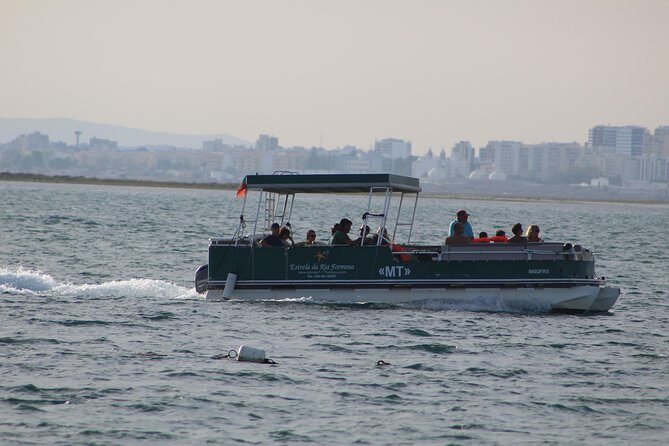
This is the tour I’d point anyone toward if they only had one day for Ria Formosa. It hits Barreta (the uninhabited desert island), Farol (the lighthouse island with its turquoise swimming spot), and Culatra — a proper fishing village where the locals dry octopus on wooden racks outside their houses. Four to five hours, small group, and the boat cuts through channels you’d never find on your own.
At $48 per person, it covers the most ground for the best price. The morning departures tend to be calmer on the water. This is the most popular Ria Formosa tour on Viator for good reason — it gives you the full picture without rushing.
2. Ria Formosa Faro Islands Boat Tour — $47
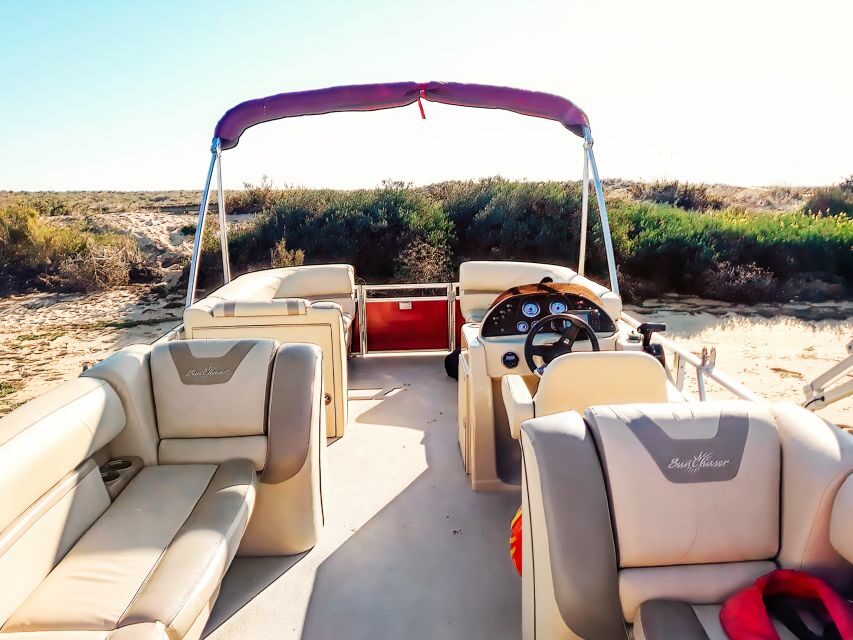
If the full-day option feels like too much commitment, this three-hour version covers the highlights without the marathon. You get island stops, wildlife spotting through the lagoon channels, and the guide pauses the boat when there’s something worth looking at — which, on the days the flamingos are out, happens a lot.
It’s run through GetYourGuide, and at $47 it’s practically the same price as the longer tour but leaves your afternoon free. Good option if you’re staying in Faro and want to combine the lagoon with the old town in the same day. The sunset over the water on the return leg is a bonus nobody advertises.
3. Eco-Friendly Bird Watching by Solar Boat — $47
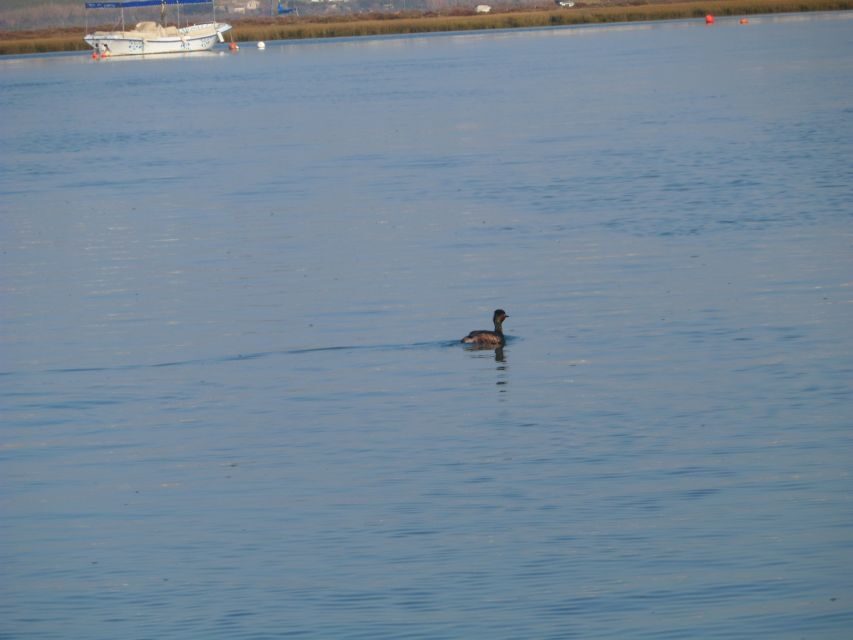
This is the one for birders and anyone who wants a slower, quieter experience. The boat runs on solar power, so there’s no engine noise — which means you actually hear the birds, and you don’t scare them off before you get a proper look. The guide is a genuine wildlife specialist, not just a boat driver with a script.
Two hours through the inner lagoon channels where the flamingos, spoonbills, and wading birds concentrate. At $47 it’s not cheap for two hours, but the birdwatching experience is genuinely different from a standard boat tour. If you’ve come to Ria Formosa specifically for the wildlife, this is the one. February through April is peak flamingo season.
4. Sunset Tour on the Ria Formosa — $30
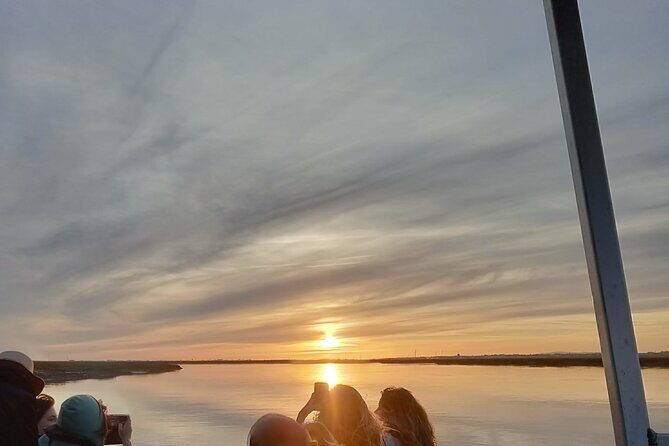
One hour, $30, and the whole lagoon turns gold. This is the stripped-back option — no island stops, no swimming, just a slow cruise through the lagoon as the sun drops. The guide points out birds and explains the ecosystem, but honestly, most people just sit there and stare at the light on the water.
It’s the best entry point if you’re not sure Ria Formosa is your thing. An hour is enough to understand why the place is special, and at thirty dollars it’s the cheapest guided experience on the lagoon. Book an evening slot toward the end of your trip and thank yourself later.
When to Visit the Ria Formosa
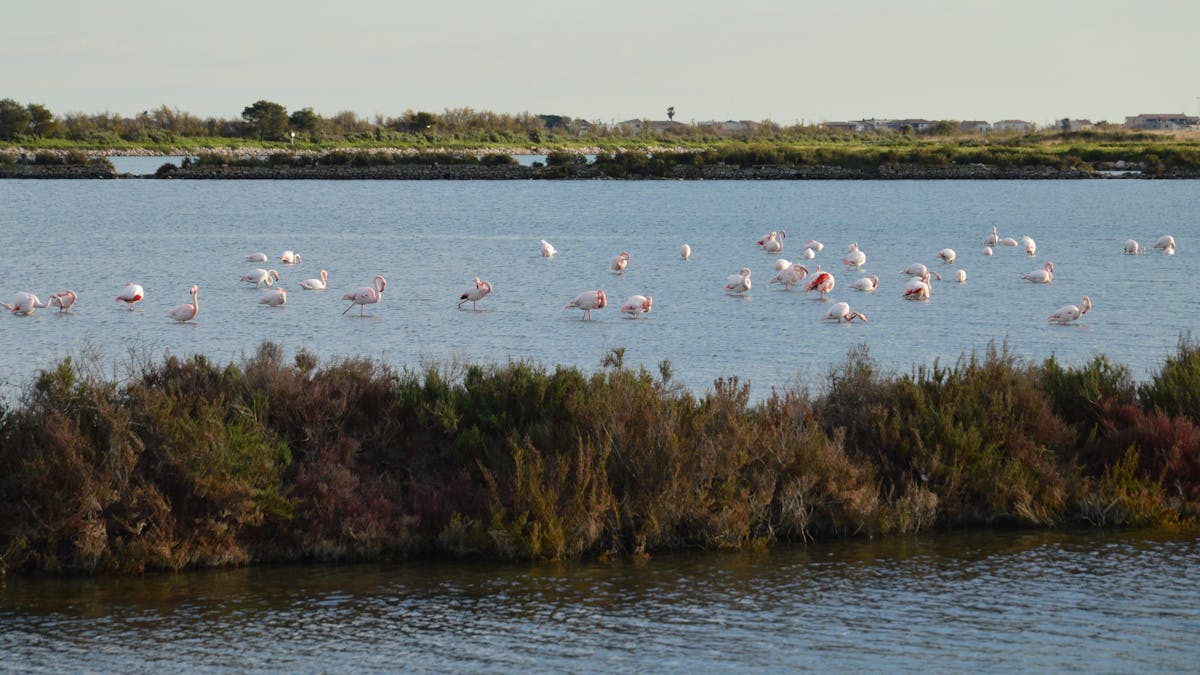
The Ria Formosa is open all year, but the experience changes dramatically with the seasons.
April to June is the sweet spot. The weather is warm but not blisteringly hot, the tourist crowds haven’t arrived yet, and migratory birds are still around. Water temperatures are comfortable enough for swimming by late May. This is when I’d go if I had the choice.
July and August bring the heat and the crowds. Island ferries fill up fast, especially to Ilha Deserta and Culatra. Boat tours still run, but you’ll want to book at least a few days ahead. The upside: the water is at its warmest and the days are long enough for a sunset tour that doesn’t start until 8pm.
September and October are underrated. Still warm, much quieter, and the autumn light over the lagoon is genuinely beautiful. Flamingo numbers start building as northern European birds begin arriving.
November to March is birdwatching season. Flamingo flocks are at their peak, and you might have entire islands to yourself. Some tour operators reduce their schedules, so check before booking. It rains occasionally but nothing like northern Portugal.
Tips That Will Save You Time
Start from Olhao, not Faro, if you want fewer travelers. Faro gets most of the boat tour traffic because of the airport. Olhao is a working fishing town ten minutes east, with its own ferry terminal and a much more authentic atmosphere. The three-island tours from Olhao cover the same ground.
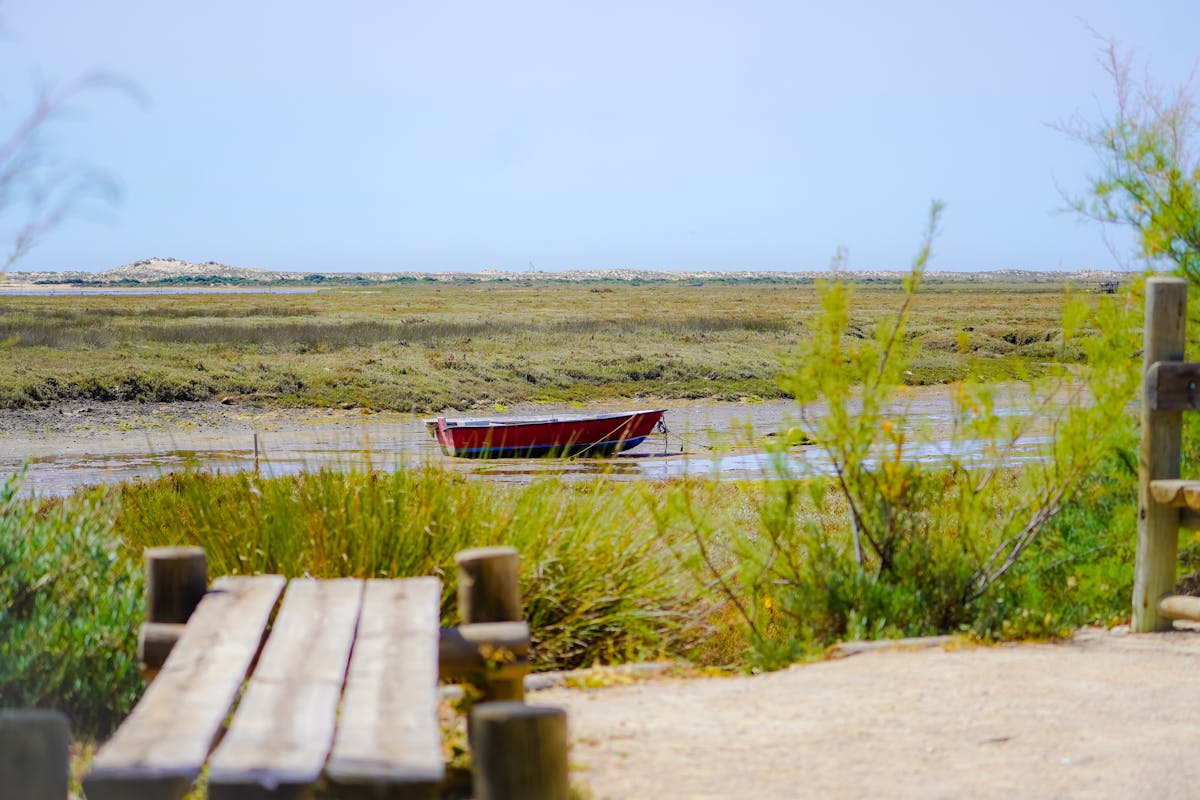
Check the tide tables. Seriously. At low tide, some lagoon channels become too shallow for boats, and the experience is different — more exposed sand flats, less deep water. The islands are accessible either way, but a mid-to-high tide gives the best overall experience. Your tour operator will adjust the route based on tides, but morning high tides generally mean the best conditions.
Bring sun protection and water. There’s almost no shade on the islands except at Culatra village. Even in spring, the sun reflecting off the water is intense. A hat, proper sunscreen, and a water bottle are non-negotiable.
The Ria Formosa visitor centre in Olhao costs 3 euros and is worth it. Small exhibition, a circular walking trail through the salt pans, and a restored tide mill. Takes about an hour. Good context before a boat tour.
Don’t skip the seafood. Olhao and Fuseta are serious seafood towns. The clams and oysters you’ll eat come straight from the Ria Formosa’s beds — and they taste different from anything you’ll find in the tourist restaurants on the western Algarve. The market in Olhao is particularly good.

More Algarve Guides
Ria Formosa shows you the quieter side of the Algarve, but the western coast has a completely different personality. visiting Benagil Cave takes you to the famous Benagil Cave, where golden limestone cliffs frame a beach inside a sea cave. visiting Ponta da Piedade is even further west near Lagos, where the grottos and sea stacks rival anything on the Mediterranean. If you are heading north after the Algarve, Lisbon is the natural next stop. a walking tour in Lisbon gets you oriented in the capital, a boat tour in Lisbon puts the city skyline in front of you from the Tagus, and visiting Sintra from Lisbon takes you to fairy-tale palaces in the hills just outside the city.
This article contains affiliate links. If you book a tour through one of our links, we earn a small commission at no extra cost to you. This helps us keep producing free travel guides.