
Thirty-five kilometres north of Berlin, past the suburban sprawl and commuter towns, sits one of the most important Holocaust memorial sites in Germany. Sachsenhausen concentration camp operated from 1936 to 1945, and walking through its gates today is one of those experiences that fundamentally changes how you understand the city you just left behind.
This isn’t a site you can rush. And it isn’t one you should try to navigate without context. The camp is enormous — the triangular layout alone covers hundreds of metres — and the physical remains, while powerful, don’t speak for themselves. You need someone to explain what each building was, what happened in the spaces between them, and why the SS chose this particular design. That’s why nearly every visitor who comes away genuinely moved will tell you the same thing: book a guided tour.
- Best overall: Sachsenhausen Concentration Camp Tour in English — 5.5-hour guided tour from Berlin with deeply knowledgeable historian guides. From $36 per person.
- Best value: Sachsenhausen Concentration Camp Museum Tour — 5 hours, thorough coverage of the memorial grounds. From $17 per person.
- Best with transport: Sachsenhausen Bus Tour in English from Berlin — 4-hour bus tour that handles all the logistics. From $69 per person.
- Why Sachsenhausen Matters
- Getting There From Berlin
- What You’ll See at the Memorial
- Practical Details
- The Best Sachsenhausen Tours From Berlin
- 1. Sachsenhausen Concentration Camp Tour in English (from Berlin)
- 2. Sachsenhausen Concentration Camp Memorial Tour
- 3. Sachsenhausen Bus Tour in English from Berlin
- 4. Sachsenhausen Concentration Camp Tour in English (GetYourGuide)
- Guided Tour vs. Going Alone
- Tips Before You Go
Why Sachsenhausen Matters
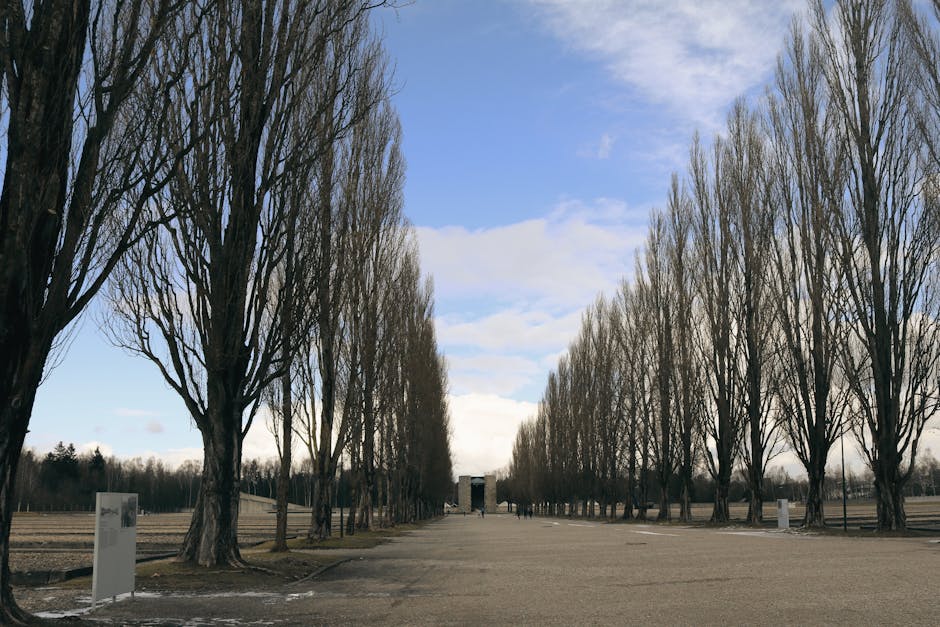
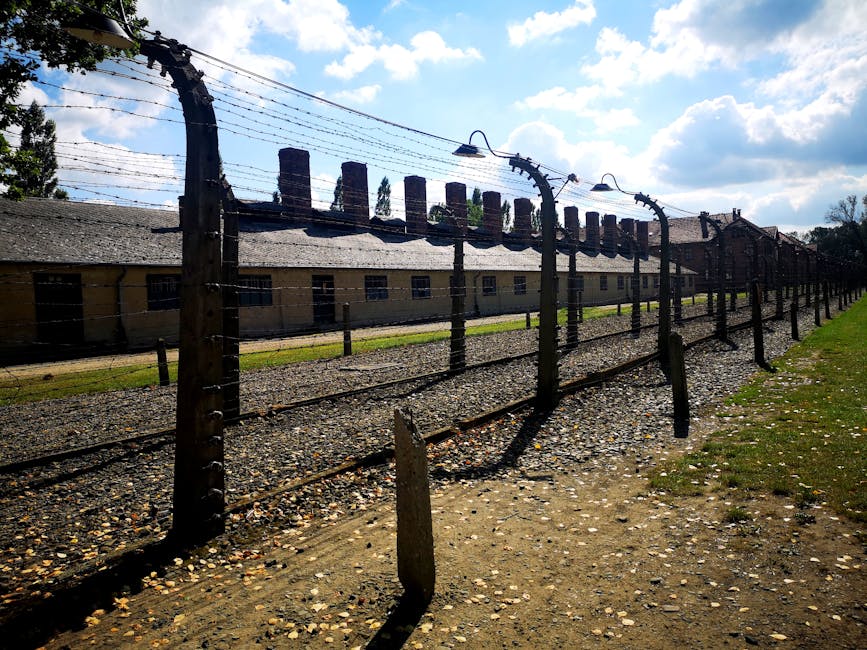
Sachsenhausen wasn’t the largest camp, and it wasn’t the deadliest. But it was the model. Heinrich Himmler ordered its construction in 1936 as the “ideal concentration camp” — a prototype that would serve as the blueprint for every camp the SS built afterwards. The triangular layout allowed a single machine gun position at the entrance to cover the entire prisoner area. Efficient. Deliberate. That design philosophy tells you everything about the people who built it.
Between 1936 and 1945, more than 200,000 people were imprisoned here. Tens of thousands died — from execution, from medical experiments, from forced labour, from starvation, from diseases that spread unchecked through overcrowded barracks. Political prisoners arrived first, followed by Jewish people, Roma and Sinti, homosexuals, Jehovah’s Witnesses, and prisoners of war from across occupied Europe.
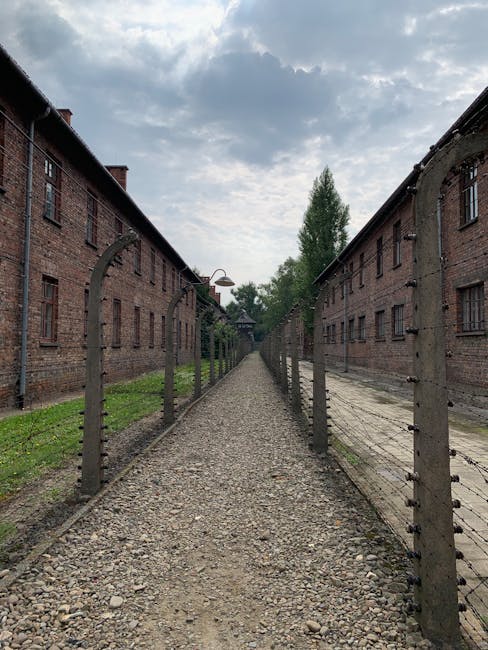
After liberation in April 1945, the Soviets repurposed the camp as Special Camp No. 7 — a grim irony that isn’t lost on anyone who visits. Thousands more died during the Soviet period. The site carries layers of suffering that span nearly 15 years.
Today it’s a memorial and museum, free to enter, open year-round. But free admission and a few information boards don’t do this place justice. You need a guide.
Getting There From Berlin
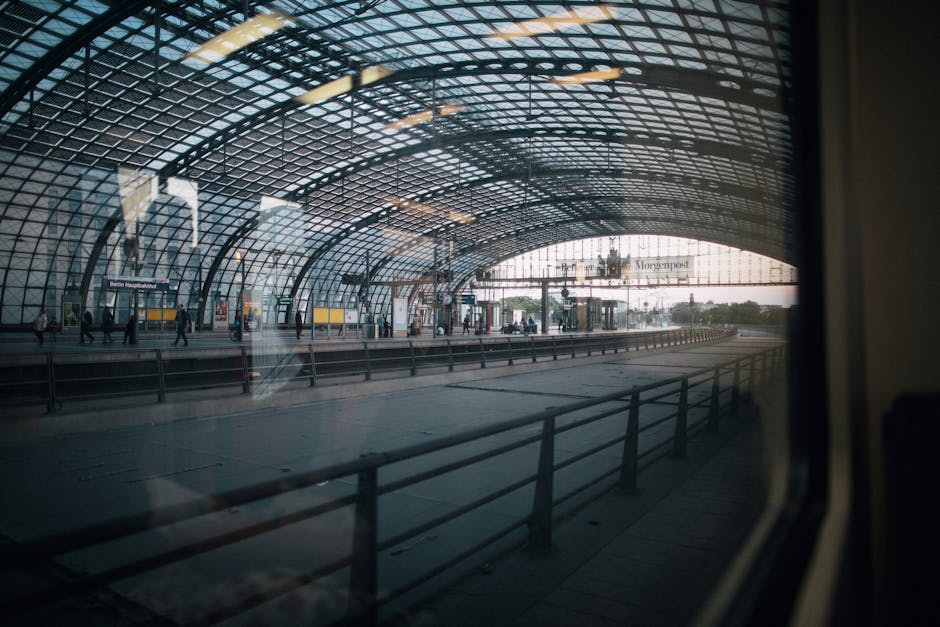
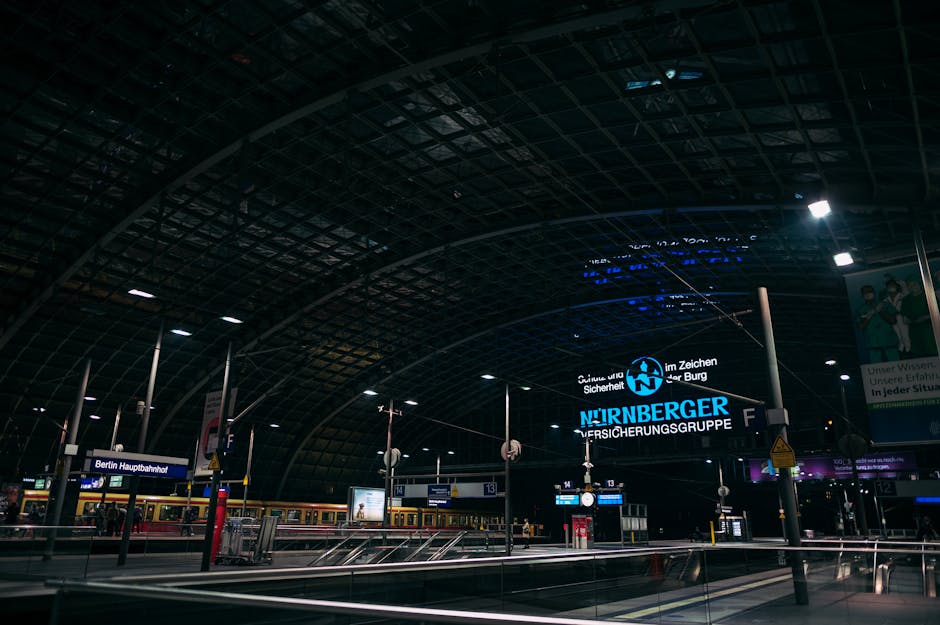
The memorial sits in Oranienburg, a small town on Berlin’s northern outskirts. Getting there by public transport is straightforward but takes a bit of planning.
By S-Bahn (cheapest): Take the S1 line from Berlin Friedrichstrasse or Hauptbahnhof to Oranienburg. The ride takes about 45-50 minutes. From Oranienburg station, it’s a 20-minute walk to the memorial entrance, or you can take bus 804 (runs every 30 minutes, about 6 minutes to the stop “Gedenkstatte”). An ABC zone ticket covers the journey — around EUR 4.40 one way.
By regional train: RE5 or RB12 trains reach Oranienburg faster (about 25 minutes from Hauptbahnhof), and the same ABC ticket applies.
By tour bus: Several guided tours include bus transport from central Berlin directly to the memorial. This is the easiest option if you don’t want to navigate the S-Bahn, and it means your guide can start the context-setting during the drive north. Expect to pay EUR 50-70 for the bus tour option.
What You’ll See at the Memorial
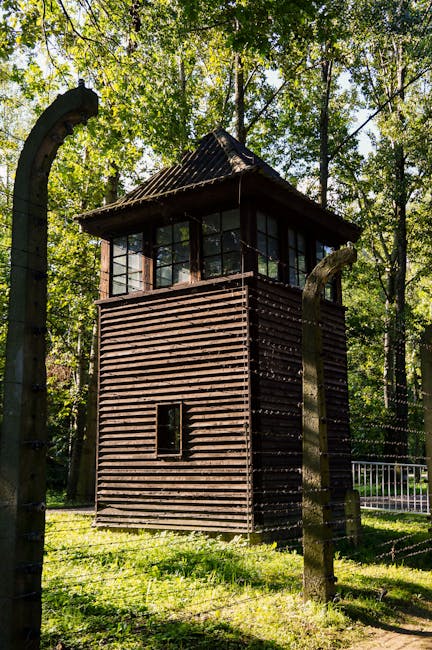
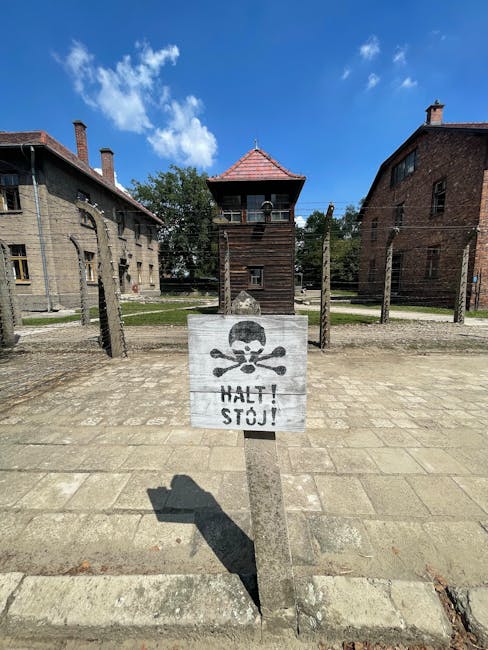
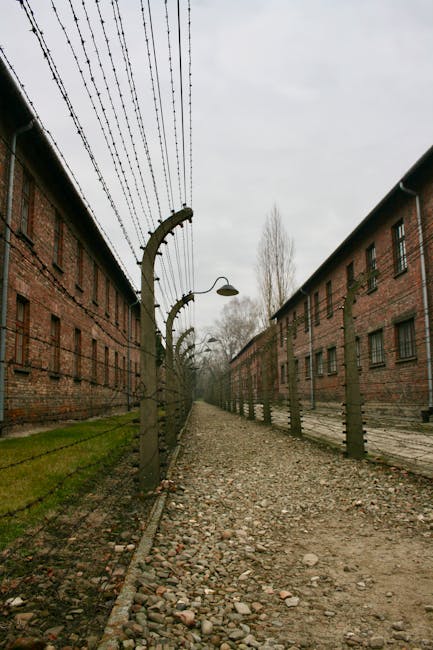
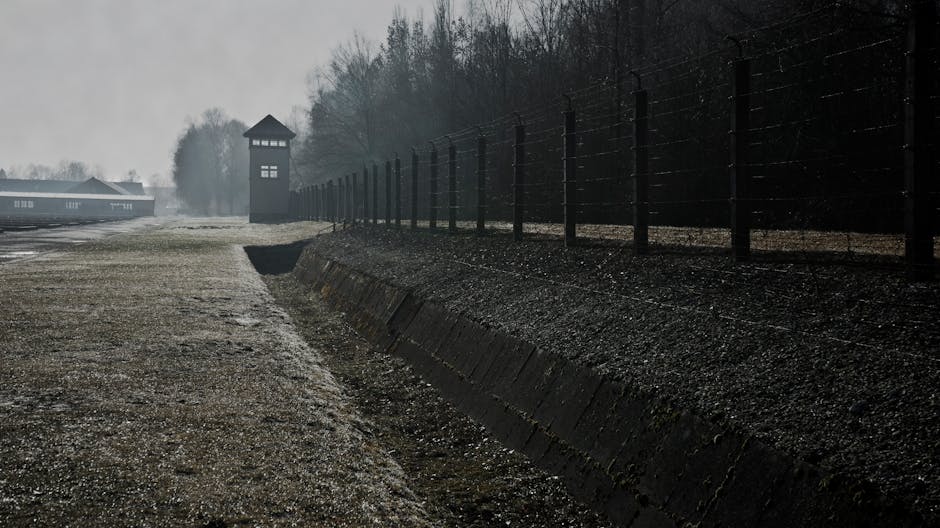
The memorial site is large. Plan at least 3 hours to see it properly with a guided tour, or 2 hours minimum if you’re going with just an audio guide.
Key areas include:
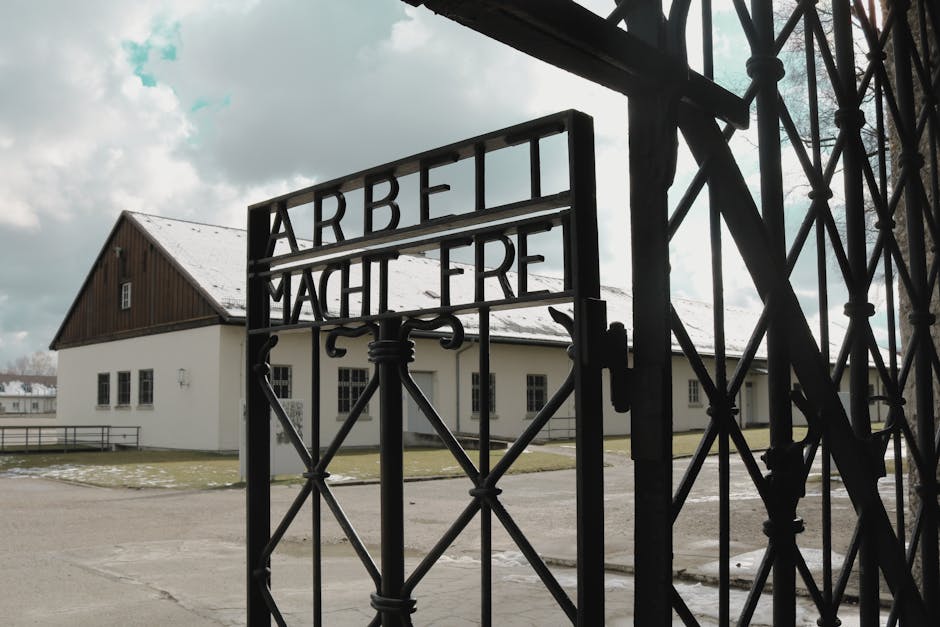
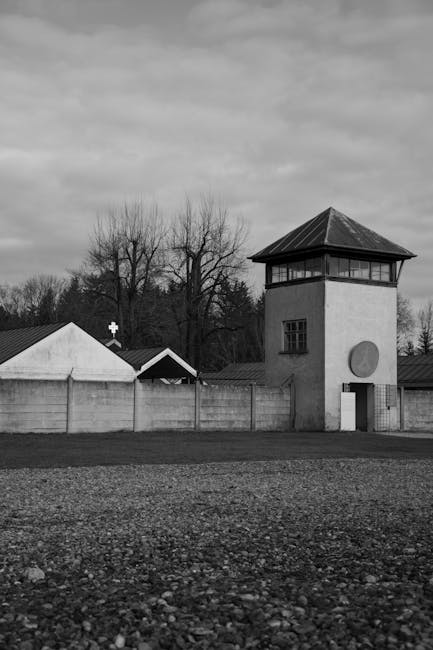
Tower A (the main gate): The entrance through which all prisoners passed. The iron gate still bears the words that became a cruel hallmark of the Nazi camp system. Your guide will explain the specific psychological purpose behind the inscription and how it functioned as part of the SS’s dehumanisation process.
The Appellplatz (roll call area): A vast open space where prisoners stood for hours in all weather during twice-daily roll calls. Guides will tell you about the punishments carried out here — standing for 24 hours straight, beatings, public executions designed to terrorise.
Station Z: The extermination area at the far end of the camp. This is where executions by shooting took place, where the gas chamber was built in 1943, and where bodies were cremated. It’s the hardest part of the visit. Most guides handle it with the gravity it demands.
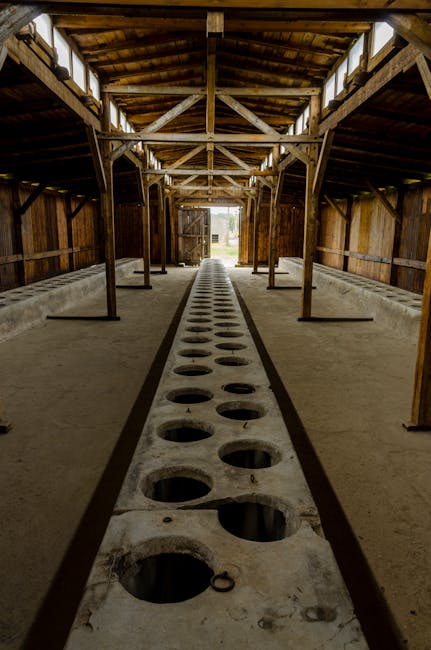
The barracks: Two original barracks have been reconstructed to show living conditions. The cramped wooden bunks, the lack of sanitation, the impossible overcrowding. Standing inside them makes the statistics feel real in a way that reading about them never does.
The museums: Several permanent exhibitions cover different aspects of the camp’s history — the daily life of prisoners, the SS administration, medical experiments, and the Soviet period after 1945.
Practical Details
Opening hours: The outdoor areas and exhibitions are open daily. Summer hours (mid-March to mid-October) run 8:30am to 6:00pm. Winter hours are 8:30am to 4:30pm. The Visitor Information Centre opens at 8:30am year-round.
Admission: Free. The memorial does not charge an entry fee. Audio guides are available at the Visitor Centre for EUR 3.50 per device (EUR 2.50 for groups). Available in German, English, Spanish, French, Italian, Dutch, Portuguese, and Russian.
What to wear: Comfortable walking shoes are non-negotiable. The site is mostly gravel and uneven ground, and you’ll be on your feet for 3-5 hours. Dress for the weather — there’s almost no shelter from rain or sun. In winter, bring serious warm clothing. Standing still while a guide speaks at each stop in January cold is brutal.
Respectful behaviour: This is a memorial site, not a tourist attraction. Photography is permitted in most areas, but selfies at places of suffering are not appropriate. Keep your voice low. Some visitors will be descendants of people who were imprisoned or killed here.
Food and drink: There’s a small cafe at the visitor centre, but options are limited. Eat before you go, or plan for lunch in Oranienburg after. Bring water — the site is bigger than you expect and there aren’t water fountains inside.
The Best Sachsenhausen Tours From Berlin
Here are the tours worth booking. I’ve focused on the English-language options with strong track records.
1. Sachsenhausen Concentration Camp Tour in English (from Berlin)
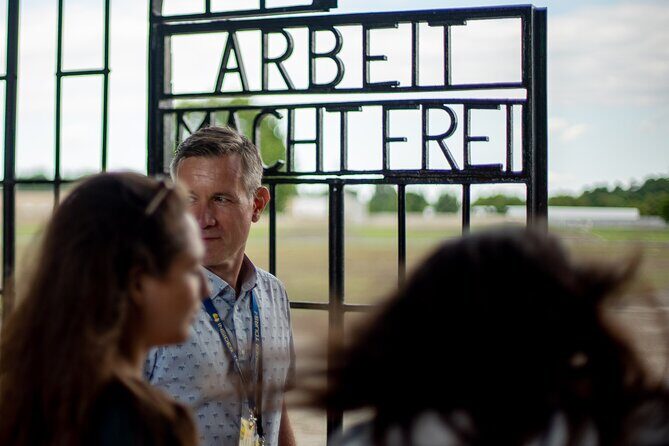
This is the tour most visitors end up booking, and for good reason. It’s a 5.5-hour guided experience that starts from central Berlin and includes the S-Bahn journey to Oranienburg (you’ll need your own transport ticket). The guide begins with historical context during the train ride, covering the rise of the Nazi party and the role Sachsenhausen played in the broader camp system.
On the ground, the tour covers Tower A, the roll call area, the punishment cells, the remains of Station Z, reconstructed barracks, and the various memorial sites. Guides are licenced historians — not volunteers reading from a script. They handle the subject matter with seriousness and depth, and they’re good at answering difficult questions without oversimplifying.
One thing to know: this is a walking-intensive tour. You’ll cover several kilometres on gravel paths. Not ideal for anyone with mobility issues, though the terrain is flat.
Duration: 5 hours 30 minutes
Price: From $36 per person
Check Availability or read our full review
2. Sachsenhausen Concentration Camp Memorial Tour
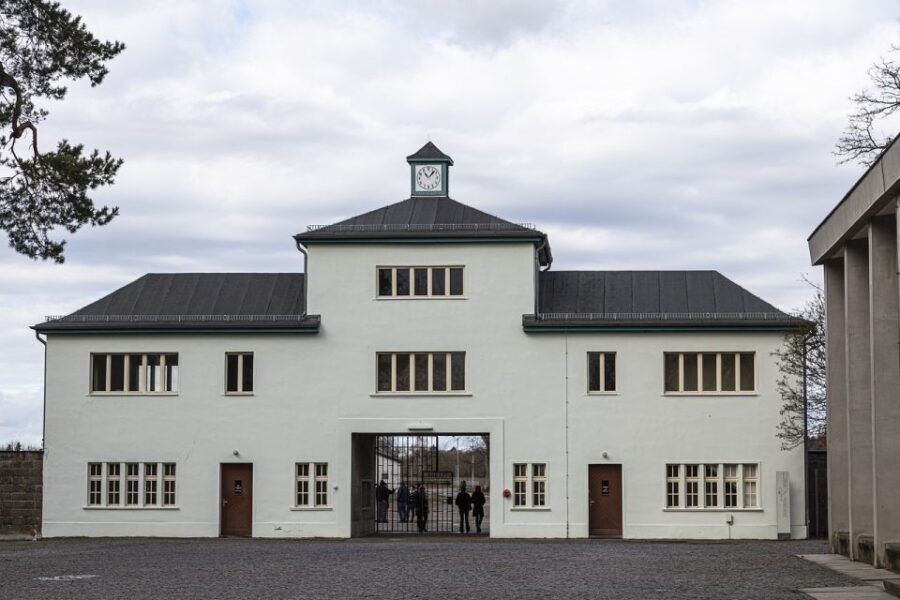
A 5-hour tour that takes a similar route through the memorial but at a lower price point. The guides are well-reviewed and knowledgeable, covering the camp’s history from its construction through liberation and the Soviet period. The tour meets at a central Berlin location and travels together to Oranienburg by S-Bahn.
This one is a strong alternative if the Viator tour above is sold out or if you’re watching your budget. The main trade-off is slightly larger group sizes and less flexibility in the schedule. But the content covered is thorough, and the guides don’t rush through the difficult parts.
Duration: 5 hours
Price: From $21 per person
Check Availability or read our full review
3. Sachsenhausen Bus Tour in English from Berlin
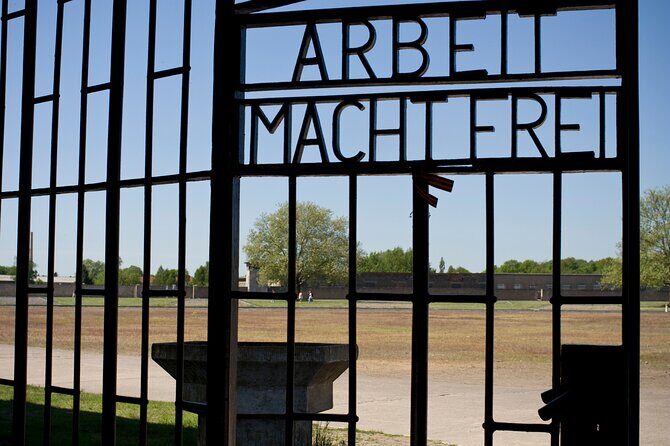
If navigating Berlin’s S-Bahn system feels like one hassle too many on a day that’s already going to be emotionally heavy, this bus tour handles everything. A coach picks you up from central Berlin, drives you directly to the memorial, and brings you back afterwards. The 4-hour format is slightly shorter than the walking tours, but the time on site is still substantial.
The bus ride itself serves a purpose — the guide uses the 35-minute drive to set the historical scene, so by the time you step off at the memorial you already have the context you need. It’s a more contained experience than the S-Bahn tours, which some visitors prefer for this particular visit. Others find the shorter time on site a limitation.
At around $69 per person, it’s pricier than the S-Bahn options. But you’re paying for convenience and a guaranteed seat on a comfortable bus, which matters more than you’d think after 3+ hours of walking on gravel.
Duration: 4 hours
Price: From $69 per person
Check Availability or read our full review
4. Sachsenhausen Concentration Camp Tour in English (GetYourGuide)

Another 5.5 to 6-hour option that covers the full memorial grounds with licenced, English-speaking guides. This one through GetYourGuide tends to have good availability even during peak season, which makes it a solid backup if other tours are fully booked.
The tour covers all the key areas — Tower A, the appellplatz, barracks, Station Z, and the museum exhibitions. Guides are well-rated for their ability to handle the sensitive subject matter with both depth and humanity. The longer duration (up to 6 hours) means there’s more time for questions and reflection at each stop, which visitors consistently mention as a positive.
Duration: 5.5 – 6 hours
Price: From $22 per person
Check Availability or read our full review
Guided Tour vs. Going Alone
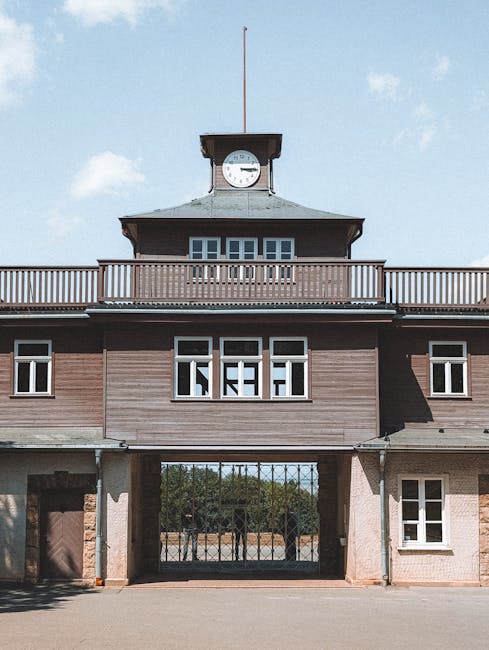
You can visit Sachsenhausen independently. The memorial is free. Audio guides cost EUR 3.50. Information boards are posted at key locations. It’s entirely possible to walk the grounds on your own and come away having learned something.
But here’s the honest truth: most people who go alone wish they hadn’t. The site is vast, and without someone to guide you, it’s easy to miss entire sections. Station Z, the extermination area, is at the far end of the camp and some independent visitors don’t even make it there because they run out of time or don’t realise it exists. The information boards are factual but thin — they give you dates and numbers without the human stories that make this place truly understood.
A guided tour costs between $17 and $69 depending on the format. For a site this significant, that investment is worth it. The guides bring stories that the information boards can’t — accounts from survivors, details about specific prisoners, explanations of the camp’s role in the broader Nazi system. They also handle the emotional weight of the visit with experience that an audio guide simply can’t replicate.
The one exception: if you’ve already done extensive reading on Sachsenhausen specifically and you prefer to process difficult places in silence, going alone with an audio guide can work. But for most visitors, this is one of those places where a human guide makes all the difference.
Tips Before You Go
Book in advance: The best-rated tours sell out, especially from April to October. Book at least a few days ahead during summer, a week or more during August.
Plan your day around it: This isn’t something you slot between a museum visit and dinner. Allow the entire morning or afternoon. Most visitors are emotionally drained afterwards and don’t want to jump straight into something else. Some people find a quiet walk along the Spree or a coffee somewhere calm helpful for processing what they’ve seen.
Bring tissues: Not a joke. Many visitors are caught off guard by how affected they are. The barracks, the punishment cells, and Station Z in particular hit hard.
Children: The memorial recommends that children under 12 are accompanied by adults and that the visit is age-appropriate. Some tours have minimum age requirements. For school-age children and teenagers, this can be a profoundly educational experience — but be prepared to talk about what you’ve seen afterwards.
Accessibility: The memorial grounds are mostly flat but covered in gravel. Wheelchair access is possible but challenging in places. Some museum exhibitions are accessible; others involve steps. Contact the visitor centre in advance if you have specific needs.
Sachsenhausen is not an easy day out. Nobody comes back from this visit saying they had fun. But almost everyone comes back saying they’re glad they went, that they understand something they didn’t before, and that the guided tour made the difference between seeing a historical site and actually feeling the history. If you’re spending time in Berlin and you want to understand what happened here — not just the headline version, but the real, human, difficult truth of it — this is one of the most important half-days you can spend. And Berlin itself, with sites like the walking tours through the city’s war-torn history and the Reichstag’s glass dome overlooking a capital rebuilt from rubble, makes a lot more sense once you’ve been.