
Marc Chagall moved to Saint-Paul-de-Vence in 1966 and never left. He’s buried in the village cemetery at the eastern edge of the ramparts, under a simple white headstone that most travelers walk right past.
I came for Chagall, stayed for the light, and then drove twenty minutes downhill to Antibes — where Picasso once cranked out 75 paintings in six months inside a castle that now bears his name. The French Riviera does this to people. You come for one thing and end up collecting a whole day’s worth of art, coastline, and rosé-fuelled lunches you didn’t plan for.

The good news: you don’t need to rent a car or figure out French bus timetables. Several guided tours combine Saint-Paul-de-Vence and Antibes into a single day trip from Nice, and they handle all the driving while you sit back and stare at the scenery. I’ll break down exactly how to book one, what each option costs, and which tour is worth your money.
Best value: Saint Paul de Vence, Antibes, and Cannes from Nice — $42. Five hours, covers all three towns, and the price is hard to argue with.
Best overall: From Nice: Cannes, Antibes & Saint-Paul-de-Vence Tour — $108. Full day with a knowledgeable guide and scenic drives built in.
Best small group: Cannes, Antibes, and St Paul de Vence Small-Group Tour — $111. Capped at eight people, so you actually get personal attention from the guide.
- Why Saint-Paul-de-Vence and Antibes Together?
- The Best Tours to Book
- 1. Saint Paul de Vence, Antibes, and Cannes from Nice —
- 2. From Nice: Cannes, Antibes & Saint-Paul-de-Vence Tour — 8
- 3. Cannes, Antibes, and St Paul de Vence Full-day Small-Group Tour — 1
- What to Expect in Saint-Paul-de-Vence
- What to Expect in Antibes
- Guided Tour vs Going on Your Own
- When to Visit
- How to Get There from Nice
- Tips That Will Save You Time and Money
- What You’ll Actually See
- More Riviera Day Trips from Nice
Why Saint-Paul-de-Vence and Antibes Together?
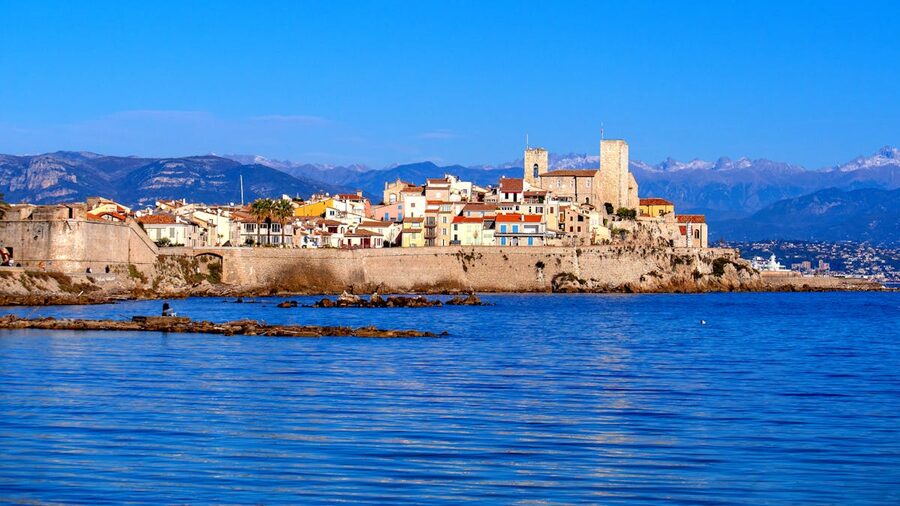
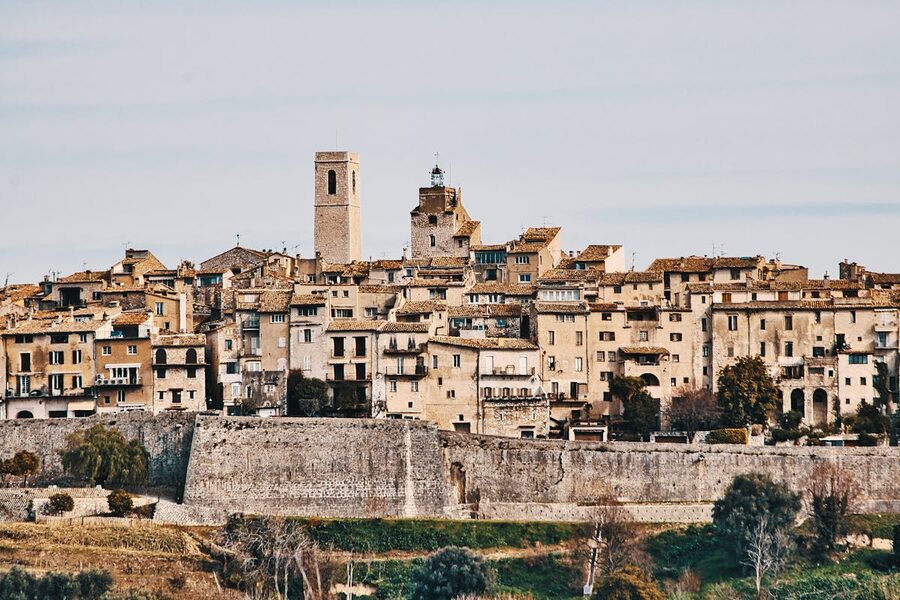
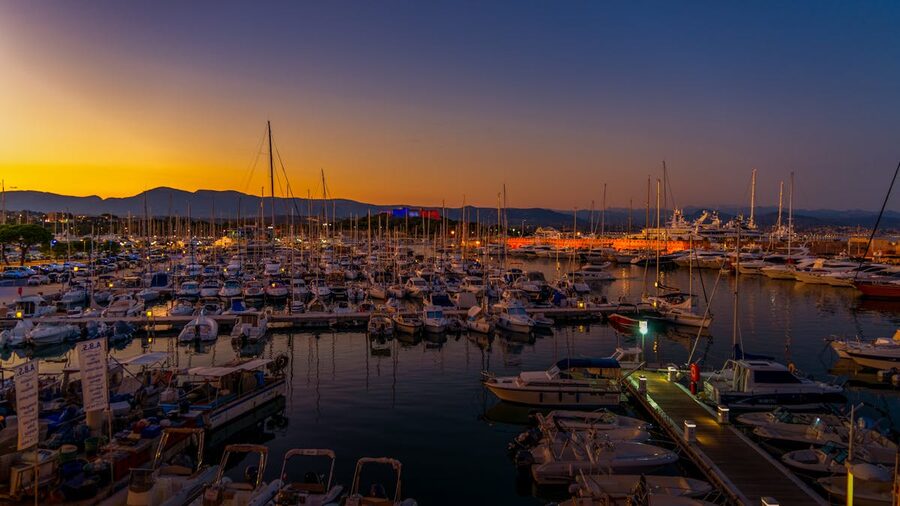
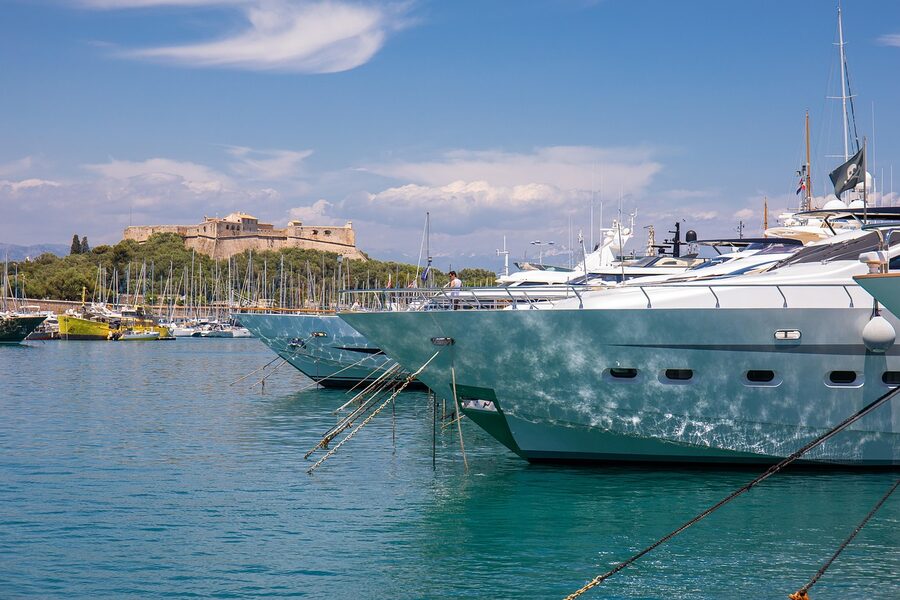
These two towns sit barely 15 kilometres apart, but they could not be more different in character. Saint-Paul-de-Vence is a medieval fortress village perched on a hilltop, all stone walls and art galleries crammed into lanes so narrow you brush shoulders with strangers. Antibes sprawls along the coast — there’s a proper harbour, a covered market that’s been running since the 1800s, and the kind of seafront where you can lose an entire afternoon watching superyachts dock.
Most French Riviera tours from Nice throw both towns into the same day, often with a quick stop in Cannes as well. And it works — the geography is compact, the drives are scenic, and you get a solid contrast between hilltop medieval village and buzzy Mediterranean port town.
The art connection ties them together more than geography does. Chagall lived and worked in Saint-Paul-de-Vence from the mid-1960s until his death in 1985. The Fondation Maeght, perched in pine gardens above the village, is one of Europe’s finest modern art museums — Giacometti sculptures in the courtyard, Miro mosaics on the walls, Chagall stained glass in the chapel. Meanwhile, Picasso set up his studio inside Antibes’ Chateau Grimaldi in 1946 and was so prolific that the city turned the whole building into a museum dedicated to him. Two villages, two of the twentieth century’s greatest artists, and a twenty-minute drive between them.
The Best Tours to Book
I’ve looked through every Saint-Paul-de-Vence and Antibes tour departing from Nice, cross-referenced prices and what previous visitors actually thought, and narrowed it down to three that are genuinely worth booking. Each one covers both villages (plus Cannes), but they differ in group size, pace, and budget.
1. Saint Paul de Vence, Antibes, and Cannes from Nice — $42
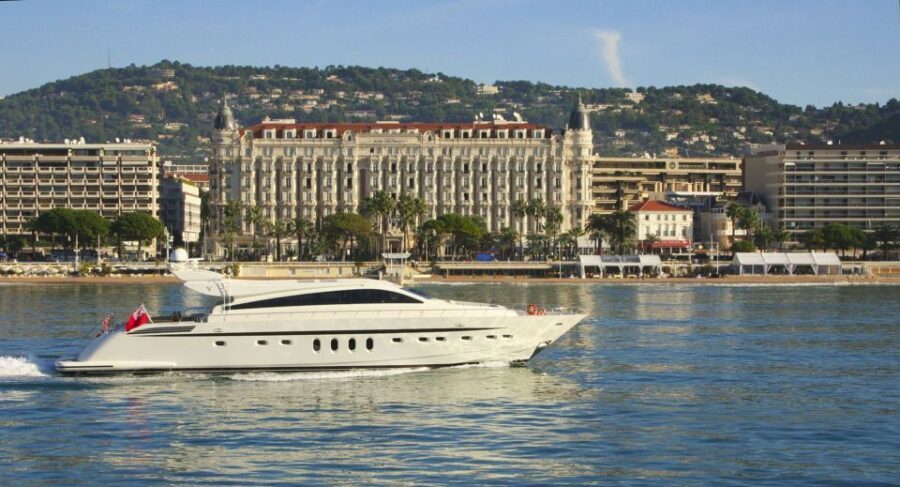
This is the budget pick, and honestly, it punches way above its price point. At $42 per person, it’s less than half the cost of the other options, and you still get five hours covering all three towns with a guide. The trade-off is a larger group and slightly less time at each stop — but for most people, that’s a perfectly fair deal.
The tour moves at a good clip. You get enough time in Saint-Paul-de-Vence to walk the ramparts, peek into a few galleries, and grab an espresso. Then it’s down to Antibes for the harbour and old town, followed by a quick pass through Cannes. Guides on this route have been consistently praised for keeping things entertaining — one visitor mentioned getting stuck in traffic on the way back and the guide turned it into a spontaneous storytelling session.
2. From Nice: Cannes, Antibes & Saint-Paul-de-Vence Tour — $108
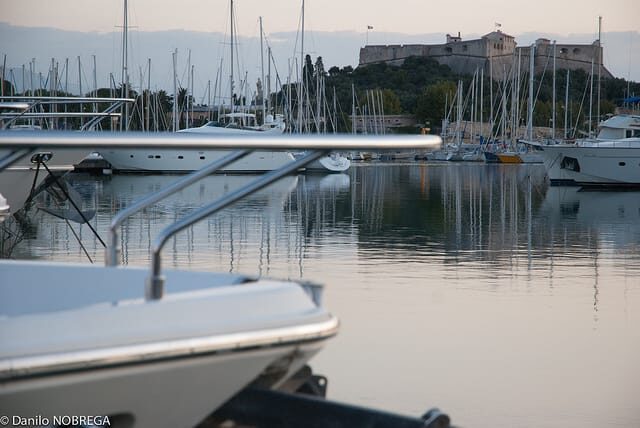
This is the one I’d pick if your budget allows it. $108 for a seven-hour day that includes scenic coastal drives between stops, a guide who knows the art history, and enough free time at each village to explore properly rather than just snap photos and move on. The guides on this tour consistently get singled out by name in reviews — always a good sign that the operator invests in quality rather than just warm bodies.
The route starts with Cannes (yes, *that* Cannes — red carpet, Croisette, the whole thing), then moves to Antibes where you can poke around the Provencal market or walk the ramparts. Saint-Paul-de-Vence is the afternoon stop, which is actually perfect timing — the hilltop village looks its best in afternoon light, and the worst of the day-tripper crowds have usually thinned out by then.
3. Cannes, Antibes, and St Paul de Vence Full-day Small-Group Tour — $111
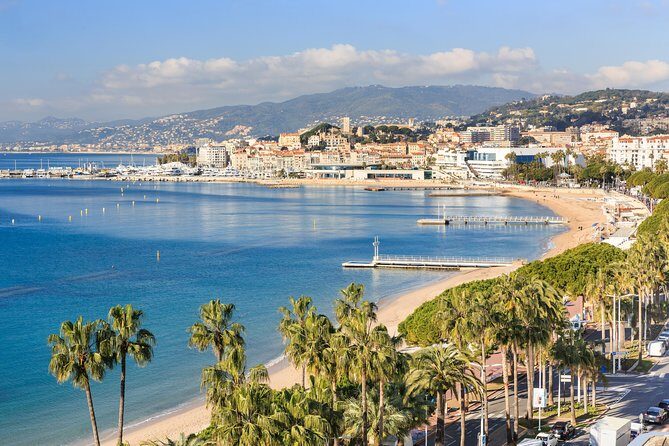
If you want the most personal experience, this is it. $111 per person for seven hours in a group capped at eight people. For three dollars more than the previous option, you get a completely different vibe — more conversation, less herding, and a guide who can tailor the commentary to what your group actually cares about.
This is a Viator booking rather than GetYourGuide, which means a different operator and a slightly different flavour. The itinerary hits all three towns in a logical loop. Multiple visitors have called out the quality of the guide descriptions — one said the guide gave a nice description of all the places while keeping things warm and unscripted. It’s the kind of tour where you might end up exchanging Instagram handles with your fellow travellers afterwards.
What to Expect in Saint-Paul-de-Vence
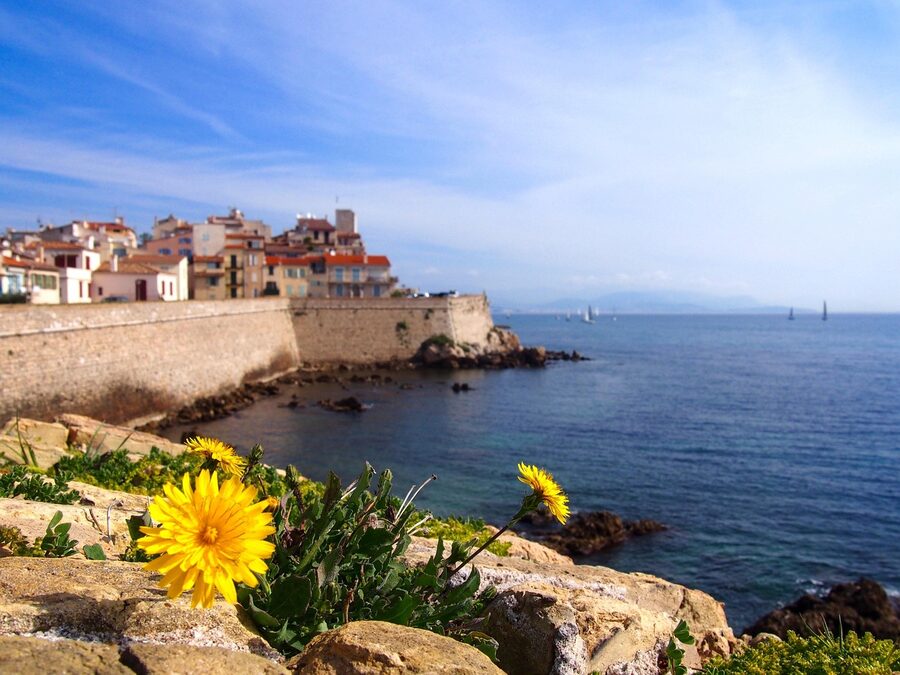
Saint-Paul-de-Vence is tiny. Like, genuinely small — you can walk the entire village in about thirty minutes if you don’t stop. But you will stop. Everyone does.
The village became an artists’ colony in the 1920s when a group of painters started paying for their meals at the Colombe d’Or hotel with artworks. It sounds like a cute anecdote until you walk into the Colombe d’Or’s dining room and realize the collection hanging on the walls — Picasso, Matisse, Leger, Braque — would make most museums jealous. You can’t go in unless you’re eating or staying there, but lunch is surprisingly approachable (book ahead).
The Fondation Maeght is the big cultural draw. Built in 1964 in the pine forests above the village, it’s an extraordinary space — Giacometti sculptures stand in a courtyard, Miro mosaics wrap around a labyrinth wall, and Chagall’s stained glass fills the chapel with colour that shifts through the day. If you only do one art stop on the Riviera, make it this one. Admission is around 16 euros and they’re open year-round.
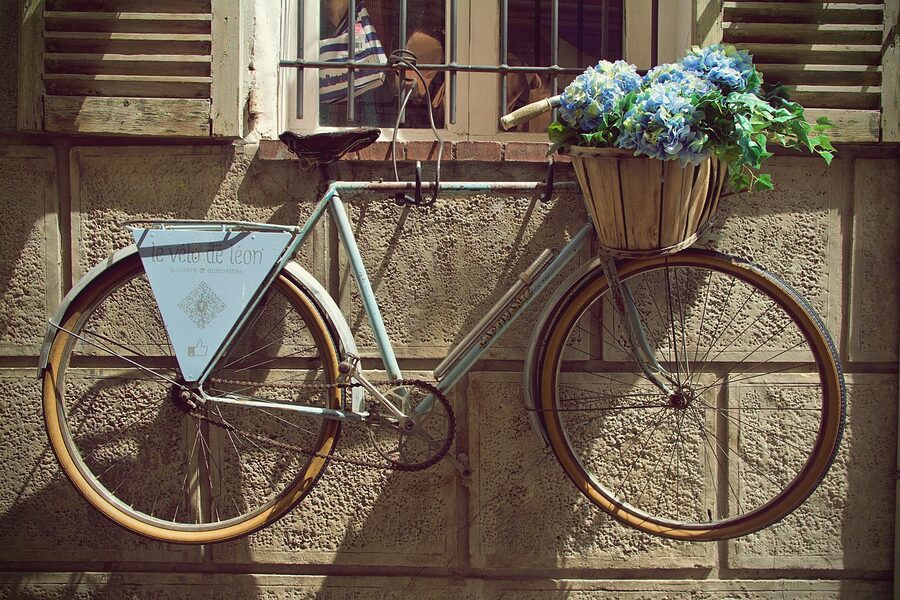
Beyond the art, Saint-Paul-de-Vence is just a gorgeous place to wander. The rampart walk circles the village and offers views across to the Alps on clear days. The cemetery where Chagall is buried sits at the eastern end — look for the small stones visitors leave on his grave, a Jewish mourning tradition.
What to Expect in Antibes
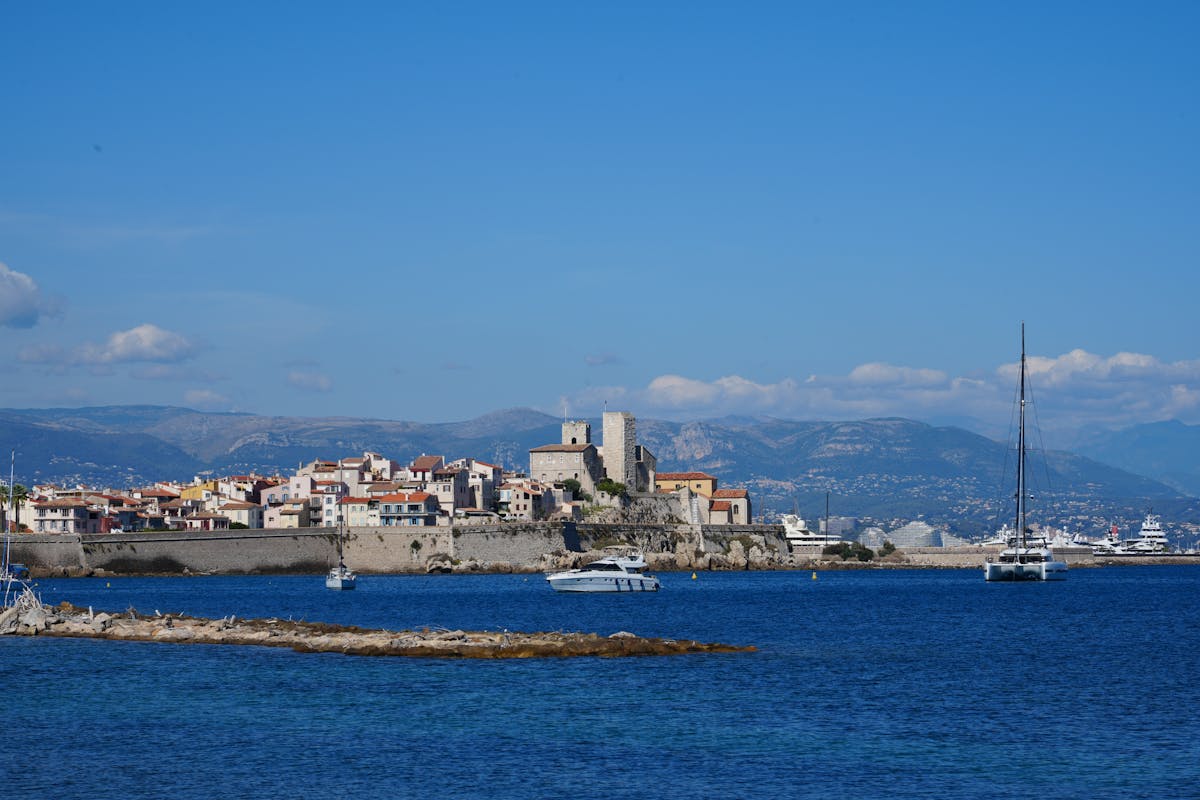
Antibes is a different animal. Where Saint-Paul-de-Vence is quiet and contained, Antibes spreads out along the coast and actually feels like a working town rather than a tourist set piece.
The Musee Picasso in the Chateau Grimaldi is the marquee attraction. Picasso was given the castle as a studio in 1946 — he was going through a productive phase (understatement: he produced 75 works in six months) and the Mediterranean light clearly agreed with him. The museum now holds his paintings, ceramics, and drawings from that period, plus works by Nicolas de Stael and other artists. It’s the only Picasso museum in the world housed in a building where he actually worked, which gives it a different energy from the bigger collections in Paris or Barcelona.
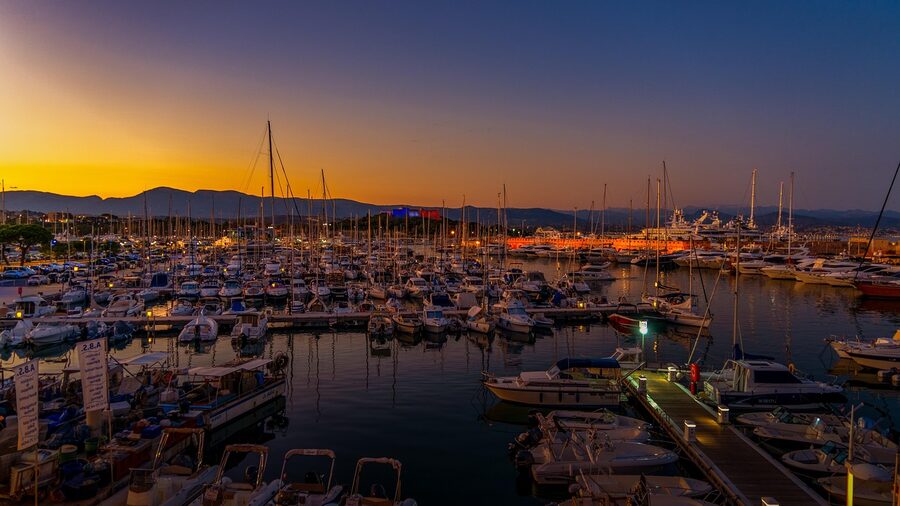
Port Vauban is one of the largest marinas in Europe, and the contrast is almost comical — fishing boats bobbing next to superyachts that cost more than most apartment buildings. Cap d’Antibes extends south from here, a peninsula of pine-covered headlands where some of the most expensive real estate in Europe hides behind high walls. The Sentier du Littoral walking path traces the rocky coastline and is free to walk.
The Marche Provencal (covered market) runs every morning except Monday in the old town. It’s been operating since the 1800s and it’s the real deal — not a tourist market but where locals actually shop. Olives, tapenade, socca (chickpea flatbread), local cheeses, and flowers that look like they were arranged for a magazine shoot.
Guided Tour vs Going on Your Own
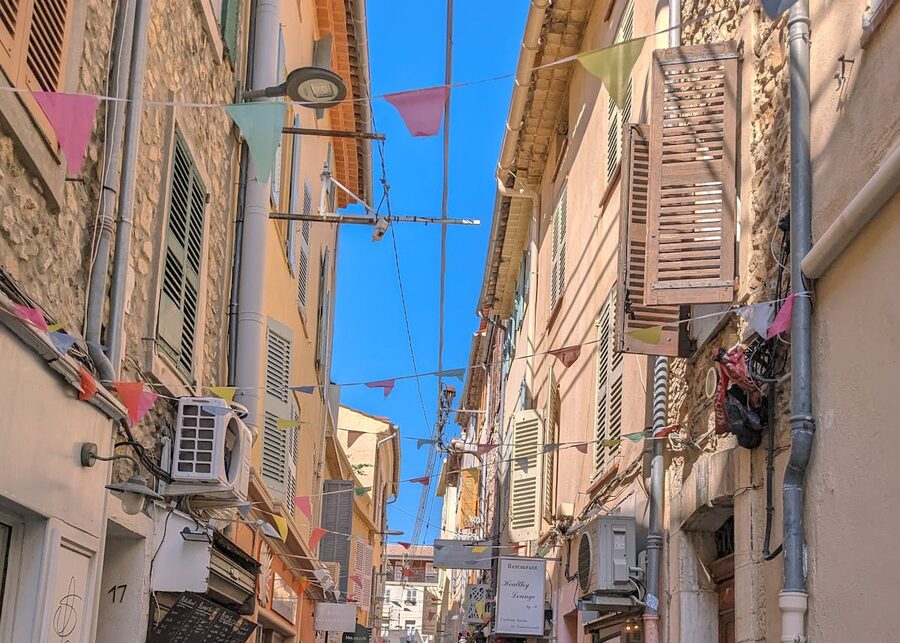
You absolutely can do this independently. Bus 400 runs from Nice to Antibes (about 1.5 hours, 1.50 euro), and bus 400 also stops in Cagnes-sur-Mer where you can transfer to bus 500 toward Saint-Paul-de-Vence. Or you can drive — there’s parking outside Saint-Paul-de-Vence’s walls and plenty in Antibes.
But here’s the honest calculation: by the time you’ve sorted bus schedules, waited for connections, figured out where to park, and navigated between the two towns, you’ve burned two to three hours on logistics. A $42 guided tour takes away all of that friction and adds context (the art history of Saint-Paul-de-Vence is genuinely better with a guide explaining it).
The main argument for going independently is flexibility. Tour stops are typically 45-90 minutes each. If you want to spend three hours at the Fondation Maeght or take the full Cap d’Antibes coastal walk (about two hours round trip), you’ll need your own transport. But for a first visit where you want to see both towns and get the highlights? A tour is the smarter call.
When to Visit
May through June is the sweet spot. The weather is warm but not yet scorching, the lavender is starting to bloom in the hills behind Saint-Paul-de-Vence, and the summer hordes haven’t descended yet. September is equally good — slightly warmer water for swimming in Antibes, and the light has that golden quality that made all those painters fall in love with the region.
July and August are rough. Saint-Paul-de-Vence becomes genuinely overcrowded — the narrow streets that feel charming in spring become claustrophobic when packed with tour groups. Antibes handles summer better because it’s a bigger town, but the beaches get sardine-tin busy and parking becomes a nightmare.
Winter (November through March) is quiet and surprisingly pleasant. Many days are still sunny, temperatures hover around 10-15°C, and you’ll have the villages nearly to yourself. The downside: some restaurants and galleries in Saint-Paul-de-Vence close for the season, and the Fondation Maeght has shorter hours.
If you’re on a tour, morning departures are better in summer (beat the heat and crowds) and midday departures work fine in spring and autumn.
How to Get There from Nice
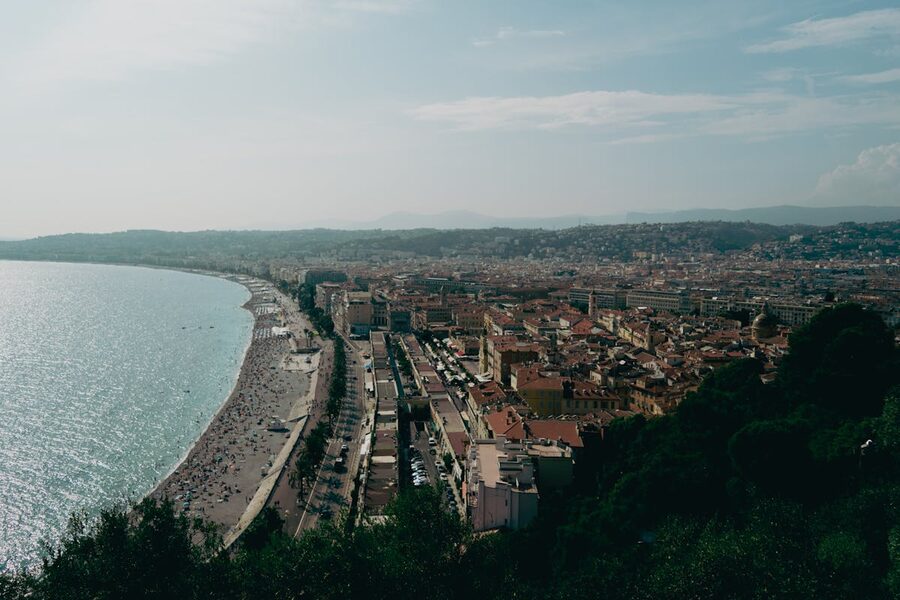
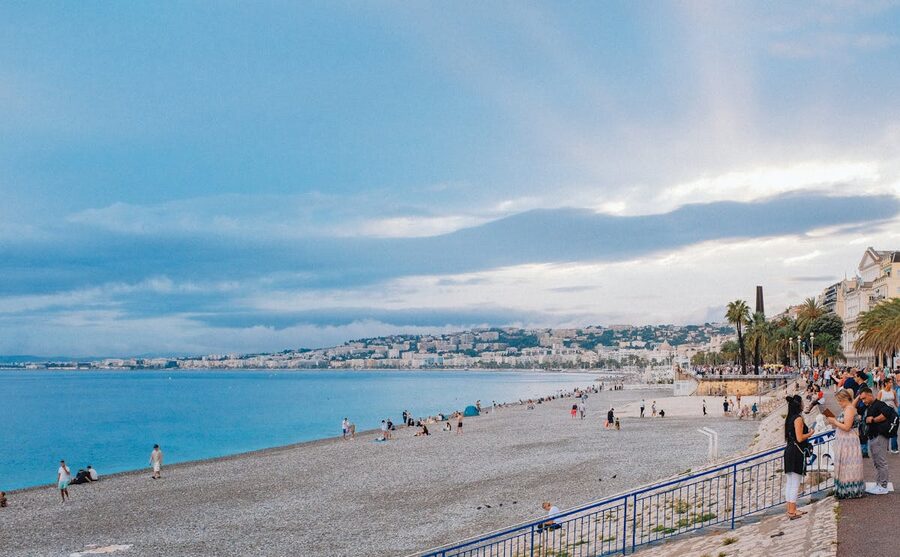
By tour (recommended): Most tours pick up near the Promenade des Anglais or at a central meeting point in Nice. The drive to Saint-Paul-de-Vence takes around 25 minutes, and Antibes is about 30 minutes from Nice along the coast. Your guide handles all the navigation — you just show up and get in the van.
By car: Take the M6007 coastal road for the scenic route (about 45 minutes to Antibes) or the A8 autoroute for speed (25 minutes, tolls apply). Saint-Paul-de-Vence is north of Cagnes-sur-Mer via the D7 — look for the village sitting on top of the hill and follow the signs to the main parking area outside the walls. Warning: the road up to Saint-Paul-de-Vence is narrow and the parking fills up fast in high season. Arrive before 10am or after 3pm.
By bus: Lignes d’Azur bus 400 runs frequently from Nice to Antibes (1.50 euro, about 1.5 hours depending on traffic). For Saint-Paul-de-Vence, take bus 400 to Cagnes-sur-Mer then transfer to bus 500. The whole journey takes around 90 minutes. Buy a day pass for 5 euros if you’re doing multiple trips.
By train: TER trains run from Nice-Ville to Antibes in about 25 minutes (around 5 euros). From Antibes station it’s a 10-minute walk to the old town. There’s no train to Saint-Paul-de-Vence, so you’d need to combine train to Antibes with bus or taxi to Saint-Paul.
Tips That Will Save You Time and Money
Wear proper shoes. Saint-Paul-de-Vence is all cobblestones, steep lanes, and uneven steps. Antibes is flatter but still has plenty of old-town cobbles. Flip-flops are a recipe for a twisted ankle.
Bring cash for Saint-Paul-de-Vence. Some of the smaller galleries and cafes don’t take cards, or have a minimum spend for card payments. The village has no ATM inside the walls — there’s one in the parking area outside.
Eat lunch in Antibes, not Saint-Paul-de-Vence. Both towns have restaurants, but Antibes offers better value and more variety. The Marche Provencal has ready-to-eat food that’s cheaper and tastier than most sit-down restaurants. A portion of socca and a paper cone of local olives costs about 8 euros and tastes better than anything with a tablecloth.
The Fondation Maeght closes for lunch. Check their current hours before you plan your Saint-Paul-de-Vence stop — there’s typically a lunch closure between 1pm and 2pm. If you’re on a tour, your guide will know the schedule.
Skip the tourist shops on the main drag in Saint-Paul-de-Vence. The art galleries are genuinely good, but the souvenir shops selling lavender sachets and Provencal tablecloths are the same ones you’ll find in every village from here to Aix. If you want something unique, look for the working artists’ studios on the side streets.
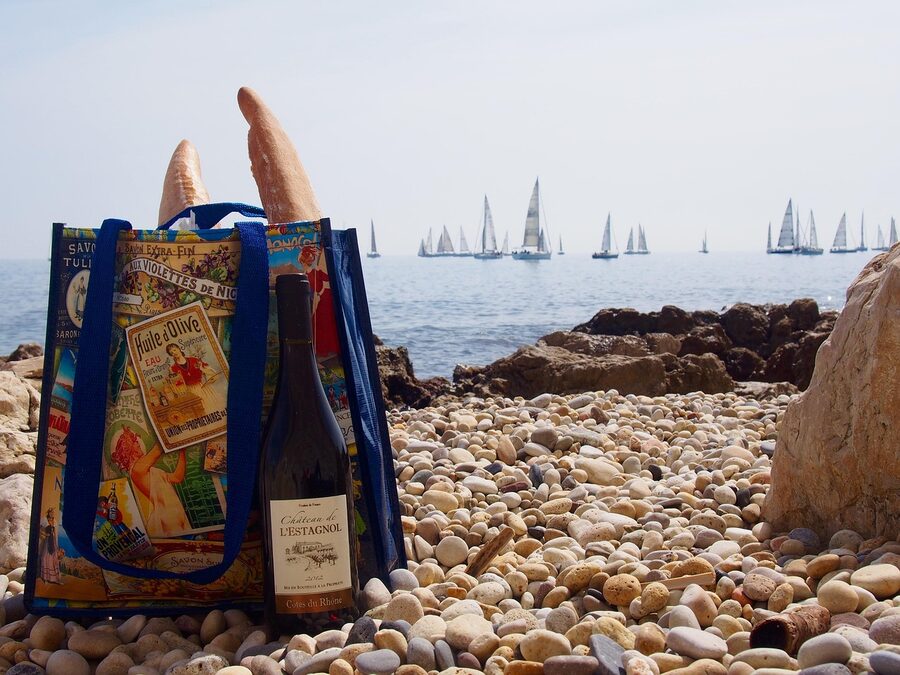
If you book a tour, the half-day ($42) option is plenty for a first visit. You’ll see the highlights of both towns and Cannes without feeling exhausted. Save the full-day tours for repeat visitors who want to linger longer at the Fondation Maeght or walk the Cap d’Antibes coastal path.
What You’ll Actually See
In Saint-Paul-de-Vence, expect narrow medieval streets lined with art galleries, a 16th-century church, the rampart walk with panoramic views of the surrounding hills and the distant Mediterranean, the village cemetery (Chagall’s grave), and the main square with its fountain and petanque court where old men have been playing boules since before any of us were born. The Fondation Maeght is a 10-minute uphill walk from the village gates — check whether your tour includes free time to visit it, because some only pass through the village itself.
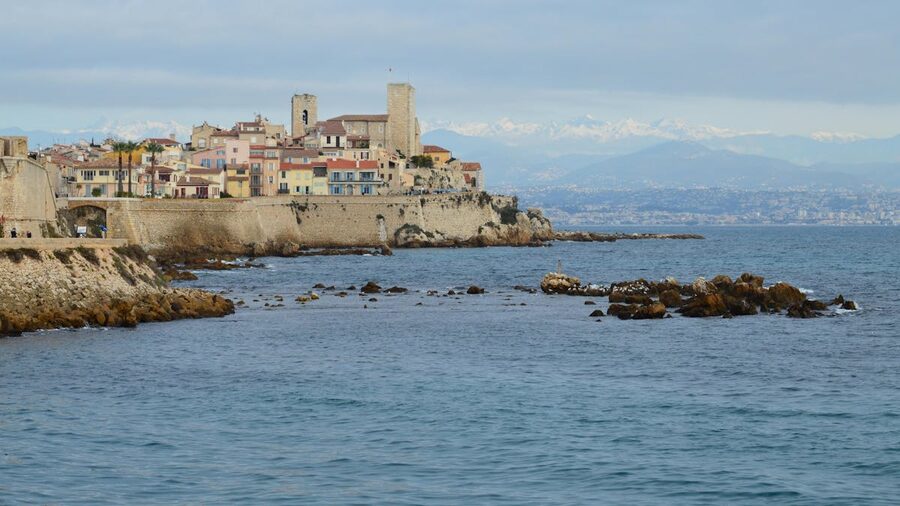
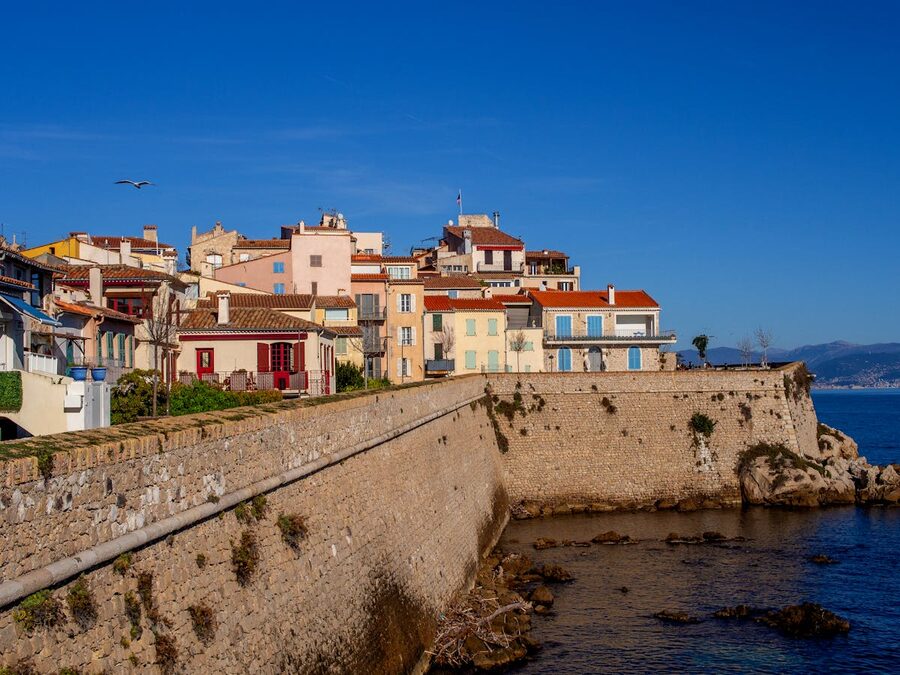
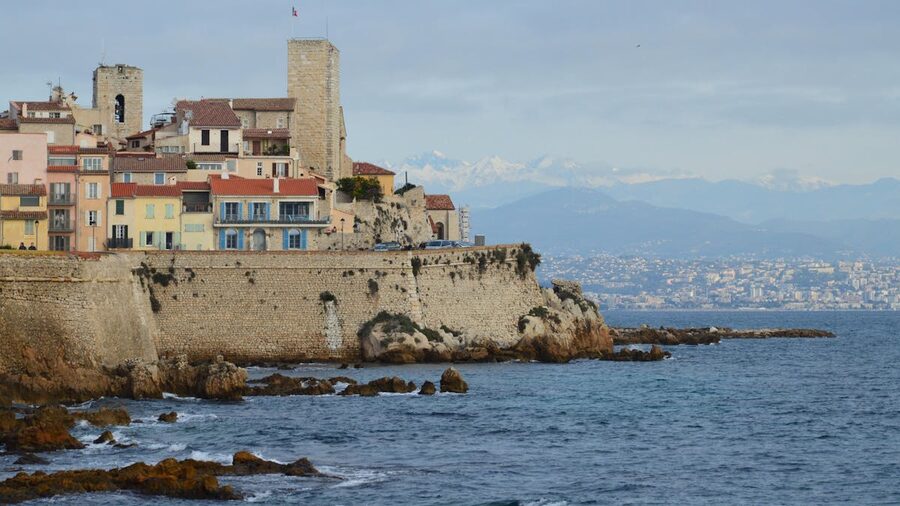
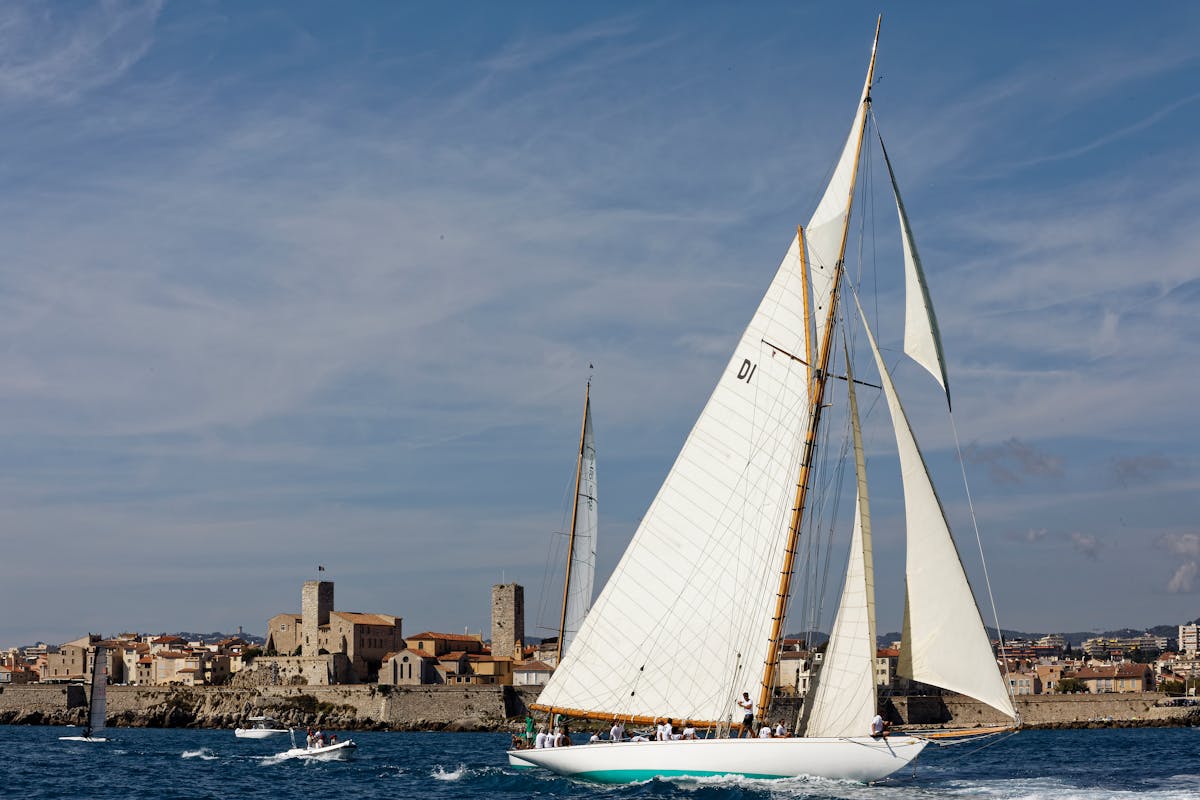
In Antibes, the main sights cluster in the old town: the Chateau Grimaldi/Musee Picasso, the Cathedral of the Immaculate Conception (12th century, free entry), Port Vauban and its improbable collection of superyachts, and the Marche Provencal. The rampart walk along the sea walls connects most of these, so you can cover them in a logical loop. If your tour gives you free time in Antibes, use it to walk the ramparts — it’s the best free activity in town.
Most tours also include a stop in Cannes, usually along the Croisette and the Palais des Festivals (where the film festival happens). Cannes gets mixed reactions from visitors — some love the glamour, others find it a bit empty outside of festival season. It’s usually the shortest stop on the tour, which is about right.
More Riviera Day Trips from Nice
If Saint-Paul-de-Vence and Antibes whet your appetite for more Riviera exploration, Nice makes an excellent base for a whole week of day trips. A Monaco day trip is the classic pairing — you can do it by train in under 30 minutes, and the contrast between the hilltop villages and Monaco’s glittering excess is genuinely striking. For something completely different, the Gorges du Verdon takes you inland to Europe’s answer to the Grand Canyon, where the turquoise water and vertical cliff faces make the coast look almost tame. Back in Nice itself, don’t skip a food tour — the city’s food scene is wildly underrated, and a guided tour through the old town’s markets is the fastest way to understand why locals eat so well. If the weather cooperates, a sightseeing cruise from Nice puts the whole coastline in perspective from the water. And from Cannes, you can hop on a boat tour along the Esterel coast — those red volcanic cliffs against the blue Mediterranean are something else entirely.
This article contains affiliate links. If you book a tour through one of our links, we earn a small commission at no extra cost to you. This helps us keep producing free travel guides.