
The Jacobite steam train was late. Not by much — ten minutes, maybe fifteen — but long enough for the platform at Fort William to fill with the kind of charged silence you only get when forty strangers are collectively pretending they aren’t about to lose their minds with excitement. Then the whistle hit, the smoke rolled in across the tracks, and the whole platform exhaled.
That was the moment I understood something about the Scottish Highlands. The scenery is absurd. Everyone tells you that. But nobody mentions the sounds — the crack of a single-track road under tyres, the total silence of a glen at 8am, a guide dropping their voice to tell you about the Massacre of Glencoe while you stand in the exact spot it happened.
If you’re sitting in Edinburgh right now trying to figure out how to actually get out there, this is the guide.
Best overall: Scottish Highlands Tour with Whisky Tasting — $63. Full day through Glencoe, Killin, and a proper distillery visit. Best value going.
Best for Harry Potter fans: Hogwarts Express & Scottish Highlands Tour — $268. Ride the actual Jacobite steam train across the Glenfinnan Viaduct. Worth every penny if that matters to you.
Best multi-day: Scottish Highlands & Isle of Skye 5-Day Tour — $1,214. The only way to properly see Skye, Glencoe, and Inverness without a car.
- What Day Tours from Edinburgh Actually Cover
- Day Tour vs Self-Driving the Highlands
- The Scottish Highlands Tours I’d Actually Book
- 1. Scottish Highlands Tour with Whisky Tasting —
- 2. Hogwarts Express & Scottish Highlands Tour — 8
- 3. Full Day Scottish Highlands and Whisky Tour —
- 4. Scottish Highlands & Isle of Skye 5-Day Tour — id="section-0",214
- When to Visit the Scottish Highlands
- Getting from Edinburgh to the Highlands
- Tips That Will Save You Time and Misery
- What You’ll Actually See Out There
- Beyond Edinburgh
- Other Scottish Adventures from Edinburgh
What Day Tours from Edinburgh Actually Cover
Here’s what most people don’t realize: the Highlands start about 90 minutes north of Edinburgh, but the really spectacular scenery — Glencoe, the Great Glen, the road to Fort William — is a solid three hours from the city. That’s why every day tour follows roughly the same route, and why the day is long. You’re typically gone from 8am to 7 or 8pm.
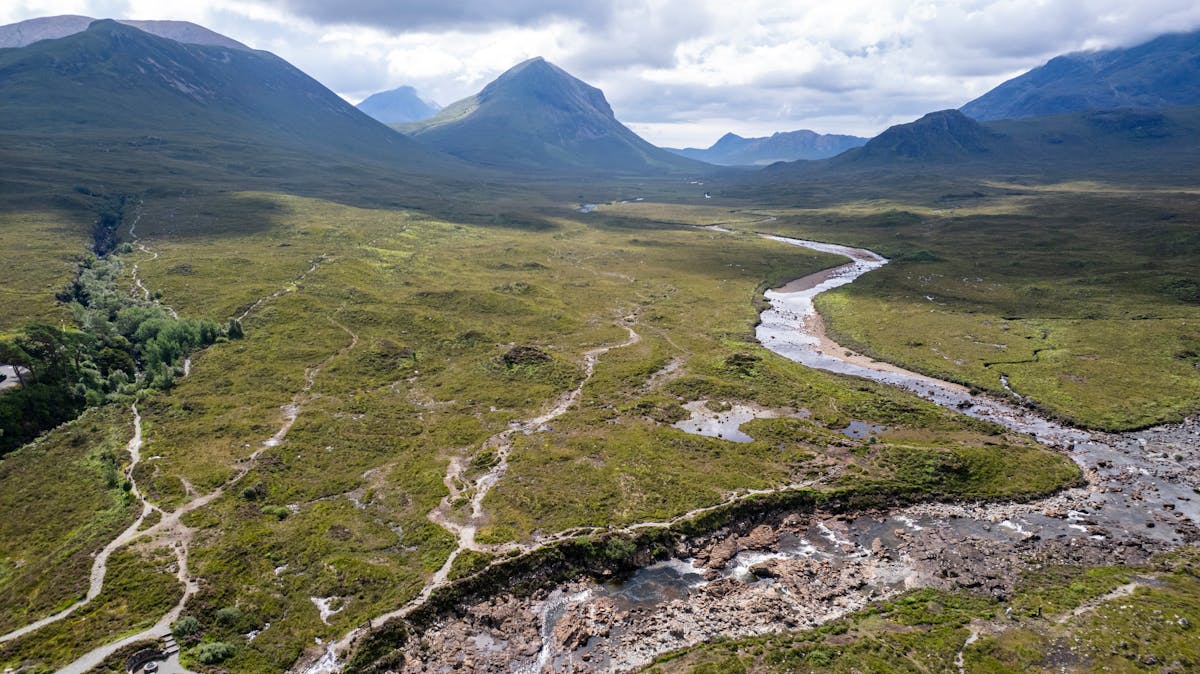
The standard circuit runs north through Stirling or the Trossachs, across Rannoch Moor (the most desolate stretch of road in Britain, genuinely), down through Glencoe, and loops back through Killin or Aberfoyle. Some tours push further to Fort William or along the shores of Loch Lomond.
What varies between tours is the stops and the emphasis. Some lean hard into whisky. Others focus on Outlander filming locations or Harry Potter. A few include boat rides or short hikes. The guides make or break it — a good one turns a bus ride into a history lesson you actually want to hear.
If you want more than a taste, multi-day tours are the better call. You can’t see Skye in a day from Edinburgh (anyone who claims otherwise is lying to you — it’s five hours each way). Two days minimum for the western Highlands, five if you want Skye done properly.
Day Tour vs Self-Driving the Highlands
The honest truth: both work, and neither is perfect.
Self-driving gives you freedom. You stop when you want, take the weird side roads, eat wherever you fancy. But single-track Highland roads with passing places are genuinely stressful if you’re not used to them. And you’ll spend most of the day driving rather than looking at things. Plus you can’t do a whisky tasting if you’re behind the wheel.
A guided tour handles the logistics and gives you someone who actually knows the history. The downside is the group pace — you’ll want an hour at Glencoe and get thirty minutes, every time. Small group tours (8-16 people) are better than coaches for this reason.
My take: do a guided day tour first, then rent a car for a longer trip once you know which parts you want to explore deeper.
The Scottish Highlands Tours I’d Actually Book
I’ve narrowed this down to three day tours and one multi-day option. All leave from Edinburgh. All have been running long enough to have real track records, and all of them come with the kind of guide who makes the rain feel like part of the experience rather than a problem.
1. Scottish Highlands Tour with Whisky Tasting — $63
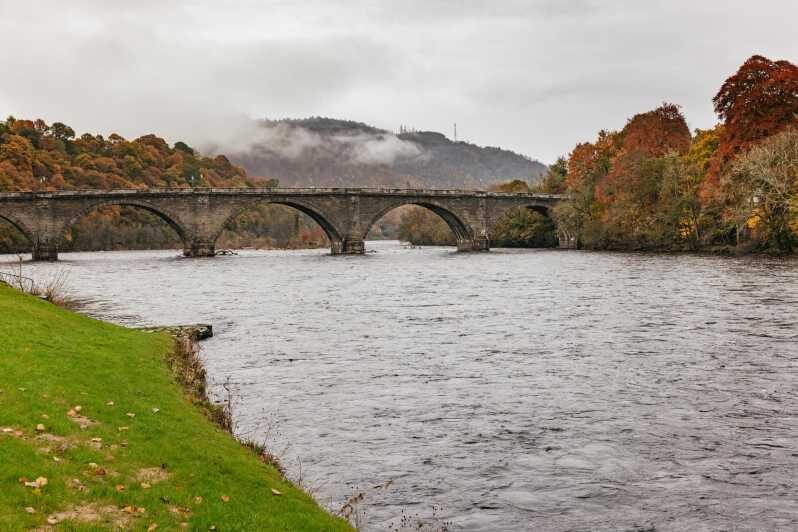
This is the one I recommend to most people. At $63 per person for a full 9.5-hour day, it’s genuinely hard to beat on value. The route hits Glencoe, Killin (the Falls of Dochart are gorgeous), and includes a proper whisky distillery visit — not a quick glass at a gift shop, an actual tour through the production process with tasting.
It runs as a small group, which makes a real difference on the Highland stops. You get time to walk around Glencoe rather than photographing it through a bus window. The guides on this one know their history cold — the Massacre of Glencoe explanation alone is worth the ticket price.
2. Hogwarts Express & Scottish Highlands Tour — $268
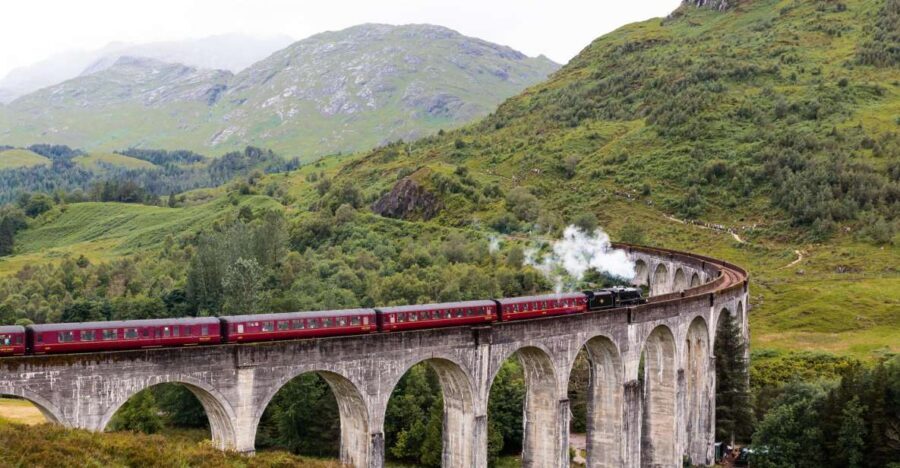
Yes, it’s expensive. $268 is a lot for a day tour. But this is the only way to ride the Jacobite steam train — the actual train used as the Hogwarts Express in the Harry Potter films — as part of a guided Highland experience. The 13-hour day includes a drive through Glencoe, the train ride across the Glenfinnan Viaduct, and enough Highland scenery to fill a memory card.
Two things worth knowing: the train doesn’t run every day, so check availability before you commit. And this is a long day — 13 hours, no getting around it. But the guides are superb at keeping energy up. Even in pouring rain (which happens more than you’d like), the warmth inside the steam carriages and the stories from the guide make it work.
3. Full Day Scottish Highlands and Whisky Tour — $72
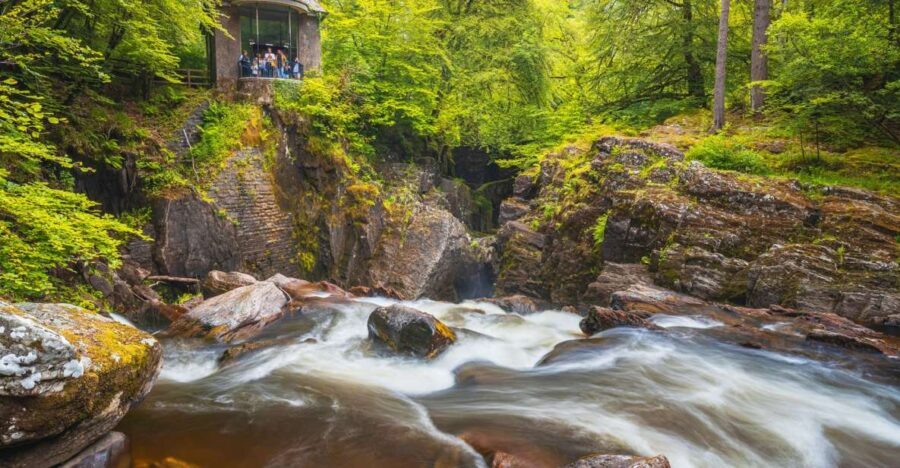
This one’s a solid alternative if the first tour is booked out, or if you specifically want to see the Kelpies — those 30-metre steel horse heads near Falkirk that have become one of Scotland’s most photographed modern landmarks. At $72 per person for nine hours, it’s still excellent value.
The route loops through the Trossachs (sometimes called “the Highlands in miniature”) before pushing north. The distillery visit is included, and the small group format means you’re not fighting for photo spots at every stop. The guides on this one get consistently strong feedback for their storytelling — they pitch it more as a narrative through Scottish history than a checklist of sights.
4. Scottish Highlands & Isle of Skye 5-Day Tour — $1,214
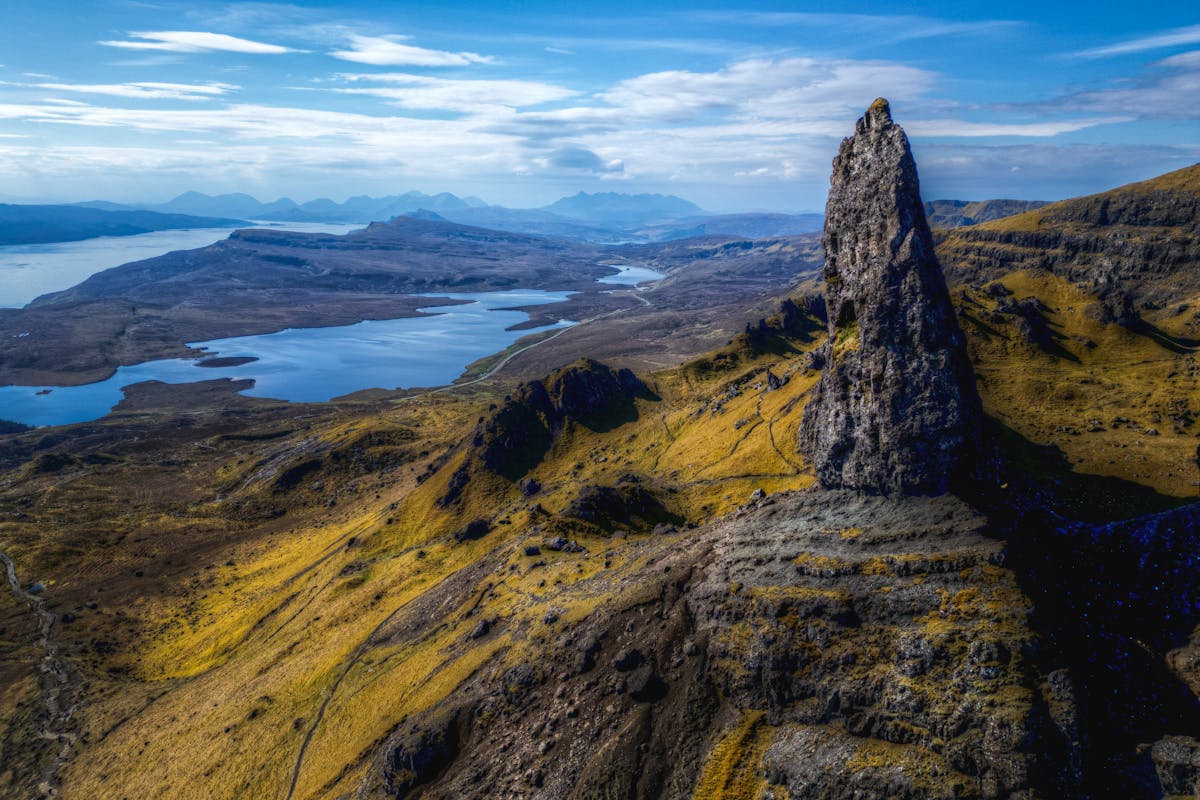
If you have five days, this is the move. You cannot see the Isle of Skye from Edinburgh in a day — anyone selling that is lying. This tour does it right: Glencoe on day one, Skye for two full days (the Quiraing, Old Man of Storr, Talisker Bay), then Inverness and the Great Glen on the way back. Accommodation and a guide are included in the $1,214 price.
The guides on this one are the kind of people who know which hidden waterfalls to stop at, which pub does the best fish and chips in Portree, and when to just shut up and let you stare at the view. Five days with a small group in a minibus — you’ll either make friends for life or learn a lot about the art of British small talk. Usually both.
When to Visit the Scottish Highlands
The short answer: May through September. The longer answer is more interesting.
May and June are the sweet spot. Long daylight hours (it doesn’t get dark until nearly 10pm in June), wildflowers across the moors, and the midges — Scotland’s tiny biting flies — haven’t hit full strength yet. This is when the Highlands look like the postcards.
July and August are peak season. The weather is warmest (which in Scotland means 15-20C on a good day), but the popular stops like Glencoe and the Isle of Skye get genuinely crowded. Book early if you’re going in August during Edinburgh Festival season.
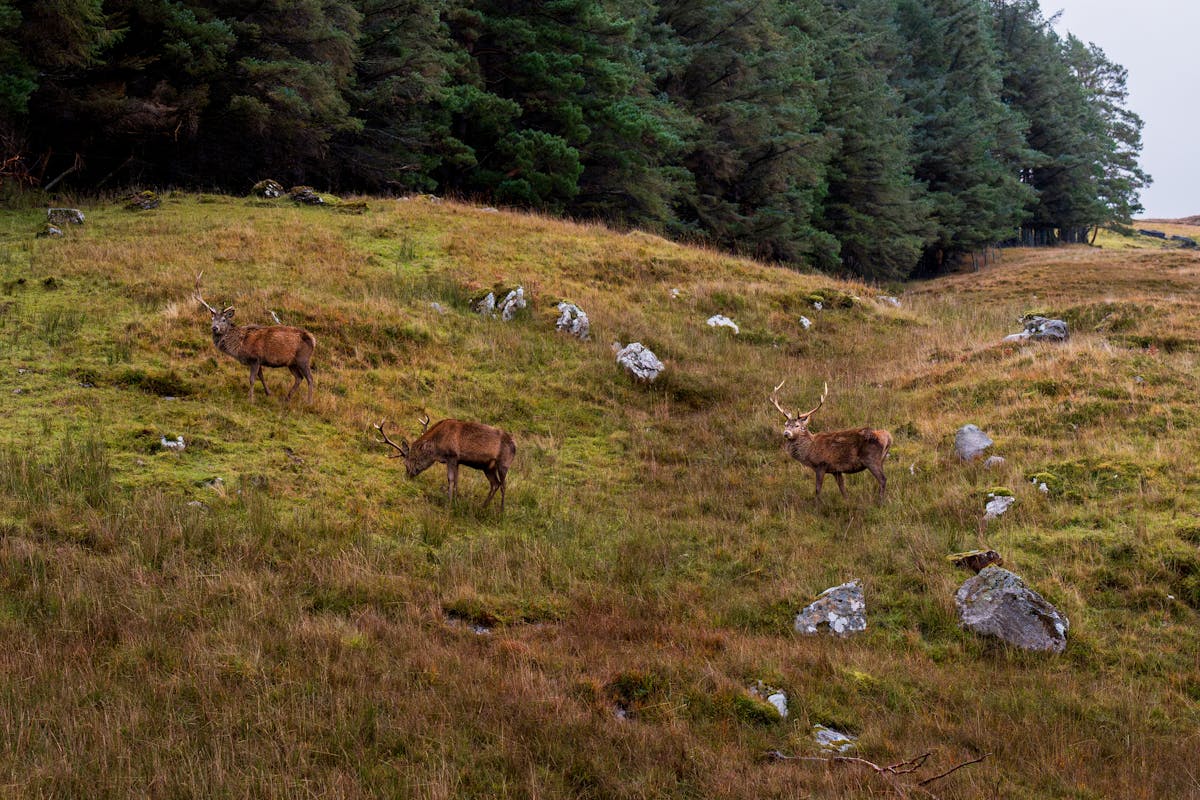
September and October bring the autumn colours. The bracken goes copper and gold, the deer are rutting in the glens, and the crowds thin out. Personally, this is my favourite time. The light is softer and the whole landscape looks like it’s on fire.
November to March — the Highlands in winter are beautiful but harsh. Many tour operators reduce their schedules, roads can close, and daylight runs from about 9am to 3:30pm. But snow on the mountains is spectacular, and you’ll have places like Glencoe almost entirely to yourself.
Getting from Edinburgh to the Highlands
By tour (easiest): Most tours pick up from the Royal Mile or Waterloo Place, right in central Edinburgh. You show up, get on the bus, and someone else handles the driving for the next ten hours. This is genuinely the easiest option.
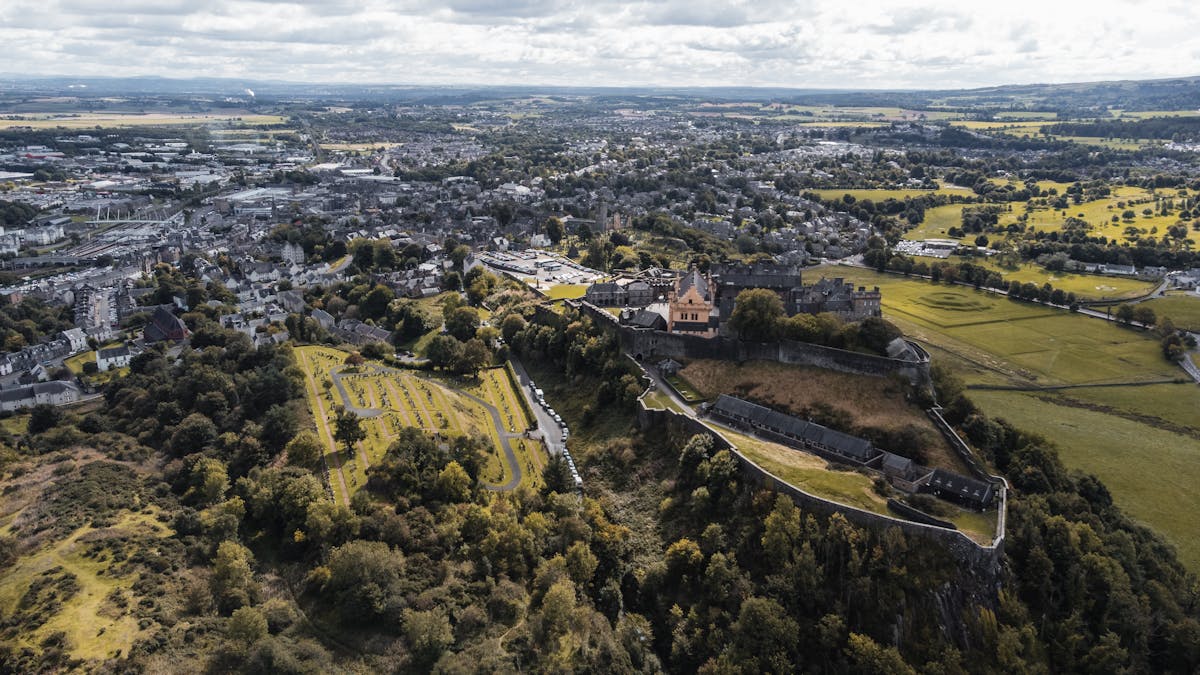
By car (most flexible): Stirling is an hour north of Edinburgh, and from there you’re into Highland territory. The A82 through Glencoe to Fort William is one of the most scenic drives in Europe. Allow at least 3 hours from Edinburgh to Glencoe, more if you stop (and you will stop). Rental cars are available from Edinburgh Airport and the city centre.
By train: ScotRail runs from Edinburgh to Inverness (about 3.5 hours) and to Fort William via the West Highland Line (about 5 hours, but one of the most beautiful train journeys in the world). From Inverness or Fort William, you can pick up local tours or hire a car for the final legs.
By bus: Citylink coaches run from Edinburgh to Inverness, Fort William, and various Highland towns. Cheap but slow, and you won’t see much from a motorway coach. Fine for getting there, not ideal for sightseeing.
Tips That Will Save You Time and Misery
Book day tours at least a week ahead in summer. The popular ones (especially the Hogwarts Express tour) sell out fast between June and August. Shoulder season — May and September — gives you more flexibility.
Bring waterproof layers, not an umbrella. Wind in the Highlands makes umbrellas useless. A decent rain jacket and waterproof trousers will serve you far better. The weather can go from sunshine to sideways rain in ten minutes.
Eat before you leave Edinburgh. Tour stops for food are unpredictable. Some guides build in a proper lunch stop, others give you 20 minutes at a petrol station cafe. Pack snacks regardless.
Sit on the left side of the bus. On the standard Highland tour route (north via the A9, west through Glencoe, south via Loch Lomond), the most dramatic scenery is usually on the left side. Though honestly, both sides are good.
Charge your phone the night before. You will take roughly 300 photos. The Highlands have patchy mobile signal in many areas, so your phone will drain faster searching for service.
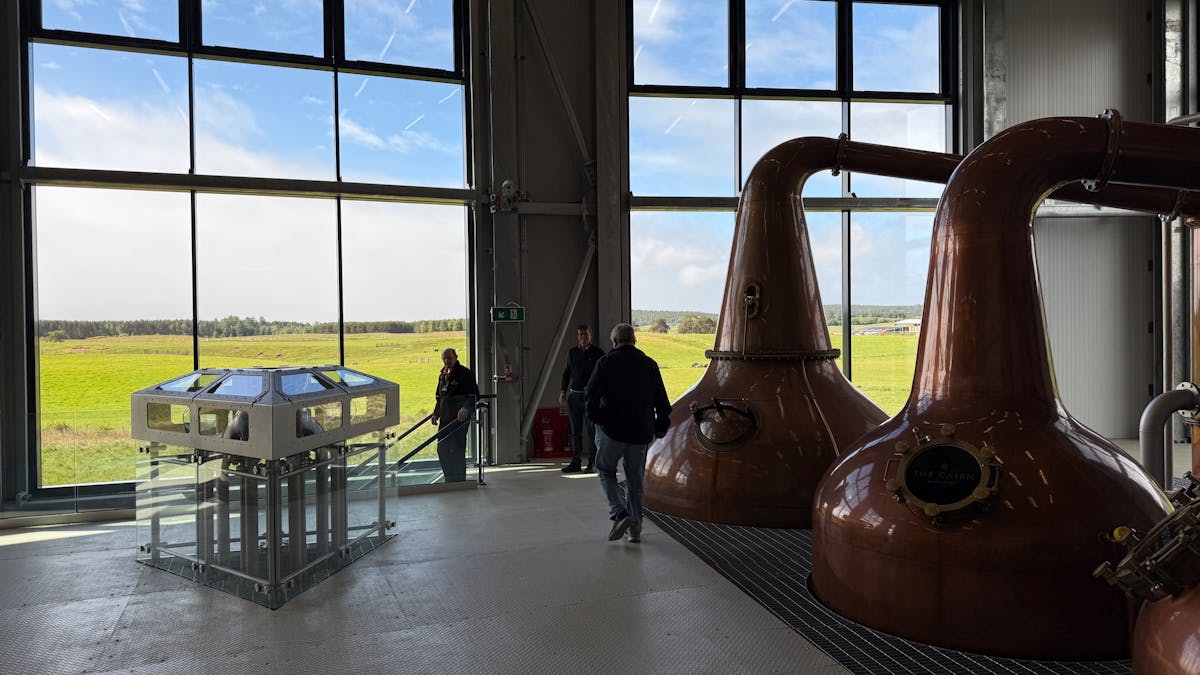
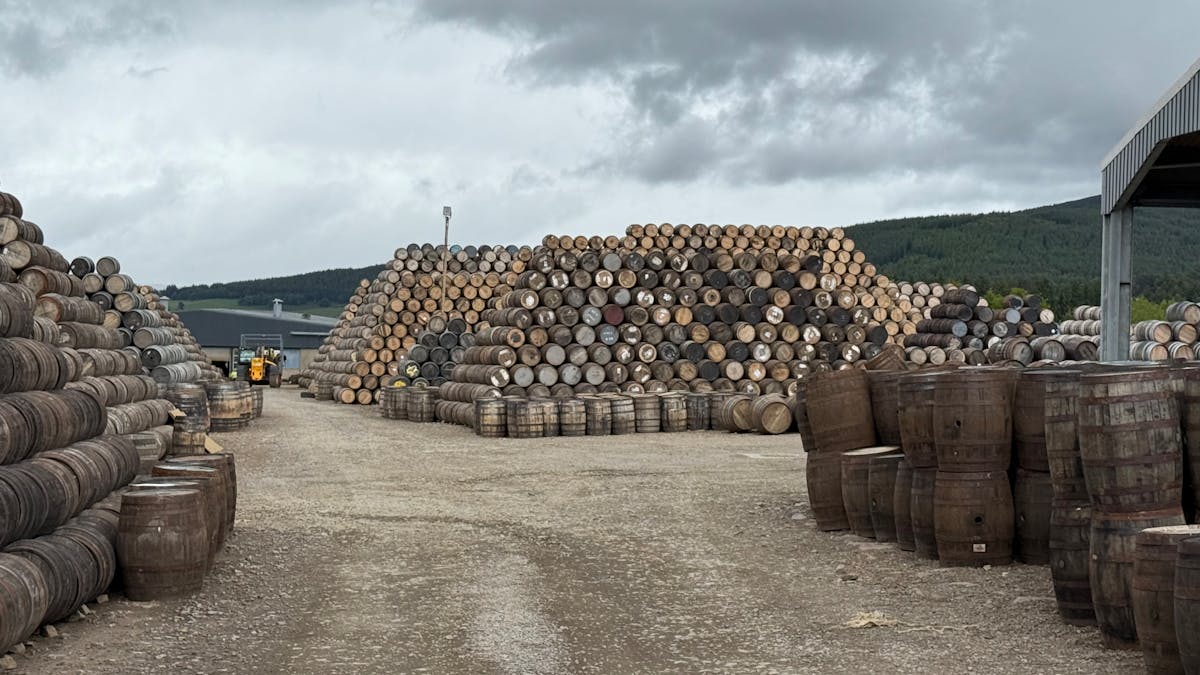
Don’t skip the whisky tasting. Even if you don’t drink whisky. Scottish distilleries are beautiful — the copper stills, the barrel rooms, the smell of aging spirit. It’s part of the culture, not just a drink.
What You’ll Actually See Out There
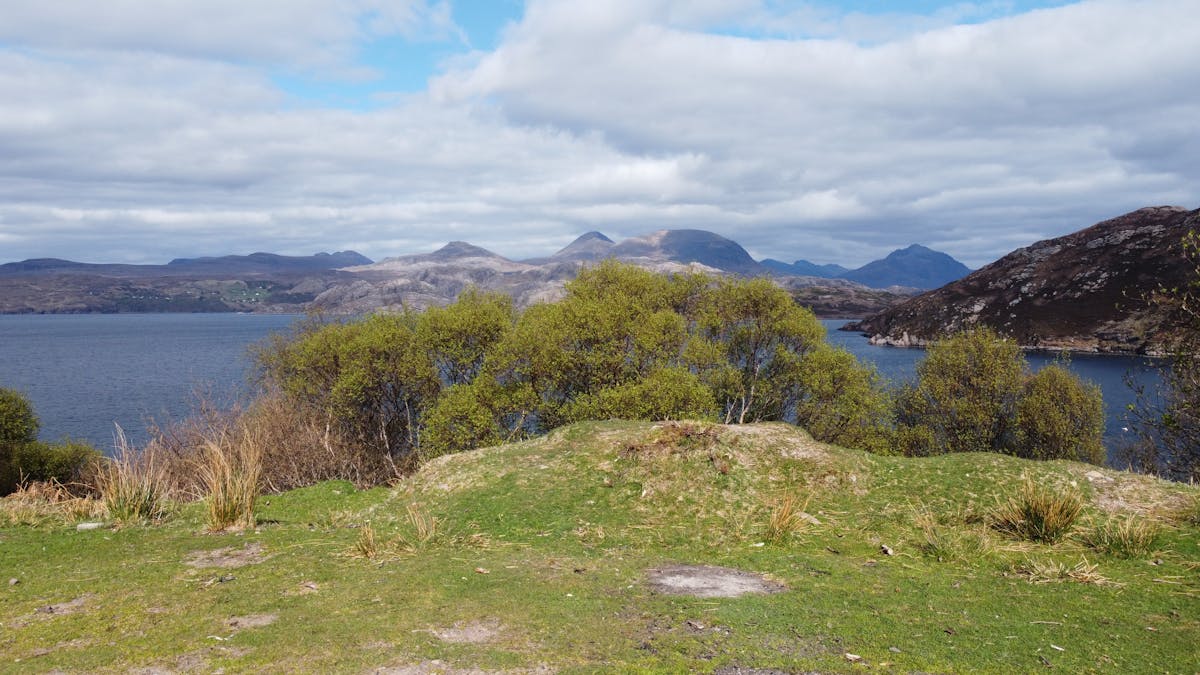
The Highlands cover roughly half of Scotland’s land area, so no single tour shows you everything. But here’s what most Edinburgh day tours hit, and why it matters.
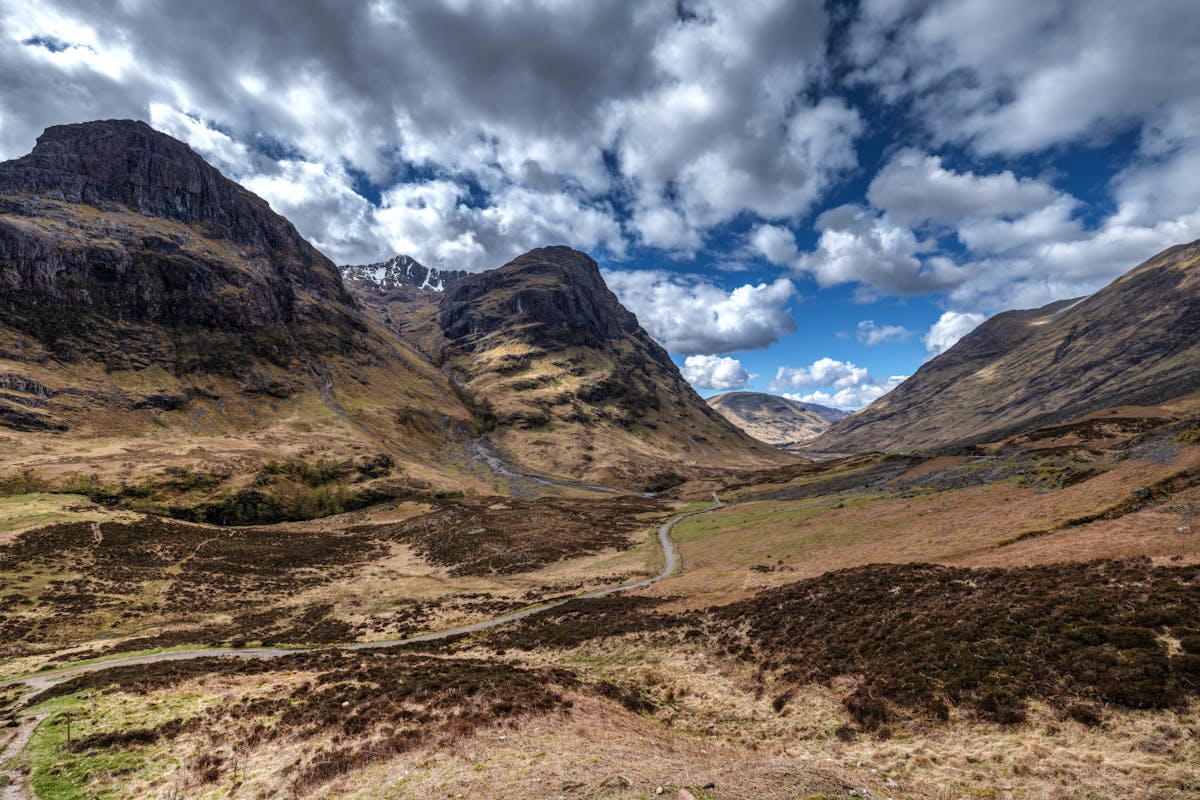
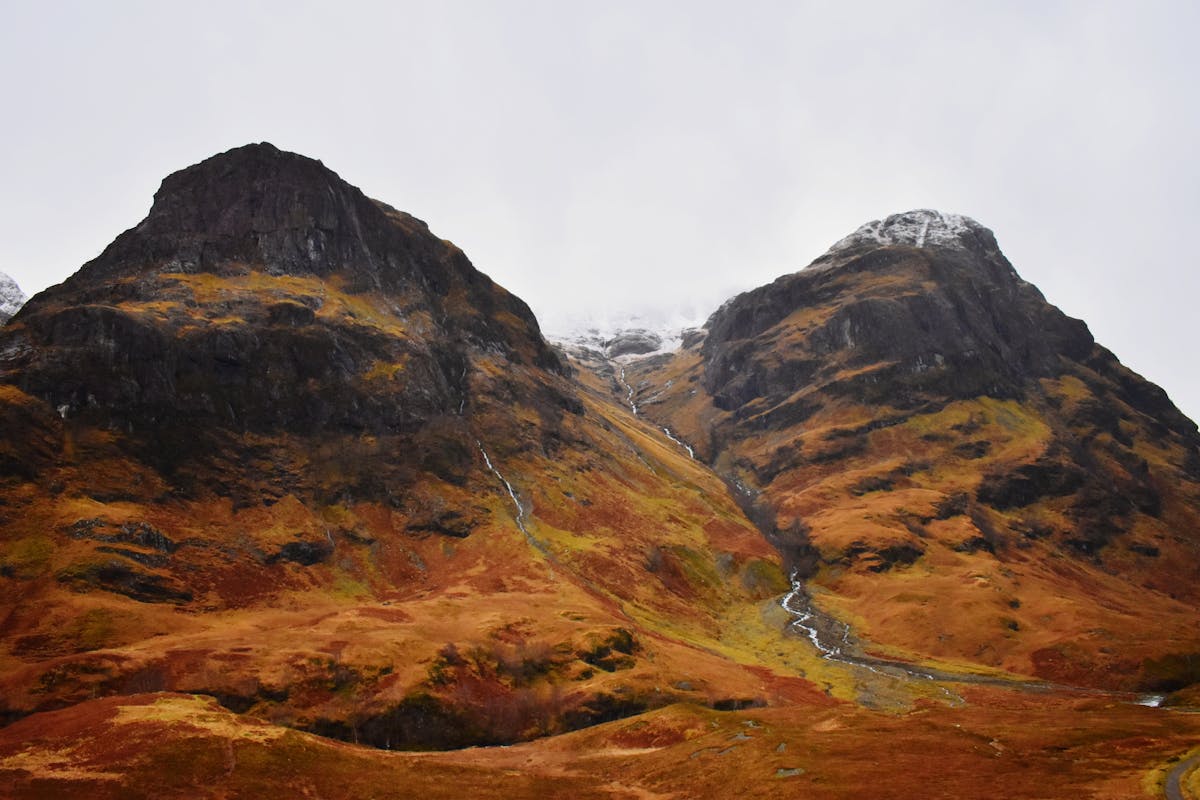
Glencoe is the centrepiece of almost every tour, and rightly so. This U-shaped valley carved by glaciers is one of the most dramatic landscapes in Europe. The Three Sisters — three enormous ridges descending from Bidean nam Bian — dominate the south side. It’s also the site of the 1692 massacre, when government soldiers murdered members of the MacDonald clan after accepting their hospitality. Every guide tells this story differently, and it always lands.
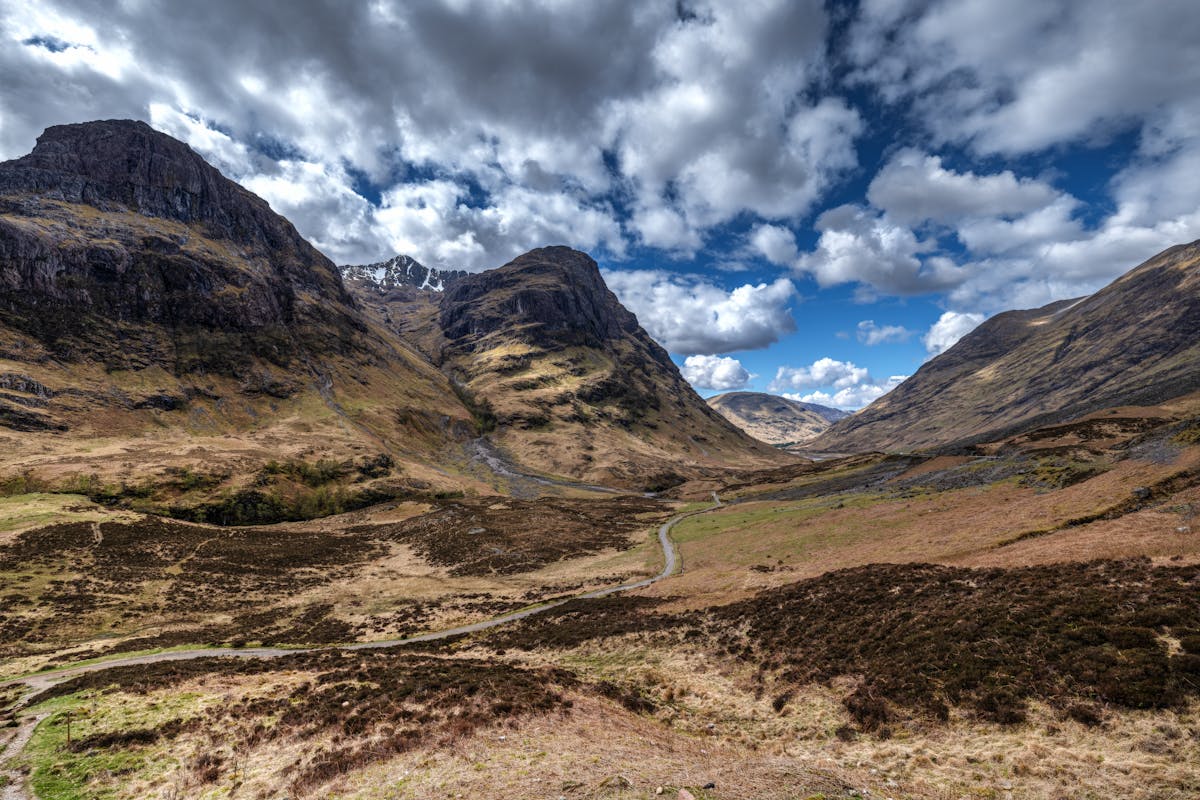
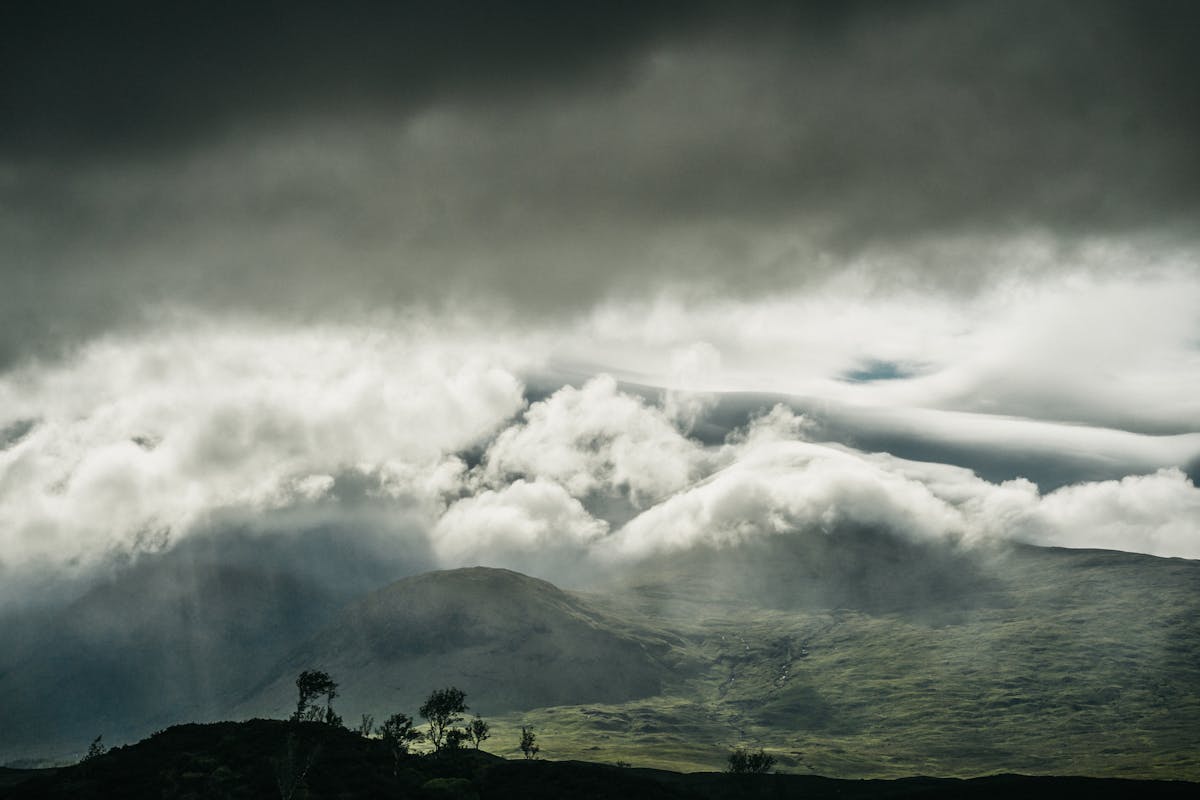
Rannoch Moor comes just before Glencoe on most routes. It’s a vast expanse of peat bog, lochs, and absolutely nothing else. On a grey day it looks like the end of the world. On a sunny day it looks like the most peaceful place on earth. The moor featured as a location in several films, including the Harry Potter series and the Bond film Skyfall.
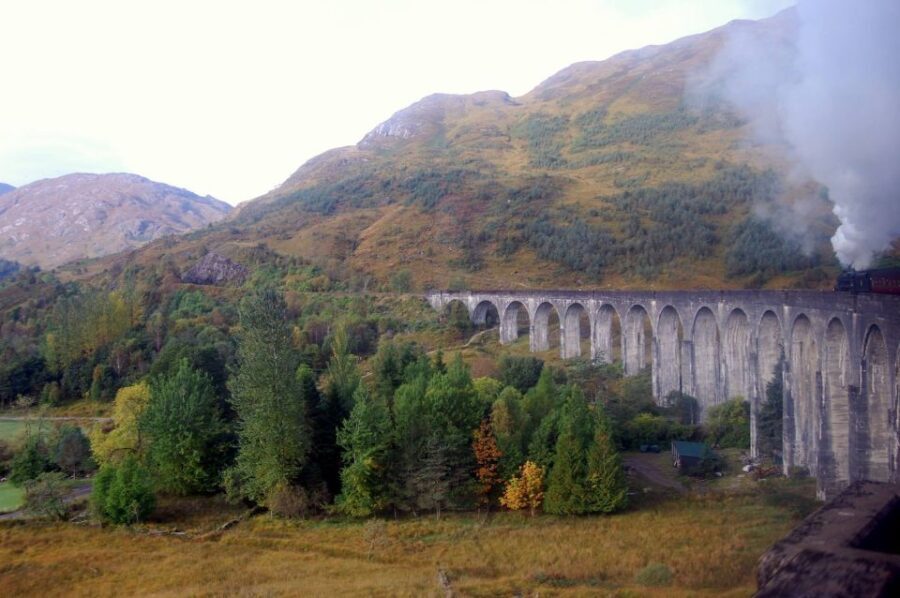
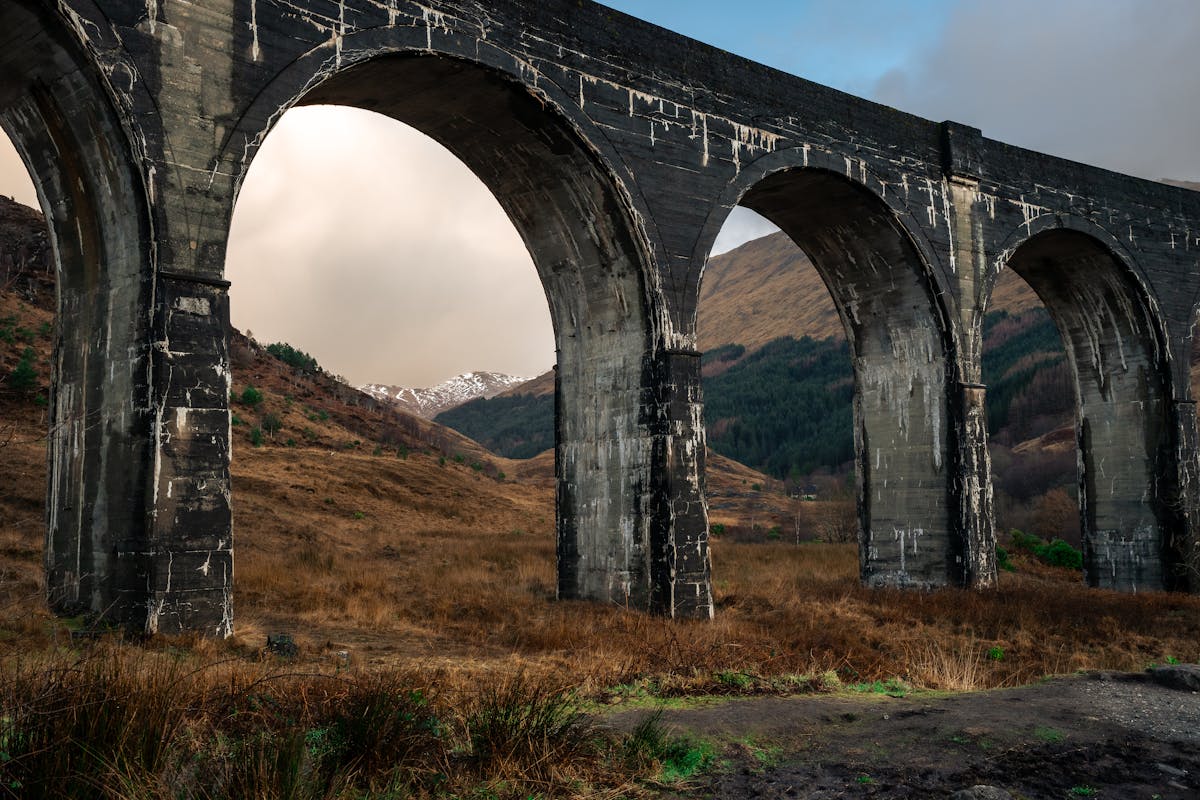
The Glenfinnan Viaduct is where the Jacobite steam train crosses — the iconic Harry Potter bridge. Even if you’re not riding the train, most tours stop at the viewpoint below. Time it right and you’ll watch the steam train cross above you.
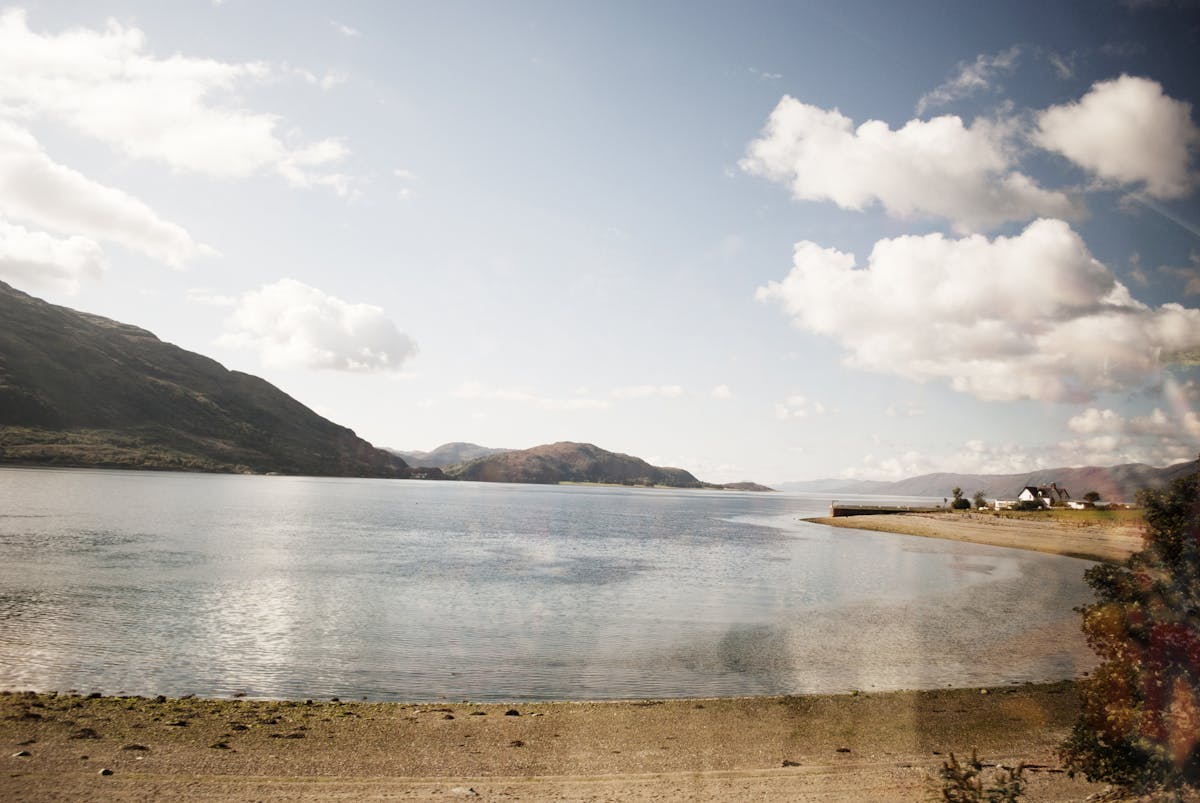
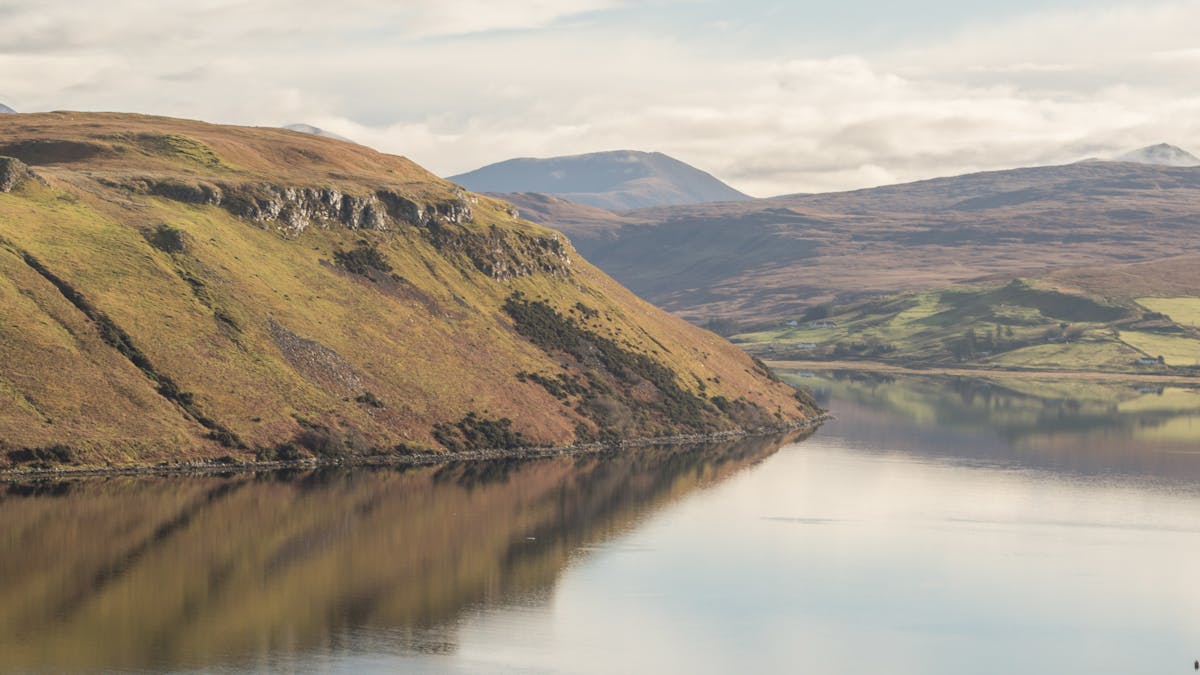
Loch Lomond is usually on the return leg. It’s the largest lake in Britain by surface area and sits at the southern edge of the Highlands. On a clear day, the water is glass-still and the hills on the far shore turn purple at dusk.
Beyond Edinburgh
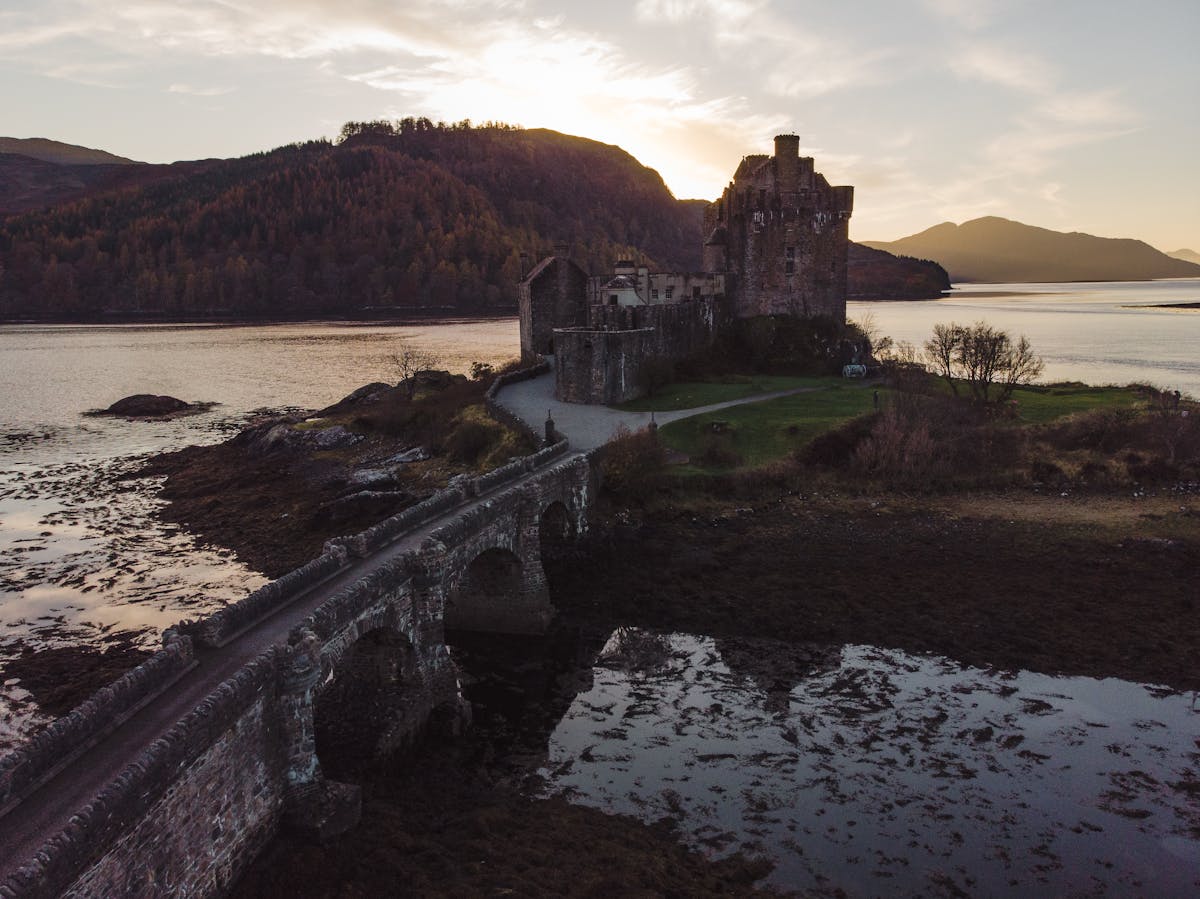
If the Highlands are calling and one day isn’t enough, there’s plenty more to plan. Our guide to visiting Loch Ness from Edinburgh covers the best way to see Scotland’s most famous lake and the ruins of Urquhart Castle — it pairs well as a second day trip, since most Highland tours don’t spend long at Loch Ness itself. And if you’re considering a multi-day adventure, the 5-day Isle of Skye tour is the one that keeps coming up in conversations with people who’ve done it — Skye really does need more than a flyby. The Highlands reward patience. The longer you stay, the more the landscape opens up, and the harder it gets to leave.
This article contains affiliate links. If you book a tour through our links, we earn a small commission at no extra cost to you. This helps us keep writing honest travel guides.
Other Scottish Adventures from Edinburgh
Loch Ness is usually included in Highlands day trips, but if your itinerary skipped it, a dedicated Loch Ness tour lets you spend more time on the water and explore the ruined Urquhart Castle. The boat cruises are the highlight — the loch is vast and moody regardless of the weather.
The Isle of Skye extends the Highlands experience to Scotland’s western coast, where the landscape shifts from moorland and glens to dramatic sea cliffs and volcanic rock formations. Most Skye tours are three days minimum and overlap with some of the Highlands scenery you will already recognise.
Stirling Castle is Scotland’s most historically significant fortress and sits at the gateway between the Lowlands and the Highlands. If your tour focused on natural landscapes, Stirling adds the Scottish independence story — Wallace, Bruce, and the battles that shaped the nation.