
The temperature drops about ten degrees the moment you step below ground. You go from the bright Roman sun and the noise of the Appian Way into something completely different: narrow stone corridors, dim light, and the faint smell of damp earth that hasn’t changed in 1,800 years.
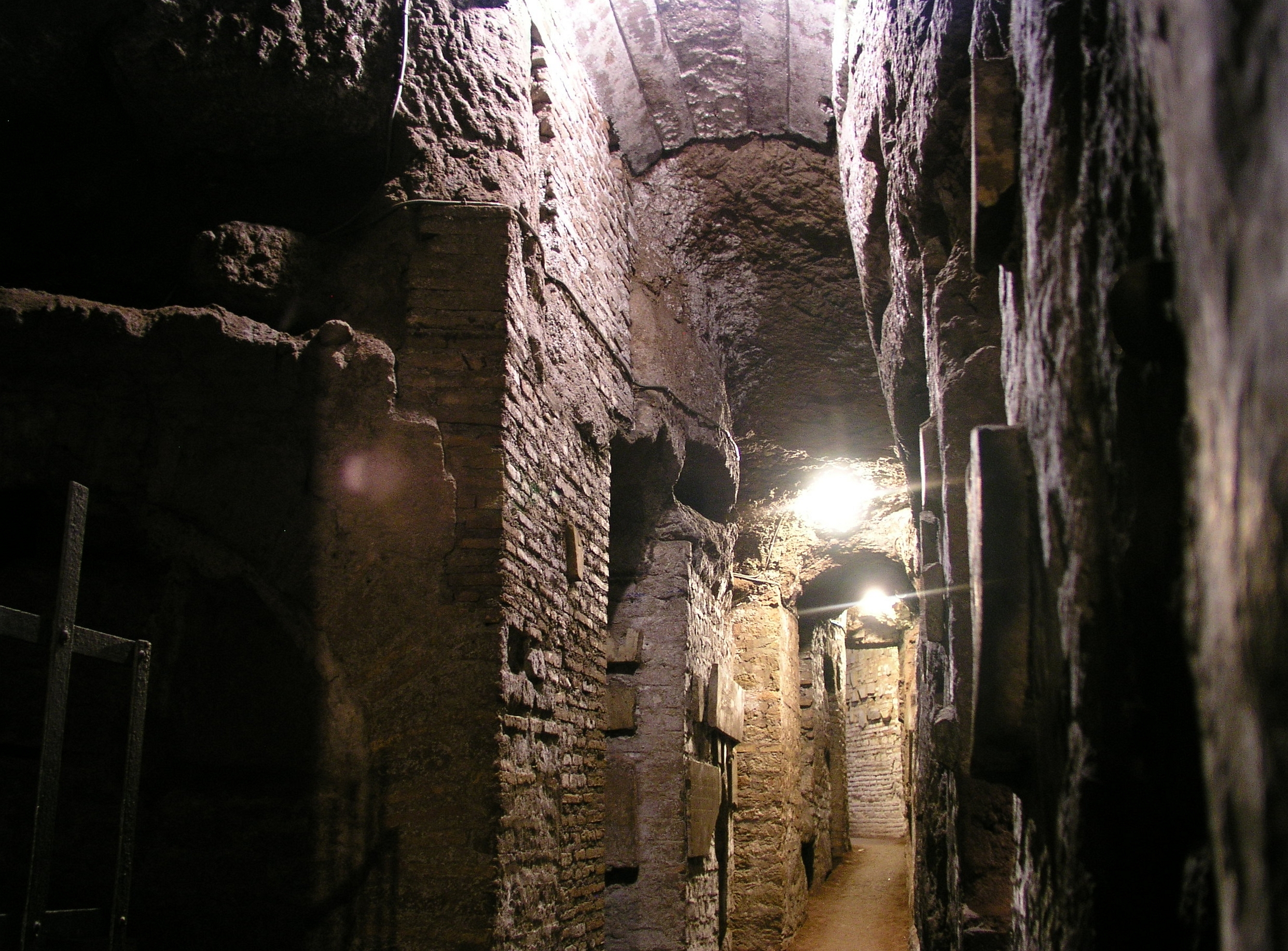
I was expecting tombs. I wasn’t expecting art. Frescoes from the 3rd century still cling to the tunnel ceilings, early Christian symbols scratched into stone by people who are now part of the walls themselves. The Catacombs of Rome are one of those places that make you genuinely quiet.
There are over 60 catacombs under Rome, stretching across an estimated 400 kilometres of tunnels. Only a handful are open to the public. And if you have never been underground in Rome before, this is the side of the city that most people completely miss.
Best overall: Crypts and Catacombs Underground Tour — $74. Covers the Capuchin Crypt plus a full catacomb visit with transport included. This is the one to book if you only have time for one tour.
Best budget: Catacombs of St. Callixtus Entry Ticket — $16. Just the catacombs, no extras, no filler. Straightforward and affordable.
Best adventure: E-Bike Tour: Appian Way, Catacombs & Aqueducts — $103. Half a day cycling the ancient Appian Way with a catacomb stop built in. Totally different experience from walking tours.
- Which Catacombs Should You Visit?
- Catacombs of San Callisto (Callixtus)
- Catacombs of San Sebastiano
- Catacombs of Domitilla
- The Capuchin Crypt (Bone Chapel)
- My Recommendation
- How Tickets and Access Work
- The Best Catacomb Tours to Book
- 1. Crypts and Catacombs Underground Tour with Transfers —
- 2. Catacombs of St. Callixtus Entry Ticket and Guided Tour —
- 3. Capuchin Crypts Skip-the-Line Ticket and Tour —
- 4. Catacombs and Capuchin Crypt Guided Tour with Transfer —
- 5. E-Bike Tour: Appian Way, Catacombs and Roman Aqueducts — 3
- When to Visit the Catacombs
- How to Get to the Catacombs
- Tips That Will Save You Time
- What You’ll Actually See Underground
Which Catacombs Should You Visit?
Rome has six catacombs open to visitors, but you don’t need to see all of them. In fact, trying to hit more than two in a day would be exhausting and repetitive. Here’s what makes each one different.
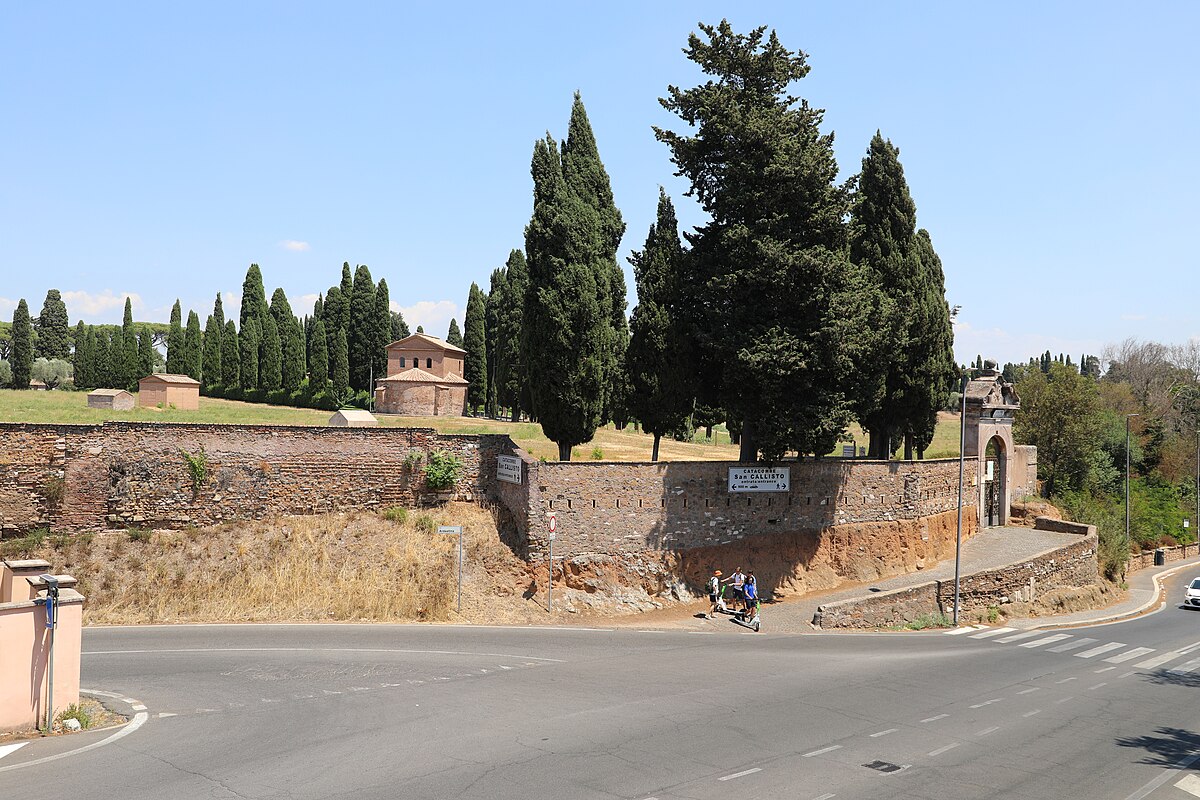
Catacombs of San Callisto (Callixtus)
This is the one most people visit, and for good reason. San Callisto is the largest and most significant of the Roman catacombs: 20 kilometres of tunnels on four underground levels, the burial site of 16 popes, dozens of early Christian martyrs, and an estimated 500,000 people.
The highlights are the Crypt of the Popes (a small chamber where nine 3rd-century popes were buried side by side), the Crypt of Saint Cecilia (patroness of music, whose body was reportedly found here in a remarkable state of preservation), and the Crypt of the Sacraments with its ancient frescoes. The whole visit takes about 30-40 minutes with a guide.
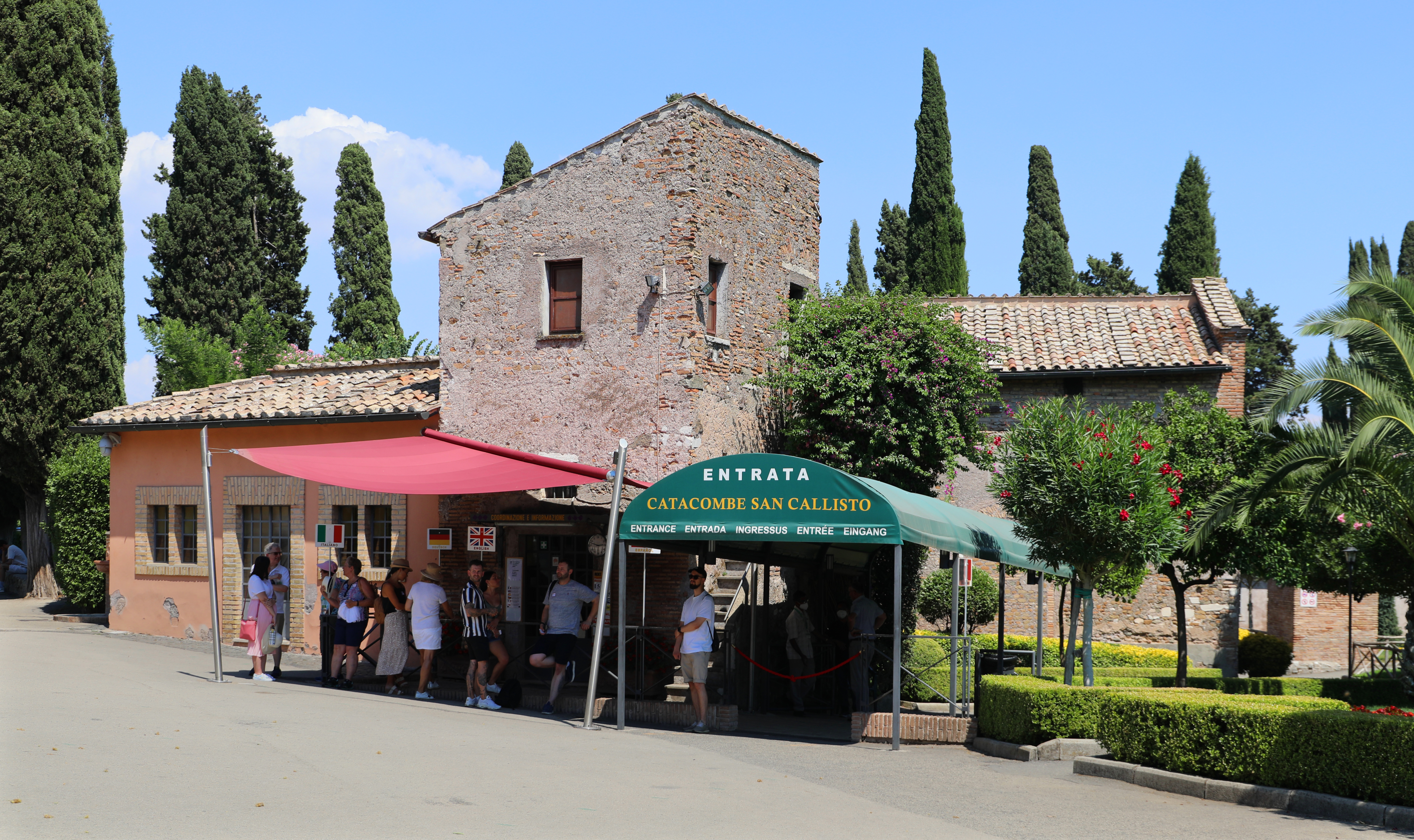
San Callisto sits on the Appian Way, about 2.5 km from central Rome. You can take Bus 118 or 218, or most guided tours include transport.
Entry: EUR 10 adults, EUR 5 for ages 7-16, free under 7. Includes a mandatory guided tour in your language.
Catacombs of San Sebastiano
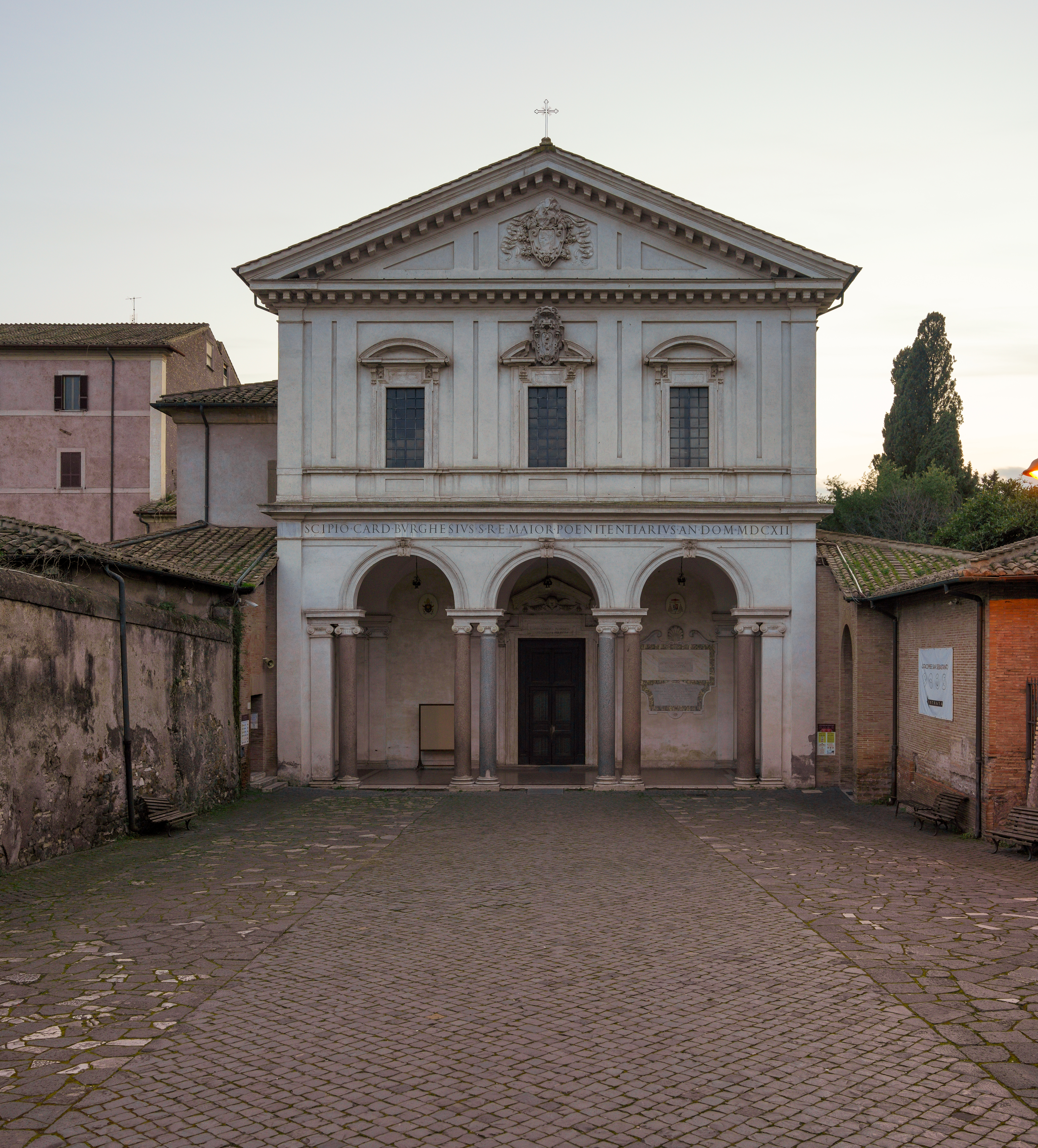
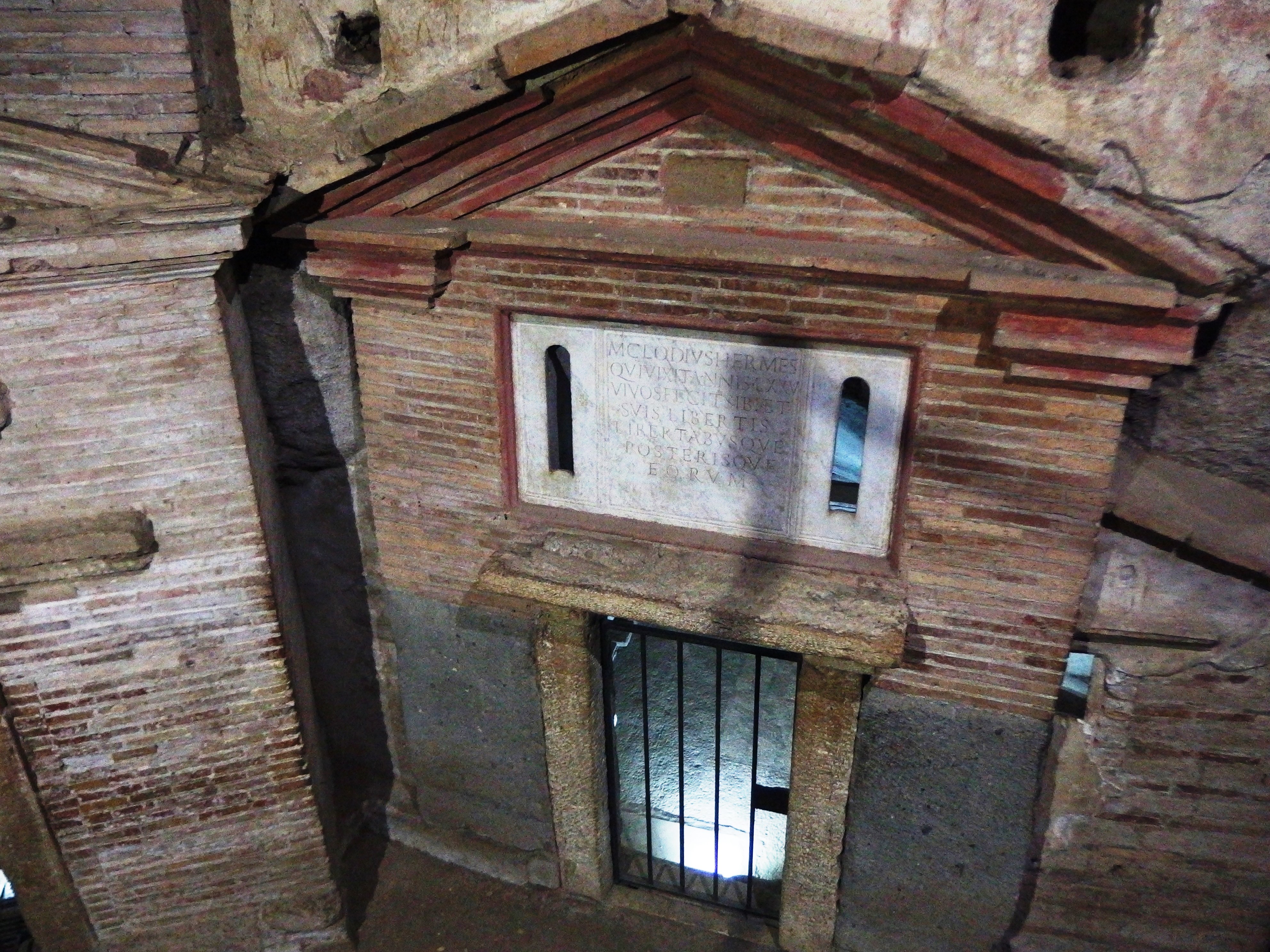
The oldest known catacombs in Rome, also on the Appian Way, just down the road from San Callisto. San Sebastiano has a different feel: smaller, more intimate, and with some of the best-preserved stucco work you’ll find underground in Rome.
The basilica above the catacombs is worth a look too, especially the statue of Saint Sebastian, one of Christianity’s most depicted martyrs. The tour takes about 30-40 minutes.
Entry: EUR 10 adults, EUR 5 reduced. Guided tours only.
Catacombs of Domitilla
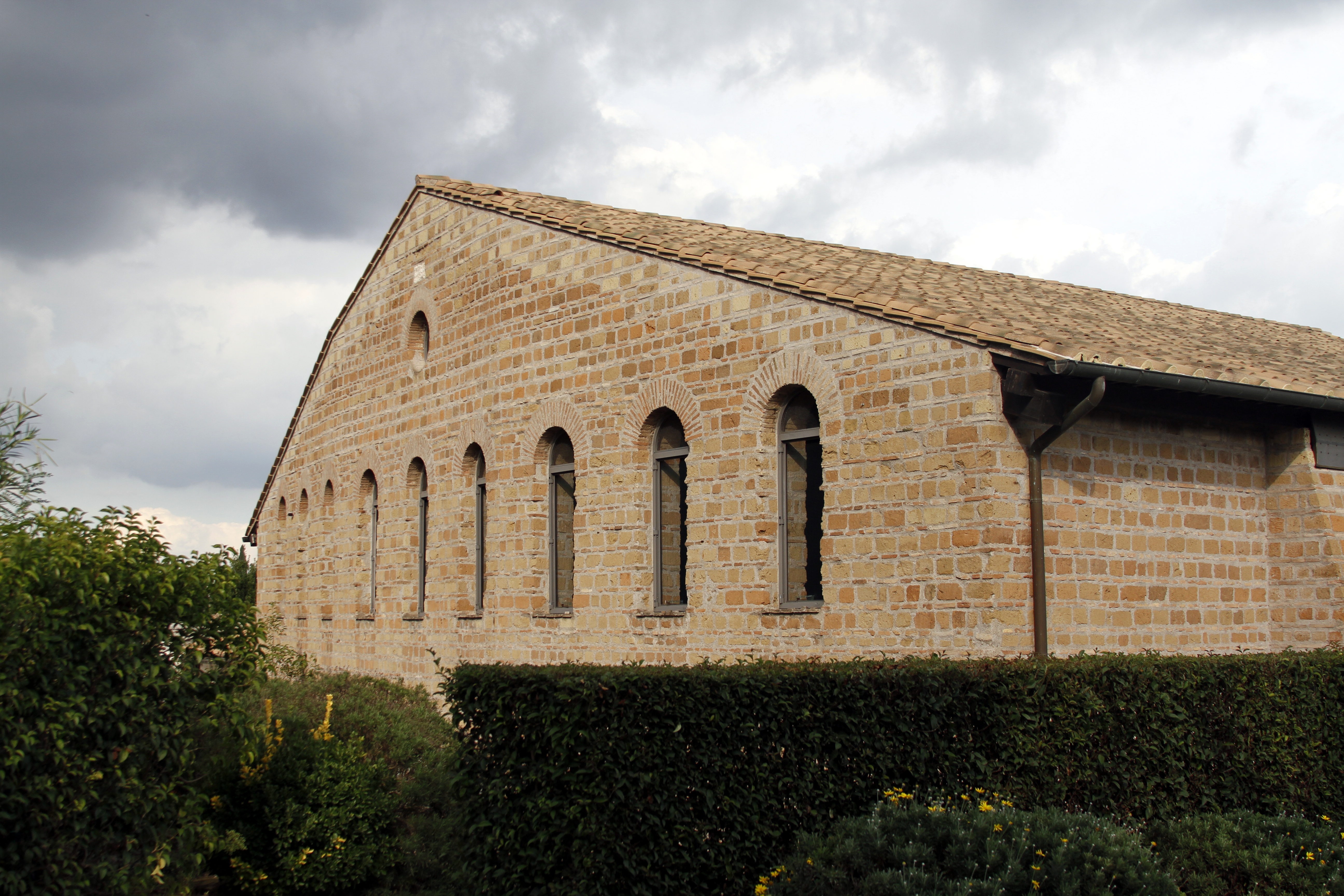
If you want fewer crowds and more space, Domitilla is the one. It’s the largest catacomb network in Rome, with 10 miles of galleries on four levels, and it gets a fraction of the visitors that San Callisto does.
The standout feature is the underground basilica, built in the 4th century and still intact. Domitilla also has some of the most impressive early Christian frescoes, including a striking painting of the Last Supper that predates the famous Leonardo version by more than a thousand years.
Entry: EUR 10 adults, EUR 5 reduced. Guided tours run regularly.
The Capuchin Crypt (Bone Chapel)
This is not technically a catacomb. It’s something else entirely.
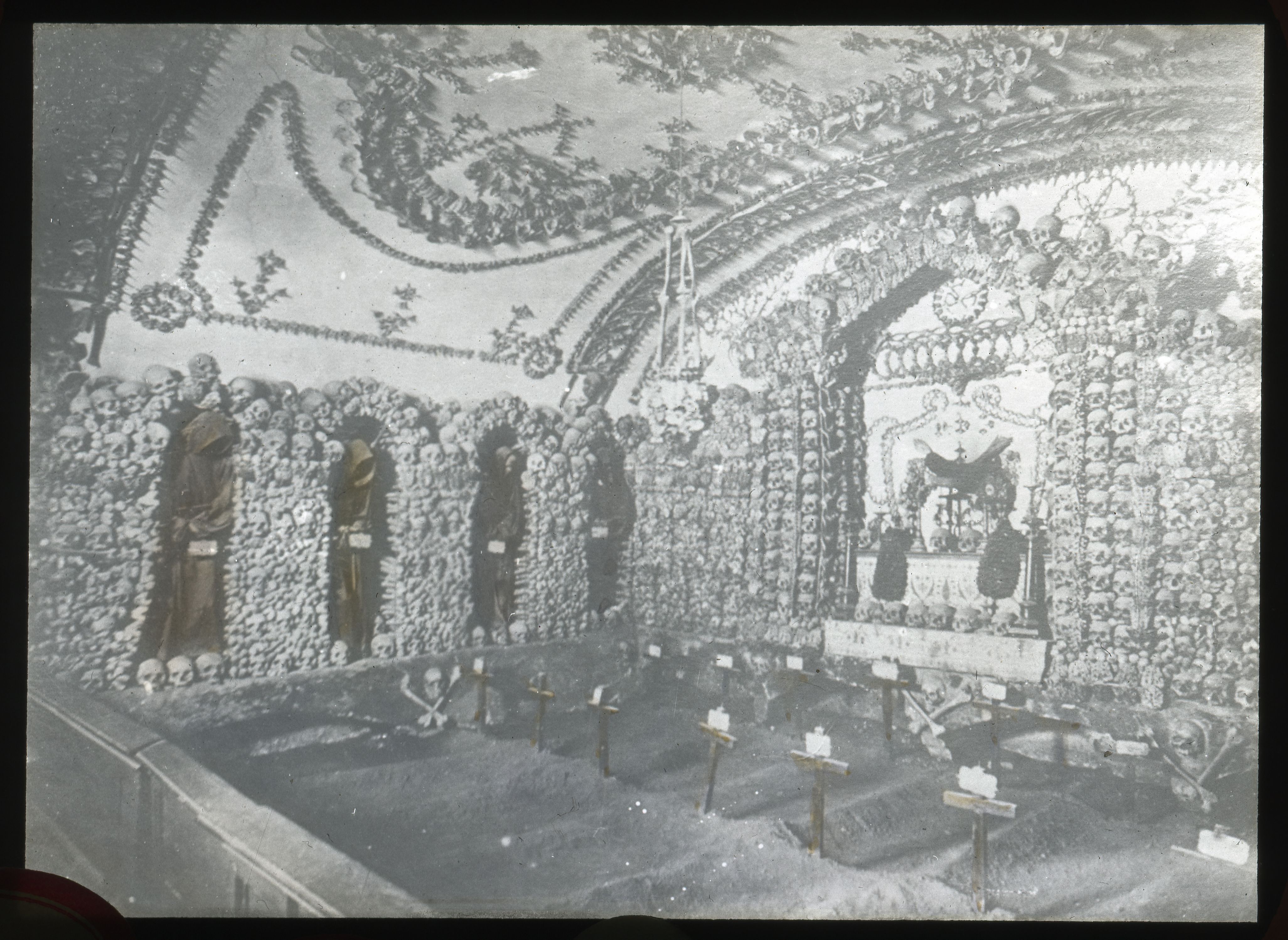
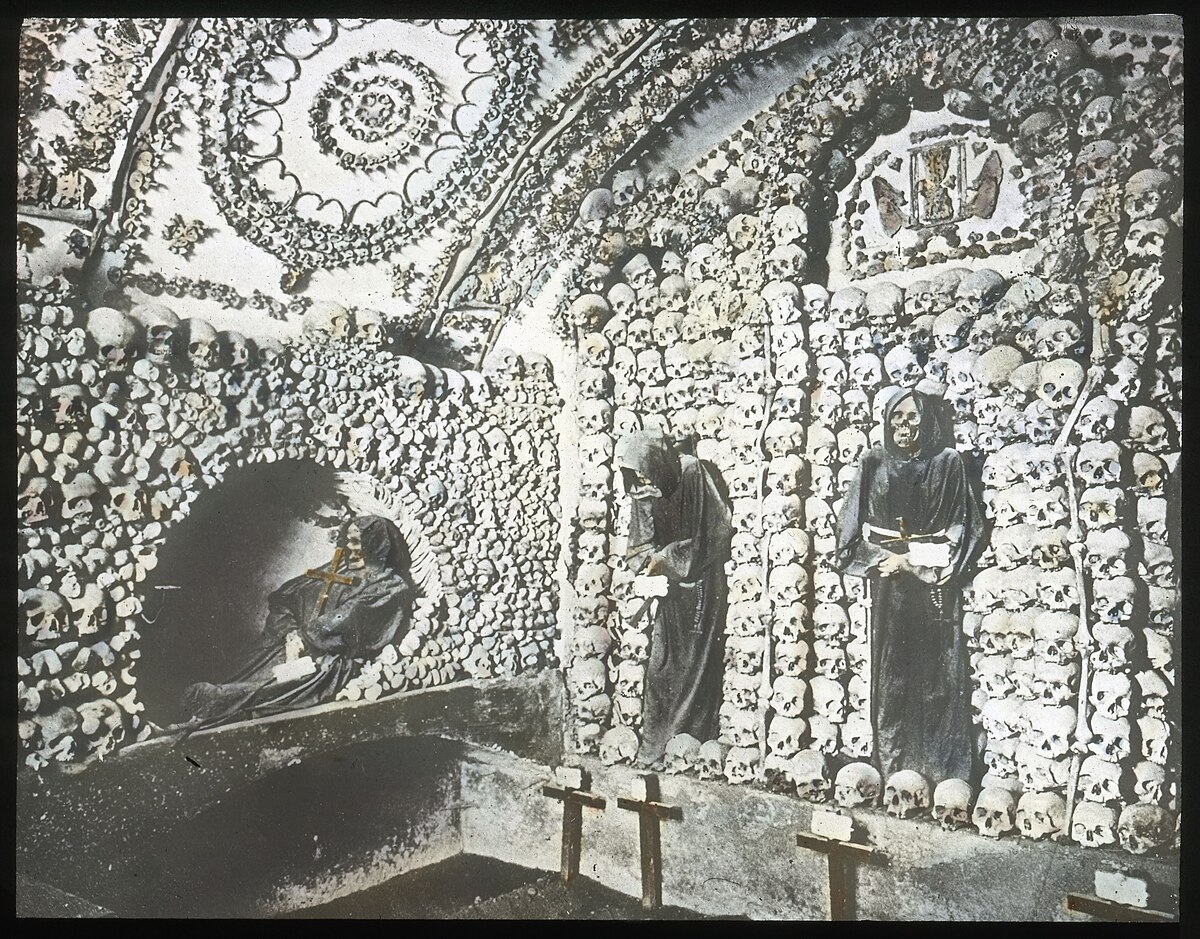
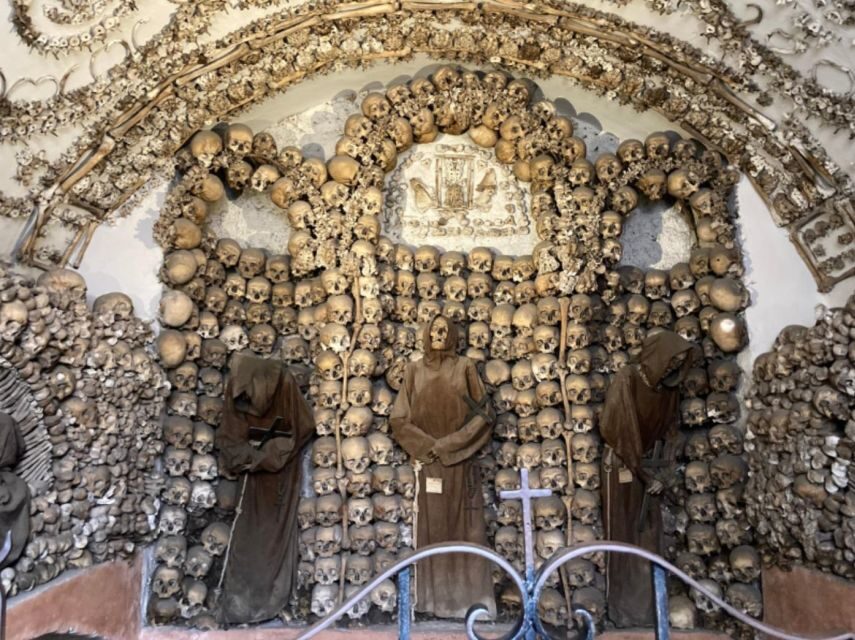
Beneath the Church of Santa Maria della Concezione dei Cappuccini, near Piazza Barberini, the Capuchin monks decorated six small rooms using the bones of 3,700 of their brothers who died between 1528 and 1870. We’re talking chandeliers made of vertebrae, arches framed in skulls, entire skeletons dressed in monk robes posed against walls covered in pelvic bones.
It’s deeply strange, oddly moving, and completely unlike anything else in Rome. The monks who created it considered it a meditation on mortality. The inscription at the exit reads something to the effect of: “What you are now, we once were; what we are now, you shall be.”
The crypt is right in the centre of Rome, easy to reach by metro (Barberini station), and the whole visit takes about 30-45 minutes including the small museum upstairs.
Entry: EUR 10. No photography allowed inside.
My Recommendation
Visit San Callisto for the full catacomb experience (the biggest, the most significant, the Crypt of the Popes). Add the Capuchin Crypt because it’s a completely different thing and it’s right in the city centre. If you have more time and want to avoid crowds, swap San Callisto for Domitilla.
How Tickets and Access Work
The catacombs work differently from most Rome attractions. There are no timed entry slots, no skip-the-line tickets, and no self-guided options. Here’s how it actually works:
For San Callisto, San Sebastiano, and Domitilla: You can buy tickets at the entrance when you arrive. Guided tours depart regularly throughout the day (usually every 20-30 minutes) in multiple languages. You join the next available tour in your language. No advance booking is strictly necessary, though some catacombs now offer online reservations through their official websites.
For the Capuchin Crypt: Tickets can be purchased at the door or booked online through the church’s official website. No guided tour is required; you walk through at your own pace.
The catch with doing it yourself: The catacombs are spread out along the Appian Way, which is roughly 2-3 km south of the city centre. Getting there on public transport is doable (Bus 118 or 218 from the centre), but it takes time and the buses are unreliable. If you’re visiting multiple catacombs plus the Capuchin Crypt in the centre, you’ll spend a lot of time on transit.
This is where a guided tour with included transport earns its price. A good tour handles the logistics, pairs the catacomb visit with the Capuchin Crypt, and adds context from a guide who actually knows the history. And if you’re already looking at Colosseum tickets and Vatican tickets, your schedule is already tight enough without figuring out Appian Way bus routes.
The Best Catacomb Tours to Book
I’ve gone through the available catacomb tours in Rome and narrowed it down to five that actually stand out, covering different budgets, styles, and levels of commitment. These range from a straightforward EUR 16 entry ticket to a full day on an e-bike.
1. Crypts and Catacombs Underground Tour with Transfers — $74
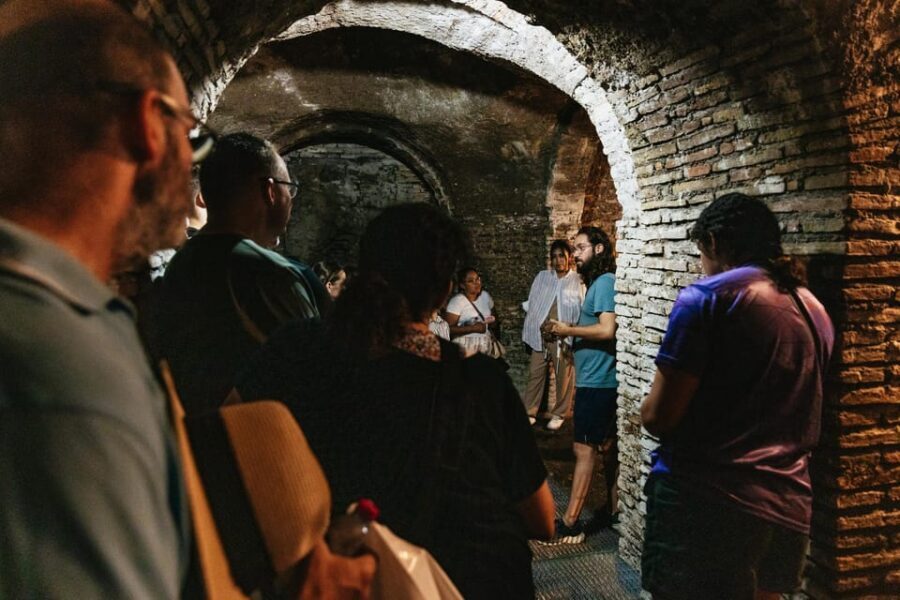
This is the tour I’d point most people toward. It covers the Capuchin Crypt in the city centre and the Catacombs of San Callisto (or Domitilla, depending on the day), with air-conditioned coach transfers between stops. At $74, you’re paying for convenience as much as content: the transport alone saves you an hour of messing around with Rome’s buses, and the guide adds serious historical depth. The tour covers the bone chapel, the underground tunnels, and ties everything together with the story of early Christianity in Rome. It’s the most-booked catacomb experience on the market, and the reviews are consistently strong.
Read our full review | Book this tour
2. Catacombs of St. Callixtus Entry Ticket and Guided Tour — $16
If you’re happy to make your own way to the Appian Way, this is the most affordable option. $16 gets you entry to the Catacombs of San Callisto with an included guided tour (about 30 minutes). No transport, no Capuchin Crypt add-on, just the catacombs themselves. The guides are usually friars or volunteers who know the site inside and out, and the reviews consistently praise the depth of knowledge. Best budget pick if you’re already planning to explore the Appian Way on foot or by bike.
Read our full review | Book this tour
3. Capuchin Crypts Skip-the-Line Ticket and Tour — $25
This one focuses entirely on the Capuchin Crypt and museum near Piazza Barberini. At $25, it’s slightly more than the door price, but you get skip-the-line entry and a proper English-speaking guide who explains the history of the Capuchin order and how these bone decorations came to exist. Without a guide, you walk through six rooms of bones and think “that’s weird.” With a guide, you understand why monks from the 1600s arranged human remains into chandeliers and wall art as a meditation on the passage of time. The visit takes under an hour, and it’s an easy add-on to a day already packed with St. Peter’s Basilica or the Borghese Gallery.
Read our full review | Book this tour
4. Catacombs and Capuchin Crypt Guided Tour with Transfer — $41
Think of this as the middle option between the $16 entry ticket and the $74 comprehensive tour. At $41, you get both the catacombs on the Appian Way and the Capuchin Crypt in the city centre, with guided commentary and transport between the two. The tour runs 2.5 to 3.5 hours and covers more ground than you’d manage on your own in the same time. It’s particularly good if you want the combo experience without the premium price tag. The transfer between locations removes the biggest logistical headache of trying to do both independently.
Read our full review | Book this tour
5. E-Bike Tour: Appian Way, Catacombs and Roman Aqueducts — $103

This is a completely different way to experience the catacombs. Instead of a coach transfer, you cycle the ancient Appian Way itself on an e-bike, stopping at the catacombs, the Roman aqueducts, and the countryside south of Rome. At $103, it’s the most expensive option on this list, but it’s also a 4-6 hour experience that turns a catacomb visit into a full half-day adventure. The e-bikes make it manageable even if you’re not a cyclist, and the route covers terrain that most travelers never see. The reviews are near-perfect, with the guides and the Appian Way route getting the most praise. Best for anyone who wants to get out of the tourist centre and see a side of Rome that feels closer to the countryside than the Colosseum.
Read our full review | Book this tour
When to Visit the Catacombs
The catacombs are open year-round but each one has different hours and closing days. This trips people up more than anything.
San Callisto: Open Thursday through Tuesday, 9:00-12:00 and 14:00-17:00 (last entry 16:30). Closed Wednesdays. Also closed during February for annual maintenance.
San Sebastiano: Open Monday through Saturday, 10:00-17:00. Closed Sundays. Also closed mid-November to mid-December.
Domitilla: Open Wednesday through Monday, 9:00-12:00 and 14:00-17:00. Closed Tuesdays. Closed from mid-December to mid-January.
Capuchin Crypt: Open daily, 9:00-19:00 (last entry 18:30). No closing days except major holidays.
Best time to go: Early morning or right after the midday break (14:00-14:30). The first tour of the day at any catacomb is usually the emptiest. The underground temperature stays around 15-16 C year-round, so the catacombs are actually a good escape when Rome hits 35+ degrees in July and August.
Worst time: Mid-morning on weekends during peak season (June-September). If you show up at San Callisto at 11 AM on a Saturday in July, expect a 30-40 minute wait for your language group.
How to Get to the Catacombs
To the Appian Way catacombs (San Callisto, San Sebastiano, Domitilla):
- Bus 118 from Piramide or Circo Massimo. Runs along the Appian Way and stops near the catacombs. Not the most frequent service.
- Bus 218 from San Giovanni in Laterano (near the metro). Goes directly to San Callisto.
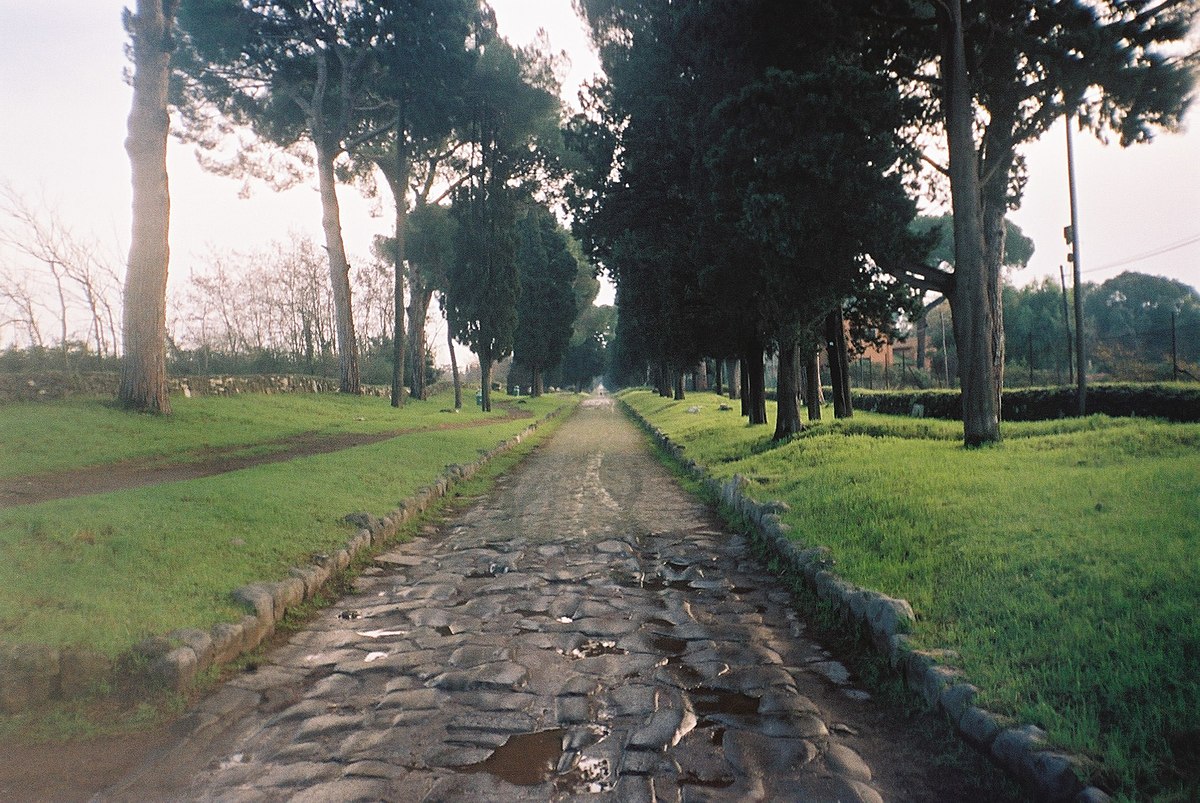
- Walking: About 35-40 minutes from Circo Massimo metro station. The walk along Via Appia Antica is genuinely enjoyable if you have the time. Cobblestones, pine trees, old tombs lining the road.
- Taxi/Uber: About EUR 12-15 from the centre. Quickest option.
- Tour with transfer: Most guided tours include pickup/dropoff at a central location, which removes the transit headache entirely.
To the Capuchin Crypt:
- Metro Line A to Barberini station. Exit and walk 2 minutes to Via Veneto. The church is at number 27.
- If you’re already doing the Pantheon or a hop-on-hop-off bus, the Capuchin Crypt is easy to slot in since it’s right in the centre.
Tips That Will Save You Time
- Check closing days before you plan. San Callisto is closed Wednesday, San Sebastiano on Sunday, Domitilla on Tuesday. I’ve seen people take a bus all the way out to the Appian Way only to find the gates locked. Double-check the schedule for the specific catacomb you want.
- Bring a light jacket or sweater. It’s 15-16 C underground regardless of the season. If you’re coming from 35-degree heat in summer, the temperature difference is a shock.
- Wear proper shoes. The underground passages have uneven stone floors, low ceilings, and occasional stairs. Sandals and heels are a bad idea.
- No photography inside the catacombs. This applies to all of them, including the Capuchin Crypt. Guards enforce it. Your phone stays in your pocket.
- The Appian Way itself is worth time. Don’t just bus to the catacomb and bus back. The Via Appia Antica is one of Rome’s most atmospheric areas, with ancient tombs, crumbling walls, and umbrella pines lining a road that Roman legions walked 2,300 years ago. Budget at least an hour to walk some of it.
- Combine catacomb + Capuchin Crypt in one day. Do the Capuchin Crypt in the morning (it’s in the centre, easy to reach — a Rome walking tour often passes nearby), then head to the Appian Way for the catacomb in the afternoon. Or book a tour that does both with transport.
- If you’re claustrophobic, be honest with yourself. The tunnels are narrow, low-ceilinged, and underground. Some sections feel tight. The Capuchin Crypt, by contrast, is a series of small rooms at basement level and doesn’t feel as enclosed.
- The midday break is real. Most catacombs close from 12:00-14:00. Don’t arrive at 12:30 expecting to get in.
What You’ll Actually See Underground
The Roman catacombs started in the 2nd century as a practical solution to a specific problem. Roman law prohibited burials within the city walls, and while cremation was the norm for Romans, early Christians and Jewish communities believed in keeping the body intact. They couldn’t afford the expensive burial plots along the roads outside the city. So they went down.
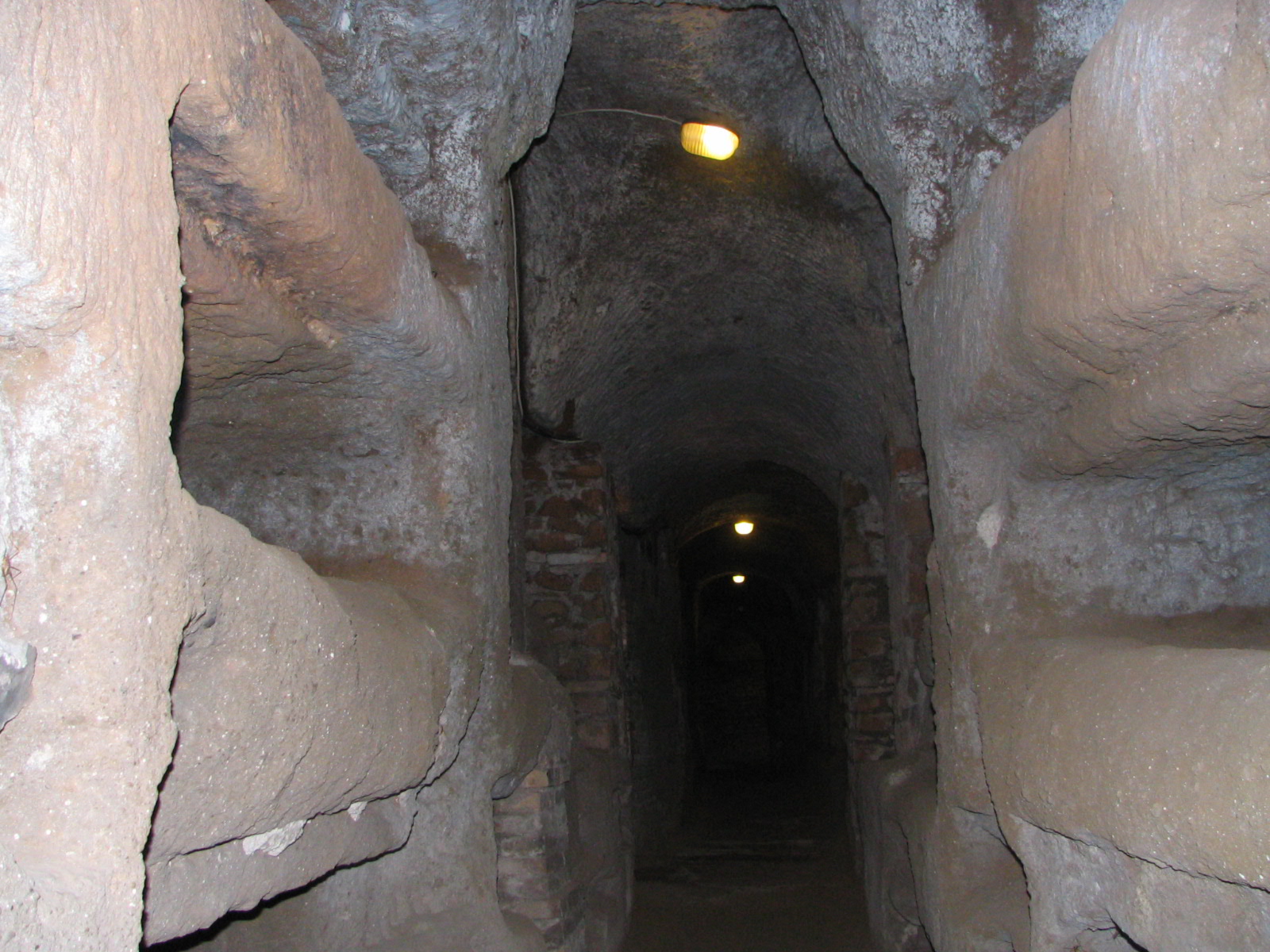
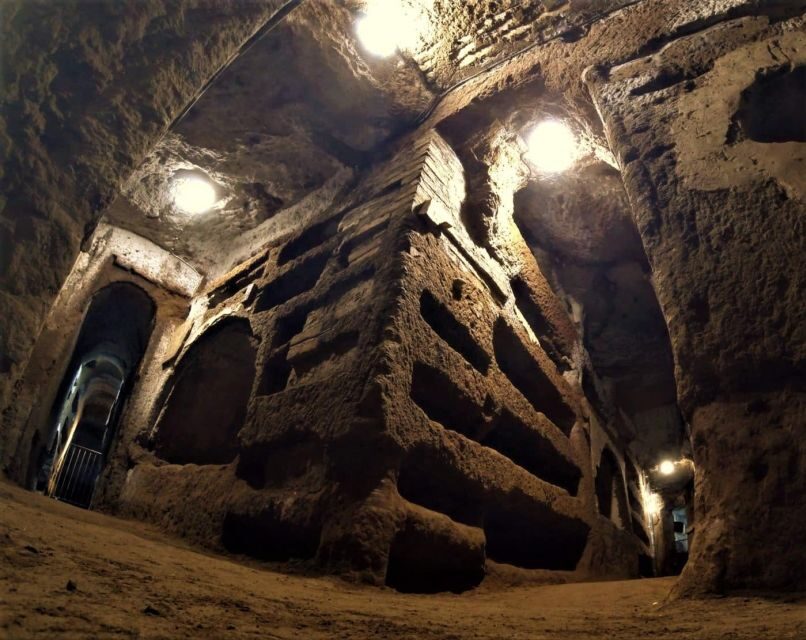
The tunnels were carved from the soft volcanic rock (tufa) that sits beneath Rome. Workers dug narrow corridors and cut rectangular slots into the walls, called loculi, where bodies were wrapped in linen and placed inside. The slots were then sealed with stone or terracotta slabs. Over centuries, as space ran out, they simply dug deeper, creating multi-level underground networks that eventually stretched for hundreds of kilometres.
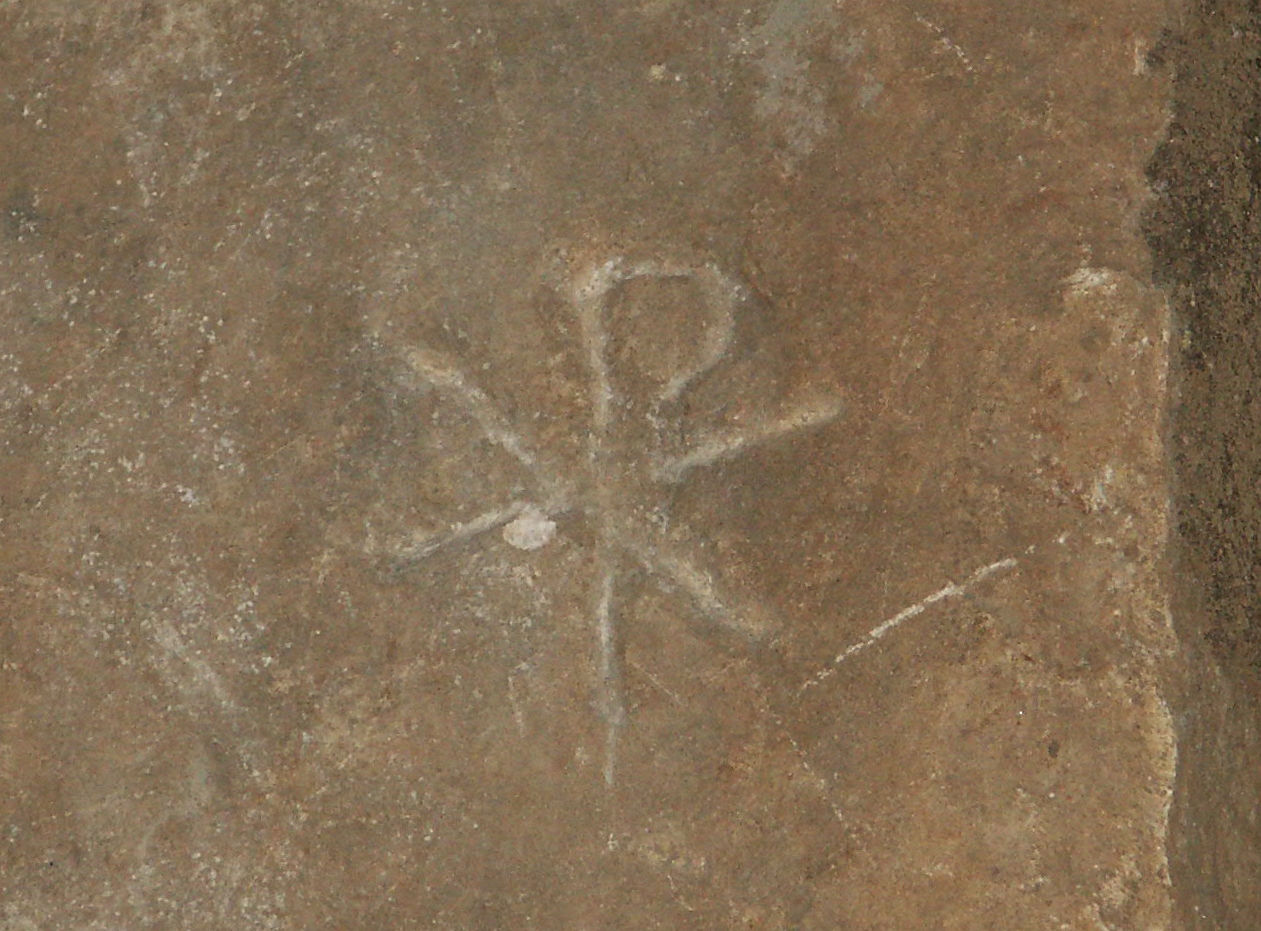
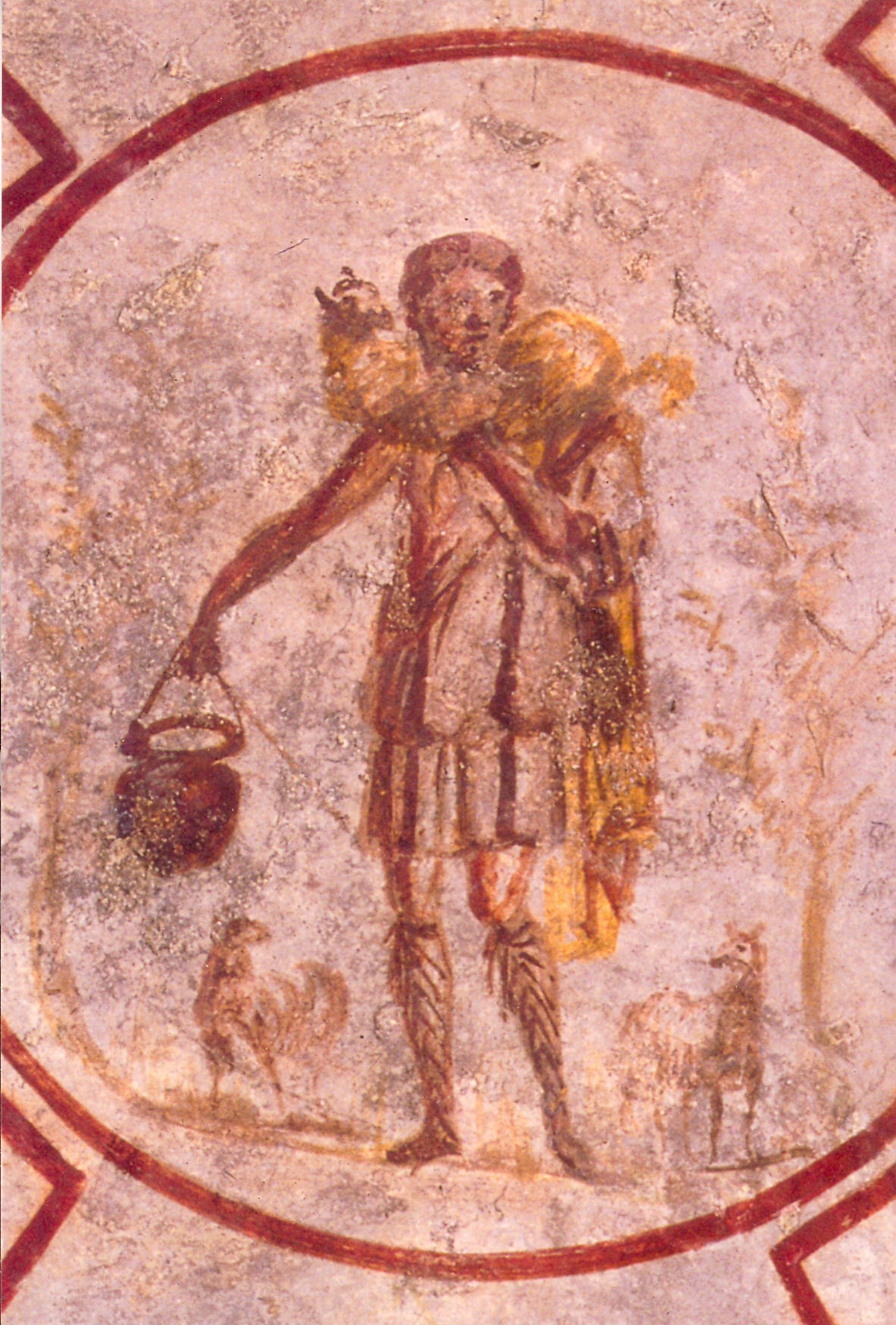
The art is what surprised me most. The catacombs contain some of the oldest Christian art in existence: frescoes of the Good Shepherd, fish symbols, anchors (an early symbol of hope), and the Chi Rho monogram. These paintings date to the 3rd and 4th centuries, and many are still remarkably vivid considering they’ve been underground for 1,700 years.
The myth that Christians used the catacombs as secret hiding places during Roman persecution is mostly that, a myth. The catacombs were known to Roman authorities. They were used for burial and for memorial gatherings, not for hiding. That said, they were occasionally raided during persecutions, which is why some of the sealed loculi show signs of having been forcibly opened.
By the 5th century, burials in the catacombs largely stopped. The sites were venerated for centuries as pilgrimage destinations, then gradually forgotten. Most were rediscovered starting in the 16th century, and archaeological excavation has continued ever since. The vast majority of the remains have been removed, but the structure of the tunnels, the frescoes, and the carved inscriptions remain.
If you’re already exploring the ancient side of Rome with visits to the Colosseum or Castel Sant’Angelo, the catacombs add a layer of Rome’s story that you won’t find at any of the above-ground sites. It’s one thing to look at ruins in the sunlight. It’s another to stand in a tunnel 15 metres below the city and realize people were down here two millennia ago, leaving messages for each other on the walls.
This article contains affiliate links. If you book a tour through one of the links in this article, we may earn a small commission at no extra cost to you. This helps support the site. All opinions and recommendations are our own.