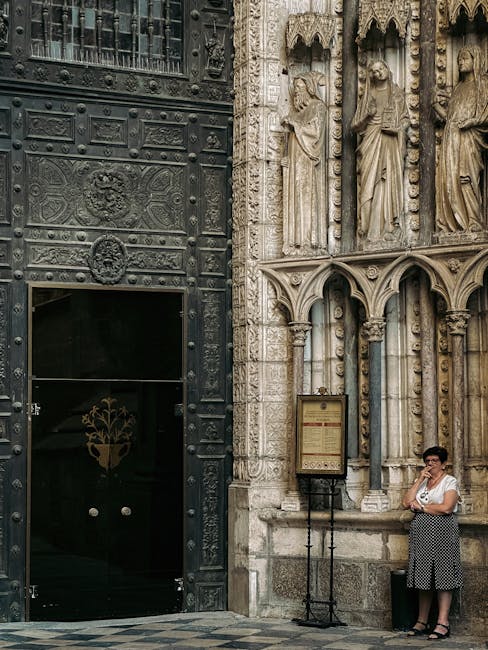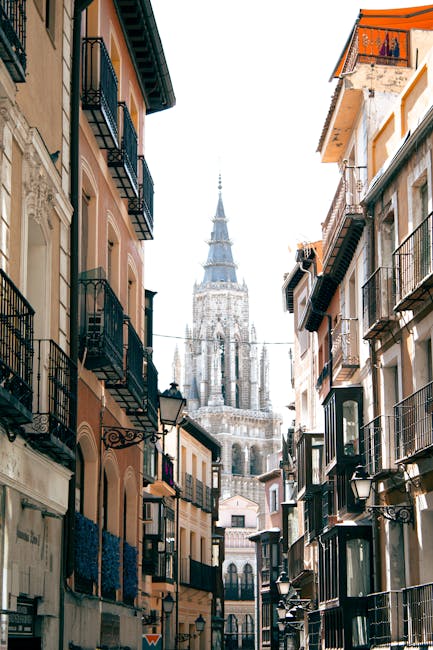
Thirty minutes on a high-speed train from Madrid, and you step off into a city where a cathedral, a mosque, and a synagogue all sit within a ten-minute walk of each other. Toledo was the capital of Spain before Madrid existed. The Romans held it, then the Visigoths, then the Moors, then the Christians took it back — and every one of them left buildings still standing today. The streets haven’t changed width in 500 years, which is why cars barely fit and most people give up and walk.
This is the city where El Greco painted for 37 years and never left. Where marzipan has been made by nuns in convents since the 12th century. Where the steel was so good that the Roman legions demanded swords forged here. It’s one of those rare day trips where five hours isn’t quite enough but eight hours feels right — and the train schedule cooperates perfectly.
I’ve gone through every way to get there, every tour worth booking, and all the logistics that make the difference between a great day and a frustrating one. Here’s the full breakdown.
In a Hurry? My Top Picks
- Best budget day trip: Toledo Guided Day Trip — $32 per person. Bus from Madrid, walking tour of the old town, and free time to explore. Hard to beat at that price. Book this tour
- Best full-day with interiors: Toledo Tour with Cathedral, Synagogue & St Tome Church — $81 per person. Eight hours, skip-the-line entry to the cathedral, Santo Tome (the El Greco painting), and the synagogue. Book this tour
- Best combo deal: Segovia and Toledo Tour with Alcazar and Cathedral — $48 per person. Two UNESCO cities in one day. Long day (12 hours) but incredible value. Book this tour
- Best for foodies: Toledo City Tour with Winery & Wine Tasting — $133 per person. City tour plus a visit to a local winery in the La Mancha region. Book this tour
- Best mid-range day trip: Guided Day Trip to Toledo by Bus — $40 per person. Guided walking tour plus several hours of free time to get lost in the alleys on your own. Book this tour
- In a Hurry? My Top Picks
- Getting to Toledo from Madrid
- DIY Train vs. Guided Tour — Which One?
- The 5 Best Toledo Tours from Madrid
- 1. Toledo Guided Day Trip from Madrid —
- 2. Toledo Tour with Cathedral, Synagogue & St Tome Church —
- 3. Segovia and Toledo Tour with Alcazar and Cathedral —
- 4. Toledo City Tour with Winery & Wine Tasting — 3
- 5. Guided Day Trip to Toledo by Bus —
- When to Go
- What to See in Toledo
- Practical Tips
- More Madrid Guides
Getting to Toledo from Madrid
Two real options: the train or a tour bus. Both leave from central Madrid, both get you there in under an hour, and the choice mostly comes down to whether you want someone else handling the logistics.
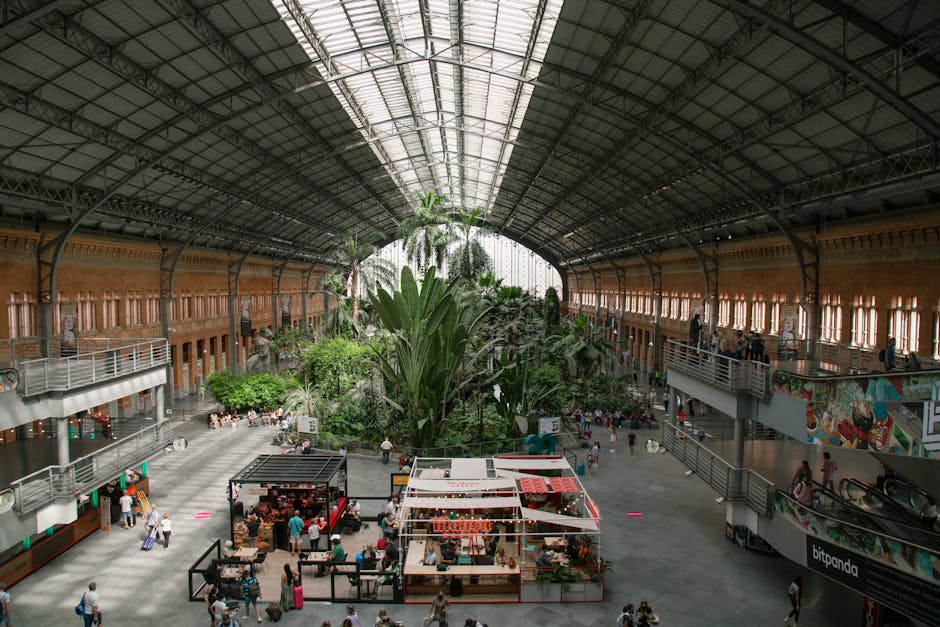
By train (AVANT high-speed): Trains run from Madrid’s Puerta de Atocha station to Toledo roughly every hour, sometimes more frequently in the morning. The ride takes 33 minutes. A round-trip ticket costs about 25 euros if you book on the Renfe website a few days ahead, though prices go up if you wait until the last minute. The Toledo train station itself is gorgeous — a Mudejar-style building from 1919 that looks more like a small palace than a transit hub. From there, it’s a 20-minute walk uphill into the old town, or you can grab a local bus (lines 5 or 6) for about 1.50 euros.
By tour bus: Most tours depart from central Madrid between 8:00 and 9:00 AM, and the drive takes 60 to 75 minutes depending on traffic. The advantage here is door-to-door logistics — they pick you up from a central meeting point and drop you back at the same spot, usually by 5:00 or 6:00 PM. You don’t have to figure out the Renfe booking system or navigate the walk from Toledo’s train station into town.
DIY Train vs. Guided Tour — Which One?
This is the big question everyone asks, so here’s how I’d break it down.
Take the train if: You speak some Spanish (or don’t mind navigating without it), you want total freedom with your schedule, you’ve already researched what to see, and you’re comfortable buying individual attraction tickets at the door or pre-booking them online. The train gives you flexibility — earlier morning starts, later evening returns, and the ability to linger in a spot that grabs you without watching the clock.
Book a tour if: This is your first time, you want the history explained to you rather than reading plaques, you’d rather not deal with train tickets and navigation, or you want guaranteed skip-the-line entry to the cathedral and other monuments. The cathedral alone has a ticket line that can stretch 30 minutes in peak season, and most tours walk right past it.
The honest truth: Toledo rewards context. The buildings look nice from the outside, but the stories behind them — the centuries of coexistence between Christians, Jews, and Muslims, the Inquisition that ended it, El Greco’s obsession with the city — are what make it more than a pretty medieval town. A good guide pulls that thread in a way that plaques and audio tours don’t quite match.
That said, a bad guide is worse than no guide. The cheapest tours sometimes use generic scripts delivered at a pace that doesn’t leave time for questions. Read the tour descriptions carefully and lean toward smaller group sizes when your budget allows.
The 5 Best Toledo Tours from Madrid
I’ve picked five tours that cover every budget and style. A no-frills budget option, a proper full-day with monument access, a two-city combo, a wine-focused experience, and a solid mid-range pick.
1. Toledo Guided Day Trip from Madrid — $32
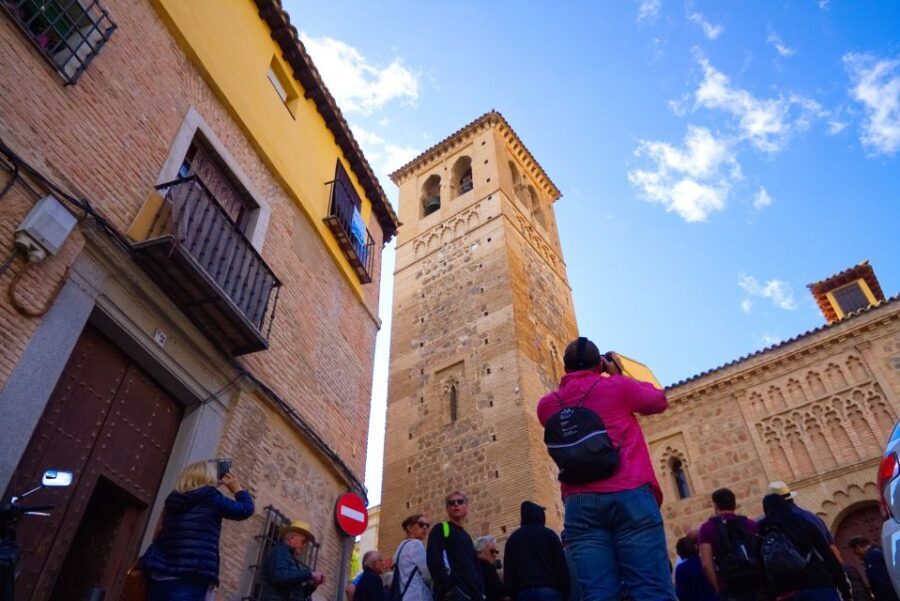
Duration: 7.5 to 9 hours | Price: $32 per person | Type: Bus + guided walking tour
At $32, this is the cheapest guided option that still gives you a proper introduction to the city. The bus leaves Madrid in the morning, a guide leads you through the main sights on foot, and then you get several hours of free time before the return trip.
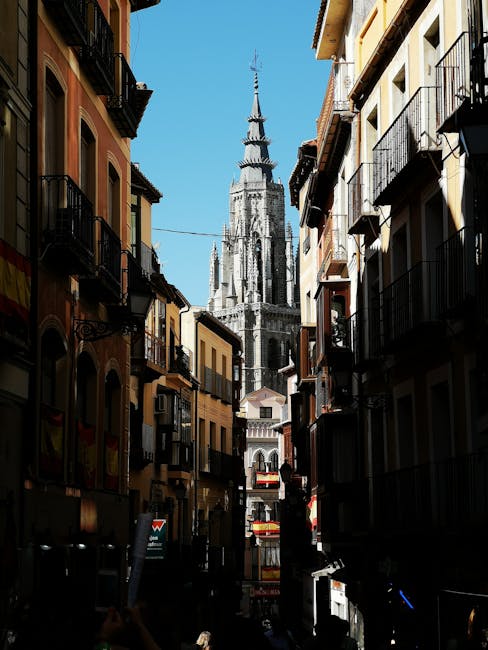
The walking tour covers the cathedral exterior, the Jewish Quarter, the Alcazar views, and the main plazas. You won’t go inside the monuments on this one — the ticket price doesn’t include interior access. But the exterior tour gives you the layout of the city and the history behind what you’re seeing, which is genuinely useful even if you decide to buy individual tickets on your own afterward.
The free time is what makes this work. After the guided portion, you’re free to duck into the cathedral on your own (about 10 euros at the door), wander the backstreets, find a place for lunch, and buy marzipan from one of the convent shops. You get the structure of a tour with the freedom of an independent trip.
Best for: budget travelers, people who want some guidance but not a full hand-held experience, anyone who’d rather spend their money on cathedral tickets and lunch than on tour premiums.
2. Toledo Tour with Cathedral, Synagogue & St Tome Church — $81
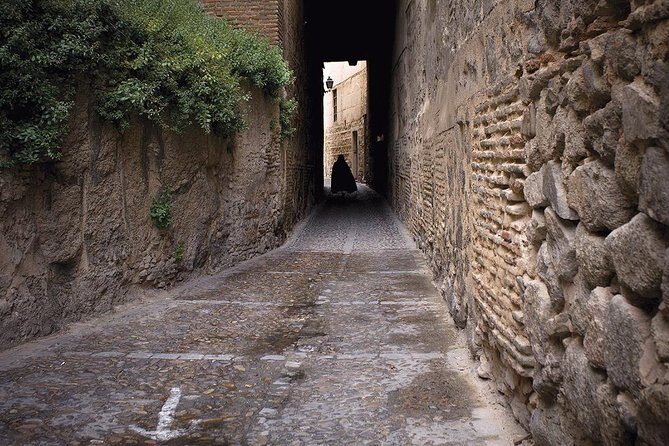
Duration: 8 hours | Price: $81 per person | Type: Full-day with skip-the-line monument access
This is the one I’d recommend if you want to actually understand Toledo rather than just photograph it. Eight hours gives you time to see the city properly, and the ticket inclusions make a real difference.
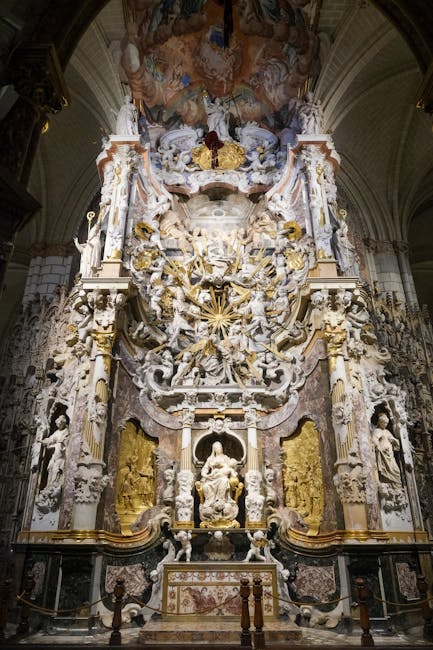
You get skip-the-line entry to Toledo Cathedral — Spain’s second-largest cathedral and one of the finest Gothic buildings in the country. The interior is staggering. El Greco’s painting “The Disrobing of Christ” hangs in the sacristy, and the Transparente (a Baroque altarpiece with a hole cut in the ceiling to let light pour in from above) is one of those things that photographs can’t capture. You also get into the Church of Santo Tome to see El Greco’s masterpiece “The Burial of the Count of Orgaz,” which is still hanging in the church he painted it for over 400 years ago. And the Synagogue of Santa Maria la Blanca — a 12th-century synagogue with white horseshoe arches that was briefly converted to a church and is now a museum.
The guide walks you through the three-cultures history that defines Toledo. How Christians, Jews, and Muslims lived and worked alongside each other for centuries, how the translation school of Toledo preserved Greek and Arabic knowledge that would have been lost to Europe, and how the Inquisition brought it all crashing down. Standing in each building as the guide explains its context hits differently than reading about it.
Best for: first-time visitors who want the full experience, history lovers, anyone who doesn’t want to deal with separate ticket lines.
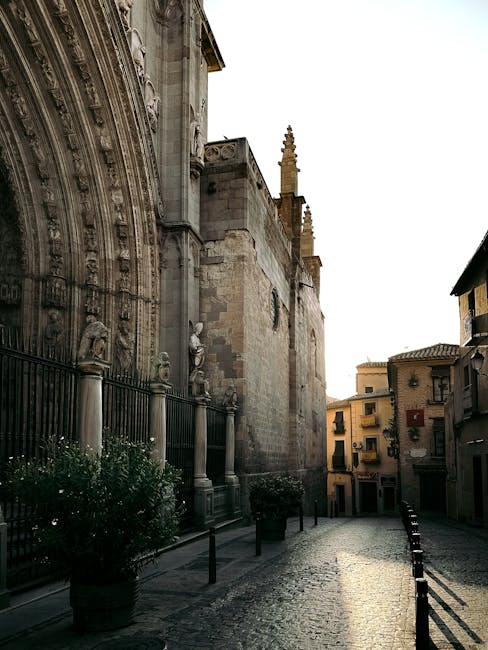
3. Segovia and Toledo Tour with Alcazar and Cathedral — $48
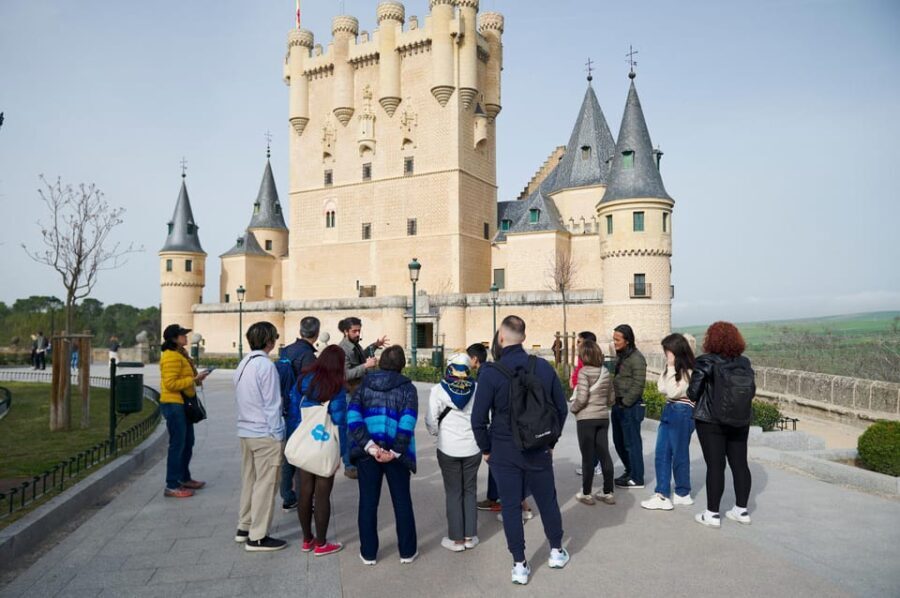
Duration: 12 hours | Price: $48 per person | Type: Full-day combo with monument access
If you only have a few days in Madrid and want to see both Segovia and Toledo, this is how you do it without wasting two separate days. Twelve hours is a long day, no question. But the tour handles all the logistics — bus between both cities, guided walking tours in each, and entry tickets to Segovia’s Alcazar (the castle that inspired Disney’s Cinderella Castle, or so the story goes) and Toledo Cathedral.
The morning usually starts with Segovia: the Roman aqueduct (still standing after 2,000 years without a drop of mortar), the medieval old town, and the Alcazar. Lunch break in Segovia gives you a chance to try cochinillo asado (roast suckling pig) if you’re feeling adventurous — it’s the local specialty. Then the bus continues to Toledo for the afternoon portion: cathedral, Jewish Quarter, and the panoramic views from the Tagus valley.
The downside is obvious. You’re covering both cities at a pace that doesn’t leave much room for wandering. If Toledo specifically is your priority, you’ll feel rushed here. But if you’re deciding between “one city done well” and “two cities done at speed,” this tour delivers remarkable value for $48.
Best for: travelers with limited time in Madrid, people who want to see both cities but don’t want to organize two separate trips, budget-conscious visitors.
4. Toledo City Tour with Winery & Wine Tasting — $133

Duration: 8 hours | Price: $133 per person | Type: City tour + winery visit with tastings
This splits the day between Toledo’s historic center and a winery in the La Mancha region just outside the city. The morning covers the old town — cathedral, Jewish Quarter, the key monuments — and the afternoon takes you into the countryside for a wine tasting at a local bodega.
La Mancha is Spain’s largest wine-producing region but somehow flies under the radar compared to Rioja and Ribera del Duero. The wines here are made primarily from the Tempranillo grape (locally called Cencibel) and the white Airen variety. They’re honest, unpretentious wines — the kind local families have been making for generations. The tasting usually includes four or five wines paired with local cheeses and cured meats.
At $133, this is the most expensive option on this list, and it’s really aimed at a specific type of traveler: someone who enjoys wine as much as history, who’s already seen the basics of Toledo (or doesn’t need to see every monument), and who values an experience over a checklist. If wine isn’t your thing, the $81 cathedral tour gives you more monument time for less money.
Best for: wine enthusiasts, couples looking for a day trip with a different pace, repeat visitors to Toledo who’ve already done the monument circuit.
5. Guided Day Trip to Toledo by Bus — $40
Duration: 6 to 9 hours | Price: $40 per person | Type: Bus + guided tour + free time
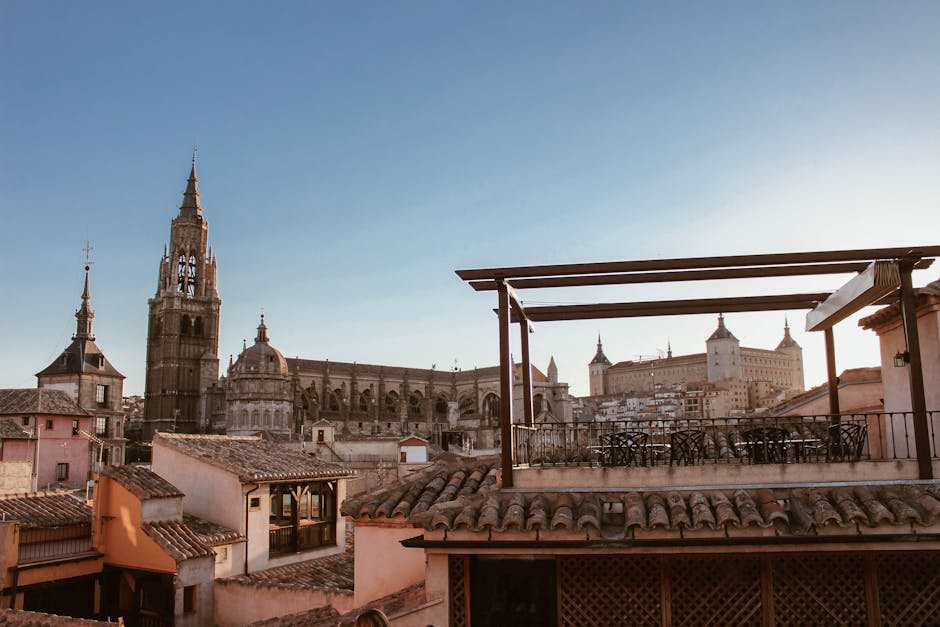
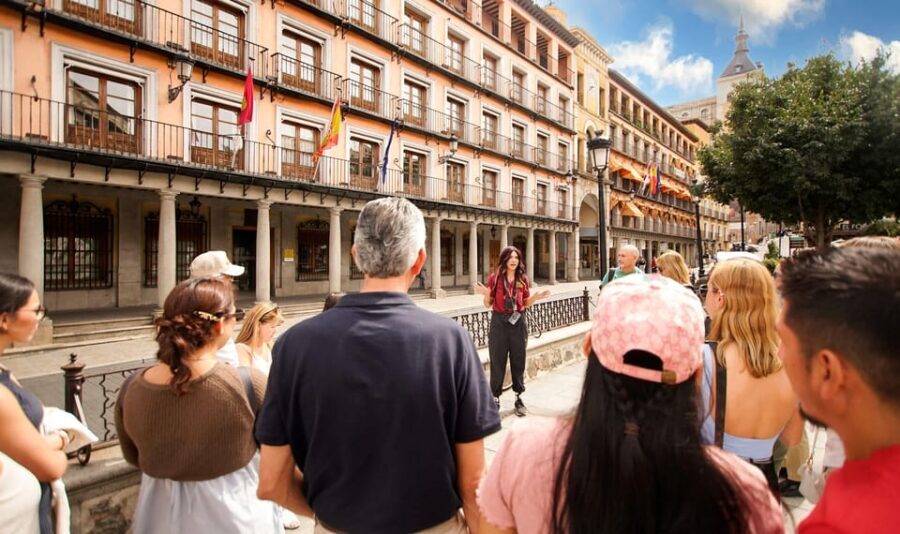
The middle ground. At $40, you’re paying eight dollars more than the cheapest option but getting a more developed guided portion. The tour covers the panoramic viewpoint overlooking the Tagus valley (the one you see in every Toledo postcard), a walking tour through the old town with historical commentary, and then free time.
This tour stands out for one specific thing: the panoramic stop on the south side of the river. Most independent visitors miss this because the Mirador del Valle is a bit awkward to reach without a car. The bus stops there first, giving you the wide-angle view of Toledo before you dive into its narrow streets. It’s worth the eight-dollar upgrade from the budget tour just for that stop alone.
The guided walking tour is more detailed than the $32 option, covering some of the lesser-known corners of the Jewish Quarter and the sword-making traditions that go back to Roman times. Toledo steel was legendary — Julius Caesar’s legions, medieval Crusaders, and even Japanese sword collectors have all prized blades forged here. A few workshops still operate in the old town, and the guide typically points them out.
Best for: travelers who want more than the bare minimum but aren’t ready to spend $80+ on monument access, people who value good photography opportunities.
When to Go
Toledo sits on a high plateau south of Madrid, and the weather follows central Spain’s pattern: baking summers and chilly winters with beautiful shoulders in between.
Best months: March through May, and September through November. Temperatures sit in the 15 to 25 degree range, perfect for hours of walking. Spring wildflowers line the banks of the Tagus. October light is particularly good for photography — low angles that make the sandstone glow.
Summer (June to August): It gets brutal. Toledo regularly hits 38 to 42 degrees in July and August, and unlike Madrid, there’s almost no shade in the plazas. The streets are narrow enough to block some sun, but the cathedral interior (which stays cool) becomes the main refuge. If you’re visiting in summer, go early — take the first train at 6:50 AM or book a tour that departs before 8:00 AM. By 2:00 PM you’ll want to be indoors or heading back.
Winter (December to February): Cold but manageable. Temperatures drop to 3 to 10 degrees, and the city gets genuinely quiet. The tourist shops in the old town stay open but the streets empty out. If you don’t mind cold weather, winter Toledo is atmospheric — fog sometimes rolls up from the Tagus and fills the lower streets while the cathedral towers poke above it. The marzipan shops do a brisk business around Christmas.
Weekdays vs. weekends: Go on a Tuesday, Wednesday, or Thursday if you can. Weekend day-trippers from Madrid flood the old town on Saturdays and Sundays, and the narrow streets feel genuinely crowded. Monday is fine too, but check opening hours — some smaller museums close on Mondays.
What to See in Toledo
Toledo is small enough that you can see the highlights in five or six hours on foot. But “highlights” barely scratches the surface. Here’s what’s worth your time, in rough order of priority.
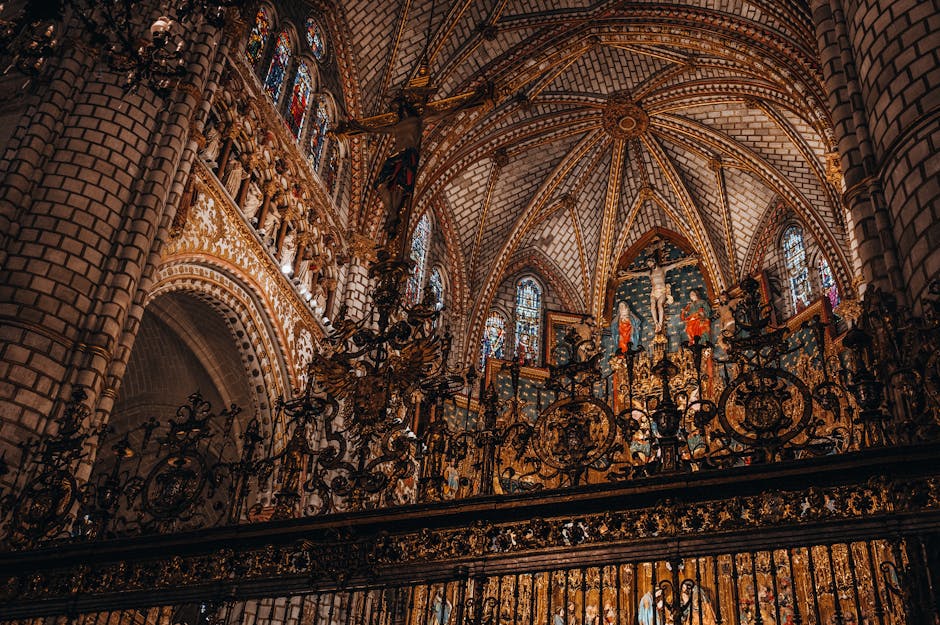
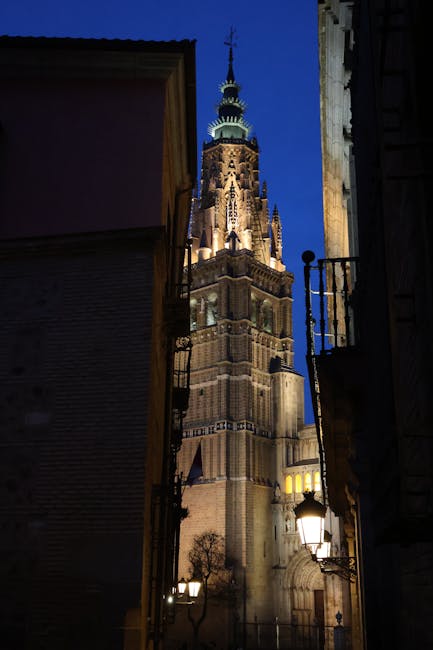
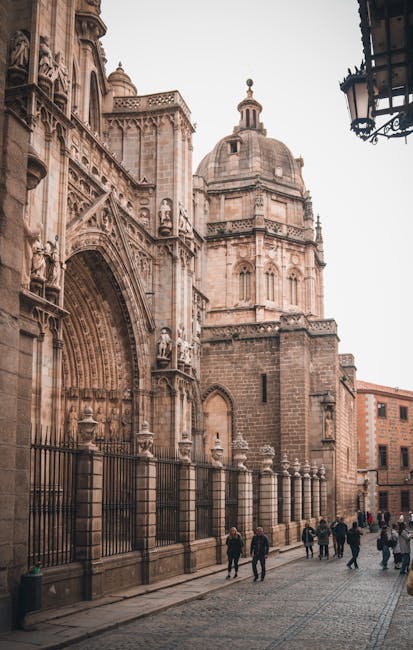
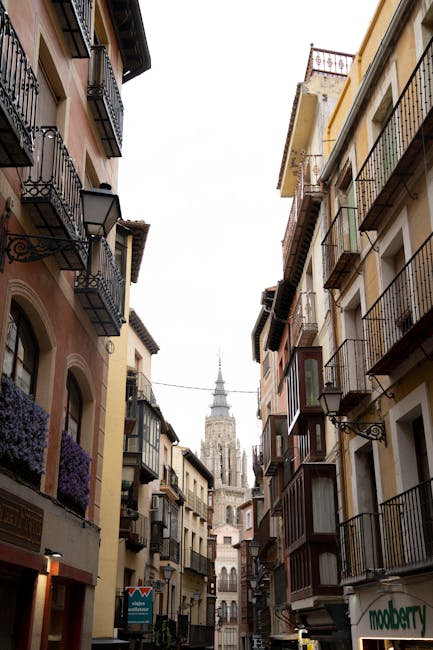
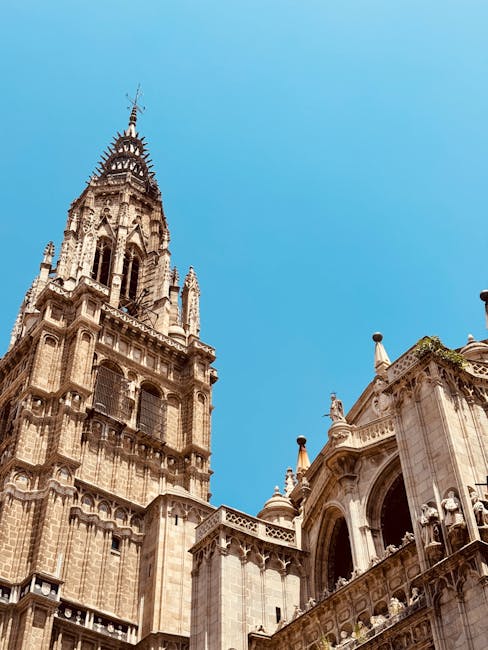
Toledo Cathedral (Catedral Primada): The main event. Spain’s second-largest cathedral took 267 years to build (1226 to 1493), and it shows — the styles shift from French Gothic to Spanish Gothic to early Renaissance as you walk through. The sacristy contains paintings by El Greco, Goya, and Caravaggio. The choir stalls tell the story of the reconquest of Granada in 54 carved wooden panels. And the Transparente — a Baroque skylight carved through the ceiling above the altar — is the kind of thing that stops you mid-step. Entry is about 10 euros. Worth every cent.
Church of Santo Tome: A tiny church with exactly one reason to visit: El Greco’s “The Burial of the Count of Orgaz,” painted in 1586 and never moved from the spot it was commissioned for. The painting is behind glass now, but the impact hasn’t diminished. El Greco painted himself into the crowd, and the color and composition are unlike anything else in Spanish art. Entry is about 3 euros. Takes ten minutes, but you’ll think about it for longer.
Synagogue of Santa Maria la Blanca: Built in the 12th century by Moorish architects for Jewish worshippers under Christian rule. That sentence alone tells you everything about what made Toledo unique. The interior is a forest of white horseshoe arches — 28 columns in five naves. It was converted to a church after the 1391 pogrom and is now a museum. Entry is about 3 euros.
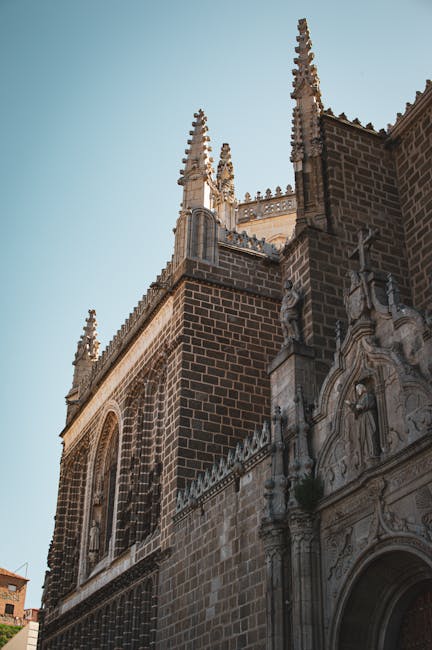
Monastery of San Juan de los Reyes: Ferdinand and Isabella built this as their intended burial site (they ended up in Granada instead). The chains hanging on the exterior walls belonged to Christian prisoners freed during the Reconquista. The two-story cloister is one of the most photogenic spots in the city.
Alcazar: The fortress that dominates Toledo’s skyline. Besieged and destroyed multiple times over the centuries, most recently during the Spanish Civil War. It’s now a military museum. The collection is solid if you’re into military history, but even if you’re not, the views from the upper floors are worth the visit.
The Jewish Quarter (Juderia): Wander the streets around the synagogues. This neighborhood held one of Spain’s largest Jewish communities for centuries, and the narrow streets retain their medieval character completely. Look for the small courtyard gardens visible through doorways — residents still maintain them.
Practical Tips
A few things that aren’t obvious until you’re already there:
Wear proper shoes. The streets are cobblestoned, steep, and occasionally slippery. Sandals and fashion sneakers will punish you by lunchtime. Bring shoes with grip and ankle support.
Buy a Toledo bracelet (pulsera): Not the tourist junk — the real Damascene ware. Toledo’s artisans still do gold inlay on blackened steel using techniques the Moors brought in the 8th century. A small bracelet or pendant from a proper workshop runs 30 to 80 euros and is one of the few souvenirs that’s actually unique to a place. The workshops on Calle de Santo Tome are generally more authentic than the ones near the cathedral.
Try the marzipan. Santo Tome brand is the famous one (sold everywhere), but the convents make their own and sell it through a turntable window called a torno. You ring a bell, place your money on the turntable, and the nuns spin it around with marzipan on the other side. You never see them. It’s a medieval vending machine that still operates daily.
The escalators exist. Toledo built a series of outdoor escalators on the east side of the hill to help people get from the modern town up to the old quarter. They’re free, they save your knees, and most travelers don’t know about them. The entrance is near the Puerta de la Bisagra. Take them up, walk down.
Lunch timing matters. Spanish restaurants don’t typically serve lunch before 1:30 PM, and kitchens close by 3:30 or 4:00 PM. If you arrive at noon expecting to eat immediately, you’ll find closed kitchens. Plan your morning around an early sightseeing push with lunch at 1:30 or 2:00. For something quick, grab a bocadillo (sandwich) from any of the bakeries near the Zocodover plaza.
Bring cash for small sites. The cathedral and the big monuments take cards, but some smaller churches and convents are cash-only for entry. A 20-euro note will cover most of them.