
Every day, travelers throw roughly 3,000 euros in coins into the Trevi Fountain. That is over a million euros a year, all collected by the city and donated to Caritas, a Catholic charity that runs a supermarket for low-income Romans. So the next time someone tells you tossing a coin into the Trevi is a waste of money, you can tell them it is actually feeding people. Most visitors get the technique wrong, by the way. You are supposed to stand with your back to the fountain, hold the coin in your right hand, and throw it over your left shoulder. One coin means you will return to Rome. Two coins means you will fall in love with a Roman. Three means you will marry them. I stopped at one.
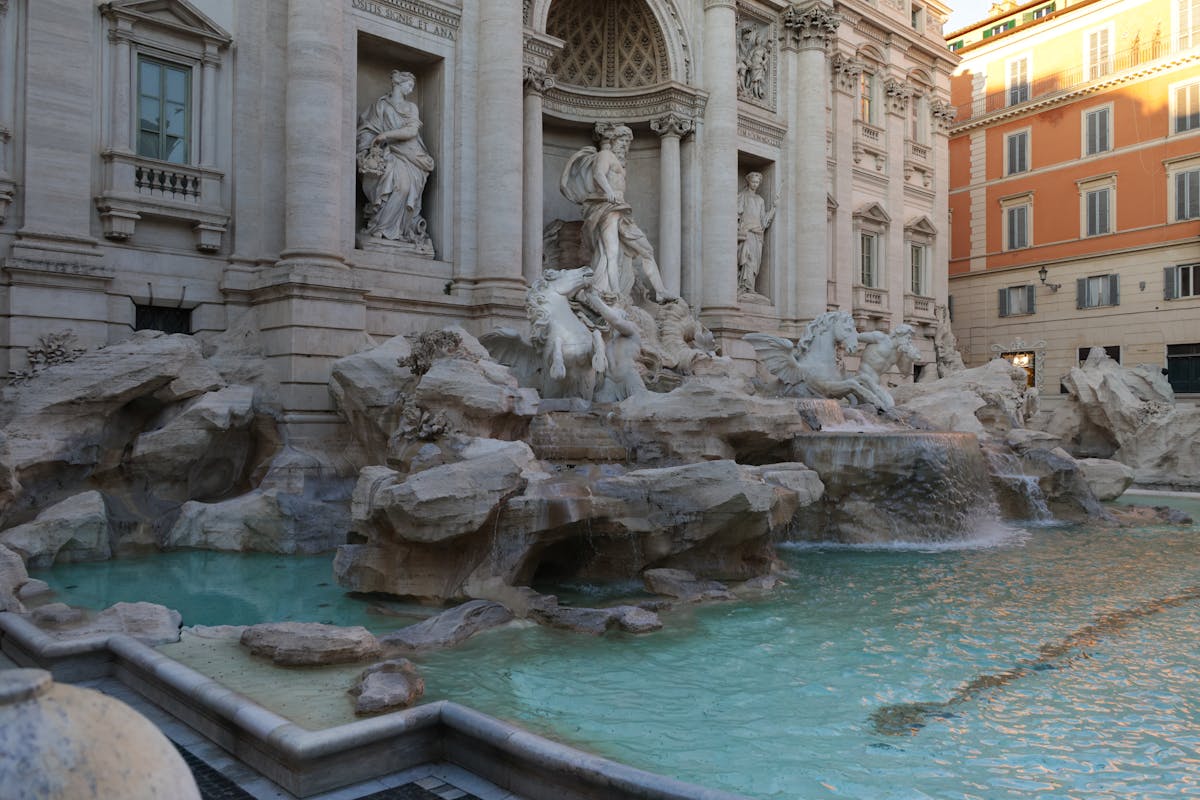
But here is the thing about the Trevi that most people miss entirely: underneath the fountain, there is a 2,000-year-old underground world. The Aqua Virgo aqueduct — built in 19 BC to bring water from springs 20 kilometers outside the city — still feeds the fountain today. You can actually go down there. The Vicus Caprarius archaeological site sits right beneath the piazza, and walking through those ancient stone corridors while hearing the water rush overhead is one of the strangest, most atmospheric experiences in Rome. Nothing about it feels touristy. It feels like breaking into history.
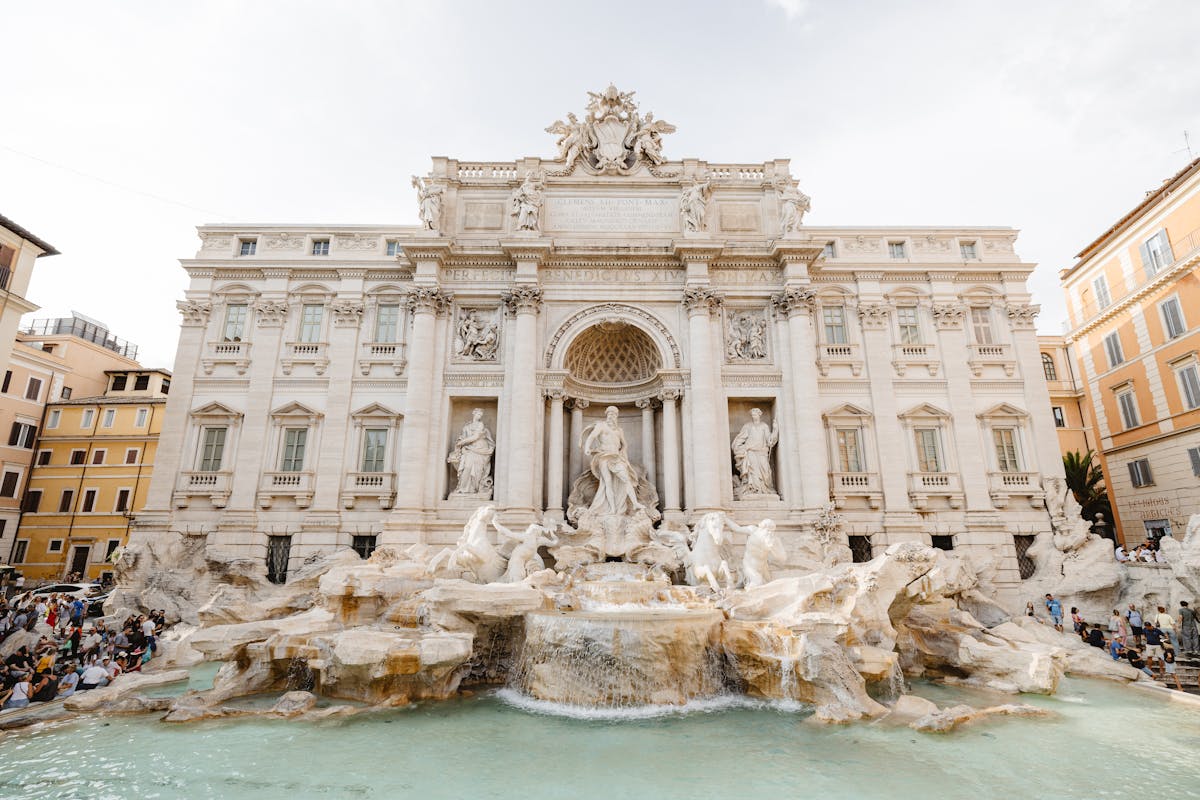

And then there is the 5 AM visit. If you are staying anywhere near the historic center and you are willing to sacrifice one morning of sleep, getting to the Trevi at dawn will give you something most visitors never see: the fountain completely to yourself. No selfie sticks. No tour groups. Just the sound of water and pigeons. I have done it twice and both times felt like I was getting away with something. The new 2 euro entry fee (introduced in 2025 to manage the crowds) does not apply in the early hours before the barriers go up, though Rome changes these rules frequently, so check when you are there.
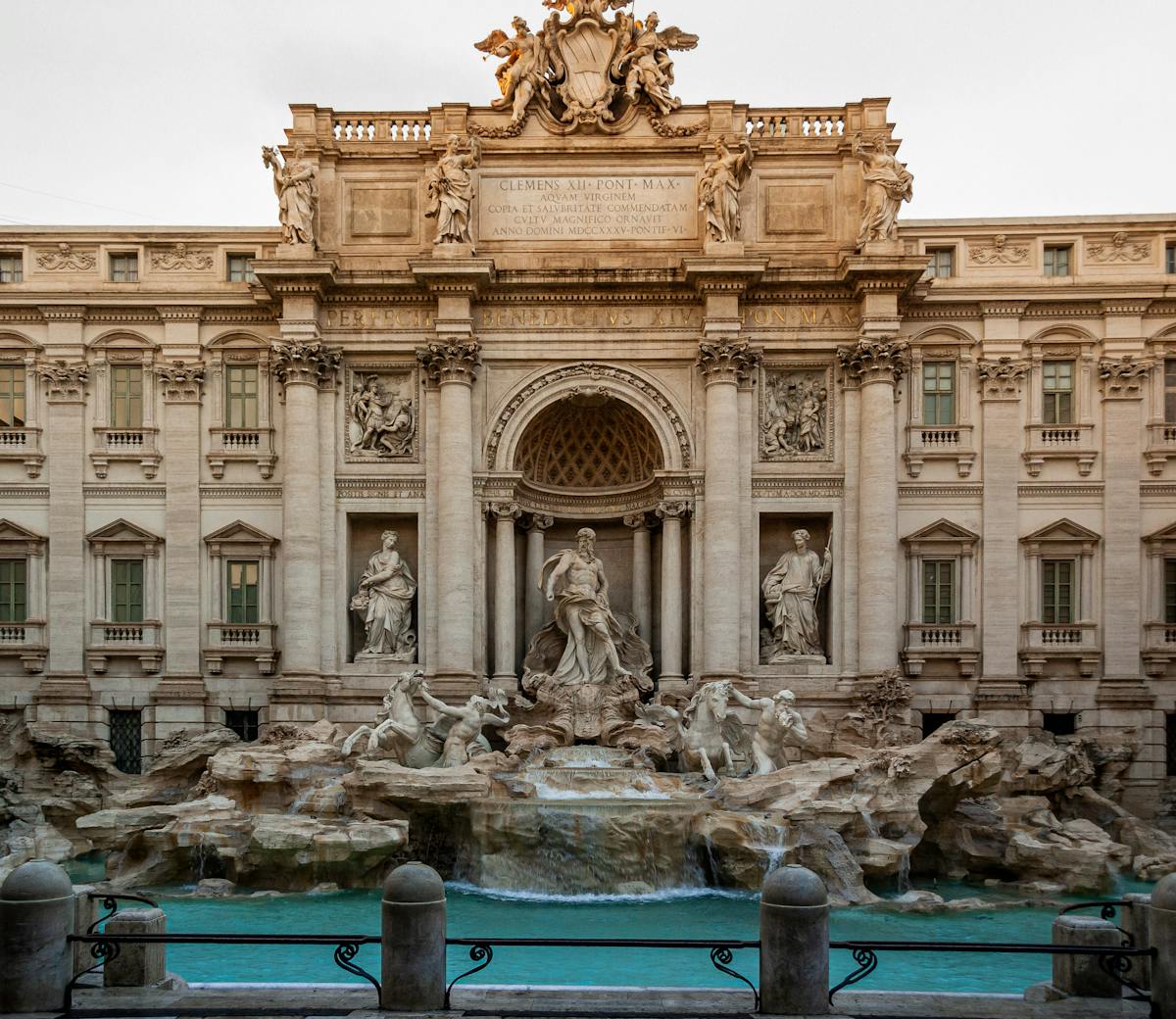
If you have already done the Colosseum and the Vatican Museums, the Trevi Fountain is probably already on your list. It sits right in the middle of Rome’s historic center, a five-minute walk from the Pantheon and ten minutes from the Spanish Steps. Unlike those ticketed attractions, the fountain itself is free to see (the new entry barrier has a small fee but there are still free viewing times). The real question is not whether to visit — it is whether a tour makes it worth your while.
- Do You Actually Need a Tour for the Trevi Fountain?
- Best Trevi Fountain Tours
- Trevi Fountain and Underground Guided Tour
- Best of Rome Walking Tour Including Trevi Fountain
- Small Group Moonlight Walking Tour
- Opera Concert at Palazzo Poli (Fontana di Trevi)
- When to Visit the Trevi Fountain
- The Underground Aqueduct: What Most Visitors Miss
- Practical Tips
Do You Actually Need a Tour for the Trevi Fountain?
Short answer: no. The Trevi Fountain is not like the Colosseum where you need a ticket and a guide helps you navigate the levels and underground chambers. You can walk up to the Trevi at any hour, look at it, throw your coin, and leave satisfied. Plenty of people do exactly that.
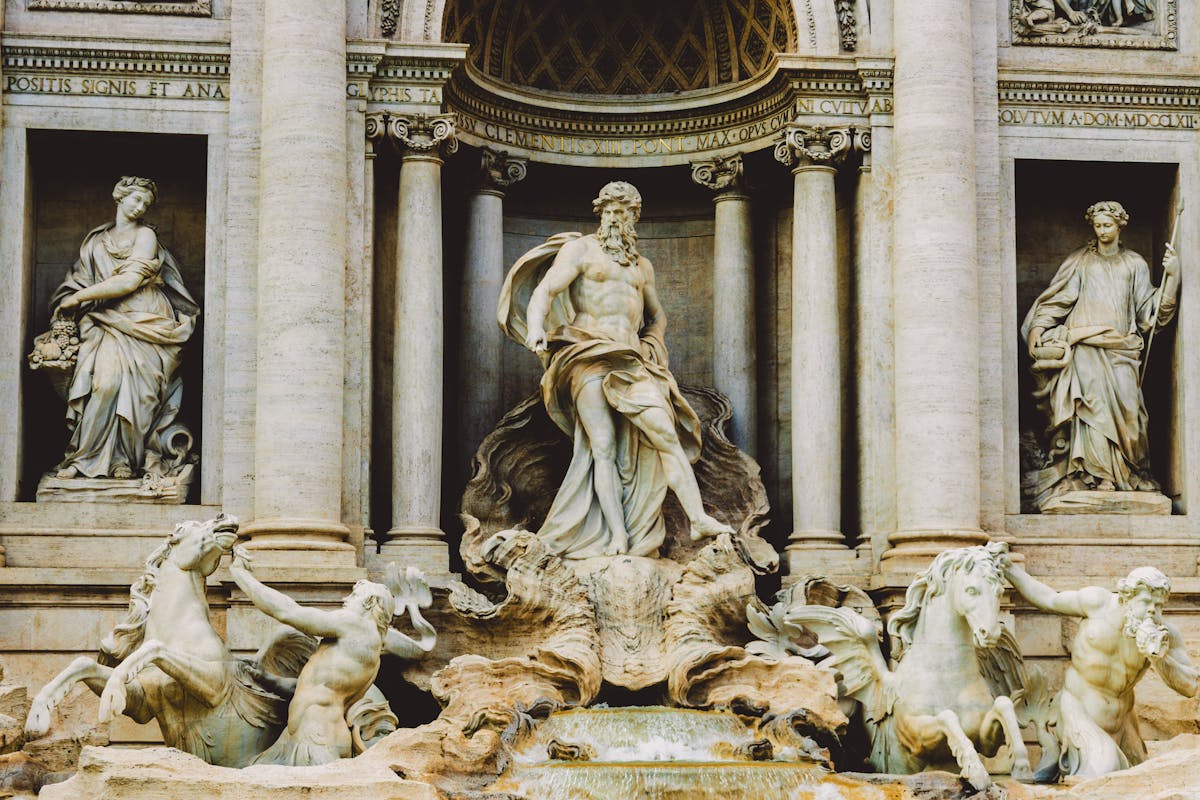
But the longer answer is more interesting. The fountain you see above ground is only part of the story. The Palazzo Poli behind it, the underground archaeological site beneath it, and the engineering that channels ancient Roman water through the same route it has traveled for over 2,000 years — none of that is obvious just from standing in the piazza. A tour does not change what you see. It changes what you understand about what you are seeing.
The underground tour in particular is worth considering. The Vicus Caprarius (the “City of Water”) is a small archaeological site directly under the fountain. You descend a staircase and find yourself in the remains of an ancient Roman apartment block, with water from the original Aqua Virgo aqueduct still flowing through the ruins. It is one of those places that makes you realize the entire city of Rome is built on layers of earlier cities, stacked like geological strata.
If history leaves you cold and you just want the photo, skip the tour and spend your time finding the right angle. But if you want the “underneath the surface” version of Rome — literally — one of the tours below will change how you see the fountain forever.
Best Trevi Fountain Tours
I went through every tour that includes the Trevi Fountain and filtered for the ones that actually justify their price. Some of these are dedicated Trevi experiences; others are walking tours where the fountain is one stop among several. Here are the four worth booking.
Trevi Fountain and Underground Guided Tour
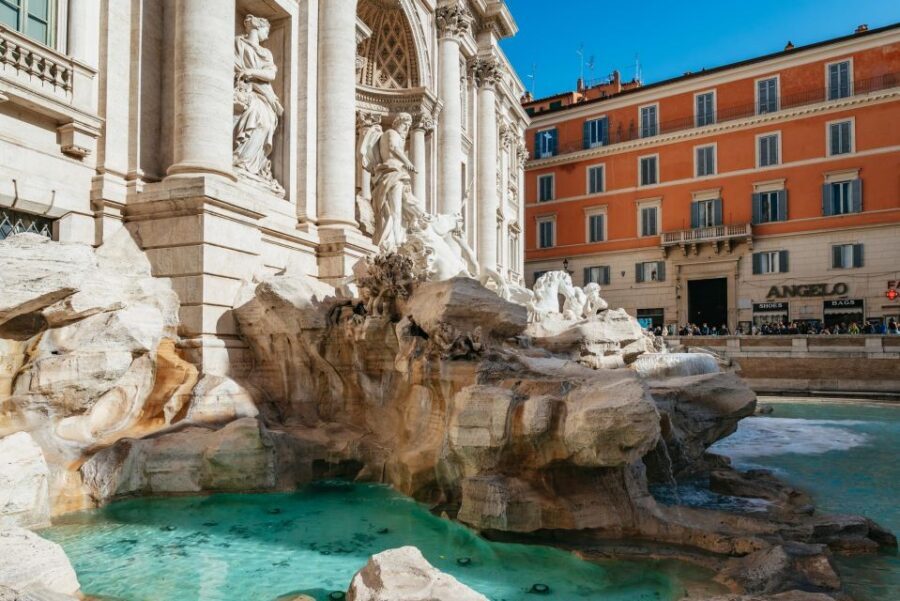
Duration: 40 minutes | Price: From $41 per person
This is the one I would pick if I could only do one thing at the Trevi. You get a guided walk through the Vicus Caprarius archaeological site — the underground ruins sitting directly beneath the fountain. Your guide explains the Aqua Virgo aqueduct, the ancient Roman residences found during excavation, and the surprisingly complex water system that still feeds the Trevi today. Forty minutes goes fast. The group sizes are small, which matters in a space that tight. Above ground, the guide covers the symbolism of the sculptures, the Palazzo Poli, and the history of the coin-throwing tradition. It is compact but dense with good information.
Best of Rome Walking Tour Including Trevi Fountain
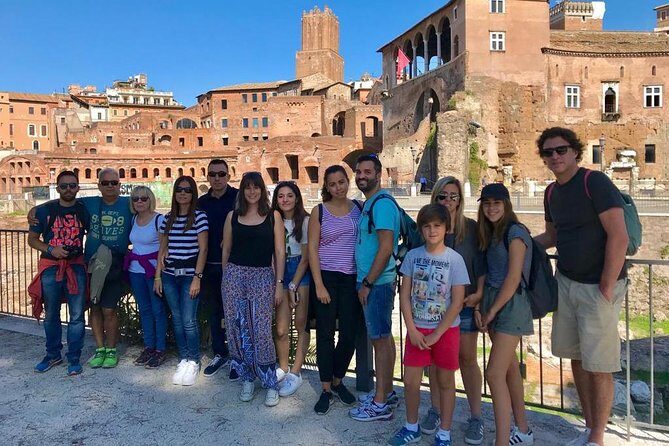
Duration: 1.5 to 2 hours | Price: From $4.62 per person
Under five dollars for a walking tour of central Rome that includes the Trevi Fountain, Spanish Steps, and Piazza Navona. At that price, the value is absurd. The tour covers the highlights of Rome’s historic center with a guide who points out things you would walk right past on your own — side streets, hidden squares, the kind of local context that Google Maps cannot give you. The Trevi stop is not as deep as the dedicated underground tour, but for orientation and sheer bang for your buck, this is hard to beat. Good for your first day in Rome when you want to get the lay of the land.
Small Group Moonlight Walking Tour
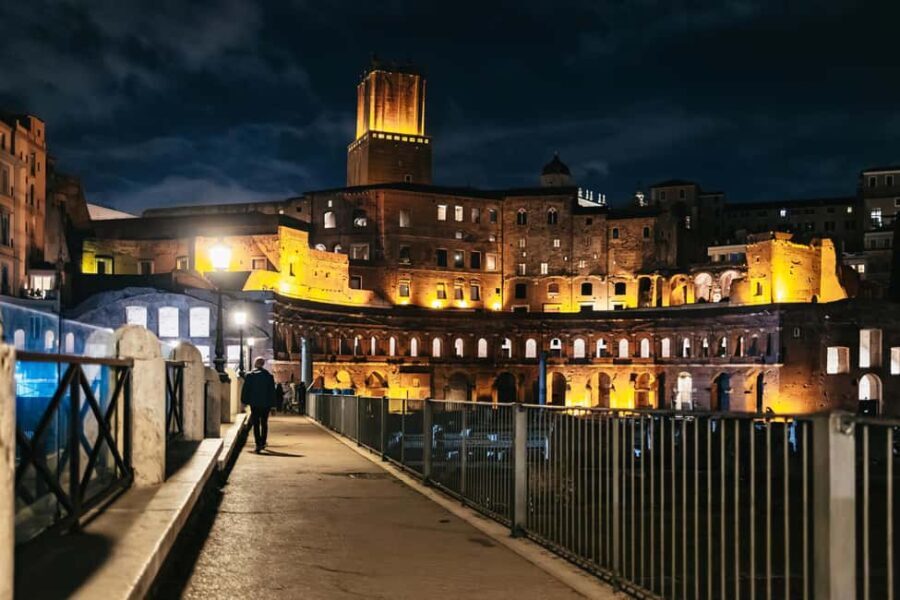
Duration: 2 hours | Price: From $29 per person
This is the tour for people who already know what the Trevi Fountain looks like in photos and want to see it differently. The evening format changes everything — if you want even more of nighttime Rome, our full guide to Rome night tours covers all the best options. The crowds thin out dramatically after 9 PM, the fountain is lit up from below, and the whole atmosphere shifts from chaotic tourist attraction to something almost romantic. The tour hits Piazza Navona, the Pantheon exterior, the Spanish Steps, and the Trevi along a walking route through Rome’s backstreets at night. Small groups mean you can actually talk to the guide. The review scores are nearly perfect and the price is reasonable for what you get.
Opera Concert at Palazzo Poli (Fontana di Trevi)
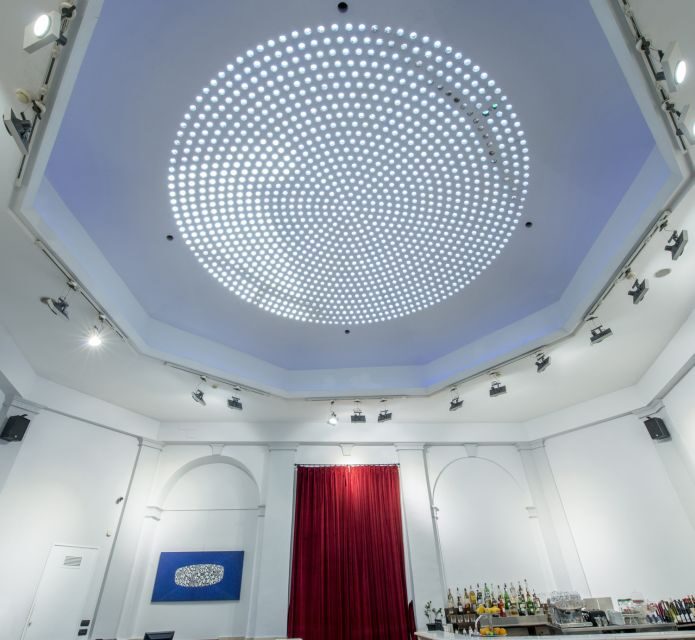
Duration: 1 hour | Price: From $47 per person
This is not a tour — it is a performance. Palazzo Poli is the building the Trevi Fountain is built into, and they host opera concerts in one of its grand halls. You sit in a historic Roman palazzo, ten meters from one of the world’s most famous landmarks, listening to professional singers perform Italian arias. It is the kind of thing that sounds slightly over the top until you are actually there and realize it is perfect. The acoustics are surprisingly good for a room that was not designed as a concert hall. Performances run most evenings and last about an hour. If you are looking for something to do after dinner that is not another walking tour, this is it.
When to Visit the Trevi Fountain

Timing is everything at the Trevi. Visit at noon in August and you will share the piazza with what feels like every tourist in Europe. Visit at 6 AM on a Tuesday in November and you might have it entirely to yourself. The difference is that dramatic.
Best times to visit:
- Before 8 AM: The quietest window. Serious photographers know this. You will have space to move around, take photos without strangers in every frame, and actually hear the water. The downside: most cafes nearby will not be open yet.
- After 10 PM: The second-best window. The fountain is beautifully lit and the piazza empties out significantly compared to daytime. Pair this with a Trastevere food tour earlier in the evening and end your night at the fountain.
- Golden hour (1 hour before sunset): The warm light hitting the travertine stone makes the fountain glow. Crowds are still present but thinning. Best balance between good light and manageable people density.
Worst times to visit:
- 10 AM to 6 PM in summer (June-September): Peak misery. Shoulder to shoulder. The piazza has no shade. It is hot, loud, and you will wait 10 minutes just to get close enough to throw your coin.
- Weekends year-round: Locals and day-trippers join the tourist crowds. Weekday mornings are consistently better.
- Right after a cruise ship docks in Civitavecchia: Rome gets surges of visitors on cruise ship days. If you see multiple large tour buses near the city center, push your Trevi visit to the evening.
Winter (December-February) is the least crowded season overall, though Christmas and New Year bring their own surge. Spring and autumn are ideal — warm enough to enjoy standing outside, cool enough that you will not melt, and crowds are present but not suffocating. Summer is peak season and honestly miserable at the Trevi between 11 AM and 7 PM.
The Underground Aqueduct: What Most Visitors Miss
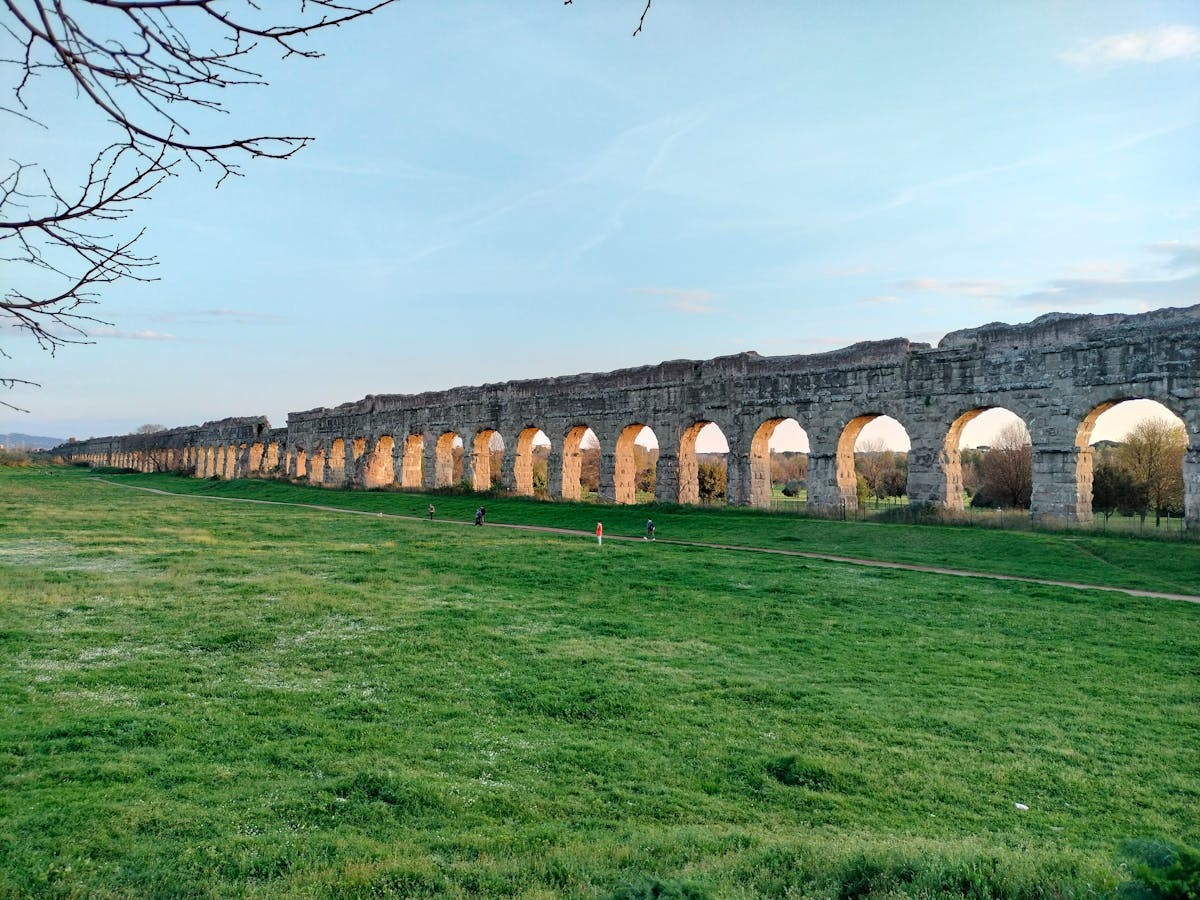
The Aqua Virgo is one of eleven aqueducts the ancient Romans built to supply their city. Commissioned by Marcus Agrippa in 19 BC to feed his public baths near the Pantheon, the aqueduct taps springs about 20 kilometers east of Rome and channels the water underground through a gentle gradient all the way to the city center. Two thousand years later, the same water source feeds the Trevi Fountain. Think about that for a second. The plumbing outlasted the empire.
When the fountain was being restored in the 1990s, workers discovered the Vicus Caprarius — an ancient Roman residential complex buried under the piazza. The site includes remains of an apartment building (insula) and a large cistern, all connected to the Aqua Virgo system. It opened to the public in 2001 and sees a fraction of the visitors that the fountain above it gets.
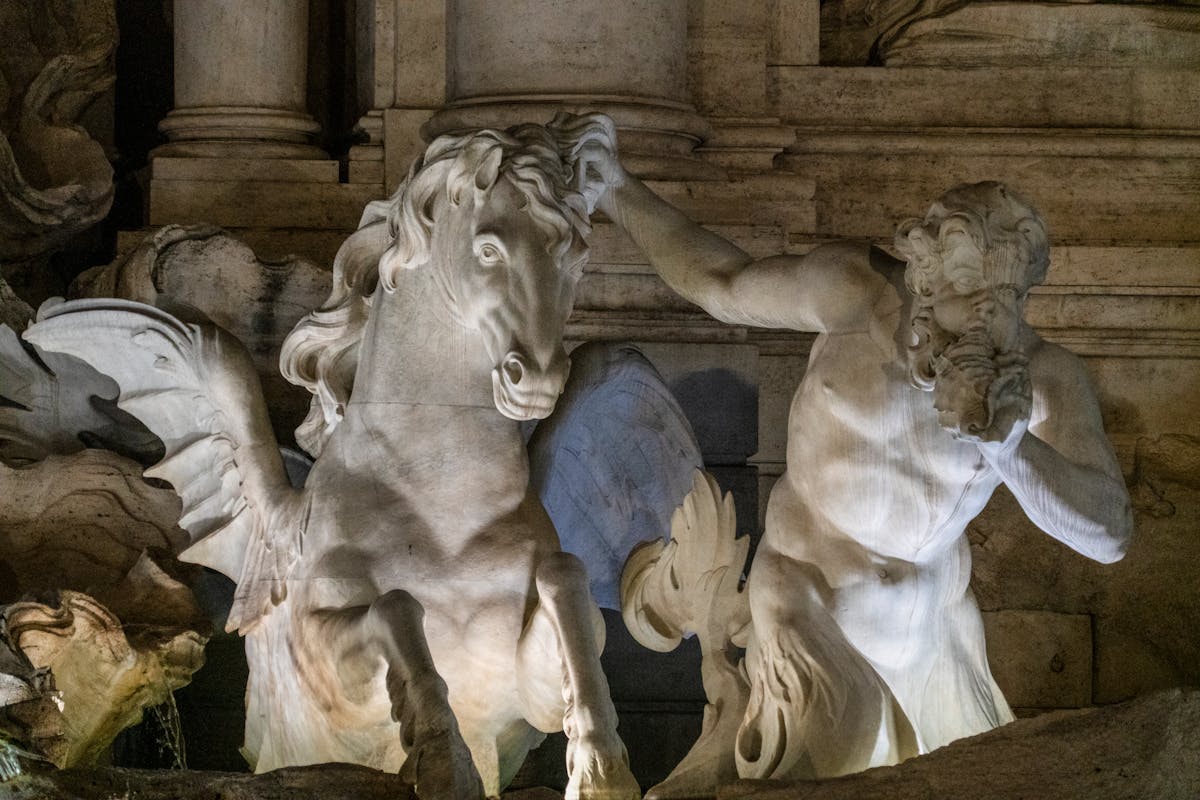
The underground space is small — you will be done in about 30 minutes — but the atmosphere down there is genuinely eerie. Water still flows through the ancient channels. The stone walls are damp and cool even in August. Display panels explain what you are looking at, but a guided tour (like the underground tour I mentioned above) adds layers of context about daily life in ancient Rome. The cistern area, where water was stored and distributed, is the highlight. Standing in a 2,000-year-old utility room while travelers stomp around above you is a surreal contrast.
Tickets to the Vicus Caprarius are around 4-8 euros if you go independently. The combined guided tour that includes the underground plus the fountain above ground costs more but saves you the hassle of arranging both separately. If you are doing the Catacombs during your Rome trip too, the underground Trevi makes a good pairing — both show you a side of Rome that exists entirely beneath the street level.
Practical Tips

Getting there: The nearest metro station is Barberini (Line A), about a 5-minute walk. But honestly, the best approach is on foot through the narrow streets of the historic center. The moment you turn a corner and the fountain suddenly appears, wedged into the end of a tiny piazza, is one of those “wow” moments you do not get if you follow GPS directions. Coming from the Pantheon, it is a direct 5-minute walk east through Via delle Muratte.
The 2 euro entry fee: Rome began implementing crowd control barriers around the Trevi Fountain in 2025, with a small entry fee during peak hours. The rules have shifted a few times since launch. As of early 2026, the fee applies during the busiest daytime hours but the fountain is still freely accessible outside those windows (early morning, late evening). This could change — check locally when you arrive.
Pickpockets: The Trevi area is one of Rome’s hotspots for pickpocketing. Keep your phone in a front pocket, wear bags across your body, and be suspicious of anyone who “accidentally” bumps into you or tries to hand you something (flowers, bracelets). This is not paranoia — it is Rome.
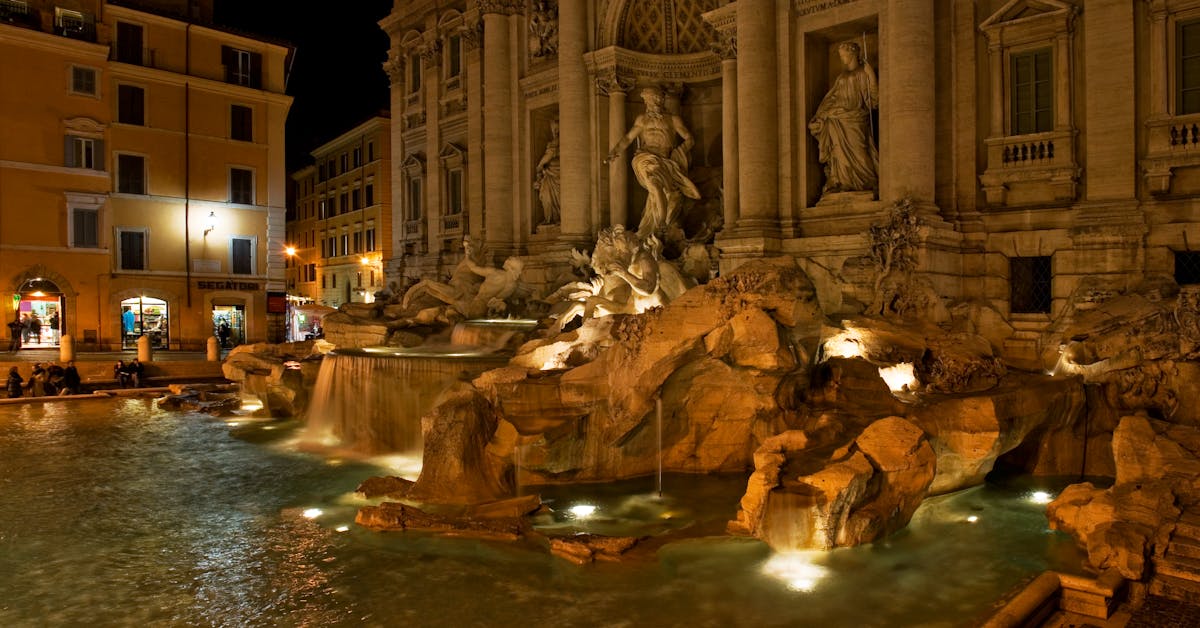
What NOT to do: Do not sit on the fountain. Do not put your feet in the water. Do not try to fish coins out. All of these can result in a fine up to 450 euros, and Roman police do enforce this. Do not eat or drink alcohol in the restricted zone around the fountain either — this was part of the same regulations aimed at managing the piazza.
Photography: The fountain faces roughly south, so morning light hits it from the east and afternoon light from the west. Golden hour in the late afternoon produces the warmest photos. At night, the LED lighting is strong enough for phone cameras without a tripod. For the most dramatic shots, position yourself on the upper level of the piazza (the stairs to the right as you face the fountain) for a slightly elevated angle that captures the whole scene.
Nearby: After the Trevi, the Pantheon is five minutes west. The Spanish Steps are five minutes north. Piazza Navona is about ten minutes on foot. And if you are hungry, the streets between the Trevi and the Pantheon have some of Rome’s best gelato shops — look for places that keep their gelato in covered metal containers rather than piled up in colorful mountains (the piled-up stuff is loaded with artificial stabilizers). If you want a proper food experience, the Trastevere food tour is a 20-minute walk across the river and covers the neighborhood with the best traditional Roman cooking.
Combine with: A hop-on hop-off bus tour is a good way to see the Trevi as part of a larger Rome circuit. The Rome food tour from the city center often passes through the Trevi area. And the Borghese Gallery is a reasonable walk north through the park if you want to add a museum to your day.

Disclosure: This article contains affiliate links. If you book a tour through one of our links, we may earn a small commission at no extra cost to you. This helps us keep the site running and allows us to continue producing free travel guides.