
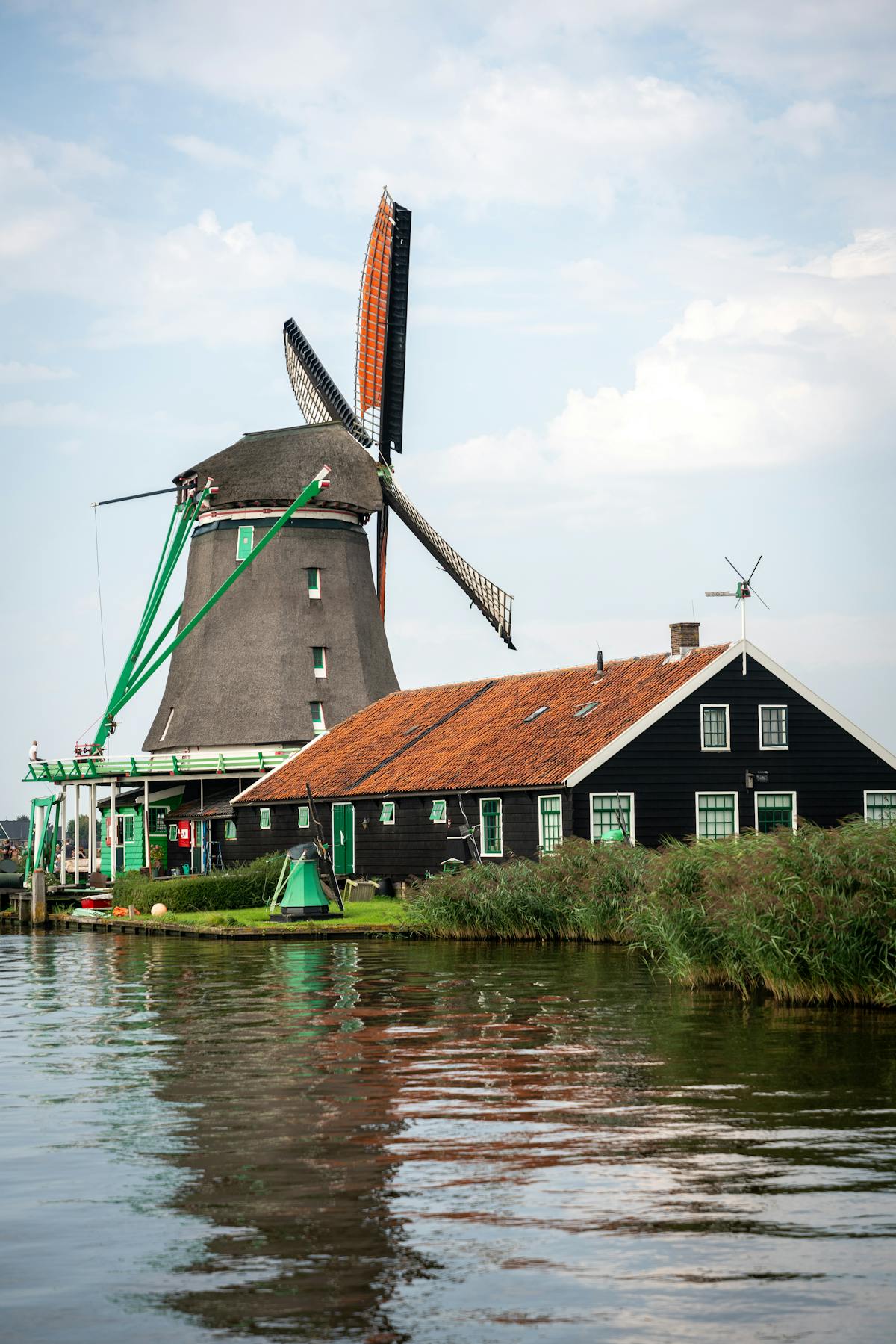
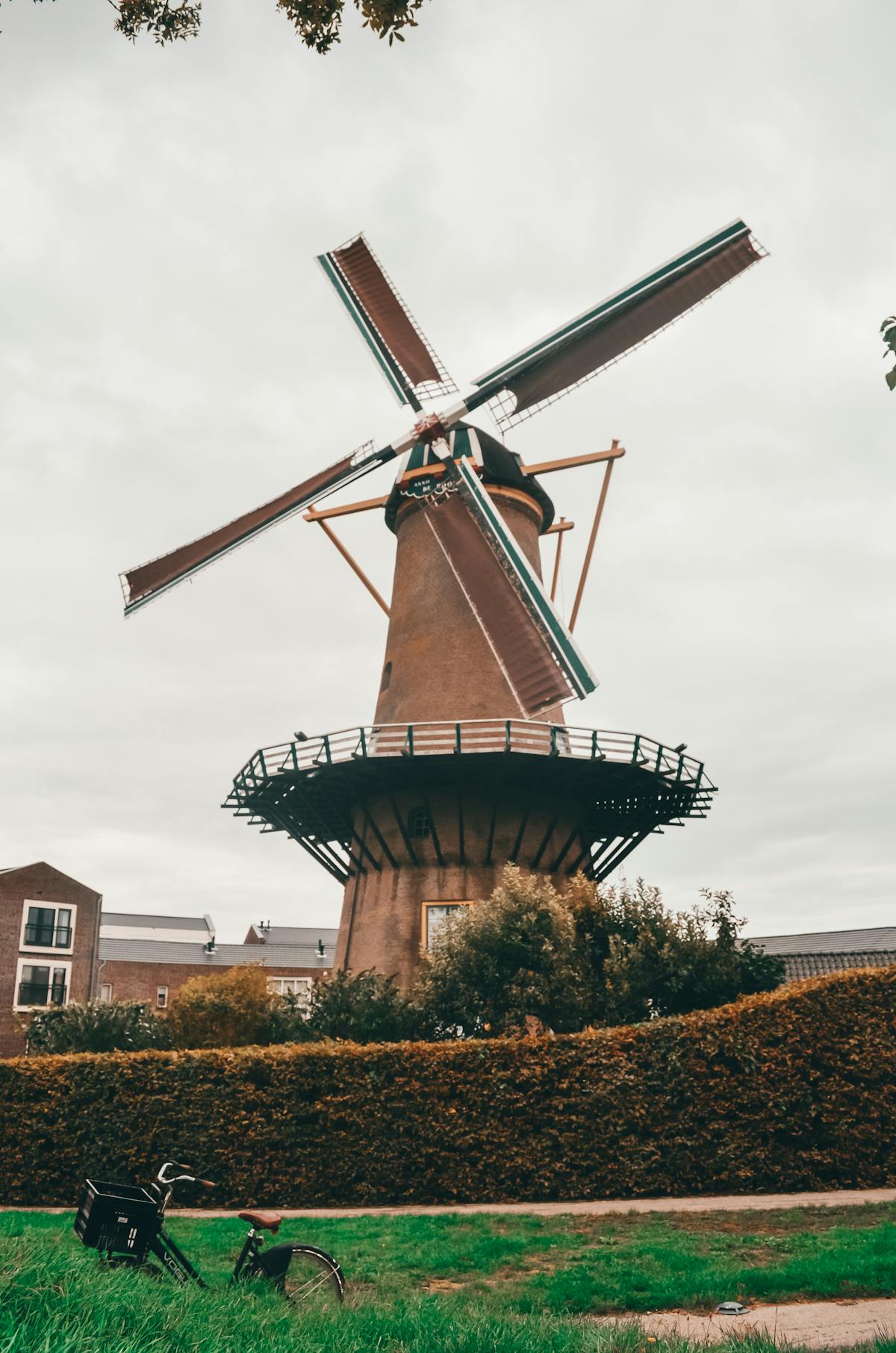
The windmills are real. That’s the first thing that surprises people about Zaanse Schans — these aren’t museum replicas or concrete reconstructions built for travelers. They’re working 18th-century windmills, still turning in the wind, still doing what they were built to do. One grinds spices. Another saws timber. A third presses oil from seeds. The sails creak and groan in ways that sound expensive to maintain, and the whole village smells faintly of sawdust and mustard.
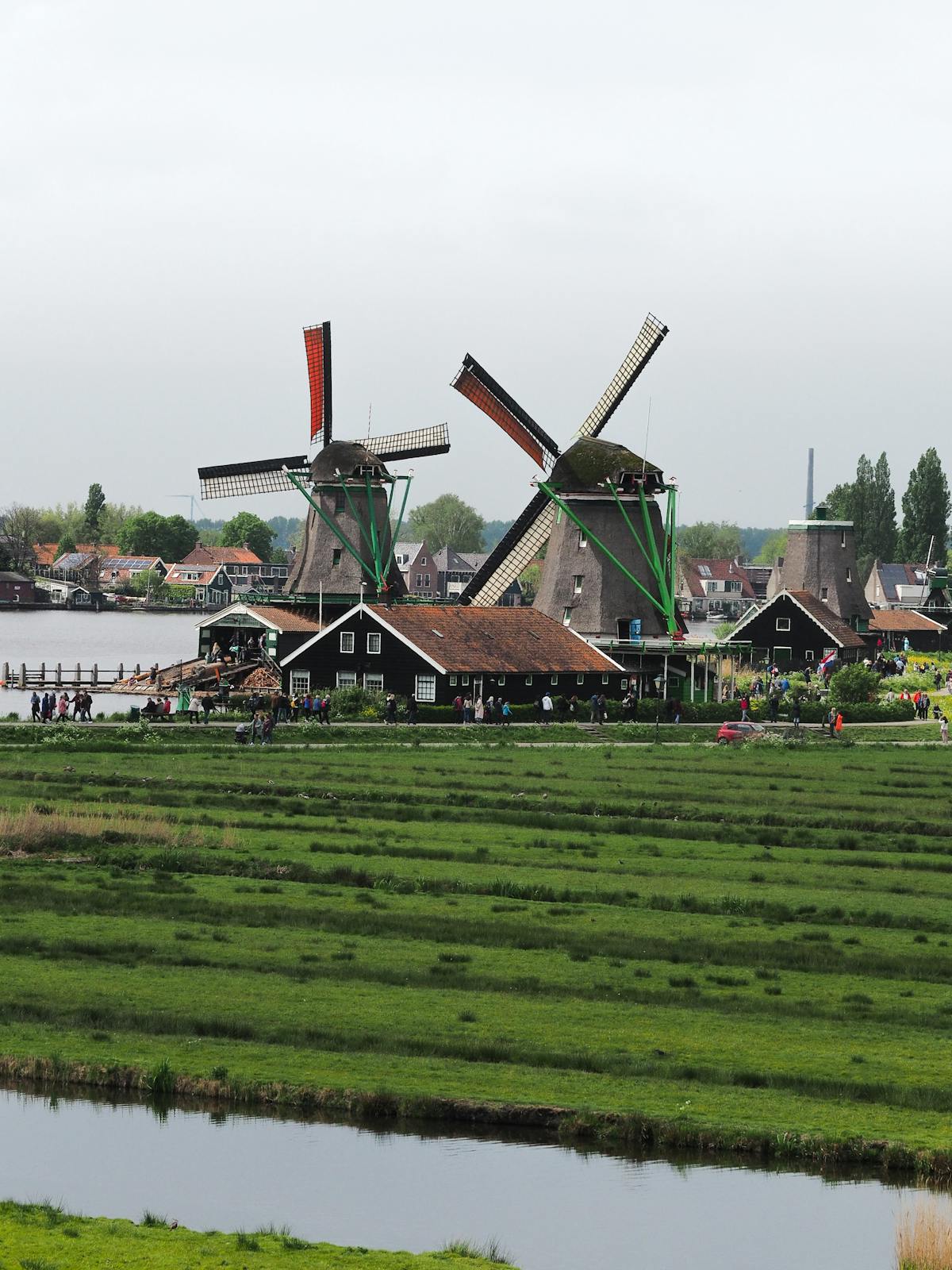
Zaanse Schans sits about 20 minutes north of Amsterdam. It’s technically a neighborhood within the city of Zaandam, not a separate town, which means getting there is surprisingly simple. You can be standing among the windmills within half an hour of leaving Amsterdam Centraal. That makes it one of the easiest day trips in the Netherlands — no long drives, no complicated transfers, no waking up at five in the morning.
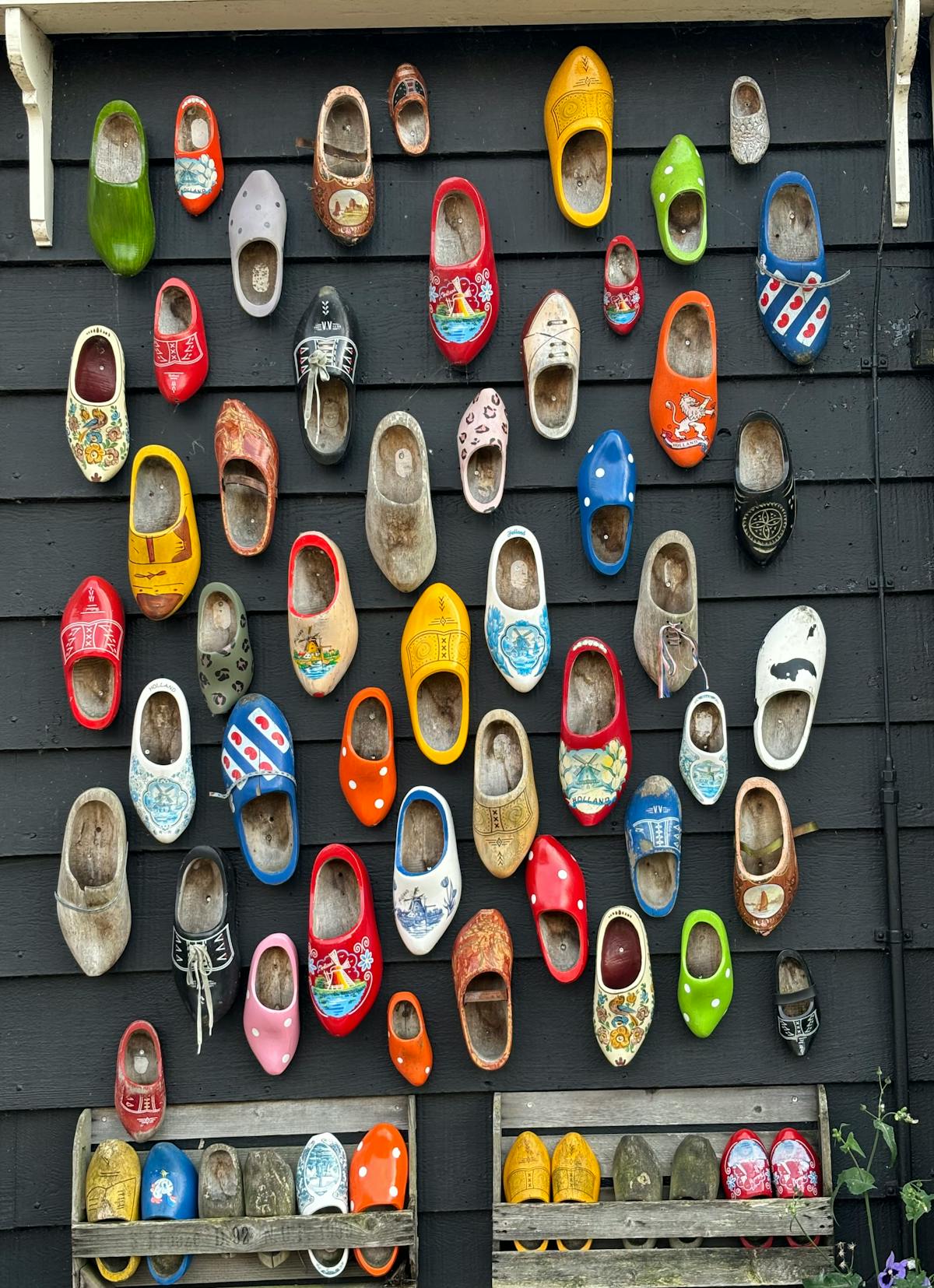
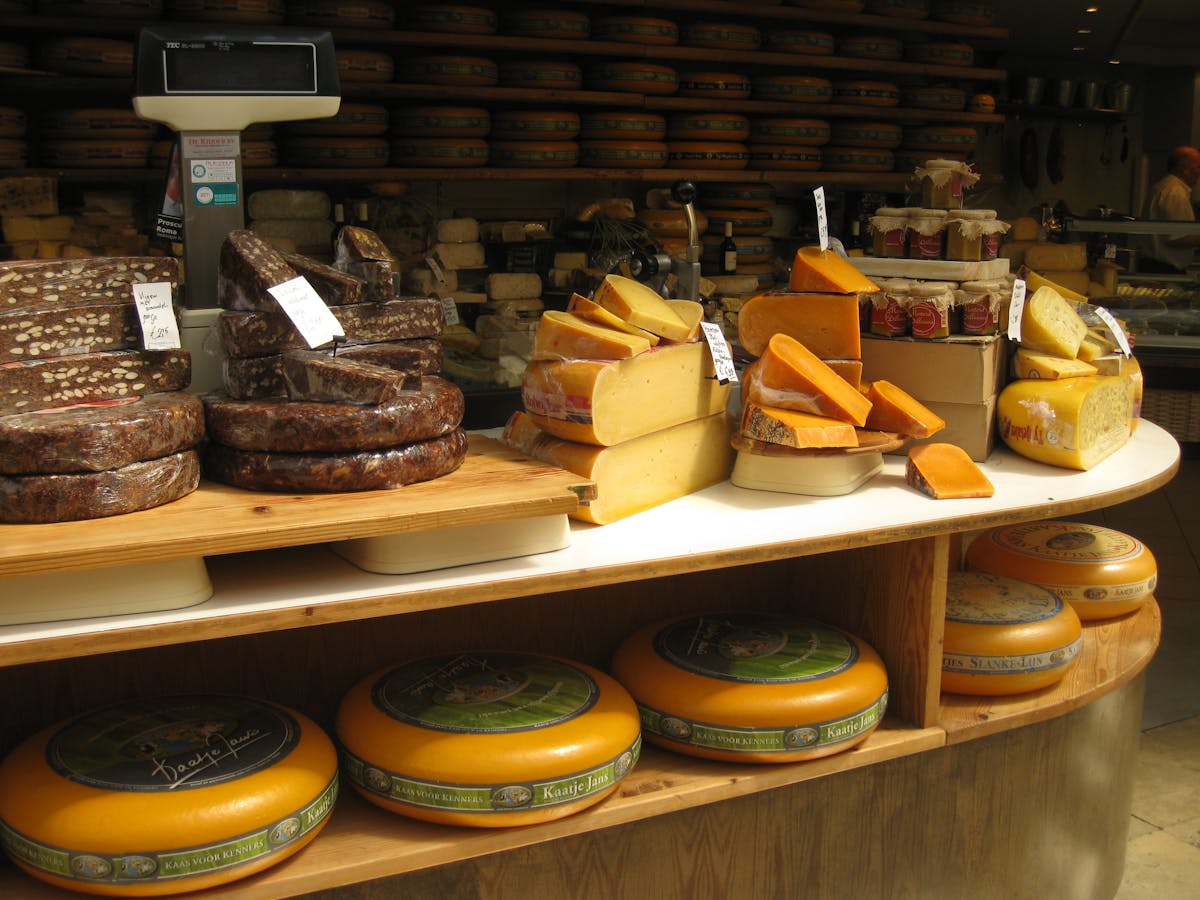
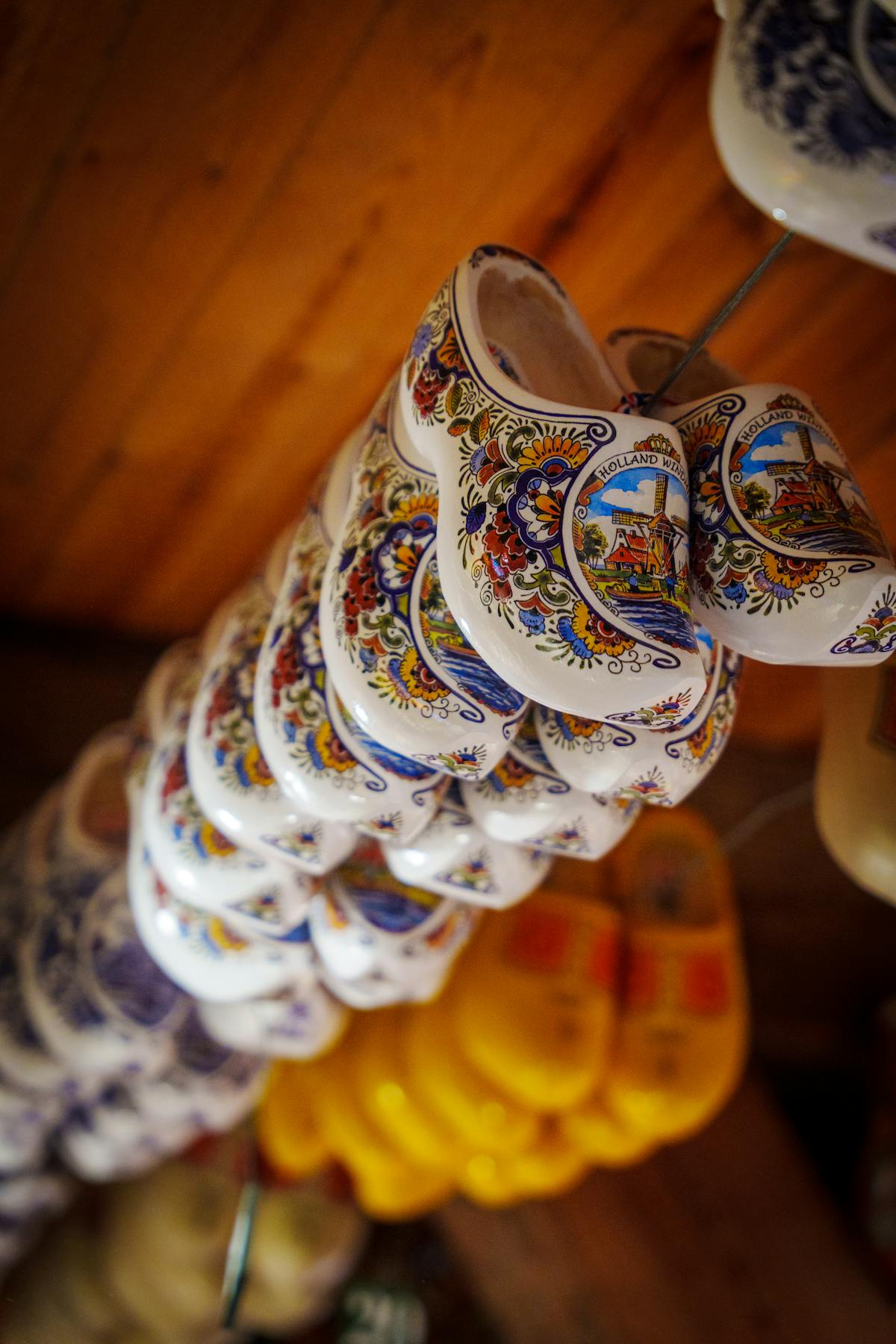
Is it touristy? Absolutely. The village knows what it is and leans into it. There are clog-making demonstrations, cheese-tasting workshops, and a chocolate shop that smells dangerously good. But underneath all that, there’s a genuinely preserved slice of Dutch industrial history. The Zaan district was one of the world’s first industrial zones — at its peak in the 1700s, over 600 windmills lined these riverbanks. What you’re seeing at Zaanse Schans is the surviving core of that era, relocated and preserved since the 1960s.
In a Hurry?
- Best budget pick: Live-Guided Zaanse Schans & Cheese Tasting Tour — 3.5 hours, guided, cheese tasting included, from $22. The most affordable guided option.
- Best full-day experience: Zaanse Schans, Volendam & Marken Day Trip — combines windmills with two fishing villages in a single day, from $34.
- Best small group: Zaanse Schans 3-Hour Small Group Tour — capped group size, personal attention from the guide, from $50.
- In a Hurry?
- How to Get to Zaanse Schans from Amsterdam
- By Train
- By Bus
- By Car
- DIY Visit vs. Guided Tour
- Going on Your Own
- Taking a Guided Tour
- Best Tours to Zaanse Schans
- Zaanse Schans, Volendam & Marken Day Trip
- Live-Guided Zaanse Schans & Cheese Tasting Tour
- Zaanse Schans 3-Hour Small Group Tour
- Zaanse Schans, Edam, Volendam & Marken Bus Tour
- When to Visit Zaanse Schans
- Tips for Visiting Zaanse Schans
How to Get to Zaanse Schans from Amsterdam
You have three solid options, and none of them are complicated.
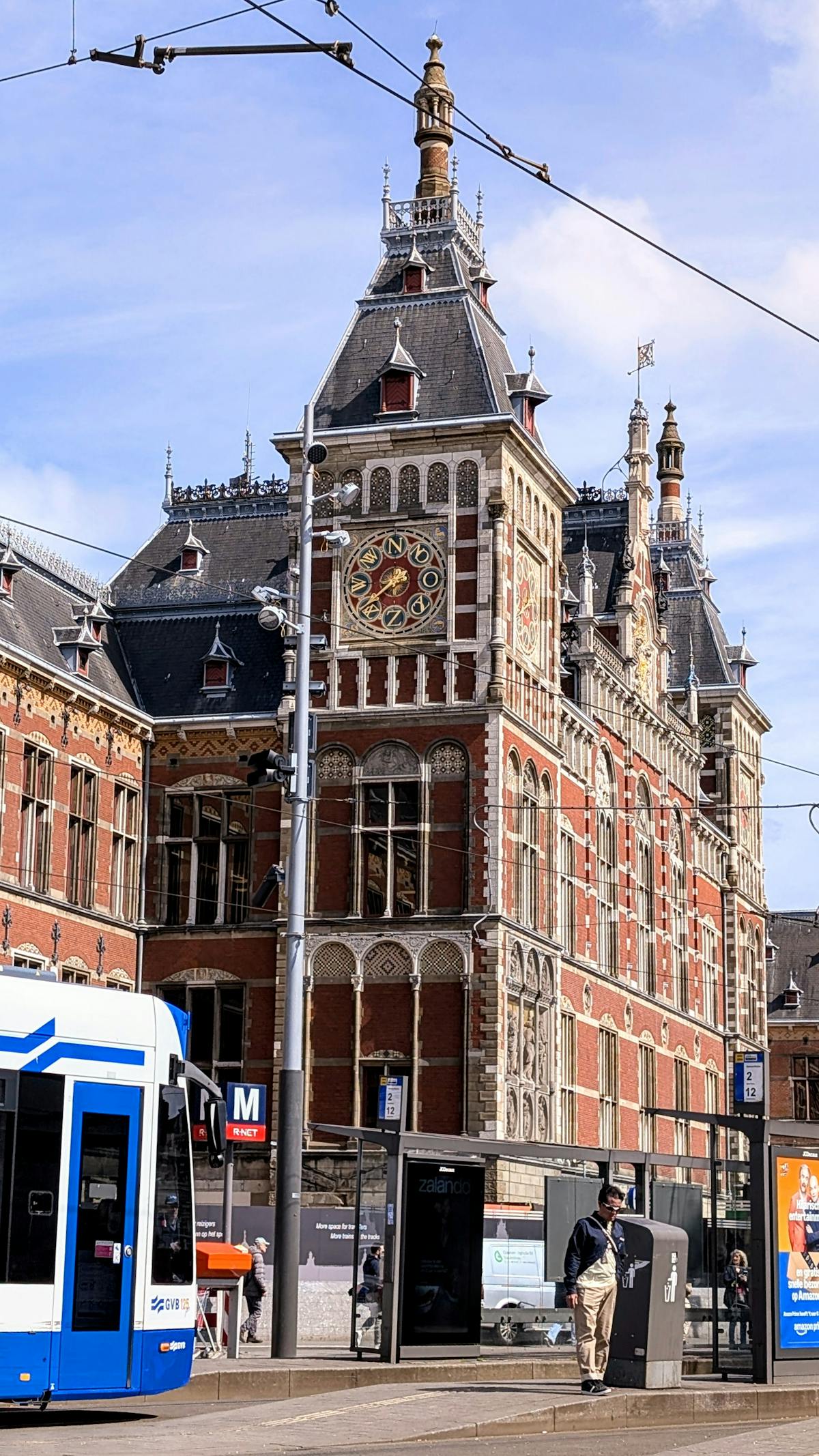
By Train
Take any Sprinter train from Amsterdam Centraal toward Uitgeest or Alkmaar. Get off at Zaandijk Zaanse Schans station — it’s about 17 minutes and costs around EUR 4 each way. From the station, it’s a 15-minute walk following the signs through a residential neighborhood and across a small bridge. The walk itself is pleasant, taking you past typical Dutch houses and along a quiet canal before the windmills appear on the horizon.
Trains run every 15 minutes during the day, so there’s no need to plan around a specific departure. Just show up and go.
By Bus
Bus 391 (the Zaanse Schans Express) runs directly from Amsterdam Centraal to the Zaanse Schans parking area. It takes about 40 minutes depending on traffic, but drops you right at the entrance — no walking through residential streets. It runs roughly every 15 minutes. Use the OV-chipkaart or tap your contactless bank card.
You can also pick up bus 391 from Amsterdam Sloterdijk station, which cuts the travel time down to about 25 minutes. If you’re staying in the western part of Amsterdam, this might be faster than backtracking to Centraal.
By Car
If you’ve rented a car, take the A8 motorway north and exit at Zaandam-West. The drive takes 20 minutes without traffic. Parking at Zaanse Schans costs EUR 12.50 per day (2026 prices), which feels steep until you realize it covers the whole day and is the only significant cost of visiting. The lots fill up by mid-morning on summer weekends, so arrive before 10 AM or you’ll be circling.
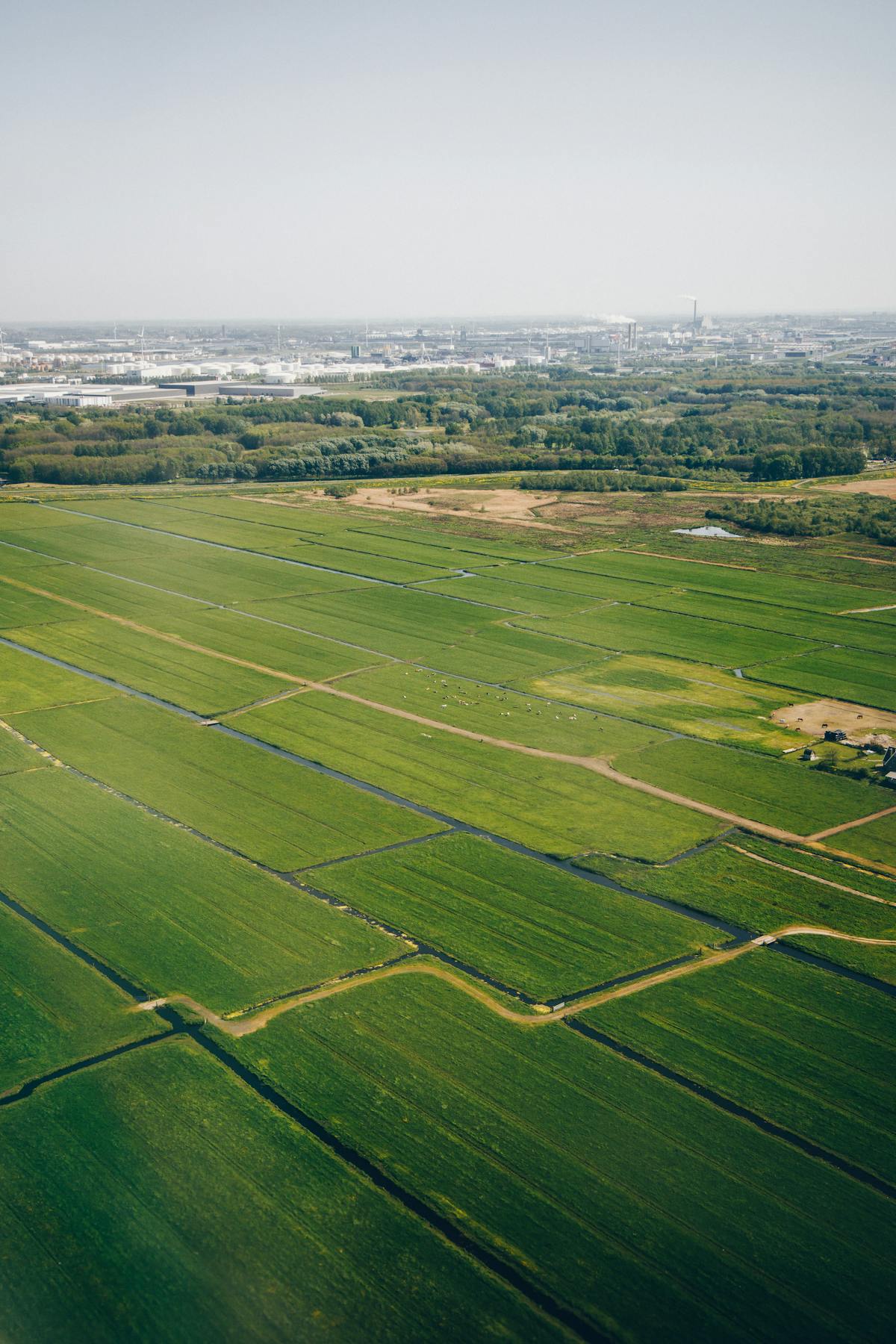
DIY Visit vs. Guided Tour
This is the big question, and there’s no wrong answer — it depends entirely on what you want out of the day.
Going on Your Own
The village itself is free to enter. You just walk in. Individual attractions inside — the windmills, museums, workshops — charge separate admission fees ranging from EUR 5 to EUR 15 each. The Zaans Museum plus Verkade Experience costs EUR 15 and is the most substantial indoor attraction. Individual windmill entry runs EUR 5-6 per windmill. You can easily spend EUR 30-40 on admissions if you want to go inside everything, or nothing at all if you’re content to walk around, photograph the exteriors, and browse the shops.
The advantage of going independently is flexibility. Want to spend two hours in the cheese shop? Go for it. Want to skip the clog workshop and just watch the windmills turn? Also fine. You set the pace, and you can leave whenever you’ve had enough.
Taking a Guided Tour
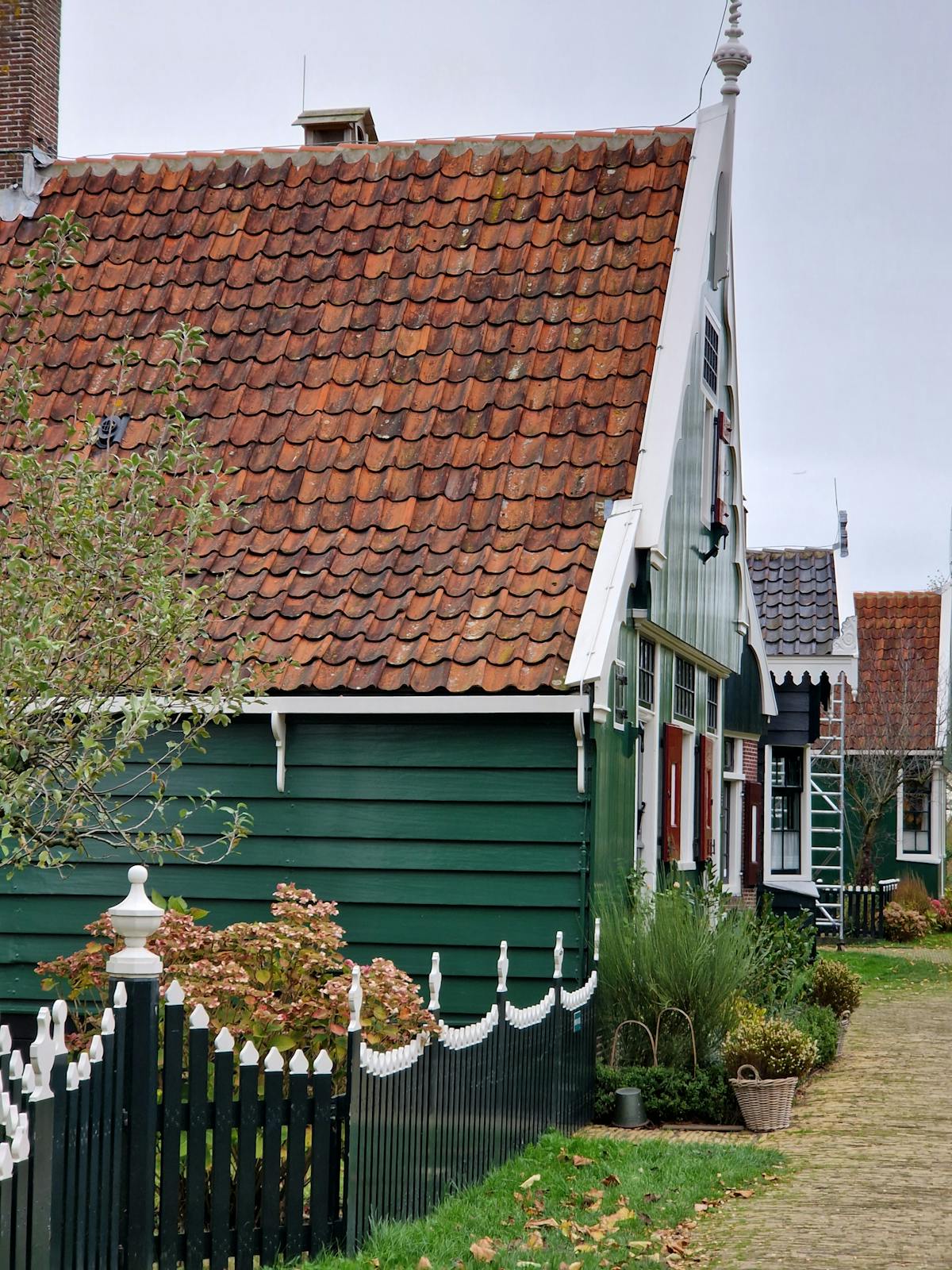
Tours add context that you simply won’t get on your own. A good guide explains which windmill does what, why the houses are painted green (it was the cheapest paint color in the 18th century — Zaan green is still a specific shade), and how the village’s industrial history connects to the Dutch Golden Age. They also handle all the logistics — transport, entrance fees, timing — so you don’t think about anything except looking at windmills and eating cheese.
The guided tours also let you combine Zaanse Schans with other nearby stops. Volendam and Marken — two former fishing villages on the Markermeer lake — are the most common additions. They add a waterfront dimension that Zaanse Schans doesn’t have, and the traditional Dutch costumes you sometimes see in Volendam’s harbor are the real deal, not a show.
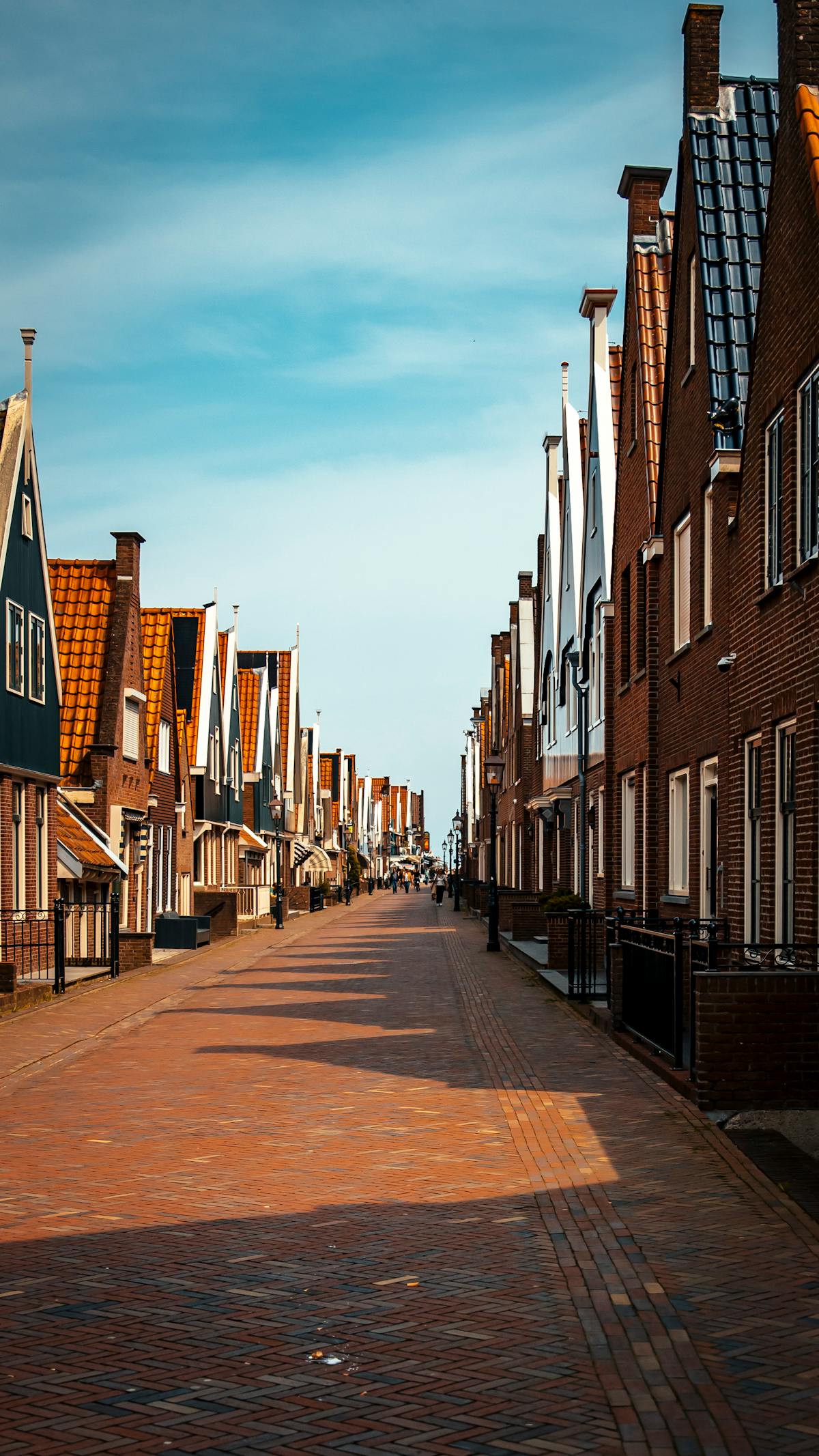
Best Tours to Zaanse Schans
After going through what’s available, these are the tours that consistently deliver. Each one takes a different approach, so pick the one that fits how you like to travel.
Zaanse Schans, Volendam & Marken Day Trip
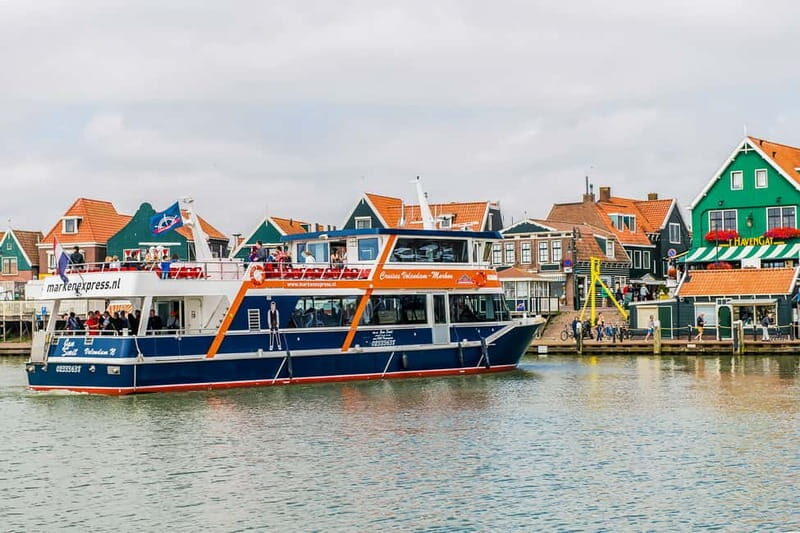
This is the heavyweight. A full day that starts at Zaanse Schans for the windmills and workshops, then moves on to Volendam’s fishing harbor and the island village of Marken. The combination works because each stop feels completely different from the last. You get pastoral countryside, working industry, waterfront charm, and island isolation all in one trip.
The tour runs about 5.5 hours and includes a cheese-tasting stop and a clog demonstration. Transport is by coach, which is comfortable enough and lets you cover more ground than public transit would allow in a single day. Starting from $34 per person, it’s also solid value for the amount of ground covered.
Read full tour details and visitor reviews
Live-Guided Zaanse Schans & Cheese Tasting Tour
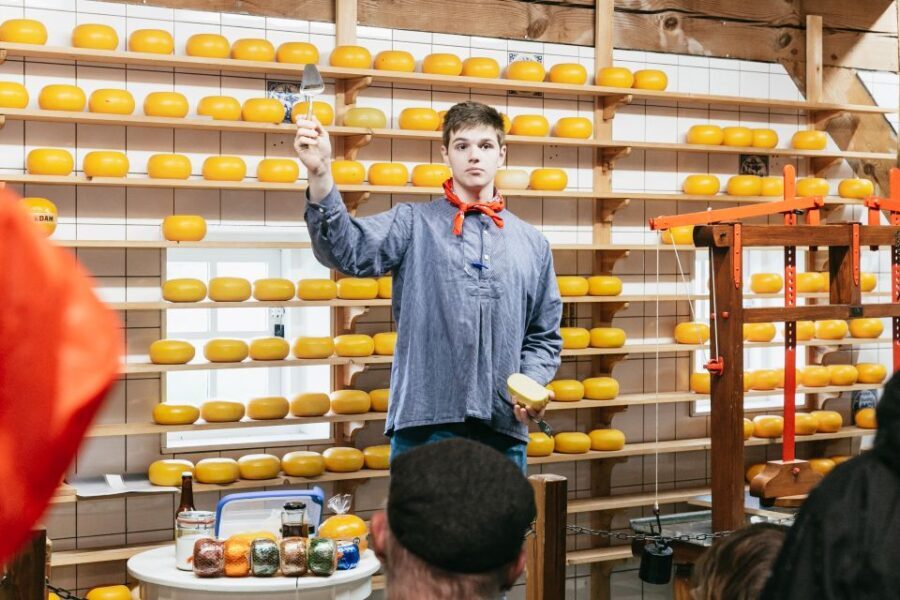
If you don’t want to give up your entire day, this 3.5-hour tour focuses just on Zaanse Schans. A live guide walks you through the village, explains the windmills and their history, and takes you through a cheese-tasting session. No rushed bus rides to other villages — just a focused morning (or afternoon) at the windmill village itself.
At $22 per person, it’s the most affordable guided option and it includes the cheese tasting. The guide makes a real difference here. Walking through Zaanse Schans without context is pleasant enough. Walking through it while someone explains that the green houses were painted with a specific pigment made from copper and vinegar? That’s the kind of detail that turns a nice outing into something you’ll actually remember.
Read full tour details and visitor reviews
Zaanse Schans 3-Hour Small Group Tour
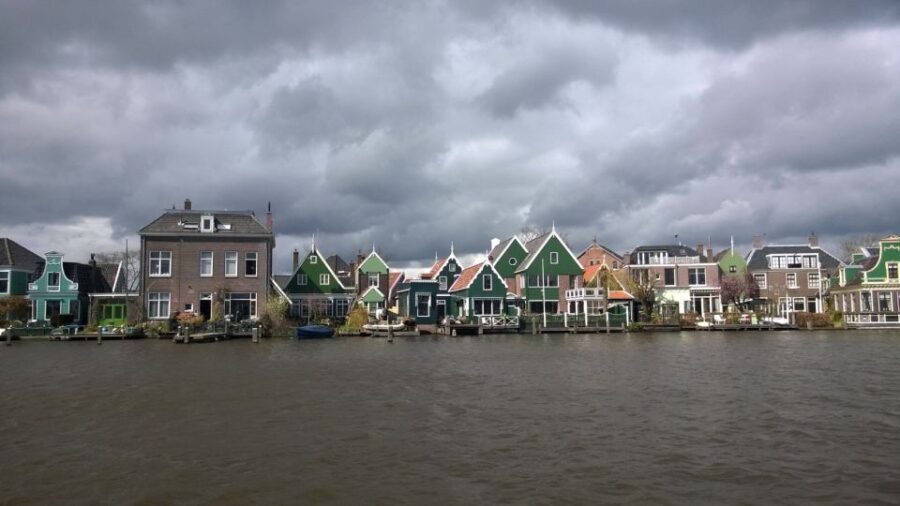
The small-group format changes the whole dynamic. Instead of following a guide through a crowd, you’re part of a tight group where conversation actually happens. The guide can adapt on the fly — spending more time at the windmill that catches the group’s interest, or cutting through a quieter path when the main route gets congested.
Three hours is efficient without feeling rushed. You’ll cover the main windmills, visit a workshop or two, and have some free time to explore on your own. At $50 per person, it costs more than the larger group options, but the intimacy of the experience justifies the premium. If you’re the kind of traveler who asks questions and wants real answers, not scripted responses, this is your tour.
Read full tour details and visitor reviews
Zaanse Schans, Edam, Volendam & Marken Bus Tour
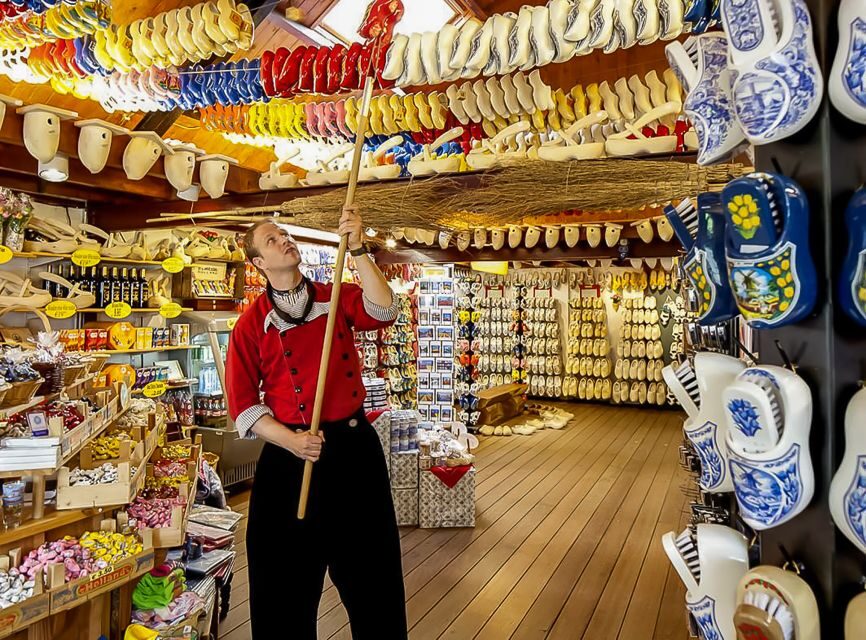
This is the expanded version for people who want to see as much of traditional Holland as possible in a single day. Beyond Zaanse Schans and the Volendam-Marken circuit, it adds Edam — yes, the town that gave the cheese its name. You’ll visit the historic cheese market square and see how the town’s identity is basically inseparable from its round, red-waxed cheese.
Eight hours, four stops, from $32 per person. The trade-off is obvious: less time at each location. You won’t be lingering in any single spot for two hours. But if your Amsterdam trip is short and you want to pack in as much Dutch countryside as possible, this tour covers more ground per dollar than anything else available.
Read full tour details and visitor reviews
When to Visit Zaanse Schans
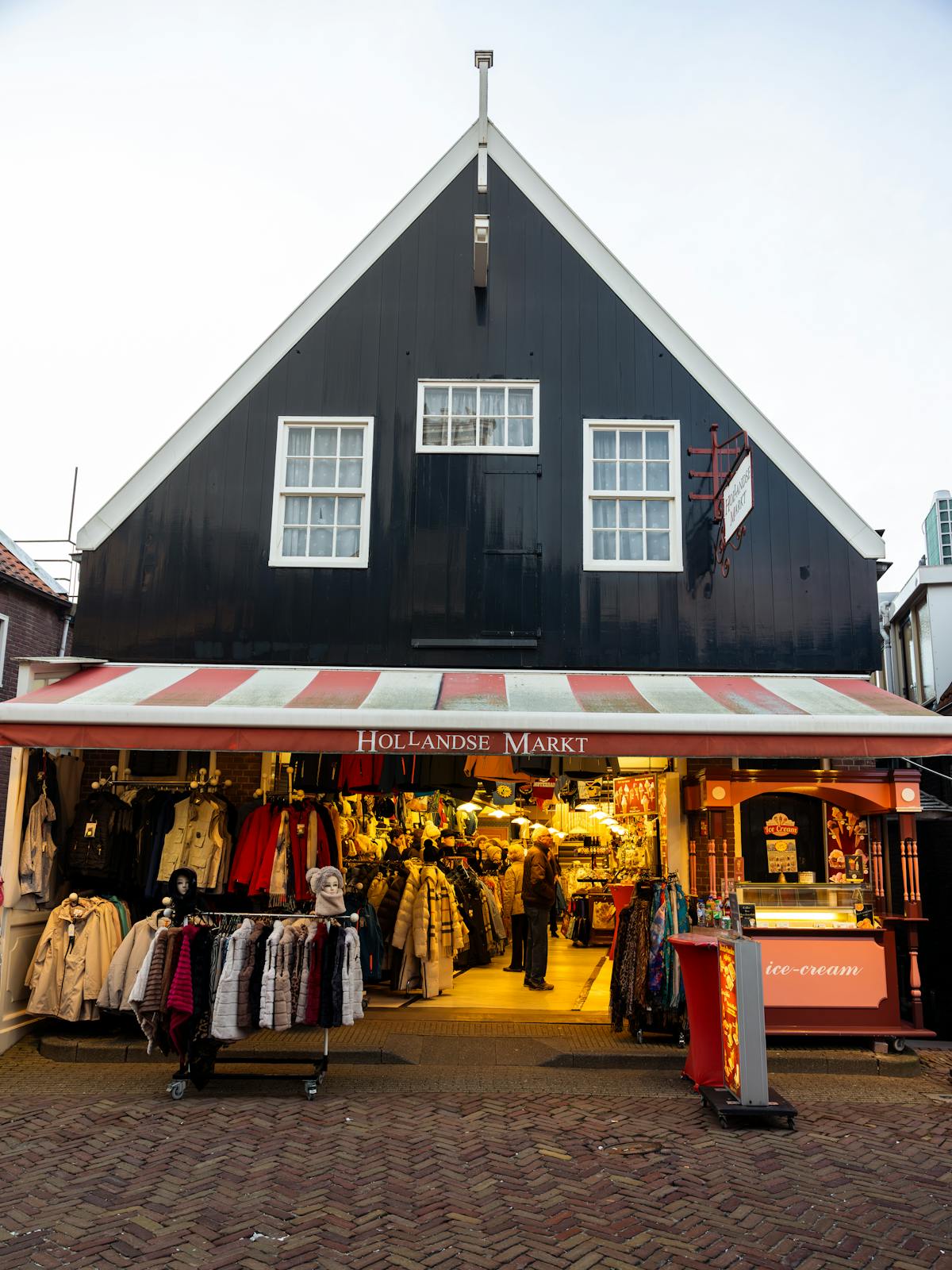
The village is open year-round, but the experience changes dramatically with the seasons.
Spring (April-May) is arguably the best time. The weather is mild, the crowds haven’t peaked yet, and if you time it right you can combine Zaanse Schans with the Keukenhof tulip gardens (which are only open from roughly mid-March through mid-May). The countryside is green and blooming, and the light is soft without being gloomy.
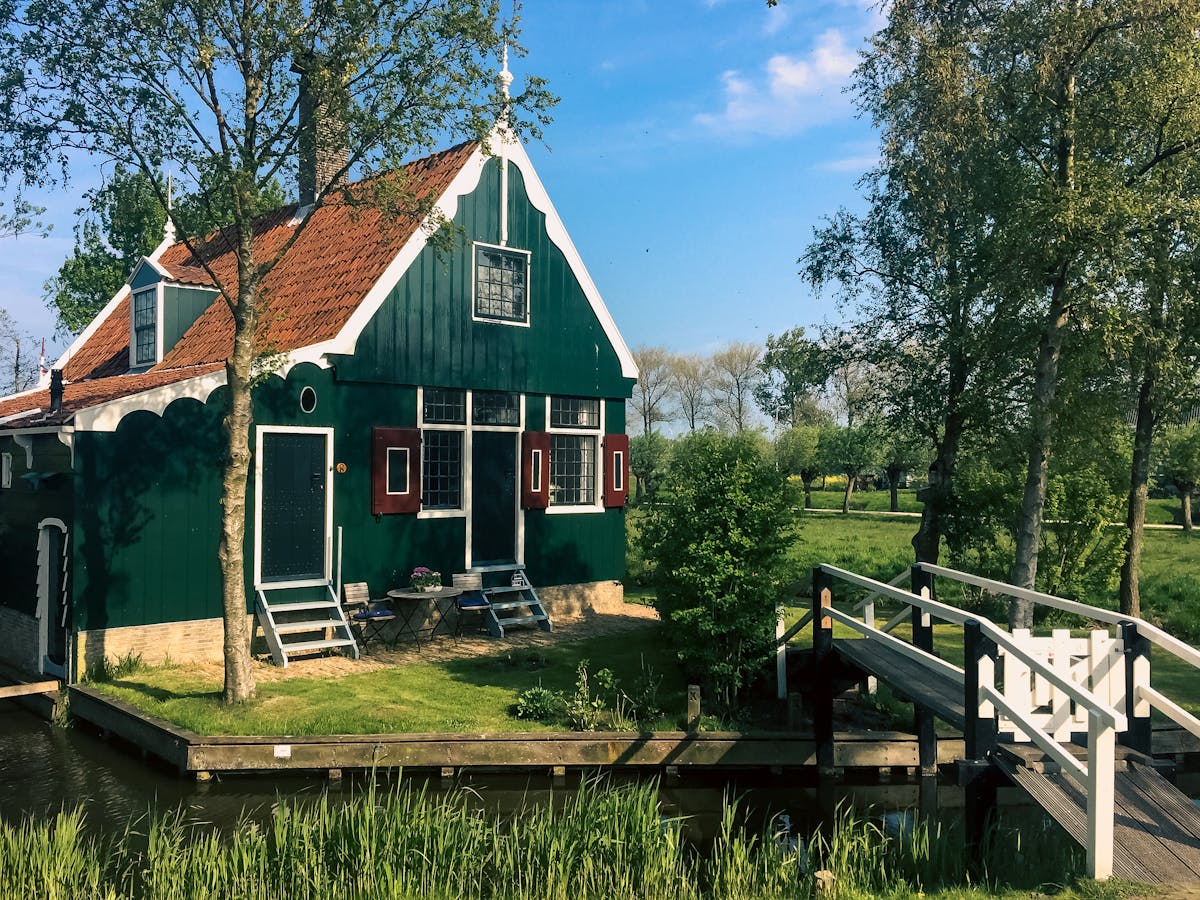
Summer (June-August) brings the longest days and warmest weather, but also the biggest crowds. Tour buses line the parking lot by 10 AM, and the paths between windmills can feel congested by midday. If you’re visiting in summer, arrive early — before 9:30 AM — or come after 3 PM when the bus tours start heading back to Amsterdam.
Autumn (September-October) is underrated. The crowds thin out, the light turns golden, and the surrounding farmland takes on harvest tones. Some workshops may have shorter hours, but all the windmills still operate.
Winter (November-March) is quiet and atmospheric. Mist rising off the Zaan River, frost on the windmill blades, and almost nobody around. A few workshops close or reduce hours, but the village itself is always accessible. If you’re visiting Amsterdam for the winter markets or Light Festival, adding a morning at Zaanse Schans makes for a nice contrast to the city.
Tips for Visiting Zaanse Schans
Budget 3-4 hours minimum. You can technically walk through the village in 45 minutes, but you’d miss the point. Going inside a windmill, watching a clog being carved, tasting six types of Gouda, and having a coffee by the river takes time. If you’re combining with Volendam and Marken on a tour, the operator handles the timing.
Bring cash. Most shops and attractions accept cards, but some of the smaller workshops and market stalls are cash-only. An ATM sits near the entrance, but having EUR 20-30 in your pocket saves hassle.
Wear comfortable shoes. The paths are a mix of cobblestones, gravel, and grass. Heels and flip-flops will make you miserable. The walk from Zaandijk station involves sidewalks and a wooden bridge — flat shoes are all you need.
The Zaans Museum is worth it. Most visitors skip it in favor of the outdoor attractions, but the Verkade Experience inside — a recreated chocolate and biscuit factory from the early 1900s — is genuinely fun. The museum ticket (EUR 15) also includes a multimedia history of the Zaan district that puts everything you see outside into context.
Eat the poffertjes. These tiny Dutch pancakes, dusted with powdered sugar and served with butter, are sold from a stand near the central area. They’re simple, they’re cheap, and they’re one of those foods that’s inexplicably better eaten outdoors next to a windmill than anywhere else.

Zaanse Schans is one of those places where the tourist reputation actually undersells the reality. Yes, there are souvenir shops and photo opportunities and crowds in summer. But there’s also a working sawmill that still cuts timber the way it did 300 years ago, and a spice mill where you can buy freshly ground mustard that’ll ruin you for the supermarket version forever. The combination of living history and commercial charm is honestly hard to find anywhere else this close to a major city.
If you’re spending more than a couple of days in Amsterdam, a half-day at Zaanse Schans pairs naturally with other Dutch experiences. An Amsterdam canal cruise covers the city’s waterways, while the windmill village shows you what Dutch ingenuity looked like before the canals were built. Together, they tell a more complete story than either one alone. And if your visit falls between mid-March and mid-May, the Keukenhof tulip gardens are just 40 minutes south of Amsterdam — a completely different day trip, but one that completes the Dutch countryside trifecta of windmills, waterways, and flowers.
We may earn a small commission from tours and activities booked through the links in this article. This helps us keep the site running and costs you nothing extra. We only recommend tours that real travelers have reviewed and rated highly.
Zaanse Schans makes a natural pair with Keukenhof if you are visiting in spring — windmills one day, tulip fields the next, and both trips start from Amsterdam Centraal. Back in the city, a food tour through the Jordaan or De Pijp introduces you to the Dutch snacks you probably spotted at Zaanse Schans without understanding: stroopwafels pressed fresh, aged Gouda cut from the wheel, raw herring with onions. For the cultural side of Amsterdam, the Rijksmuseum and Van Gogh Museum are both on Museumplein and easy to visit in one afternoon.