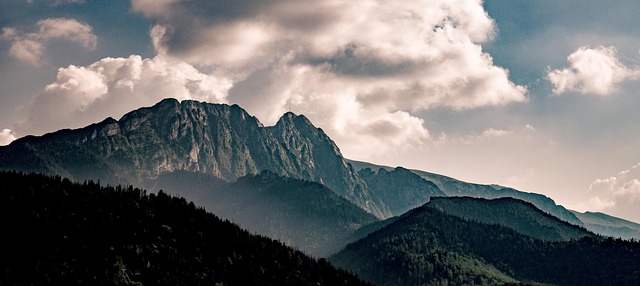
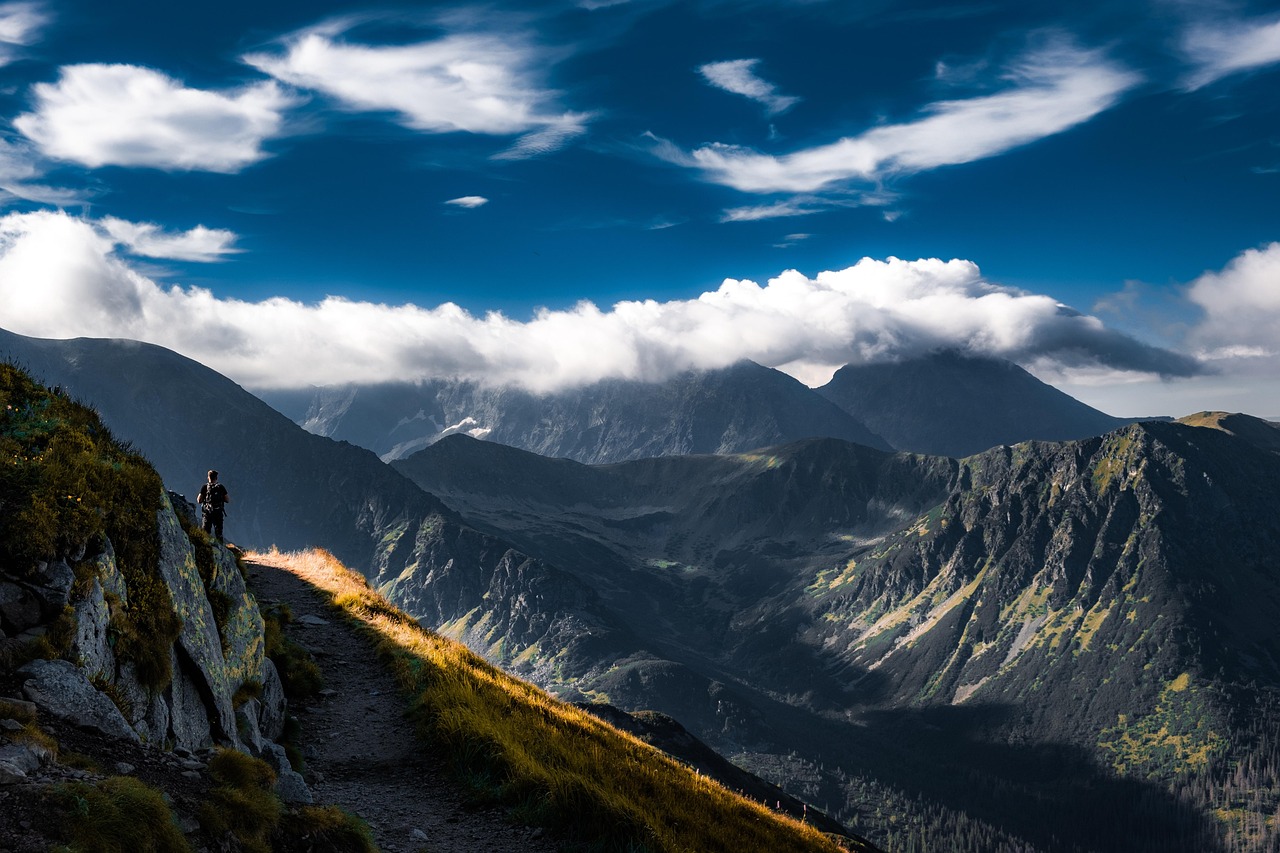
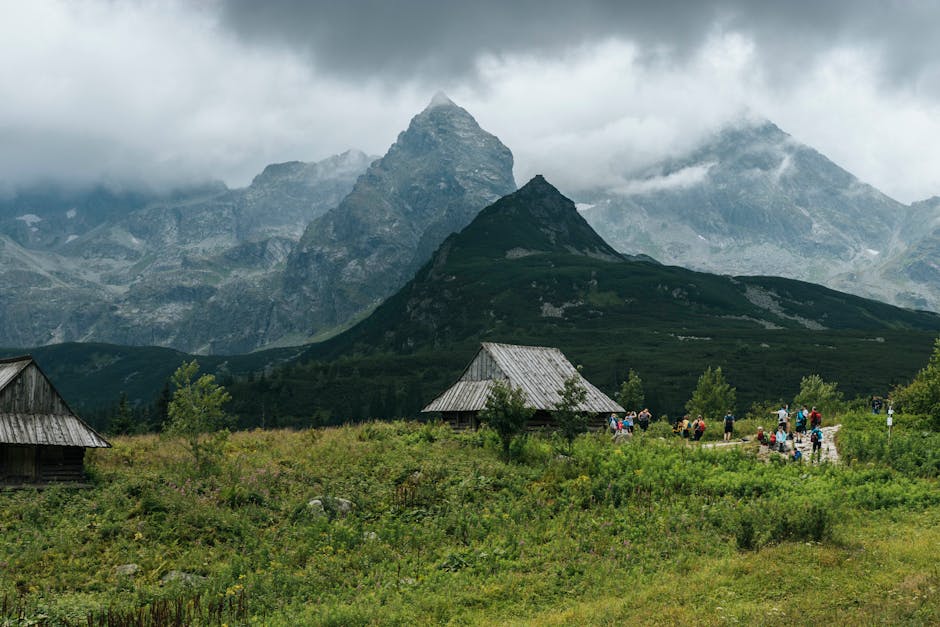
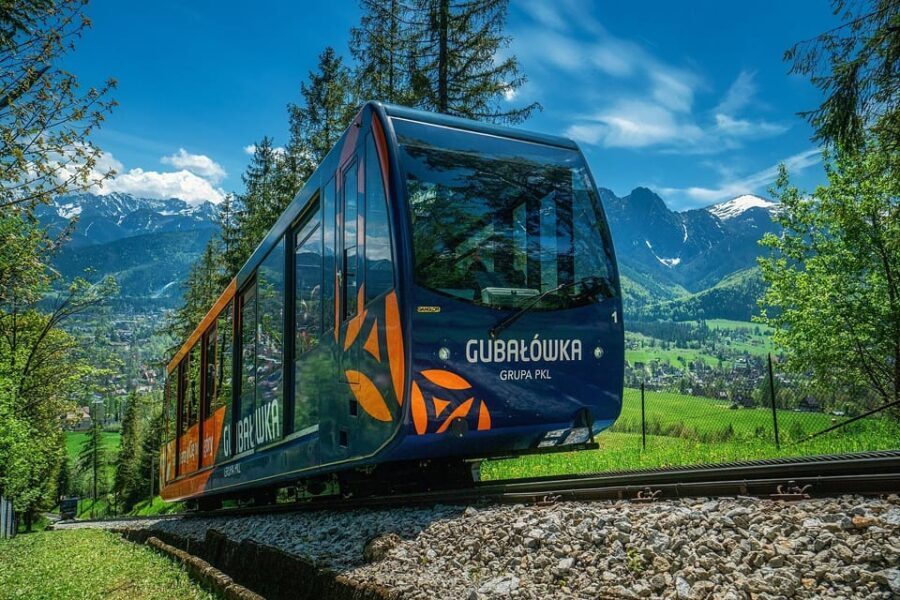
The cable car up Gubalowka was swaying in the wind and I could feel my knees locking. Not from fear, exactly — more from the fact that I’d just spent 90 minutes on a minibus from Krakow eating smoked cheese and sipping vodka at 9 AM, and now I was dangling above the Tatra Mountains in a metal box. But when we reached the top and the view opened up — the entire Tatra range, sharp and snow-dusted, stretched across the horizon like a wall — I forgot about all of it.
That’s Zakopane. Poland’s self-proclaimed “winter capital,” two hours south of Krakow, sitting at 800 metres in the foothills of the Tatras. It’s part ski resort, part highland market town, part thermal bath paradise. And if you’re spending time in Krakow, skipping it would be a genuine mistake.
Best overall: Zakopane Tour with Chocholow Thermal Pools and Cable Car — $54. Full day with thermal baths, cheese tasting, cable car, and hotel pickup. The one most people book, and for good reason.
Best budget: Zakopane Tour with Hot Springs and Cable Car — $16. Same core itinerary at a third of the price. Large group, but hard to argue with the value.
Best for adventure: Snowmobile, Zakopane, and Chocholowskie Baths — $133. Snowmobiling through the foothills before soaking in thermal pools. Winter only, and worth every zloty.
- Getting from Krakow to Zakopane
- How the Day Trip Actually Works
- Official Tickets and What They Cost
- Tours vs Going on Your Own
- The Best Zakopane Tours from Krakow
- 1. Zakopane Tour with Chocholow Thermal Pools and Cable Car —
- 2. Zakopane Tour with Hot Springs and Cable Car —
- 3. Day Tour of Zakopane and Tatra Mountains —
- 4. Snowmobile, Zakopane, and Chocholowskie Baths — 3
- When to Visit Zakopane
- Tips That Will Save You Time and Money
- What You’ll Actually See and Do
- Planning More Poland?
Getting from Krakow to Zakopane
You’ve got three options, and they’re not equally good.
By tour bus (recommended for day trips): All the organised tours include hotel pickup in central Krakow and the drive takes about 2 hours each way. You sleep on the bus, someone else handles navigation, and you hit the ground running when you arrive. The downside? You’re on someone else’s schedule.
By public bus: FlixBus and several Polish operators run the Krakow-Zakopane route for roughly 15-25 PLN (about $4-6). Buses leave from the MDA bus station (Malopolski Dworzec Autobusowy), which is right next to the main train station. Journey takes about 2 hours if traffic cooperates, closer to 2.5 hours on busy weekends. Buy tickets at the station or online through FlixBus.
By train: There’s a direct Krakow Glowny to Zakopane service run by PKP Intercity, but it takes 3.5 hours and the schedule is limited. Honestly not worth it when the bus is faster and cheaper. The train only makes sense if you really love rail travel or want to enjoy the scenery at a slower pace.
By car: About 105 km via the E7/Zakopianka highway. Straightforward drive, but parking in Zakopane is a nightmare during peak season — especially in winter and around holidays. Budget 30-60 minutes just finding a spot.
How the Day Trip Actually Works
Most guided tours from Krakow follow a similar pattern, give or take a stop or two. Here’s what a typical day looks like:
8:00 AM — Pickup from your hotel in Krakow. The guides usually collect from central hotels. If you’re staying outside the Old Town, some tours have meeting points you’ll need to get to yourself.
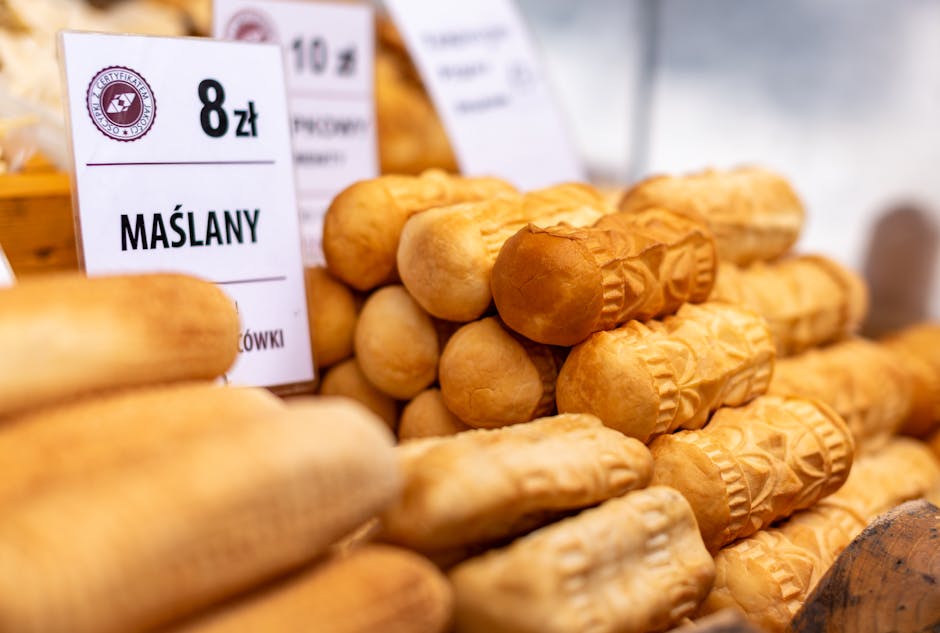
10:00 AM — Cheese tasting stop. This is the highlight most people don’t expect. Somewhere between Krakow and Zakopane, you’ll pull over at a highland farm or roadside stall where they make oscypek — smoked sheep’s cheese shaped like little spindles. They grill it over an open fire and serve it with cranberry jam. Sounds odd. Tastes brilliant. You’ll also get a shot of local mountain vodka if you want one (you want one).
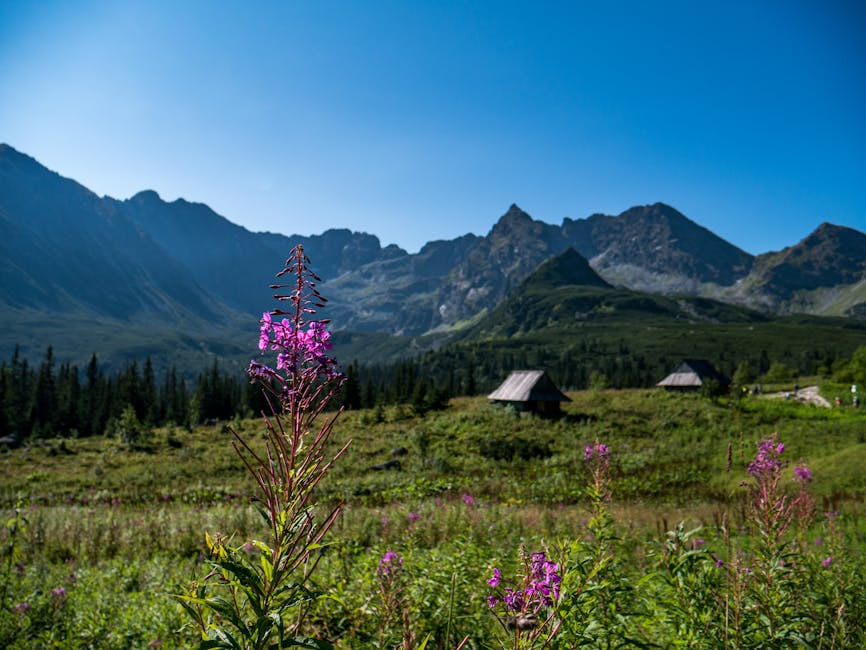
10:30 AM — Gubalowka Hill cable car. A short funicular or cable car ride takes you up to Gubalowka (1,120m), where a viewing platform gives you the full Tatra panorama. There’s a small market at the top selling more oscypek, sheepskins, and souvenirs. Budget 30-45 minutes up here.
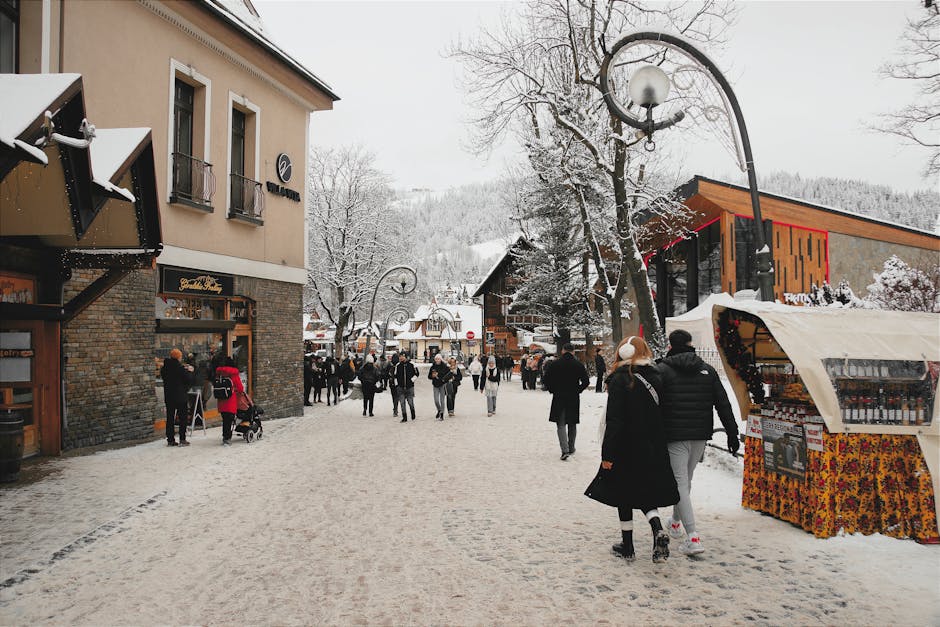
11:30 AM — Free time on Krupowki Street. Zakopane’s main pedestrian street, about 1 km long, lined with restaurants, souvenir shops, and street food vendors. This is where you’ll find grilled oscypek, goulash in bread bowls, and obwarzanki (Polish pretzels). Some tour itineraries give you 1-2 hours here; others just 45 minutes. If you get the choice, push for more time — there’s a lot to see, and the side streets off Krupowki are where the more interesting shops hide.

2:00 PM — Chocholow Thermal Baths. The last stop on most tours, and by that point in the day, you need it. Chocholowskie Termy is the largest thermal bath complex in the Zakopane area — outdoor and indoor pools, temperatures ranging from 30 to 36 degrees Celsius, with full views of the Tatras from the warm water. Entry is usually included in tour packages. Most tours give you 2-3 hours here, which is plenty. Bring your own swimsuit and towel — renting them at the baths costs extra and the rental swimsuits are… not ideal.
5:00-6:00 PM — Return to Krakow. You’ll be back at your hotel around 7 PM, depending on traffic. The Zakopianka highway can be slow on Sunday evenings.
Official Tickets and What They Cost
Zakopane itself doesn’t charge admission — it’s a town, not an attraction. But here’s what individual things cost if you’re going independently:
Gubalowka funicular: About 30 PLN round trip ($7.50). One-way tickets available if you’d rather walk down (it’s a pleasant 30-minute trail).
Kasprowy Wierch cable car: This is the big one — takes you to 1,987m. Around 95 PLN round trip ($24). Very popular; in peak season the queue can be 2-3 hours. You can book time slots online at pkl.pl, and you should. Without a reservation, you might not get on at all during summer weekends or ski season.
Chocholowskie Termy: About 90-120 PLN ($23-30) for 3 hours depending on the day. Weekends and holidays are more expensive. Some tour packages include this, some don’t — always check before booking.
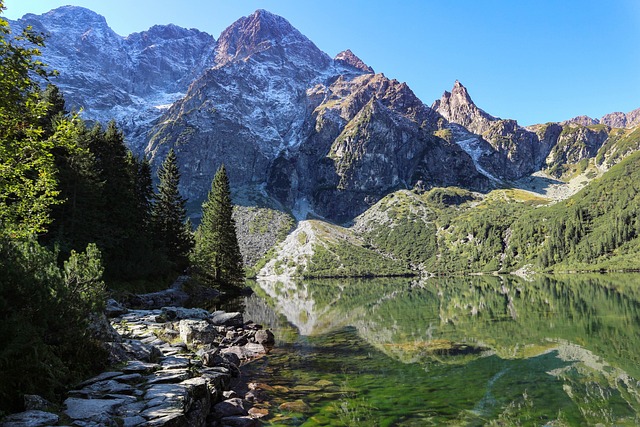
Morskie Oko entry: Tatra National Park entrance fee is 10 PLN ($2.50) per person. But getting to Morskie Oko requires a 9 km hike each way (or a horse-drawn carriage for 70 PLN one-way, 100 PLN return). This is a full-day commitment on its own — don’t try to combine it with a standard Zakopane day trip.
Tours vs Going on Your Own
This depends on your priorities.
Take a guided tour if: You want the easiest possible day. Hotel pickup, guide who handles everything, cheese tasting and vodka stops built in, cable car tickets sorted, thermal baths entry included. You’ll see the highlights and you won’t waste time figuring out bus schedules or parking. Most people doing a day trip from Krakow should just book a tour. The price difference between doing everything yourself (bus tickets + cable car + thermal baths + food) and an all-inclusive tour is often less than $10.
Go independently if: You want to set your own pace, particularly if you’re interested in hiking. Morskie Oko, the famous mountain lake, isn’t included on any standard day tours because it’s a full-day hike in itself. You also get more flexibility with time on Krupowki Street and can explore the backstreets and wooden church district that tours skip.
The Best Zakopane Tours from Krakow
I’ve gone through the available day trips and picked four that cover different budgets and interests. All include hotel pickup in Krakow and run as full-day excursions.
1. Zakopane Tour with Chocholow Thermal Pools and Cable Car — $54
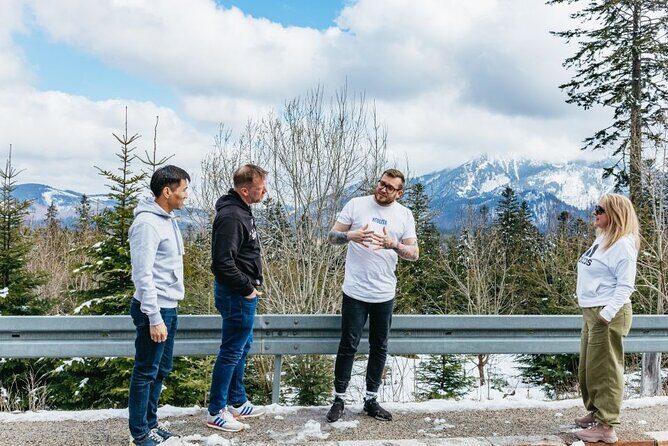
This is the one to book if you want the full Zakopane experience in a single day. The itinerary covers every major draw — Gubalowka cable car, Krupowki Street, the highland cheese and vodka tasting, and finishes with 2-3 hours at the Chocholow thermal baths. It runs about 11-12 hours total, which sounds like a lot, but 4 of those hours are just driving. The guide keeps things moving without rushing you, and the thermal baths at the end are exactly the kind of recovery you need after a day in the mountains.
The $54 price point includes everything — transport, guide, cable car, and bath entry. That’s actually cheaper than buying it all separately, which almost never happens with tours. It’s the most booked Zakopane tour on the market for a reason.
2. Zakopane Tour with Hot Springs and Cable Car — $16
Same core itinerary as the tour above — cable car, Krupowki, cheese tasting, thermal baths — but at a fraction of the price. The catch? It’s a larger group tour, so you’ll share the bus with more people and the stops might feel slightly more rushed. But for $16 per person with hotel pickup included, it’s hard to complain.
The full review covers the exact itinerary, but the short version: you leave Krakow early, get the highlights, soak in hot springs, and you’re back by evening. If you’re travelling on a budget and want to see Zakopane without spending a lot, this is the smart play.
3. Day Tour of Zakopane and Tatra Mountains — $22
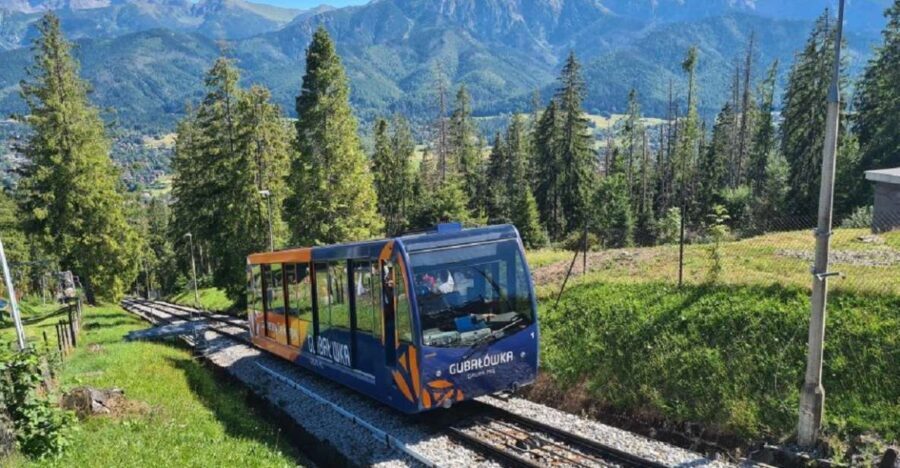
This 9-hour trip skips the thermal baths entirely and focuses on the mountains and the town itself. You get more time at Gubalowka, more time on Krupowki Street, and a better cheese tasting experience because the guide isn’t racing to get to the next stop. At $22 it’s affordable and it’s the right choice if you don’t care about thermal pools (or if you’ve already been).
The trade-off is obvious — no bath means the day feels slightly less “complete.” But if you’d rather spend an extra hour wandering Zakopane’s side streets and ducking into the wooden chapel district, this gives you the breathing room to do it. A solid nature-focused alternative.
4. Snowmobile, Zakopane, and Chocholowskie Baths — $133
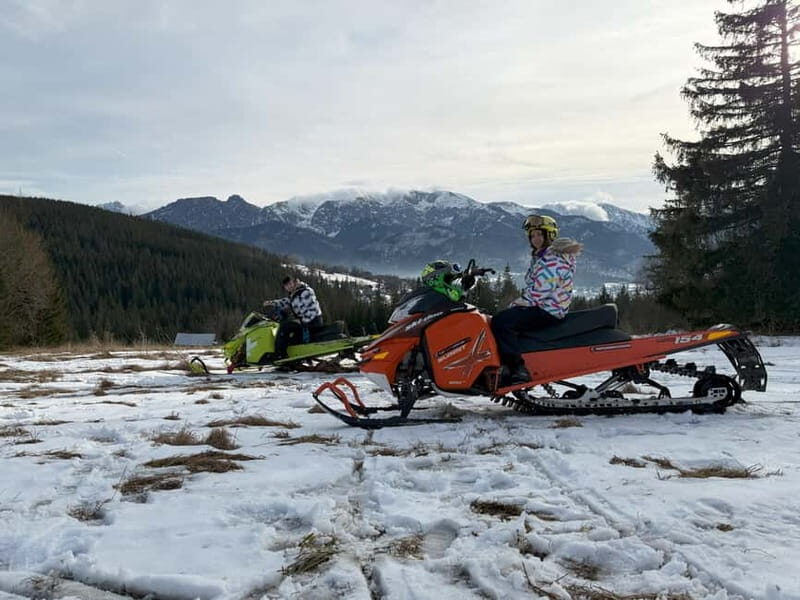
This is the premium pick for winter visitors. Same thermal bath finish, same cheese tasting, but instead of a cable car you’re blasting through the foothills on a snowmobile. It’s genuinely fun — the kind of thing you book when you want to come back with stories, not just photos. The $133 price tag is the highest on this list, but the snowmobile rental alone would cost you 200+ PLN if you organised it yourself.
This runs from roughly December through March, depending on snow conditions. Summer visitors won’t find this one available, so don’t even look for it outside of winter. If it is running during your visit and you can afford it, this is the standout experience. Our review has the full winter breakdown.
When to Visit Zakopane
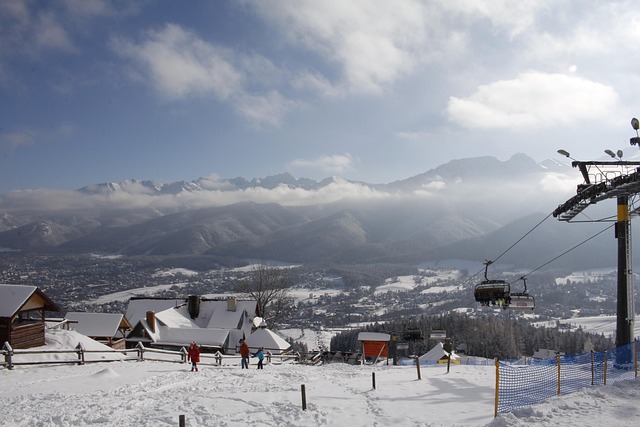
Zakopane works year-round, but the experience changes dramatically by season.
Winter (December-March): Peak season. Skiing, snowboarding, snowmobiling, and thermal baths are at their best when there’s snow on the ground. Krupowki Street looks straight out of a Christmas film. Temperatures regularly drop to -10 or -15 degrees Celsius, so dress properly — multiple layers, waterproof boots, gloves. The downside: crowds. Weekends between Christmas and mid-January are packed, and parking is nearly impossible.
Spring (April-May): The shoulder season sweet spot. Snow starts melting at lower elevations, wildflowers begin appearing, and the travelers haven’t arrived yet. March is still properly cold. By May, you can hike lower trails comfortably in a light jacket. The Kasprowy Wierch cable car sometimes closes for maintenance in spring — check pkl.pl before planning around it.
Summer (June-August): Hiking season. The Tatras are stunning in summer and trails like the Morskie Oko route are accessible to anyone in decent shape. Temperatures are pleasant — 15 to 25 degrees Celsius depending on altitude. But weekends get crowded, especially in August. Early morning starts beat the crowds on popular trails.
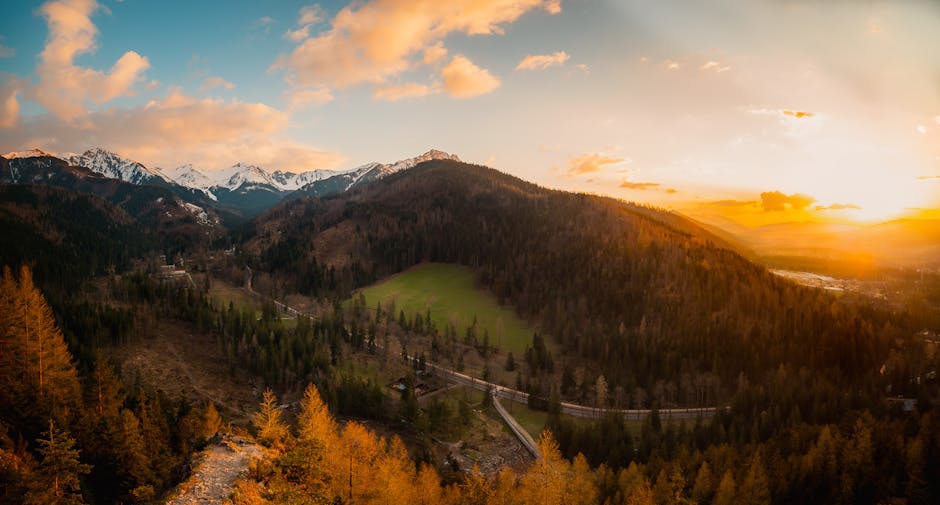
Autumn (September-November): The forest turns gold and amber, the air is crisp, and the thermal baths feel even better when it’s cold outside but not yet freezing. October is arguably the most photogenic month. By November it gets properly cold again and some facilities start closing for the off-season.
Tips That Will Save You Time and Money
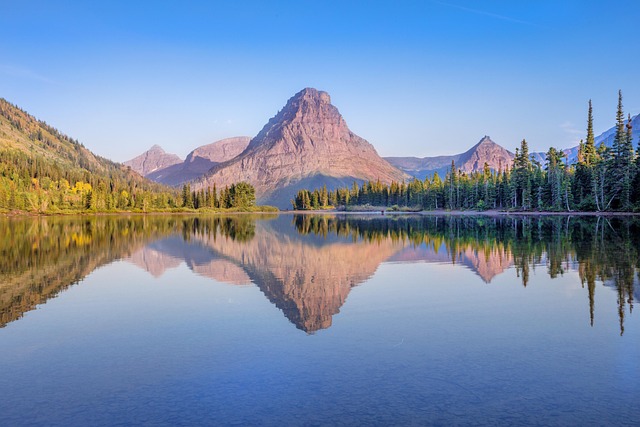
Book the Kasprowy Wierch cable car online. Seriously. The queues at the station can stretch to 3 hours in peak season. An online booking at pkl.pl lets you pick a time slot and skip the worst of it.
Bring your own swimsuit and towel. Renting at the Chocholow thermal baths is overpriced and the selection is limited. Just pack them in your day bag.
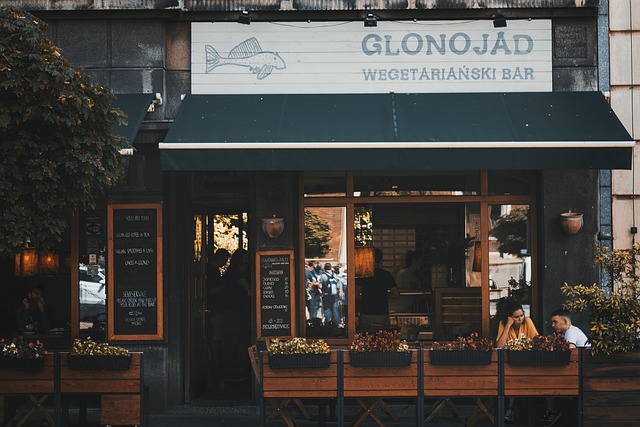
Eat on Krupowki’s side streets. The restaurants on the main strip charge tourist prices. Walk one block off Krupowki and the same food costs 30-40% less. The place to look for is any restaurant with handwritten daily specials — that’s usually a good sign.
Cash is still useful. Most places accept cards, but some of the smaller street food vendors, the oscypek sellers outside Gubalowka, and the horse-drawn carriage operators at Morskie Oko are cash-only. ATMs are available on Krupowki.
Pack layers, not one big coat. The temperature difference between the bus, the cable car summit, Krupowki Street, and the thermal bath changing rooms can be 30+ degrees. Layers let you adjust; a single heavy jacket doesn’t.
Don’t try to combine Zakopane and Auschwitz in one day. I’ve seen itineraries suggesting this and it’s a terrible idea. Both deserve a full day. They’re in opposite directions from Krakow, and you’ll be exhausted by lunchtime. Do them on separate days.
What You’ll Actually See and Do
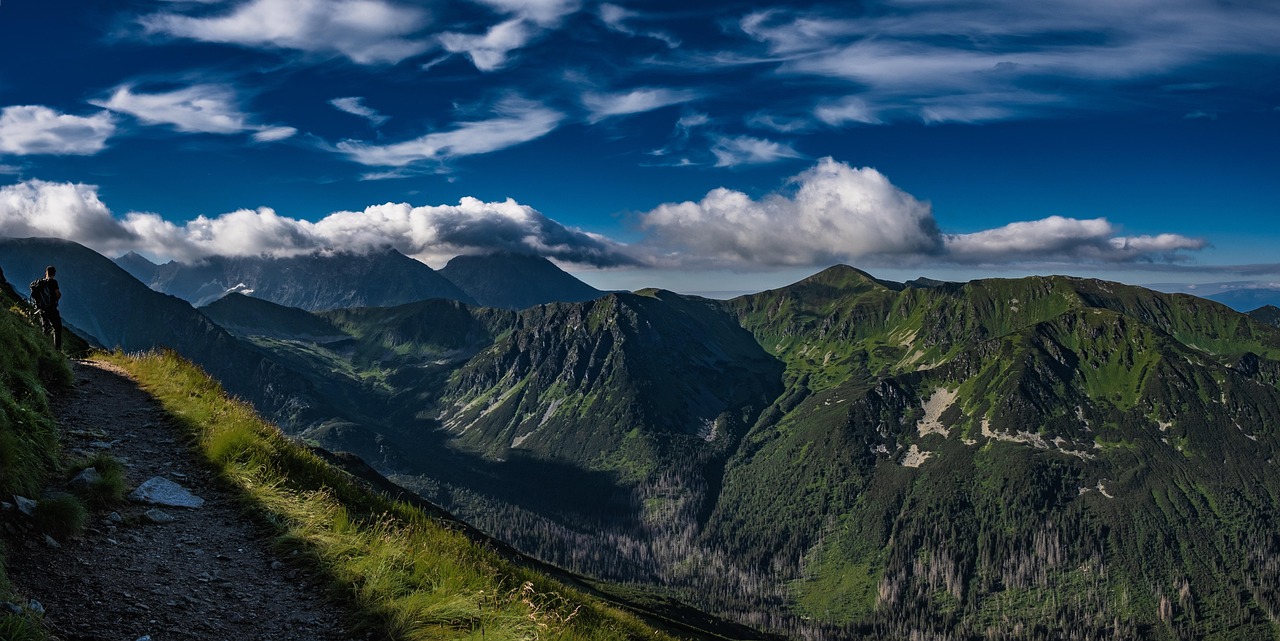
Zakopane’s charm is in the details. Beyond the cable cars and thermal pools, there’s a surprisingly rich culture here.
The town has a distinctive architectural style — carved wooden buildings with pointed roofs, designed by a 19th-century architect named Stanislaw Witkiewicz who essentially invented the “Zakopane style” by combining highland building traditions with art nouveau influences. You’ll see it everywhere, from the Villa Koliba museum to the shops on Krupowki. The Jaszczurowka Chapel, about 2 km from the town centre, is the finest example — entirely wooden, with carved details inside and out.
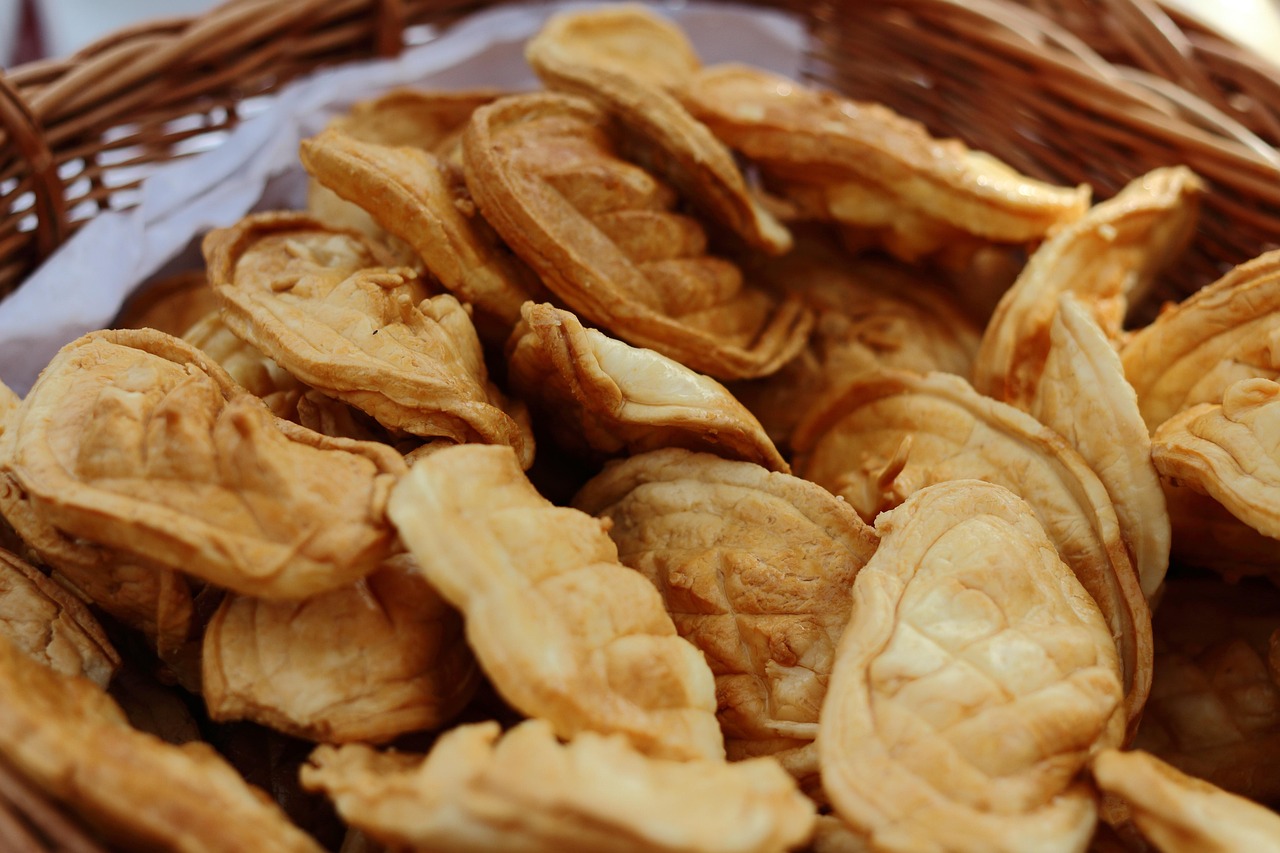
Then there’s the food. Beyond oscypek, look for moskole (potato pancakes made with flour and served with sour cream), kwasnica (sour cabbage soup with smoked pork, the highland version of zurek), and kwasniak (a sour sheep’s milk drink that’s an acquired taste but worth trying once). If you want something sweet, grilled oscypek drizzled with cranberry jam and sprinkled with icing sugar is essentially a mountain dessert.
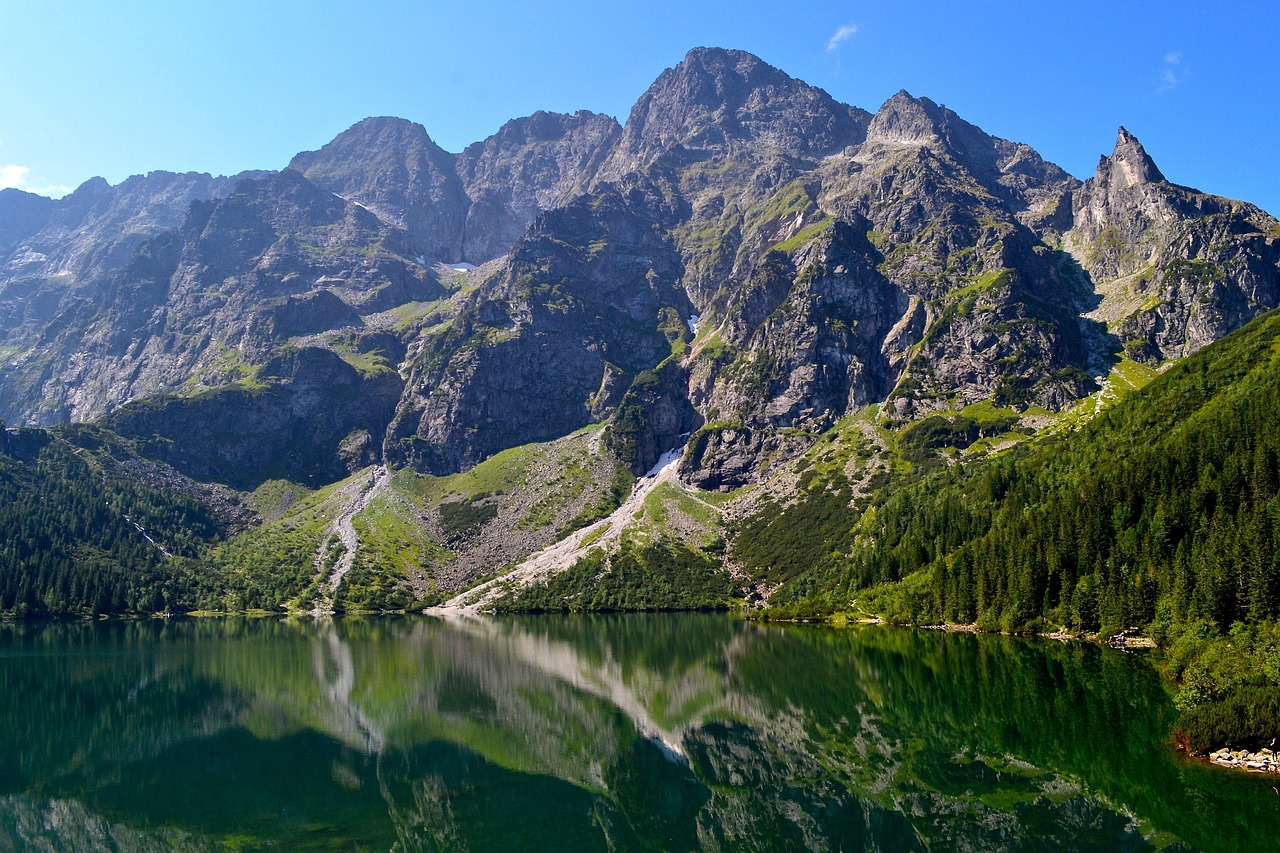
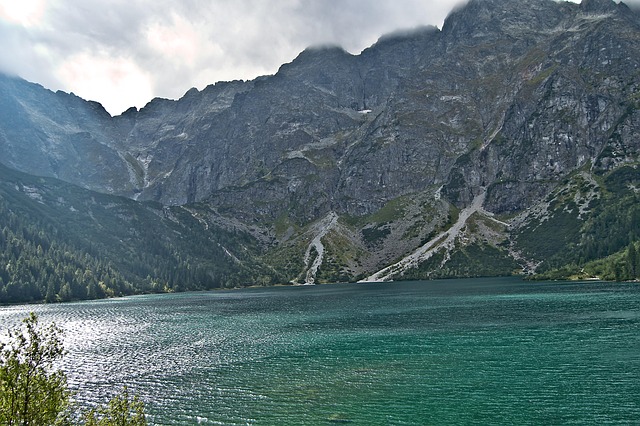
Morskie Oko deserves special mention even though it’s not part of the standard day trip. This glacial lake at 1,395 metres is considered one of the most beautiful lakes in Europe, and the 9 km trail from the road is relatively flat and manageable. But it’s a full day on its own — 3-4 hours of walking round trip, plus time at the lake. If this is a priority, consider staying overnight in Zakopane rather than doing a day trip.
Planning More Poland?
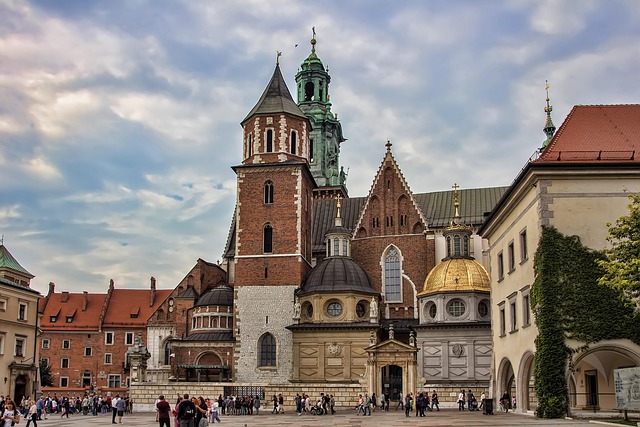
Krakow is perfectly positioned for some of the best day trips in Central Europe. If you haven’t already, visiting Auschwitz from Krakow is something most people build into their trip — our guide covers the booking process, tour options, and what to expect. Back in the city, Wawel Castle is the one attraction that rewards a bit of advance planning — the ticket system splits the hilltop into separate exhibitions, and the most popular ones sell out by mid-morning in summer. For something completely different, a Vistula River cruise gives you the castle, the dragon statue, and the Podgorze riverbank from the water, and the evening departures are particularly good when the floodlights come on. Schindler’s Factory is another timed-entry museum that books up fast, and the exhibition on Krakow under occupation pairs powerfully with the Auschwitz visit if you space them a day apart. Between Zakopane, Auschwitz, and the city itself, three days in Krakow fills itself without you having to try.