

The Inca Bridge Qeswachaka Tour: An Authentic Day in the Cusco Region
If you’re short on time but craving an authentic Peruvian experience that combines history, nature, and a touch of adventure, the Qeswachaka Inca Bridge tour is an excellent choice. For just $65, you’ll spend about six to seven hours exploring some of the most picturesque spots south of Cusco, culminating in the chance to see the last surviving Inca bridge. With a departure time early in the morning, this trip is tailored for travelers who want a genuine taste of Andean culture without sacrificing multiple days.
What we love about this tour is the combination of spectacular landscapes—from lagoons to volcanoes—and the unique opportunity to cross a bridge made of vegetable fiber (Ichu), which has been maintained through centuries. Plus, the visit to the colonial Inca bridge of Checacupe offers a fascinating contrast to the ancient Inca construction. However, be prepared for an early start and some physical demands if you decide to cross the bridge yourself. It’s best suited for those who appreciate nature, history, and local traditions, and who enjoy a modest adventure in a small group setting.
Key Points
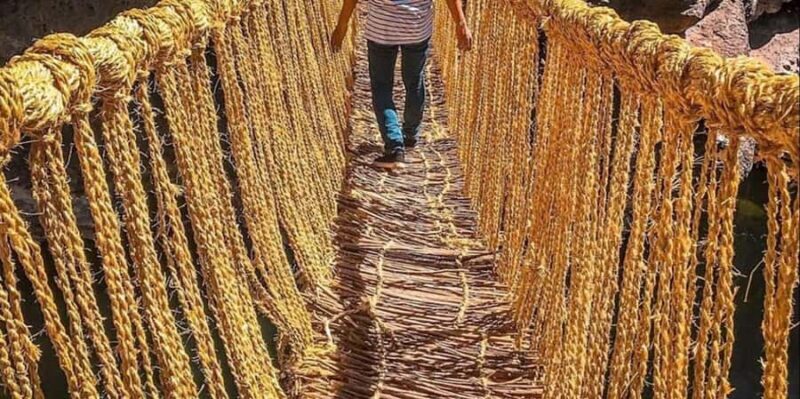
- Unique Experience: Cross the last surviving Inca bridge made of Ichu, a vegetable fiber.
- Stunning Scenery: Enjoy views of lagoons, volcanoes, and the Apurimac River.
- Cultural Insight: Witness local rituals of respect and gratitude during the bridge’s annual maintenance.
- Authentic Local Flavor: Includes traditional meals and opportunities to see how local communities preserve their heritage.
- Small Group: Limit of 10 participants ensures personalized attention.
- Early Start: Pickup at 5 a.m. means an early but rewarding day out of Cusco.
A Deep Dive into the Qeswachaka Experience
While in Cusco, here are other experiences we've covered
Starting the Day: Early Mornings and Scenic Drives
We begin our adventure with a hotel pickup in Cusco at 5:00 a.m. — yes, it’s early, but that’s part of the charm. After a nearly two-hour drive south, the landscape shifts dramatically from the urban sprawl of Cusco to the tranquil beauty of lagoons. As we approach the four lagoons, there’s a peaceful ambiance that encourages us to pause and enjoy the scenery, often described as both serene and photogenic.
Our guide, who is bilingual in English and Spanish, shares intriguing stories about the lagoons and the surrounding terrain, adding context that makes the views more meaningful. These lagoons are a favorite for many travelers, with some noting, “We loved the quiet moment near the lagoons—it’s like stepping into a painting.”
Visiting the Pabellones Volcano
Next, we visit the small volcano of Pabellones, located near Yanaoca. While not massive or erupting, it adds a volcanic touch to the landscape, and the views from here are surprisingly impressive despite its modest size. This stop provides a nice break from the drive and a chance to stretch and take photos of the rugged terrain.
The Highlight: The Last Inca Bridge of Qeswachaka
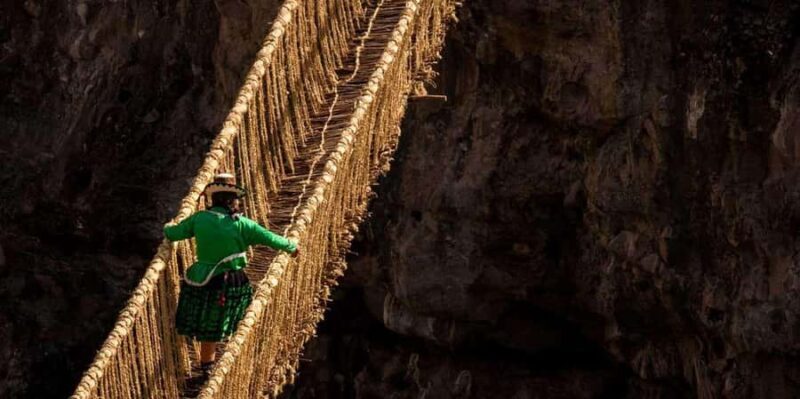
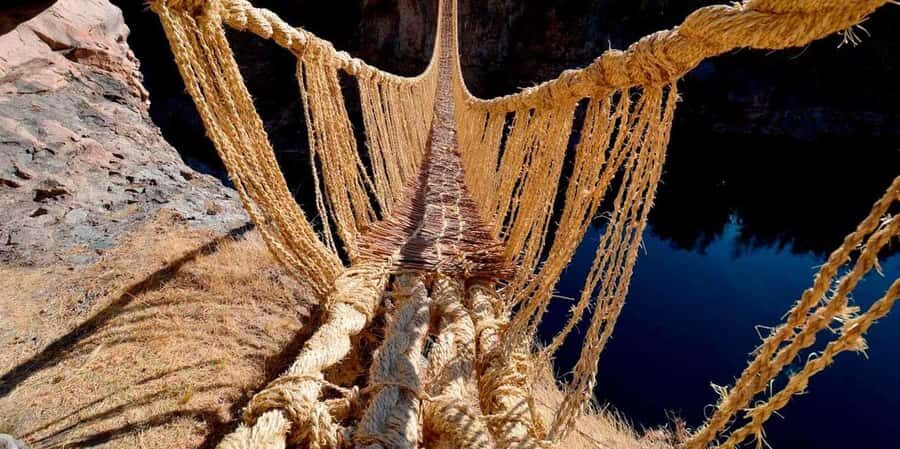
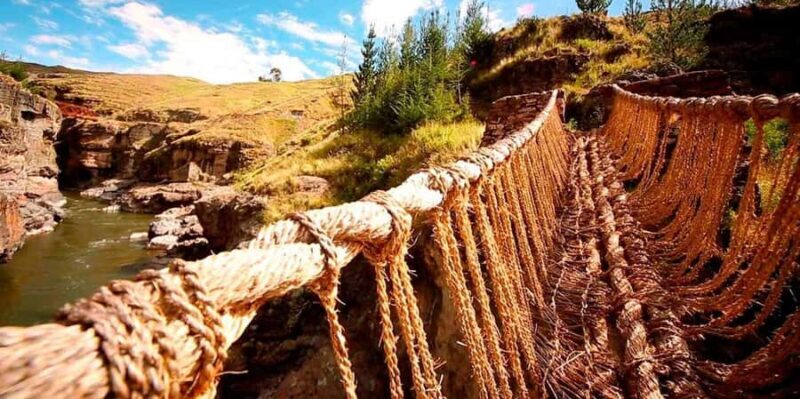
Finally, we arrive at Qeswachaka, the highlight of the tour. This hanging bridge, dating back to Inca times, stretches over the Apurimac River. It’s made entirely of Ichu—a type of vegetable fiber—which gives it a rustic, authentic feel. The sight of it swinging gently in the breeze is both humbling and fascinating.
What makes this experience special is the annual maintenance ritual performed by local communities from four surrounding villages. They gather to replace the fiber, offering a small ritual of respect and gratitude to Pachamama (Mother Earth). We observe this respectful tradition, which adds a layer of authenticity often missing from more commercialized sites.
More Great Tours NearbyCrossing the Inca Bridge: A Test of Courage
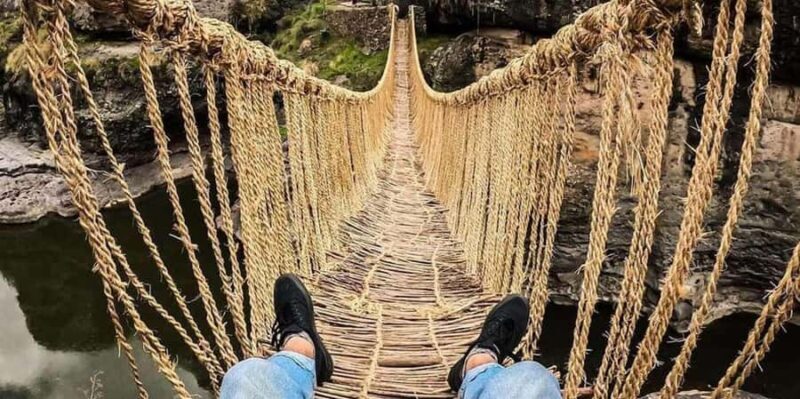
Visitors are given the option to cross the bridge from both sides. It’s not overly difficult, but it’s a test of nerve. The bridge sways with every step, and it feels surprisingly sturdy given its rustic appearance. Many travelers find it both thrilling and humbling, a visceral connection to the Inca’s engineering prowess.
One traveler noted, “It looks easy, but you really need a bit of courage to cross—once you’re on it, the views are incredible.” For some, it’s an unmissable highlight; for others, a moment to observe and admire from the side. Either way, it’s a chance to stand in the footsteps of the Incas and appreciate their ingenuity.
While you're exploring Cusco, here are other experiences we've looked into
- From Cusco: Vinicunca Rainbow Mountain ATV Tour with Meals
- Lagoon Humantay. Full Day Tour with Breakfast and Lunch
- Archaeological City Tour in Cusco Promotional Price
- Arequipa: City Tour with Scenic Route and Outlet Shopping
- 4-hour excursion: Sillar Route with hiking in Culebrillas
- Arequipa: Guided Walking Tour of the White City
Comparing with Checacupe’s Colonial Inca Bridge
On the way back, the tour makes a quick stop at the colonial Inca bridge of Checacupe. Comparing the ancient Inca bridge of Ichu with the more modern, colonial version, you’ll notice differences in construction style and materials, illustrating how local architecture evolved.
Many find this comparison fascinating, as it provides a visual timeline of local engineering and cultural shifts.
Return Journey and Final Impressions
The trip concludes around 5 p.m. in Cusco. Travelers often leave with a sense of having glimpsed an ancient tradition that’s still alive today—something not often experienced during typical city tours.
Pricing and Value
At $65 per person, the tour offers good value for the experience. It includes round-trip transportation, a bilingual guide, breakfast, lunch, and safety equipment like a first aid kit and oxygen. However, the entrance fee to the Qeswachaka Inca Bridge isn’t included, and travelers should budget a little extra for that.
Given the scenic beauty, cultural insights, and the chance for an authentic hands-on experience crossing the bridge, many consider this a worthwhile investment—especially for those who prefer a smaller, more intimate group.
Practical Tips for Travelers
- Arrive early: The tour starts promptly at 5 a.m., so plan your morning accordingly.
- Dress comfortably in layers—early mornings can be chilly, but it warms up later.
- Prepare for some physical activity: crossing the bridge requires a bit of balance and nerve.
- Bring cash for the entrance fee and any extra snacks or souvenirs.
- Photography: This is a picture-perfect trip, so pack your camera or smartphone with extra batteries.
Who Will Love This Tour?
This experience is best suited for adventurous travelers who enjoy natural scenery and are curious about authentic local traditions. It’s perfect if you want a shorter day trip that combines history, culture, and a dose of adrenaline. Not ideal if you’re looking for a very relaxed, leisurely experience or have mobility issues, as crossing the bridge isn’t for everyone.
Travelers who appreciate beautiful landscapes, local rituals, and historic engineering will find this tour both meaningful and memorable. It’s an excellent choice for those wanting to see something genuinely unique, away from crowded tourist spots.
Frequently Asked Questions
How long is the tour?
The entire trip lasts about six to seven hours, with pickup at 5 a.m. and return around 5 p.m.
What’s included in the price?
Transportation, a bilingual guide, breakfast, lunch, and safety equipment like a first aid kit and oxygen are included.
Do I need to pay the entrance fee?
Yes, the entrance fee to the Qeswachaka Inca Bridge isn’t included, so be prepared to pay that separately.
Is the crossing of the bridge difficult?
It’s manageable for most; the bridge sways but is sturdy. It requires some balance and courage, but many travelers find it rewarding.
Can I just watch and not cross the bridge?
Absolutely. You can choose to observe from the side if crossing isn’t comfortable for you.
Are there any physical challenges?
Yes, the early start, walking, and crossing the bridge require a moderate level of physical activity.
What should I wear?
Layers are best—think comfortable shoes, a hat, sunglasses, and sunblock.
Is this experience suitable for children?
It depends on the child’s comfort with heights and balance. Check with your group and guide beforehand.
How do I reserve?
Booking is simple through the provider, Latitudes, with options to reserve now and pay later.
Can I cancel if my plans change?
Yes, cancellations are free up to 24 hours in advance.
Final Thoughts
The Qeswachaka Inca Bridge tour offers a rare glimpse into an authentic Inca tradition that has persisted into the modern day. It combines breathtaking landscape views, a hands-on cultural experience, and a dash of adventure that many travelers find both inspiring and fun.
For those who love the outdoors, appreciate history, and want to see a living piece of Inca ingenuity, this tour balances value and authenticity beautifully. It’s a short but memorable way to connect with Peru’s rich heritage, all within a small-group setting that feels personal and genuine.
Whether you’re a history buff, a nature lover, or simply looking for a different kind of day out of Cusco, the Inca Bridge Qeswachaka tour is well worth considering—just don’t forget your camera and a little courage!
You can check availability for your dates here:More 1-Day Tours in Cusco
- Cusco One Day: Tour Rainbow Mountain & Red Valley opcional
- from Cusco:7 Lagoons of Ausangate Hiking Day Trip with Lunch
- From Cusco: Rainbow Mountain 1 Day + Breakfast and Lunch
- Uros, Taquile 1 day from Cusco with drop-off in Puno
- Cusco: Palcoyo Mountain Day Trip with Breakfast and Lunch
- Uros, Taquile 1 day from Cusco with drop-off in Puno
More Tour Reviews in Cusco
- Cusco One Day: Tour Rainbow Mountain & Red Valley opcional
- From Cusco: Full-Day Tour to Machu Picchu, Panoramic Route
- Cusco: Classic Inca Trail 4-Day Trek to Machu Picchu
- Cusco: Ausangate – 7 Lakes Hike
- Private Tour: ANDEAN TRILOGY – Temple of the Moon Amaru Markawasi
- Half Day: Panoramic Tour of Cusco + Show – Group Tour
More Cusco experiences we've covered
- Cusco One Day: Tour Rainbow Mountain & Red Valley opcional
- From Cusco: Full-Day Tour to Machu Picchu, Panoramic Route
- Cusco: Classic Inca Trail 4-Day Trek to Machu Picchu
- Cusco: Ausangate – 7 Lakes Hike
- Private Tour: ANDEAN TRILOGY – Temple of the Moon Amaru Markawasi
- Half Day: Panoramic Tour of Cusco + Show – Group Tour
- Excursion to the Inca Bridge of Queswachaka | Private Tour |
- Huayopata | Prívate Chocolate Tour
- Cusco Tourist Card
- Ayahuasca Retreat 2 Days in Cusco
- Best of Cusco: Night Tour, Pisco Sour Lessons, and Dinner
- Excursion from Cusco: Humantay Lake 2 Days