
This article contains affiliate links. If you book through these links, I earn a small commission at no extra cost to you.
The short answer is yes, Croatia is very safe. The longer answer is that it is one of the safest countries in Europe for travelers, and safer than most places Americans, Brits, or Australians travel to regularly. Violent crime against travelers is essentially unheard of. Petty crime exists but at lower rates than in most Western European cities. The biggest risks you face in Croatia are sunburn, overpriced fish, and twisting an ankle on wet limestone.
But people ask anyway, and they ask for understandable reasons. The Balkans have a reputation that still lingers from the 1990s wars, and Croatia was part of that. It has been three decades since the Croatian War of Independence ended, and the country has since joined the EU, adopted the euro, and become one of the most visited destinations in the Mediterranean. The war is history. The safety record since then has been excellent.
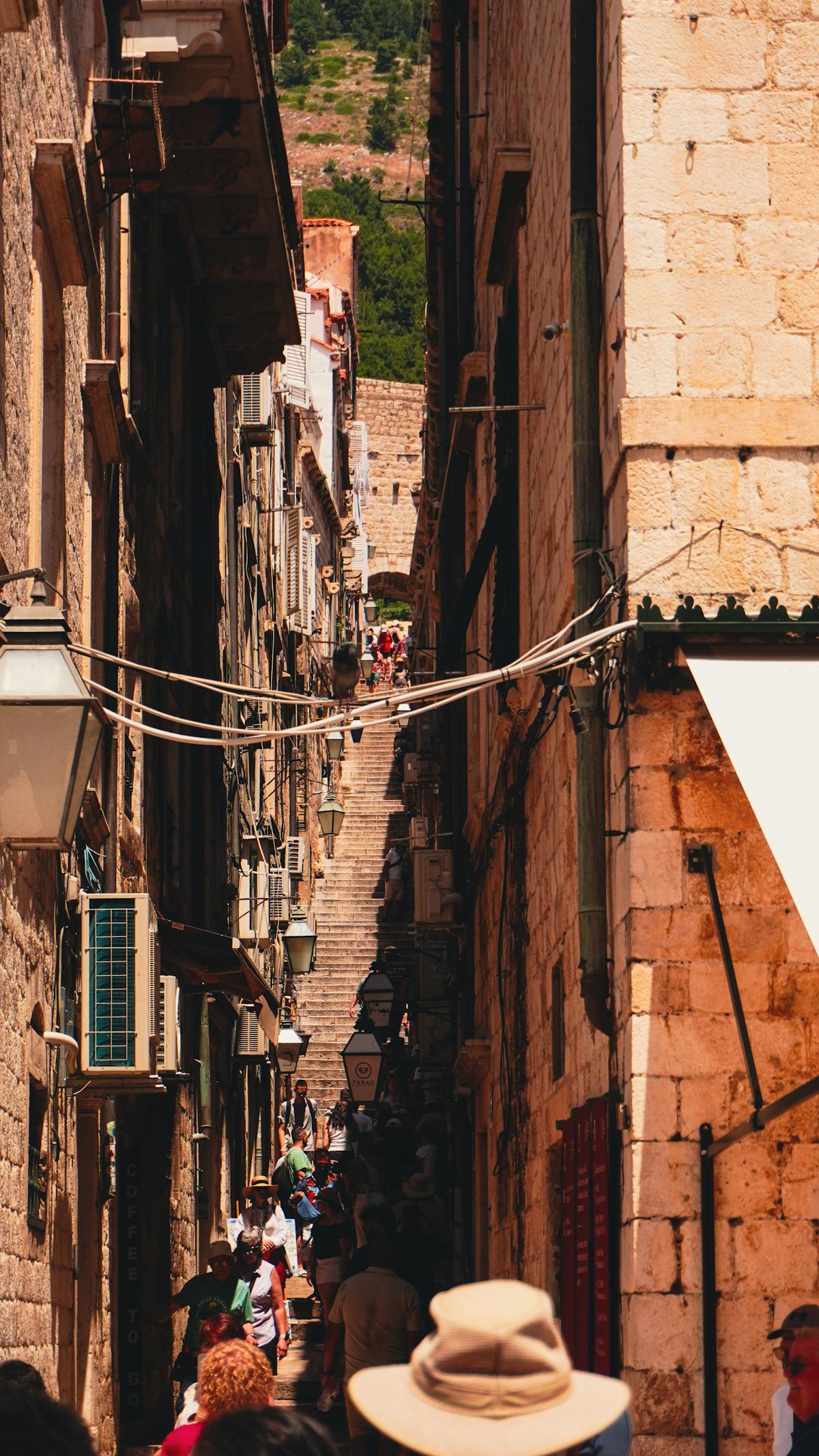
What the Data Says
Croatia ranks in the top 20 on the Global Peace Index (19th out of 163 countries in 2025), which measures crime rates, political stability, and security. For context, the United States ranks 128th, the UK ranks 30th, and Canada ranks 14th. Croatia is safer than France, Italy, Spain, and Greece by this measure.
The US State Department rates Croatia as Level 1 — “Exercise Normal Precautions” — which is the lowest risk rating they give. This is the same rating as countries like Norway, Switzerland, and Iceland. The UK, Canadian, and Australian governments all echo this assessment.
Violent crime rates in Croatia are among the lowest in Europe. What violent crime does occur is almost entirely between people who know each other — domestic situations, not random street attacks. The chances of a tourist being a victim of violent crime in Croatia are statistically negligible.
Petty Crime and Pickpocketing
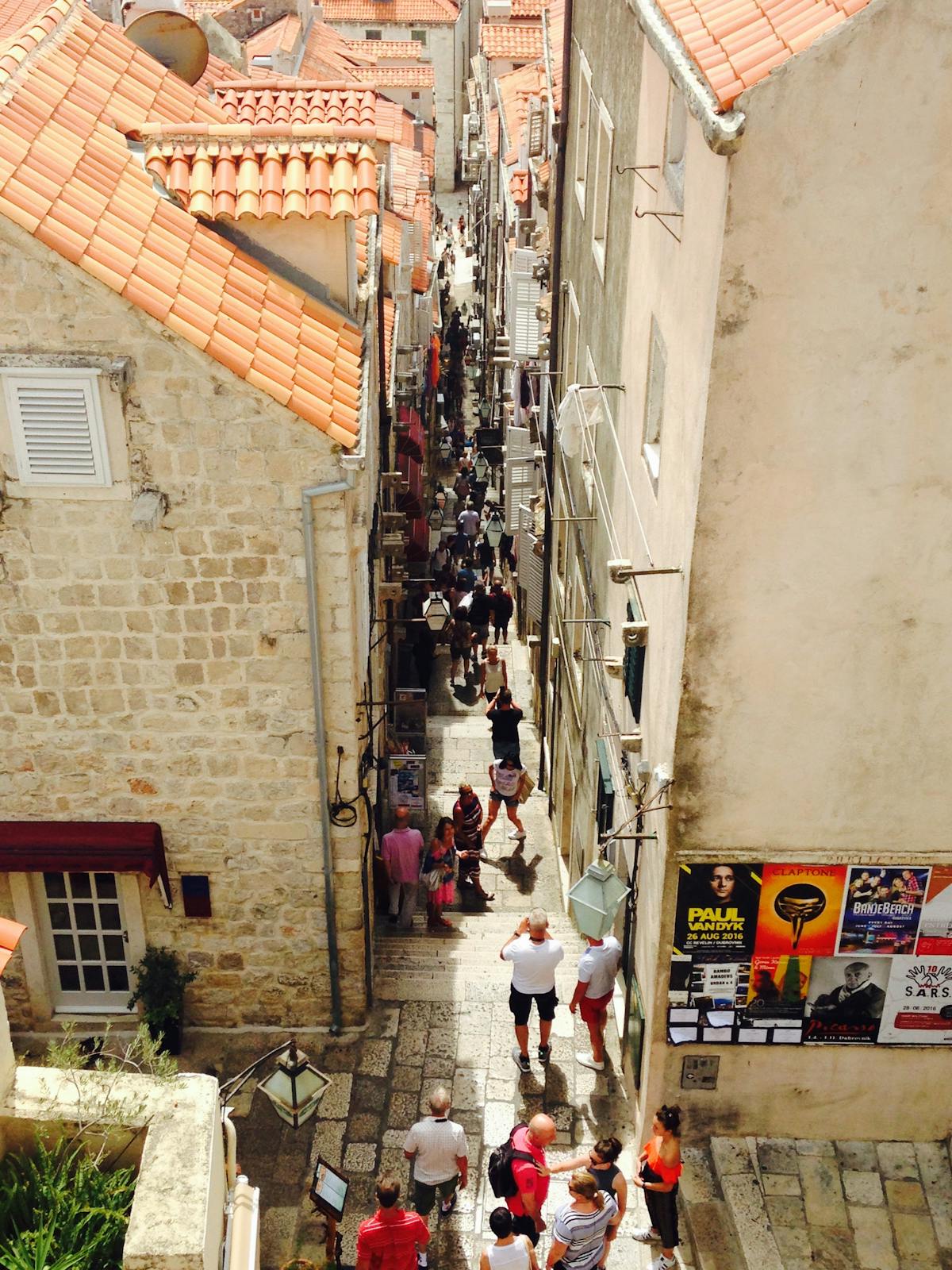
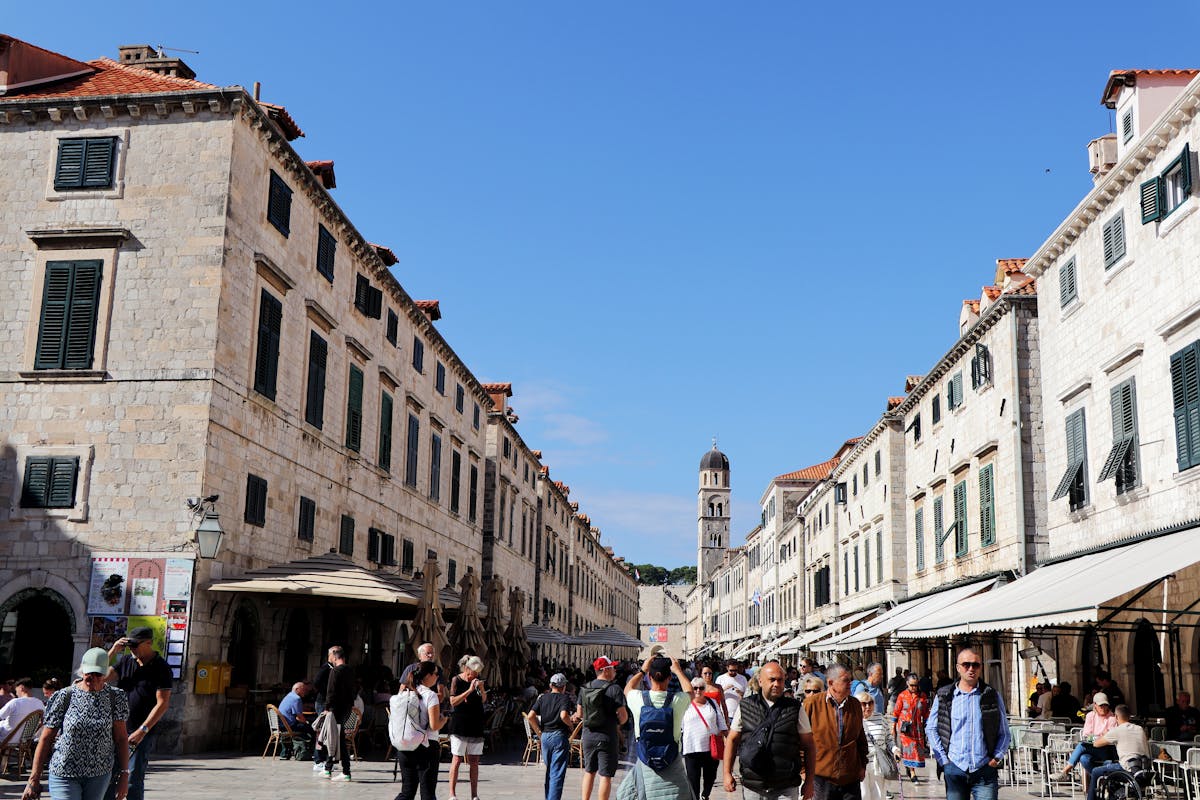
Pickpocketing exists in Croatia but it is significantly less common than in Barcelona, Rome, Paris, or Prague. The main risk areas are crowded tourist zones during peak season — the Stradun in Dubrovnik when cruise ships dock, Diocletian’s Palace in Split during summer, and crowded ferries.
Standard precautions apply:
- Keep your phone and wallet in a front pocket or zipped bag in crowded areas
- Do not leave bags unattended on beaches while swimming
- Be aware of your surroundings on crowded public transport
- Do not flash expensive jewellery or large amounts of cash
That said, many regular visitors to Croatia report never experiencing or witnessing any pickpocketing. It exists, but it is not the constant threat that it is in some other European tourist cities. Several people who have lived in Split or Dubrovnik for extended periods report that locals genuinely do not lock their doors — which gives you a sense of how safe the country feels to the people who live there.
Scams to Watch For
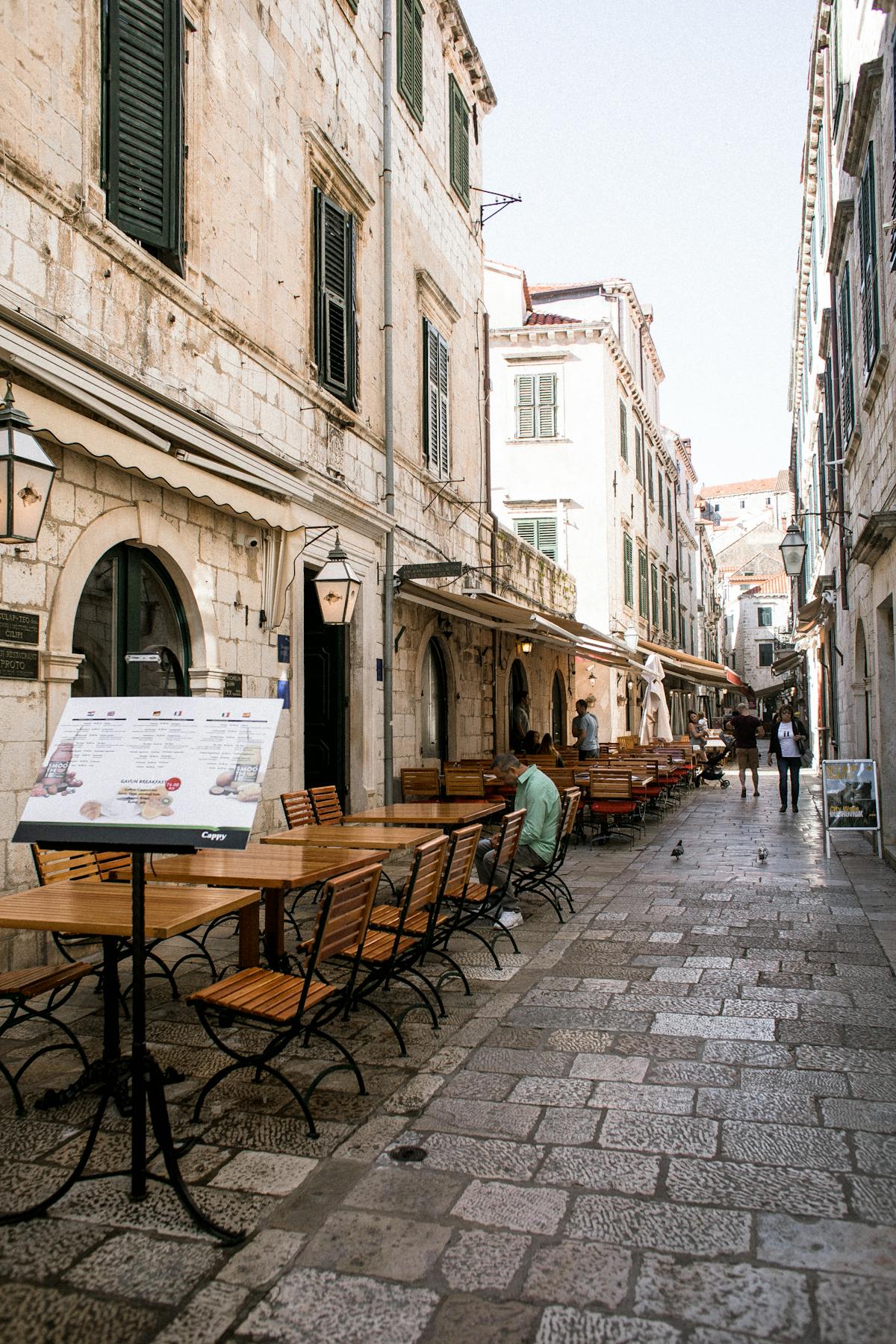
Croatia has very few tourist scams compared to many Mediterranean destinations, but a few things to be aware of:
- Restaurant pricing: Some restaurants in Dubrovnik and Hvar do not display prices clearly or charge different prices for terrace versus indoor seating. Fresh fish is typically priced per kilogram, not per portion — always ask the price before ordering. A 500g fish at €60/kg will set you back €30, which can be a shock if you were expecting a fixed-price dish.
- Taxi overcharging: Less common than it used to be thanks to Uber and Bolt, but some taxi drivers at airports or cruise ports try to charge inflated fares. Use ride-hailing apps or agree on a price before getting in.
- ATM fees: Euronet ATMs (common in tourist areas) push dynamic currency conversion which gives you a terrible exchange rate. Always pay in euros when given the option.
- Fake tour guides: Very rare, but occasionally someone will offer unofficial tours at popular sites. Stick to established tour companies or book through reputable platforms.
None of these are aggressive or dangerous scams — they are overcharging schemes, and they are the exception, not the rule. Most restaurants, taxi drivers, and businesses in Croatia are honest.
Is Croatia Safe for Solo Travellers
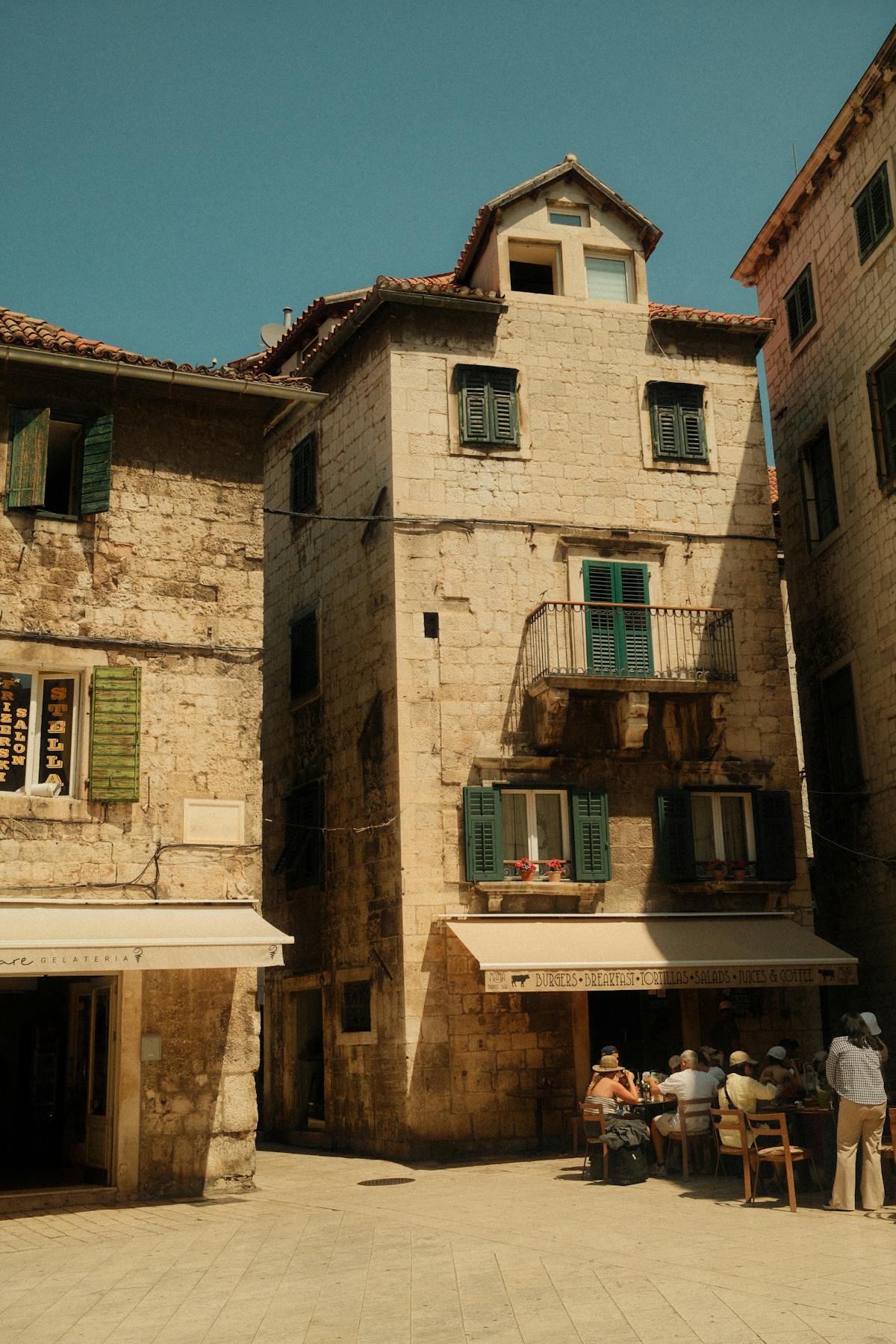
Croatia is excellent for solo travellers. The tourist infrastructure is well-developed, public transport is reliable, English is widely spoken (especially among younger people and in tourist areas), and the country is small enough that you can cover a lot of ground without complicated logistics.
Solo female travellers consistently rate Croatia as one of the safest countries they have visited. Street harassment is uncommon, walking alone at night in tourist areas feels safe, and the general atmosphere is relaxed and welcoming. This does not mean you should abandon all common sense — the same precautions you would take anywhere apply — but Croatia does not require the heightened alertness that some destinations demand.
The social scene is also good for solo travellers. Hostels in Split, Dubrovnik, and Hvar are social and well-run. The cafe culture makes it easy to settle into a routine. And Croatian people, while sometimes initially reserved, are genuinely friendly once you start a conversation.
Is Croatia Safe for Families
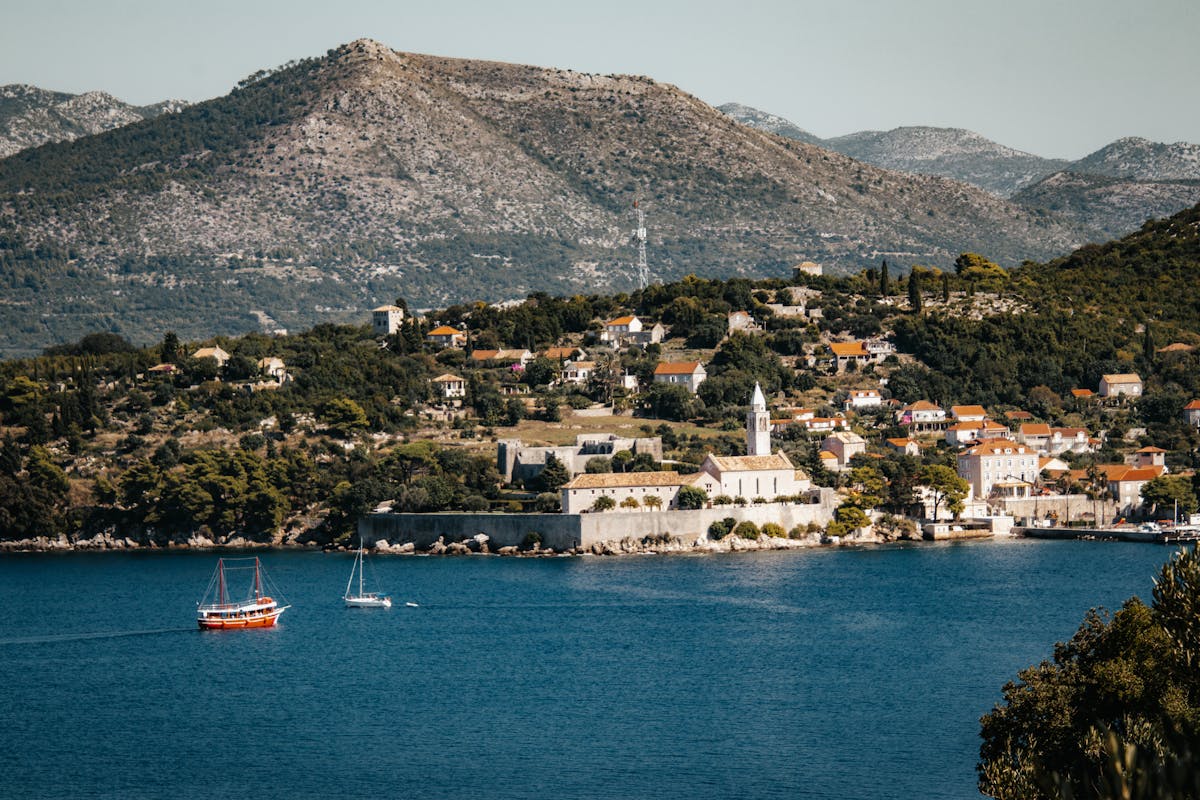
Very safe. Croatian culture is family-oriented, and children are welcomed everywhere — restaurants, cafes, beaches, hotels. There is none of the subtle “adults preferred” attitude you sometimes encounter in parts of Western Europe.
The beaches are generally safe for children, though be aware that most are pebble rather than sand, and some have steep drop-offs into deeper water. Water shoes are recommended for kids on pebble beaches. The sea is calm and clear on most of the Dalmatian coast, with strong currents rare except in specific channels between islands.
Healthcare is good. Croatia has a modern healthcare system with hospitals in all major cities. Pharmacies (ljekarna) are easy to find and well-stocked. EU citizens can use their EHIC/GHIC cards for emergency treatment. Non-EU visitors should have travel insurance.
LGBTQ+ Safety
Croatia is more conservative than Western Europe on LGBTQ+ issues, particularly in rural areas and smaller towns. Same-sex civil partnerships have been legal since 2014, but public attitudes vary. In Zagreb, Split, and Dubrovnik — especially in tourist zones — LGBTQ+ travellers generally report no issues. Pride events are held annually in Zagreb and Split.
That said, public displays of affection between same-sex couples may attract unwanted attention in more rural or conservative areas. This is a social comfort issue rather than a safety issue — physical violence against LGBTQ+ travelers is extremely rare. But it is worth being aware of the cultural context, particularly outside of major cities.
Driving Safety
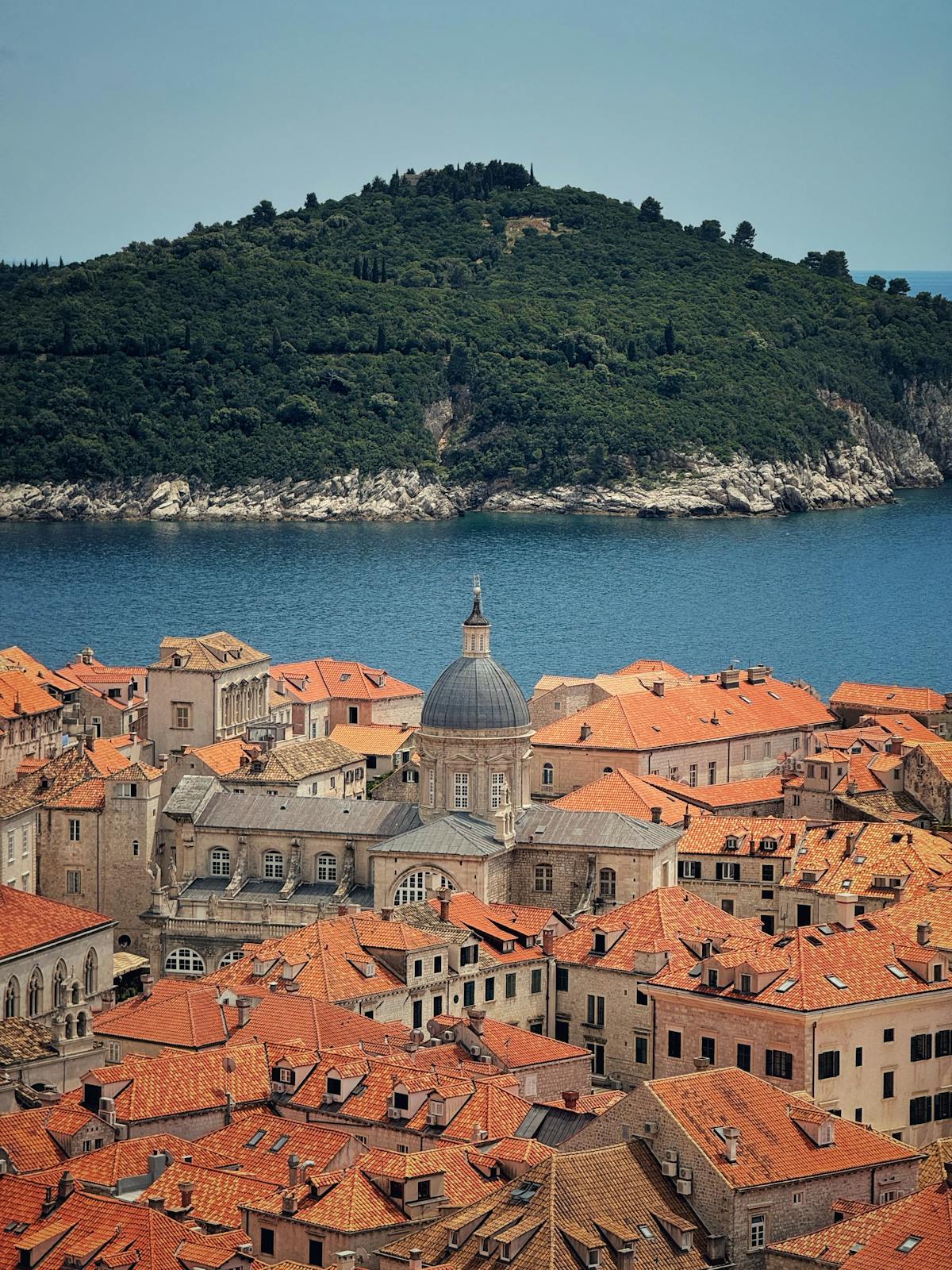
Driving in Croatia is generally safe but the roads require attention. The motorways (autocesta) are modern, well-maintained, and relatively quiet — tolls apply but they are reasonable. The coastal roads are a different story: narrow, winding, and often shared with large buses and travelers on scooters who are looking at the scenery instead of the road.
A few driving tips:
- Headlights must be on at all times while driving, even during the day
- The blood alcohol limit is 0.05% (effectively one drink or less)
- Speed cameras are common, especially on the motorways
- Parking in coastal towns during summer is extremely limited and expensive — use park-and-ride where available
- Mountain roads in the Dinaric Alps can be icy in winter and are not always well-maintained
Road conditions are good overall. The main A1 motorway from Zagreb to Split is excellent. The coastal road (the Jadranska Magistrala) is scenic but slow — do not plan to cover more than 200km of coastal road in a day without being exhausted.
Natural Hazards
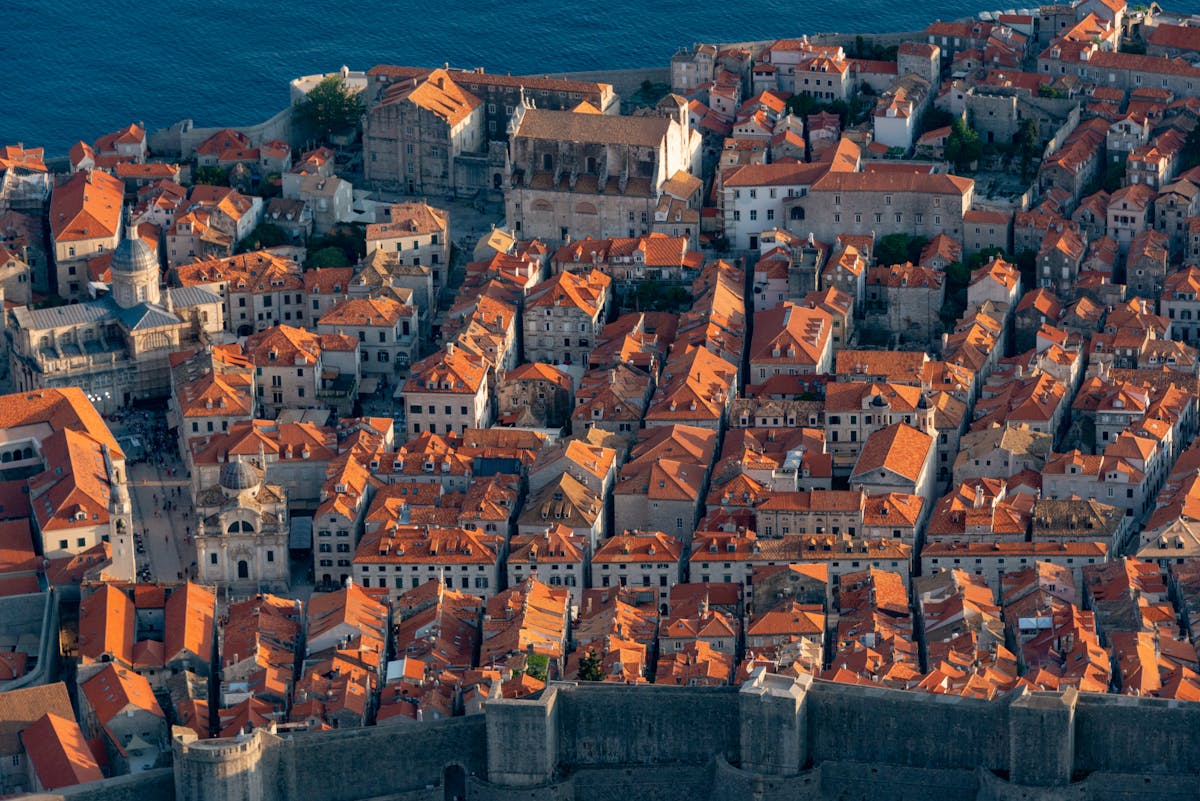
Croatia does not have many natural hazards but a few are worth knowing about:
- Sun and heat: This is honestly the biggest risk. Summer temperatures on the coast regularly exceed 35°C, and the combination of sun, heat, and physical activity (walking city walls, hiking) causes more tourist health issues than anything else. Drink water constantly, wear sunscreen, and avoid midday sun in July and August.
- Sea urchins: Common on rocky coastlines. Stepping on one is painful but not dangerous. Water shoes prevent this entirely.
- Snakes: The horned viper (poskok) lives in rural and mountainous areas. Bites are very rare and almost never fatal with modern treatment, but wear proper footwear when hiking in remote areas.
- Earthquakes: Croatia is in a seismically active zone. Zagreb experienced a significant earthquake in 2020 (magnitude 5.5) and Petrinja in late 2020 (magnitude 6.4). Earthquakes are unpredictable but buildings in tourist areas are generally well-constructed.
- Landmines: A legacy of the 1990s war. Affected areas are clearly marked with warning signs and are limited to certain rural/mountain zones, primarily in inland areas near the former front lines. You will not encounter mine-affected areas in any normal tourist destination, but if you are hiking in very remote inland areas, stick to marked trails.
Emergency Numbers and Healthcare
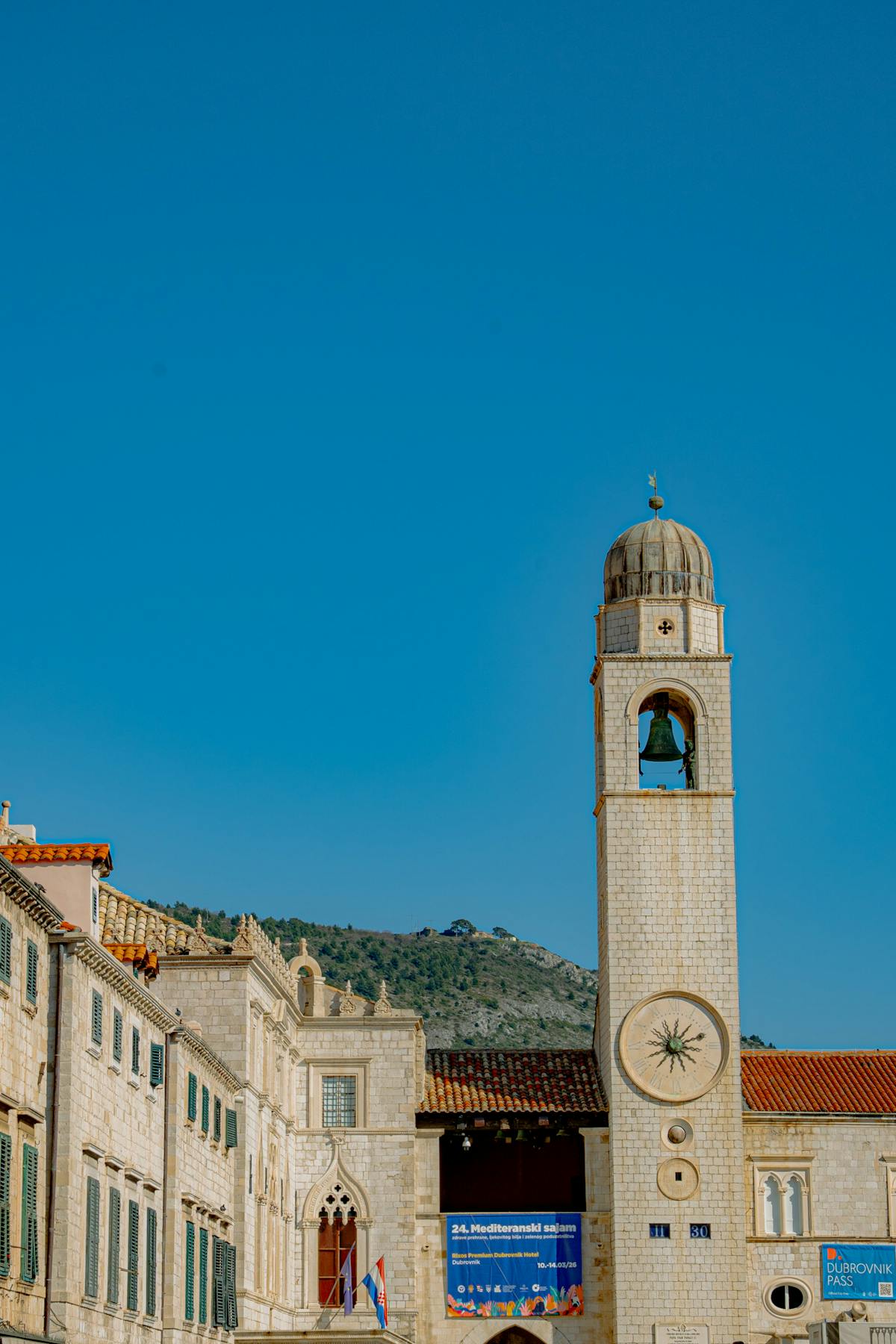
Emergency number: 112 (works for police, fire, and ambulance — same as the EU standard).
Police: 192. Croatian police are generally professional and helpful to travelers. In tourist areas, you will often find English-speaking officers. File a police report if you are a victim of any crime — you will need it for insurance claims.
Hospitals: KBC Split, KBC Zagreb, and the General Hospital Dubrovnik are the main hospitals in tourist areas. Emergency rooms will treat you regardless of insurance status. EU/EEA citizens should carry their EHIC or GHIC card. Everyone else should have travel insurance.
Pharmacies: Look for the green cross sign. Most pharmacies in tourist areas have English-speaking staff. Common medications are available without prescription in many cases, but bring any prescription medications you need with you.
The Bottom Line
Croatia is one of the safest countries you can visit. Violent crime is rare, petty crime is below the European average, the infrastructure is modern, and the people are welcoming. You do not need to take any special precautions beyond the common-sense measures you would apply anywhere in the world.
The things that will actually cause you problems in Croatia are not safety-related — they are practical. Timing your visit to avoid the worst crowds, budgeting for tourist-inflated prices in Dubrovnik, and finding parking on the coast in August. Those are the real challenges. Safety is not one of them.
Pack your sunscreen, bring water shoes, and go. Croatia is waiting, and it is perfectly safe.