
The best part of this workshop is that you leave with more than a tune in your head: you build a mini shamisen yourself, then use it to learn how to play. In about two hours, you get a short introduction to the instrument, hands-on assembly, beginner-friendly music practice, and a live performance with matcha and Japanese sweets.
I like that you take your handmade instrument and sheet music home, so the lesson can continue after the workshop. I also like the combination of practical instruction and cultural details: you wear a happi coat, hear about shamisen history, and pause for tea and sweets.
One point to check before booking is the meeting place. The directions identify Tokorozawa Station, but another section names Takahatafudo Station, and the description also mentions Shinjuku. Confirm the exact meeting point with the operator before setting out.
- At a glance
- A small instrument, a hands-on lesson
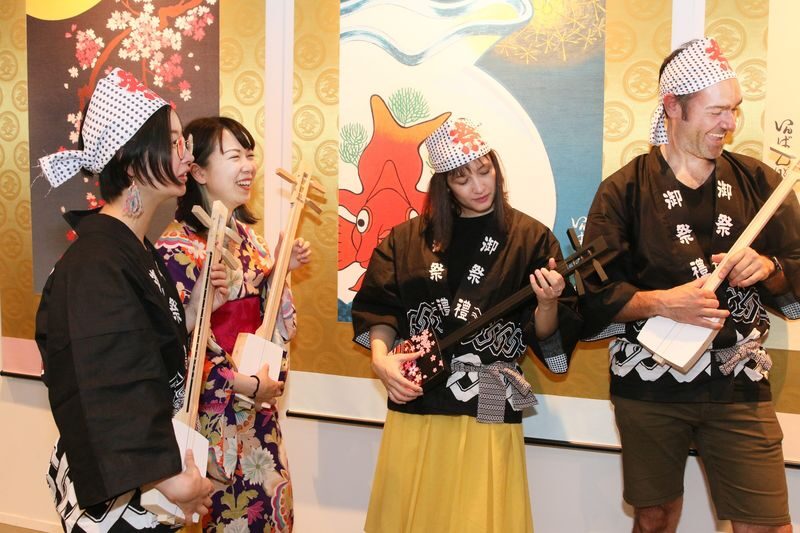
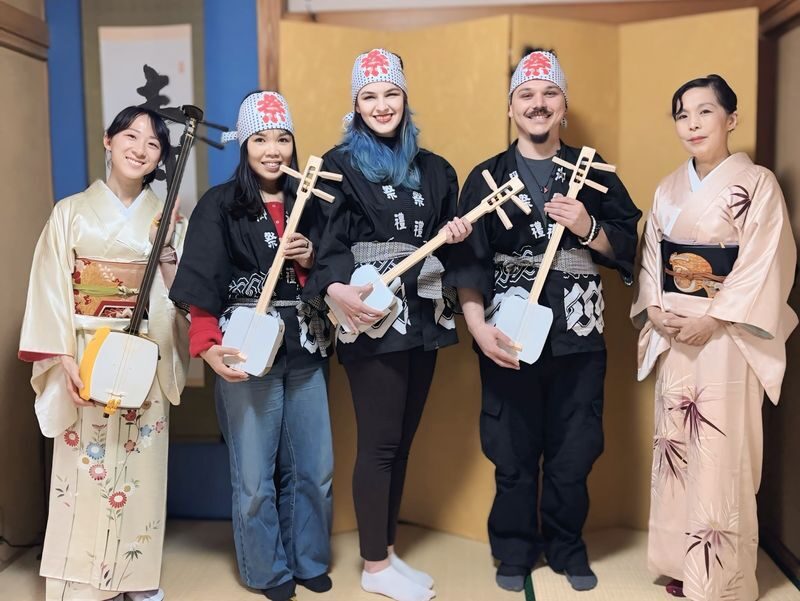
- From happi coat to first notes
- A short build with a useful payoff
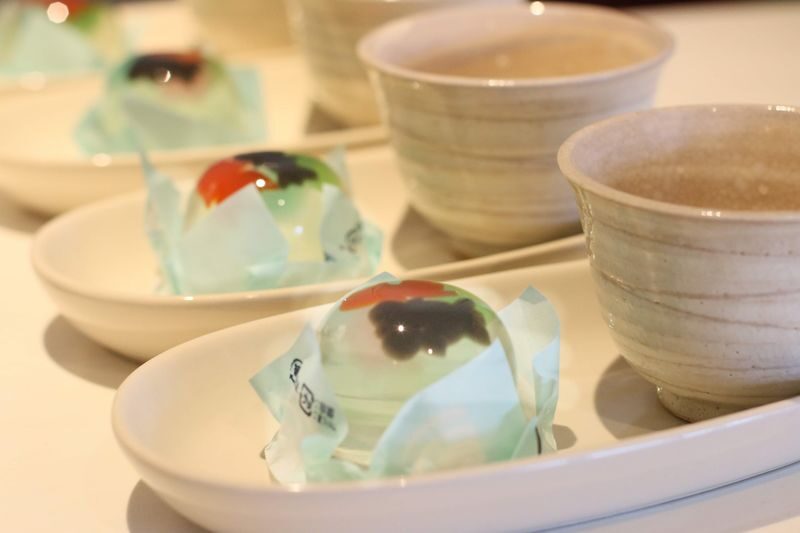
- Matcha, sweets, and a live shamisen
- Two ways to spend the session
- What the price includes
- Getting to the meeting point
- Who will enjoy it most
- Should you book this shamisen workshop?
- FAQ
- How long does the mini shamisen workshop last?
- Which days and times are available?
- What age can take part?
- How many people can join?
- What is included in the mini workshop?
- Do I need music experience?
- Where is the meeting point?
- Is the workshop wheelchair- or stroller-accessible?
- Can the activity be canceled because of bad weather?
- What is the cancellation deadline for a full refund?
- More Tours in Tokorozawa
- More Tour Reviews in Tokorozawa
At a glance
 1 / 8
 2 / 8
 3 / 8
 4 / 8
 5 / 8
 6 / 8
 7 / 8
 8 / 8
- Build a playable mini shamisen: You fit the strings and other parts together in a process described as easy and taking about 20 minutes.
- Learn three songs: The beginner lesson uses numbered positions on the instrument to make finger placement and simple music reading easier.
- Enjoy a live performance with tea: The workshop includes matcha and Japanese sweets during a break.
- Take home your kit: The mini shamisen comes with accessories, and you can also bring home sheet music.
- Plan for a small group: The workshop accepts one to eight participants and is open to ages six and up.
- Check the meeting details: Tokorozawa is the stated location, but the directions also name Takahatafudo Station.
A small instrument, a hands-on lesson
The shamisen is a traditional Japanese string instrument, and this workshop gives you a practical introduction rather than a long lecture. You start by hearing about its history and features, then move quickly to the instrument in your hands.
The version you make is a mini shamisen. It is not the same as building a full-size instrument, but the finished model is intended to have a similar sound and size to the one shown in the workshop information. A past participant also found it useful for practicing finger placement. That makes the project appealing if you want a tactile introduction, though you should not expect a professional instrument-making course.
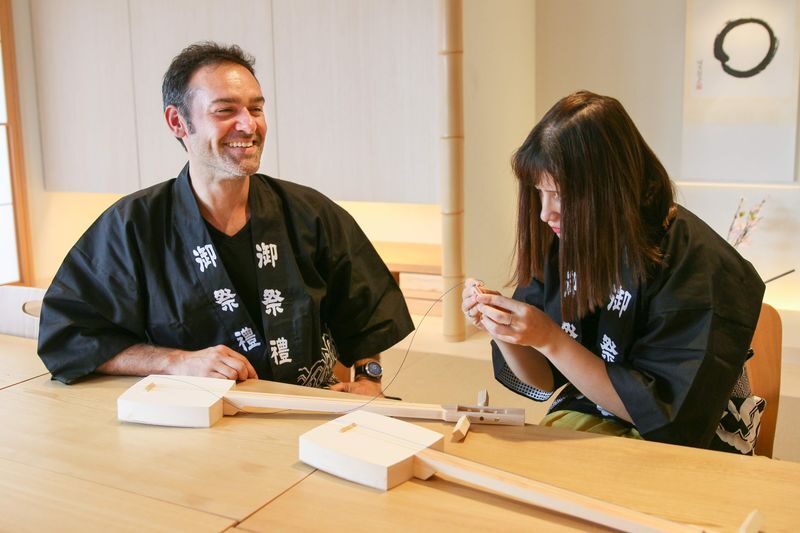
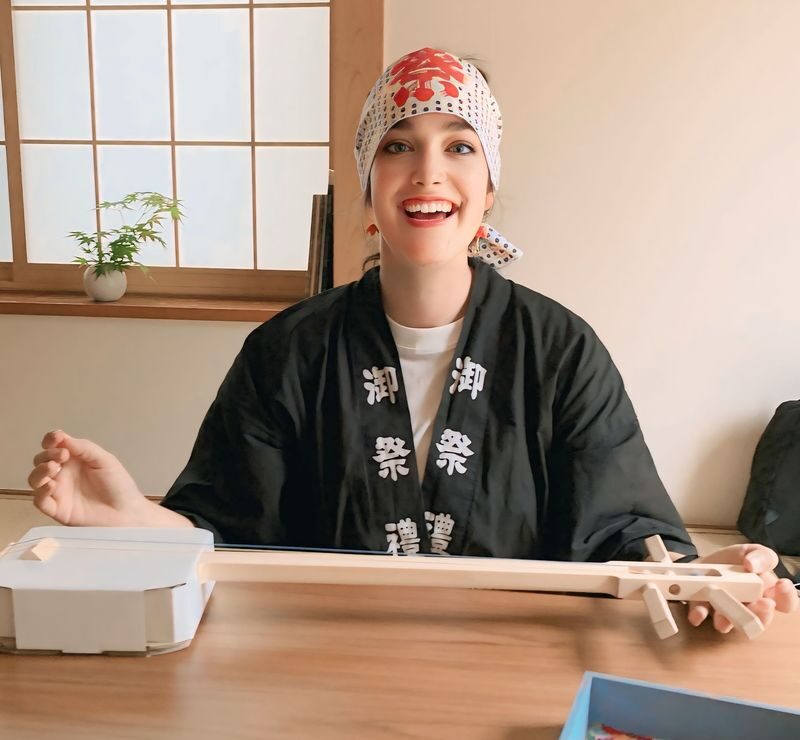
Construction is designed to be straightforward. You refer to a sample, attach the strings and other parts, and finish in roughly 20 minutes. The short build leaves plenty of time for playing, which is where the workshop shifts from craft activity to music lesson.
You can also read our reviews of more tours and experiences in Tokorozawa.

From happi coat to first notes
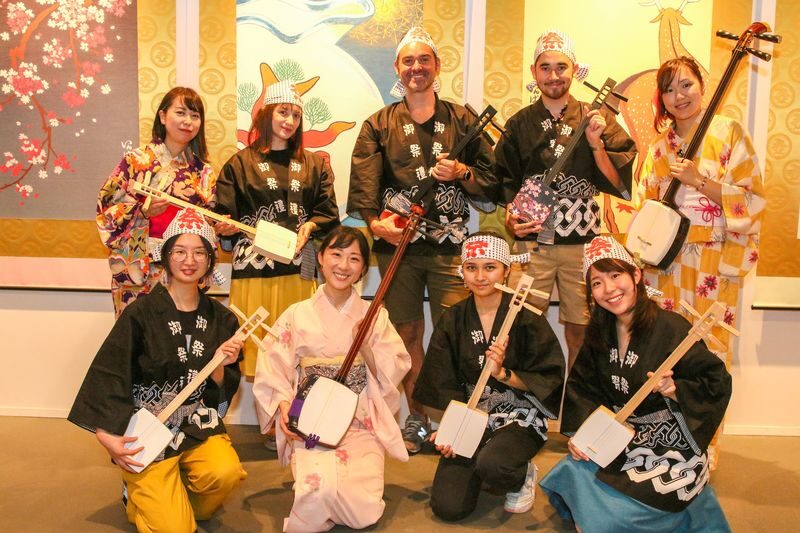
The session begins with a traditional happi coat. You roll up your sleeves and get set for the work ahead. It is a simple detail, but it gives the workshop a clear sense of occasion and makes for a more memorable activity than sitting down at a table in everyday clothes.
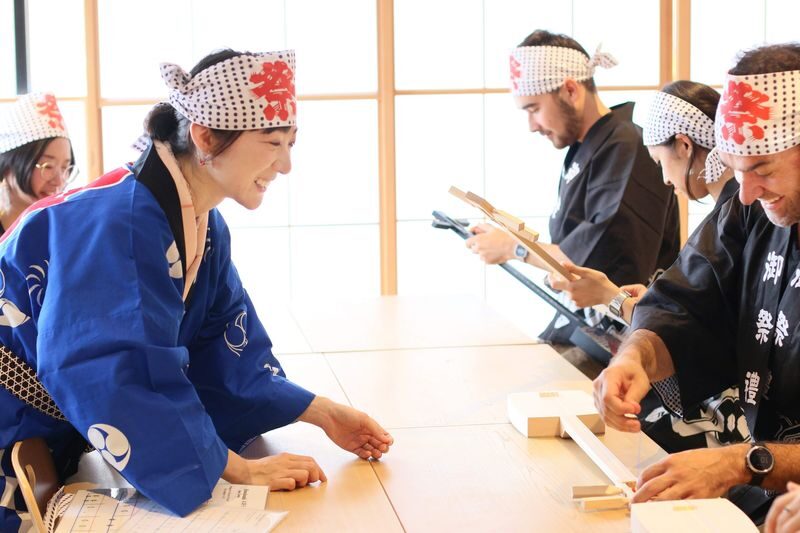
Next comes a short introduction to the shamisen. You hear about its background and defining features before beginning the build. The workshop keeps this part brief, which suits visitors who want context but are eager to try the instrument.
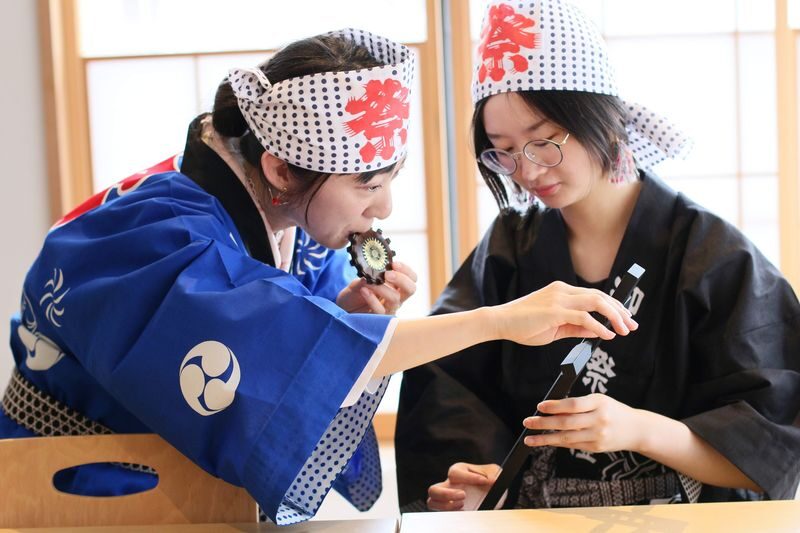
Once your mini shamisen is assembled, the instructor shows you how to make a sound and read the simple music used for the lesson. The score is designed for beginners: numbers on the instrument help you find where to press. You then practice together and work toward playing as a group.
The stated aim is to learn three songs during the workshop. That is a brisk pace, especially if you have never handled a string instrument, but the numbered positions make the first steps more approachable. Think of the songs as a lively introduction, not a promise that you will leave as a polished performer.
A short build with a useful payoff
The 20-minute construction is one of the workshop’s clever choices. It gives you the satisfaction of assembling the instrument without using most of the session on technical work. You have time left to learn, listen, and enjoy the tea break.
The finished shamisen and sheet music are yours to take home. That is a meaningful part of the value: you are not only paying for a one-time lesson, but also for a simple instrument you can use to revisit the finger positions and songs later. It can also give you something distinctive to share with family or friends when you return.
The model differs slightly from the one pictured in the activity details. The newer version is described as similar in sound and size, so expect a small variation rather than an exact match to the photograph. If the precise instrument design matters to you, ask about the current model before booking.
Matcha, sweets, and a live shamisen
After the practice session, you take a break for matcha and Japanese sweets while listening to a live shamisen performance. This pause adds a listening element to the class. You have had a chance to make sounds yourself; now you can hear the instrument played by someone with more experience.
The sweets and tea are included, along with the opportunity to see a tea ceremony. The details do not describe a full formal tea ceremony, so treat this as a cultural refreshment break rather than a long, highly ceremonial session. It is still a pleasant change of pace, and a chance to appreciate the music without concentrating on your own fingers.
The workshop’s mix of making, playing, and listening is its strongest feature. Each part gives you a different way into the subject: the short history provides context, the build makes the instrument tangible, and the performance shows what the shamisen can do beyond a beginner exercise.
Two ways to spend the session
The main package is the mini shamisen workshop, called Let’s make a mini shamisen and play it. It lasts about two hours and includes the instrument kit, traditional clothing rental, matcha, and Japanese sweets. The activity schedule lists Tuesday and Thursday sessions at 10:00 and 13:00.
A second format is described as a Shamisen and Matcha experience. This one begins with a relaxing Zen session in a traditional Japanese house, followed by a lesson on a rental shamisen. You learn one song and finish with freshly prepared matcha. It is presented as a quieter option for beginners who want a peaceful cultural activity rather than a take-home instrument project.
The details provided for the price and package inclusions apply to the mini shamisen workshop. If you are considering the Zen format, confirm its schedule, price, and exact inclusions before making plans. Do not assume it has the same kit or lesson length as the build-and-play option.
What the price includes
The mini workshop starts at US$208.09. The stated price applies equally to all ages, but the details do not make clear whether the displayed starting price is per person or for a group. Check the total for your party before paying, especially if you are booking for a family.
The cost covers more than a short music lesson. You get the shamisen kit and accessories, a happi coat rental, instruction, sheet music, matcha, Japanese sweets, and a live performance. The take-home instrument is the largest part of the value calculation: you can continue practicing after the class rather than leaving empty-handed.
Still, this is a specialized cultural activity, not a low-cost drop-in attraction. It makes the most sense if you are keen to try a traditional instrument and appreciate the chance to build something. If you only want a brief performance, the workshop may be more time and expense than you need.
Getting to the meeting point
The activity is in Tokorozawa, Saitama Prefecture. Detailed directions say to meet at the central ticket gate of Tokorozawa Station, where staff in kimono greet participants. The address supplied is 1-14-5 Kusunokidai, Tokorozawa City, Saitama Prefecture.
The directions also say the station is about 20 minutes by limited express from Seibu Ikebukuro Station and about 30 minutes by limited express from Seibu Shinjuku Station. Another note says staff pick you up in front of the station by car. Those details point to Tokorozawa, despite one short description that refers to Shinjuku.
There is a more serious inconsistency: a separate meet-up entry gives Takahatafudo Station in Hino, Tokyo. Since that is not the same station or city as Tokorozawa, contact the operator and confirm the exact meeting point, time, and pickup arrangement before travel. The activity also says a mobile voucher can be presented at the venue, but that does not resolve which station to use.
Who will enjoy it most
This workshop suits curious beginners, families with children aged six or older, and couples who like activities that give them something to do together. The group limit is eight, so it is designed for a small class rather than a large audience. The price is the same for all ages, which may matter when you compare the total cost for a family.
You do not need to know how to read music or play a string instrument. Numbered positions guide you through the basic notes, and the lesson is intended to help beginners learn several songs. If you prefer a quieter session and are more interested in a calming setting than building an instrument, look into the separate Zen and matcha format.
This is not a good fit for someone seeking a full technical course in shamisen construction or an advanced music lesson. The build is intentionally simple and the playing lesson is introductory. Its appeal lies in trying several parts of Japanese music culture in one compact session.
The activity is not wheelchair- or stroller-accessible. It is also not recommended for people who are pregnant or have certain medical conditions, including heart disease or other serious illnesses. Storage is available at the venue, though you should contact staff about any rates.
Should you book this shamisen workshop?
Book the mini workshop if you want an active cultural lesson, enjoy making things, and like the idea of taking a small instrument home. The mix of a short history, easy assembly, beginner songs, live music, and matcha gives the two hours a pleasing rhythm. It also works well as a shared activity for a couple or a family with older children.
Before you commit, get the meeting location in writing and confirm the final price for your group. If the price and travel arrangements work for you, this is a distinctive way to spend a morning or afternoon beyond Tokyo’s main sights. If you would rather listen than build and practice, ask about the separate Zen and matcha session instead.
Japanese Culture Workshop: Make & Play Your Own Shamisen
“This workshop is very interesting, and the two teachers are very friendly and professional. In addition to learning the shamisen, you can also see…”
FAQ
How long does the mini shamisen workshop last?
The mini shamisen workshop lasts about two hours.
Which days and times are available?
The schedule lists Tuesday and Thursday, with sessions at 10:00 and 13:00.
What age can take part?
Participants must be at least six years old. The same price applies to all ages.
How many people can join?
The group size is one to eight participants.
What is included in the mini workshop?
It includes a shamisen kit with accessories, traditional clothing rental, and a Japanese sweets and matcha set. You can also take home your handmade shamisen and sheet music.
Do I need music experience?
No previous music experience is stated as a requirement. The workshop is designed for beginners and uses numbered positions to guide finger placement.
Where is the meeting point?
The detailed directions give the central ticket gate at Tokorozawa Station, but another meet-up entry names Takahatafudo Station. Confirm the correct meeting point with the operator before you go.
Is the workshop wheelchair- or stroller-accessible?
No. The activity is not wheelchair- or stroller-accessible.
Can the activity be canceled because of bad weather?
Yes. It may be canceled because of extreme weather or unforeseen events. In that case, you can request a reschedule or a full refund.
What is the cancellation deadline for a full refund?
You can receive a full refund if you cancel at least 72 hours before the activity date, using the destination’s local time.