

Japanese Traditional Breakfast and Tea Ceremony – a 1.5-hour immersive experience in Tokyo that promises a taste of authentic Japanese hospitality and customs. For just under $67, you’ll enjoy a hands-on introduction to one of Japan’s most cherished traditions, led by seasoned tea masters and knowledgeable guides. Whether you’re curious about Japanese cuisine, Zen practices, or simply seeking a genuine cultural encounter, this tour offers a compact yet enriching glimpse into Japan’s heart and soul.
What we particularly love about this experience is the emphasis on fresh, local ingredients—notably the rice made from Tsuyahime, a top-tier variety awarded the highest government certification. The way the rice balls are prepared freshly on-site, with care and craftsmanship, makes all the difference. Plus, watching the tea master perform the tea ceremony, blending Zen meditation with the art of preparing matcha, offers a meditative pause in your busy travel day.
One potential consideration is that the tour begins promptly at 8:30 am in a location that might be tricky for some to find without clear directions. However, the host’s hospitality and detailed explanations help smooth over such logistical hiccups. This experience suits those who love hands-on cultural activities, enjoy good food, and are eager to learn about Japanese traditions in an intimate, relaxed setting.
Key Points
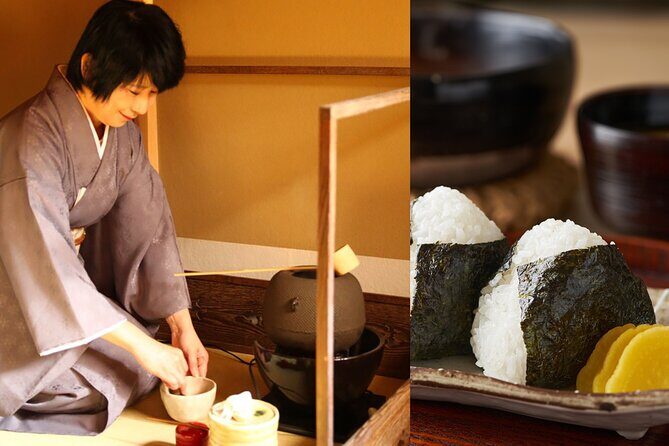
- Authentic culinary experience: Enjoy traditional Japanese breakfast foods like onigiri, eggs, pickles, and miso soup, prepared freshly for each guest.
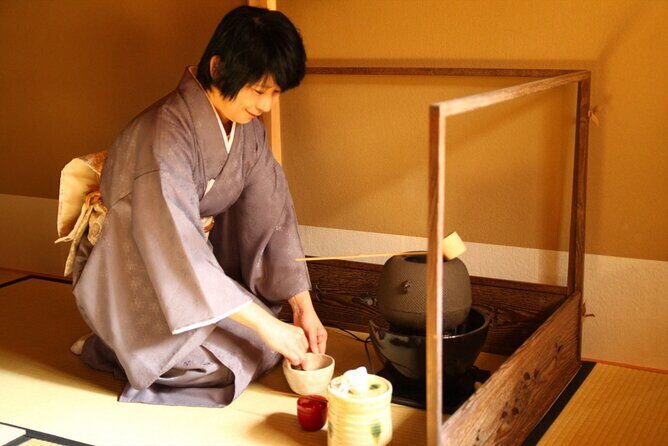
- Expert guidance: A bilingual, licensed tea master with over five years of experience guides the ceremony, explaining Zen concepts, tea utensils, and scrolls.
- Interactive participation: You get the chance to make your own tea, blending learning with hands-on fun.
- Cultural insights: The tour includes explanations of Zen practices, Japanese hanging scrolls, and the significance behind each element.
- Quality ingredients: The rice used in onigiri is top-tier Tsuyahime, ensuring a flavorful, memorable bite.
- Beautiful setting: The process of preparing matcha and the tranquil atmosphere of the tea ceremony create a peaceful, reflective experience.
An In-Depth Look at the Experience
Planning more time in Tokyo? We've covered other experiences worth considering.
Starting Point and Schedule
The tour kicks off at Kikai Shink Kaikan, in Minato City, right in Tokyo, at 8:30 am. It’s near public transportation, making it accessible, but travelers should note the importance of arriving on time—early or late arrivals might miss part of the experience. The entire session lasts about 90 minutes, which is perfect if you’re looking for a bite-sized culture without a full-day commitment.
The Breakfast – A Taste of Japan
The highlight, of course, is the breakfast, which, despite its simplicity, embodies traditional Japanese flavors. We loved how the onigiri (rice balls) are crafted with precision, using Tsuyahime rice, a variety acclaimed for its quality and flavor. The rice, cooked freshly on-site, is soft yet sticky, filling your senses with its warm aroma. The delicately prepared eggs, pickles, and soups complement the rice, offering a genuine taste of a Japanese breakfast.
Guests consistently praise the quality and flavor—one reviewer, Susan, noted, “Great experience! We learned the nuances of a tea ceremony in a relaxed setting. Plus, we tried making onigiri ourselves, which was then served alongside other goodies.” The hands-on aspect makes this more than just a meal; it’s a chance to understand the care and tradition behind Japanese home cooking.
The Tea Ceremony – Zen and a Cup of Matcha
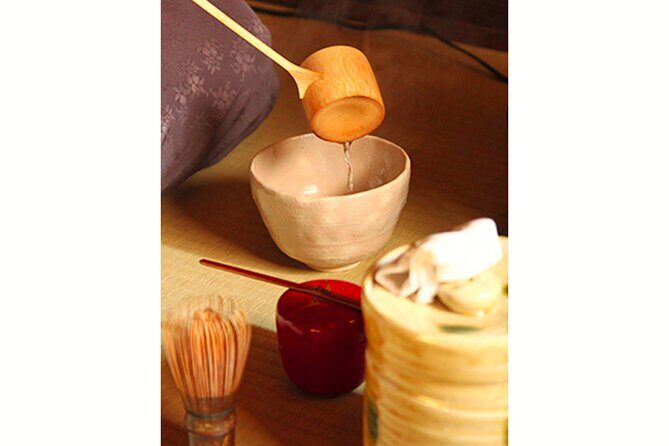
After breakfast, the focus shifts to the tea ceremony. A seasoned tea master guides you through the process of preparing matcha, the finely powdered green tea, using traditional utensils. The process involves precise movements, but the master’s explanations make it accessible. You’ll observe the elegance of the ritual, which is as much about mindfulness as it is about drinking tea.
What makes this part special is the combination of a short meditation with Zen philosophy—a moment of calm amid your busy trip. Participants often comment on how peaceful and contemplative the experience feels, with Leigh sharing, “The tea ceremony was something we’ll always remember.”
You’ll also get to enjoy some traditional Japanese sweets, which balance the bitterness of the matcha beautifully. Several reviews appreciated the explanation of the hanging scrolls, which express Zen ideals and deepen your understanding of the cultural context.
Making Your Own Tea
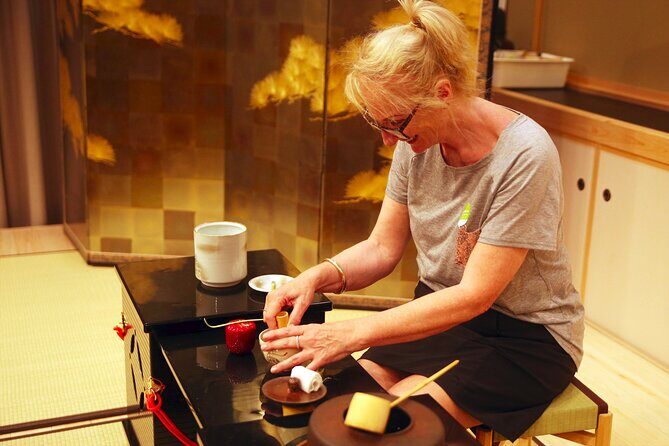
One of the most engaging parts is the opportunity to prepare your own cup of tea. Under the guidance of the host, you’ll learn how to whisk the matcha and serve it with the correct etiquette. This interactive element helps demystify the ceremony and fosters a deeper appreciation for the craftsmanship behind each bowl.
While you're exploring Tokyo, here are other experiences we've looked into
Overall Atmosphere
The entire experience is designed to be calm, respectful, and educational. The group size is limited to 28 participants, ensuring plenty of personalized attention. The host’s hospitality and ability to explain complex traditions in English make this accessible to international visitors.
Value and Practicality
At $66.86, this tour offers excellent value considering the quality of food, the expertise of the guides, and the unique hands-on participation. For travelers eager to go beyond superficial sightseeing, this is an authentic, intimate way to connect with Japanese culture—without the crowds or commercialized kitsch. The inclusion of breakfast, a tea ceremony, and hands-on participation makes it more than a passive experience; you walk away with new skills and a richer understanding of Japan’s spiritual side.
Who Will Appreciate This?
This tour appeals most to culinary enthusiasts, culture seekers, and those interested in Zen or mindfulness practices. It’s especially suited for travelers who enjoy learning through doing and appreciate authentic, off-the-beaten-path experiences. Families might find the relaxed atmosphere and opportunity for children to participate enjoyable, as one reviewer shared a positive family experience.
Final Thoughts
This Japanese Traditional Breakfast and Tea Ceremony provides a genuine taste of Japan’s culinary and spiritual traditions. The experience’s core strength lies in its authenticity, expert guidance, and interactive elements—not to mention, the delicious food. It’s perfect for travelers who want to understand more about Japan’s cultural nuances, especially those who cherish the quiet beauty of a well-performed ritual.
While the logistical note about finding the venue is worth considering, the overall hospitality and rich content make this a worthwhile stop. It’s not just about eating or drinking—it’s about experiencing a slice of Japanese life that you’ll carry with you long after the tour ends.
Whether you’re a first-time visitor or a seasoned Japanophile, this tour offers a quiet, meaningful way to start your day in Tokyo and gain insight into the country’s soul.
FAQ
Is this tour suitable for children or families?
Yes, many reviews mention sharing the experience with family. The hands-on elements and relaxing pace make it suitable for all ages.
What language is the guide’s explanation in?
The guide is bilingual and provides explanations in English, making it accessible for international travelers.
How long does the experience last?
It lasts approximately 1 hour and 30 minutes, ideal if you want a concise but meaningful cultural activity.
Do I need to book far in advance?
Yes, the tour is typically booked about 34 days ahead, as it’s popular and limited in size.
Are transportation details included?
No, transportation is not included. The meeting point is near public transit, so plan accordingly.
What kind of food is served at breakfast?
A simple but traditional Japanese breakfast featuring freshly made onigiri, eggs, pickles, and soups.
Can I make my own tea?
Yes, the tour includes the opportunity to prepare and serve your own matcha under guidance.
What is the cancellation policy?
You can cancel free of charge up to 24 hours before the experience for a full refund.
This experience suits travelers looking for a meaningful, hands-on introduction to Japanese culture, especially those interested in food, Zen, and traditional arts. It offers a peaceful start to your day, opening a window into Japan’s quiet elegance—something you’re unlikely to find in a busy tourist spot.
More Tour Reviews in Tokyo
- Nikko Private Day Trip with English Speaking Driver From Tokyo
- Taisho Sushi Making Class in Tokyo
- Private Half-Day Tour Colorful and Busy Street in Central Tokyo
- Tokyo, Traditional Candy Sculptures making experience in Asakusa
- Luxury Haneda Airport Transfer including 2 hours Standby Time
- Tokyo : Vintage, Music & Food Tour in Shimokitazawa with a Local
More Tokyo experiences we've covered
- Nikko Private Day Trip with English Speaking Driver From Tokyo
- Taisho Sushi Making Class in Tokyo
- Private Half-Day Tour Colorful and Busy Street in Central Tokyo
- Tokyo, Traditional Candy Sculptures making experience in Asakusa
- Luxury Haneda Airport Transfer including 2 hours Standby Time
- Tokyo : Vintage, Music & Food Tour in Shimokitazawa with a Local
- Private Full-day Tokyo Walking Subway Tour by Japan Gray Line
- Gyoza Cooking Classes in Tokyo
- Full Day Nikko Private Tour with Multilingual Chauffeur
- Tokyo: Shinjuku Izakaya Night Hopping Tour
- Tokyo: Tuna Auction in Toyosu and Tsukiji Fish Market Tour
- Tokyo 6hr Private Guided Tour & Maki-e Experience