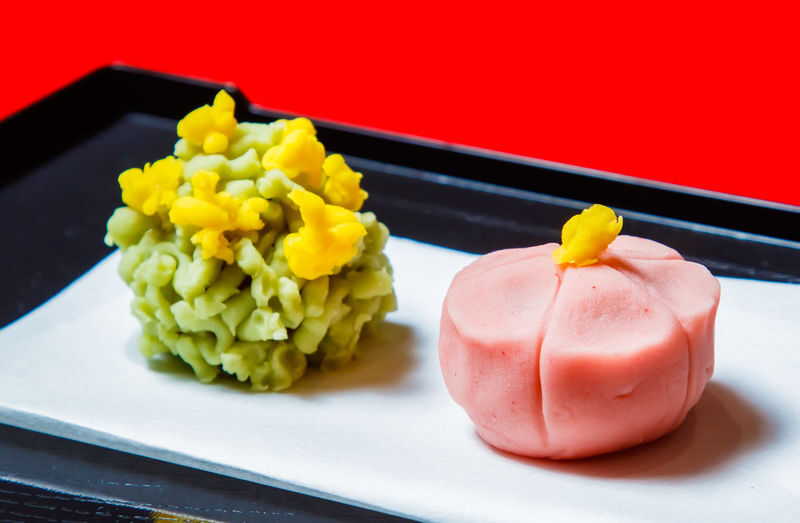
Nerikiri is the kind of Japanese sweet that looks almost too pretty to eat. In this Sendai workshop, you make two seasonal pieces yourself, using Kyoto-sourced bean paste and genuine wooden molds.
I like two things here: the quality of the ingredients and the chance to make something by hand rather than just watch a demonstration. The instructor gives clear guidance in English, and the class is designed for beginners.
One consideration: this is a short, focused activity, about an hour, not a full cooking course. You’ll leave with two sweets and a taste of wagashi craft, but not a broad lesson in Japanese desserts.
- What Makes This Sendai Wagashi Class Special
- Making Two Seasonal Sweets, Not Just Watching
- A Short Class With a Friendly, Clear Pace
- From Bean Paste to Edible Artwork
- Finding AN SENDAI in Central Sendai
- Is US.79 Good Value?
- Who Will Enjoy This Best
- Booking and Practical Notes
- Should You Book This Sendai Sweets Class?
- FAQ
- How long does the Japanese sweets-making class last?
- How many sweets will I make?
- What ingredients are included?
- Do I need experience making Japanese sweets?
- Is there an age limit?
- Where is the workshop held?
- Can I cancel and get a refund?
- The Best Of Sendai!
- More Tours in Sendai
- More Tour Reviews in Sendai
What Makes This Sendai Wagashi Class Special
 1 / 4
 2 / 4
 3 / 4
 4 / 4
- You make two seasonal nerikiri: These traditional sweets are shaped and finished by hand, so the result is your own small edible artwork.
- The bean paste comes from Kyoto: White and red bean paste sourced from a long-established Kyoto shop gives this simple recipe a strong foundation.
- Traditional wooden molds are part of the craft: The workshop uses genuine molds made by skilled wood mold artisans.
- Beginners can join in: The instructions are clear and the activity has no age limit.
- It fits into a busy day: Plan for about an hour, or roughly 1 hour and 5 minutes according to the scheduled activity duration.

👉 See our pick of the 15 Best Tours In Sendai
Making Two Seasonal Sweets, Not Just Watching
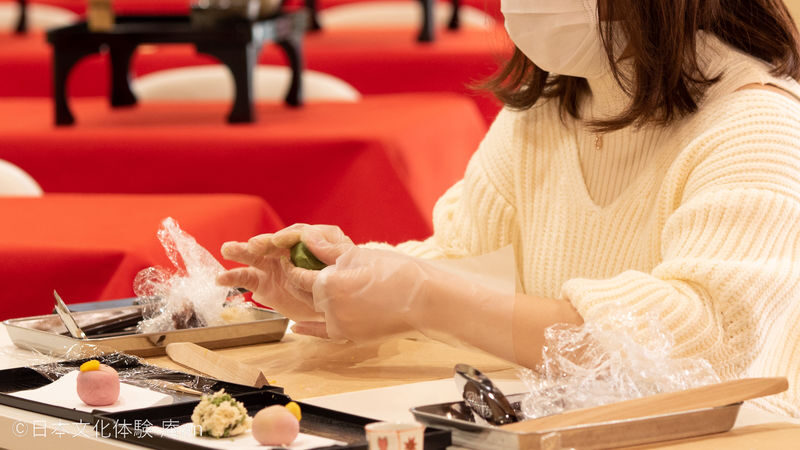
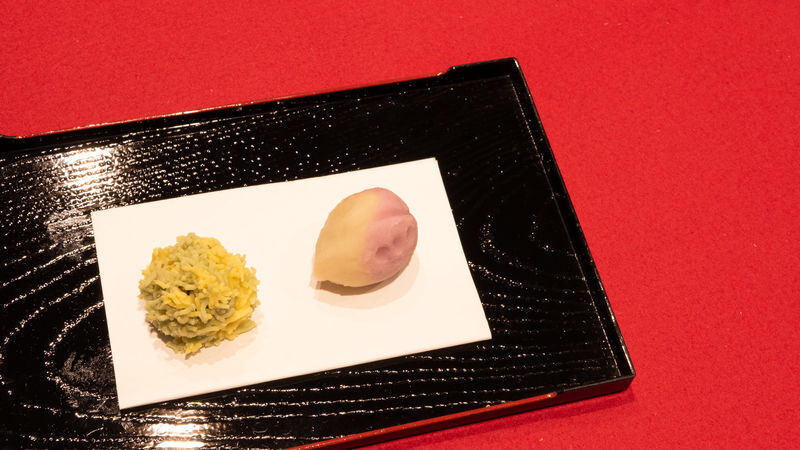
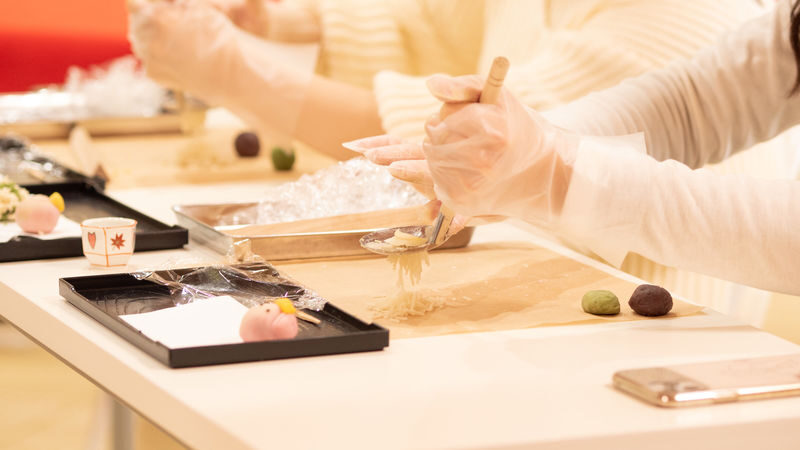
The heart of the class is hands-on: you make two pieces of nerikiri, a traditional Japanese confection often shaped to reflect the season. The exact designs can change, which keeps the activity tied to the time of year rather than turning it into a fixed, identical project.
You work with white and red bean paste, with the filling sourced from a long-established shop in Kyoto. That detail matters. Nerikiri depends on the feel, flavor, and workability of its paste, and using a quality base gives you a better chance of enjoying the finished sweet as food, not only as a craft project.
The workshop also uses genuine wooden molds made by skilled artisans. Molds are a practical tool, but they point to a larger tradition: Japanese sweets are shaped with care, and the small details are part of the pleasure. You are not simply decorating a premade dessert. You are making something you can arrange on a plate and eat.
The class is set up for people who have never tried wagashi making. The instructor explains each step clearly, so you can follow along without needing specialist skills or kitchen experience. If you are nervous about your handiwork, remember that the goal is to try the process and make two sweets of your own, not produce a shop-window display.
You can also read our reviews of more tours and experiences in Sendai.


A Short Class With a Friendly, Clear Pace
The scheduled activity takes about 1 hour and 5 minutes, while the experience is generally described as lasting around an hour. That makes it easy to fit between sightseeing stops, a meal, or other plans in Sendai.
The instructor’s patient approach is one of the best reasons to book. The directions are clear, and the atmosphere can be conversational. The class works for solo participants as well as groups, so you do not need to bring a companion to make the hour enjoyable.
That flexibility is useful if you are traveling alone or have a mixed-age group. There is no age limit, though younger participants may naturally need help with the hands-on parts. Since the class is brief and focused, you can take part without giving up half a day.
A class this short has limits. You should not expect a wide-ranging lesson on wagashi history, several recipes, or a long kitchen session. The value is in trying a traditional technique yourself, learning through the materials, and leaving with two sweets you made.
From Bean Paste to Edible Artwork
Nerikiri sits at the meeting point of food and visual art. The sweets are shaped with attention to form, and seasonal designs give them meaning beyond their flavor. This class lets you experience that link directly: the final step is placing your handmade sweets on a plate and seeing how they look as a finished pair.
The process is beginner-friendly, but it still asks you to work carefully. That is part of the fun. You get to make choices and see how the paste responds, while the instructor guides you through the steps. If your result looks a little different from the sample, that is not a failure. It is a sweet with your fingerprints on it.
The workshop describes the sweets as delicious as well as decorative. With good-quality paste, you have reason to look forward to eating what you make. This is a better fit for anyone curious about Japanese food culture than for someone who only wants a quick photo opportunity.
You do not need to arrive with a deep knowledge of Japanese confectionery. A little curiosity is enough. The ingredients and instruction are included, so the class gives you a direct introduction without asking you to source supplies or prepare in advance.
Finding AN SENDAI in Central Sendai
The workshop takes place at AN SENDAI Japanese Culture Experience, on the 7th floor of the No. 1 Aoba Building at 1-1-6 Omachi, Aoba-ku, Sendai. The address in Japanese is 宮城県仙台市青葉区大町1-1-6 第一青葉ビル7階.
The entrance and elevator are inside the building. Keep an eye out for the building name and take the elevator to the seventh floor; the workshop is not at street level. This is a useful detail to know before you set off, especially if you are watching the clock for a scheduled class.
Your exact meeting time is confirmed after booking. Choose from the available session times and arrive for the time you selected. The activity’s schedule can change with conditions, so leave a little breathing room if you have a tightly planned day afterward.
The supplied details also describe a return to a hotel or personal address, but do not give a set departure or return time. Confirm the arrangements when booking rather than assuming this is a standard pickup service. The class itself is at the Aoba Building address.
Is US$11.79 Good Value?
At a starting price of US$11.79, this is an inexpensive way to try a traditional craft in Sendai. The fee includes all necessary ingredients, and you make two sweets rather than simply observing a demonstration. That makes the price especially appealing if you want a hands-on cultural activity without committing to a longer class.
The value is not only in the food. You are using ingredients sourced from Kyoto and traditional wooden molds, with an instructor guiding the process. For a modest fee, you get a small, tangible connection to Japanese confectionery and a chance to make something yourself.
Keep the scope in mind. This is a one-hour introduction, not an in-depth course or a meal. Other personal expenses are not included, and the package listed is for the sweets-making activity. If you are looking for a substantial cooking experience, you may want a longer food tour or class instead.



Who Will Enjoy This Best
I’d recommend this workshop to anyone who likes trying local food through doing, not just eating. It suits first-time visitors who want an easy cultural activity, solo participants who enjoy a friendly class, and groups looking for a compact shared experience.
It is also a good choice if you have limited time in Sendai. The short duration leaves room for other plans, while the finished sweets give you a small souvenir of the experience, even if they are meant to be eaten.
Families can consider it too, since there is no age limit. Just remember that no specific child-focused program is described, so younger participants may need an adult’s help with the activity.
If your main goal is a long lesson in the history of wagashi, or a chance to make several types of sweets, this may feel too brief. If you want a welcoming first taste of the craft and a pair of seasonal nerikiri to make and eat, it fits the bill.
Booking and Practical Notes
The voucher is mobile, and you should present it at the activity. It is valid only on the date and time specified, so double-check your selected session before you go.
You can change a booking up to 24 hours before the activity starts, subject to the stated exceptions. A full refund is available if you cancel at least 24 hours before the activity date, using local time in Japan.
The activity provider is 株式会社B.B.Advisors 仙台. The class has no age limit, and all necessary ingredients are included. Bring your appetite and a little patience for shaping your sweets; no special preparation is described as necessary.
Should You Book This Sendai Sweets Class?
Book it if you want a friendly, affordable hour of hands-on Japanese culture. The combination of Kyoto-sourced paste, artisan-made wooden molds, clear instruction, and two seasonal sweets makes this more meaningful than a quick tasting.
Skip it if you want a full cooking course or a detailed survey of Japanese desserts. The class keeps to one craft and a short session. For most curious visitors, that focus is its strength: you get a practical introduction, make something with your own hands, and finish with an edible piece of Sendai holiday memory.
Japanese Traditional Sweets Making in Sendai
“Instructor was very very friendly kind and helpful. They speak English well and they explain the process clearly. Super fun! Highly Recommended.”
FAQ
How long does the Japanese sweets-making class last?
The activity lasts about an hour. The scheduled duration is listed as 1 hour and 5 minutes.
How many sweets will I make?
You will make two seasonal Japanese sweets called nerikiri.
What ingredients are included?
All necessary ingredients are included. The white and red bean paste is sourced from long-established shops in Kyoto.
Do I need experience making Japanese sweets?
No prior experience is required. The class is designed to make traditional confectionery easy to try, with clear instructions from the instructor.
Is there an age limit?
No. The activity has no age limit.
Where is the workshop held?
It is held at AN SENDAI Japanese Culture Experience, on the 7th floor of the No. 1 Aoba Building, 1-1-6 Omachi, Aoba-ku, Sendai.
Can I cancel and get a refund?
You can receive a full refund if you cancel at least 24 hours before the activity date, based on local time at the destination.