
Kairakuen’s plum trees are the main event: about 3,000 trees, representing roughly 100 varieties, fill the garden with blooms from mid-February to late March. I love that the show is not limited to one shade of pink or one brief peak, and I love that this historic garden was created for people to enjoy together, not just for a ruler’s private stroll.
You can also visit Kobuntei, a wooden pavilion associated with the garden’s founder, Tokugawa Nariaki, and take in a quieter side of Mito’s history. The main drawback is timing: plum season can bring long ticket lines, while an early visit in the season may find only a few varieties in flower.
- Kairakuen at a glance
- Why Kairakuen feels different from a palace garden
- The plum trees: the best reason to plan your timing
- Beyond plum season: spring flowers and September color
- Kobuntei: a historic pause inside the garden
- Getting there from Mito Station
- Ticket value, free entry, and the small print
- Entry and timing tips that can save you a wait
- Who will enjoy this visit most
- Should you book Kairakuen admission?
- FAQ
- How long should I allow for Kairakuen?
- When is the Plum Festival?
- Does the main garden ticket include Kobuntei?
- How do I get to Kairakuen from Mito Station?
- Can I re-enter after leaving the garden?
- What are the opening hours?
- More Tours in Mito
- More Tour Reviews in Mito
Kairakuen at a glance
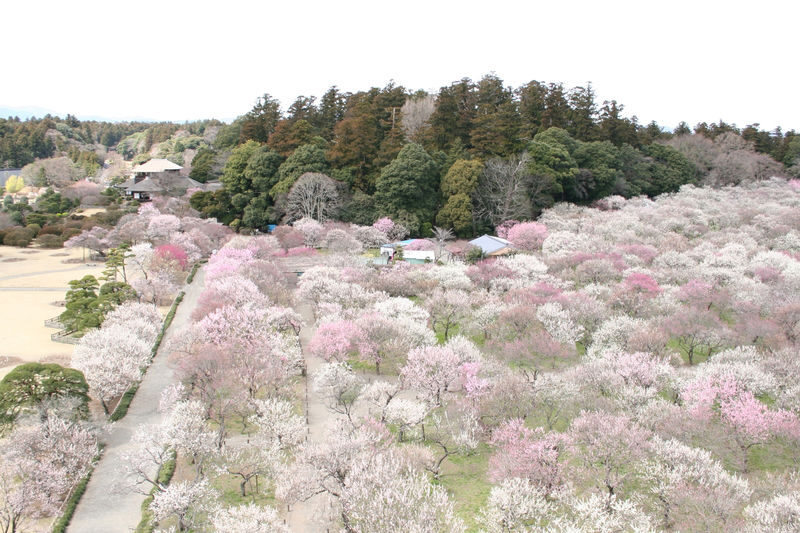
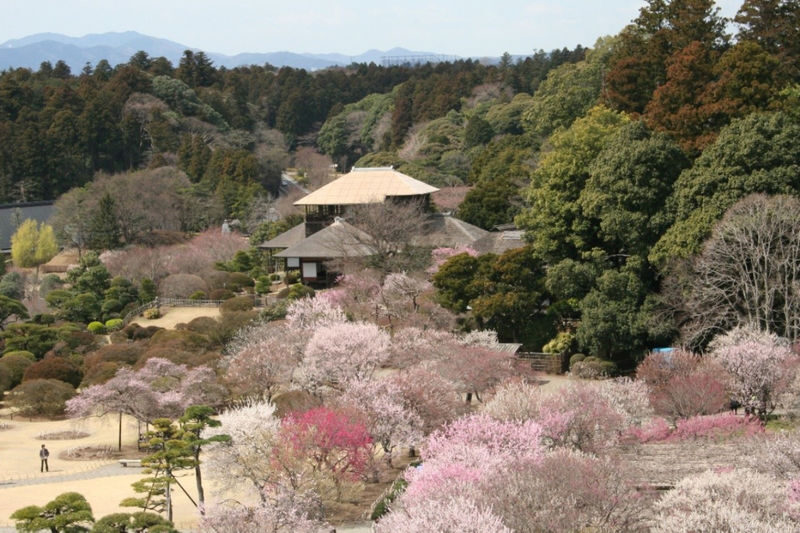
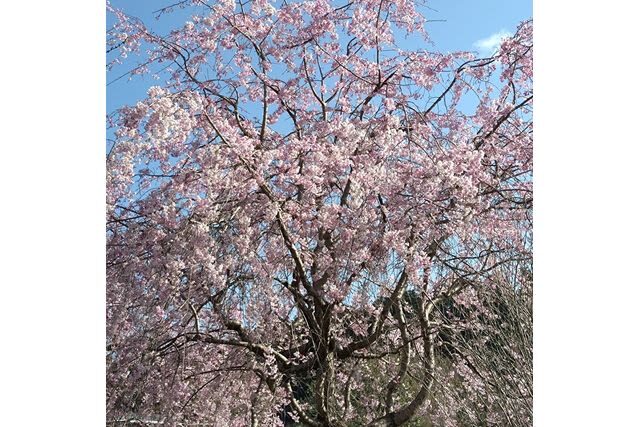
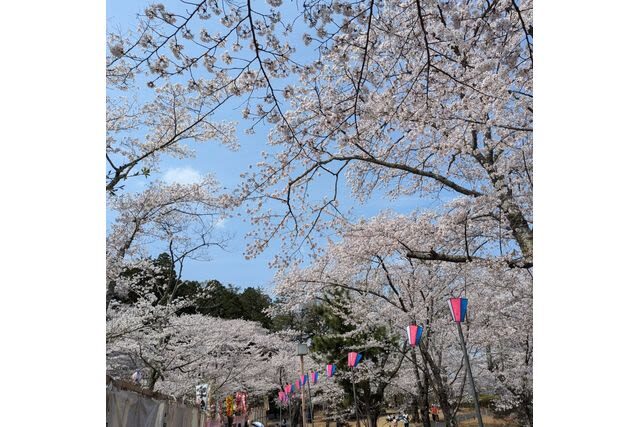
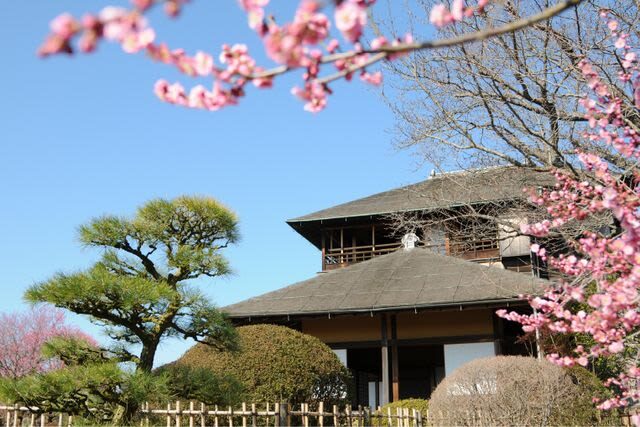
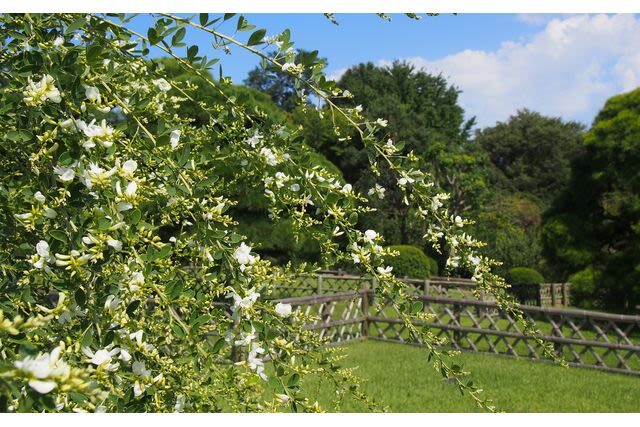
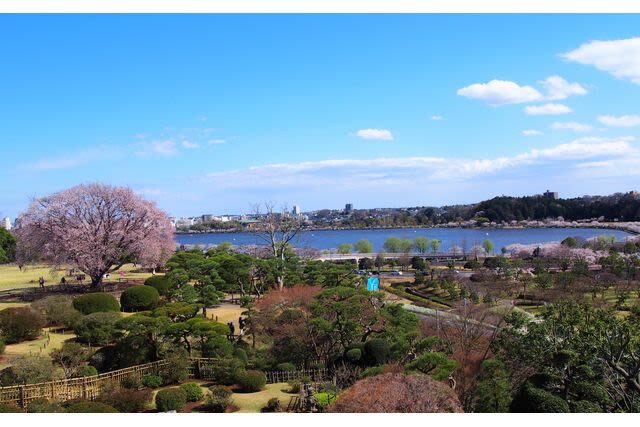
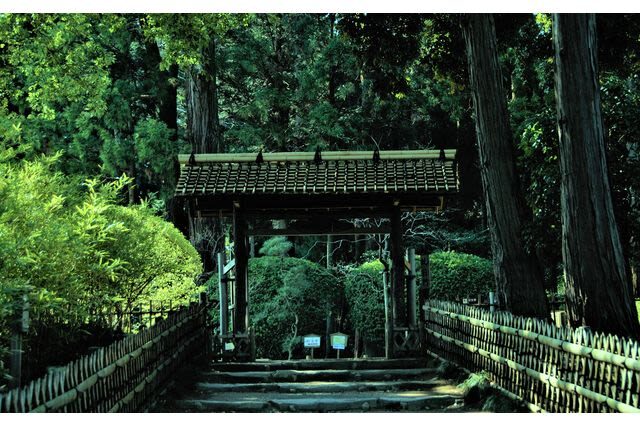
- About 3,000 plum trees: Roughly 100 varieties give the garden a long flowering season and a mix of colors and forms.
- A garden made for shared enjoyment: Lord Tokugawa Nariaki established Kairakuen in 1842 with the idea that people should enjoy it together.
- More than a winter flower stop: Cherry blossoms and azaleas follow the plum season, with bush clover appearing in September.
- Kobuntei has a separate ticket option: Check your selection carefully if you want to enter the pavilion as well as the main garden.
- Advance purchase can save time: Ticket queues can grow during the Plum Festival, especially around peak bloom.
- A modest price, but check free-entry rules: The ticket starts at about $0.75, and some visitors qualify for free admission.
Why Kairakuen feels different from a palace garden
Kairakuen is counted among Japan’s three most famous gardens, alongside Kenrokuen in Kanazawa and Korakuen in Okayama. Its name and purpose matter: Nariaki, the ninth lord of the Mito domain, established it in 1842 as a place for people to share, rather than a private retreat reserved for the ruling household.
That idea gives the visit a more open, public feel. You are not simply admiring a polished garden from a distance. You can follow paths through a large green space, pause among the trees, and take your time without needing a guide or a tightly scheduled tour.
The garden’s changing flowers also make it worth considering outside the famous plum season. Plum blossoms are the headline, but cherry blossoms and azaleas come later, while bush clover adds a September display. If your dates are fixed, the garden can still offer a pleasant walk, but the season will shape what you see.
You can also read our reviews of more tours and experiences in Mito.
The plum trees: the best reason to plan your timing
Kairakuen’s 3,000 plum trees are spread across about 100 varieties. That variety is useful for visitors because the blossoms do not all appear at once. The annual Plum Festival runs from mid-February to late March, and the season can offer different stages of bloom depending on your date.
At peak, the range of white, light pink, and deep pink flowers makes the garden feel especially rewarding. Their scent is part of the pleasure, too. This is not just a view to photograph and leave; it is a good place to slow down, notice the changing colors, and follow the paths at an easy pace.
The trade-off is that peak bloom draws crowds. Ticket booths can be busy, and queues may stretch during festival weekends and holidays. Buying ahead is a sensible way to avoid spending your first part of the visit waiting to pay.
If you arrive early in the flowering period, do not assume every tree will be in bloom. Early varieties may be open while many others remain bare. That can mean fewer flowers, but also fewer people. For a quieter walk, this may be a fair bargain; for the fullest floral display, check current bloom reports before setting your date.
Beyond plum season: spring flowers and September color
The garden’s appeal changes as the year moves on. After the plum blossoms, cherry blossoms and azaleas take their turn. In September, bush clover adds another seasonal reason to visit. These later displays are a useful reminder that Kairakuen is not simply a February and March attraction.
Still, the experience depends on what you hope to see. If the plum festival is your priority, plan around its mid-February to late-March window and check how the flowers are progressing. If you are visiting in another season, think of Kairakuen as a spacious garden walk with a changing botanical character, rather than expecting the signature plum spectacle.
The garden is large enough to make an unhurried visit worthwhile. The suggested duration is one to two hours, a practical estimate for walking around the main garden and stopping to take in the scenery. Add time if you plan to visit Kobuntei or if festival crowds slow your progress.
Kobuntei: a historic pause inside the garden
Kobuntei is a wooden building within Kairakuen, said to have been designed by Nariaki himself. It has two stories and three levels, and it was used for poetry gatherings and tea ceremonies. Nariaki invited literati, his vassals, and people from his domain to share these activities there.
That history adds a human scale to the garden. The pavilion helps you picture Kairakuen as a place for conversation and cultural life, not only as a collection of plants. Its views are another reason to consider going inside, especially if you want a different perspective on the surrounding garden.
Pay close attention to the ticket you select. The main garden admission ticket covers Kairakuen Main Garden. Kobuntei admission is offered separately, and a combined ticket option is also listed. A Kobuntei-only ticket does not grant entry to the main garden, so check the package name and inclusions before you pay.
The pavilion can become busy, and seating at its café is limited. If you hope to sit down there, be prepared for the possibility that seats are taken. Tripods are not allowed inside Kobuntei, so leave yours packed away if you plan to visit the rooms.
Getting there from Mito Station
From the north exit of JR Mito Station, you can take an Ibaraki Kotsu bus from stop 4. The ride takes about 20 minutes, followed by a walk of roughly three to five minutes from the Kobuntei Omotemon, Kairakuen Higashimon, or Kairakuenmae stop.
Another option is a Kanto Railway bus from stop 6 at the same station exit. Get off at Kairakuen Senba Lake, then walk about five to ten minutes. The two routes have different stops and walking distances, so check which one best suits your starting point and the entrance you want to use.
If you are driving, the garden is about 20 minutes from Mito IC on the Joban Expressway, or about 20 minutes from Ibaraki Higashi IC or Mito Minami IC on the Kita-Kanto Expressway. Parking is available on site, with both free and paid options. The fee can be more than the inexpensive admission, so check parking details before you go and factor it into the day’s cost.
Ticket value, free entry, and the small print
At a starting price of about $0.75, main garden admission is remarkably inexpensive. For a garden visit that can fill one or two hours, it is easy to see the value, particularly if you enjoy seasonal flowers, outdoor walks, and historic settings. A reported practical wrinkle is that parking may cost more than admission, so the ticket price is not necessarily the whole transport budget.
Some visitors qualify for free admission. These include people receiving welfare, people with a disability certificate and one caregiver, and people with a designated intractable disease medical care certificate and one caregiver. Elementary, junior high, and high school students can also enter free on Saturdays outside spring, summer, and winter school holidays. Ibaraki Prefecture residents receive free admission outside the plum blossom viewing period when they show proof of residence, and admission is free for everyone on November 13, Ibaraki Prefecture Day. Entry is also free from opening time until 9:00, except during the plum blossom viewing period.
Adults are defined as people aged 15 and over, excluding students of compulsory education schools. Children include children and students of compulsory education schools. Visitors aged 70 and over who buy a ticket need proof of age from a public institution; admission is free for this age group during the retirement period from September 15 to 25.
The mobile voucher is valid for 180 days from booking confirmation, but the purchase is nonrefundable. Since the wrong ticket type must be repurchased and the price difference cannot be adjusted, take a moment to confirm whether you want the main garden only, Kobuntei only, or a combined option.
Entry and timing tips that can save you a wait
The garden allows re-entry if you show your ticket, wristband, or stamp when returning. That flexibility can be handy if you want to step out and come back, but keep your proof of admission easy to reach.
Have your mobile voucher ready before you reach the entrance. QR-code entry has been smooth for many people, but there have also been cases where the voucher format caused confusion. Mobile reception at the entrance can be poor, so opening the voucher in advance, or saving it for offline access if possible, is a sensible precaution.
Kairakuen Main Garden’s listed hours are 6:00 to 19:00 from mid-February through September 30, and 7:00 to 18:00 from October 1 through mid-February. Kobuntei has separate, shorter hours: 9:00 to 17:00 from mid-February through September 30, and 9:00 to 16:30 from October 1 through mid-February. Both sets of hours and closure dates can change, and the garden is listed as closed from December 29 through December 31. Check the official site before you set out, especially if Kobuntei is part of your plan.
Who will enjoy this visit most
Kairakuen is a strong choice if you like gardens, seasonal flowers, and low-cost cultural stops. It also works well if you want an easy, self-guided outing in Mito rather than a full-day activity with a fixed timetable. There is no age limit, and re-entry is allowed with proof of admission.
Families can make the visit their own pace, though the garden’s size means you will want to allow time for walking. Those most interested in history should consider adding Kobuntei, while flower lovers should aim for the plum festival or check the seasonal bloom schedule for later displays.
If you have limited time in Mito and expect a dramatic flower display, be selective about your dates. Outside the flowering periods, the garden remains spacious and pleasant, but the blooms are the main draw. The right season can turn a simple walk into the highlight of your visit.
Should you book Kairakuen admission?
I would book the main garden ticket if you are visiting during the Plum Festival, especially on a weekend or holiday, because advance purchase can spare you a ticket queue. At this low starting price, it is also an easy addition to a Mito day out, provided you have checked what is in bloom and how you will get there.
Choose a combined ticket if you want to see Kobuntei as well, and verify the inclusions before checkout. If you are visiting outside the plum season, free entry may apply depending on your circumstances and timing, so check the current rules before paying. Kairakuen is best for a relaxed garden visit, not a guaranteed flower spectacle on every date.
Kairakuen Main Garden Admission Ticket (Ibaraki)
“The admission fee is very cheap; the parking fee at the shrine's adjacent parking lot is even more expensive than the ticket, which is puzzling and…”
FAQ
How long should I allow for Kairakuen?
Plan on about one to two hours for the garden. Allow extra time if you want to visit Kobuntei or are going during the Plum Festival, when crowds may slow entry and walking.
When is the Plum Festival?
The annual Plum Festival takes place from mid-February to late March. Bloom timing varies, so check current conditions if seeing the flowers is your main reason for visiting.
Does the main garden ticket include Kobuntei?
The Kairakuen Main Garden Admission Ticket covers the main garden. Kobuntei admission is offered separately, and a combined ticket option is also available. Check the selected ticket’s inclusions before purchase.
How do I get to Kairakuen from Mito Station?
From the north exit of JR Mito Station, take an Ibaraki Kotsu bus from stop 4, about 20 minutes, then walk three to five minutes from one of the listed Kairakuen stops. Or take a Kanto Railway bus from stop 6 to Kairakuen Senba Lake, followed by a five to ten minute walk.
Can I re-enter after leaving the garden?
Yes. Re-entry is permitted if you show your ticket, wristband, or stamp at the entrance.
What are the opening hours?
The main garden is listed as open 6:00 to 19:00 from mid-February through September 30, and 7:00 to 18:00 from October 1 through mid-February. Kobuntei has shorter hours, and opening times or closure dates may change, so check the official information before your visit.