When craving a day away from Tokyo’s hustle, Kamakura offers a captivating glimpse into Japan’s samurai past and spiritual traditions. For just $35 per person, this well-rounded tour takes you through ancient temples, awe-inspiring Buddha statues, lively shrines, and even a touch of seaside charm on Enoshima Island. With a duration of 4 to 8 hours, it’s flexible enough to fit into most travel plans.
What makes this tour stand out? First, we love how knowledgeable guides bring history alive with engaging storytelling. Second, the combination of scenic views and authentic cultural experiences—like tasting shojin-ryori (Buddhist vegetarian cuisine)—creates a memorable day. One practical advantage is that the tour is mostly walking, but with plenty of public transport and sitting breaks, making it accessible and comfortable.
My guide John was very knowledgeable about the historical sites and day-to-day Japanese culture, he also added some surprising details here and there that made the whole experience always interesting and didn't feel as long. The meeting point was very easy to locate as the station only has like one…
Read more ›
A great tour all around. John was very engaging, funny and knowledgeable. The four hours went by very quickly – we saw several shrines and temples, I learned about both religion and history. Would be glad to tour with John again. Thanks!
Two thumbs up 👍 👍. Tour guide John was friendly, flexible and knowledgeable. He put together a customized itinerary for me and knew how to navigate the public transit system to get to sites that were too far away to walk; so, we were able to cover a lot of ground without getting worn out.
A possible consideration? If you have mobility issues or disabilities, this tour might not be suitable since it involves a fair amount of walking and use of public transit. Still, for anyone eager to explore Kamakura’s spiritual and historical heart, it’s an excellent choice, especially if you appreciate guides who are both informative and personable.
This experience is perfect for history buffs, culture lovers, or anyone wanting to see authentic Japan without the hassle of planning every detail themselves. Reviews consistently praise the expert guides, the stunning scenery, and the delicious local food—making it a value-packed way to spend a day.
- Key Points
- A Detailed Review of Kamakura’s Historic Charm
- Starting Point: Kita-Kamakura Station
- Visiting Engaku-ji Temple
- Tokei-ji Nunnery: A Pilgrimage for Women
- Lunch: Savoring Shojin-Ryori
- Tsurugaoka Hachimangu Shrine: Kamakura’s Beating Heart
- Traveling to Ktoku-in and the Great Buddha
- Enoshima Island: Seaside Serenity and Kitsch
- Transportation and Pacing
- Authentic Experiences and Practical Details
- Why We Think It’s a Great Value
- The Guided Experience: Knowledge and Personal Touch
- The Food Component
- Accessibility and Group Size
- Timing and Flexibility
- Who Will Love This Tour?
- Final Thoughts: Is It Worth It?
- FAQ
- The Best Of Kamakura!
- More Tour Reviews in Kamakura
Key Points
- Expert-guided experience offers engaging stories and deep insights into Kamakura’s history and culture
- Affordable price of $35 for a full day of exploration, transportation, and meals
- Flexible tour duration from 4 to 8 hours, accommodating different schedules
- Accessible transportation combined with walking, with plenty of spots to relax and take photos
- Authentic culinary experience with traditional shojin-ryori (vegetarian Buddhist cuisine)
- Beautiful sights including the towering Great Buddha of Kamakura and historic shrines
👉 See our pick of the 10 Best Walking Tours In Kamakura
A Detailed Review of Kamakura’s Historic Charm
You can also read our reviews of more tours and experiences in Kamakura.
Starting Point: Kita-Kamakura Station
The adventure begins outside Kita-Kamakura Station, a quiet spot that instantly transports you from Tokyo’s busy streets to a more contemplative pace. Our guide, John, was waiting with a friendly smile and plenty of enthusiasm. The ease of meeting here sets a relaxed tone for the day ahead, knowing you’re in capable hands.
Visiting Engaku-ji Temple
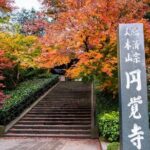
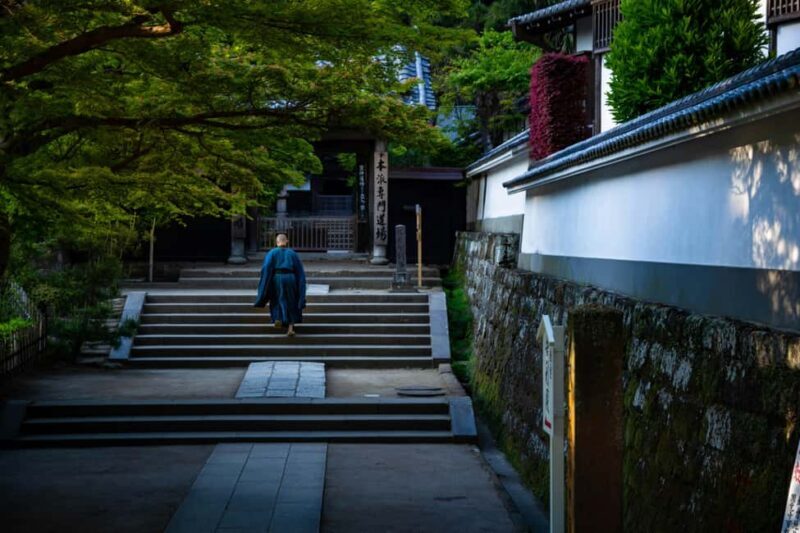
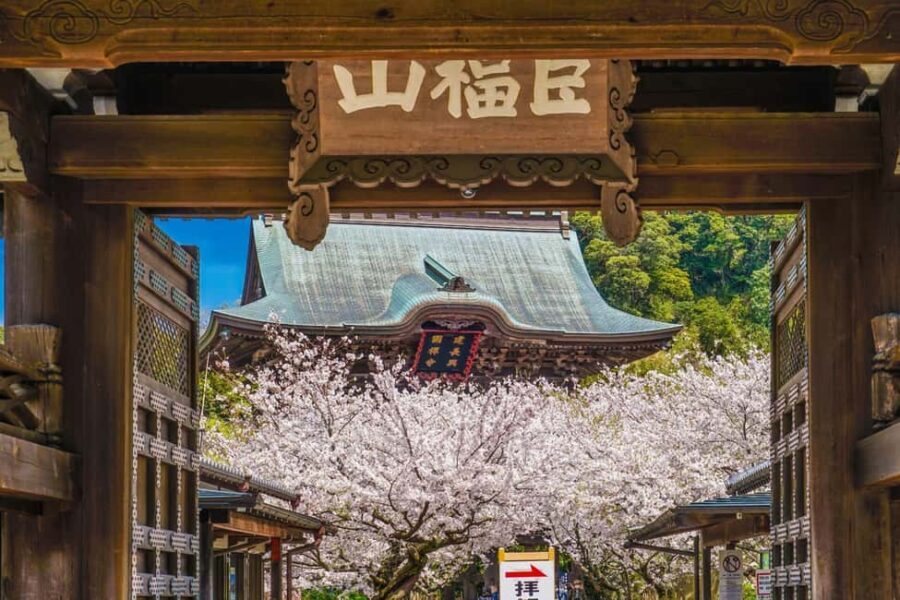
Our first stop was Engaku-ji, one of Japan’s most significant Zen temples. We loved the way our guide explained the importance of Zen Buddhism in shaping Japanese arts, politics, and spiritual practices. The temple’s serene grounds and meticulous architecture offer a peaceful space for reflection. The guided one-hour tour included stories about the temple’s history and its connection to Kamakura’s rise as a political capital.
Tokei-ji Nunnery: A Pilgrimage for Women
Next, a quick 15-minute stop at Tokei-ji, a former nunnery and pilgrimage site for women. This site adds a layer of feminine spiritual history to the tour—something we found particularly interesting. Our guide highlighted its unique role in supporting women’s spiritual pursuits, making it a meaningful detour.
More Great Tours NearbyLunch: Savoring Shojin-Ryori
Midday, we paused for lunch at a local restaurant where we indulged in shojin-ryori, the vegetarian Buddhist cuisine traditionally eaten by monks. The dishes were flavorful, healthy, and beautifully presented—a real highlight for foodies. If you’re on the shorter 4-hour tour, this meal can be arranged upon request, but it’s included in the full 8-hour experience, adding a cultural flavor to the day.
John was a GREAT guide! Made the day with his stories, experiences and most importantly, his professionalism!
The guide, John, was excellent, very knowledgeable, pleasant, answered all our questions, easily adjusted to the needs of our group of 6 people, showed us all major sights in Kamakura. His itinerary and pace was just right for our group, given that we only had half of the day to explore Kamakura on…
Read more ›
Great tour with John. Be prepared for walking, because there’s a lot of that. John knows his history. My family found the tour informative and enjoyable.

Tsurugaoka Hachimangu Shrine: Kamakura’s Beating Heart
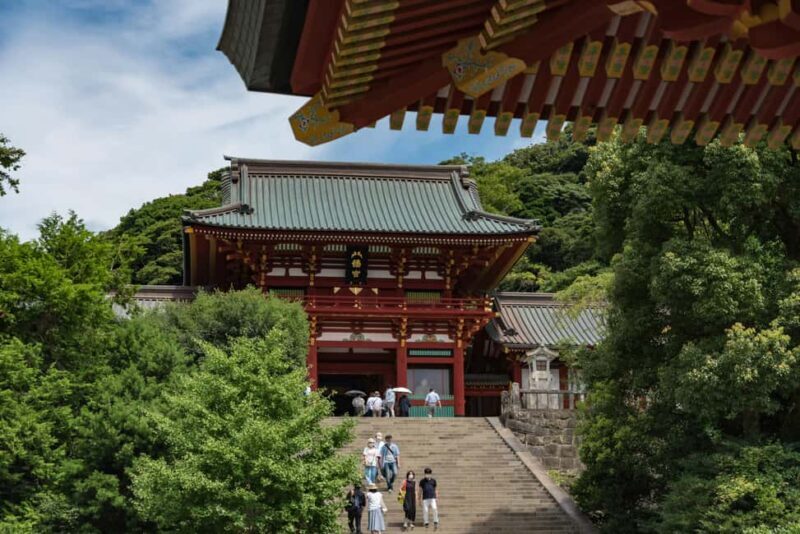
Post-lunch, we visited Tsurugaoka Hachimangu, Kamakura’s most iconic and expansive shrine. Our guide explained its significance as the political and spiritual center during the Kamakura period. We appreciated the lively atmosphere here, with locals and visitors alike enjoying the spacious grounds and scenic views. The 30-minute guided walk included stories about the shrine’s history and its connection to samurai culture.
Traveling to Ktoku-in and the Great Buddha
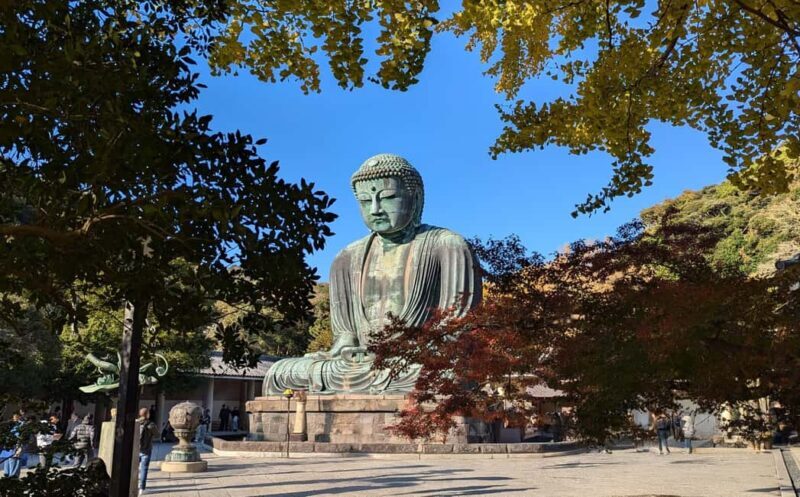
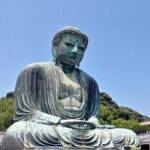
After a short bus ride, we arrived at Kamakura’s most famous symbol: the Great Buddha of Kamakura at Kamakura Daibutsu. Standing over 13 meters tall, this colossal bronze statue radiates a calm power. Our guide shared fascinating facts about its construction and resilience through earthquakes and war. The reviews echo this sentiment, with one visitor calling it “possibly the most beautiful Buddha” they’d seen.
Enoshima Island: Seaside Serenity and Kitsch
The tour’s final highlight, Enoshima Island (included in the 8-hour tour), is a delightful mix of sacred sites, natural beauty, and a touch of kitschy tourist fun. We loved the spectacular sunset views and the variety of shrines and caves to explore. The island’s laid-back vibe makes for a perfect end to a day filled with history, spirituality, and scenic beauty.
Transportation and Pacing
What makes this tour especially appealing is the well-planned transportation—buses and trains that efficiently connect sites—and the plenty of spots to sit and soak in the views. The pace is manageable, with enough time to explore each site without feeling rushed. Reviewers repeatedly mention how guide John’s storytelling and flexible approach made the day enjoyable and educational.
Authentic Experiences and Practical Details
Why We Think It’s a Great Value
At just $35, this tour offers a comprehensive introduction to Kamakura’s highlights. The inclusion of local transport, a traditional meal, and guided insights makes it a cost-effective way to experience this historic city. Compared to independent travel, where you'd spend time researching, navigating, and finding authentic food, this guided experience saves you time and ensures you don’t miss key highlights.
The Guided Experience: Knowledge and Personal Touch
Many reviews commend the knowledgeable guides, with one traveler stating, “John is the best, he has a strong energy and impressive knowledge about Japan.” The storytelling aspect brings sites to life, helping you understand their significance beyond surface beauty. This is especially valuable when visiting temples and shrines that each have deep-rooted cultural stories.
The Food Component
Tasting shojin-ryori adds a memorable culinary layer—vegetarian dishes that are both healthy and representative of monastic traditions. If you have dietary restrictions, let the tour operator know; they seem accommodating, and reviewers have appreciated the gluten-free options on request.
Accessibility and Group Size
The tour is offered as a private or small-group experience, allowing for a more personalized and flexible approach. However, for those with mobility impairments, be aware that the walk involves some physical activity and use of public transit.
Timing and Flexibility
You can choose between a 4-hour and an 8-hour tour, making it adaptable to your schedule. The full-day option includes Enoshima Island, which adds a scenic seaside element that many travelers find refreshing after temple-hopping.
Who Will Love This Tour?
This experience is best suited for culture enthusiasts and history lovers who want a guided, relaxed exploration of Kamakura’s most iconic sites. If you appreciate stories and context behind the sights, this tour’s storytelling approach will resonate. It’s also ideal for those wanting authentic experiences like tasting shojin-ryori or visiting lesser-known sites like Tokei-ji.
Final Thoughts: Is It Worth It?
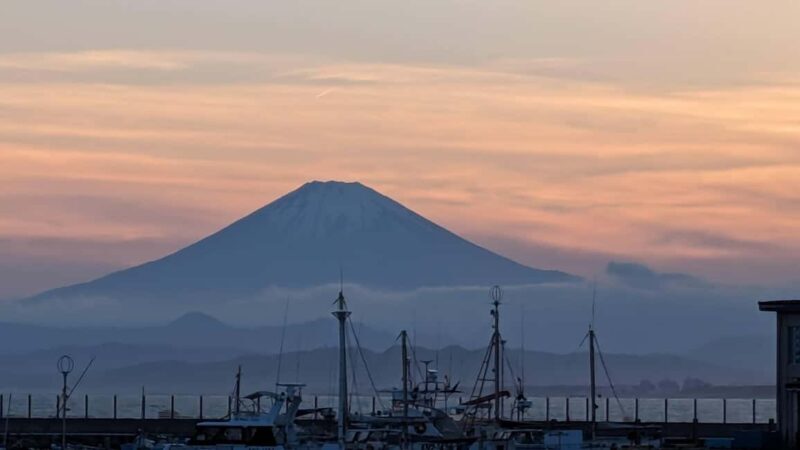
Absolutely. This tour combines expert guidance, cultural richness, and scenic beauty at a reasonable price, making it a very value-packed day trip. The balance of sightseeing, learning, and authentic food ensures you walk away with more than just photos—you gain a deeper appreciation of Kamakura's spiritual and historical significance.
If you’re eager to see Japan’s samurai and Zen roots without the hassle of planning every detail, this tour is a perfect fit. It’s especially worth considering if you want an engaging guide to bring the past alive and ensure you hit all the highlights comfortably.
This experience earns a near-perfect 4.9/5 from travelers and consistently gets glowing reviews for its guides, sights, and meaningful cultural touches.
FAQ

How long is the tour?
The tour lasts between 4 and 8 hours, depending on your chosen option. The full-day includes extra sights like Enoshima Island.
What is included in the price?
The price covers guided visits to major sites, transportation between sites via public transit, and a traditional shoijun-ryori lunch (if booked for the full day). You pay nothing upfront, and cancellation is free up to 24 hours in advance.
Is this tour suitable for everyone?
It’s best for those without mobility issues, as it involves walking and public transport. It’s perfect for travelers who enjoy stories, scenic views, and cultural insights.
Can dietary restrictions be accommodated?
Yes, the tour operator has been praised for accommodating special diets, including gluten-free options upon request.
Is the guide’s language proficiency good?
Yes, guides deliver information fluently in English, making the experience accessible for international travelers.
Are group sizes small or private?
Both options are available, but most reviews mention a personalized experience with small groups or private guides.
What is the best time of year to take this tour?
While the tour runs year-round, spring and autumn offer the most scenic views with cherry blossoms or fall foliage, enhancing the experience.
How strenuous is the tour?
It involves a fair amount of walking but includes plenty of opportunities to sit and relax. The pace is flexible—your guide will adjust based on your needs.
What should I bring?
Comfortable shoes, sun protection, and a camera are essentials. If you want to learn more about the sites, bring your curiosity and an open mind.
This Kamakura tour stands as a thoughtful, well-executed way to connect with Japan’s medieval past, its spiritual traditions, and its scenic beauty—all guided by experts who make history both accessible and fun. Whether you’re a history buff, a food lover, or simply seeking a memorable day outside Tokyo, this experience offers authenticity, value, and plenty of memorable moments.
You can check availability for your dates here: