Kanazawa’s samurai past comes into focus on foot, from the lanes of Nagamachi to the gardens of Nomura House. This half-day tour also makes room for two working craft traditions and ends inside Myoryuji, the temple famed for its hidden passages and defensive tricks.
I like the mix of hands-on craft and historical sites: you see how lacquer and handmade umbrellas are made, rather than spending the whole day looking at objects behind glass. I also like that lunch and admission to Nomura House and Myoryuji are included, so the price covers more than a guided walk.
The main consideration is the walking and the temple’s tight stairs and passages. This is not a good fit if you have mobility limitations, use a wheelchair or stroller, or are bringing a preschool child who wants to enter Myoryuji.
- What makes this Kanazawa walk worth your time
- From Oyama Shrine into samurai-era Kanazawa
- Nomura House and its garden
- Lacquer and handmade umbrellas, two crafts with local roots
- Lunch in the Nishi Chaya geisha district
- Inside Myoryuji, Kanazawa’s Ninja Temple
- How the price works for your day
- Who should book this walk
- Should you book the Kanazawa Samurai and Geisha Walk?
- FAQ
- Where does the tour start?
- What departure times can I choose?
- Where does the tour end?
- What is included in the price?
- Can the lunch accommodate vegetarian or gluten-free diets?
- Can preschool children enter Myoryuji Temple?
- Is the tour suitable for someone with mobility limitations?
- The Best Of Kanazawa!
- More Walking Tours in Kanazawa
- More Tours in Kanazawa
- More Tour Reviews in Kanazawa
What makes this Kanazawa walk worth your time
 1 / 9
 2 / 9
 3 / 9
 4 / 9
 5 / 9
 6 / 9
 7 / 9
 8 / 9
 9 / 9
- A close look at Nagamachi: Walk through the preserved samurai district and visit Nomura House, known for its garden and samurai artifacts.
- Two traditional workshops: Learn about urushi lacquer at a historic studio, then see how Japanese paper umbrellas are made at Kanazawa’s last remaining handmade umbrella workshop.
- A small keepsake included: The lacquer visit includes two pairs of chopsticks, a practical reminder of the craft stop.
- Lunch in Nishi Chaya: Pause for a Japanese lunch in one of Kanazawa’s three geisha quarters.
- A guided visit inside Myoryuji: Your tour guide helps with check-in, then a resident temple guide leads the temple visit.
- A guide who welcomes questions: Tetsuya is among the guides described as friendly and ready to answer them.

👉 See our pick of the We Rank The 13 Best Workshops & Classes In Kanazawa
From Oyama Shrine into samurai-era Kanazawa
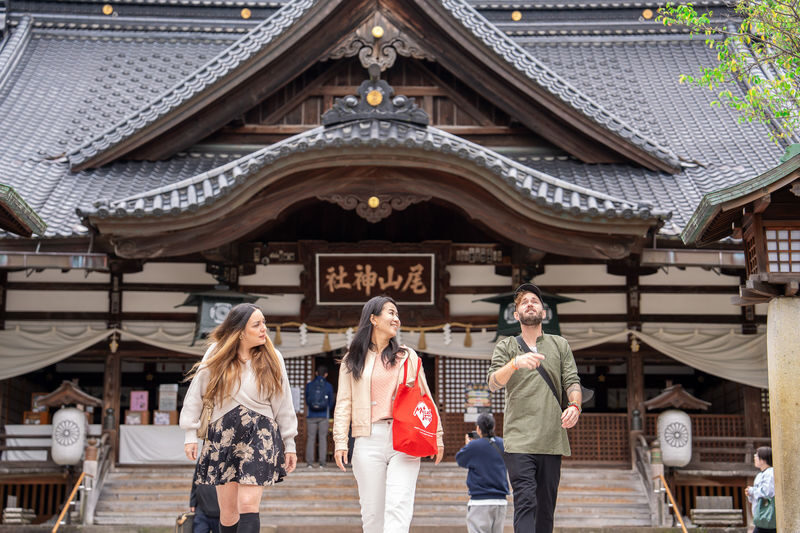
Meet your guide in front of the main torii gate at Oyama Shrine. Look for a red or orange MagicalTrip sign, and arrive ten minutes before your selected departure. The available start times are 9:00, 10:00 and 11:00, but you need to choose one when booking and be there on time. Late arrivals cannot join, reschedule or receive a refund.
Oyama Shrine is a fitting place to begin because its architecture blends Japanese and Western styles. The guided stop is brief, about ten minutes, so think of it as an introduction rather than an extended shrine visit. If you want to look around at your own pace, arrive early enough to do that before meeting the group.
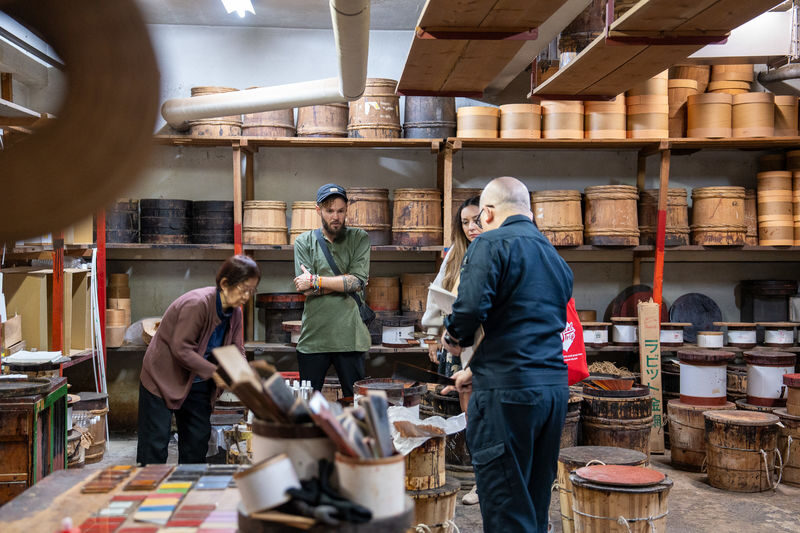
The first craft stop is a traditional urushi lacquer workshop, where you’ll hear about a natural lacquer craft with a long place in Japanese life. You’ll spend around twenty minutes there and receive two pairs of chopsticks. That small gift gives the visit a useful, tangible connection to the work, though this is a short introduction, not a long class where you make an object yourself.
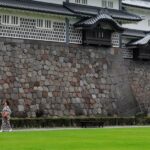
From there, the walk continues toward Nagamachi, the old samurai district. Its preserved streets set up a useful contrast with the shrine and the craft workshop: here, the focus shifts from how things are made to how a samurai household lived. The district walk is listed at about ten minutes, so you’ll get a guided look at the area as part of the route rather than an extended free wander.
You can also read our reviews of more walking tours in Kanazawa


Nomura House and its garden
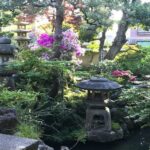
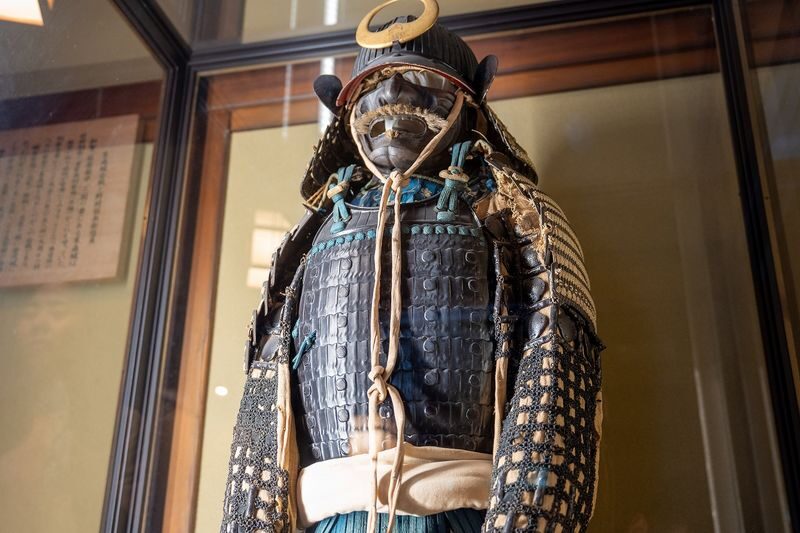
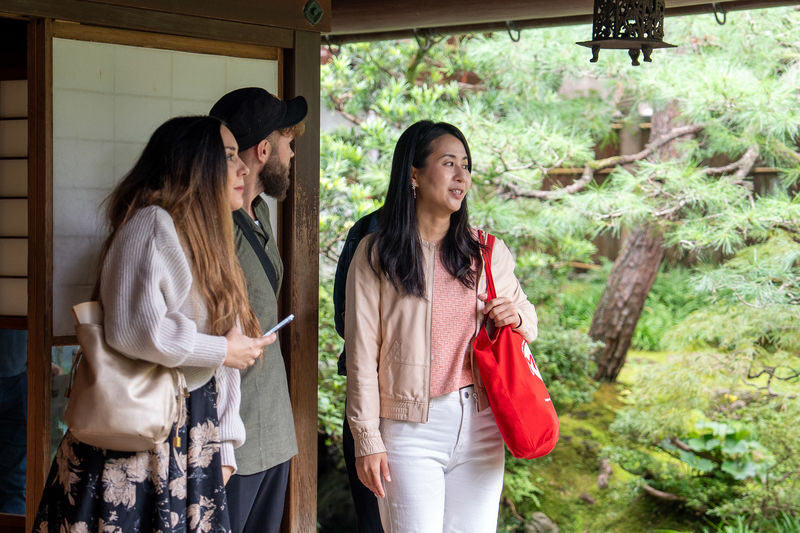
Nomura House is the main samurai-era residence stop. Inside, you can see samurai artifacts and the quiet garden that has earned two stars in the Michelin Green Guide. The visit lasts about twenty minutes, which gives you time to take in the house and garden without turning the day into a long museum visit.
I like that this stop offers more than a general account of samurai life. A preserved residence and its objects give the history a domestic scale: you’re looking at the spaces and things associated with a household, not only hearing about a warrior class in the abstract. The garden adds a calmer counterpoint to the tour’s denser sequence of streets and indoor stops.
That said, twenty minutes is a compact visit. If gardens are a major interest for you, or you prefer to linger over displays, you may wish you had more time. This tour is designed to connect several places in one outing, so its strength is variety rather than a long, unhurried stay at any one site.
Lacquer and handmade umbrellas, two crafts with local roots
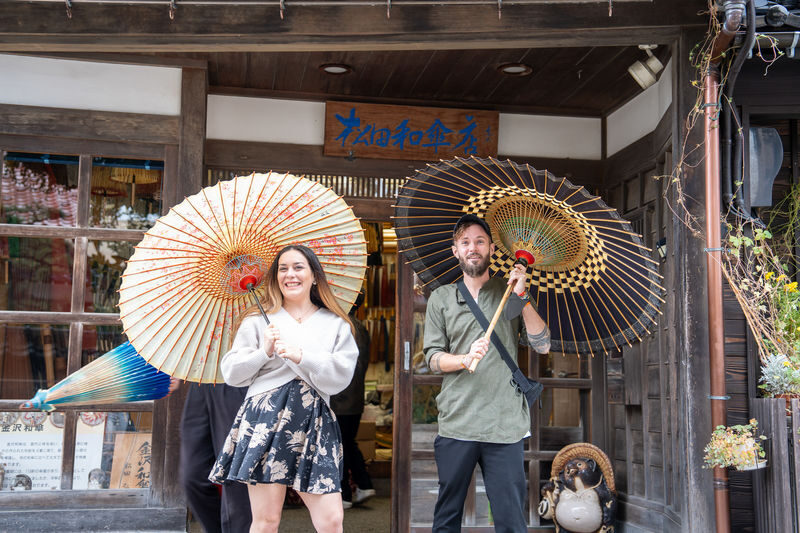
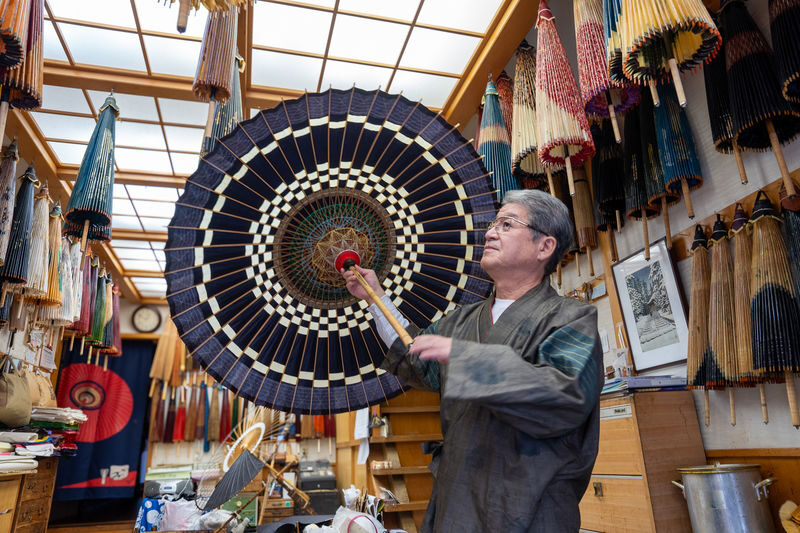
The second craft visit takes you to Matsuda Japanese Umbrella Shop. The guided stop lasts about thirty-five minutes and focuses on handmade paper umbrellas, a traditional Kanazawa craft. It is a rare chance to see a specialist workshop alongside the lacquer studio, rather than treating craft as a single quick stop.
The two visits work well together because they show different kinds of skilled making. At the lacquer studio, you learn about urushi and receive chopsticks. At the umbrella shop, you get more time to see the work behind a handmade object. The schedule does not promise that you’ll make an umbrella or try the craft yourself, so come for the demonstration and explanation, not a hands-on class.
The stops are especially useful if you want a clearer sense of Kanazawa beyond its historic buildings. Craft traditions are part of the city’s cultural life, and seeing them in workshops helps you connect the finished object with the skill and labor behind it. Guides are also central here: visitors have described them as friendly and willing to answer questions. Tetsuya is one guide named for that approachable style, though the information does not guarantee who will lead your departure.
Lunch in the Nishi Chaya geisha district
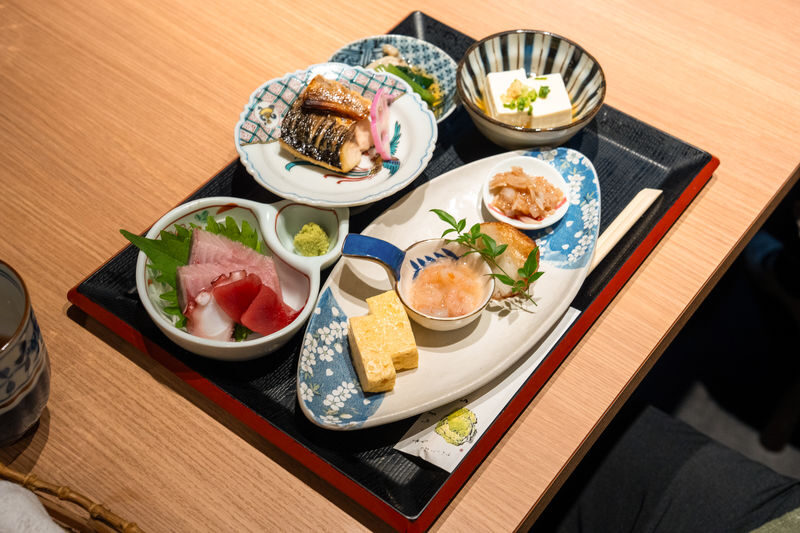
Lunch is scheduled for an hour in Nishi Chaya, one of Kanazawa’s three geisha quarters. A meal in this historic setting gives the walking tour a welcome pause before the last major stop. The tour includes a Japanese lunch and a soft drink, so you don’t need to budget separately for the meal itself.
Food needs require some planning. Vegetarian choices are limited and may still use fish-based dashi, so contact the operator in advance if you need a vegetarian meal. Gluten-free requests cannot be accommodated, and the meal is prepared in an external kitchen, so allergy-free food cannot be guaranteed. Bring cash if you might want extra snacks or drinks; additional purchases and personal expenses are not included.
Inside Myoryuji, Kanazawa’s Ninja Temple
The final stop is Myoryuji, better known as the Ninja Temple. The name can suggest a ninja museum, but the draw here is the temple’s ingenious defensive design, including hidden stairways and secret chambers. Your walking-tour guide helps with check-in, then departs; a resident temple guide leads the visit inside.
The temple tour lasts about forty minutes, and admission and the guided tour are included in the price. Photography is not allowed inside, so be ready to put your camera away and follow the resident guide’s instructions. The building’s tight passages and stairs are part of what makes the visit distinctive, but they also make this the most demanding stop for anyone who has trouble with mobility.
There is no age limit for the walking tour overall, but preschool children cannot enter Myoryuji. If a preschool child comes along, the tour ends for them at the temple entrance, and there is no refund for the temple or tour fee. That makes the temple’s age rule worth weighing before you book, even if the rest of the route looks suitable for your family.
You can also read our reviews of more tours and experiences in Kanazawa

How the price works for your day
At US$97.75 and up, the tour bundles an English-speaking guide, lunch, a soft drink, two pairs of chopsticks, entry to Nomura House and Myoryuji, and the umbrella craft visit. The lacquer studio is also part of the program. When you compare the price with arranging separate entries, food and transport between stops, the package has real practical value, particularly if you want several different sides of Kanazawa in one outing.
You are paying for a guided route and access to a range of places, not for private transport or a private tour. The group may include other participants, and the schedule can change with weather, traffic or facility operations. Stops may be rearranged, and if a place is closed, an alternative location will be arranged. The provider’s overall good review rate is 92 percent across 853 reviews, while this particular tour has a 4.5 rating from only two reviews. The small sample means it is wise to treat that tour-specific figure as a limited signal, not a firm prediction.
The route is on foot, and comfortable shoes matter. Transportation to and from Oyama Shrine is not included. Bring rain gear for light rain; the tour proceeds unless conditions become unsafe, and severe weather can lead to cancellation. At Myoryuji, you can use open shelves for items that do not need to be locked. If you need a locker, it costs ¥100 per use and is non-refundable.
Who should book this walk
This tour suits you if you want a guided introduction to samurai homes, local craft and geisha districts without spending a full day on one theme. It is especially appealing if you like seeing how traditional objects are made, value a meal included in the schedule, and want the unusual temple visit at the end.
It is less suitable if you need step-free access, want a slow visit at each stop, or have strict dietary needs. The tour covers several locations in a set sequence, and the temple’s narrow stairs and passages are not accessible to everyone. If you have a preschool child, remember that they cannot enter Myoryuji, and the tour fee is not refunded for that portion.
Should you book the Kanazawa Samurai and Geisha Walk?
Book it if the combination is what you want: a samurai residence, two craft studios, lunch in Nishi Chaya and a guided visit to Myoryuji, all with an English-speaking guide. The route offers a good range of experiences for the price, and the chance to ask questions can make the workshops much more rewarding than a quick stop on your own.
Skip it if you want a leisurely day at a single site, need an accessible route, or require guaranteed gluten-free or allergy-safe food. For most visitors with comfortable walking shoes and flexible meal needs, this is a practical way to see several distinct parts of Kanazawa in one outing.
Kanazawa Samurai & Geisha Walk with 2 Craft Studio Visits and Lunch
“Highly recommended tour! Our guide, Tetsuya, was very friendly and ready to answer all our questions.”
FAQ
Where does the tour start?
Meet in front of the main torii gate at Oyama Shrine, 12 Oyamamachi, Kanazawa. Look for a guide holding a red or orange MagicalTrip sign, and arrive ten minutes before your selected departure.
What departure times can I choose?
The available departure times are 9:00, 10:00 and 11:00. You must join at the time selected when booking.
Where does the tour end?
The tour ends after the Myoryuji Temple visit, at 1-chome-2-2-12 Nomachi, Kanazawa. The listed return time is 15:15, but available options can vary with your departure time and itinerary duration.
What is included in the price?
The price includes an English-speaking guide, lunch, a soft drink, two pairs of chopsticks, Nomura Samurai House admission, the Wagasa craft studio visit, and Myoryuji admission and its guided tour. Transportation to and from the meeting point, extra drinks, souvenirs and optional donations are not included.
Can the lunch accommodate vegetarian or gluten-free diets?
Vegetarian options are limited and may include fish-based dashi. Contact the operator in advance about vegetarian needs. Gluten-free requests cannot be accommodated, and allergy-free meals cannot be guaranteed.
Can preschool children enter Myoryuji Temple?
No. Preschool children are not allowed inside Myoryuji. If one joins the tour, the tour ends for them at the temple entrance, with no refund for the temple or tour fee.
Is the tour suitable for someone with mobility limitations?
No. The walk includes stairs and narrow passages, particularly at Myoryuji, and is not suitable for people with mobility issues or for wheelchair or stroller users. Comfortable shoes are recommended for the walking route.