
Most people hear “Kanazawa” and think of Kenroku-en garden. Maybe the geisha district, if they’ve done some research. Then they spend a day there between Tokyo and Kyoto, tick the garden off their list, eat some seafood, and leave. And honestly? That’s a waste.
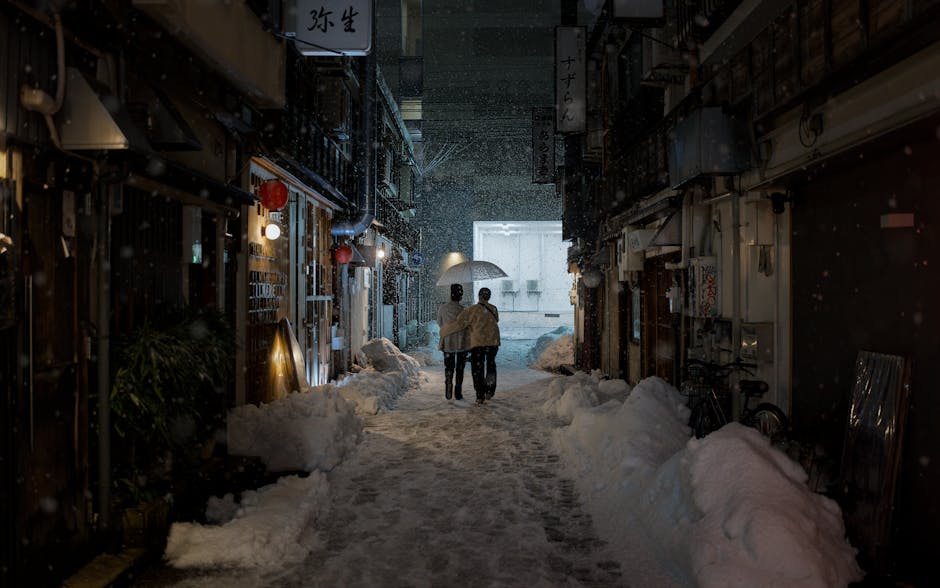
Kanazawa is one of the few cities in Japan where you can walk through a samurai quarter that hasn’t been turned into a theme park, hear a geisha rehearsing through the wooden walls of a teahouse, and eat seafood that was pulled from the Sea of Japan that morning. It survived World War II without bombing, which means the old districts are real — not reconstructions, not replicas, not “faithfully restored in 1987.” The streets are the actual streets. The buildings are the actual buildings.
It’s also small enough that you can see everything on foot in two or three days, and connected well enough by rail that getting there from Tokyo or Kyoto is straightforward.
The name Kanazawa means “marsh of gold,” a reference to a folk tale about a peasant who washed gold dust in the local marshes. The gold connection stuck — to this day, the city produces 99% of Japan’s gold leaf. But the real wealth here is cultural. The Maeda clan ruled the region for nearly 300 years during the Edo period, and they poured money into arts, crafts, and architecture rather than military expansion. That’s why Kanazawa has gardens, teahouses, and Noh theatre traditions instead of the fortified castle towns you find elsewhere. It’s a city built by people who had money and wanted beautiful things.
National Geographic named it one of their best places to visit in 2025, calling it “Japan’s garden city.” It’s getting more attention from international visitors, which means prices are creeping up and the quiet mornings in Kenroku-en won’t last forever. Go sooner rather than later.
This guide covers what’s actually worth your time, what’s overrated, what to eat, and why you should seriously consider visiting in winter.
- Getting to Kanazawa
- From Tokyo
- From Kyoto or Osaka
- Getting around town
- Kenroku-en Garden
- Kanazawa Castle Park
- The Three Geisha Districts
- Higashi Chaya
- Kazue-machi
- Nishi Chaya
- Nagamachi Samurai District
- Omicho Market
- 21st Century Museum of Contemporary Art
- D.T. Suzuki Museum
- What to Eat in Kanazawa
- Nodoguro (blackthroat seaperch)
- Jibuni (duck stew)
- Where to eat
- Sake
- What to budget for food
- Gold Leaf Everything
- Where to Stay
- When to Go (and Why Winter Is Underrated)
- How Many Days?
- Day Trips from Kanazawa
- Shirakawa-go
- Kaga Onsen
- Noto Peninsula
- Other options
- Practical Tips
- Kanazawa vs Kyoto
- A Suggested Two-Day Route
Getting to Kanazawa
From Tokyo
The Hokuriku Shinkansen runs from Tokyo Station to Kanazawa in about 2 hours 30 minutes. Two services cover the route: the Kagayaki (fastest, fewer stops) and the Hakutaka (a bit slower, more stops). There are at least a dozen trains per day. A one-way ticket costs around ¥14,000 — covered by the Japan Rail Pass if you have one.
If you’re only doing a Tokyo-Kanazawa-Tokyo trip, run the numbers on the JR Pass first. It might not save you money for just one return journey.
From Kyoto or Osaka
The Limited Express Thunderbird connects Kyoto and Kanazawa in roughly 2 hours for about ¥7,000 one way. From Osaka, add another 30 minutes and ¥1,500 or so. This is a regular limited express, not a shinkansen — comfortable enough, but not as smooth a ride.
A popular route is Tokyo to Kanazawa to Kyoto (or reverse), which works well because you’re moving across the country without doubling back. The shinkansen north, sightsee for a couple of days, then the Thunderbird south into Kansai.
Getting around town
Kanazawa’s historical centre is compact. You can walk between most major sights in 15-20 minutes. The Kanazawa Loop Bus covers the main attractions if your feet need a break — a one-day pass is ¥800 and stops at the castle, Kenroku-en, Higashi Chaya, and Omicho Market. There’s also a bike-sharing system (Machi-nori) with docking stations scattered around town. Tap your credit card, grab a bike, return it at any station.
Kenroku-en Garden
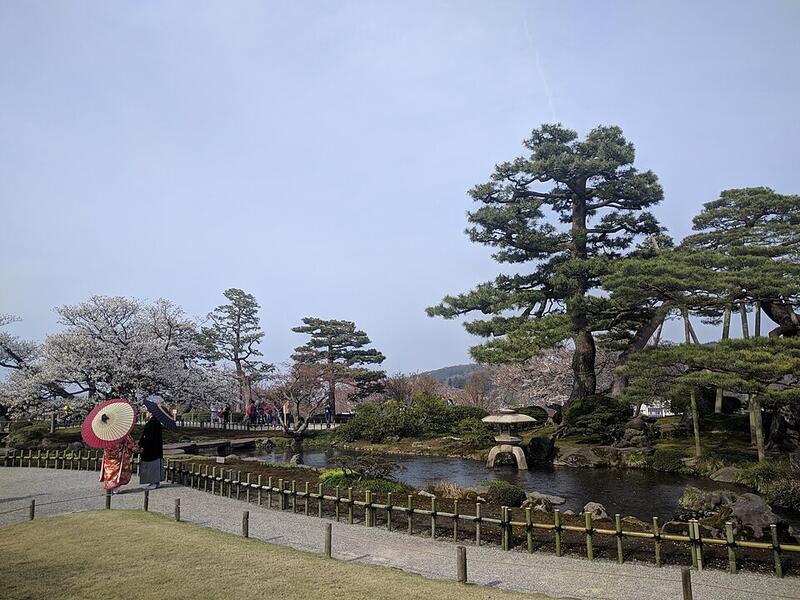
One of the “Three Great Gardens of Japan,” and it actually earns the title. Kenroku-en translates to “Garden of Six Sublimities” — spaciousness, seclusion, artifice, antiquity, water, and panoramas. It was designed to have all six, and it does.
What makes Kenroku-en different from most famous Japanese gardens is its size and variety. This isn’t a single carefully framed view you admire from a veranda. It’s a sprawling landscape that changes character every few hundred metres. The twisted pines around Kasumigaike Pond. The plum grove that bursts with pink blossoms in late winter. Iris ponds that bloom in late spring. It genuinely looks different in every season, and the locals who say “you need to see it in all four” aren’t just being polite.
Entry is ¥320. Budget at least 90 minutes, more if you’re a garden person. Go early in the morning. The garden opens at 7am (8am in winter), and the first hour or two are the best — fewer people, better light, and a stillness that disappears completely by mid-morning when the tour buses arrive.
Winter is when Kenroku-en does something no other garden in Japan does quite as well. The yukitsuri — rope supports strung from bamboo poles to protect the pine branches from heavy snow — turn the garden into something almost sculptural. When fresh snow sits on the branches, it’s extraordinary. Most visitors come in spring (cherry blossoms) or autumn (maples), so you’ll often have winter mornings nearly to yourself.
Seasonal illumination events happen a few times a year. The autumn one is particularly good — the maples lit from below, reflected in the still water of the ponds. Check the Japan National Tourism Organization site for current dates.
Kanazawa Castle Park
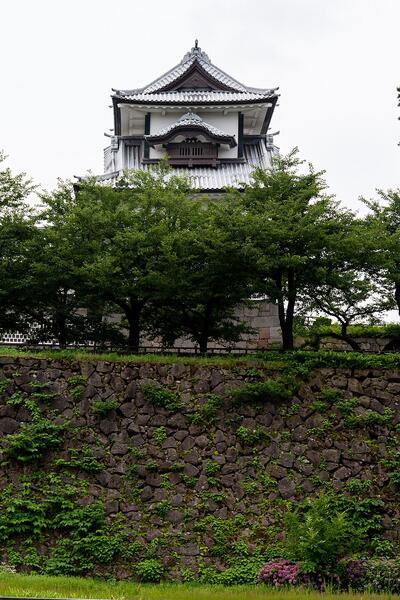
Let’s be honest about Kanazawa Castle: it’s not Himeji. The original keep burned down in a fire in 1602 and was never rebuilt. What you see today is mostly reconstruction — some of it quite recent. If you’re expecting a towering castle silhouette, you’ll be disappointed.
But the park itself is beautiful, and free to enter. The Ishikawa-mon Gate and Sanjikken Nagaya storehouse are genuine historical structures, and the rebuilt Hishi Yagura turret and Gojikken Nagaya have a small museum inside that’s worth a look (¥320). The grounds are spacious and well-maintained, particularly lovely when the irises are out in summer or when snow softens everything in winter.
The castle sits right in the centre of town, directly across the road from Kenroku-en. You’ll pass through it no matter what, so don’t plan it as a separate trip — combine it with the garden and give yourself 30-45 minutes for the park and buildings.
The Three Geisha Districts
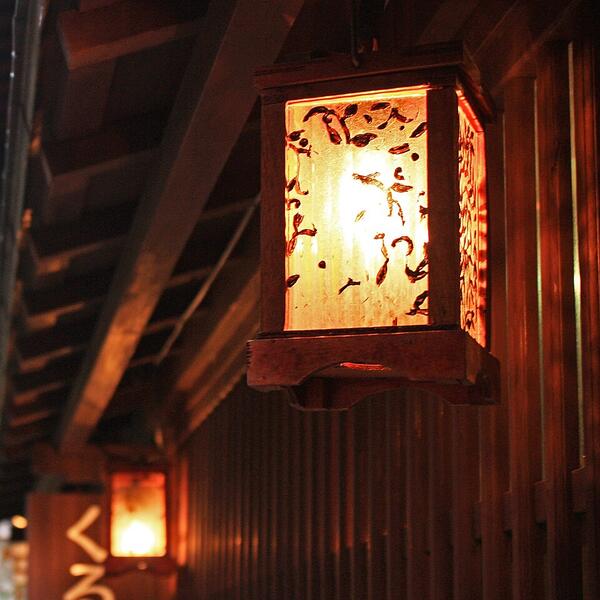
Most travel guides mention Higashi Chaya and leave it at that. Kanazawa actually has three geisha districts, and the lesser-known two are arguably more atmospheric than the famous one.
Higashi Chaya
The one on every postcard. A street of two-storey wooden teahouses with latticed facades, dating to 1820. It’s beautiful, well-preserved, and busy. Very busy. By mid-morning, the main street is packed with travelers taking photos, buying gold leaf souvenirs, and queueing for matcha.
You can enter a few of the teahouses — Shima and Kaikaro are both open to visitors for a few hundred yen. They give you a sense of scale (these buildings are small inside) and history. The gold leaf museum, Kanazawa Yasue Gold Leaf Museum, is here too. But the more interesting option is a Kutani-yaki ceramics workshop where you can paint your own matcha bowl. It’s a better use of your time than another museum, and you leave with something you actually made.
Walk up the hill above Higashi Chaya to Hohsen-ji temple. Bamboo-shrouded, quiet, and almost no one goes up there. The view back over the district is worth the short climb.
Timing matters here. Before 9am, Higashi Chaya is genuinely atmospheric — wooden buildings, empty streets, the possibility of hearing shamisen practice drifting from behind a closed door. After 10am, it’s tourist central. The souvenir shops open, the selfie sticks come out, and the magic evaporates. Come early or come at dusk. Skip the midday scrum.
Kazue-machi
Sitting on the Asano River, Kazue-machi is smaller and quieter than Higashi Chaya. The teahouses face the water, and the whole district has a feeling of being slightly hidden — you could walk right past it and not realise it’s there.
This is the one that looks stunning in extreme weather. In cherry blossom season, the trees along the river frame the wooden buildings perfectly. In a winter blizzard, it’s something else entirely — one writer who’s visited Kanazawa nearly a dozen times described the snow on the district at dawn as “a lost scene from Memoirs of a Geisha.” That’s not overselling it.
There are no museums or ticket gates here. You just walk and look. Which is kind of the point.
Kazue-machi is also where Hotel Pacific Kanazawa sits, wedged between the district and the castle. If you stay there, you can step out for a pre-breakfast walk along the river and have the whole place to yourself. That alone is worth choosing the location.
Nishi Chaya
South of the Sai River, Nishi Chaya is the smallest of the three. A handful of teahouses along a short stretch of road. It’s charming in a way that the more famous districts can’t be anymore, because almost nobody comes here. You might be the only tourist on the street.
Nearby is Myouryu-ji, the so-called “ninja temple.” It’s not actually connected to ninjas — it was built by the Maeda clan with hidden staircases, trap doors, and secret rooms as defensive measures. Visits are by guided tour only (in Japanese, but English pamphlets available) and you need to book ahead by phone. It’s genuinely interesting if you can get a spot.
Nagamachi Samurai District
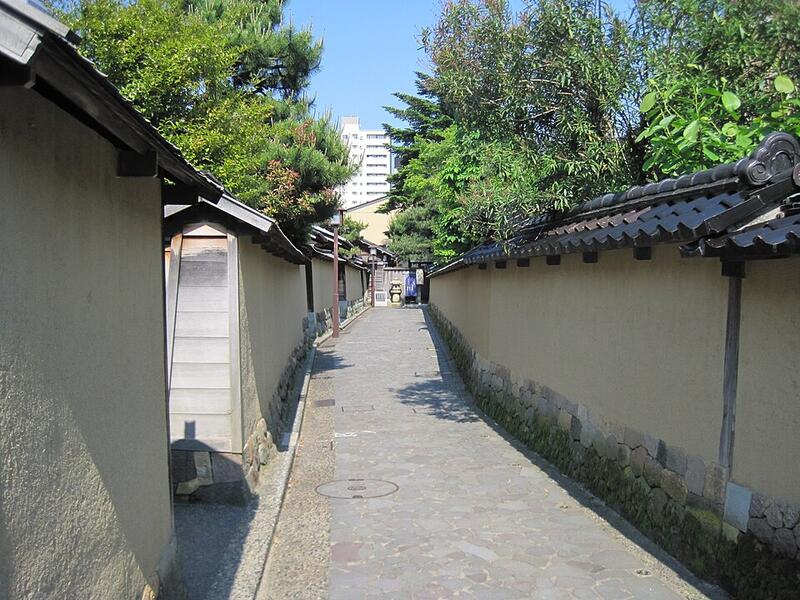
This is the part of Kanazawa that most travelers somehow miss, and I don’t understand why. Nagamachi is possibly the best-preserved samurai district in all of Japan. The earthen walls, narrow lanes, and former warrior residences feel more authentic here than in places like Kakunodate, which gets far more attention.
The main attraction is Nomura-ke House (¥550), a former samurai residence with a small but exquisite garden that’s been rated among the top gardens in the world by the Journal of Japanese Gardening. The house itself gives you a real sense of how upper-class samurai lived — the screens, the tatami rooms, the carefully maintained exterior. It’s compact but dense with detail.
Outside the houses, the district is just a pleasure to walk through. Canalside paths, old walls, and almost nobody around. The quietness is the appeal.
The Nagamachi Yuzen-kan silk dyeing museum is also here, where you can watch the Kaga Yuzen dyeing process or try your hand at painting a silk handkerchief. It’s one of those workshop experiences that works better in person than it sounds on paper.
And then there’s Grill Otsuka. This unassuming restaurant in the samurai district serves what might be the best tonkatsu curry you’ll ever eat. It doesn’t look like much from outside. Don’t let that stop you. The curry is thick, the cutlet is perfectly fried, and the price is reasonable. It’s the kind of place where the regulars all know each other and the portions are generous. Lunch only — get there before the rush or you’ll wait.
Omicho Market
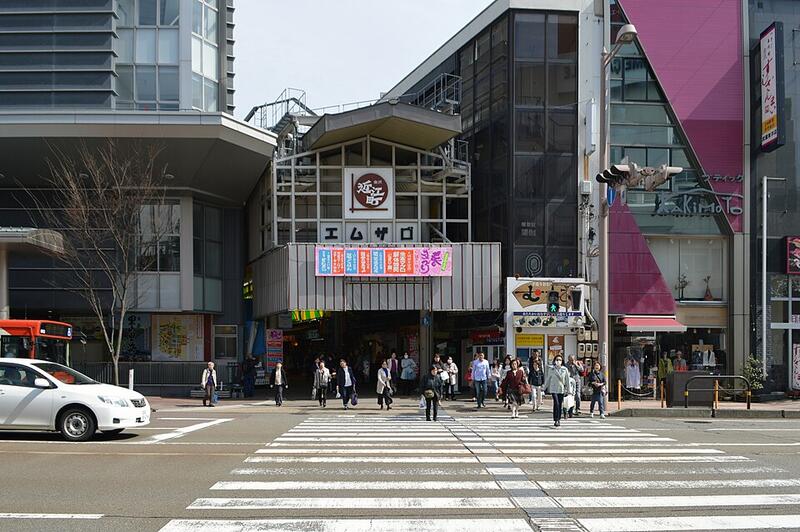
Kanazawa’s main food market, operating since 1721. About 170 stalls selling seafood, produce, and prepared food in a covered arcade near the castle. The fish is genuinely impressive — the Hokuriku coast produces some of the best seafood in Japan, and it shows in the variety and freshness on display.
The thing to eat here is kaisen-don — a rice bowl piled with raw seafood. Snow crab, sweet shrimp, yellowtail, uni, salmon roe, whatever’s in season. Expect to pay ¥1,500-3,000 depending on what you choose and how fancy you go. The crab is the star from November through March.
Fair warning: Omicho is a bit pricey. The market knows travelers are coming, and the prices reflect that. You’ll pay more here than at a random sushi shop a few blocks away. Whether the atmosphere and selection are worth the markup is a personal call. I’d say go once, eat well, but don’t feel obligated to eat every meal here.
If you want a lighter snack rather than a full bowl, the gold leaf soft cream is worth trying. It’s a soft-serve cone wrapped in an actual sheet of gold leaf. Does the gold taste of anything? No. But Kanazawa produces 99% of Japan’s gold leaf, so it’s at least thematically appropriate. ¥500-800 depending on where you get it.
21st Century Museum of Contemporary Art
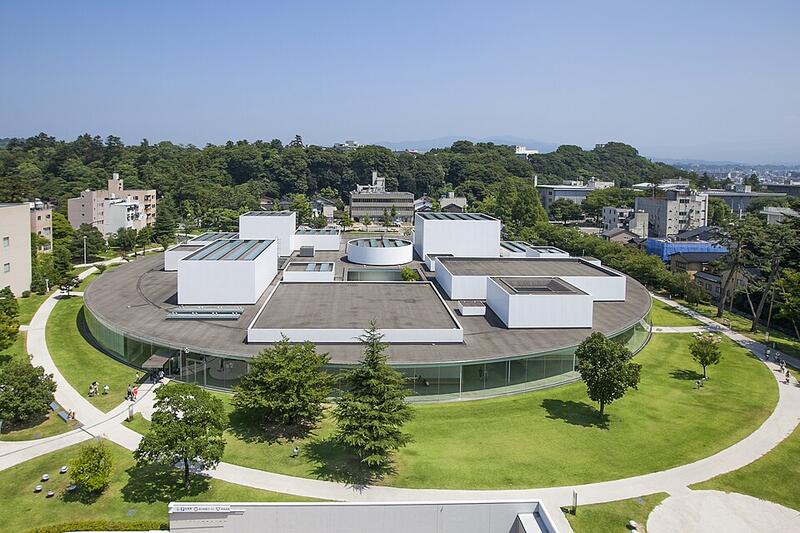
Right next to Kenroku-en, this circular glass-and-steel building couldn’t be more different from the traditional gardens across the road. That contrast is part of what makes Kanazawa interesting — the city doesn’t pretend that traditional culture is the only culture worth having.
The permanent collection zones are free, and they include the building’s most famous piece: Leandro Erlich’s Swimming Pool. From above, it looks like a normal swimming pool with people walking on the bottom. From below, you’re looking up through a thin layer of water at the sky, with visitors on the surface peering down at you. It’s clever and fun, and kids go absolutely wild for it.
Paid exhibitions rotate and vary in quality. Check what’s on before buying a ticket (typically ¥1,200 or so for special exhibitions). The building itself is worth walking through regardless — SANAA designed it as an open, circular space with no front or back, and the architecture alone is impressive.
Open until 8pm on Fridays and Saturdays, which makes it a good evening option.
D.T. Suzuki Museum
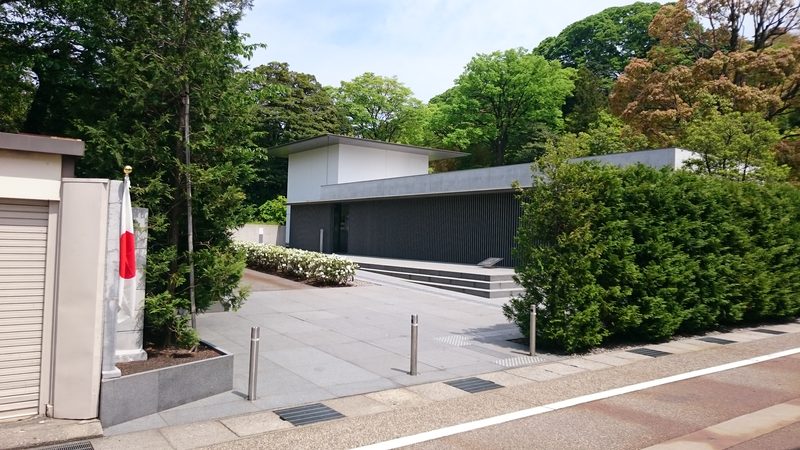
Dedicated to Daisetz Teitaro Suzuki, the Buddhist philosopher who introduced Zen to the Western world. The museum is small, quiet, and designed by Yoshio Taniguchi (the same architect who redesigned MoMA in New York).
The building is as much the point as the exhibits. Three wings — contemplation, learning, exhibition — connected by corridors that open onto a water mirror garden. The reflecting pool is dead still, surrounded by clean white walls, and the effect is genuinely meditative. Even if you have zero interest in Buddhist philosophy, this space is worth experiencing for the architecture alone.
Entry is ¥310. You could be in and out in 30 minutes, but that would miss the point. Sit by the water garden for a while. It’s that kind of place.
What to Eat in Kanazawa
Kanazawa’s food scene doesn’t get the attention that Osaka’s or Tokyo’s does, which is a mistake. The Sea of Japan coastline means the seafood is exceptional, and the city has its own regional dishes that you won’t find elsewhere.
Nodoguro (blackthroat seaperch)
If you eat one thing in Kanazawa, make it nodoguro. It’s a deep-sea fish from the Sea of Japan with an incredibly rich, fatty flavour — sometimes called “the toro of the sea.” It’s often served grilled with salt, which lets the natural oils do the work. Not cheap (a single grilled fillet can run ¥2,000-4,000 at a decent restaurant), but it’s the signature fish of the region for a reason.
Jibuni (duck stew)
Kanazawa’s traditional stew. Duck (or chicken, in cheaper versions) dusted with flour and simmered in a soy-dashi broth with vegetables and wheat gluten. It’s thick, warming, and deeply savoury — the kind of dish that makes total sense in a city with cold, wet winters. You’ll find it on menus all over town, but it’s best at places that specialise in Kaga cuisine.
Where to eat
Grill Otsuka — Already mentioned above. In Nagamachi. The tonkatsu curry is the move. Go at lunch, expect a short wait.
Manmarumaru — Homestyle cooking done right. The kind of restaurant where everything on the menu is good and the portions assume you’ve been working outside all day. Nothing fancy, just satisfying food at fair prices.
Omicho Market stalls — For kaisen-don and fresh seafood. Pick whichever stall has the longest queue of locals (not the one with the English menu out front).
For a proper kaiseki experience, Kanazawa has several high-end options. Zeniya is probably the most acclaimed — no fixed menu, the chef works with whatever was best at the market that day. It’s expensive (¥15,000+ per person), but if you’re going to splurge on one meal in Kanazawa, a kaiseki dinner here is a strong candidate.
Sake
Ishikawa prefecture has been brewing sake for centuries, thanks to clean mountain water from the surrounding ranges and locally grown rice. Kanazawa has izakaya that specialise in local sake flights — try three or four different styles side by side to find what you like. The range goes from clear and crisp junmai daiginjo to cloudy nigori that’s almost dessert-like. If you’re curious but don’t know where to start, ask the bartender at any decent izakaya to guide you through a flight. Most will be happy to. Budget ¥1,500-2,500 for a sake flight at most places.
What to budget for food
Kanazawa isn’t cheap for food, but it isn’t Tokyo prices either. A solid lunch at a casual restaurant runs ¥800-1,500. Kaisen-don at Omicho Market is ¥1,500-3,000. A mid-range dinner at an izakaya with drinks is ¥3,000-5,000 per person. Kaiseki is ¥10,000-20,000. Convenience store meals (surprisingly decent in Japan) will fill you up for ¥500-800 if you’re watching your budget. You can eat well in Kanazawa on ¥5,000 per day if you mix market lunches with izakaya dinners.
Gold Leaf Everything
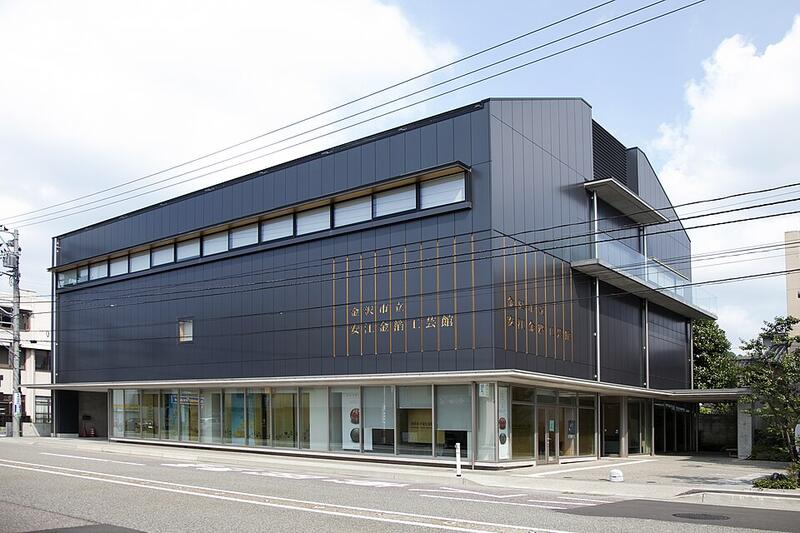
Kanazawa produces 99% of Japan’s gold leaf. That statistic sounds made up, but it’s real. The craft has been here since the Edo period, and the city takes it seriously — gold leaf shows up on pottery, lacquerware, chopsticks, skincare, and yes, ice cream.
The gold leaf ice cream is the most visible manifestation. A full sheet of gold pressed onto a soft-serve cone. It’s visually striking and a bit ridiculous. The gold doesn’t add flavour — it’s purely decorative — but it’s one of those things you do once in Kanazawa because everyone does it once in Kanazawa. ¥500-800.
More interesting than the ice cream: the Kutani-yaki ceramics workshops. You paint your own pottery using traditional techniques and materials, including gold leaf detailing. It takes a couple of hours and you get to keep the finished piece. If you’re going to engage with the gold leaf tradition, making something yourself beats buying a souvenir.
Hakuichi, near Kenroku-en, is the main gold leaf shop. Their store has everything from affordable chopstick sets to absurdly expensive decorative screens. The face masks infused with gold leaf are a good gift if you want to confuse someone at home.
Where to Stay
Kanazawa is small enough that location doesn’t matter as much as in Tokyo or Osaka. Anywhere near the castle, Kenroku-en, or Kanazawa Station puts you within walking distance of everything.
Hotel Pacific Kanazawa — Simple, clean, well-located between the Kazue-machi geisha district and Kanazawa Castle Park. It’s not luxury, but it’s comfortable and the location is hard to beat. A solid mid-range option if you just need a good base.
Yamanoo — A ryokan on the hill overlooking Higashi Chaya. If you want the traditional Japanese inn experience with a view of the geisha district below, this is the one. Pricier, but the setting is special.
Hyatt Centric Kanazawa — The upscale international option. Modern, reliable, near Kanazawa Station. Good if you want Western-style comfort and don’t mind being a 15-minute walk from the historical centre.
Whatever you book, avoid staying near the station and assuming you’ll walk to the sights. It’s technically possible, but the station area is bland and modern, and you’ll waste 20 minutes each way. Stay closer to the castle.
When to Go (and Why Winter Is Underrated)
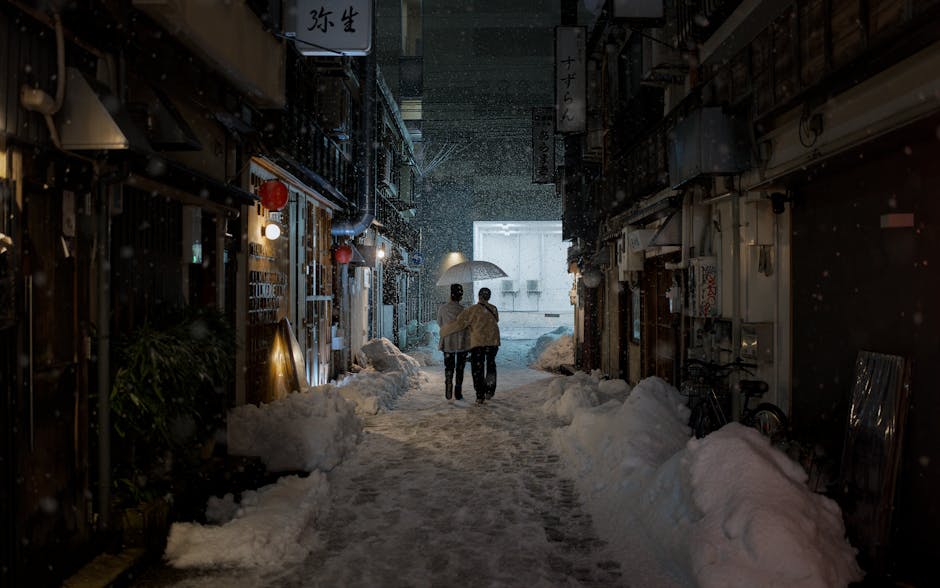
I’ll make the case for winter, and it’s a stronger case than you’d expect.
Kanazawa gets snow. Real snow — the wet, heavy kind that comes off the Sea of Japan. When it falls on the geisha districts at dawn, on the pines of Kenroku-en with their yukitsuri supports, on the samurai walls of Nagamachi — the city becomes something out of a woodblock print. The crowds thin dramatically. Hotel prices drop. And the food gets better, because winter is snow crab season.
The downside is obvious: it’s cold, wet, and grey. Temperatures hover around 2-5 degrees Celsius. Rain and sleet are common. You need proper waterproof shoes and layers. Not everyone wants to deal with that on holiday, and that’s fair.
Spring (late March to mid-April) brings cherry blossoms to the castle park and along the rivers near Kazue-machi. It’s the busiest time. Hotels fill up and prices jump. Beautiful, but you won’t be alone.
Summer is hot and humid, as it is everywhere in Japan. The irises in Kenroku-en and the castle grounds are lovely, and there’s a certain lushness to the city that works. But 30+ degrees with high humidity isn’t ideal for walking around all day.
Autumn (mid-November to early December) is arguably the easiest recommendation. The maples in Kenroku-en turn deep red, the weather is cool but manageable, and the evening illumination events add another dimension. It’s popular, though — not as crowded as Kyoto in autumn, but getting there.
If you can handle cold weather, try winter. The city was made for it.
How Many Days?
Two full days covers the major sights comfortably. Kenroku-en, the castle, Higashi Chaya, Omicho Market, the 21st Century Museum, and Nagamachi in two well-planned days, with time for meals and wandering.
Three days is better. It lets you see Kazue-machi and Nishi Chaya properly, visit the D.T. Suzuki Museum without rushing, take a ceramics workshop, and actually sit down for a long lunch instead of grabbing kaisen-don on the go. It also leaves room for a day trip.
Four days makes sense if you’re combining Kanazawa with a day trip (more on that below) or if you’re the kind of traveller who likes to spend mornings in a cafe before wandering without a fixed plan. The city rewards that approach.
Day Trips from Kanazawa
Shirakawa-go
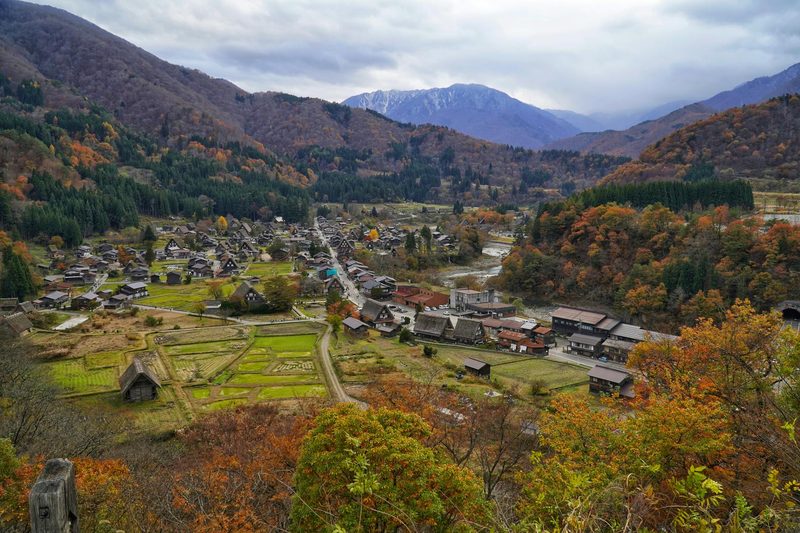
The famous thatched-roof farmhouses in the mountains, and yes, they look exactly like the photos. UNESCO World Heritage site. About 75 minutes by bus from Kanazawa. In winter, with snow piled on the steep roofs and smoke rising from the farmhouses, it’s one of the most photogenic places in Japan. In summer, it’s green and pretty but less dramatic. Go early — the village gets overwhelmed by tour buses from late morning.
Kaga Onsen
A cluster of hot spring towns about 30 minutes south by train. Four separate onsen areas, each with public baths and ryokan. Yamanaka Onsen is probably the prettiest, set in a forested gorge. A good half-day trip if you want to soak without committing to an overnight stay.
Noto Peninsula
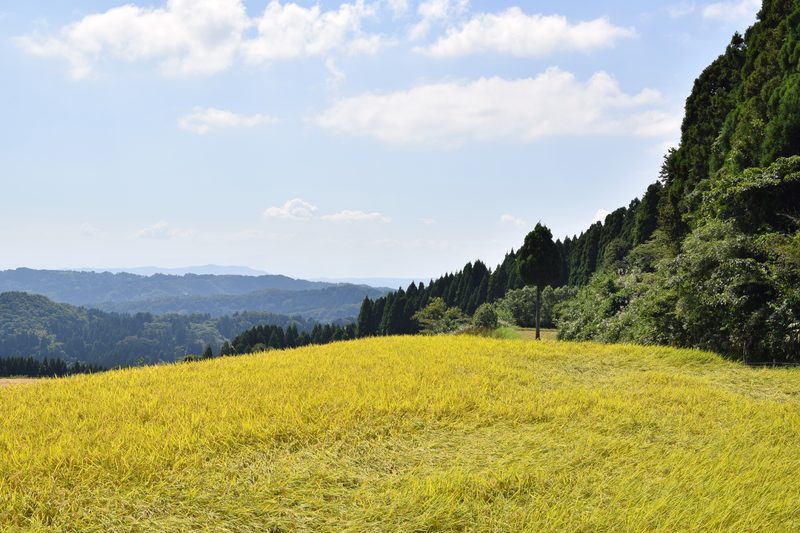
The long peninsula stretching north from Kanazawa into the Sea of Japan. Rocky coastline, fishing villages, terraced rice paddies, and very few travelers. You need a car to do it properly — public transport is sparse. It’s beautiful in a raw, rugged way that contrasts sharply with Kanazawa’s refinement. A full day minimum, overnight is better.
Note: The Noto Peninsula was severely affected by the January 2024 earthquake. Recovery is ongoing, and some areas may still have limited access or services. Check current conditions before planning a trip there.
Other options
Maruoka Castle in Fukui prefecture is the oldest surviving original castle in Japan — small but genuine, about an hour away. Nata-dera temple in Komatsu is a cliffside temple complex that doesn’t get enough attention. And if you happen to be visiting in late April, the Tateyama Kurobe Alpine Route opens with its famous “snow corridor” — walls of snow 15-20 metres high lining both sides of the road. It’s a spectacle.
Practical Tips
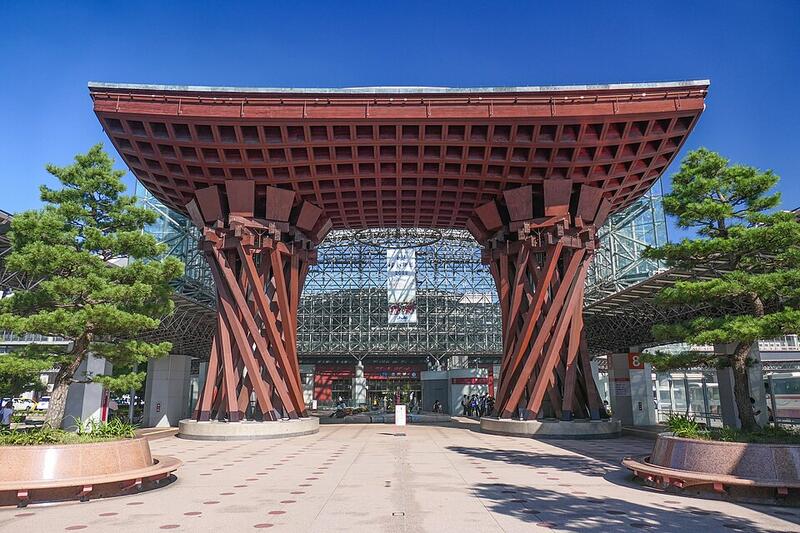
Kanazawa Station itself is worth a look when you arrive. The Tsuzumi-mon Gate — a massive wooden drum-gate structure at the east exit — is one of the most distinctive station entrances in Japan. The glass dome behind it, called Motenashi Dome (hospitality dome), is meant to represent an umbrella for a city that gets a lot of rain.
Carry cash. Kanazawa is more cash-dependent than Tokyo or Osaka. Many smaller restaurants and market stalls don’t take cards. 7-Eleven ATMs accept international cards.
The Kanazawa Tourist Information Center is at the station and the staff are helpful. Pick up a map even if you’re using your phone — it’s useful for orienting yourself around the castle area where the streets get narrow and GPS can be unreliable.
If you’re visiting multiple paid attractions, the Kanazawa Castle and Kenroku-en combo ticket saves a small amount. Not life-changing, but worth grabbing if you’re going to both (which you are).
Umbrellas. Bring one or buy one at a convenience store for ¥500. Kanazawa is one of the rainiest cities in Japan, regardless of season. The locals have a saying that you should never leave home without an umbrella, and they’re not exaggerating.
English isn’t widely spoken outside of hotels and tourist information centres. Google Translate’s camera mode (point it at Japanese text) is genuinely useful for menus and signs. Download the Japanese language pack offline before you go.
Coin lockers at Kanazawa Station are the answer if you’re visiting on a stopover between cities. Store your luggage (¥400-700 depending on size), explore for the day, and grab it before your evening train. The lockers fill up fast on weekends, so arrive early or use the luggage storage service at the tourist information centre.
Kanazawa vs Kyoto
People call Kanazawa “the Kyoto of the North” and the comparison is inevitable. Both have geisha districts, traditional gardens, and preserved old quarters. But the experience is different in ways that matter.
Kyoto has more — more temples, more gardens, more cultural sites, more international restaurants, more nightlife. It’s a larger city with deeper layers. If you have to choose one, Kyoto has more to keep you busy for a week.
But Kanazawa has something Kyoto is losing: quiet. The geisha districts aren’t overrun. The garden doesn’t have a hundred tour groups. The samurai quarter is genuinely deserted most mornings. Kyoto’s most famous sites now require timed entry tickets, photography bans, and crowd barriers. Kanazawa doesn’t need any of that yet.
The other difference is authenticity. Kyoto was heavily bombed in World War II… actually, no, it wasn’t — but much of its traditional architecture was lost to modernisation and fires over the centuries. Kanazawa’s old districts survived both war and development more intact. When you walk through Nagamachi, the walls and lanes are original. That matters if it matters to you.
The smart move is to do both. Kanazawa and Kyoto are connected by a direct 2-hour train, and they complement each other well. Kyoto for scale and depth, Kanazawa for intimacy and quiet. Most people who visit both end up preferring whichever one they saw second, because it benefits from the contrast.
A Suggested Two-Day Route
Day one: Kenroku-en first thing in the morning (arrive at opening). Walk through Kanazawa Castle Park. Cross to Omicho Market for a kaisen-don lunch. Afternoon at the 21st Century Museum and the D.T. Suzuki Museum. Evening walk through Higashi Chaya as the crowds thin out. Dinner at an izakaya near the castle area.
Day two: Morning in Nagamachi samurai district — Nomura-ke House, the silk dyeing museum, then lunch at Grill Otsuka. Afternoon walking the other two geisha districts: Kazue-machi along the river, then cross to Nishi Chaya and the ninja temple if you’ve booked ahead. Gold leaf ice cream somewhere in between. If you have energy left, the evening illumination at Kenroku-en (seasonal) is worth going back for.
With a third day, add a day trip to Shirakawa-go, or slow the whole thing down and revisit whatever you liked best. Kanazawa is one of those cities that gets better when you’re not rushing.