

Kintsugi, Makie or Gold Leaf Pasting Workshop in Nihonbashi Tokyo
If you’re craving a hands-on encounter with Japan’s traditional arts, this private workshop in Nihonbashi offers a compelling choice. For about an hour and a half, you’ll learn the delicate techniques of Kintsugi, Maki-e, or Gold Leaf Pasting—each a captivating window into centuries-old craftsmanship. At ¥129.65 (roughly $130), this experience is designed to leave you with a meaningful souvenir and a deeper appreciation for Japanese aesthetics.
What we especially like about this experience? First, the personalized attention you receive from a dedicated instructor makes all the difference; no crowded group sessions here. Second, the option to bring your own ceramic piece for Kintsugi adds a personal touch, transforming a broken item into a story of resilience.
A possible consideration? The workshop’s focus on craftsmanship means your finished piece will need about a week to dry and be cared for at home—so don’t expect instant gratification.
This session is best suited for curious travelers who want a meaningful, tangible connection to Japanese culture—whether you’re an art lover, a craft enthusiast, or simply someone eager to take home a one-of-a-kind souvenir with a story.
Key Points
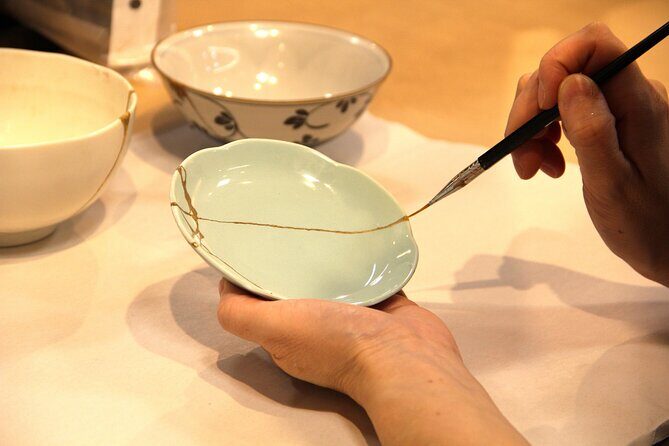
- Authentic Japanese Crafts: Learn Kintsugi, Maki-e, or Gold Leaf Pasting directly from skilled instructors.
- Personalized Experience: Private class with full attention, ideal for a deeper learning experience.
- Flexible Options: Bring your own ceramic piece or use one provided, making it personal.
- Authentic Souvenir: Take home your crafted masterpiece, which needs drying time but serves as a unique reminder of Japan.
- Accessible and Convenient: Located in Nihonbashi, close to public transportation, with all materials included.
- Ages 13+: Suitable for most travelers, especially those interested in traditional arts or seeking a hands-on cultural activity.
Exploring the Workshop in Detail
While in Tokyo, here are other experiences we've covered
Location and Setting
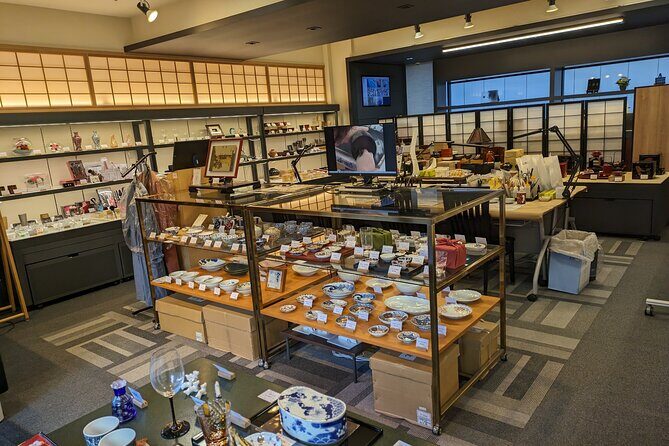
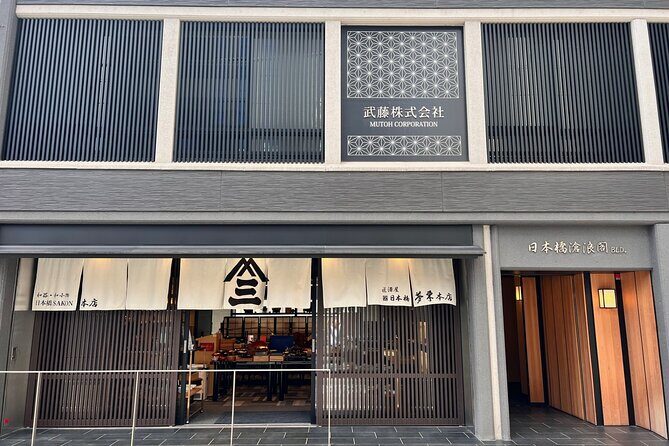
The workshop takes place in Nihonbashi at the Mutoh Main Store, a historic district packed with history and commerce. This is not just a tourist spot; it’s a neighborhood steeped in tradition. Upon arrival at 1-8-13 Honcho, you’ll find yourself in a space dedicated to keeping Japanese craftsmanship alive.
Being in a central location means easy access via public transportation. If you’re based in Tokyo, Nihonbashi is a convenient spot to add this visit into your day. The proximity to other cultural or shopping experiences makes it easy to combine with a broader exploration of the city.
What You Can Expect During the Experience
The workshop lasts approximately 90 minutes, during which your instructor will guide you step-by-step through the craft you’ve chosen. Whether it’s Kintsugi, the art of repairing broken pottery with gold, or Maki-e, the intricate lacquer decoration, or Gold Leaf Pasting, each offers a tactile way to understand Japan’s aesthetic values.
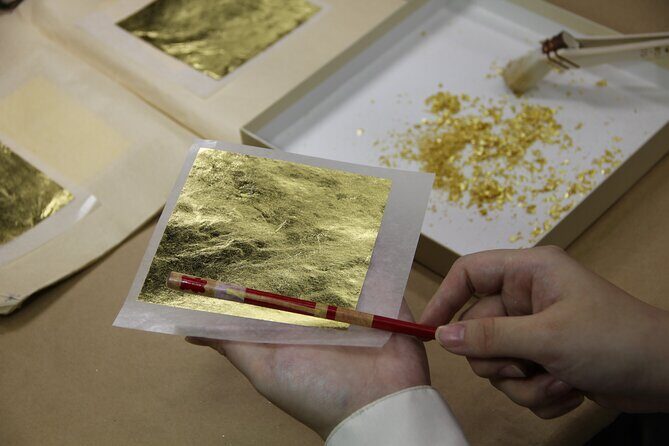
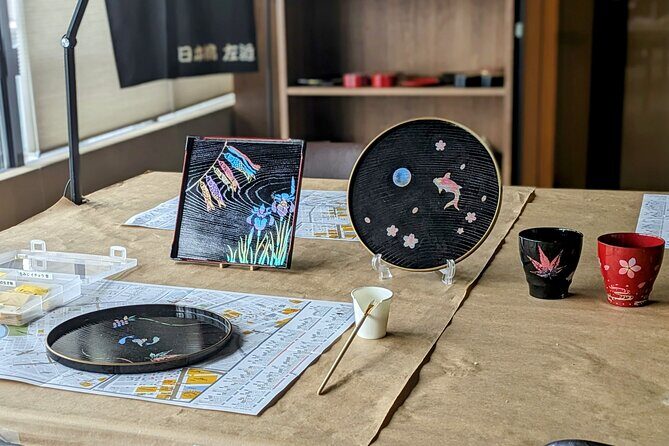
You’ll start with a demonstration, then move on to working with your materials. For Kintsugi, you might repair a small plate or bring your own broken ceramic (up to about 15cm). For Maki-e, you’ll create a design with lacquer and metallic powders, and for Gold Leaf Pasting, you’ll apply delicate sheets of gold to your chosen item.
What Makes This Experience Special?
The full attention of a private instructor means you can ask questions, learn techniques, and really engage with the craft. The instructor’s guidance helps demystify the process, making your creation more meaningful. As one reviewer put it, “luckily, the instructor also spoke French, which made the experience even better,” highlighting that language support can enhance your understanding.
The workshop also provides a plate to work on, which you can keep or bring your own piece to repair or decorate—adding a layer of personalization. You’ll leave with a unique item that’s not just a souvenir but also a story of Japanese artistry.
The Process of Creating and Taking Your Masterpiece Home
Once the craft is finished, it needs to dry indoors for about a week. The final product is intended for decoration only—not for eating or drinking—so don’t expect to use your gold-leafed chopsticks for a meal. Hand washing is recommended, and the items are very delicate, so take care when handling them.
This drying period is a small wait but adds to the authentic feel of the craft—your item is not just a souvenir but a handmade piece imbued with cultural significance. You’ll appreciate the care that goes into traditional Japanese crafts, and the teacher will likely share stories about the history behind each technique.
While you're exploring Tokyo, here are other experiences we've looked into
- Düsseldorf: Manga, mochi & more Düsseldorf’s Little Tokyo
- From Tokyo: Mt. Fuji Spanish & English Tour
- Downtown Los Angeles : Historic district & Little Tokyo
- Outdoor Escape Room in LA – Little Tokyo
- LA Little Tokyo to Olvera St Smartphone (App/GPS) Walking Tour
- 1-Day Mt Fuji and Hakone Sightseeing trip from Tokyo
What You Need to Know Before Booking
Practical Information
The workshop’s price of $129.65 includes all materials and an English-speaking instructor. This fee covers your experience, the use of a plate (or your own piece), and the chance to learn techniques that have been passed down for generations.
You are welcome to bring your own ceramic item—a broken plate or a favorite piece up to about 15cm tall and with roughly 12 broken parts. This personal touch can turn a sentimental item into a piece of art with a story.
Timing and Group Size
Since this is a private experience, only your group will participate, providing a comfortable and personalized environment. It’s most often booked about 28 days in advance, which indicates high interest.
The experience ends back at the starting point, so you can easily continue exploring Nihonbashi or head to other nearby attractions.
Accessibility and Other Considerations
The workshop is accessible for most travelers aged 13 and up. Service animals are permitted, and the venue is near public transportation, making it convenient.
Participants are advised to wear clothes that can get soiled, since lacquer and gold leaf materials can be messy. After the session, you’ll need to dry your piece indoors for about 7 days, and the final product should only be hand-washed.
Authenticity and Value
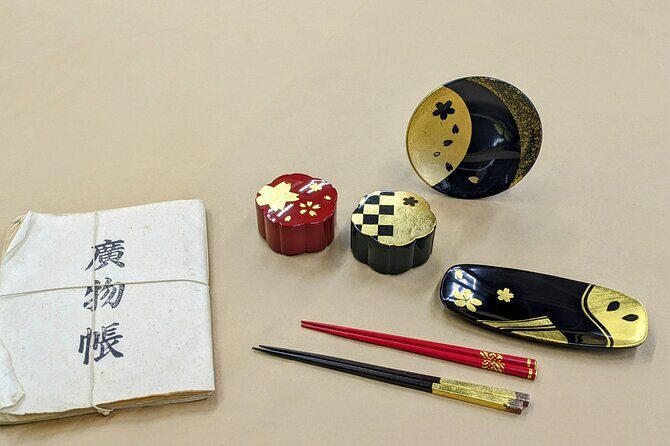
This workshop isn’t just about making something pretty; it’s about understanding the philosophy behind Japanese craftsmanship. Techniques like Kintsugi emphasize beauty in imperfection, celebrating resilience rather than hiding damage. Maki-e and Gold Leaf Pasting showcase a meticulous attention to detail and an appreciation for luxury and refinement.
The cost reflects the high-quality instruction and materials, especially since you’re creating a genuine piece of art that you can proudly display or gift. Given the personalized guidance, you’ll likely walk away learning techniques that could inspire your own crafting back home.
The Experience in Context
In a city like Tokyo, where modernity often overshadows tradition, this workshop offers a quiet, meaningful counterpoint. It allows you to step into a centuries-old world of craft, learning directly from artisans or knowledgeable guides. The small group size and private setting mean you won’t feel rushed or lost in a crowd; instead, you’ll enjoy a relaxed atmosphere that fosters genuine learning.
The fact that it’s suitable for ages 13 and up makes it accessible for families or groups of friends. On top of that, the option to bring your own ceramic item adds a level of personalization that makes the experience more memorable.
Who Is This Tour Best For?
This workshop suits travelers who want more than just sightseeing. If you’re curious about Japanese culture and craftsmanship, you’ll find this experience enriching. It’s perfect for art lovers, craft enthusiasts, or anyone wanting a meaningful souvenir with a story behind it.
Those who appreciate private, focused learning will enjoy the full attention from the instructor, elevating the experience beyond a typical class. It’s also a good fit for those who value authenticity and want a tangible connection to Japan’s artistic traditions.
If you’re traveling with family or friends and looking for an interactive activity that creates lasting memories, this is an ideal choice. Just keep in mind the drying time—it’s not a quick fix, but rewarding for those interested in the process and cultural significance.
FAQ
Can I bring my own ceramic piece?
Yes, you are encouraged to bring your own ceramic or porcelain item, up to about 15cm tall with roughly 12 broken parts, for the Kintsugi experience.
How long does the workshop last?
The experience lasts approximately 90 minutes.
Is this experience suitable for children?
Yes, travelers aged 13 and older are welcome, making it suitable for teens and adults.
Are materials included in the price?
Yes, all necessary materials are included, along with a plate you can keep or replace with your own item.
Can I participate if I don’t speak Japanese?
Absolutely. The instructor speaks English, ensuring clear guidance throughout the process.
What should I wear?
Clothes that can get stained or soiled are recommended, as some materials might be messy.
How long does it take for the finished item to dry?
Your created piece should be dried indoors for about a week before handling or displaying.
To sum it up, this Nihonbashi workshop offers a rare chance to connect with Japanese traditions through a personal, hands-on activity. Its intimate setting, expert guidance, and authentic techniques make it a stand-out choice for anyone eager to understand and participate in Japan’s artistic heritage. Whether you’re a craft lover or simply seeking a meaningful souvenir, this experience provides both learning and lasting memories in the heart of Tokyo.
More Workshops & Classes in Tokyo
More Tour Reviews in Tokyo
More Tokyo experiences we've covered
- Authentic Samurai Experience in Tokyo, Japan
- Traditional Japanese Crafts Making Experience in Tokyo
- Private and Customisable Tokyo Tour with English Driver-guide
- Tokyo Izakaya crawl (A tour of 2 izakayas, 1 bar, and a shrine)
- Akihabara Trading Card Shopping Tour with Local Guide
- Otaku Tour in Akihabara
- Tokyo Imperial Palace Private Shogun Tour
- EVO, WRX, Skyline JDM Night Run to Daikoku Car Meet
- Tokyo Private Tour Discover the Best of Japans Capital
- Professional Japanese Anime Voice Acting Workshop in Tokyo
- JAPANESE Fluffy Souffle Pancakes & Nature Walk in Todoroki
- Tokyo Underpass Food Tour