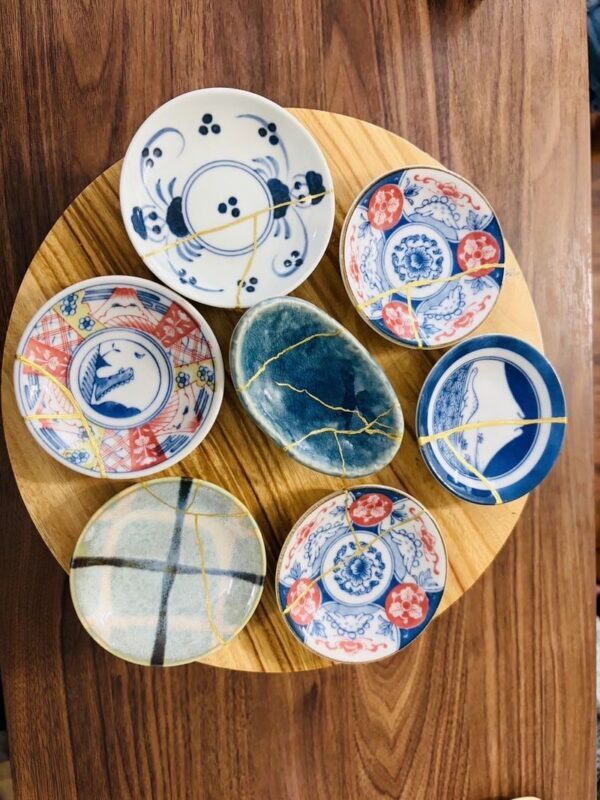
Kintsugi turns a broken dish into a piece whose cracks become part of its design. At this Naha workshop, you’ll choose a small pottery item, repair it with guidance, and add gold or silver details. The process is beginner-friendly, but the result is personal: you leave with an object you helped remake.
I like two things in particular: the patient, step-by-step teaching makes the craft approachable, and the idea behind kintsugi gives the activity more meaning than a standard souvenir stop. Instructors such as Mayo help participants through the process, and the class offers a calm change of pace from sightseeing.
One practical limit matters: this is a simplified, quick-drying method, not a full traditional restoration that can take weeks or months. Your finished piece is decorative only, so don’t plan to serve food or drink from it.
- The details to know before you book
- A quiet craft break in central Naha
- What happens during the workshop
- Gold, silver, and the beauty of a visible repair
- What makes this class useful for beginners
- The finished piece: a souvenir, not tableware
- The price and what you get for it
- Small touches that may shape your visit
- Who will enjoy this Naha workshop
- Practical notes before you go
- FAQ
- How long does the Kintsugi workshop last?
- Where does the workshop take place?
- Is the class suitable for beginners?
- Is English-language instruction included?
- What age can participate?
- Can I take my finished pottery home?
- Is the finished pottery safe for food or drink?
- Is parking available at the studio?
- Should you book it?
- The Best Of Naha!
- More Workshops & Classes in Naha
- More Tours in Naha
- More Tour Reviews in Naha
The details to know before you book
 1 / 10
 2 / 10
 3 / 10
 4 / 10
 5 / 10
 6 / 10
 7 / 10
 8 / 10
 9 / 10
 10 / 10
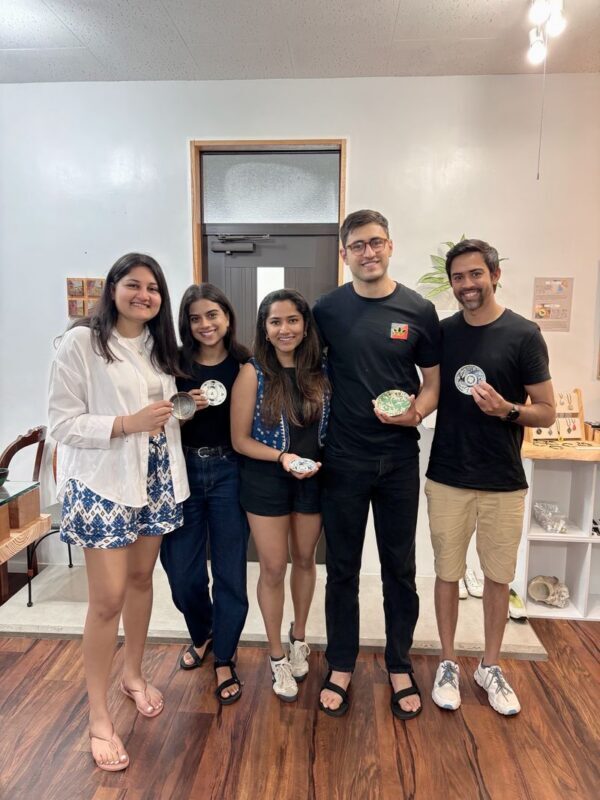
- Choose a small piece of broken pottery: You’ll select an item such as a little plate or bowl from the studio’s available pieces.
- No art or repair experience is needed: Instructors guide you through the steps and offer help as you work.
- Gold or silver gives your repair its finish: Your lines become part of the piece’s individual design.
- Plan for 1.5 to 2 hours: That makes this a manageable creative break in a day around Naha.
- Take home a decorative keepsake: The repaired pottery is not food safe and is best used for display or as an accessory tray.
- Arrive 10 minutes early: The studio has no parking, so drivers should plan to use a nearby paid lot.
👉 See our pick of the 3 Best Workshops & Classes In Naha (With Prices)
A quiet craft break in central Naha
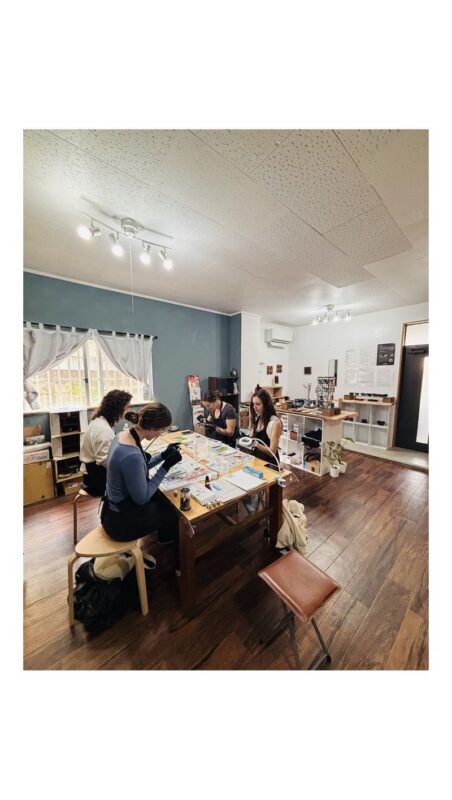
Urushi Studio Kodemari offers a change of rhythm from Okinawa’s beaches, shops, and sightseeing. For around two hours, you can sit down, work with your hands, and focus on one small task. That slower pace suits the idea behind kintsugi, which treats repair as a careful process rather than a quick cover-up.
The studio is at 1F, 2-16-6 Maejiima, Naha, Okinawa 900-0016, Japan. The activity details use both Kodemari and Kotemari in the studio name, so follow the address and map pin when finding it. The meeting point is the studio itself, and the location is described as easy to find using Google Maps.
There’s no transport included, and there is no parking at the studio. If you’re driving, allow time to find a paid parking lot nearby. If you’re walking or using local transport, check your route before setting off so you can arrive on time.
You can also read our reviews of more tours and experiences in Naha

What happens during the workshop
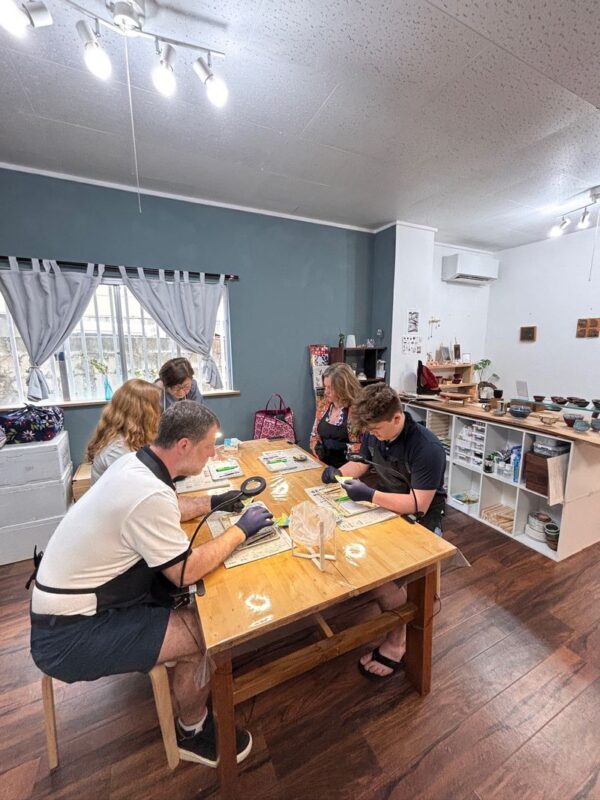
The session lasts about 1.5 to 2 hours. You begin by choosing a small broken pottery piece from the options available at the studio. A plate or bowl makes a manageable first project, and choosing the shape you like helps the finished item feel like yours.
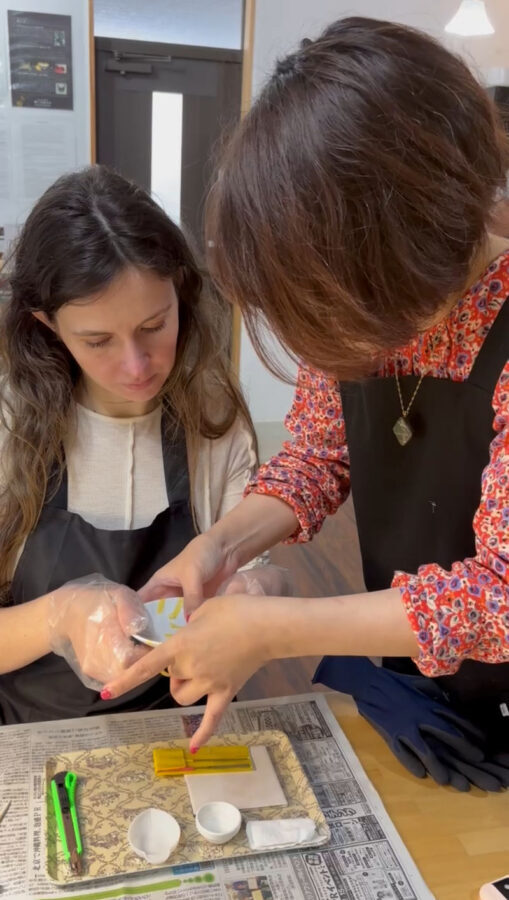
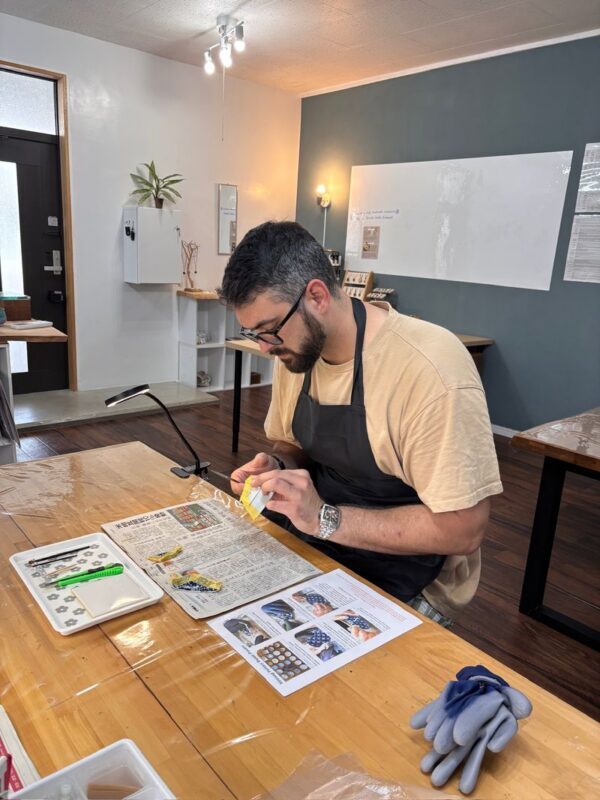
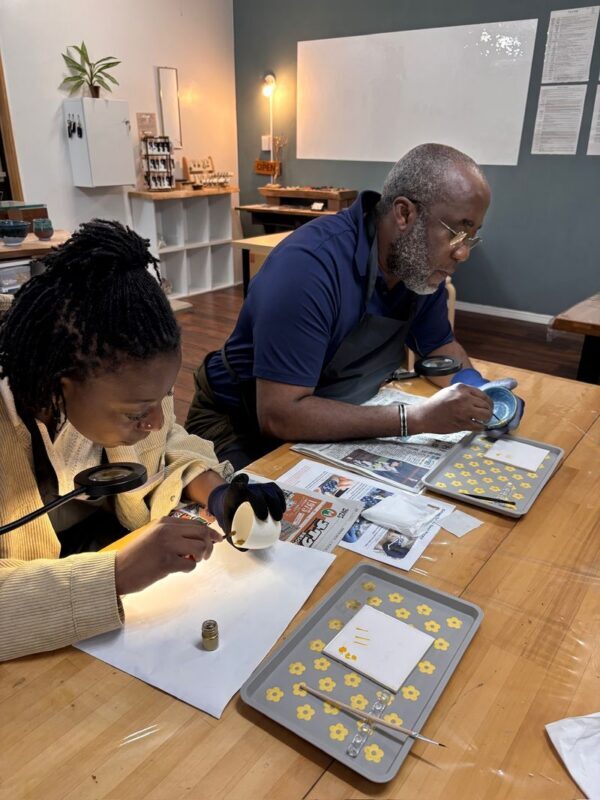
An instructor then explains the process and guides you through each step. The class is designed for beginners, so you don’t need to bring a broken item or know anything about pottery repair. English-speaking guidance is included, alongside Japanese-speaking staff.
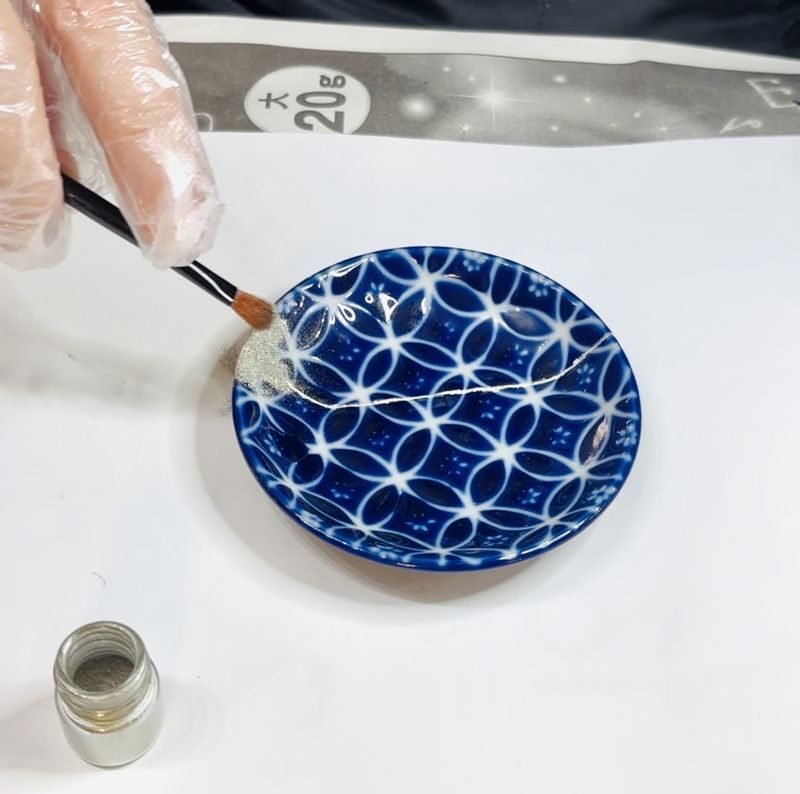
You’ll work on the repair yourself, with the instructor nearby to help if you get stuck. Some finishing adjustments may be made by the artist before you take the piece home. If you have a strong preference about how your piece should look, it’s sensible to say so before those final touches. The design is personal, and the number and placement of visible lines can change its character.
The workshop uses a simplified method that fits into a short class. Traditional kintsugi uses urushi lacquer and requires a much longer process for the materials to set. In the class, you get a hands-on introduction to the craft and its meaning, but you should not expect to complete a full traditional restoration in a couple of hours.
Gold, silver, and the beauty of a visible repair
Kintsugi is often described as repairing broken pottery with gold or silver, but its appeal goes beyond the metallic lines. The repair does not try to hide the break. Instead, it makes the damaged places visible and gives them a new role in the object’s appearance.
That idea is part of what makes the class thoughtful as well as practical. You’re not just applying a decorative finish; you’re making choices about how the piece’s history will show. The finished item can be a small reminder of the time you spent in Okinawa, and of the principle that a flaw need not be erased to make something beautiful.
The activity information describes the craft as a way to give new life to broken objects. That symbolism can make the workshop especially appealing if you like creative activities with a story behind them. It also gives you something to talk about when you display your piece at home.
What makes this class useful for beginners
The biggest strength here is the amount of support built into the format. Instructors explain the steps, demonstrate what to do, and can help when a repair needs attention. That makes the experience approachable even if you have little confidence with art or crafts.
The pace is another plus. You aren’t racing through a long list of stops or trying to master an entire traditional craft in one sitting. Instead, you focus on a single object and have time to work through the process. That can be a welcome pause during a busy trip.
The workshop is open to participants aged 7 and older, and the same price applies to all ages. That makes it an option for families with school-age children, though younger participants may need help with careful, detailed work. The activity is also suited to couples, friends, solo visitors, and anyone looking for a hands-on souvenir rather than another shop-bought item.
The finished piece: a souvenir, not tableware
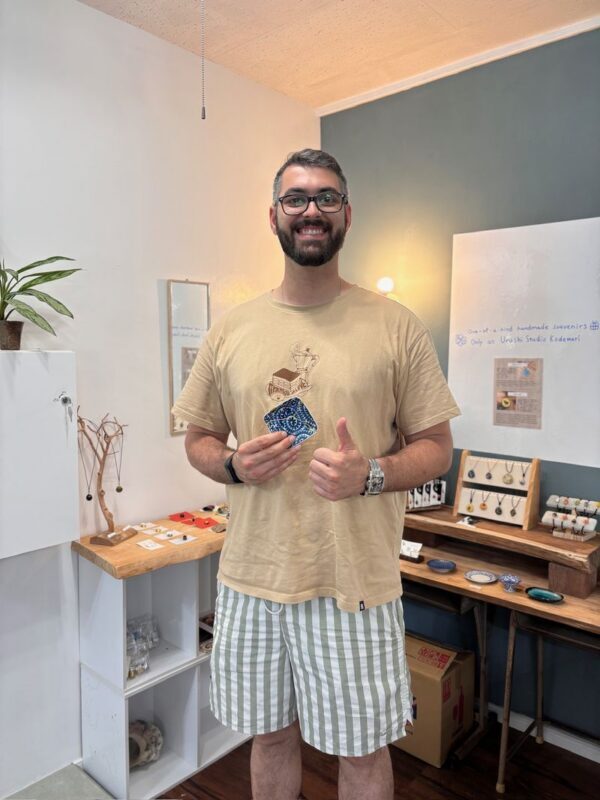
You can take your repaired pottery home, which is a real advantage over activities where the result stays behind. Each object is shaped by the piece you chose and the lines you added, so it won’t look exactly like anyone else’s.
Do keep its intended use clear. The pieces made during this class are not food safe. They’re for display, or for light decorative use such as holding accessories. Don’t use them for serving meals or drinks.
That limitation is easy to overlook when the finished item is a bowl or plate. Think of it as a small art object that happens to have a useful shape, not as a dish for the kitchen. If you’re buying the class mainly to make something functional, this may not be the right activity.
The take-home piece is also a reminder that the workshop is an introduction, not a substitute for a complete restoration course. You’ll learn the basic idea and make a personal object, while the traditional method involves a longer process and different materials.



The price and what you get for it
The experience starts at $50.55. For that price, you get a 1.5 to 2-hour workshop, instruction in English, Japanese-speaking staff, tax, and a piece you work on and take home. There’s no transport included, and any personal expenses are extra.
The value depends on what you want from a souvenir. If you’re looking for the cheapest possible trinket, this is more than a quick purchase. But the fee covers an activity, instruction, materials for the workshop, and a handmade keepsake, so you’re paying for the time and process as well as the finished object.
The class also offers a different kind of cultural experience from a museum visit. You learn by doing, and you leave with a basic sense of how kintsugi turns a repair into a visible design. It’s a good fit if you enjoy creative activities and want a slower, more personal stop in Naha.
Small touches that may shape your visit
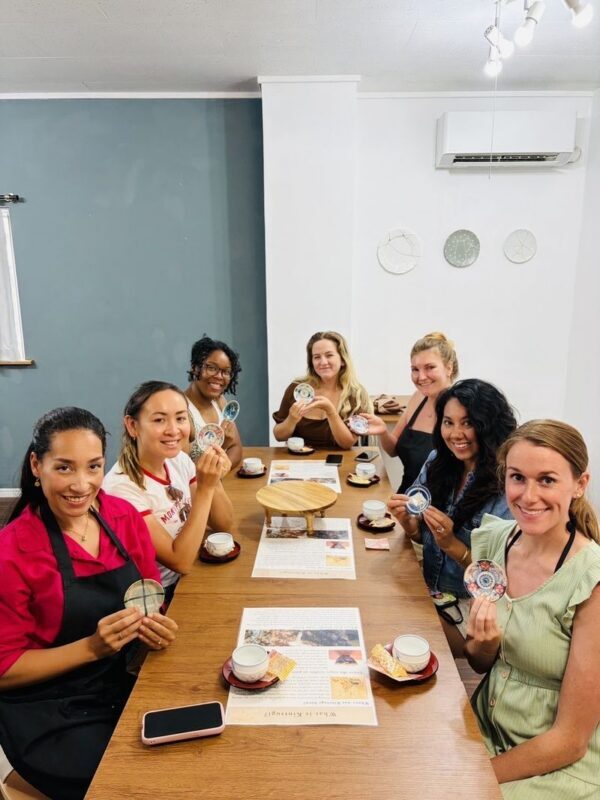
The studio experience can include details beyond the repair itself. Some participants have been offered tea and an Okinawan biscuit or shortbread while waiting for the piece to set. Treat that as a possible courtesy, not a guaranteed part of the package.
The studio also has handmade items for sale, including small accessories. You don’t need to buy anything beyond the workshop, but you may find something suitable as a gift if you want a second souvenir.
Instruction is a particular strength of the experience. English guidance is included, and the class is structured so the instructor can explain the method and help with individual work. If you’re interested in the cultural background as well as the craft, ask questions as you go.
Who will enjoy this Naha workshop
This is a strong choice if you want to make something with your hands, learn the basic ideas behind a Japanese craft, and take home a personal memento. It suits beginners, families with children aged 7 or older, and anyone who would welcome a quieter activity between sightseeing plans.
It may also be a good last-day activity. The session is short enough to fit into a limited schedule, and the finished item gives you a tangible memory of Okinawa. Just leave enough time to reach the studio and arrive 10 minutes before the start.
Think twice if you need a food-safe item, want to restore your own broken pottery, or hope to learn the full traditional process in detail. The workshop supplies a piece to work on, uses a simplified technique, and is designed to produce a decorative object within a short session.
The activity has a 5.0 rating from 40 bookings, and the provider’s overall profile shows 66 reviews with a 96% good-review rate. Those figures suggest a consistently well-received experience, but the practical details matter more: a careful instructor, a take-home piece, and a clear limit on how it can be used.
Practical notes before you go
Book for a date and time that suit your Naha plans. The voucher is valid only for the specified date and time, and you should show your mobile voucher when you arrive. Confirmation is normally sent within minutes; if it does not appear, contact customer support.
Arrive 10 minutes before the scheduled start. Late arrivals and no-shows are not refundable, so don’t cut the timing close. You can cancel for a full refund at least 24 hours before the activity date, using local destination time.
The studio has no parking of its own. Drivers should use a nearby paid lot, and everyone should check the meeting point before leaving. The activity is for ages 7 and up, with one price for all ages.
Kintsugi Workshop in Naha, Okinawa | Discover the Art of Kintsugi
“We really enjoyed this activity, offered by very cheerful and kind hosts. Plus, the workshop is super cute. Arigatooo! 🫶”
FAQ
How long does the Kintsugi workshop last?
The workshop lasts about 1.5 to 2 hours.
Where does the workshop take place?
It takes place at Urushi Studio Kodemari in Naha. The provided address is 1F, 2-16-6 Maejiima, Naha, Okinawa 900-0016, Japan.
Is the class suitable for beginners?
Yes. No experience is necessary, and instructors guide you through the steps.
Is English-language instruction included?
Yes. An English-speaking guide is included, along with Japanese-speaking staff.
What age can participate?
Participants must be at least 7 years old. The same price applies to all ages.
Can I take my finished pottery home?
Yes. You can take home the piece you repair during the workshop.
Is the finished pottery safe for food or drink?
No. Items made in this experience are for decorative use only, such as display or an accessory tray.
Is parking available at the studio?
No. There is no parking at the studio. If you drive, use a nearby paid parking lot.
Should you book it?
Book this workshop if you want a calm, hands-on cultural activity and a souvenir you helped make. The patient instruction, beginner-friendly format, and meaning behind the visible repairs make it more personal than a quick shopping stop.
Skip it if you need functional tableware or want a full traditional restoration lesson. For a creative two-hour break in Naha, though, it offers a fair amount for the price and leaves you with a small object that carries a story.