

Kyoto Hop-On, Hop-Off Sightseeing Bus Tour: A Practical Look at Japan’s Historic Capital
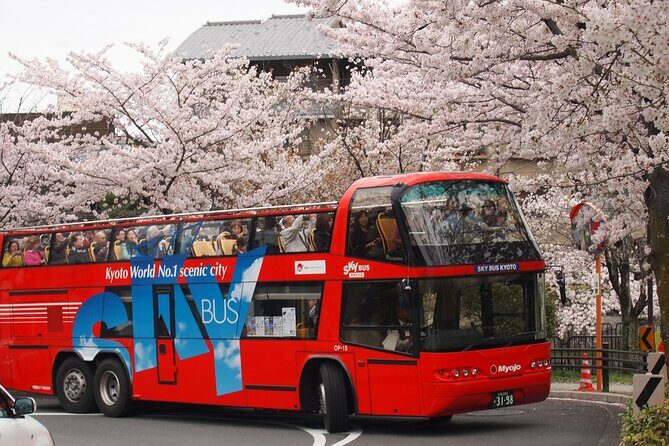
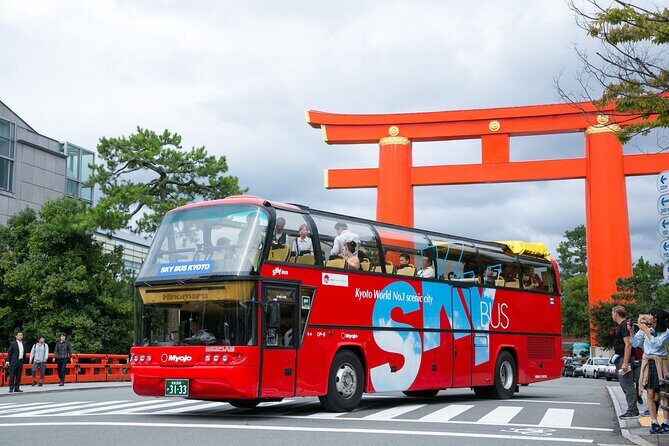
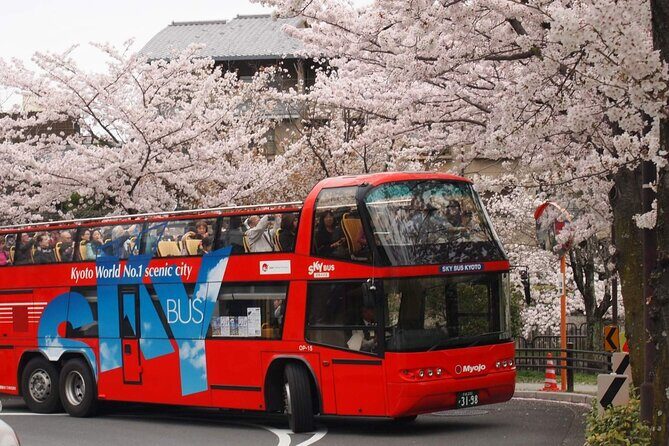
When visiting Kyoto, many travelers dream of experiencing its temples, traditional streets, and cultural highlights. For those seeking convenience and flexibility, the SKY HOP BUS KYOTO offers a comfortable open-top double-decker bus, allowing you to explore at your own pace. With a typical tour lasting around 1 hour and 8 minutes, and a ticket price of about $45.56 per person, this experience promises panoramic views of Kyoto’s most famous landmarks like Kinkaku-ji, Fushimi Inari, and Gion.
Two things we particularly appreciate: first, the multilingual audio commentary that provides helpful insights into the city’s history and sights, making it especially friendly for international visitors; second, the onboard WiFi, which keeps you connected as you soak in the sights. A potential drawback is that the buses run roughly every 50 minutes, which might make planning a bit tricky if you’re trying to maximize your time.
This tour suits travelers who value flexibility, easy transportation, and the opportunity to see many key sites without the hassle of navigating public transit or taxis. It’s especially handy for first-timers who want a broad overview or those with limited time, as well as families looking for a relaxed way to explore.
Key Points
- Flexible Hop-On, Hop-Off Model allows you to explore at your own pace.
- Iconic landmarks included in the route, such as Kinkaku-ji, Fushimi Inari, and Gion.
- Comfortable open-top buses with panoramic views enhance sightseeing experience.
- Multilingual audio guide offers insightful commentary for international travelers.
- Onboard WiFi helps you stay connected during your ride.
- Limited bus frequency (every 50 minutes) means you’ll want to plan your stops carefully.
An In-Depth Look at the Kyoto Hop-On, Hop-Off Bus Tour
Planning more time in Kyoto? We've covered other experiences worth considering.
The Routes and Stops: Covering Kyoto’s Top Attractions
This bus tour is divided into two main routes, giving you a broad sweep of Kyoto’s highlights. The Red Line covers central and eastern sights, while the Blue Line focuses on the northern and western temples and historical sites.
The Red Line starts at Kyoto Station, the city’s main transportation hub, making it easy to access. It proceeds to stops near Karasuma Gojo, Nishiki Market, and Kyoto City Hall, excellent spots for experiencing local life and culinary culture. Later, the route takes you to Ginkaku-ji (the Silver Pavilion), the Heian Shrine, then into the famous Gion district, and finally near Kiyomizu-dera.
The Blue Line begins at Kyoto Station as well, then visits Nishi Hongan-ji, Nijo-jo Castle, and Kitano Tenmangu Shrine. The highlight here is the Kinkaku-ji (Golden Pavilion), one of Kyoto’s most renowned sights. The route also includes Daitoku-ji and the Kyoto Imperial Palace, rounding out the cultural breadth of the tour.
Each stop is conveniently located near major attractions, but some travelers note that finding the exact bus stop at large terminals can be confusing, as one reviewer mentioned. Still, with a little patience, it’s manageable.
The Experience on Board: Comfort, Commentary, and Connectivity
The buses are open-top, providing excellent panoramic views—a real plus when passing through Kyoto’s scenic streets and temples. The audio guide is available in multiple languages, helping travelers understand the history and significance of each site. This is especially valuable since many of Kyoto’s landmarks are steeped in centuries of tradition.
Onboard amenities include earphones and ponchos in case of rain, which can be surprisingly handy given Kyoto’s unpredictable weather. The WiFi is a thoughtful addition, allowing you to upload photos or check routes without disconnecting from the world.
The buses are unreserved seating, so you might find yourself sharing space with other travelers, especially during peak seasons. The one-day pass or two-day pass offers flexibility, letting you hop on and off at your leisure during the ticket’s validity.
The Itinerary: What You Can Expect at Each Stop
Kyoto Station is your gateway, a sprawling hub with shops and restaurants. From here, the routes fan out, hitting both cultural giants and local neighborhoods.
Nishi Hongan-ji offers a peaceful temple experience—less crowded than other temples, but rich in history.
Nijo-jo Castle is a UNESCO World Heritage site, with its famously “nightingale floors” that chirp when walked upon—an interesting feature that makes history tangible.
Kitano Tenmangu Shrine and Kinkaku-ji are among the most iconic sights, drawing hordes of visitors for their stunning architecture and gardens. On the Blue Line, Daitoku-ji and the Imperial Palace provide a glimpse into Kyoto’s regal past.
Gion, the historic geisha district, is a must-see for its traditional streets and teahouses, accessible via the Kiyomizu-dera stop on the east side route.
Authentic Experiences and Authenticity
While the bus provides an excellent overview, some travelers, based on reviews, have found that it’s more of a quick glance than an in-depth exploration. The price of around $45.56 for a single ticket is reasonable considering the convenience but might seem steep for some when compared to other local transport options or guided tours. One reviewer noted that Viator‘s prices are higher than other operators, so it’s worth shopping around.
That said, the audio commentary enhances the experience, giving context to each site as you pass by, which can be more valuable than wandering aimlessly. Plus, the panoramic views from the open top make sightseeing more immersive.
While you're exploring Kyoto, here are other experiences we've looked into
- 2-Hour Shopping Tour Plan / private
- 6-Day Private Tour to Kyoto via Fukui from Fukuoka with Bus
- 2 Types of Japanese Sweets making and Tea Ceremony
- Kyoto: Insider Sake Brewery Tour with Sake and Food Pairing
- 4.5-hr Kyoto Historical Highlights Bike Tour with UNESCO
- 4-Day Scenic Japan Tour by Car: Tokyo Mt. Fuji Kyoto & Osaka
What the Reviews Say
A couple of reviews shed helpful light on what to expect. One traveler mentioned, “A little hard to find where to get the bus at the terminal, but otherwise a great tour,” highlighting the importance of knowing your pickup points. Another praised it as a “nice way to check out Kyoto,” although noting that buses come every 50 minutes, which means planning ahead is essential.
Conversely, a less favorable review pointed out that they “spent a lot of money and the experience was terrible,” emphasizing the importance of managing expectations and understanding that this is a tourist-oriented service, not a comprehensive guide.
Practicalities and Tips
- Timing is key, given the 50-minute wait between buses. Planning your stops accordingly will help maximize your day.
- Children under five ride free if sitting on a parent’s lap, making this a family-friendly option.
- Weather considerations: the ponchos provided can be handy if the rain suddenly appears.
- Remember, all seats are unreserved, so be prepared to wait during busy times.
Who Will Love This Tour?
If you’re looking for a relaxed, flexible way to see many of Kyoto’s key sights in a day or two, this bus is a solid choice. It’s perfect for first-time visitors wanting a broad overview without the hassle of navigating public transit or hiring a private guide. The panoramic views and audio commentary add a layer of engagement that makes it more than just transportation.
However, if you’re after a deep dive into specific temples or cultural experiences, this might only serve as a starting point rather than an in-depth exploration. The every 50-minute schedule makes it less ideal for tight itineraries, especially if you prefer spontaneous sightseeing.
Final Thoughts: Is It Worth It?
The Kyoto Hop-On, Hop-Off Tour offers convenience and scenic views at a reasonable price, especially for travelers who appreciate the freedom to hop on and off at various landmarks. While it may not be perfect in terms of timing and crowd management, the multi-language commentary and ease of access make it a worthwhile option for many.
If your goal is to get a broad sense of Kyoto’s layout and key sights without fuss, this tour delivers good value. Just be prepared for the wait between buses, and consider how much time you want to spend at each site—this tour favors breadth over depth.
FAQ
How long is the tour?
The entire loop lasts approximately 1 hour and 8 minutes, but with multiple stops and hop-on, hop-off flexibility, your actual time exploring varies.
Can I hop on and off as many times as I want?
Yes. Your ticket, whether one-day or two-day, allows unlimited hopping at all Sky Hop Bus stops during its validity.
Are there multilingual audio guides?
Yes. The buses offer commentary in multiple languages, providing insights into each landmark.
Is the tour suitable for children?
Children under five can ride for free when sitting on a parent’s lap. The open-top buses are suitable for families, but keep in mind the wait times and weather.
What about the bus frequency?
Buses arrive roughly every 50 minutes, so planning your stops accordingly is recommended.
Are the buses accessible?
While specific accessibility features aren’t detailed, the buses are designed for general tourist use, and most stops are near major attractions.
Is the WiFi reliable?
The onboard WiFi is intended to keep you connected, but actual performance can vary depending on location and network congestion.
What if it rains?
Ponchos are provided on the buses, helping you stay dry and comfortable during sudden showers.
Can I buy tickets on the day?
Yes, tickets are available on-site or online, but check availability especially during peak seasons.
To sum it up, the Kyoto Hop-On, Hop-Off Sightseeing Bus Tour is a practical way to see many of the city’s highlights with minimal hassle. It’s best suited for travelers who prioritize flexibility, scenic views, and easy access to key sights. While it might not replace a detailed guided tour, it’s a solid choice for those wanting an overview delivered in a comfortable, scenic package. Just remember to plan your timing wisely, and you’ll find it a worthwhile starting point for discovering Kyoto’s timeless charm.
More Tours in Kyoto
More Tour Reviews in Kyoto
More Kyoto experiences we've covered
- Bamboo Grove Temple and Garden Views Tour
- Kyoto Highlights Private Walking Tour
- Private Cooking Class Udon in Kyoto Japan
- Kyoto Full day Tour Kinkakuji, Kiyomizu-dera and Fushimi Inari
- Kyoto: Fushimi Inari Hidden Hike (Private)
- Make Your Own Ninja Weapon from Tin Casting Workshop
- Kyotos Best Sake-in-Hand Evening Walk Tour in Gion and Yasaka
- Kyoto International Party Solo Friendly Expats and Locals
- Kyoto Private Customizable Day Trip With English chauffeur
- Kyoto Architectural Secrets Led by an Architect PRIVATE Tour
- Kyoto Sword Experience – includes Museum Ticket/Ninja Experience
- Kimono Rental Mimosa near Kyoto Station