
Kyoto Prefecture isn’t just about ancient temples and stunning gardens; it’s also a fantastic place to learn traditional crafts and culinary skills. Whether you’re interested in dyeing fabrics with centuries-old techniques, rolling out fresh udon noodles, or sipping tea at a historic temple, Kyoto offers classes that give you a real taste of local culture.
We especially love the Kyo-arashi Shibori Scarf Class for its craftsmanship and creative flair, and the Udon Making Class in Kyoto Countryside for a delicious, hands-on culinary experience.
But if you’re after a serene, cultural moment, the Kasukabe Tea Class Experience at a temple in Kameoka offers a peaceful retreat into Japanese tea ritual.
Quick Overview
On this list, we cover a variety of workshops and classes: from fabric dyeing at the Kyoto Shibori Museum, to making Kyoto udon noodles in the tranquil countryside, and experiencing tea ceremony at a historic temple in Kameoka.
Each experience offers something different—whether it’s hands-on craftsmanship, culinary skills, or culture—making this a well-rounded guide for every type of traveler. Now, let’s explore each option in detail.
1. Kyo-arashi Shibori Scarf Class at Kyoto Shibori Museum
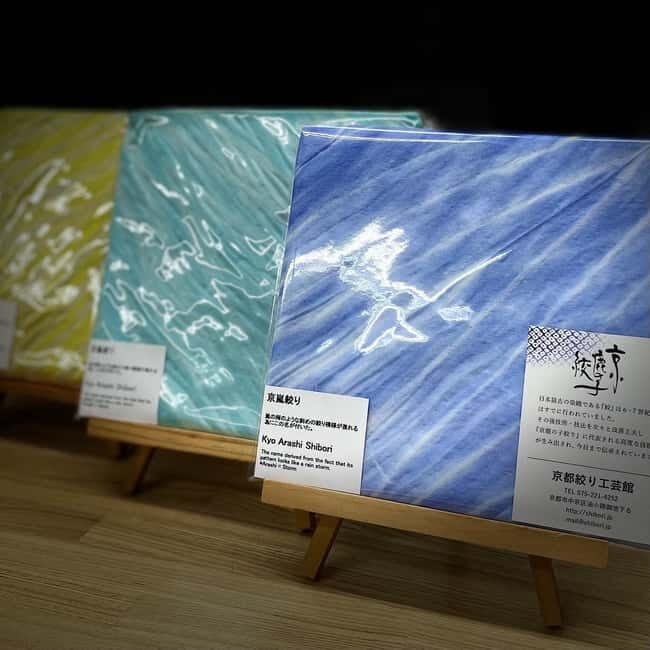
At number one, the Kyo-arashi Shibori Scarf Class at Kyoto Shibori Museum stands out for its focus on a traditional Japanese textile art. This workshop is a perfect pick for anyone wanting to create a wearable piece of art while learning about a dyeing technique that dates back hundreds of years.
You’ll spend about 30 to 60 minutes crafting your own shibori scarf, with the chance to explore the museum’s collection of fabric samples and exhibits while your piece dries. It’s a chance to become an artist temporarily, using simple tools to produce stunning, patterned textiles.
What makes this class truly special is its accessibility—no prior experience needed. The instructor guides you through the intricate process of binding, folding, and dyeing, resulting in a unique, one-of-a-kind scarf.
The museum shop offers a variety of original fabrics and souvenirs, so you can purchase a piece of Kyoto craftsmanship to take home. This experience is ideal for craft lovers, fashion enthusiasts, or anyone curious about traditional dyeing methods.
With a glowing rating of 5/5 from two reviews, it’s clear that participants leave with more than just a scarf—they take home a story.
Bottom line: a fun, creative experience that offers both education and a tangible souvenir of Kyoto’s textile heritage.
2. Udon Making Class in Kyoto Countryside
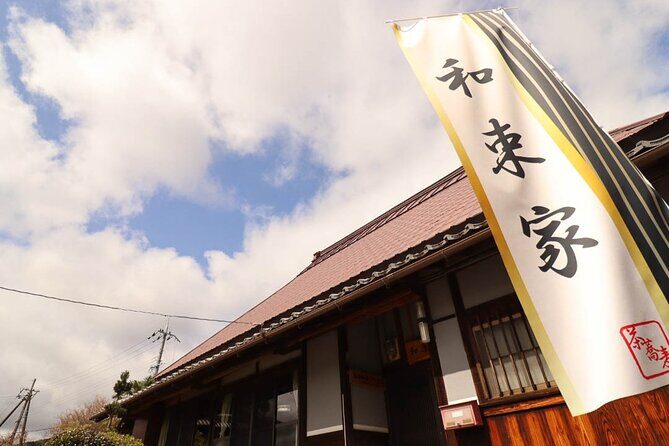
Second on our list is the Udon Making Class in Kyoto Countryside, which offers a wonderful escape from city crowds to the peaceful setting of Wazuka, famous for its lush tea fields. This hour-long class is a real hands-on experience—students learn how to knead and roll out fresh udon noodles, then cook and enjoy their homemade creation.
The instructor also shares insights into the regional ingredients and traditional techniques behind Kyoto’s beloved noodles.
What sets this class apart is its focus on local ingredients and the chance to taste freshly prepared udon with a rich broth made from bonito flakes and seaweed.
After the noodles are ready, you’ll sit down with your fellow participants to savor your work, complemented by a refreshing cup of matcha tea and traditional chadango sweets. It’s perfect for families, foodies, or anyone eager to learn a culinary skill that you can recreate at home.
The rural setting offers a calm, authentic atmosphere, making this more than just a cooking lesson—it’s a mini adventure into Kyoto’s countryside life.
Although it has not received reviews yet, the price ($51.12) offers good value for a memorable, well-rounded experience.
Bottom line: a delicious way to connect with Kyoto’s local food culture, especially for those who love hands-on cooking.
3. Kasukabe Tea Class Experience at the Local Temple in Kameoka
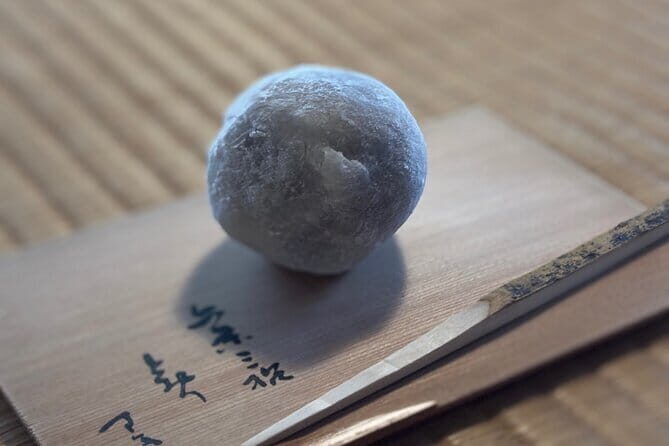
Tied for third place is the Kasukabe Tea Class Experience at the Local Temple in Kameoka, which offers a contemplative peek into Japan’s revered tea traditions. Held at a historic temple surrounded by mountains, this two-hour class immerses you in the arts of matcha preparation and tea ceremony.
The temple’s long history—possibly dating back to the Edo period—adds a layer of authenticity, allowing you to savor a moment of tranquility and reflection amid nature.
During the session, you’ll learn the proper way to whisk matcha, the significance of each movement, and the ritual’s philosophical underpinnings. The peaceful surroundings enhance the experience, evoking the Japanese aesthetic of wabi-sabi—the beauty of imperfection and transience.
While the experience is more meditative than interactive, it’s perfect for those wanting to slow down and appreciate Japanese culture at a deeper level.
At $84.41 for two hours, it offers a meaningful cultural encounter, especially suited for those interested in Zen, meditation, or tea drinking.
The traditional setting and serene environment make this a memorable retreat. Bottom line: a quiet, cultural moment ideal for anyone seeking mindfulness and a taste of Japanese tea ritual.
How to Choose the Right Workshop or Class in Kyoto
When selecting a workshop in Kyoto Prefecture, consider your interests and what kind of experience you want. If you love crafts and want a tangible souvenir, the Kyo-arashi Shibori Scarf Class offers a colorful, creative takeaway. For culinary enthusiasts, the Udon Making Class is ideal, especially if you enjoy hands-on cooking and local ingredients.
If you’re after a peaceful, cultural experience, the Kasukabe Tea Class provides a calming, authentic insight into Japanese tea traditions.
Factors like budget, time, and mobility are important. The shibori class is quick and inexpensive, great for a brief cultural hit. The udon class offers a hearty, engaging experience for an hour, perfect for foodies. The tea ceremony, being longer and more meditative, suits those wanting a slow, reflective moment.
Booking early is recommended, especially during peak seasons like spring cherry blossom or autumn leaf viewing, when classes fill quickly.
In Summary, Kyoto Prefecture’s workshops offer a diverse array of hands-on experiences—whether you want to dye fabrics, craft noodles, or sip tea surrounded by nature. For craft lovers, the Kyo-arashi Shibori Scarf Class is highly recommended. Foodies will appreciate the Udon Making Class for its delicious payoff and rural setting.
Those seeking serenity and cultural depth should not miss the Kasukabe Tea Class at a historic temple. Whichever you choose, booking early and considering your interests will ensure a memorable, authentic Kyoto experience.