

Exploring Rio’s Little Africa: A Deep Dive into a Hidden Heritage
When you think of Rio de Janeiro, images of Christ the Redeemer, Sugarloaf Mountain, and vibrant beaches probably come to mind. But beneath the tourist highlights lies a powerful story of resilience, cultural richness, and history tied to Black and Afro-Brazilian communities. For around $56, this 4-hour small-group walking tour takes you through the heart of Rio’s Little Africa, visiting significant sites like Valongo Wharf, a UNESCO World Heritage site, and the Instituto de Pesquisa e Memória Pretos Novos. Led by knowledgeable guides such as Malu, Rafael, and Carol, you’ll explore places that have often been overlooked, but are essential to understanding the fabric of Brazilian culture.
What we love about this experience is how it combines historical sites with decolonial narratives that challenge traditional narratives of Rio. It’s a chance to see authentic landmarks, learn about Afro-Brazilian influences, and get a nuanced view of a community that has shaped much of Brazil’s identity. The tour’s focus on cultural awareness, art, cuisine, and architecture makes it both educational and deeply engaging.
A couple of considerations should be kept in mind. The tour involves walking at a leisurely pace through historic areas, often in the heat of Rio’s sun, so packing water and dressing comfortably is wise. Also, as it’s a small-group experience with up to 15 travelers, it fosters a more personal connection but might fill up quickly—booking 29 days in advance is recommended.
This tour is perfect for history enthusiasts, culture seekers, and anyone interested in understanding Brazil beyond the beaches and carnival. If you’re eager to explore social contexts and hear stories often left out of mainstream narratives, this is your chance. It’s suited for those who enjoy guided walks, museums, archaeological sites, and engaging storytelling.
Key Points
- Cultural Significance: It highlights important landmarks tied to the history and influence of Black communities in Rio.
- Authentic Experiences: Visits to UNESCO sites, museums, and neighborhoods provide real insight into Afro-Brazilian culture.
- Expert Guides: Knowledgeable guides like Malu and Rafael bring history to life with engaging narratives.
- Value for Money: At approximately $56, the tour offers a comprehensive look at a vital aspect of Rio’s heritage.
- Inclusive and Small Group: Ensures personalized attention and a more intimate experience.
- Accessibility Notes: Not recommended for disabled travelers, but service animals are allowed.
A Complete Review of the Little Africa Walking Tour
If you're drawn to exploring Rio de Janeiro on foot, we've looked into these other walking experiences
An Introduction to a Different Rio
This tour offers a compelling entry point into Rio de Janeiro’s less visible but deeply important history. For four hours, you’re immersed in the stories and sites that document the African diaspora’s influence on the city. Starting at the Matriz da Paroquia de Santa Rita, you’ll get a brief but meaningful introduction, setting the stage for the deeper exploration ahead.
What makes this tour stand out is its focus on decolonial narratives—a deliberate effort to teach history from the perspective of marginalized communities. Many reviews praise guides like Malu for their passion and knowledge, making complex stories both understandable and engaging. As Sabrina noted, her guide was “well informed, pleasant, and made the experience enjoyable,” which is crucial when tackling heavy themes like slavery and resistance.
Exploring UNESCO and Historical Sites
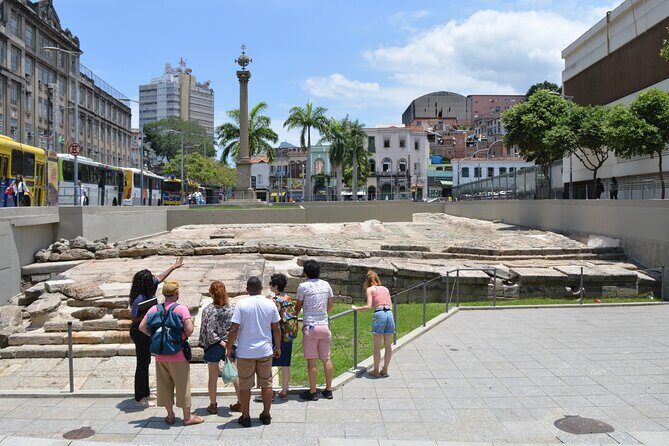
The highlight for many is visiting the Cais do Valongo, a UNESCO World Heritage site that was once the largest slave port in the Americas. This archaeological site shows the harsh realities of the slave trade but also symbolizes resilience and survival. Entrance is included, and visitors can walk around the ruins, imagining the ships arriving with enslaved Africans. As Nanette shared, her guide Val made the visit memorable, providing well-spoken explanations about the significance of the site.
Next, you’ll visit the Instituto de Pesquisa e Memória Pretos Novos (IPN), a former cemetery for enslaved Black people. This somber, reflective stop includes an internal visit that offers insight into history, memory, and loss. Many visitors find this site sobering but necessary for understanding the full scope of Rio’s past.
Cultural and Artistic Highlights
The Museu da História e da Cultura Afro-Brasileira (MUHCAB) in Gamboa is another favorite. This free museum showcases art, artifacts, and stories that highlight Afro-Brazilian traditions. Visitors appreciate it as a vivid window into cultural resilience. Shantae and Melanie praised guides who paced the tour well, especially for older travelers, ensuring everyone could appreciate the exhibits without feeling rushed.
Walking through Largo São Francisco da Prainha and Pedra do Sal, you see open-air spots where Afro-Brazilian music, Candomblé religions, and samba all have roots. Pedra do Sal, in particular, is legendary as the birthplace of samba and Candomblé. It’s lively, soulful, and provides a palpable sense of community and historical continuity.
Rua Camerino’s Hanging Valongo Garden offers another perspective — a site that once served as a witness to the slave market. The panoramic view of the port area underscores how history is woven into Rio’s everyday landscape.
The Overall Experience
What makes this tour truly worthwhile is the combination of historical sites, museums, and neighborhoods. The VLT transportation included in the price makes moving between sites smooth, saving time and effort. The small group size fosters meaningful conversations, as many reviewers have pointed out. Guides like Carolina are praised for their thoroughness and enthusiasm, making the history both accessible and memorable.
While most reviews rave about the knowledgeable guides and stunning views, some mention the heat and walking pace. Rio’s summer temperatures can climb over 40°C, so we recommend comfortable clothes, hats, and water. Also, since the tour ends at Pedra do Sal, there’s an opportunity to stay for a meal or further exploration.
While you're exploring Rio de Janeiro, here are other experiences we've looked into
What You’ll Take Away
Beyond just ticking off sightseeing spots, this tour offers a chance to reflect on historical injustices, celebrate resilience, and understand the ongoing fight for equality. Many appreciated how guides handled sensitive topics with respect and professionalism, as Devera noted, “the subject matter can be polarizing but was handled very professionally.”
The value here is in the storytelling — understanding how African influences have shaped Brazilian culture, from samba to religious practices, is eye-opening. The tour’s emphasis on cultural awareness and heritage makes it ideal for travelers wanting a richer, more nuanced Rio experience.
Who Will Love This Tour?
This experience suits history buffs, culture enthusiasts, and social justice advocates alike. If you’re interested in learning about marginalized communities and how they influenced Rio’s identity, this tour will resonate. It’s also perfect if you’re eager for meaningful museums and archaeological sites.
However, it’s not designed for those with mobility challenges. The tour involves walking through uneven areas and some outdoor sites. Be prepared for the heat, and consider this if you’re traveling with older family members or those with physical limitations.
Most importantly, this tour attracts travelers who appreciate authentic, educational experiences over typical tourist spots. It’s a chance to connect with Rio’s hidden soul, and many reviews highlight how inspiring the guides’ passion can be.
FAQs
Is transportation included?
Yes, the VLT tram ride between sites is included in the tour price, making it easier to navigate Rio’s historic neighborhoods.
How long is the tour?
It lasts approximately four hours, covering multiple sites with built-in time for internal visits and external visits.
Is there an age limit?
Most travelers can participate, but it’s not recommended for disabled people. The tour is primarily walking-based, so consideration for mobility is advised.
Are entrance fees included?
Yes, all fees and taxes are covered, including tickets for the IPN and other sites.
What should I bring?
We recommend comfortable shoes, water, a hat, and sunscreen. The tour takes place outdoors, and the heat can be intense.
Can I customize the tour?
The tour is fixed, but small groups may have some flexibility—check with the provider if you have special requests.
Is the tour suitable for non-Portuguese speakers?
Most guides speak good English, as many reviews mention. It’s a small group, so ask in advance if you need language accommodations.
What happens if it rains?
The tour requires good weather. If canceled due to rain, you’ll be offered a different date or a full refund.
Can I book last-minute?
Most travelers book about 29 days in advance, but last-minute bookings may be possible if spots are available.
What makes this tour different from other Rio tours?
It focuses entirely on Black history and Afro-Brazilian culture, offering a perspective often missing in typical sightseeing itineraries.
Final Thoughts
For travelers eager to go beyond the postcard Rio and explore the city’s true soul, the Little Africa Walking Tour offers a compelling, respectful, and insightful journey. The expert guides, thought-provoking sites, and authentic cultural narratives make it a valuable experience—especially for those interested in history, social justice, and cultural diversity.
While it involves walking in the heat and some emotionally heavy moments, the insights gained are well worth the effort. The inclusion of UNESCO sites and museums ensures you’re not only seeing Rio but understanding it more deeply.
If you’re looking for a meaningful, well-priced tour that enriches your visit and leaves you with a new perspective on Rio’s diverse heritage, this is your ideal choice. It’s a chance to connect with the resilience and vibrancy of communities that helped shape modern Brazil—an experience that makes your trip all the more memorable.
Enjoy your exploration into Rio’s Little Africa—where history, culture, and community come alive.
More Walking Tours in Rio de Janeiro
- Beautiful Stone Walk and Flight Rampa, in the Tijuca Forest
- Rio Tropical Fruit Tour: Market Walk + Guided Tasting
- Afro-Brazilian History & Immersion Walking Tour
- Rio de Janeiro Street Art Private Walking Tour with a Guide
- Rio Historic Center Walking Tour with Typical Brazilian Lunch
- African Heritage and Docks Walking Tour
More Tours in Rio de Janeiro
- Rio Carnival Parade from a Prime Box With Shuttle, Tour Guide, Food & Drink
- Little Africa: Historical & Heritage Tour of Rio de Janeiro
- LGBTQIA+ Private Tour of Rio de Janeiro With Local Gay-Friendly Guide
- Self-Guided Audio Tour – Imperial Rio
- Tour Favela Santa Marta
- Self-Guided Audio Tour-Story of Bossanova: Rhythm and soul of Rio
More Tour Reviews in Rio de Janeiro
- Rio Carnival Parade from a Prime Box With Shuttle, Tour Guide, Food & Drink
- Half Day Hiking and Climbing Adventure at Sugarloaf Mountain
- Little Africa: Historical & Heritage Tour of Rio de Janeiro
- LGBTQIA+ Private Tour of Rio de Janeiro With Local Gay-Friendly Guide
- Self-Guided Audio Tour – Imperial Rio
- Beautiful Stone Walk and Flight Rampa, in the Tijuca Forest
More Rio de Janeiro experiences we've covered
- Rio Carnival Parade from a Prime Box With Shuttle, Tour Guide, Food & Drink
- Half Day Hiking and Climbing Adventure at Sugarloaf Mountain
- Little Africa: Historical & Heritage Tour of Rio de Janeiro
- LGBTQIA+ Private Tour of Rio de Janeiro With Local Gay-Friendly Guide
- Self-Guided Audio Tour – Imperial Rio
- Beautiful Stone Walk and Flight Rampa, in the Tijuca Forest
- Discover Rio Little Africa: A Cultural and Historical Journey
- Tour Favela Santa Marta
- Self-Guided Audio Tour-Story of Bossanova: Rhythm and soul of Rio
- Tijuca Forest Adventure
- Favela Tour in Rio de Janeiro
- Adventure tour with Sugarloaf Mountain, AquaRio and BioParque