Experience the Rugged Beauty of Nepal’s Lesser-Known Trails with the Manaslu Circuit Trek
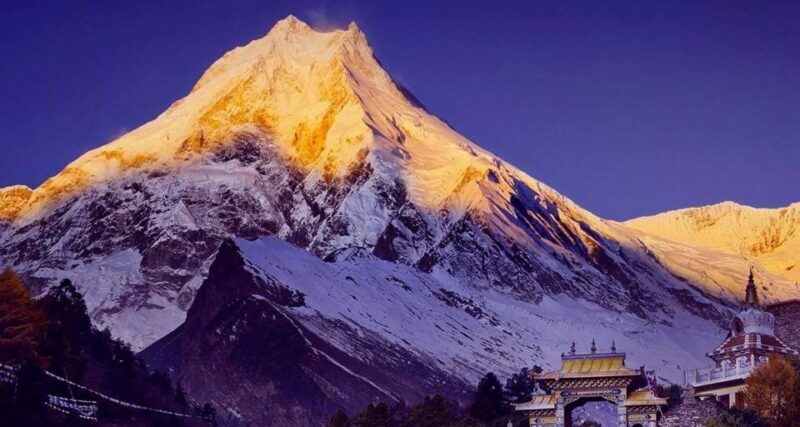
Imagine trekking through a remote corner of Nepal, far from the crowds of Everest and Annapurna, where Tibetan-influenced villages line your path and the peaks of Mount Manaslu, Ganesh, and Himalchuli tower above. For 11 days, you’ll explore rugged trails, crossing the iconic Larkya-La Pass at 5,135 meters, and soaking in scenery so extraordinary it sticks with you long after your boots come off.
All this for around $1,142 per person, a fair price considering the level of authenticity, natural beauty, and culture you’ll experience.
What draws us most is the chance to see endangered wildlife like blue sheep or Himalayan marmots, and the warmth of Gurung communities, who welcome trekkers with genuine hospitality. Plus, the less crowded trail offers a sense of adventure and solitude that’s often missing in Nepal’s more popular routes.
A key consideration? This trek isn’t for the faint of heart—being physically fit and prepared for high altitude is essential. And since the region is restricted, you’ll need guides and permits, which adds to the cost and planning but ensures safety and proper access. This trek suits those who appreciate natural beauty, cultural authenticity, and a challenge.
Key Points
- Stunning Mountain Views: See impressive peaks like Mount Manaslu and Annapurna up close.
- Cultural Encounters: Experience Tibetan-influenced communities and Gurung hospitality.
- Wildlife & Flora: Spot endangered animals and plants in the Manaslu Conservation Area.
- Challenging Pass: Cross the high-altitude Larkya-La Pass at 5,135 meters.
- Remote & Less Crowded: Ideal for adventurers seeking solitude away from busy trails.
- All-Inclusive Value: Price covers permits, guide, accommodations, and meals, making planning straightforward.
👉 See our pick of the 4 Top Tours In Tanki Manang (With Reviews & Prices)
- Key Points
- A Deep Dive into the Manaslu Circuit Trek
- The Basics: What to Expect
- Day-by-Day Breakdown
- What Makes This Trek Special?
- Practicalities and Planning
- The Environment and Wildlife
- Who is This Trek For?
- Final Thoughts
- FAQs
- The Best Of Tanki Manang!
- More Hiking & Trekking Tours in Tanki Manang
- More Tour Reviews in Tanki Manang
A Deep Dive into the Manaslu Circuit Trek
 1 / 3
1 / 3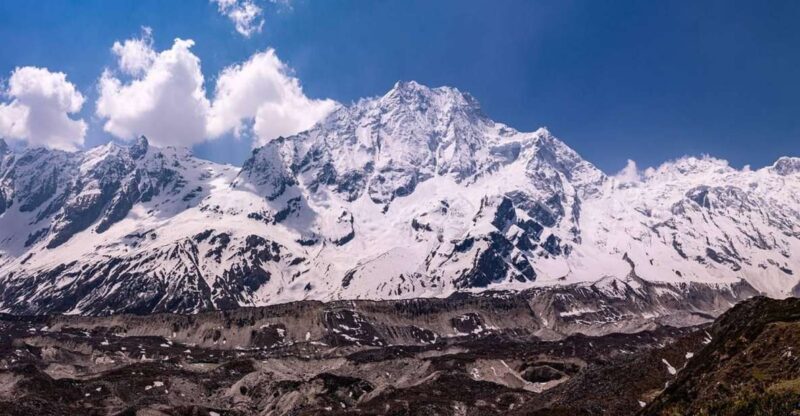 2 / 3
2 / 3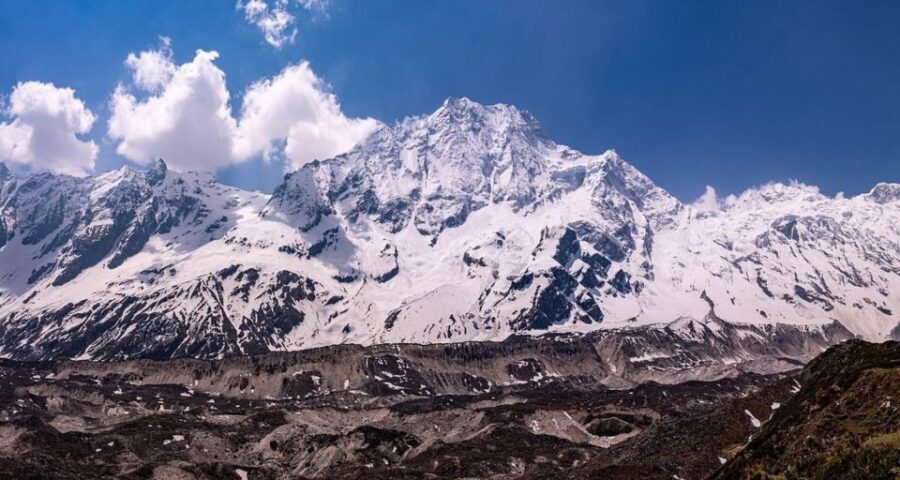 3 / 3
3 / 3You can also read our reviews of more hiking tours in Tanki Manang
The Basics: What to Expect
The Manaslu Circuit Trek offers a blend of majestic scenery, authentic local culture, and physical challenge. Starting from Kathmandu, your journey begins with a scenic drive to Maccha Khola, passing through lush forests and terraced fields. From there, it’s a steady ascent through traditional villages, mountain rivers, and rugged terrains, ultimately reaching Manaslu Base Camp and the highest point, Larkya-La Pass.
This trek is not just about reaching the peaks but about enjoying every step of the way. You’ll notice the landscape shifting from subtropical forests to alpine zones, with changing flora and fauna that reflect Nepal’s incredible biodiversity.
Day-by-Day Breakdown
Day 1: Bus to Maccha Khola
The adventure kicks off with a bus ride, giving you a chance to see rural Nepal’s daily life. It’s a long but scenic journey, setting the stage for what’s to come.
Day 2: Trek to Jagat
Your first taste of the trail, walking through terraced fields and small villages. Jagat is a welcoming place, often the first checkpoint for trekkers heading into restricted zones.
Day 3: Trek to Deng
This section introduces you to dense forests and mountain streams. The walk is moderate, and the air feels fresher as you gain elevation.
Day 4: Trek to Namrung
Expect stunning views of Himalchuli and Ngadi Chuli. The village of Namrung is known for its monasteries and Tibetan-style architecture.
Day 5: Trek to Samagaon
A highlight is passing through Tibetan-influenced communities. The views of Mount Manaslu become more prominent, and you’ll stay in a simple but comfortable lodge.
Day 6: Acclimatization Day
To prevent altitude sickness, this day is set aside for rest, short hikes, or exploring local monasteries.
Day 7: Trek to Samdo
The trail climbs gradually, offering chances to see wildlife like blue sheep. You’ll notice the landscape becoming more barren and dramatic.
Day 8: Trek to Dharmashala
This section features rugged terrain and challenging trail conditions, setting you up for the Larkya-La crossing.
Day 9: Larkya-La Pass and Bhimthang
This is the most demanding day, crossing the Larkya-La Pass at 5,135 meters. The climb can be physically taxing, and altitude symptoms are a real concern. The reward? Panoramic views of Manaslu and nearby peaks, and a sense of accomplishment.
Day 10: Trek to Tilje
Descending from the pass, you’ll enjoy a stunning landscape change, with views of glaciers and snow-capped summits.
Day 11: Trek to Dharapani and bus back to Kathmandu
The final day winds down with a descent into easier terrain, followed by a bus ride back to Nepal’s capital.
What Makes This Trek Special?
The scenery is breathtaking at every turn. From lush forests deep in the valley to jagged mountain peaks above, the visual experience is unmatched. We loved the way the trail snakes through Tibetan-style villages, offering glimpses of local life that feel untouched by tourism. The Larkya-La Pass is a true highlight—standing at over 5,000 meters, overlooking the Himalayas, it’s a moment that makes all the effort worthwhile.
Cultural encounters add depth to the experience. The Gurung communities are warm and welcoming, eager to share their traditions and lifestyles, which are a blend of Himalayan and Tibetan influences. Their hospitality often stands out in reviews, with many mentioning how they felt genuinely appreciated and part of the community, not just passing travelers.
More Great Tours NearbyPracticalities and Planning
The cost of $1,142 includes permits (ACAP and MCAP), guide, transportation, meals, and accommodations—mostly basic lodges. This all-in price helps simplify planning, but keep in mind that extras like chocolates, energy bars, or drinks aren’t included. If you want extra comfort, porter services are available for request, though the trek itself is designed for physically capable hikers.
Transportation from Kathmandu is by bus, which can be a long ride but offers extraordinary views of Nepal’s landscape. The trek is guided, with a professional English-speaking guide, ensuring safety and local insight. Group sizes are typically small, making for a more personalized experience.
What to bring? Pack sturdy hiking shoes, warm clothing, and essentials like a camera, power bank, and waterproof gear. Remember, high-altitude trekking requires careful preparation—rest days and slow ascents help avoid altitude sickness.
The Environment and Wildlife
The Manaslu Conservation Area is a treasure trove of biodiversity, housing over 2,000 plant species, nearly 200 bird varieties, and 39 animal species, including endangered ones. We loved hearing about the chance to see snow leopards or Himalayan marmots if luck is on your side, which adds an exciting wildlife element to the trek.
Who is This Trek For?
This route is best suited for adventure seekers with a good level of fitness and some trekking experience. It’s not designed for children under 10 or those with significant health concerns, particularly related to altitude. Because it’s a restricted region, you’ll need to hire guides and obtain permits, making it less spontaneous but safer and more organized.
Final Thoughts
The Manaslu Circuit Trek offers a chance to see some of Nepal’s most spectacular mountain scenery in a less crowded, more authentic setting. Its challenging passes, stunning vistas, and Tibetan-influenced villages make it ideal for travelers looking for a genuine adventure. The all-inclusive price covers permits, guide, accommodations, and most meals, making it easier to focus on the experience rather than logistics.
If you’re someone who loves trekking, is comfortable with high altitudes, and enjoys cultural connections in remote settings, this trek will leave you with stories to tell for years. While the trek demands a good level of fitness and mental preparation, the payoff is a journey through some of the most beautiful and less-traveled parts of Nepal.
Manaslu Circuit Trek
FAQs
Is the Manaslu Circuit Trek suitable for beginners?
No, it’s more suitable for experienced trekkers due to the high altitude and rugged terrain. Being physically fit and acclimated helps ensure a safer and more enjoyable trek.
How long does the trek last?
The complete trek lasts 11 days, starting from Kathmandu and ending back in the city after reaching Larkya-La Pass.
What is included in the price?
Your fee covers permits (ACAP and MCAP), a professional guide, transportation from Kathmandu, all meals during trekking, basic accommodations, a trekking map, and available gear like sleeping bags and jackets.
Are permits required?
Yes, two permits are necessary: the ACAP ( Annapurna Conservation Area Permit) and MCAP (Manaslu Conservation Area Permit), due to the restricted nature of the region.
What is the highest point of the trek?
The Larkya-La Pass at 5,135 meters is the highest and most challenging part of the trek.
Can I trek solo?
No, trekking solo in the Manaslu Base Camp is strictly prohibited. It’s recommended to join a guided group for safety and permit reasons.
What kind of wildlife might I see?
Wildlife such as blue sheep, Himalayan marmots, and possibly snow leopards may be spotted, along with various bird species endemic to the region.
What should I pack?
Essential items include hiking shoes, warm outdoor clothing, waterproof gear, a camera, power bank, and personal essentials like passport, cash, and toiletries.
How physically demanding is the trek?
It’s moderately to highly demanding, especially at high altitudes. Proper acclimatization, gradual ascent, and good fitness are key to managing the challenges.
Is the trek suitable for children?
Generally, no. It’s primarily designed for adult trekkers with good physical condition and experience in high-altitude hiking.
To sum it up, the Manaslu Circuit Trek is a fantastic choice for travelers craving a less crowded, culturally rich Himalayan adventure. It combines stunning mountain views, authentic local culture, and wildlife encounters in a challenging but rewarding itinerary. If you’re looking for a trek that pushes your limits while immersing you in Nepal’s natural and human tapestry, this journey is worth considering.
You can check availability for your dates here: