
Kokonoe’s suspension bridge puts you high above a gorge of waterfalls and autumn-colored forest, then this full-day trip carries you to three very different foliage stops in Oita. It is a handy way to see mountain scenery well beyond Fukuoka without arranging several bus connections yourself.
I like two things in particular: four contrasting stops in one day, from a high bridge to a Japanese garden and Yabakei’s rock formations, and the free time built into each visit, which lets you look around at your own pace. Past tour leaders including Chang, Xiao Te and Xiaobai have also helped with photo spots and food suggestions.
The trade-off is a long day with tight stop windows, and the foliage may not be at its best when you go. Admission to the suspension bridge is extra, lunch is on your own, and traffic or weather can change the schedule.
- Four Oita autumn stops at a glance
- What makes this day trip worth considering
- Walking high over the Kokonoe gorge
- Lunch and fall color at Kyusuikei
- A slower garden walk at Keiseki-en
- Yabakei’s peaks and rock formations
- The guide, vehicle and language mix
- Timing, foliage and the long ride back
- Who will get the most from this tour
- Should you book the Oita foliage day trip?
- FAQ
- Where does the tour depart from?
- What time does the tour return to Hakata?
- Are meals included?
- Is admission to Kokonoe Yume Grand Suspension Bridge included?
- What language does the guide speak?
- How long do you spend at each stop?
- Are children charged the same price as adults?
- Can the autumn leaves be guaranteed to be at their peak?
Four Oita autumn stops at a glance
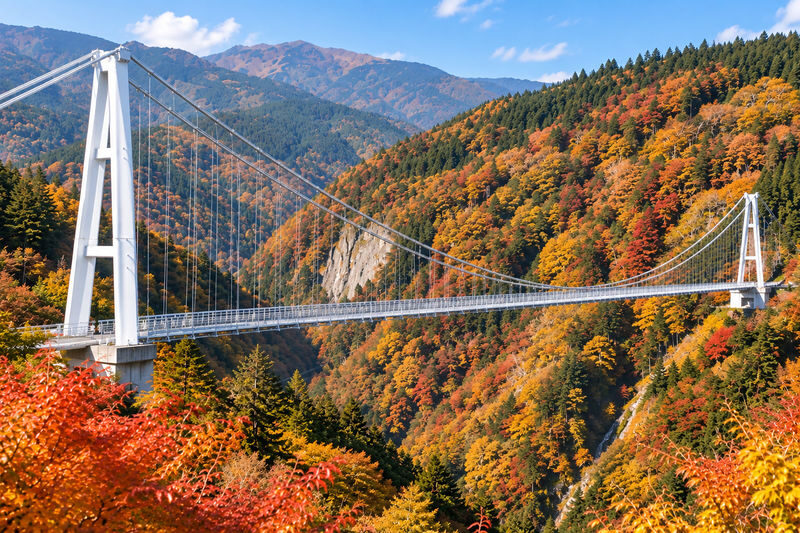
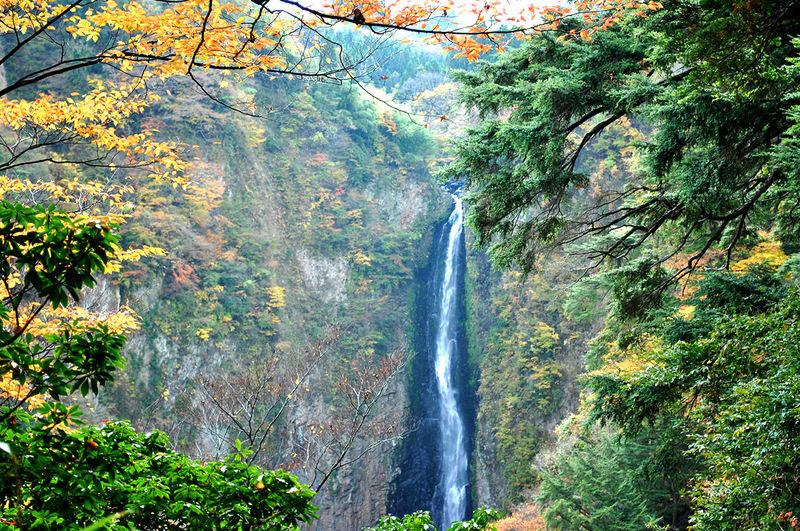
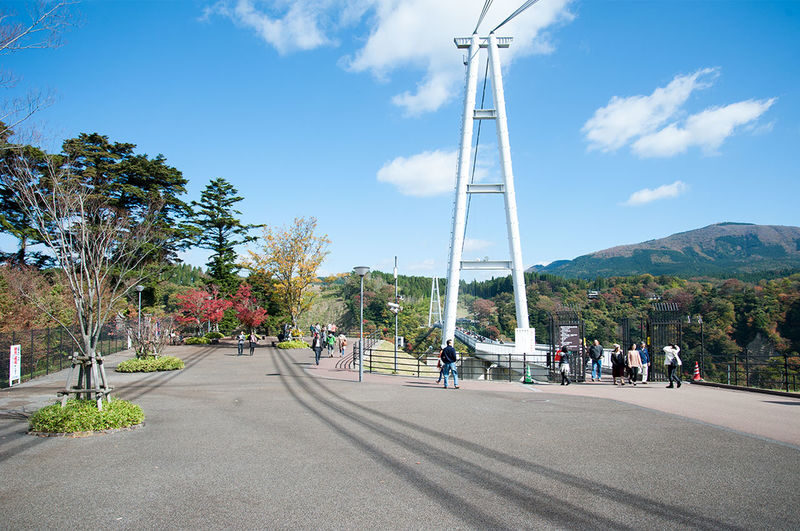
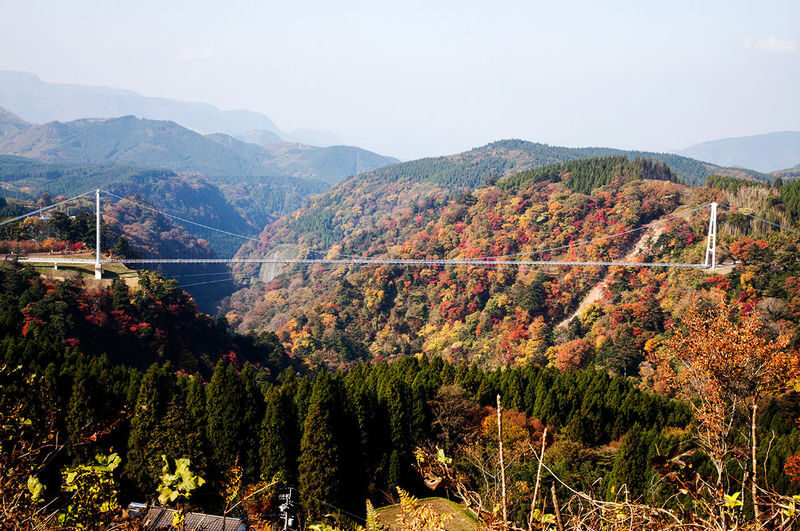
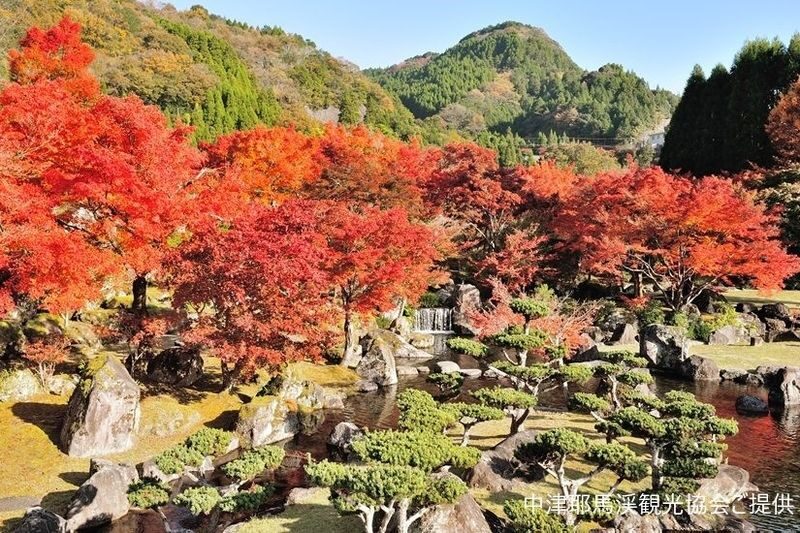
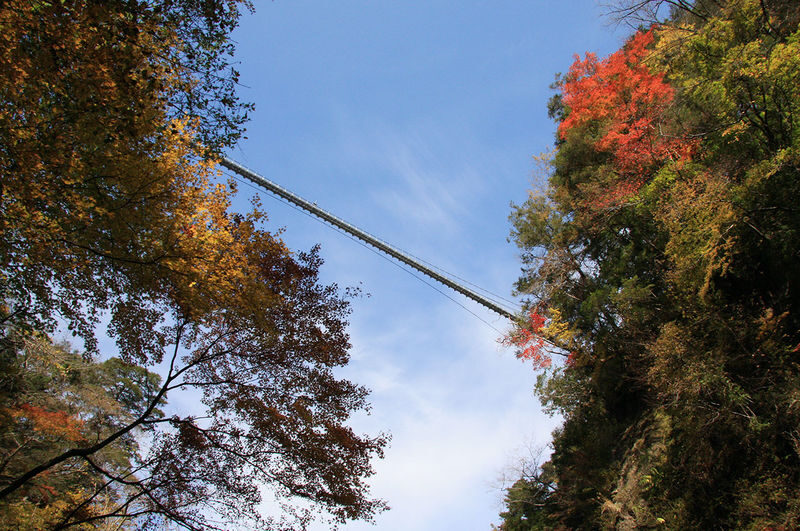
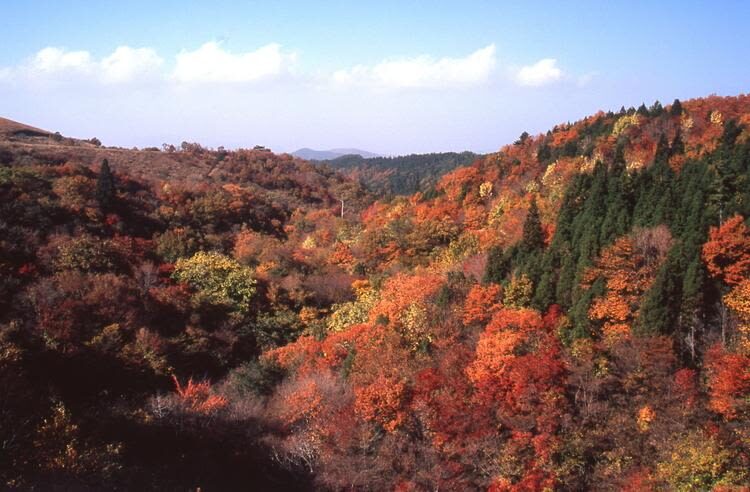
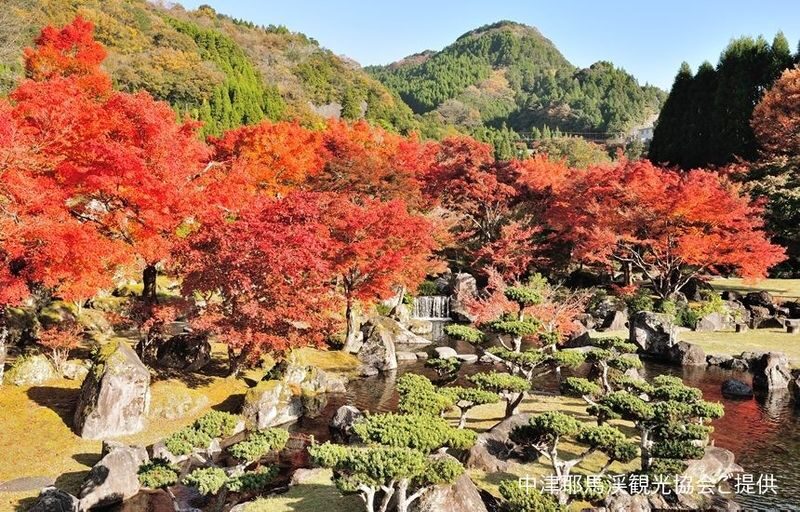
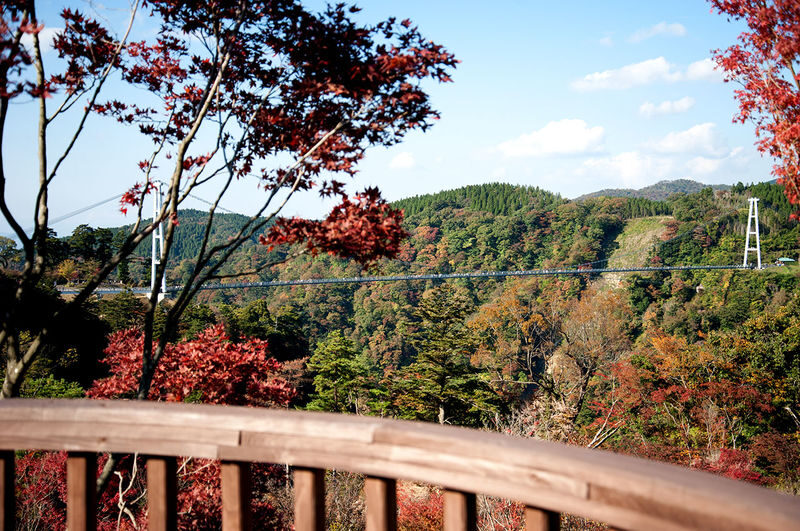
- Kokonoe Yume Grand Suspension Bridge: Walk high above the gorge for views of waterfalls and mountain forest. The bridge admission fee is extra.
- Kyusuikei and Katsura Chaya: See a valley known for autumn color, then find your own lunch around the tea-house area.
- Keiseki-en: Take a quieter garden walk among unusual rocks, flowing water and seasonal plants.
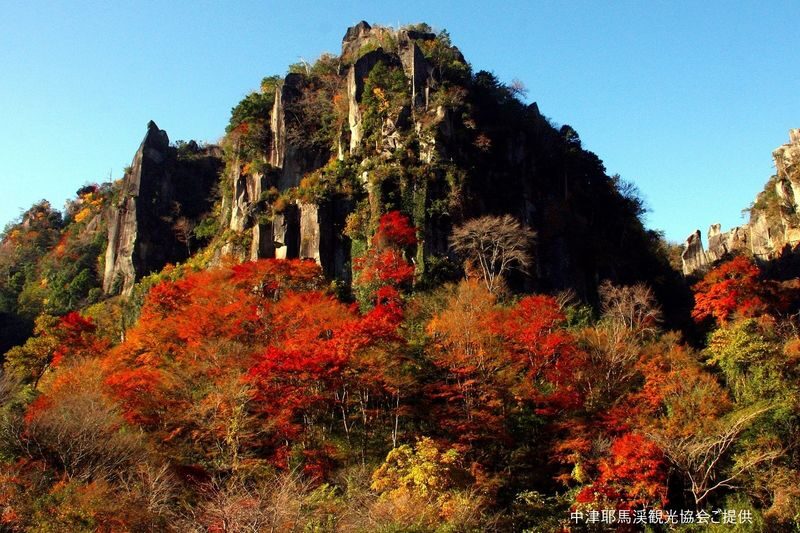
- Hitome Hakkei: Finish in Yabakei, where peaks, rock formations and autumn leaves create a grand final view.
- Round-trip transport from Hakata: The tour departs at 8:30 and is scheduled to return around 18:00, though traffic and weather can affect arrival.
- A seasonal gamble: The timing is based on past foliage patterns, but color and leaf fall vary from year to year.
What makes this day trip worth considering
Oita’s inland scenery is a different side of Kyushu from Fukuoka’s city streets. The route takes you into mountain country, where river valleys, steep slopes, waterfalls and unusual rock formations make autumn color feel especially dramatic. If you have only a day and do not want to piece together rural transport, a shared bus tour saves planning and puts four well-known stops within reach.
The stops are not four versions of the same view. At Kokonoe, the attraction is height and the sweeping gorge below. Kyusuikei brings you closer to the valley and its trees. Keiseki-en offers a more composed garden setting, while Hitome Hakkei opens onto Yabakei’s bold natural forms. That variety is the real strength of the route.
At a starting price of US$49.19, the tour can be good value if you want round-trip transport and a full day of sightseeing without renting a car. It is not an all-inclusive ticket: meals and drinks are extra, and the Kokonoe bridge admission is not covered. The supplied details also say a ticket is not included for the Yabakei stop, so check what admission, if any, applies to the visit when you book.
Walking high over the Kokonoe gorge
The first major stop is Kokonoe Yume Grand Suspension Bridge, reached at about 10:20. You have roughly an hour to walk across and take in the views. The bridge is the route’s big-height moment: from above, you can look over the gorge, waterfalls and layers of mountain forest, with autumn color spreading across the slopes.
The elevated viewpoint makes this stop different from a woodland stroll. You can see the shape of the valley and the scale of the surrounding hills at once. In good visibility, it is also a strong place for photographs. One past driver-guide reportedly chose to visit the bridge earlier in the day because the afternoon weather was expected to obscure the view. That is a useful reminder: the order may be adjusted for conditions, and an early clear spell can matter more than a perfectly fixed schedule.
The bridge is a paid attraction, so bring some extra money for admission. The tour price does not include it. If heights make you uneasy, keep in mind that crossing the suspension bridge is the point of this stop; the supplied details do not describe an alternate activity. You can decide how far you feel comfortable going, but you should not book expecting the bridge ticket to be part of the fare.
Lunch and fall color at Kyusuikei
Around 11:30, the tour reaches Kyusuikei, a ravine known for its autumn trees. The stop lasts about an hour, including time around Katsura Chaya, also referred to as Katsura Tea House. This is where the route shifts from a broad view over the mountains to the close-up colors and textures of a valley.
Lunch is not provided, so plan to buy food here or bring something with you. The tour information says you should arrange your own meal, but does not give a set menu or guarantee a particular restaurant. A past tour leader shared food recommendations at the stops, which can be helpful, though the guide on your departure may be different.
An hour passes quickly if you want both a proper meal and a walk. I would keep lunch simple and leave enough time to enjoy the ravine rather than spending the whole stop deciding what to eat. In late autumn, the mix of red, yellow and green can be as appealing as a valley in full red; the foliage is not a switch that turns on all at once.
A slower garden walk at Keiseki-en
The afternoon stop at Yabakei Dam Memorial Park Keiseki-en is scheduled for about 13:30 and lasts roughly an hour. Here, the scenery is more intimate. The garden combines unusual rocks, flowing water and plants that change with the seasons, with autumn leaves reflected on the water when conditions allow.
After the open gorge and valley, Keiseki-en gives you a calmer kind of visit. You can take a short walk, notice how rocks and water are arranged, and enjoy a pause from the road. The hour is enough for a look around, though anyone who likes to linger over garden details may wish for more time.
The name and location can be a little confusing in the supplied stop descriptions, which refer to Keiseki-en as a park in the Yabakei area. Follow the guide’s directions on the day rather than relying on a place name alone. The group travels together, and the guide sets the return time for each stop.
Yabakei’s peaks and rock formations
The final sightseeing stop is listed as Yabakei, with about an hour and 20 minutes there from approximately 14:50. This is a fitting close to a day built around mountain scenery. Hitome Hakkei is a celebrated viewpoint in the area, where peaks, unusual rocks and autumn foliage combine into a broad natural panorama.
This stop gives you a different kind of scale from the bridge. Rather than looking straight down into a gorge, you can take in the forms of the surrounding mountains and rock faces. The exact views and colors depend on weather and seasonal conditions, so clear skies and foliage timing make a real difference.
The tour information notes that tickets are not included for this stop as well. Since it does not specify the ticket or the precise paid activity, check the details before departure rather than assuming every entrance is covered. Keep your return time in mind, too. The bus needs to leave on schedule to make the long journey back to Hakata.
The guide, vehicle and language mix
The tour includes round-trip transport from Fukuoka and a Chinese- or Japanese-speaking guide. On some departures, the driver also serves as the tour escort, focusing first on safe driving and the operation of the day, with introductions to the stops along the way. This means the amount of commentary can vary.
Past leaders named Chang, Xiao Chang, Xiao Te, Xiaobai and Achang have been praised for clear explanations, practical food tips, help with photos and sensible adjustments to the route. Those names are examples from previous trips, not a promise about who will lead yours. A past English-speaking participant managed with directions and basic English from the driver-guide, but English commentary is not guaranteed.
This is a shared group tour. People speaking different languages may be in the same vehicle, and seats are not assigned in advance. The vehicle type depends on the number of participants, so do not count on a particular bus size or seat width. One past participant found the seats comfortable, while another would have preferred more room. If you are prone to motion sickness or have mobility concerns, you can note that when booking, but a particular seat cannot be guaranteed.
Timing, foliage and the long ride back
The meeting point is outside the Lawson on the first floor of Hotel Oriental Fukuoka Hakata Station, near Hakata Station’s Chikushi Exit. Arrive by 8:20 for the 8:30 departure. The vehicle leaves promptly, and late arrivals or no-shows are not refunded. Staff are described as wearing orange vests and carrying white flags with the Easy Go logo.
The return to Hakata is scheduled for around 18:00, but treat that as an estimate. This is a long-distance day, and traffic, road conditions and weather can delay the trip. Avoid booking a tight Shinkansen, flight or evening commitment after the return. A past participant noted traffic even on a weekday and advised leaving room for dinner plans.
Autumn color is the other uncertainty. The route is planned around historical foliage timing, but temperature, rain and weather affect when leaves turn and how long they stay on the trees. Some departures may catch a mix of red, yellow and green; later ones may find that leaves have already fallen. If seeing peak color is your main reason for booking, allow flexibility in your dates if you can. The tour generally runs even if foliage is less striking than hoped, and there is no refund just because the leaves are not at their best.
Weather can also affect visibility from the bridge and the comfort of outdoor stops. Bring sunscreen, sunglasses and a raincoat or poncho, and dress for the forecast. Staff may change the stop order or adjust outdoor activities for safety and operating conditions.
Who will get the most from this tour
This trip suits you if you want to see several of Oita’s best-known autumn spots but would rather not plan a rental-car route or coordinate rural buses. It is also useful if you are based in Fukuoka and have one day to spare for mountain scenery. Families and older visitors may appreciate having transport handled, though there are no child seats, and you should consider the full day and the amount of walking that suits your group.
It is less ideal if you need a slow, unhurried visit at each place, want guaranteed peak foliage, or prefer to choose exactly where and when you eat. The stops are self-guided and time-limited. You will need to keep track of the meeting point and return time, and be ready to move on when the group does.
Children aged three and older pay the adult rate. Children aged zero to two can join free if they do not need a separate seat. Each person may bring one piece of luggage at no charge; for larger bags, make a note in advance because vehicle storage can be limited.
Should you book the Oita foliage day trip?
I would book this tour if your priority is covering four different Oita scenery stops in one day with transport from Fukuoka already arranged. The bridge, ravine, garden and Yabakei viewpoints give the day a satisfying range, and the starting price is attractive as long as you budget separately for meals and admissions.
I would hesitate if the exact color of the leaves is non-negotiable, or if a late return would cause trouble. The season is fickle, the drive is long, and an hour at a stop is a brisk visit rather than a deep exploration. Go for the combination of places and the convenience, with autumn color as a welcome possibility rather than a guarantee.
Oita Autumn Foliage Day Trip | Kokonoe “Yume” Otsushashi Bridge / Kyusuikei / Keiseien / Hitome Hakkei (Departing from Fukuoka)
“The scenery is beautiful, but many of the autumn leaves have already fallen, which is a bit disappointing.”
FAQ
Where does the tour depart from?
It meets at the Lawson on the first floor of Hotel Oriental Fukuoka Hakata Station, at 4-23 Hakataekichuogai. Use the Chikushi Exit at JR Hakata Station and arrive by 8:20 for the 8:30 departure.
What time does the tour return to Hakata?
The planned return is around 18:00. Traffic, weather and road conditions can change the arrival time, so leave plenty of space before any onward transport or evening plans.
Are meals included?
No. You arrange and pay for your own lunch and drinks. The Kyusuikei stop includes time around Katsura Chaya.
Is admission to Kokonoe Yume Grand Suspension Bridge included?
No. The bridge admission ticket is not included and must be purchased separately.
What language does the guide speak?
The guide is listed as Chinese- or Japanese-speaking. A driver may also act as the tour escort, and English commentary is not guaranteed.
How long do you spend at each stop?
The scheduled visits are about one hour at Kokonoe Yume Grand Suspension Bridge, one hour at Kyusuikei, one hour at Keiseki-en, and one hour and 20 minutes at Yabakei.
Are children charged the same price as adults?
Children aged three and older pay the adult rate. Children aged zero to two may join free if they do not occupy a separate seat. Child seats are not available.
Can the autumn leaves be guaranteed to be at their peak?
No. Foliage timing depends on temperature, rainfall and other natural conditions. The tour is planned using past seasonal patterns, but refunds are not offered if the leaves are not at their best.