Beppu’s hot springs are not just a warm bath with a nice view. At Umi Jigoku, steaming water fills a vivid blue pool, while Kamado Jigoku offers another look at the region’s geothermal activity. Add a safari park and the mountain town of Yufuin, and this is a packed day out of Fukuoka with plenty of variety.
I like two things in particular: you get long-distance transport and a multilingual guide in one booking, and the Zoo Nature Exploration Tour pairs natural hot springs with a safari and time around Kinrin Lake. Guides such as Nana, Helen and Ella have been praised for keeping groups informed and helping with photos.
The trade-off is pace. The zoo, hot springs and Yufuin all compete for hours in a single day, and the schedule can shift with traffic or weather. Also, the tour’s package names and descriptions point to different stops, so confirm exactly which route you are booking before paying.
- What to know before you book
- A big day from Fukuoka, with two routes to sort out
- Umi Jigoku: Beppu’s blue-hot-spring spectacle
- Kamado Jigoku: a second look at geothermal Beppu
- Kyushu Natural Animal Park: the family favorite
- Yufuin and Kinrin Lake: a short taste of a popular onsen town
- What changes on the Dazaifu Cultural Prayer Tour
- Guides, language and the group-tour rhythm
- The real cost, and what the low starting price buys
- Who should book this day trip?
- Practical details to keep in mind
- Should you book it?
- FAQ
- Where does the tour depart from?
- What is included in the tour price?
- How much are the extra admission fees on the Zoo Nature Exploration Tour?
- Is the jungle bus ticket guaranteed?
- What is the difference between the two package options?
- When should I expect to return to Fukuoka?
- More 1-Day Tours in Yufu
- More Tours in Yufu
- More Tour Reviews in Yufu
What to know before you book
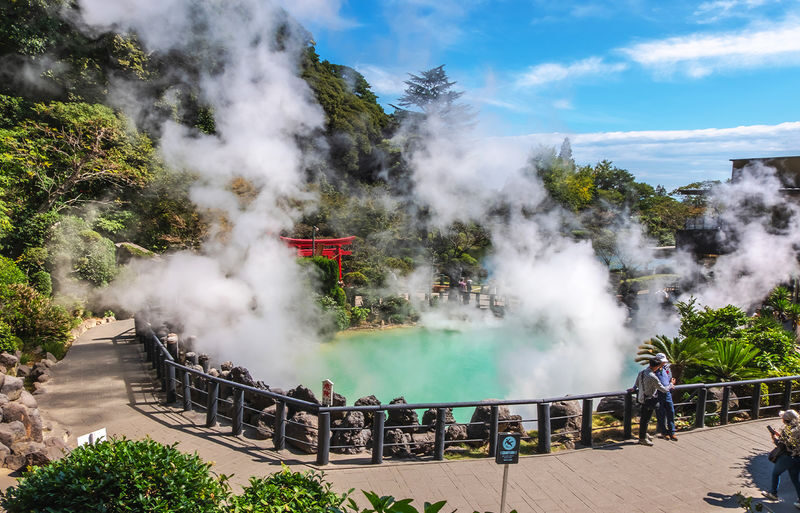
- The Zoo Nature Exploration Tour includes two Beppu hot springs: Umi Jigoku and Kamado Jigoku, with about 30 and 35 minutes at each.
- Kyushu Natural Animal Park gets 90 minutes: Entry and the optional jungle bus are paid separately, and the bus is not guaranteed.
- Yufuin and Kinrin Lake share a 2-hour-20-minute stop: That is time for a look around, a meal or a little shopping, not an unhurried visit to everything.
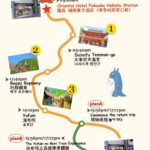
- The Dazaifu package follows a different route: Its description includes Dazaifu Tenmangu and the Beppu Ropeway, rather than the safari and two hells.
- The tour is a carpooling day trip from Fukuoka: Meet at 8:30, with return expected around 18:30 to 19:30.
- The advertised starting price is not the full outing cost: Zoo entry, the jungle bus, the two Beppu hells, meals and personal purchases are extra.
A big day from Fukuoka, with two routes to sort out
This is a practical choice if you want to see several parts of Oita without arranging a rental car, checking intercity connections or piecing together local transport. A guide and round-trip transfer are included, and the scheduled day covers hot springs, animals and Yufuin’s shops and lake.
But take care when choosing a package. The Zoo Nature Exploration Tour has a detailed schedule for Umi Jigoku, Kamado Jigoku, Kyushu Natural Animal Park and Yufuin. The separate Dazaifu Cultural Prayer Tour is described as visiting Dazaifu Tenmangu, riding the Beppu Ropeway and spending time in Yufuin. The overall product name also mentions Nyoirinji Temple, yet the detailed Zoo route does not list it as a scheduled stop.
Those are not small variations. A safari and two hot spring sites make for a different day from a shrine and a cable-car ride. Read the route attached to the package you select, and check any inclusions shown at checkout. The available detailed timings below apply to the Zoo Nature Exploration Tour.
You can also read our reviews of more tours and experiences in Yufu
Umi Jigoku: Beppu’s blue-hot-spring spectacle
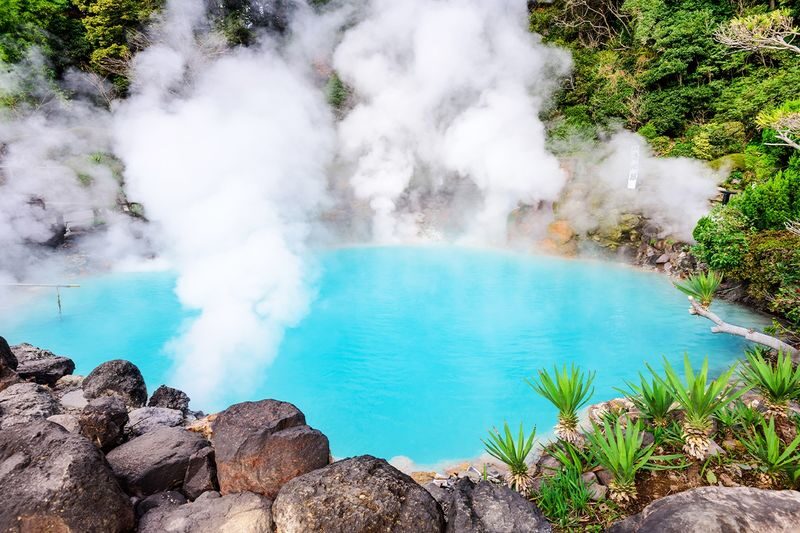
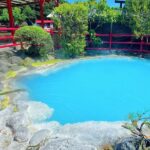
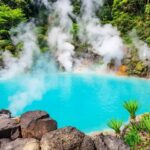
The bus leaves Fukuoka at 8:30 and reaches Umi Jigoku at about 10:30. You have around 30 minutes to explore this large geothermal pool, one of Beppu’s eight hells. The name means Sea Hell, but the attraction is the striking blue water and steam, not a place to bathe.
The short visit makes sense for a photo stop and a first look at Beppu’s geothermal character. It is less generous if you want time to study the grounds or browse the shops. Admission is not included, and the stated fee is JPY 500 per person.
Kamado Jigoku: a second look at geothermal Beppu
At about 11:15, the group visits Kamado Jigoku for roughly 35 minutes. Its name, Cauldron Hell, comes from a local tradition of using geothermal heat to prepare offerings during shrine festivals. The stop adds a bit of cultural context to the area’s volcanic activity.
There is a practical question here: do you need both hells? One tour-goer suggested choosing just one, since the sites can feel repetitive and both blue and red hot-spring colors can be seen in the area. The stops are still distinct enough to be worthwhile if you enjoy seeing how different geothermal pools look, but don’t expect a long, leisurely visit at either one. Kamado Jigoku admission is another JPY 500 per person.
Traffic between the two sites can also eat into sightseeing time. The schedule is flexible, and the guide may change the sequence or shorten a stop if road conditions require it.
Kyushu Natural Animal Park: the family favorite
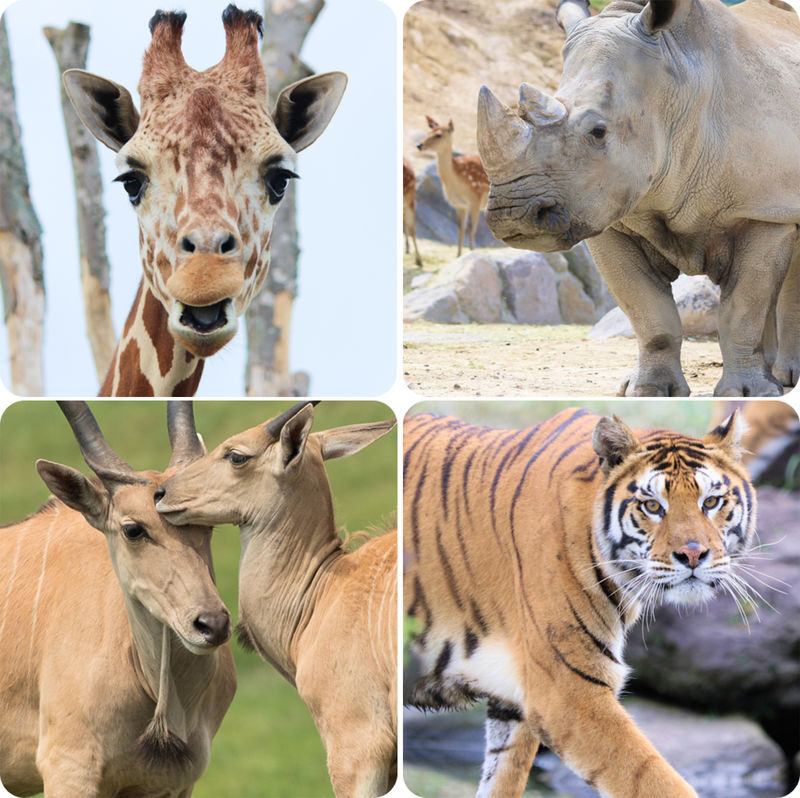
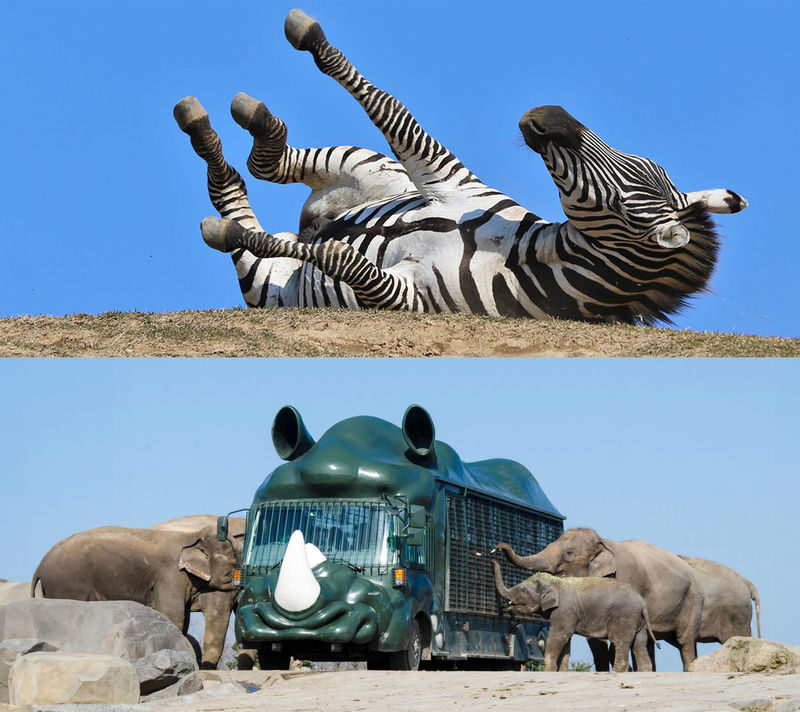
Around 12:25, the Zoo Nature Exploration Tour reaches Kyushu Natural Animal Park, described as Japan’s largest safari park. You have about an hour and a half there. The most memorable part for many families is seeing large animals such as elephants and rhinos close to the safari vehicle. It can feel thrilling for children, and it gives the day a change of pace from temples, hot springs and shopping streets.
The entrance fee, JPY 2,600, is not included. Nor is the jungle bus, which costs JPY 1,300. That bus offers a way to get closer to the animals, but there is no guaranteed ticket, so don’t plan your whole visit around riding it. Check the ticket situation promptly on arrival, then make the most of the park time available.
Ninety minutes is useful, but not generous if you want to explore every part of a large park, especially if you spend time sorting out admission or bus tickets. The tour is self-guided inside the zoo, so you can use that time at your own pace, within the group’s fixed departure time. Families should budget for the extra fees and be ready to keep moving.
Yufuin and Kinrin Lake: a short taste of a popular onsen town
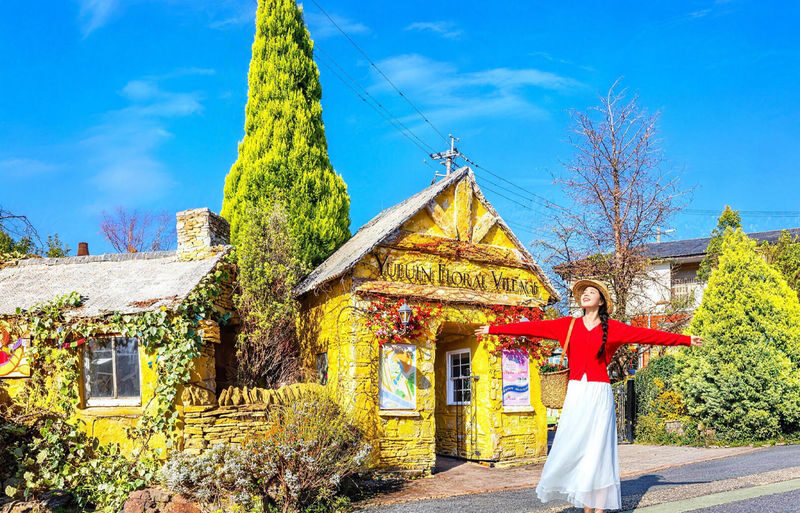
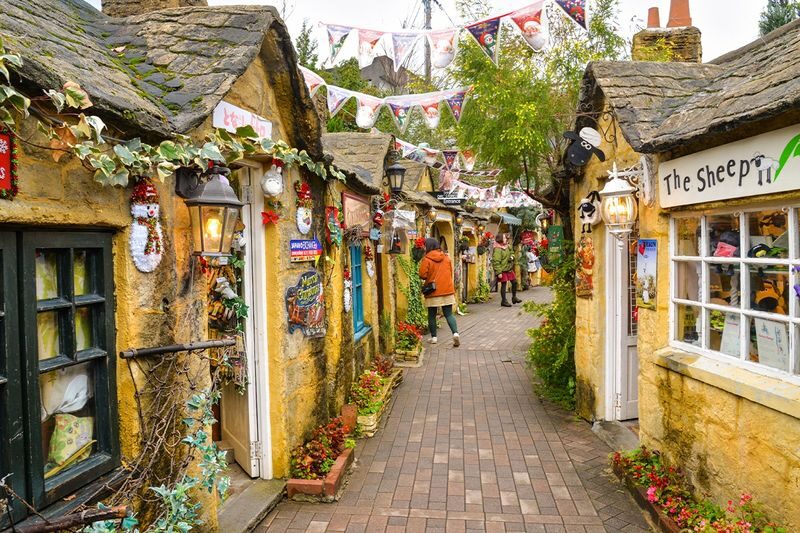
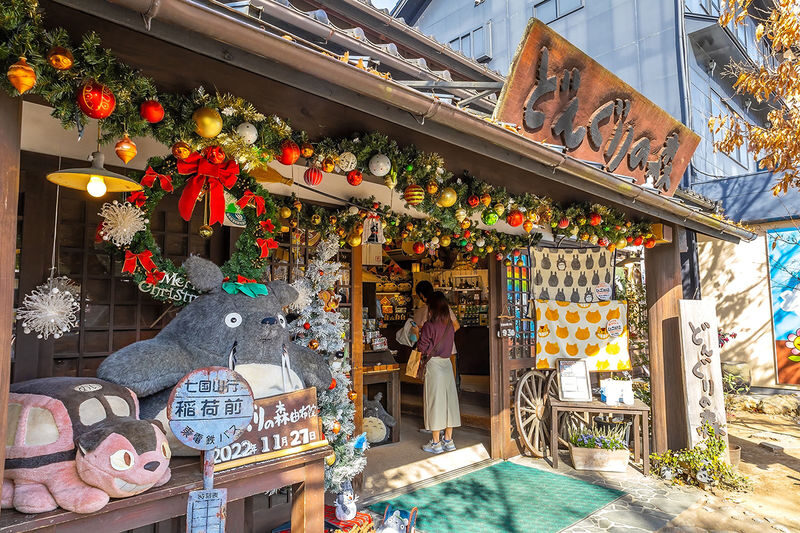
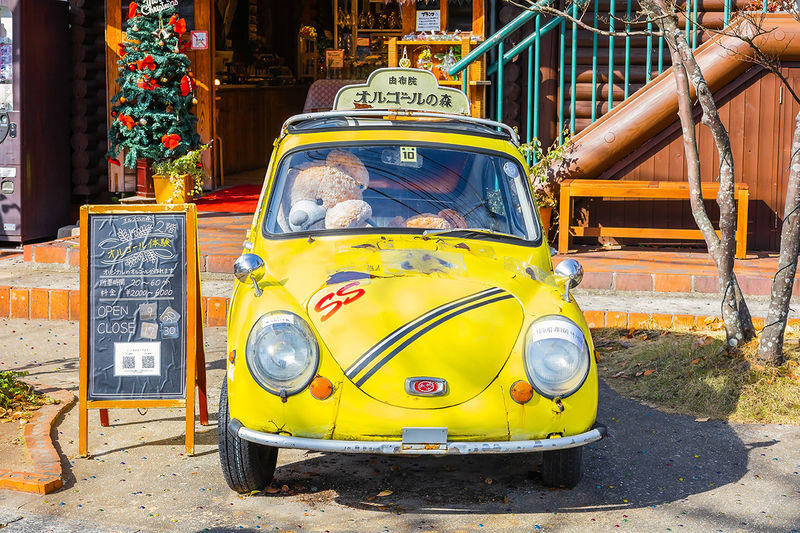
The schedule allows about 2 hours and 20 minutes in Yufuin, beginning around 14:30. The town is known for its hot-spring setting and an appealing mix of cafés, food shops and art-focused streets. You can have a meal, browse, or simply enjoy the mountain air. The time is shared with the visit to nearby Kinrin Lake, so it helps to decide what matters most before you arrive.
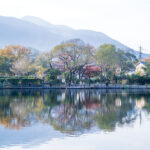
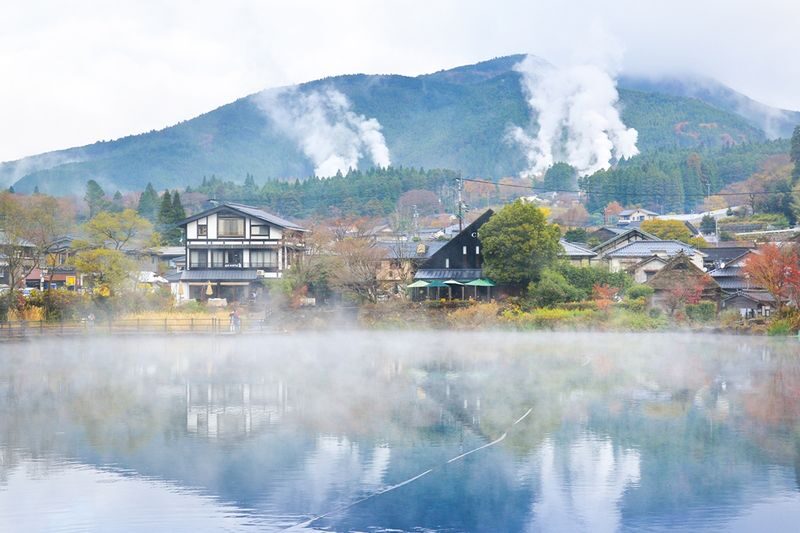
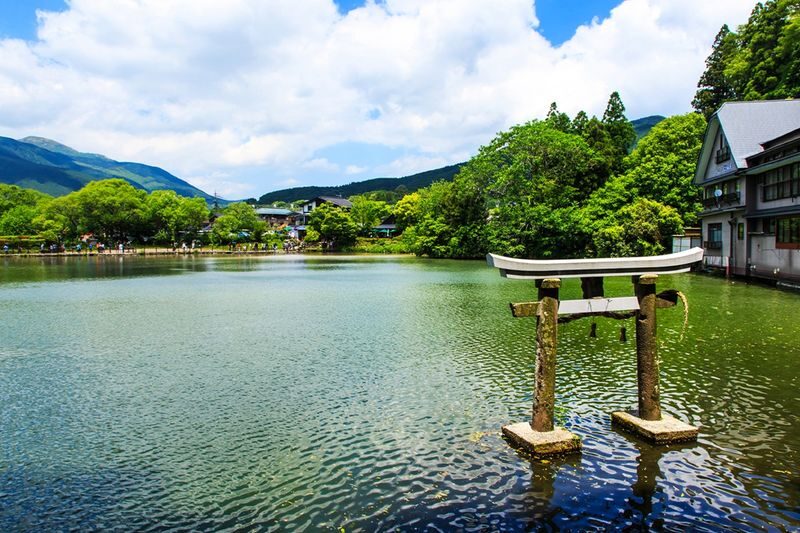
Kinrin Lake is a small, quiet counterpoint to Yufuin’s shopping streets. It sits at the foot of Mount Yufu, and its still water can look especially atmospheric when mist hangs over it. One account of the trip described the mountain as hidden by the weather, a useful reminder that a clear view is never guaranteed. The lake remains a pleasant stop, but conditions shape the view.
The town’s appeal is easy to understand, but a couple of hours is a sampler, not enough time to linger everywhere. If you want to shop, eat and walk to the lake without rushing, keep an eye on the clock. The guide may adjust the schedule because of weather, traffic or vehicle-use limits, and some attractions may be skipped.
What changes on the Dazaifu Cultural Prayer Tour
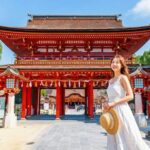
The Dazaifu package is a separate choice, not an extra set of stops added to the zoo route. Its description includes Dazaifu Tenmangu, a shrine associated with learning and prayer, followed by the Beppu Ropeway and time in Yufuin and at Kinrin Lake. The ropeway offers an aerial view of Beppu Bay and the surrounding mountains when conditions allow.
This route suits you better if shrine culture and mountain views matter more than a safari. The available information does not give a stop-by-stop timetable for this package, so don’t assume the Zoo Nature Exploration Tour’s timings apply. Nyoirinji Temple is highlighted among the attraction details, but it is not named in the supplied route description. Confirm the exact stops for your selected date and package before booking.
Guides, language and the group-tour rhythm
The tour includes a guide who speaks English, Chinese or Korean. You may share the vehicle with people speaking other languages, and the vehicle type depends on the number of people booked. The group format saves you from planning the long drive, but it also means that departures and sightseeing stops run to a shared timetable.
Guide allocation changes from day to day. Nana, Helen and Ella are among the guides praised for clear explanations, photo help and attention to English-speaking members even when most of the group spoke another language. Sun and Daisy have also been commended for managing multilingual groups and sharing practical advice. These examples offer a helpful sense of the service, but they are not a promise that a particular guide will lead your tour.
The clearest rule is punctuality. Meet at the Lawson Hakata Station Chikushi Exit Store at least 10 minutes before the 8:30 departure, and look for the guide holding a GOGODAY flag. Tour and vehicle details are sent by email the evening before, usually between 20:00 and 21:00. Check your spam folder, especially if you booked during a busy period.
The real cost, and what the low starting price buys
The stated starting price is from $44.25, while the two named package options are shown from $63.20. Prices can vary, so check the total for your date and package before booking. The guided transfer is the main value: you can cover a wide stretch of Kyushu in one day without driving or arranging separate transport between stops.
For the Zoo Nature Exploration Tour, add JPY 2,600 for zoo entry and JPY 1,300 if you get a jungle-bus ticket, plus JPY 500 each for Umi Jigoku and Kamado Jigoku. Meals and drinks are also on you. These extras make the day cost more than the headline fare, particularly for a family. In return, you get a full route and a guide to handle the group logistics.
Who should book this day trip?
I’d consider the Zoo Nature Exploration Tour if you are based in Fukuoka, want to see several Oita highlights in one day and don’t mind a brisk pace. It is especially appealing for families and animal lovers, since the safari gives children a memorable change from the hot-spring sites. It also suits solo visitors who would rather join a group than manage the route alone.
Choose the Dazaifu package if a shrine visit and the ropeway appeal more than the animal park. If you want a slow afternoon in Yufuin, several hours at the safari, or time to visit every hot-spring site at length, this itinerary is too compressed. The day is designed to give you a broad introduction, not an in-depth stay in each place.
Practical details to keep in mind
The return to Lawson Hakata Station Chikushi Exit Store is expected between 18:30 and 19:30, but traffic and weather can push it later. Leave your evening open rather than booking a tight connection or another activity. The operator does not cover costs caused by a late return.
One piece of luggage per person is allowed free, ideally no larger than a carry-on suitcase, but you must declare it when booking. Infants aged 0 to 2 can travel free without a separate seat, but they still count toward vehicle capacity and must be included in the booking details. Children aged 3 and older pay the adult rate. Child seats are not available.
People over 70 and pregnant participants must sign a liability waiver in advance. The tour is a shared group activity, so you cannot leave midway and rejoin later. Weather can also affect the views and the order of stops, and the operator may adjust or remove parts of the route when necessary.
Should you book it?
Book the Zoo Nature Exploration Tour if the safari is a priority and you are happy to see Beppu and Yufuin at a quick pace. The combination is unusual and convenient, and a good guide can make a long bus day easier to manage. Add the attraction fees to your budget and don’t count on the optional jungle bus.
Pick the Dazaifu Cultural Prayer Tour if its shrine and ropeway route better matches your interests. Before you pay, verify the package name and included stops, since the product details cover more than one itinerary. If your goal is an unhurried visit rather than a day of highlights, plan separate time in Yufuin and Beppu instead.
Oita: Yufuin & Kyushu Natural Animal Park & Umi Jigoku & Dazaifu & Beppu Ropeway Day Trip (From Fukuoka)
“Thank you, tour guide Nana, for being so thoughtful in preparing small bags for everyone, and for being so kind and dedicated. The Kyushu Safari Pa…”
FAQ
Where does the tour depart from?
The meeting point is the Lawson Hakata Station Chikushi Exit Store in Fukuoka. Arrive at least 10 minutes before the 8:30 departure and look for the guide holding a GOGODAY flag.
What is included in the tour price?
The tour includes round-trip transfers from the meeting point and an English-, Chinese- or Korean-speaking guide. Attraction admission, the zoo jungle bus, meals, beverages and personal expenses are not included.
How much are the extra admission fees on the Zoo Nature Exploration Tour?
Kyushu Natural Animal Park admission is JPY 2,600, and the jungle bus is JPY 1,300. Umi Jigoku and Kamado Jigoku admission each cost JPY 500 per person.
Is the jungle bus ticket guaranteed?
No. The jungle bus fee is separate, and a ticket is not guaranteed.
What is the difference between the two package options?
The Zoo Nature Exploration Tour’s detailed route includes Umi Jigoku, Kamado Jigoku, Kyushu Natural Animal Park, Yufuin and Kinrin Lake. The Dazaifu Cultural Prayer Tour description includes Dazaifu Tenmangu, the Beppu Ropeway, Yufuin and Kinrin Lake. Confirm the selected package’s route before booking.
When should I expect to return to Fukuoka?
The expected return is between 18:30 and 19:30. Traffic and weather can affect the timing, so leave the rest of your day unscheduled.