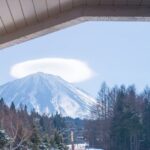
Mount Fuji is the star of this day, but it shares the stage with safari animals, clear spring pools, and flower beds beside Lake Kawaguchi. I like the contrast between close-up wildlife at Fuji Safari Park and the calmer, cultural stop at Oshino Hakkai. I also like that Oishi Park adds a lakeside view without requiring a long walk.
The trade-off is a packed schedule, with only 40 minutes at Oishi Park and an afternoon drive back to Tokyo that can stretch in traffic. Safari Park admission and the Jungle Bus are extra, and you should arrange those tickets before the day if you want the bus ride through the animal zones.
- At a glance
- Three stops, three ways to see Mount Fuji
- Fuji Safari Park: wildlife first, ticket planning second
- Oshino Hakkai: Fuji’s filtered spring water
- Oishi Park: flowers, lake, and a short final stop
- What the price includes, and what you still pay
- The ride, group size, and timing
- The guide can shape a weather-hit day
- Who should book this day trip?
- FAQ
- Where does the tour depart from?
- What time does the tour return to Tokyo?
- Is Fuji Safari Park admission included?
- Is the Jungle Bus included?
- What is included in the tour price?
- How much luggage can I bring?
- Can children join the tour?
- Can the schedule or flower displays change?
- Should you book it?
- The Best Of Fuji!
- More Tours in Fuji
- More Tour Reviews in Fuji
At a glance
 1 / 8
 2 / 8
 3 / 8
 4 / 8
 5 / 8
 6 / 8
 7 / 8
 8 / 8
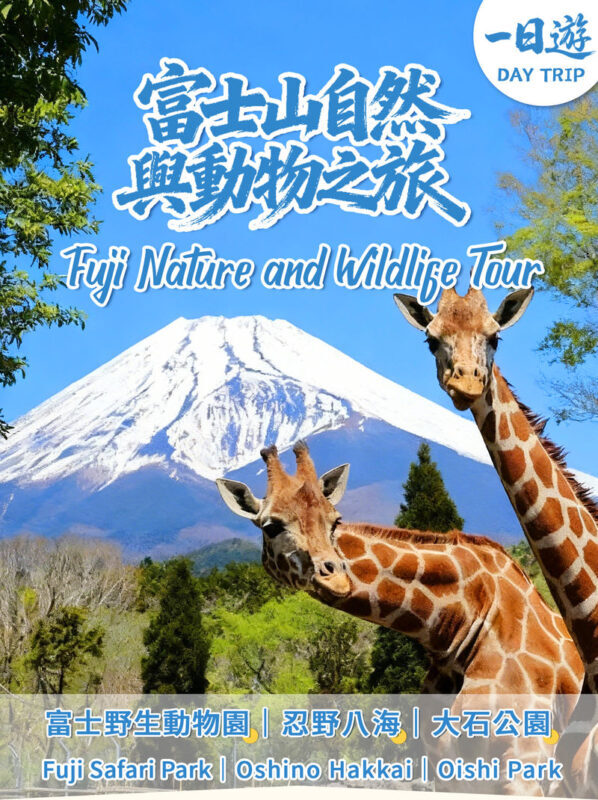
- The day covers three very different Fuji-area stops: a wildlife park, eight natural springs, and a lakeside flower park.
- Fuji Safari Park is self-guided time: you pay separately for admission, and the Jungle Bus has its own fee.
- Oshino Hakkai’s springs come from Fuji snowmelt: the village’s eight pools are a natural and cultural highlight.
- The best Fuji views depend on the weather: clear skies can bring the mountain into view, but no view is guaranteed.
- The group size can vary: arrangements range from small groups of 4 to 13 to bus groups of 14 to 45.
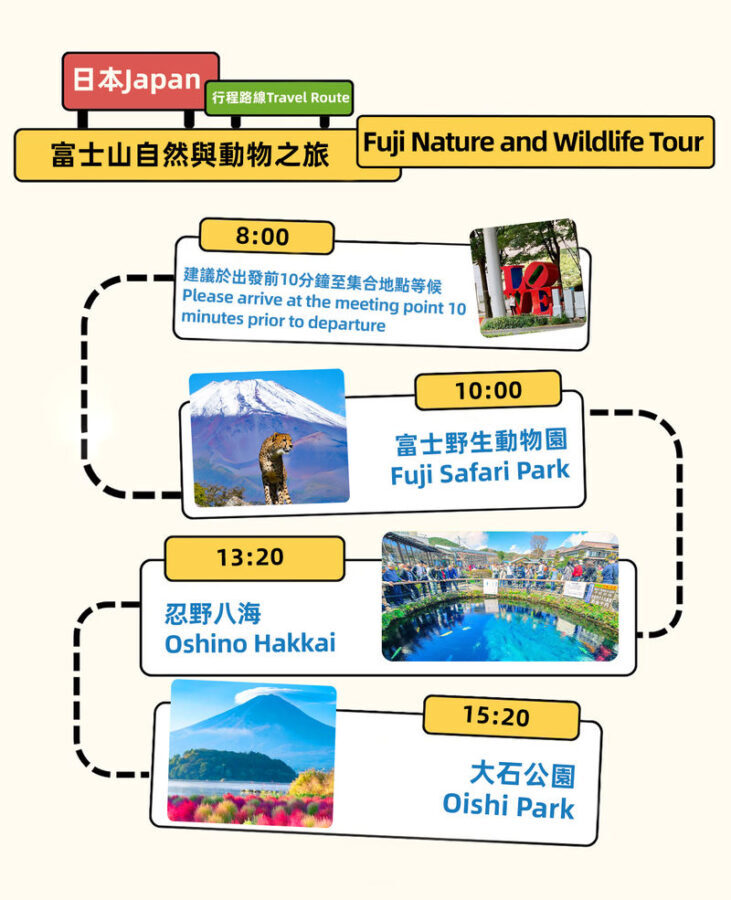
- A full day means an early start: departure is scheduled for 8:00 a.m., with a planned return to Tokyo around 7:00 p.m.

👉 See our pick of the 4 Best Hiking And Trekking Tours In Fuji
Three stops, three ways to see Mount Fuji
This is a long day trip from Tokyo to the southern side of Mount Fuji. It pairs a wildlife park with two scenic and cultural stops, so you get more variety than you would from a day spent at a single viewpoint. The shifts in pace are part of the appeal: animals first, springs next, then a short lakeside pause among seasonal flowers.
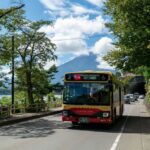
You travel by vehicle with a guide who speaks English or Chinese. For groups of 4 to 13, the guide may also be the driver. In larger groups of 14 to 45, a separate driver and guide may be provided. The driver-guide’s main job is driving, so don’t count on a running commentary throughout the journey.
The tour includes round-trip transport from the meeting point, tolls, parking, and fuel. It does not include meals or the entrance costs for Fuji Safari Park. The day is mostly self-guided at each stop, giving you room to explore at your own pace, but also making it important to watch the time and return to the vehicle promptly.
You can also read our reviews of more tours and experiences in Fuji.

Fuji Safari Park: wildlife first, ticket planning second
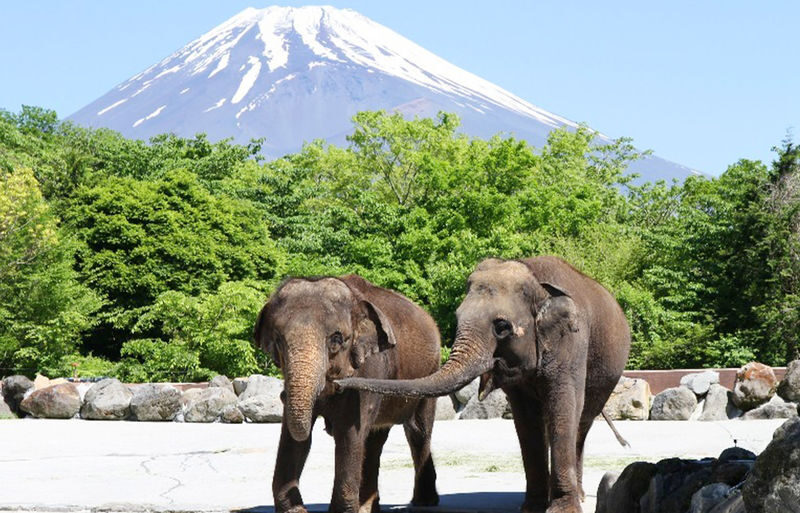
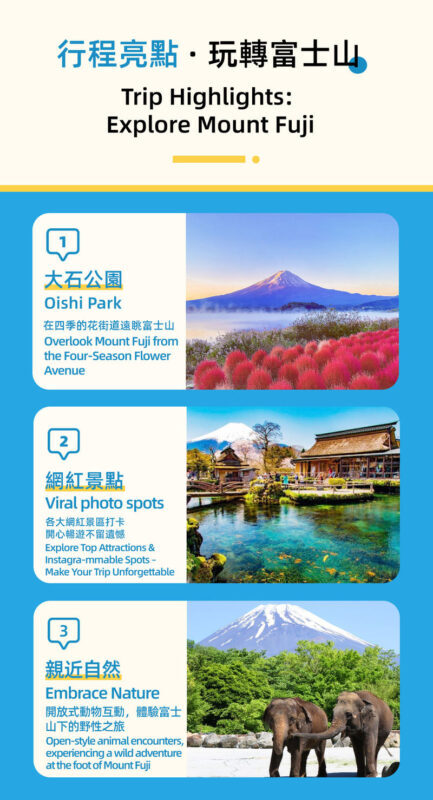
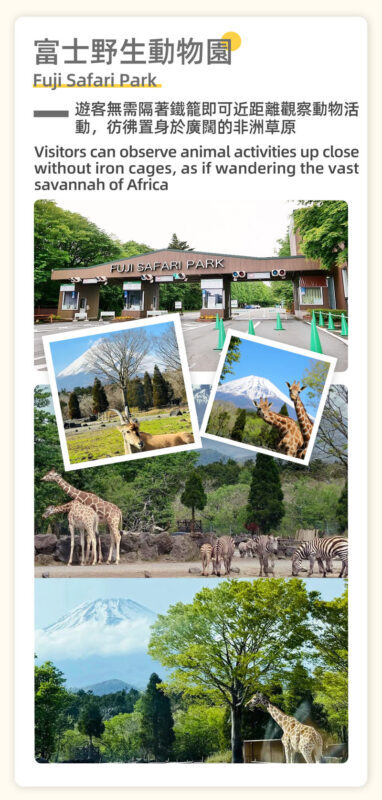
The day’s first major stop is Fuji Safari Park, with about two and a half hours scheduled there. The park’s open design lets you see animals in a setting intended to feel less like a row of conventional zoo enclosures. The main draw is the safari zone, where the Jungle Bus travels through areas with larger animals and allows close-up feeding.
That bus is not included in the tour price. Park admission is listed at ¥3,200 per adult and ¥2,000 per child, while the Jungle Bus costs ¥1,500 per person. If you want the bus, plan ahead: a useful tip from a past visitor is to book both park admission and the safari bus online, since tickets can be cheaper online and bus spaces may not be available on arrival.
One visitor suggested the 11:00 a.m. bus as a practical choice, leaving time to check in and explore. Treat that as a planning suggestion, not a guarantee that the same departure will fit every tour day. The tour is scheduled to arrive at the park at 10:00 a.m., but traffic can shift the timing, and the attraction’s ticket availability is separate from the transport booking.
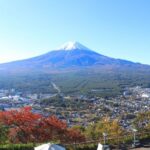
The park also has an interaction area with smaller animals, including capybaras. That gives you a different kind of encounter from the bus ride, and it can be a good fit if you’re travelling with children or prefer a closer look at smaller species. The mountain backdrop adds to the setting, though clouds may hide Fuji at any stop.
There is a real downside if you do not get a Jungle Bus ticket. One participant who could not get a place had to cover about 2.5 kilometres on foot to see the park. That’s a useful warning: don’t assume the tour’s transport booking also reserves your safari experience. Confirm the park and bus tickets separately before departure, and check that your chosen bus time matches the group’s arrival.
Oshino Hakkai: Fuji’s filtered spring water
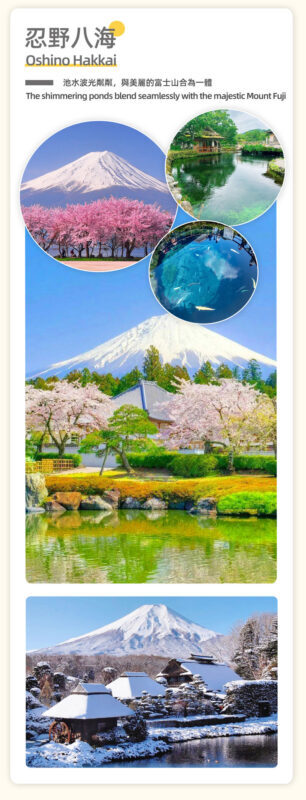
After the safari park, the tour continues to Oshino Hakkai for about an hour and a half. The village is known for eight clear springs formed as Mount Fuji’s snowmelt filters through the ground over time. The pools are recognized as a national natural monument and form part of the World Cultural Heritage site associated with Mount Fuji.
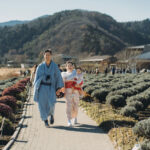
Oshino Hakkai feels like a change of gear after the wildlife park. The terrain is described as flat and open, making it easier to stroll between the springs and take in the village setting. The water is often called the soul water of Mount Fuji, and seeing the pools gives you a tangible connection to the mountain beyond its familiar outline on the horizon.
On a clear day, the pools can also reflect Fuji. This is a particularly appealing stop if you enjoy photography: the calm water may mirror the mountain, adding depth to the view. But the reflection depends on the weather and conditions at the spring. A cloudy morning can turn into a clear afternoon, or the reverse, so keep your camera ready without making a perfect view the measure of the visit.
The scheduled stop is 1 hour 30 minutes, but keep an eye on your return time. A past participant reported receiving less time than planned after delays earlier in the day. The tour’s schedule can change with traffic, weather, holidays, and crowds, so it’s sensible to prioritize the springs and the views you most want rather than assume there will be time for a leisurely meal or extended browsing.
Oishi Park: flowers, lake, and a short final stop
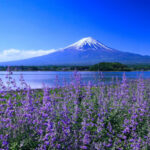
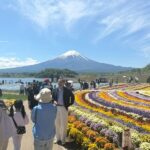
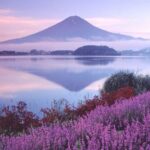
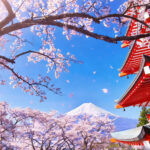
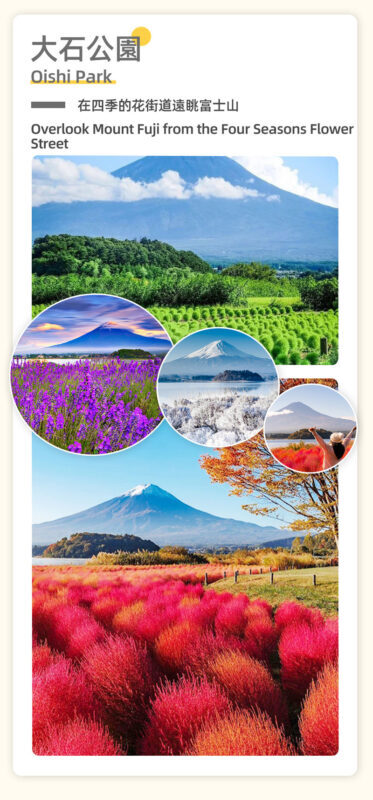
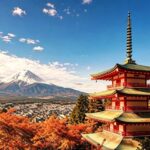
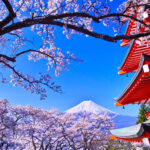
Oishi Park is the final sightseeing stop, on the shore of Lake Kawaguchi. It is known for seasonal flower beds, including tulips and lavender, arranged to frame views of Mount Fuji and the lake. The combination makes this a strong place to pause for photographs and enjoy the open scenery.
The trade-off is time. The scheduled visit is only 40 minutes, so think of it as a scenic stop rather than a full exploration of the lakeshore. You can take in the flower displays, look for Fuji, and enjoy the lake, but this is not the place to plan a long café break or a relaxed walk far from the meeting point.
Flower timing varies from year to year with the climate. Lavender and other blooms may not be at their best on your date, and the tour does not promise a specific stage of flowering. If seasonal flowers are your main reason for booking, check what is typically in bloom for your travel month and keep your expectations flexible.
Weather can also make the final stop better than expected. On one rainy day, the guide adjusted the order of the stops, and Fuji appeared at Oshino Hakkai after being hidden earlier. Swans along the Lake Kawaguchi shore also made the last stop worthwhile. That’s a good reminder that the day’s views can change quickly, and a flexible plan may help the guide make the most of the conditions.
What the price includes, and what you still pay
The tour’s listed prices vary by package. The meeting-point package excluding attraction tickets is shown from US$70.29, while the experience summary also gives a starting price from US$49.20. Check the price for your date and selected option before booking, and compare it with the costs you will pay on the day.
Transport, tolls, parking, fuel, and an English- or Chinese-speaking guide are included. You need to add Fuji Safari Park admission, the Jungle Bus if you want to ride it, and any food, drinks, or personal purchases. At the listed rates, an adult who pays for park entry and the Jungle Bus should budget another ¥4,700 for those two items.
The value is mainly in having transport arranged for a full day that links three distant stops. You avoid coordinating separate rides between the safari park, Oshino Hakkai, and Lake Kawaguchi, and you can leave the driving to someone else. If you only want one stop, or prefer to spend several hours at each place, the group schedule may be less appealing.
The ride, group size, and timing
The tour leaves Tokyo at 8:00 a.m. and is scheduled to return around 7:00 p.m. The afternoon drive from Oishi Park is listed at about two and a half hours, but traffic or weather can delay the arrival. Leave the evening open rather than booking a timed activity or a tight onward connection.
Vehicle size depends on the number of people in the group. Smaller groups may use a Toyota Alphard or similar vehicle, while larger groups may travel in a minibus or full-size bus. The actual vehicle can differ from the examples, and group arrangements can shift on the day.
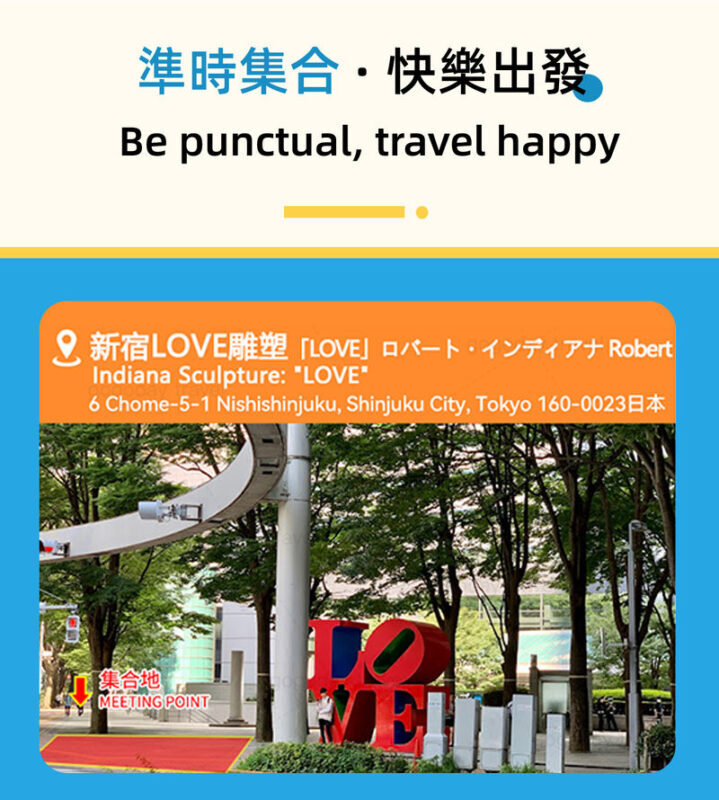
You’ll receive meeting, guide, and vehicle details by email the evening before departure, no later than 9:00 p.m. Japan time. Check your spam folder if the message does not appear. The stated meeting point is Tokyo Mode Gakuen; arrive 10 minutes early, because the vehicle is not obliged to wait for late arrivals and missed departures are not refundable.
There is room for one piece of luggage per person at no charge. Additional luggage costs ¥2,000 per piece, and you’re asked to declare extra bags when booking. Confirm the meeting point and luggage arrangements ahead of time, since a last-minute change or undeclared extra bag could create trouble at boarding.
The guide can shape a weather-hit day
The route is scenic, but it is not immune to rain, traffic, or crowds. A guide may adjust the order of stops, and the operator reserves the right to alter or shorten the day when conditions require it. No refund is offered for changes caused by those factors, so book this as a flexible day out rather than a fixed sequence of guaranteed views.
Guide assignments vary. Niklaus G. and Kim have led departures, and the available feedback points to friendly conversation and helpful answers as part of the experience. If you’re in a small group, the drive can feel more personal; in a larger group, the pace and interaction may feel more like a standard coach excursion.
The main caution is that a tight schedule depends on everyone returning on time. A past departure was delayed by late arrivals, and that reduced time at later stops. You can’t control the group, but you can be ready when the guide gives a return time and avoid adding a long meal or detour to a short stop.
Who should book this day trip?
I’d consider this tour if you want a broad introduction to the Fuji area without renting a car or arranging several transfers. It works especially well if you’re curious about both wildlife and scenery, and are happy to see each place in a set amount of time. Families may like the mix of safari animals, spring pools, and easy lakeside views, though children aged 3 and older pay the adult rate.
It’s a less natural fit if you want a slow day, a guaranteed view of Mount Fuji, or a long visit to any one attraction. It may also disappoint if your main priority is riding the Jungle Bus and you leave ticket booking until the last minute. Check the bus availability first, then decide whether the remaining park visit is still worthwhile for you.
One-day tour of Fuji Safari Park, Oshino Hakkai, and Oishi Park
“We had a great day visiting Fuji Safari Park, Oshino Hakkai, and Lake Kawaguchi with our guide, Niklaus G. Since we were the only guests, he picked…”
FAQ
Where does the tour depart from?
The meeting point is Tokyo Mode Gakuen. The departure time is 8:00 a.m., and you should arrive 10 minutes early. The guide and vehicle details are sent by email the evening before.
What time does the tour return to Tokyo?
The planned return is around 7:00 p.m. Traffic, weather, holidays, and crowds can affect the timing, so leave your evening schedule open.
Is Fuji Safari Park admission included?
No. Park admission is listed at ¥3,200 per adult and ¥2,000 per child. The Jungle Bus is also extra at ¥1,500 per person.
Is the Jungle Bus included?
No. It costs ¥1,500 per person and should be booked separately. Online tickets may be cheaper, and availability is not guaranteed if you wait until arrival.
What is included in the tour price?
The price includes round-trip transfers from the meeting point, toll fees, parking fees, fuel, and an English- or Chinese-speaking guide. Meals, drinks, attraction admission, and personal expenses are not included.
How much luggage can I bring?
One piece of luggage per person is included. Additional pieces cost ¥2,000 each, and you should note extra luggage when booking.
Can children join the tour?
Children aged 0 to 2 can join free if they do not occupy a separate seat. Children aged 3 and older are charged the same rate as adults.
Can the schedule or flower displays change?
Yes. The order and timing of stops may change because of traffic, weather, holidays, or crowds. Flowering dates also vary with the climate, and the tour does not guarantee that flowers will be at their peak.
Should you book it?
Book this tour if you want a convenient, varied day from Tokyo and can accept a brisk pace. The mix of wildlife, spring pools, and Lake Kawaguchi gives the day more range than a simple Fuji photo run, and the included transport is useful across these spread-out stops. Before paying, check the price for your date, confirm your meeting details, and secure the Jungle Bus if that ride is important to you. If you want unhurried time or a guaranteed Fuji view, choose a more flexible plan.