
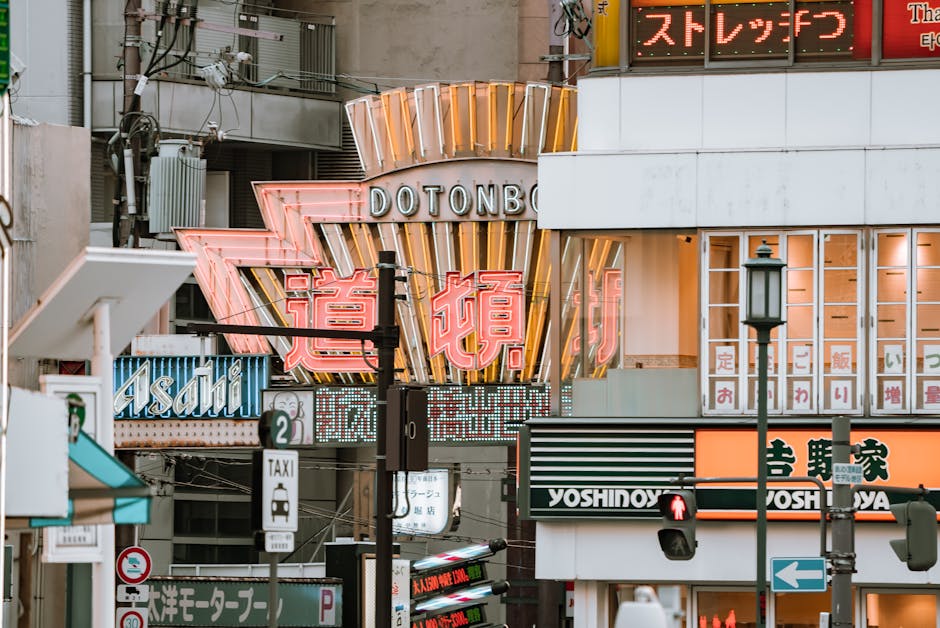
Osaka doesn’t care about your sightseeing checklist. While Tokyo has its museums and Kyoto has its temples, Osaka built its entire identity around one thing: eating. The word “kuidaore” means eating yourself into financial ruin, and Osakans use it as a point of pride. This is a city where dinner conversations revolve around where to eat next, where taxi drivers have strong opinions about the best takoyaki stand on a specific block, and where a ¥600 plate of okonomiyaki cooked on a griddle in front of you will outperform most fine dining experiences you’ve had anywhere else.
Three days is the right amount of time. Not because there isn’t more to see — there is — but because Osaka’s rhythm demands that you slow down and eat properly. Rush through it and you’ll miss the whole point. This itinerary is built around meals first and sightseeing second, with enough flexibility to chase whatever smells good on a given street corner. Because in Osaka, that instinct will serve you better than any guidebook.
If you’re arriving from Tokyo and expecting the same energy, recalibrate. Osaka is louder, funnier, warmer, and considerably less polished. People talk to strangers here. The comedy is blunt. The food is rich and heavy and unapologetic about it. You’ll eat more in three days than you thought physically possible, and you’ll somehow still be hungry when you leave. That’s just how this city operates.
- Before You Go
- Day 1: Dotonbori, Namba, and the Food That Built Osaka’s Reputation
- Lunch: Yakiniku Kitan (12:00pm – 1:30pm)
- Afternoon: Dotonbori Walk (2:00pm – 4:30pm)
- Late Afternoon: Hozenji Temple (4:30pm – 5:15pm)
- Evening: Kawafuku Honten Udon (6:00pm – 7:30pm)
- Nightcap: Bar Nayuta (8:30pm onwards)
- Day 2: Markets, Culture, Cafes, and a Proper Food Crawl
- Morning: Namba Yasaka Jinja (8:30am – 9:15am)
- Morning: Kuromon Ichiba Market (9:30am – 11:00am)
- Late Morning: Sennichimae Doguyasuji Shopping Street (11:00am – 12:00pm)
- Afternoon: wad Cafe and Nakazakicho (12:30pm – 3:30pm)
- Afternoon: Shinsaibashi and Amerikamura (3:30pm – 6:00pm)
- Evening: Hozenji Yokocho Food Crawl + Ajinoya Honten (6:00pm onwards)
- Day 3: Pick Your Adventure
- Option A: Day Trip to Nara
- Option B: Day Trip to Kobe
- Option C: Stay in Osaka — Katsuo-ji Temple, Shinsekai, Umeda Sunset
- The Honest Day Trip Comparison
- Practical Tips That Actually Matter
- Getting Around
- When to Eat What
- What Most Itineraries Get Wrong
- TeamLab Botanical Garden
- Money Saving Tricks
- If You Have More Time
Before You Go
Base yourself near Namba. I’ll keep this simple: if you stay near Namba or Shinsaibashi, you can walk to about 80% of what’s on this itinerary. The area puts you within ten minutes of Dotonbori, Kuromon Market, Shinsekai, Amerikamura, and the Namba subway hub that connects to everywhere else. Cross Hotel Osaka sits right in the middle of it all — clean, modern, affordable, and you can stumble back after a late-night food crawl without worrying about last trains. If you want something with more design personality, Zentis Hotel near Osaka Station is a solid boutique pick with a calmer vibe. Our guide to where to stay in Osaka covers every neighbourhood in detail, but the short version is: Namba first, everything else distant second.
Get an IC card on your phone before you land. iPhone 8 or newer — add a Suica or ICOCA through Apple Wallet. Recent Android phones can do it through Google Wallet. Load ¥3,000 to start. You’ll tap it for trains, convenience stores, vending machines, and most chain restaurants. This saves you from fumbling with ticket machines every time you need a train, which in Osaka is constantly.
Carry cash. Osaka is more cash-dependent than you’d expect. Market stalls, smaller restaurants, temples, and the kind of tiny neighbourhood spots where the best food hides — most of these are cash only. Pull ¥10,000-15,000 from a 7-Eleven ATM when you arrive and keep it topped up. 7-Eleven ATMs accept foreign Visa and Mastercard without issues. Other ATMs are unpredictable with overseas cards.
Download Google Maps offline for Osaka. Cell service is generally fine, but when you’re navigating narrow backstreets in Hozenji Yokocho at 10pm looking for a specific udon restaurant, you don’t want to be waiting for a signal. Save the offline map before your trip. It takes two minutes and prevents at least one frustrating evening.
Budget reality check. Osaka is cheap. Here’s what three days actually costs per person, excluding accommodation and flights:
| Category | Budget | Comfortable |
|---|---|---|
| Food (3 days) | ¥9,000-15,000 | ¥20,000-30,000 |
| Transport (3 days) | ¥2,000-3,000 | ¥3,000-5,000 |
| Sights & entry fees | ¥1,500-2,500 | ¥3,000-5,000 |
| Drinks & nightlife | ¥2,000-3,000 | ¥5,000-8,000 |
| Total (3 days) | ¥14,500-23,500 | ¥31,000-48,000 |
The budget column isn’t roughing it — it’s street food, market grazing, and casual restaurants. The comfortable column includes sit-down meals, reserved lunches, and a few evenings out. Either way, you’re eating better for less than almost any other major city in Asia. The best food in Osaka isn’t behind an expensive door.
Day 1: Dotonbori, Namba, and the Food That Built Osaka’s Reputation
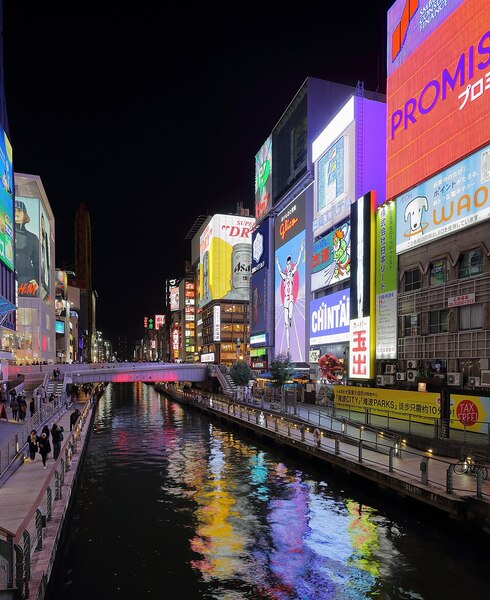
Everything today is south of the main rail lines, in the neighbourhoods that made Osaka famous. You won’t need the Metro much — it’s all walkable. The plan: reserved wagyu lunch at Yakiniku Kitan, afternoon grazing through Dotonbori, a quiet temple detour, evening udon at a neighbourhood spot most travelers miss, and a cocktail bar with a hidden entrance. Pace yourself. You’ll be eating all day.
Lunch: Yakiniku Kitan (12:00pm – 1:30pm)
Reserve this in advance. I’m putting lunch first because if you don’t book Yakiniku Kitan ahead of time, you’re looking at a wait that can stretch past an hour for their lunch special — a wagyu bento set that has no business being as good as it is at the price point. The restaurant is near Namba, easy walking distance from wherever you’re staying in the area.
Here’s the deal with Kitan: they do wagyu yakiniku (Japanese BBQ) at prices that would be impossible in Tokyo. The lunch sets give you quality marbled beef that you grill yourself at the table, plus rice, sides, and soup. It’s a proper introduction to how seriously Osaka takes its meat. The dinner menu runs higher, but the lunch special is the move — same kitchen, same beef, smaller hit to the wallet. Budget ¥2,000-4,000 per person for lunch depending on which set you pick.
If you can’t get a reservation and don’t feel like waiting, that’s fine. There are good yakiniku places all over Namba. But Kitan is the one that multiple people who’ve spent extended time in Osaka keep coming back to, which tells you something.
Afternoon: Dotonbori Walk (2:00pm – 4:30pm)
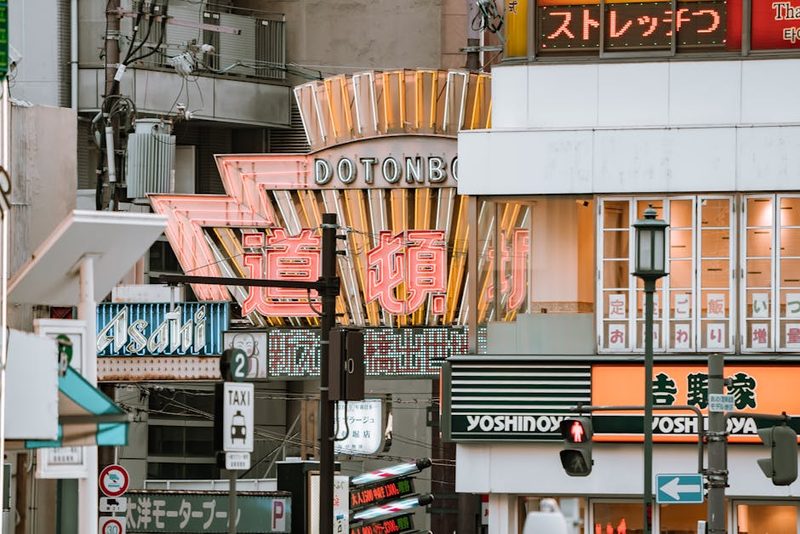
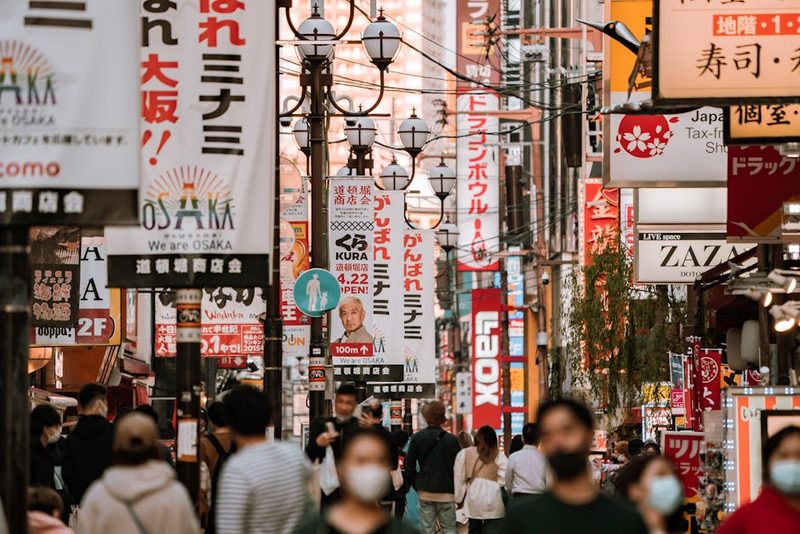
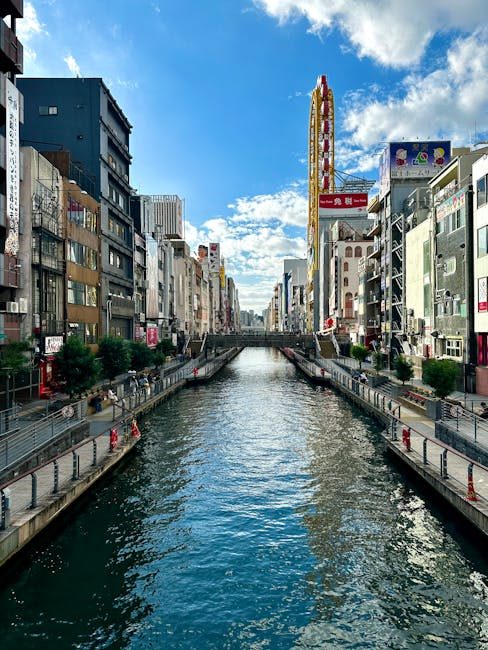
From Kitan, walk north to the Dotonbori canal. During the daytime, this is a wide pedestrian street where every restaurant competes for your attention with oversized mechanical signs — the famous crab that actually moves its legs, a pufferfish the size of a car, a grinning gyoza that looks like it wants to fight you. The Glico Running Man sign, that sprinting figure with his arms raised, has been an Osaka landmark since 1935. In daylight it’s just a billboard. Don’t waste your best photos here — come back tonight.
Walk the south side of the canal along the Tombori Riverwalk first. This lower walkway puts you right at water level, and the reflections of the signs in the canal make for better photographs than standing on the main street above. It’s also less crowded down here, which in Dotonbori is saying something. The whole walkway runs about 500 metres. Take it slow.
Now the street food. You’ve already had a big lunch, so this is grazing territory.
Takoyaki at Takoyaki Wanaka. Crispy battered balls stuffed with octopus, drizzled with sauce, mayo, and bonito flakes that wave in the steam like they’re alive. Wanaka does a crispier style than most — the outside has genuine crunch while the inside stays molten. ¥500-600 for a tray. The one near Sennichimae opens early and tends to have shorter lines than the Dotonbori location, so hit that one if you can. But honestly, the Dotonbori stall is fine too. Don’t bite straight in. The inside is volcanic. Give it thirty seconds or you’ll regret it.
Okonomiyaki at Chibo. Right on the main Dotonbori strip. Osaka-style means everything gets mixed into the batter — cabbage, pork, seafood, whatever you choose — then griddled into a thick savoury pancake. Chibo has been doing this for decades and they’re consistent. ¥1,200-1,800 depending on toppings. You’ll cook it yourself on the hotplate built into your table, which is half the fun. Don’t flip it too early — wait until the bottom is properly set or the whole thing falls apart. The staff will step in if you look lost.
Between stops, just walk. Dotonbori is sensory overload on purpose, and trying to follow a strict route defeats the point. Duck down the side streets. Look at what’s grilling. If a queue has more locals than travelers, get in it.
Late Afternoon: Hozenji Temple (4:30pm – 5:15pm)
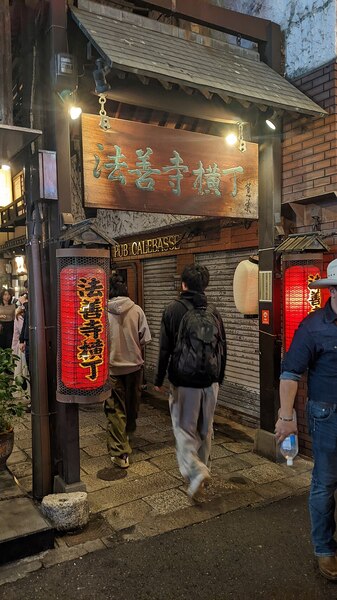
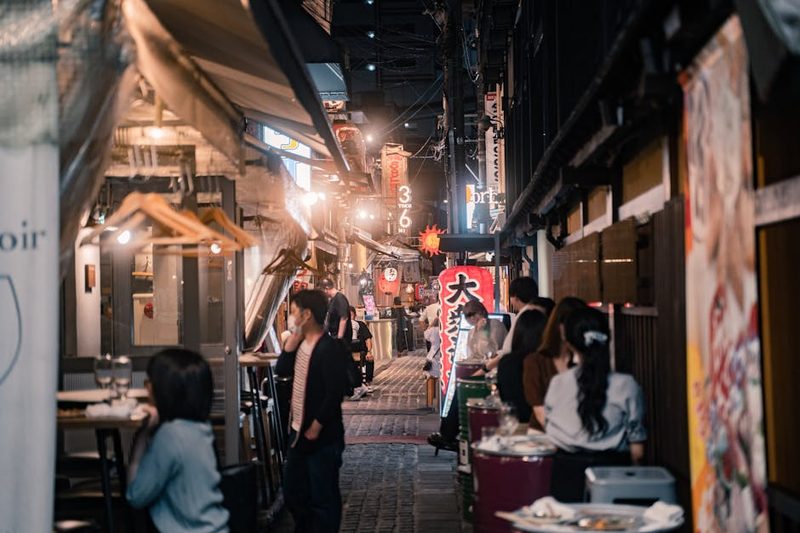
This is the detour that changes your perception of the neighbourhood. From the chaos of Dotonbori, walk south into Hozenji Yokocho — a narrow stone-paved alley that feels like it belongs in a different century. It’s barely wide enough for two people to walk side by side, lined with traditional restaurants and tiny bars, and lit by paper lanterns once the sun drops.
At the heart of the alley sits Hozenji Temple. It’s tiny — blink and you’d miss it. The main attraction is the Fudo Myo-o statue, which is completely covered in thick green moss because visitors splash water on it as they pray. It’s been collecting moss for decades and the result is striking: this bright green figure sitting in a dark stone alcove, surrounded by the smell of incense, while Dotonbori’s neon glows just a few dozen metres away. The contrast between the noise you just left and the quiet here is genuinely jarring.
No entry fee. No queue. Five minutes of your time, and it’ll stick with you longer than most of the paid attractions on this trip. Remember this alley — you’re coming back tomorrow evening for a food crawl.
Evening: Kawafuku Honten Udon (6:00pm – 7:30pm)
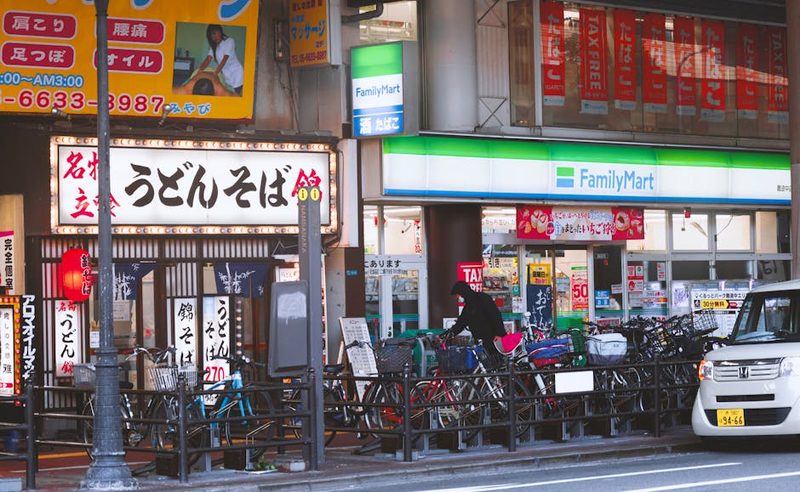
This is the meal that separates this itinerary from every other Osaka guide. Kawafuku Honten is a neighbourhood udon restaurant where the noodles are made right in front of you. It’s not a tourist spot. There’s no English sign out front. The clientele is almost entirely local.
And the udon is extraordinary. Watching the noodle-maker work is part of the experience — the dough gets stretched, folded, cut, and dropped into boiling water with a speed and precision that only comes from doing the same thing thousands of times. The noodles themselves have a chew and texture that packaged udon can’t replicate. Simple toppings — maybe tempura, maybe just green onion and a raw egg. You don’t need anything complicated when the noodles are this good.
Budget ¥800-1,500 per person. This is the kind of meal where you sit at the counter, watch the chef work, eat something perfect, and walk out twenty minutes later wondering why every restaurant doesn’t operate like this. Multiple people who’ve spent a week or more in Osaka call Kawafuku one of their best meals in the city. That’s not hyperbole from a place charging ¥1,000 for udon.
Nightcap: Bar Nayuta (8:30pm onwards)
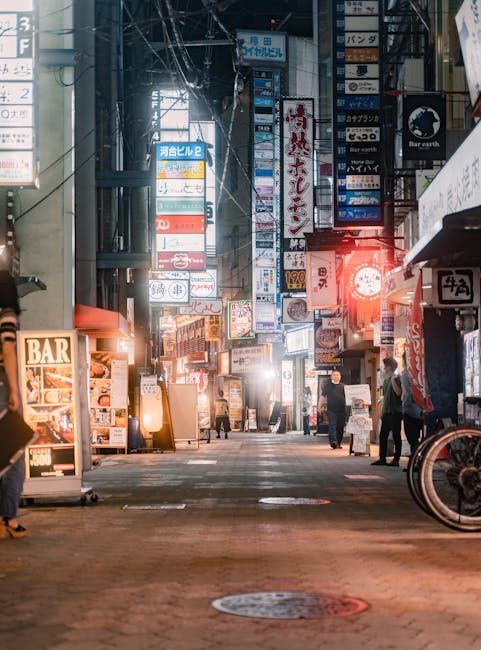
The entrance is hidden. That’s intentional. Bar Nayuta doesn’t advertise and it doesn’t need to. Look for a nondescript door — you might walk past it twice before you find it. Inside, it’s a small cocktail bar with moody lighting, maybe a dozen seats, and a bartender who takes the craft seriously without being pretentious about it.
The cocktails here are creative but not gimmicky. Expect seasonal ingredients, Japanese spirits, and drinks that are built around flavour rather than Instagram presentation. ¥1,200-1,800 per cocktail. Order two, sit at the bar, and let the day settle. Osaka’s bar scene doesn’t get enough attention compared to Tokyo’s, which works in your favour — the quality is there, the crowds aren’t, and the bartenders actually have time to talk to you.
If Bar Nayuta isn’t your speed, the side streets around Namba and Shinsaibashi are packed with small bars. Most don’t have cover charges. Drinks run ¥500-900. Half the best bars in the city are on the third or fourth floor of buildings that look like they might be abandoned. Look for staircases with illuminated signs and follow them up.
Day 2: Markets, Culture, Cafes, and a Proper Food Crawl
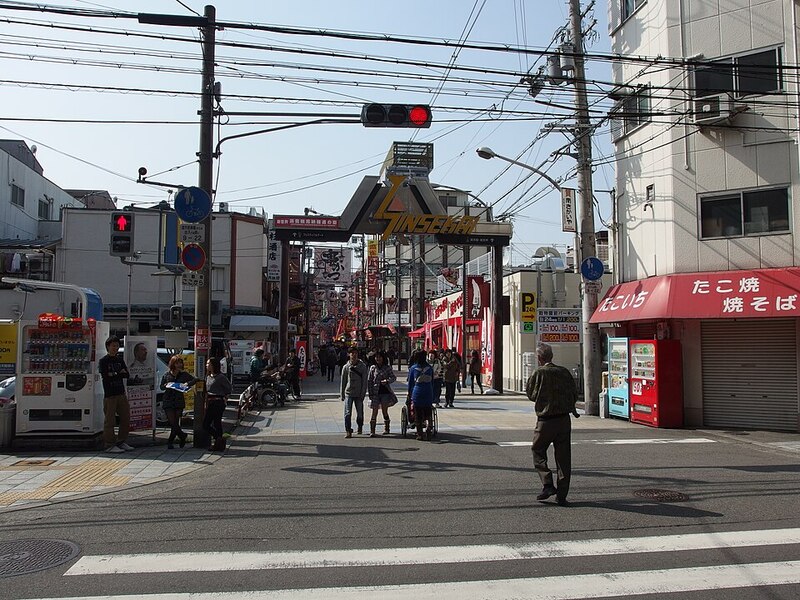
Today covers more ground but at a gentler pace. Morning is temples and markets, afternoon is cafes and shopping in neighbourhoods most visitors skip, and evening is the food crawl you’ve been building toward. Bring cash — several spots today are cash only.
Morning: Namba Yasaka Jinja (8:30am – 9:15am)
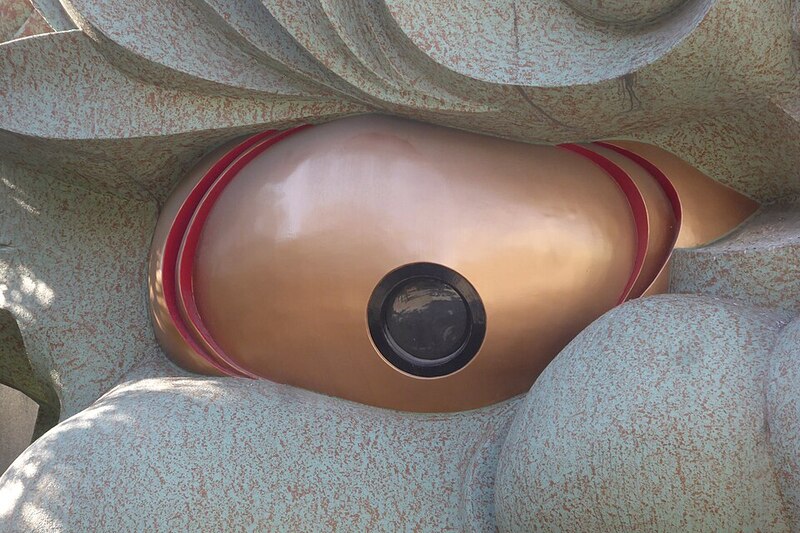
Start early at Namba Yasaka Jinja, a Shinto shrine about ten minutes on foot from Namba Station. The main draw is the lion head stage — an enormous open-mouthed lion face, maybe 12 metres tall, built into the shrine grounds. It’s designed to swallow evil spirits and bring good luck, and it looks absolutely wild against a blue morning sky. The mouth is actually a stage used for performances during festivals, with eyes that are lanterns and a nose that hides speakers.
Almost nobody is here at 8:30am. You’ll get photos without crowds and have the shrine grounds largely to yourself. It takes fifteen minutes to see everything, which is perfect — you want to be at Kuromon by the time the stalls are fully set up.
Morning: Kuromon Ichiba Market (9:30am – 11:00am)
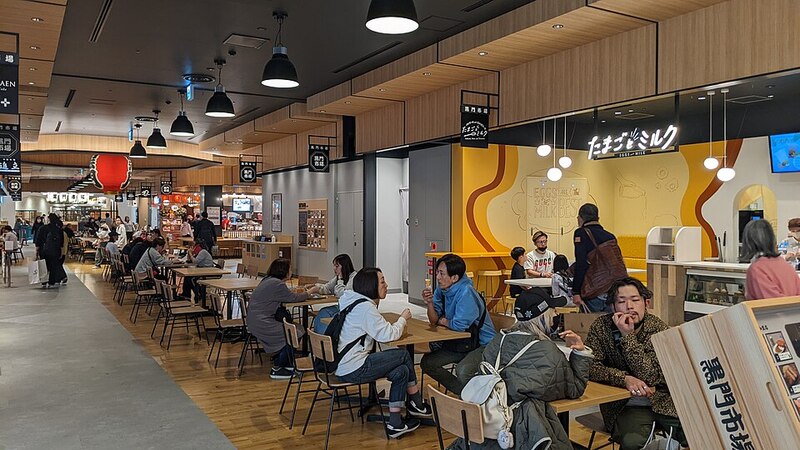
Walk south from Yasaka Jinja. Kuromon is about ten minutes on foot, or one Metro stop from Namba to Nippombashi.
Get here by 9:30-10:00am. That’s the window. Earlier than 9:30 and some stalls are still setting up. After noon, the market fills with tour groups and the whole atmosphere shifts. Kuromon has been called “Osaka’s Kitchen” for over a century. It’s gotten more tourist-oriented in recent years — there’s no point pretending otherwise — but the quality is still there if you know what to order and you don’t let the tourist-priced stalls near the entrance set your expectations.
Walk the full 580 metres before you buy anything. Get a feel for what’s available. Then double back to the stalls that caught your eye. Fresh uni (sea urchin) runs ¥1,500-2,000 for a tray. Wagyu skewers are ¥1,000-1,500, cooked to order. Sashimi plates go for ¥800-1,200 — cuts that would cost triple at a restaurant in Tokyo. Tamagoyaki (sweet egg omelette) is ¥200 and worth every coin.
Skip the fruit stalls selling individual strawberries for ¥500. That’s a tourist markup. And some stalls now charge a “seating fee” of ¥100-200 if you sit at their counter — that’s standard, not a scam. The strategy is grazing. Four or five stalls, small amounts from each, keep moving. You’ll spend ¥2,000-3,000 total and eat better than any hotel breakfast in the city.
Late Morning: Sennichimae Doguyasuji Shopping Street (11:00am – 12:00pm)
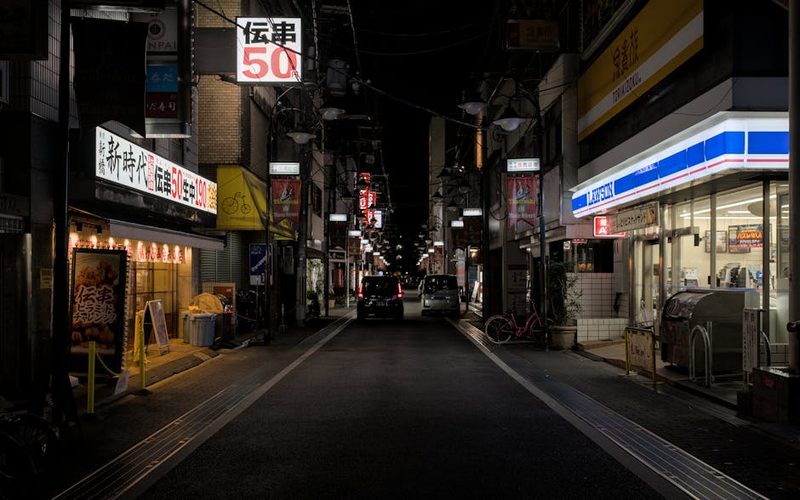
From Kuromon’s west exit, Sennichimae Doguyasuji is a five-minute walk. This is Osaka’s kitchen equipment street — the place where restaurant owners and home cooks buy their knives, ceramics, cookware, and those plastic food replicas you see in every restaurant window across Japan.
Even if you’re not buying anything, this street is worth the walk. The knife shops alone are remarkable. Japanese kitchen knives are handmade, sharpened to an edge that European knives can’t match, and available here at prices well below what you’d pay for the same quality in a specialty store abroad. A solid santoku runs ¥8,000-15,000. A high-end deba or yanagiba for sashimi can go ¥20,000-40,000. Many shops will engrave your name in Japanese characters while you wait.
Beyond knives, look for the ceramics. Handmade bowls, tea cups, sake sets — functional pottery at prices that make you wonder how anyone justifies buying mass-produced tableware. ¥1,000-3,000 for pieces that are genuinely beautiful. Wrap them carefully in your checked luggage and they’ll survive the flight home.
The plastic food replica shops are fascinating even if you’re not going to buy a fake plate of ramen for your kitchen. The craftsmanship that goes into making a plastic shrimp tempura look indistinguishable from the real thing is genuinely impressive.
Afternoon: wad Cafe and Nakazakicho (12:30pm – 3:30pm)
wad cafe first. This is a traditional Japanese tea house with only about a dozen seats — tiny, quiet, and nothing like the chain cafes near the tourist zones. They serve matcha, hojicha, and seasonal Japanese teas alongside small plates of traditional sweets. The grilled mochi here is worth the visit alone — slightly charred on the outside, soft and stretchy inside, served with a dipping sauce that changes with the season. ¥800-1,200 for tea and a sweet. Go between meals when the pace is slow and you can actually appreciate the space.
If you’re a chocolate person, detour to Melt Chocolate nearby. Their hot chocolate is the best in Osaka — thick, rich, made with actual chocolate rather than powder. It’s the kind of drink that ruins regular hot chocolate for you permanently. ¥700-900.
Then head north to Nakazakicho. Take the Metro to Nakazakicho Station on the Tanimachi Line — about fifteen minutes from central Namba.
This neighbourhood is the part of Osaka that most itineraries skip completely, and that’s a mistake. Nakazakicho is what people call Osaka’s bohemian quarter — a tangle of narrow residential streets where old wooden houses have been converted into coffee shops, vintage stores, small galleries, and independent restaurants. The retro atmosphere is genuine, not manufactured for travelers. Second-hand shops sell everything from old cameras to vinyl records to mid-century furniture. Tiny cafes operate out of converted living rooms. It still flies under the radar, which means it still feels like an actual neighbourhood rather than a curated experience.
Neel is the cafe to find here. It’s the kind of place that would take you months to discover if you lived in Osaka — tucked away on a quiet street, small menu, good coffee, and the sort of atmosphere where you end up staying twice as long as you planned. Order lunch if you’re hungry. The food is simple, seasonal, and made with obvious care. ¥1,000-1,800 for a meal. Or just get coffee and sit by the window watching the street.
Bear Paw is another good coffee option in the area if Neel is full. Give yourself at least an hour to wander Nakazakicho without a plan. That’s how the neighbourhood works best.
Afternoon: Shinsaibashi and Amerikamura (3:30pm – 6:00pm)
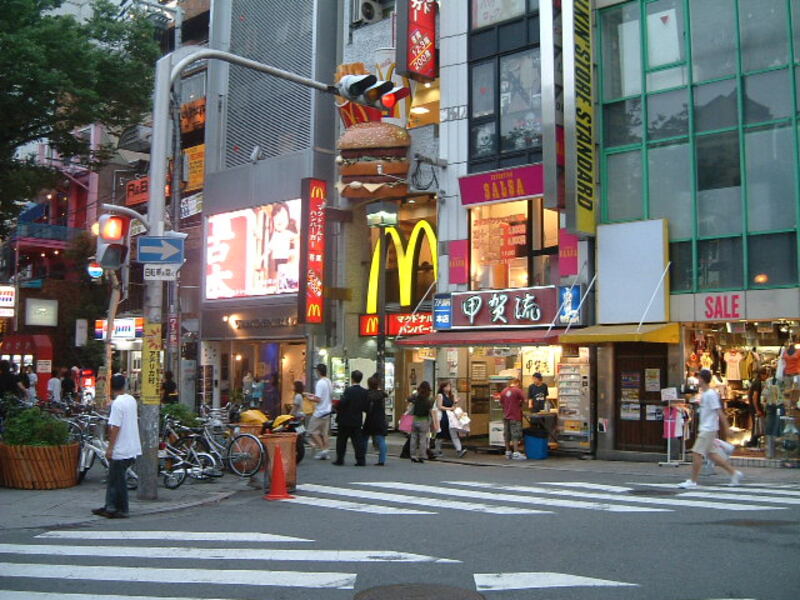
Metro back south to Shinsaibashi. This is Osaka’s main shopping corridor — the covered Shinsaibashi-suji arcade stretches for about 600 metres and has every brand and shop you’d expect. But the interesting stuff is off the main drag.
Hands Shinsaibashi (formerly Tokyu Hands) is worth a stop for anyone who appreciates well-designed everyday objects. Japanese stationery, kitchen tools, travel gear, bathroom accessories — all of it designed with an attention to detail that makes you realise how poorly-designed most of the stuff you own actually is. You’ll spend ¥2,000-5,000 on things you didn’t know you needed. Pens, notebooks, and organisers make genuinely useful souvenirs.
From Shinsaibashi, walk west into Amerikamura — Osaka’s answer to Harajuku, but grittier and cheaper and more genuinely weird. Vintage clothing stores dominate: 1990s denim, band tees, old sneakers, secondhand streetwear. The prices undercut Tokyo’s vintage scene by a comfortable margin.
The spot you won’t find in other itineraries: Silver Ball Planet. This place has over 100 vintage pinball machines, all playable, crammed into a space that feels like someone’s obsessive collection accidentally became a business. ¥500 gets you unlimited play. If you have any nostalgia for arcade culture, you’ll lose an hour here without noticing. Even if you don’t care about pinball, the sheer density of machines from the 1960s through 1990s is something to see.
American Village Freemarket B.B is nearby — a vintage shop dealing in old cameras, ceramics, retro memorabilia, and the kind of curio-shop randomness that rewards browsing. You never know what you’ll find. That’s the whole appeal.
Triangle Park in the centre of Amerikamura is where people gather. Grab a melon pan ice cream sandwich from one of the nearby stands — ¥500, warm crispy bread stuffed with soft serve — and people-watch for fifteen minutes. Osaka’s street fashion scene congregates here and it’s more interesting to observe than most things you’d pay admission for.
Evening: Hozenji Yokocho Food Crawl + Ajinoya Honten (6:00pm onwards)
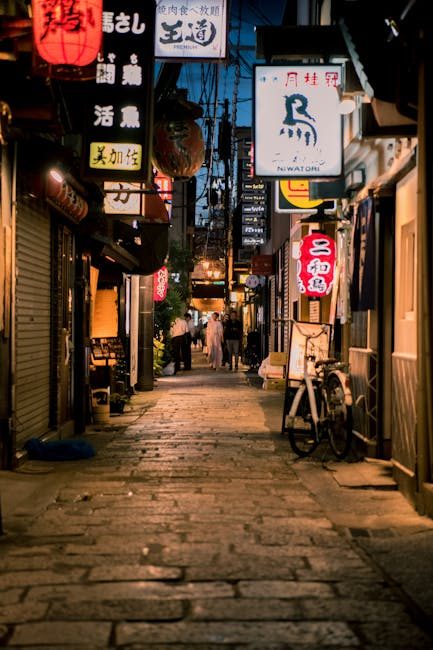
Remember that narrow stone alley from yesterday? Tonight you’re eating your way through it.
Hozenji Yokocho transforms in the evening. The paper lanterns glow, the stone pavement reflects the light, and the tiny restaurants and bars that line both sides open their sliding doors and fill the alley with the smell of grilling meat and simmering broth. This is old Osaka — the version that existed before the neon and the mechanical crabs.
Don’t plan the crawl. Walk the alley. Look at what’s cooking. Sit where it smells best. A few skewers of yakitori at one place, a beer and some edamame at another, maybe grilled fish at a third. Most of these places seat eight to twelve people at a counter. You’ll end up talking to whoever’s sitting next to you, because that’s how Osaka works after dark. Budget ¥3,000-5,000 for the crawl — less if you’re disciplined, more if someone buys you a drink (which happens).
But before or after the crawl, make sure you hit Namba Okonomiyaki Ajinoya Honten. This is a specific recommendation, not a “try any okonomiyaki place” suggestion. Ajinoya does Osaka-style okonomiyaki that’s a clear step above the Dotonbori tourist restaurants. The move: pork with corn, cheese, and a fried egg on top. That combination sounds excessive. It is excessive. It’s also one of the best things you’ll eat on this entire trip.
Get there by 5:30-6:00pm. After 6:30, the line builds and you’re looking at a 30-45 minute wait. The early timing works perfectly — eat okonomiyaki, then walk to Hozenji Yokocho for the food crawl once you’ve digested slightly. ¥1,200-1,800 per person at Ajinoya.
For a broader look at Osaka’s food scene beyond the tourist strip, our Osaka food guide covers neighbourhood restaurants and local favourites in more depth.
Day 3: Pick Your Adventure
Your third day has two genuinely different options. A day trip out of Osaka, or staying in the city for the neighbourhoods and sights you haven’t hit yet. I’ll be honest about all of them so you can choose based on what actually interests you, not what sounds good in a listicle.
Option A: Day Trip to Nara
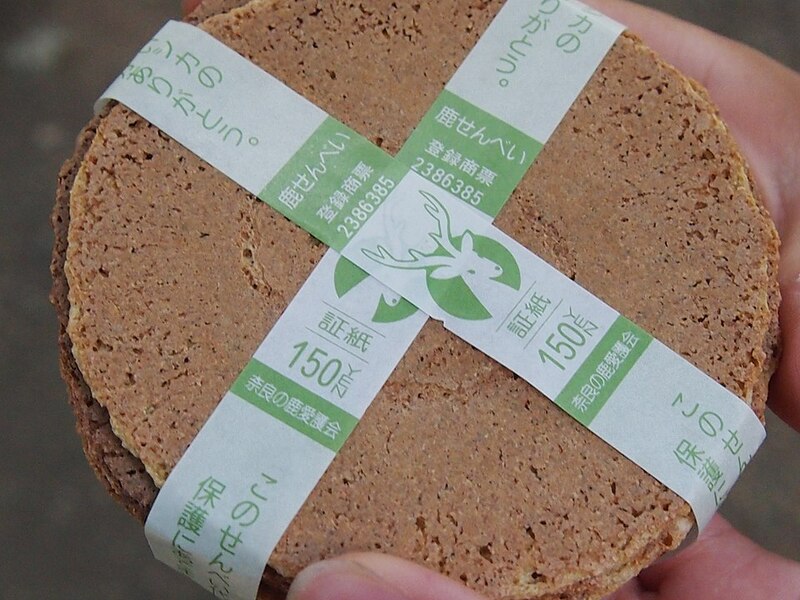
Getting there: 30-45 minutes from Namba on the Kintetsu Railway, ¥680 each way. Trains leave constantly. No reservation needed. Just tap your IC card and go.
Why Nara works: It’s the default day trip for a reason. Todai-ji Temple houses the largest bronze Buddha in the world — 15 metres tall, sitting inside a wooden building that’s one of the biggest wooden structures ever built. Entry is ¥600. The scale doesn’t register from photos. You need to be standing in front of it, craning your neck, to understand why people have been making this trip for over a thousand years.
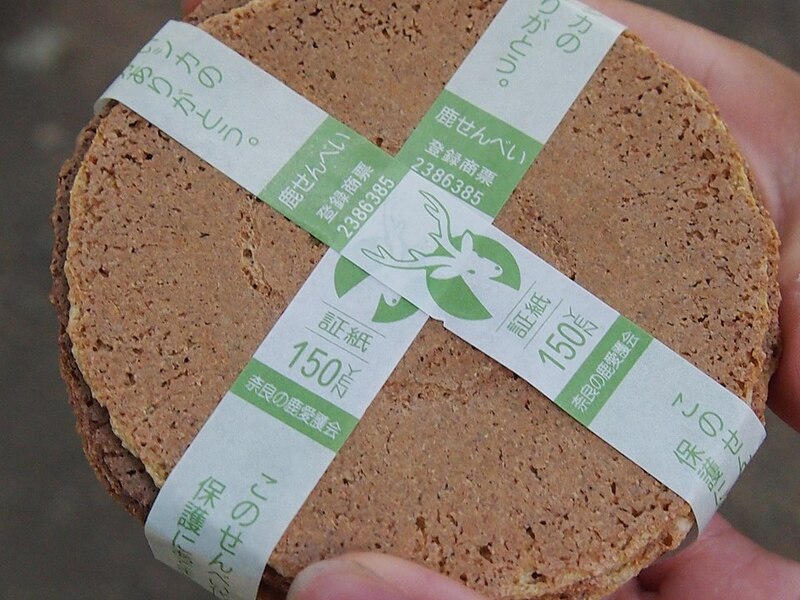
Then there are the deer. About 1,200 of them roam freely through Nara Park, completely unafraid of humans. Buy deer crackers (shika senbei) for ¥200 and they’ll mob you. Some bow before you feed them. Others skip the politeness and just headbutt you. It’s funny until you’re trying to eat lunch and a deer is staring at you from two feet away with absolutely no concept of personal space. Keep paper maps and tickets in zipped pockets — they eat paper.
Kasuga-taisha Shrine, deeper into the park, has thousands of stone and bronze lanterns lining the approach path. It’s atmospheric and pulls a fraction of Todai-ji’s crowds. Naramachi, the old merchant quarter south of the park, has traditional wooden houses and quiet streets worth a wander after the temples.
Lunch in Nara: Kakinoha-zushi — sushi wrapped in persimmon leaves. It’s a local thing. The leaf imparts a faint flavour to the pressed fish. ¥800-1,200 for a set. Subtle but good.
Time needed: Leave Osaka by 9am, back by 3-4pm. You’ll have the evening free.
Best for: First-time Japan visitors. Todai-ji delivers a genuine jaw-drop moment. The deer are an instant hit with kids. And it costs under ¥2,000 for transport and entry combined.
Option B: Day Trip to Kobe
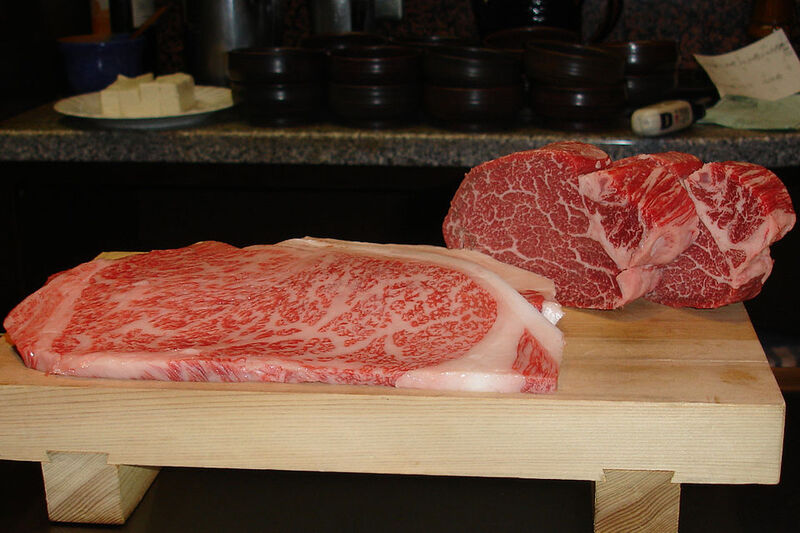
Getting there: 20 minutes from Osaka-Umeda on the Hankyu Railway, ¥330 each way. From Namba, add 10 minutes for the Metro to Umeda. It’s absurdly quick and cheap.
Why Kobe works: One word. Beef. Kobe has been an international port since the 1860s, and the foreign influence shows in the architecture, the food culture, and the general atmosphere. It doesn’t feel quite like the rest of Japan, which is refreshing after two days deep in Osaka’s intensity.
Here’s the honest part about Kobe beef: a full teppanyaki dinner at a top restaurant runs ¥12,000-20,000+ per person. That’s real money. But you don’t need to spend that much. Non-certified Tajima beef — same cattle breed, same region, just doesn’t tick every box for the “Kobe beef” trademark — is available for ¥3,000-5,000 at lunch. Mouriya and Steak Aoyama near Sannomiya Station both do excellent lunch sets in that range. The marbling is extraordinary and the texture is genuinely unlike any steak you’ve had. The ¥5,000 lunch will recalibrate your understanding of beef just as effectively as the ¥20,000 dinner. Save the difference for more food back in Osaka.
Beyond the beef: Kobe Harbour is a pleasant waterfront with the red Port Tower and Maritime Museum. Chinatown (Nankinmachi) has ¥500-800 pork buns that make a good cheap lunch if you’re saving the beef budget. Kitano-cho, uphill from the station, is a hillside neighbourhood of Western-style houses built by foreign traders in the late 1800s. Views over the harbour from up there are worth the 20-minute climb.
Time needed: 4-6 hours. Kobe is compact and walkable from Sannomiya Station. Back in Osaka by mid-afternoon.
Best for: Food-focused travellers who’ve already done the temple circuit on a previous Japan trip. Also anyone who wants a calmer, more polished city for a few hours before diving back into Osaka’s chaos.
Option C: Stay in Osaka — Katsuo-ji Temple, Shinsekai, Umeda Sunset
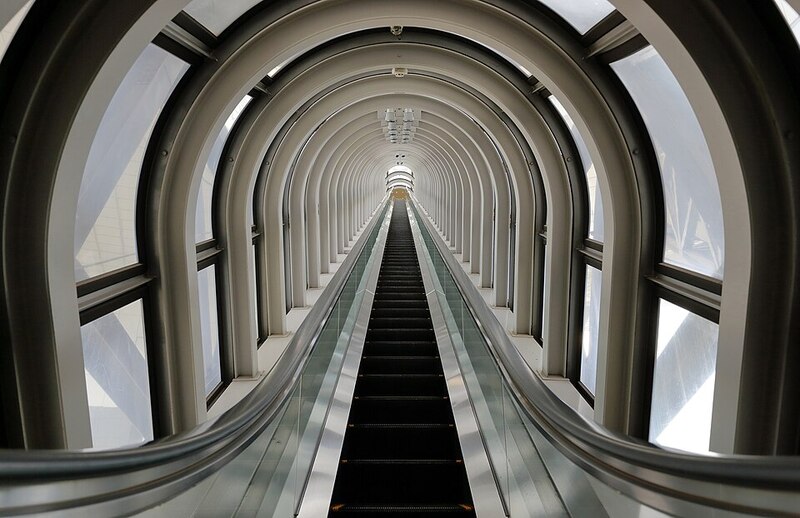
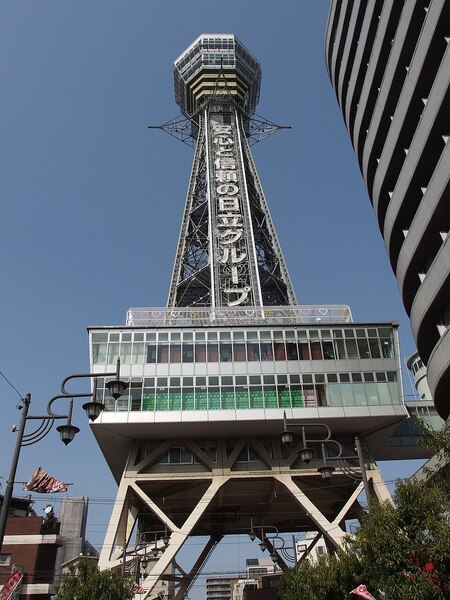
If you’ve done Nara and Kobe on previous trips — or if you’d rather go deeper into Osaka itself — this option fills your third day with three very different experiences. It’s the less conventional choice, and honestly, it might be the most rewarding one.
Morning: Katsuo-ji Temple (8:30am – 11:30am)
This one requires effort to reach. Katsuo-ji is in the forested hills north of the city, about 45 minutes by train and bus from central Osaka. Take the Midosuji Line to Senri-Chuo, then bus 29 to the temple. The journey is part of the appeal — you go from dense urban Osaka to wooded hillside in under an hour.
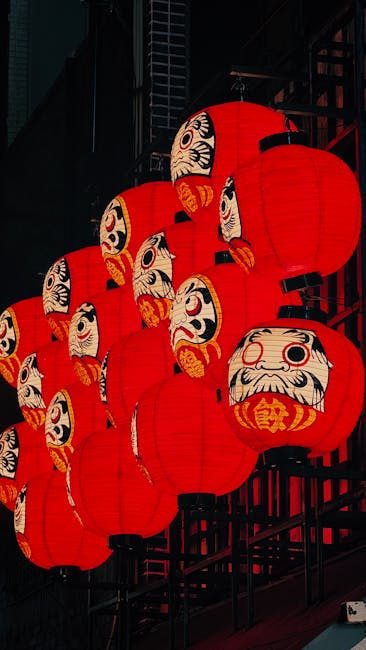
Katsuo-ji is the daruma temple. Daruma dolls are everywhere — hundreds of them, maybe thousands, scattered across the grounds in every size and colour. They sit on moss-covered rocks, line stone walls, peek out from behind trees, cluster around ponds. The temple’s name means “victory temple” and people leave daruma here after their wishes come true. The cumulative effect of all those painted faces watching you from every surface is somewhere between charming and mildly unsettling, in the best possible way.
The temple grounds sprawl across a hillside with walking paths through the forest. It takes a good 60-90 minutes to explore properly. There’s a pagoda, several halls, and a pond that reflects the surrounding trees. In autumn the colours are staggering. In winter, if you catch it after a snowfall, the daruma dolls dusted with white against the dark forest is genuinely one of the most photogenic scenes in the Kansai region.
Entry is ¥400. Bring a jacket even in warmer months — the hillside air is noticeably cooler than central Osaka.
Afternoon: Shinsekai and Kushikatsu (12:30pm – 3:30pm)
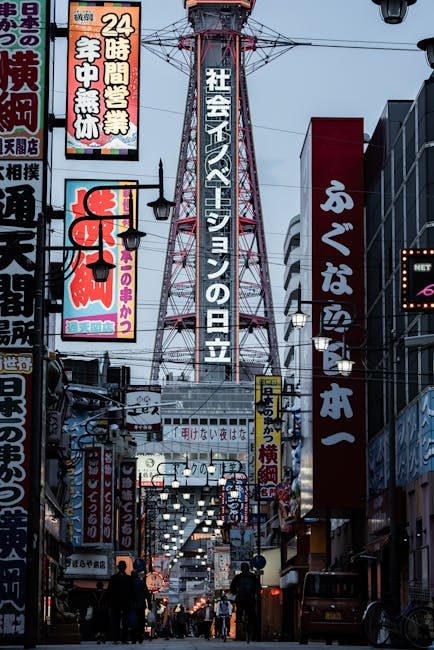
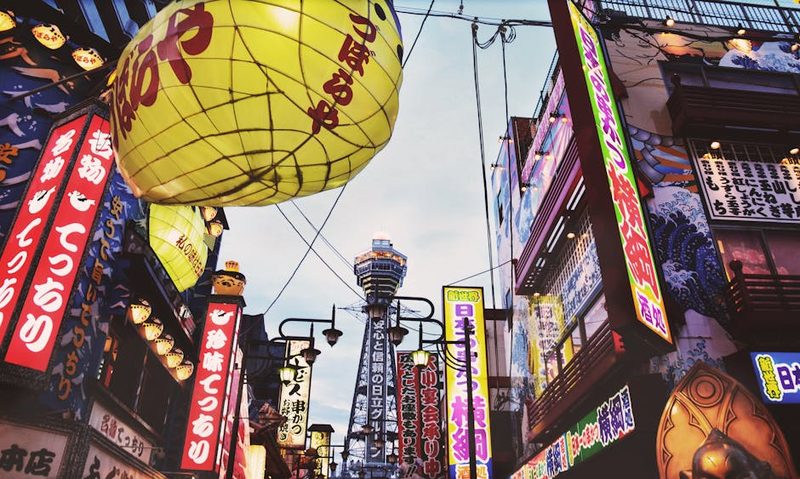
Back in the city, head to Shinsekai. This neighbourhood feels like it’s been frozen since the 1960s. Neon signs in every colour, narrow streets packed with kushikatsu restaurants, retro game arcades where you can play Pac-Man for ¥100, and old men drinking canned beer on the street at 2pm on a Wednesday. It’s not polished. That’s the whole point.
Kushikatsu is why you’re here. Deep-fried skewers of everything — pork, shrimp, lotus root, cheese, asparagus, quail eggs. You order one at a time or in sets, and each skewer runs ¥100-200. One rule: never double-dip in the communal sauce. Dip once when your skewer arrives, that’s it. If you want more sauce, use the provided cabbage leaf to scoop some onto your plate. Every restaurant has signs about this. They’re dead serious.
Daruma is the most famous kushikatsu joint — look for the angry man statue. It’s reliable and always has a queue. But every place on the main drag is solid. Yaekatsu or Tengu both do excellent work with shorter waits. Sit at the counter. Order ten to fifteen skewers and a beer. ¥1,500-2,500 for a genuinely satisfying meal.
If you’re into retro gaming, Den-Den Town is a short walk from Shinsekai. This is Osaka’s version of Akihabara. Super Potato has floors of retro consoles and cartridges — original Famicom, Super Nintendo, Sega Saturn, stuff that would cost a fortune on eBay sitting in bins for ¥500-2,000. Retro TV Game Revival is smaller but more curated. Suragaya deals in figures, vintage toys, and general otaku merchandise. The arcades here are old-school too — Gigo has claw machines and rhythm games, and yes, they still have Dance Dance Revolution cabinets. If you or anyone you’re travelling with has any interest in gaming culture, budget an hour. Maybe two. It’s the kind of place where time disappears.
Late Afternoon: Spa World or Shitennoji Temple (3:30pm – 5:00pm)
Two options based on your energy level.
If your feet are destroyed: Spa World is a three-minute walk from Shinsekai. ¥1,500 entry. It’s a massive onsen complex with two themed floors — European baths and Asian baths — that swap between men’s and women’s sides monthly. It’s not a traditional onsen experience and purists will have opinions about the fake Mediterranean ceiling and the Roman-themed soaking pools. But if you’ve been walking for three days straight, sinking into hot water for an hour while staring at a mosaic of ancient Rome is an incredibly effective way to recover. Go on a weekday afternoon if possible. Weekend evenings get packed.
If you still have legs: Shitennoji Temple is Japan’s oldest Buddhist temple, founded in 593 AD. That predates most famous Kyoto temples by centuries. And yet almost nobody visits. Entry is ¥300 for the inner precinct and garden. The garden is modelled after Buddhist paradise — a pond, stone bridges, carefully placed trees. Small enough to see in thirty minutes, calm enough that you might want longer. Tennoji Park is right next door if you want to keep walking through some green space before the evening.
Evening: Umeda Sky Building Sunset (5:30pm – 7:30pm)
End your trip with the best view in Osaka. The Umeda Sky Building’s Kuchu Teien Observatory is ¥1,500, and the timing matters: arrive late afternoon so you get daylight views, sunset, and the city lit up at night. That’s three completely different experiences from the same spot.
The building itself is an architectural statement — two towers connected at the top by a floating garden observatory that looks like a spaceship landed on the skyline. The rooftop observation deck is open-air, which makes an enormous difference compared to looking through glass. On a clear evening, you can see all the way to the harbour, with the city grid spreading out below you in every direction. As the sun drops, the buildings start lighting up one by one. By full dark, Osaka looks like a circuit board.
Budget 1-2 hours. There’s no rush. It’s a good place to stand quietly, look at the city you’ve spent three days eating your way across, and mentally calculate how many takoyaki you consumed. The answer is always more than you expected.
If you want evening entertainment after the observatory, the area around Umeda and Osaka Station has restaurants and bars that skew slightly more upscale than the Namba scene. Or take the Metro back south for one final round of Dotonbori neon. The street food stalls are open late. You know the drill by now.
The Honest Day Trip Comparison
Nara is the right call if it’s your first time in the Kansai region. Todai-ji alone justifies the trip. The deer are a bonus. It’s cheap, it’s easy, and it delivers a “wow” moment that most city sightseeing can’t match. Under ¥2,000 all in.
Kobe wins if food is your primary motivator or if you’ve already done Nara. Twenty minutes on a train, world-class beef at lunch, harbour walk in the afternoon, back in Osaka for dinner. The most relaxed option and arguably the most rewarding for people who plan their trips around meals.
Staying in Osaka is the choice for repeat visitors or anyone who’d rather go deep than go wide. Katsuo-ji Temple is unlike anything on the standard tourist circuit. Shinsekai and Den-Den Town are genuine neighbourhood experiences. And watching sunset from the Umeda Sky Building is one of the best free-to-cheap evening activities in the city. You won’t feel like you missed anything.
My honest take: do Nara if this is your first Japan trip. Do Kobe if you’ve been before and want to eat. Stay in Osaka if you’ve already done both and want the experience that most visitors never find.
Practical Tips That Actually Matter
Getting Around
The Metro is your workhorse. Osaka Metro has nine lines that cover everything on this itinerary. A one-day pass costs ¥820 on weekdays, ¥620 on weekends and holidays. It pays for itself after three rides. You’ll probably want a pass on Day 2 and Day 3 (if staying in Osaka). Day 1 is mostly walkable.
Google Maps handles Osaka transit perfectly. Just type your destination and follow the train suggestions. Don’t overthink the route — the app is almost always right about which line to take and where to transfer.
Walking is underrated. Namba to Dotonbori is five minutes on foot. Dotonbori to Shinsekai is twenty. Shinsaibashi to Amerikamura is ten. On Day 1, you can do the entire afternoon and evening without touching a train.
When to Eat What
This matters more than you’d think. Kuromon Market winds down by early afternoon — morning or don’t bother. Kushikatsu restaurants in Shinsekai are busiest from 6-8pm — go at 12:30 or 4:30 for counter seats without a wait. Dotonbori street food stalls stay open late, so save those for evening grazing. Ajinoya Honten builds a line after 6:30pm — arrive by 5:30. And Yakiniku Kitan’s lunch special runs out — reserve or arrive before noon.
What Most Itineraries Get Wrong
They schedule too many sights and not enough eating time. In Kyoto, you can fill a day with temples and eat on the move. In Osaka, the food IS the schedule. Build two-hour gaps between planned activities and fill them by wandering into whatever restaurant or food stall catches your attention. Some of your best meals on this trip will be completely unplanned — the yakitori place you ducked into because the smoke smelled incredible, the tiny ramen shop with six seats and a line of four people that you decided to join on instinct. Osaka rewards following your nose more than following a map.
The other mistake is treating Osaka like a smaller Tokyo. It’s not. The castle is fine but the interior is a concrete reconstruction with an elevator. The temples are good but they’re not Kyoto-level. You didn’t come here for sightseeing. You came here to eat, and the sooner you accept that as your actual itinerary, the better your trip gets.
TeamLab Botanical Garden
If you have a free evening and want something different, TeamLab Botanical Garden Osaka is an outdoor digital art installation in Nagai Park. It’s particularly good after dark when the light installations interact with the actual plants and trees. Pre-purchase tickets online — they sell out on weekends. ¥1,600. Not essential, but it’s a solid option if you find yourself with an open evening and want something that isn’t food-related. Which, after three days of eating, you might.
Money Saving Tricks
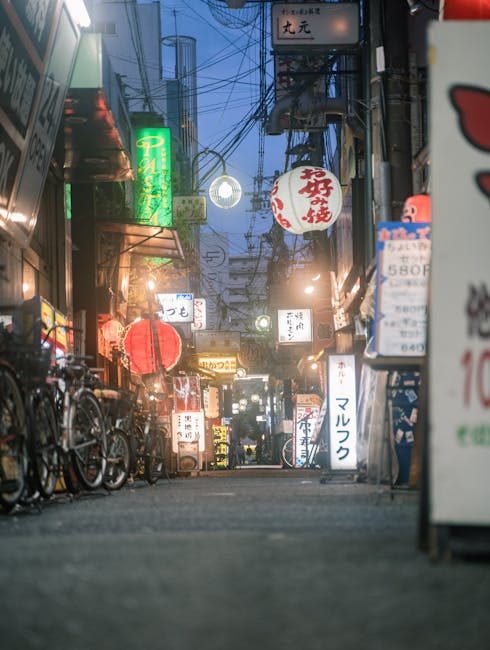
Convenience stores aren’t a compromise in Japan. A ¥150 onigiri from Lawson, 7-Eleven, or FamilyMart is genuinely good food. An egg sandwich from Lawson for ¥200 is weirdly excellent. If you eat one konbini meal a day instead of a restaurant meal, you’ll save ¥1,000-2,000 daily without sacrificing anything.
Lunch sets are always cheaper than dinner at the same restaurant. Yakiniku Kitan’s lunch is the obvious example, but this applies across the board. Places that charge ¥3,000-5,000 for dinner often do a ¥1,000-1,500 lunch set with smaller portions of the same food. If there’s a restaurant you want to try, go at noon.
The weekend Metro pass at ¥620 versus the weekday ¥820 is a small saving that adds up. If you have flexibility on which days you explore further-flung neighbourhoods, shift the Metro-heavy day to a weekend.
Vending machines sell hot canned coffee for ¥130 that’s better than most chain cafe drip coffee. They’re on every other street corner. Use them instead of ducking into Starbucks and you’ll save ¥300 per coffee, several times a day.
If You Have More Time
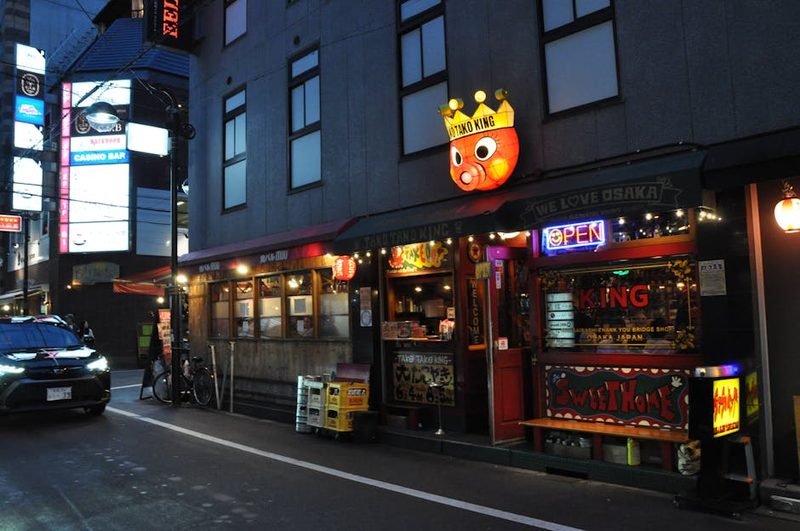
Three days covers the essentials. If you’ve got a fourth day, spend it in Nakazakicho and the northern neighbourhoods that this itinerary only scratches. CANELE du JAPON in Nagahori does caneles that rival what you’d find in Bordeaux. B Portland Coffee Roastery is for anyone who takes their beans seriously. The backstreets north of Umeda have izakayas and standing bars that see almost zero tourist traffic. Osaka has layers, and three days only peels back the first two or three.
For more ideas, our full list of things to do in Osaka goes deeper into specific neighbourhoods and attractions. And if you’re heading to Tokyo next, our Tokyo travel guide covers the transition — the Shinkansen between the two cities is about 2.5 hours and costs ¥13,870 one way. For broader planning, the Japan National Tourism Organization has up-to-date info on rail passes, seasonal events, and entry requirements.