

Discover the Paju DMZ Tour: A Deep Dive Into Korea’s Divided Heart
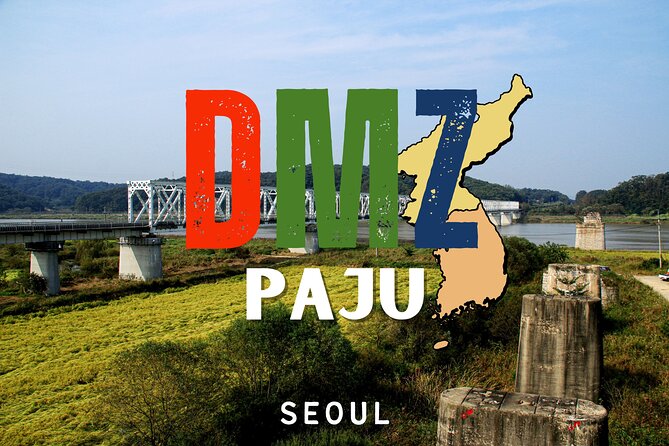
Traveling from Seoul to the Paju DMZ offers a rare glimpse into one of the world’s most tense border zones. For around $54.86 per person, this full-day tour takes approximately 9 to 10 hours, guiding you through significant sites like the 3rd Infiltration Tunnel, the Peace Gondola, and the former US military base at Camp Greaves. Led by knowledgeable guides, this experience is designed to be both educational and emotionally impactful, offering a tangible sense of Korea’s divided history.
What we love about this tour is how it balances stunning views with fascinating historical insights. The gondola ride across the Imjin River is a highlight, providing a rare vantage point of the DMZ, while the walk through the 3rd Tunnel is both stirring and fun. Plus, visiting Camp Greaves gives a tangible connection to the US military presence that played a critical role during the Korean War.
A potential consideration is that this tour requires passport verification for entry into the DMZ, so travelers should double-check their documentation beforehand. Also, because the area is heavily restricted and sensitive, the itinerary might be affected by traffic, weather, or security concerns, leading to possible changes or cancellations.
This tour is best suited for those eager to understand the Korean conflict firsthand—history buffs, political enthusiasts, or anyone curious about the ongoing division. It’s especially rewarding if you appreciate authentic, guided experiences that combine scenic views with meaningful stories.
Key Points
.jpg)
- Comprehensive itinerary covering major DMZ sites, including tunnels and observatories.
- Expert guides like Stella and Julie bring history alive with detailed explanations.
- Affordable value considering the inclusion of all admission fees, gondola ride, and transportation.
- Authentic experience with opportunities for close-up views of North Korea and the area’s military significance.
- Well-organized tour with a manageable group size, ensuring personalized attention.
- Passport required for DMZ entry, so come prepared with your documentation.
Planning more time in Seoul? We've covered other experiences worth considering.
The Full Experience: Breaking Down the Paju DMZ Tour
.jpg)
Convenient Transportation and Group Size
This tour offers round-trip transportation from Seoul, which means you won’t need to worry about navigating the often confusing local buses or taxis. With a maximum of 43 travelers, it strikes a good balance between group size and intimacy, allowing for engaging conversations with guides and fellow travelers.
The Imjingak Pyeonghwa Nuri Park
Your journey begins at Imjingak Park, just 7 kilometers from the Military Demarcation Line. It’s a poignant site, built to offer solace to those displaced during the Korean War. You’ll see monuments like the Freedom Bridge and other memorials. It’s a quiet, contemplative start, setting the tone for the day. As one reviewer put it, the park is “a symbolic and historical space where you can feel the weight of history,” making it more than just a roadside stop.
The Peace Gondola Experience
Next, the Paju Imjingak Peace Gondola ride crosses the Imjin River into the DMZ civilian control zone. This is a standout element—riders enjoy spectacular views and a rare perspective on the heavily fortified border. From the gondola, you’ll see the restricted areas that separate North and South Korea. It’s a short ride—about 30 minutes—but the visual impact stays with you long after. Travelers frequently mention how this view offers a “rare glimpse of the heavily restricted area,” making it a must-do.
While you're exploring Seoul, here are other experiences we've looked into
- Bukhansan mountain hiking tour – 6 hours
- Busan: Autumn Jinju Namgang Lantern Festival & Pink Muhly
- DMZTour from Seoul:3rd Tunnel,North Korea View&UNESCO Valley
- Dongmyo Flea Market Vintage Vibes Local Guided Tour
- Eobi Ice Valley & Nami & Petite (+ Light Festival, Railbike)
- Fortress Night Hike & Snack at a Local Market
Exploring Camp Greaves
Moving inland, you visit Camp Greaves, a former U.S. military base used during the Korean War. Renovated into a youth hostel in 2013, it’s a fascinating peek into the American military presence in Korea. The guide explains how the base was used and its significance during the war. One reviewer appreciated this part, describing it as “a tangible connection to the US forces that were stationed here for about 50 years.” It’s a quieter, reflective space, offering insight into the military history and the ongoing alliance between South Korea and the US.
The 3rd Infiltration Tunnel
The highlight for many—and a genuinely surprising experience—is walking into the 3rd Tunnel. Discovered in 1978, it was dug by North Korea with the intent of infiltrating the South. The tunnel stretches over 1.6 kilometers and could move 30,000 troops per hour—a stark reminder of the ongoing threat. Walking through this underground corridor, you get a visceral sense of the scale and seriousness. One traveler said, “Going down the third tunnel was amazing and a lot of fun,” highlighting how educational and engaging this stop is.
Dora Observatory: North Korea Up Close
Concluding the tour, you ascend Mount Dora to visit the Dora Observatory. On a clear day, the views are striking—you can see across the DMZ into North Korea, including the propaganda villages. The guide points out key features, and it’s an eye-opener to witness the military fortifications and the bunkers. As one reviewer noted, it’s “very interesting to see how things used to be and how they are now,” making this stop both educational and thought-provoking.
What’s Included and What’s Not?
All admission fees—including the gondola, tunnels, and observatory—are covered, making this a good value. The tour also includes round-trip transportation and an English/Chinese-speaking guide. However, you’ll need to bring your own meals and cover personal expenses or insurance.
Why This Tour Stands Out
.jpg)
The guides make a real difference—Stella and Julie are praised for their knowledge and passion, making the experience more engaging and understandable. Their ability to explain complex geopolitics in accessible language helps travelers feel connected to what they see.
The scenic views from the gondola and the powerful experience of walking through the tunnel bring history to life in a way that photographs can’t capture. Many reviews mention how covered entire itinerary within the timeline, which is a sign of efficient planning and good pacing.
Who Should Consider This Tour?
.jpg)
If you’re interested in history and geopolitics, this tour offers a thought-provoking insight into the Korean conflict. It’s perfect for travelers who want a guided, structured experience with meaningful stops. It suits those who are comfortable with passport verification and understand there may be security-related changes or cancellations.
It also appeals to those who love scenic views combined with historical context, and who appreciate access to sites that are normally off-limits. If you’re traveling solo or in a group, the guided nature ensures you won’t feel lost or overwhelmed.
The Sum Up
.jpg)
This Paju DMZ tour is a solid choice for anyone wanting to see beyond Seoul’s cityscape and understand the complex realities of the Korean Peninsula. It balances scenic highlights with historical depth, making it suitable for a broad range of travelers. With knowledgeable guides and well-organized logistics, it offers value for money and a meaningful perspective on Korea’s division.
Whether you’re a history buff, a political enthusiast, or simply curious about the stories behind the border, this tour delivers an authentic experience that leaves you with more questions—and answers—about Korea’s ongoing story.
FAQ
.jpg)
Do I need to bring my passport? Yes, your valid passport is necessary for entry into the DMZ.
How far in advance should I book? On average, travelers book around 8 days ahead, but early booking is recommended due to limited availability.
What’s the duration of the tour? The tour lasts around 9 to 10 hours, including transportation, site visits, and breaks.
Is food included? No, meals are not included, so plan to bring snacks or buy food during the day.
Are guides bilingual? Yes, the guides speak both English and Chinese, ensuring clear explanations.
Can I cancel if my plans change? Yes, cancellations are free if made at least 24 hours in advance.
What’s the maximum group size? The tour can accommodate up to 43 travelers, providing a comfortable group atmosphere.
Are there any physical requirements? The tour involves walking through tunnels and standing at view points, so comfortable shoes and moderate mobility are recommended.
What should I wear? Dress comfortably and appropriately for outdoor activities and variable weather conditions.
Is there any risk involved? The tour is generally safe, but participants should follow guide instructions, especially in restricted or sensitive areas.
This detailed look at the Paju DMZ tour hopefully helps you decide if it’s the right way to deepen your understanding of Korea’s divided history. It’s a chance to see, learn, and reflect—an experience that’s both educational and unforgettable.
More Tour Reviews in Seoul
- Seoul Gangnam Beauty Experience & Personal Color Test Tour
- Mt.Seorak & Naksan Temple Day Trip from Seoul
- Seoul Vegan & Vegetarian Gwangjang Market Food Tour (11 Tastings)
- Gwanghwamun Tour l 120 minutes to Understand Local Korean Society
- Seoul to Incheong Airport ICN Private Taxi Shuttle Transfer
- Create Your Own Luxury Niche Perfume in Hongdae
More Seoul experiences we've covered
- Mt.Seorak & Naksan Temple Day Trip from Seoul
- Seoul Vegan & Vegetarian Gwangjang Market Food Tour (11 Tastings)
- Gwanghwamun Tour l 120 minutes to Understand Local Korean Society
- Seoul to Incheong Airport ICN Private Taxi Shuttle Transfer
- Create Your Own Luxury Niche Perfume in Hongdae
- Pocheon Art Valley, Garden & Fruit Picking Day Tour from Seoul
- Royal Seoul Cooking Class in a 100-Year-Old Hanok
- Korea Private Personal Color Analysis
- Seoul Premium Hanbok Rental at Arihanbok Photoshoot Included
- Vivaldi Park Winter Ski with Eobi Ice Valley Day Tour from Seoul
- Private Tour DMZ Peace 3rd Invasion Tunnel and Suspension Bridge
- Seoul Cherry Blossom and Hanok Experience Private Car Tour