

A Quiet Moment of Tradition in Kyoto
If you’re looking to slow down and connect with Japanese culture beyond temples and sushi, the Private Authentic Tea Ceremony with 400-Year Tools offers a rare chance. Hosted in a 150-year-old Kyoto townhouse, this experience features a licensed Urasenke tea master guiding your small group through a meditative ritual. For about $164 per person, you’ll spend roughly 90 minutes immersed in the quiet elegance of a genuine tea ceremony, complete with antique utensils and a serene courtyard view.
What makes this experience stand out are the rare antique tools, including 400-year-old tea bowls, which add an authentic, almost timeless dimension to the ceremony. The private setting ensures you can truly savor the moment without the distractions of a larger crowd. We love the opportunity to not only observe but also participate—preparing your own usucha (light tea) deepens the connection to the ritual.
That said, it’s worth noting that this is a non-refundable experience, so it requires some commitment. Also, if you’re expecting a lively tour, this is quite the opposite—an intimate, contemplative encounter suited for those craving genuine tradition over entertainment. It’s ideal for travelers seeking a meaningful cultural moment, especially those interested in Japanese aesthetics, history, or tea.
If you appreciate history, craftsmanship, and tranquility, and enjoy gaining deeper insights into Japanese hospitality and philosophy, this tour is likely a perfect fit. It’s especially suitable for those who want a more personal, quieter experience of Kyoto’s cultural offerings.
Key Points
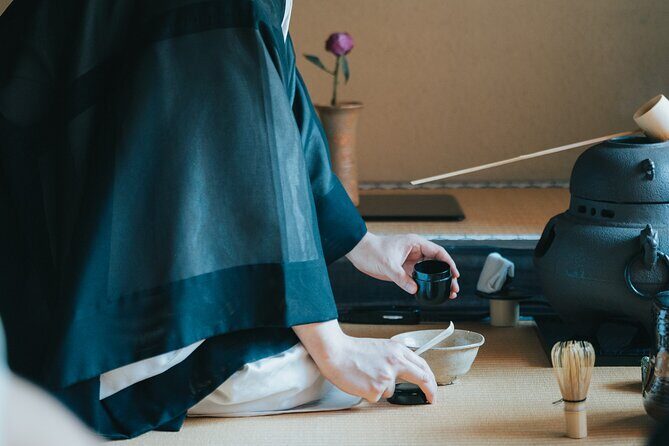
- Authentic Setting: Hosted in a 150-year-old Kyoto townhouse with a tranquil courtyard.
- Rare Utensils: Uses 400-year-old tea bowls and antique tools, adding historical depth.
- Guided by a Master: Led by a licensed Urasenke tea master, ensuring an authentic experience.
- Interactive: You’ll prepare and enjoy both thick (koicha) and light (usucha) teas.
- Private Atmosphere: The entire experience is exclusive to your group, with English guidance available.
- Cultural Insight: An excellent way to learn about the philosophy behind the Japanese tea ceremony.
A Detailed Look at the Tea Ceremony Experience in Kyoto

Prefer personalized experiences? Here are other private options we've covered in Kyoto
The Historic Setting and Atmosphere
Stepping into the Kyoto Yoshitsugu, you enter a well-preserved 150-year-old townhouse that echoes the quiet grace of traditional Japan. The interior features tatami mats and sliding shoji screens, creating an environment of understated elegance. The private room overlooks a tranquil courtyard, where light filters softly through trees, casting gentle shadows—an ideal backdrop for a ceremony rooted in harmony and respect.
This setting is much more than just a pretty space; it’s a careful recreation of the traditional tea room, emphasizing stillness and mindfulness. As one reviewer noted, “The atmosphere was so peaceful and authentic, I felt like I had stepped back in time.” This genuine environment makes the experience more meaningful than a staged demonstration.
The Role of the Tea Master
Your guide, a licensed Urasenke tea master, begins with a conversation explaining the philosophy and etiquette behind the ceremony. Expect to learn about wabi-sabi (beauty in imperfection), wa (harmony), and other principles that inform every gesture. The master’s guidance ensures that you understand each step—why the bowl is turned, how to handle the utensils, and the significance of each movement.
Visitors consistently praise the personalized attention. One comment shared, “The master was so patient with us, explaining every detail and story behind the utensils. It made the experience much richer.” Having an expert present transforms the ceremony from a simple activity into a lesson in cultural appreciation.
The Antique Utensils and Their Stories
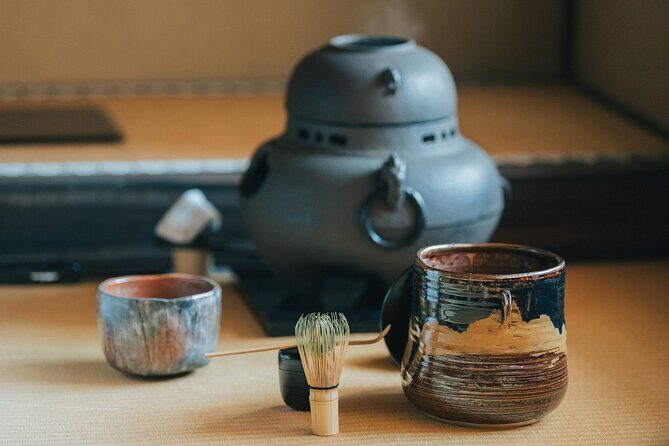
Perhaps the most striking feature of this tour is the use of antique tools, including 400-year-old tea bowls. These bowls—each with its own history—offer a tangible connection to Japan’s craftsmanship and history. Handling and viewing these artifacts, you’ll appreciate the skill and artistry that have been passed down through centuries.
The master may also show you other utensils, each with stories of their origins and significance. These details deepen your understanding of the ceremony’s spiritual and aesthetic dimensions, turning a simple act of tea preparation into a dialogue with the past.
The Tea Tasting Experience
The ceremony begins with the serving of koicha, a thick, concentrated tea meant to foster a sense of unity. Paired with a seasonal wagashi sweet, this moment encourages slow savoring and reflection. The focus isn’t just on taste but on appreciating form, stillness, and harmony.
Later, you’ll prepare your own usucha, a lighter tea, which you’ll enjoy with higashi (dry sweets). This hands-on part of the experience offers a tactile connection to the ritual and a chance to understand the care involved in every step.
While you're exploring Kyoto, here are other experiences we've looked into
- 2-Hour Shopping Tour Plan / private
- 6-Day Private Tour to Kyoto via Fukui from Fukuoka with Bus
- 2 Types of Japanese Sweets making and Tea Ceremony
- Kyoto: Insider Sake Brewery Tour with Sake and Food Pairing
- 4.5-hr Kyoto Historical Highlights Bike Tour with UNESCO
- 4-Day Scenic Japan Tour by Car: Tokyo Mt. Fuji Kyoto & Osaka
The Practical Details
The entire experience lasts about 90 minutes, during which your group will be the only participants—an intimate setting perfect for absorbing the nuances of the ceremony. The tour starts at 603 Nishidaimonjich, Kyoto, and is accessible by public transportation, making it fairly easy to reach.
The cost, at $164.28, includes all utensils, guidance, and the opportunity to participate actively. Given the focus on authenticity, craftsmanship, and cultural insight, many find this price reasonable, especially considering the rarity of antique tools and private setting.
What Travelers Say
Although reviews are limited, the comments available are positive. People appreciate the tranquility and the educational value. One reviewer mentioned, “It felt like a private lesson in Japanese culture,” emphasizing how personal the experience was.
A common thread is the depth of understanding gained—not just about tea but about Japanese aesthetics and mindfulness. However, the non-refundable policy requires travelers to be certain about their interest in this quiet, contemplative form of cultural engagement.
Who Should Consider This Tour?
This experience is best suited for culture enthusiasts, history buffs, or anyone seeking a peaceful, genuine connection with Japanese traditions. It’s ideal if you’re interested in craftsmanship, philosophy, and art, rather than a superficial overview.
Travelers who appreciate private, immersive experiences will find this a meaningful addition to their Kyoto itinerary. Those who prefer lively tours or a quick taste of Japan might find it too slow or introspective—but for anyone wanting a true taste of Japan’s meditative side, this is a rare find.
FAQ About the Private Tea Ceremony in Kyoto
Is this experience suitable for children?
While not explicitly stated, the quiet, contemplative nature suggests it’s best for older children or teenagers who can appreciate the calm environment.
Can I participate if I don’t speak Japanese?
Yes, English guidance is available, and the focus on gestures and visual storytelling makes it accessible even if you’re not fluent.
How long does the tour last?
The experience lasts approximately 90 minutes, giving enough time to understand and participate comfortably.
Is the tour private for just my group?
Yes, it’s exclusively for your group, ensuring a personalized, intimate experience.
Are the utensils really 400 years old?
Yes, the tour features antique utensils, including some that are 400 years old, which adds a historical authenticity to your visit.
What should I wear?
Smart casual is fine; since you’ll be seated on tatami mats, avoid high heels or tight clothing.
Is there any physical activity involved?
No physical exertion is required—just seated participation and gentle handling of utensils.
Can I buy souvenirs or souvenirs?
The tour is primarily a cultural experience; however, you might inquire if there are opportunities to view or purchase related crafts locally.
What if I need to cancel?
The experience is non-refundable, so be sure about your plans before booking.
Is it easy to find the meeting point?
Yes, the address is provided, and the location is near public transportation, making it accessible for most travelers.
In closing, this private tea ceremony offers a thoughtful, authentic glimpse into Japan’s cultural soul. The combination of historical utensils, expert guidance, and tranquil surroundings makes it a memorable highlight for those interested in Japan’s aesthetic and spiritual traditions. It’s especially suitable for travelers who want to slow down, reflect, and truly understand the depth behind the tea. Whether you’re a seasoned tea drinker or a curious visitor, this experience promises a quiet, meaningful moment in Kyoto’s bustling landscape.
More Private Tours in Kyoto
- Private Proposal Photoshoot in Japan
- Private Tour to Kyu Chikurinin Garden by Car
- Kyoto Private Sightseeing Tours with English Speaking Driver
- Kyoto & Nara 1 Day Private Charter Car Tour from Osaka or Kyoto
- Eye-opening Matcha Private Experience Just For You
- Kyoto Garden Secrets Led by an Architect PRIVATE Tour
More Tour Reviews in Kyoto
More Kyoto experiences we've covered
- Private Authentic Tea Ceremony with 400-Year Tools
- Exploring Autumn Foliage: Tofukuji, Fushimi Inari, and Uji Tour
- Private Proposal Photoshoot in Japan
- Kyoto K Drama GPS App Walking Tour Mobile Game
- Kyoto Sunrise Walk Early Morning Journey Through History By Guide
- Temari Sushi Experience Kyoto
- Private Tour to Kyu Chikurinin Garden by Car
- From Feudal to Formidable: Kyotos Architecture Self Guided Tour
- Kyoto: Golden Pavilion and Ryoan-ji Zen Garden Guided Tour
- Luxury Kyoto Evening Sake Experience
- Kyoto: Tofuku-ji Temple and Komyo-in Guided Walking Tour
- Kyoto Private Sightseeing Tours with English Speaking Driver