
At Shirotori Zoo, the animals are more than a row of distant faces behind glass. Rabbits and peacocks can roam freely, and you may get close to a range of mammals, birds, and reptiles during a visit that suits a relaxed two or three hours.
I like two things here: the chance to encounter animals at close range, and the zoo’s compact size, which can make a family outing less tiring than a full-day attraction. One consideration is the setting: paths are quite natural, so strollers may be awkward, and the zoo is a little remote.
- What to Know Before You Go
- Close Encounters in a Compact Zoo
- What Two or Three Hours Can Hold
- Feeding Animals: A Small Extra With Limits
- The Site, Paths, and Family Comfort
- Getting to Shirotori Zoo in Higashikagawa
- Ticket Price and What It Covers
- Who Will Enjoy This Visit Most
- Should You Book Shirotori Zoo?
- FAQ
- How long should I plan for Shirotori Zoo?
- What animals can I see at the zoo?
- Is animal feeding included with admission?
- What is included in the ticket?
- What are the opening hours?
- How do I get to Shirotori Zoo from the train station?
- Can I bring a stroller?
- Do children under three need a ticket?
- Can visitors aged 65 and over buy the ticket online?
- What do I need to show to enter?
What to Know Before You Go
 1 / 4
 2 / 4
 3 / 4
 4 / 4
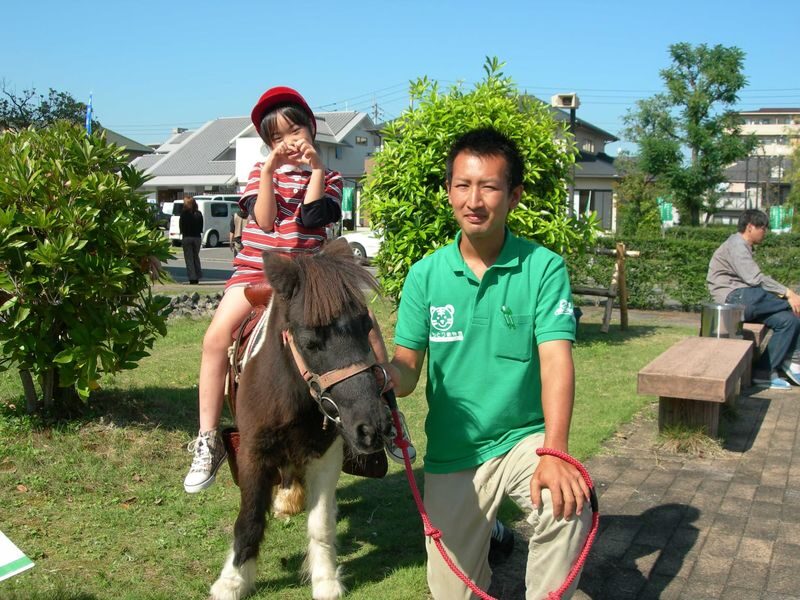
- Rabbits and peacocks may roam freely, giving you a more immediate animal encounter than a look from across a barrier.
- About 70 species live at the zoo, including mammals, birds, and reptiles.
- Animal treats cost extra, so bring a little spending money if feeding is part of your plan.
- Plan for two to three hours, a manageable visit for younger children and adults who prefer not to spend all day on their feet.
- The paths are natural rather than stroller-friendly, so consider your child’s walking stamina before setting out.
- Your Klook voucher needs internet access, and staff must operate the ticket when you arrive.
Close Encounters in a Compact Zoo
Shirotori Zoo offers a different sort of outing from a large city zoo. The attraction is its close-up feel: you can meet a variety of animals, with rabbits and peacocks sometimes moving freely around the grounds. For a child who wants to see animals at close range, that can make the visit more engaging than simply walking past exhibit windows.
The collection includes about 70 species of mammals, birds, and reptiles. That is enough variety to keep a family moving through different kinds of animal encounters, while the zoo’s relatively modest size keeps the day from becoming a marathon. A family with young children can spend a few hours here without needing to plan a full day around the attraction.
Keep your expectations in proportion. This is a small zoo experience, not a sprawling wildlife park, and the available information does not promise a particular animal encounter or a set sequence of exhibits. Treat the visit as a relaxed wander, with time to pause when an animal catches your attention.
The free-roaming animals are a special part of the appeal, but they are animals, not performers. They may be resting, moving away, or simply uninterested in visitors. Go in ready to observe at their pace, and you will be better prepared for the natural give-and-take of an animal visit.
What Two or Three Hours Can Hold
Allow two to three hours for the visit. That estimate gives you time to see the different animal areas without rushing, while leaving room for the slower rhythm that makes close animal encounters worthwhile. Children often want to stop and watch, and there is little value in hurrying them past an animal they find fascinating.
You can think of the visit in three loose stages: arrive and get oriented, spend time with the animals, then decide whether to linger or wrap up. There is no detailed itinerary or guided program provided, so you should not expect a scheduled route or a guide. The experience is built around admission and exploring the zoo at your own pace.
The first stage is practical. Show the e-ticket on your phone to the local staff, then follow the zoo’s directions for entering. Once inside, take a moment to decide how much time you have and whether you want to buy animal treats. Admission covers entry, but treats and personal expenses are not included.
The main part of your visit is the animal viewing. The range of mammals, birds, and reptiles gives you different things to look for, while rabbits and peacocks may be encountered moving around freely. If you have small children, it can help to let them set the pace within reason. A slow stop to watch an animal can be the most memorable part of a short zoo visit.
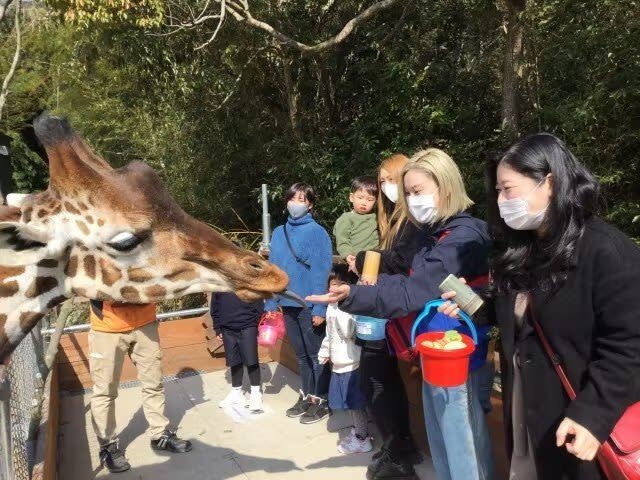
If you plan to feed animals, check what is available on the day and budget for the extra cost. Feeding is a popular possibility, but it is not included in the ticket, and an animal may not want food at that moment. One useful lesson: animal treats are an opportunity, not a guarantee of a close encounter.
At the end, leave a little time to retrace your route and make sure you have not missed anything you especially wanted to see. The site is not described as large, so you should not need to keep a whole day free. Still, a visit can take longer if your family pauses often or wants to spend time near particular animals.
Feeding Animals: A Small Extra With Limits
Feeding can add an interactive element, especially for children who want more than a quick look. The zoo’s admission ticket does not cover animal treats, so this is one extra cost to plan for. If feeding is a main reason for your visit, bring enough cash or another suitable payment method only after checking what the zoo accepts, since payment details are not specified here.
The experience may vary from animal to animal. Some animals may already have eaten or may not be interested in food when you approach. That is normal, and it is best to prepare children for the possibility before paying for treats. Watching an animal at close range can still be worthwhile even when it declines a snack.
Small children are a particularly good match for this kind of outing. The combination of seeing animals and the chance to feed them can hold their attention, while the compact site is less physically demanding for adults than a large zoo. Keep a close eye on children around animals, and follow staff instructions about handling and feeding.
The Site, Paths, and Family Comfort
The zoo’s scale is one of its practical strengths. A smaller site can make it easier for adults to stay engaged with children without worrying about covering a vast distance. If your family wants a short animal-focused activity rather than an all-day expedition, Shirotori Zoo fits that shape well.
The paths are described as quite natural, which matters if you are bringing a stroller. This is not the place to assume smooth, easy rolling throughout. If your child can walk comfortably, the visit is more straightforward. If not, consider your stroller’s suitability and how you will manage uneven or less developed paths.
Food and shops are another point to consider. A weekday visit may mean some small shops are closed, so do not count on finding everything your child needs on site. If you are travelling with children, bring food and snacks in advance rather than relying on nearby options. The zoo is in a relatively remote location, which makes that bit of preparation especially sensible.
The zoo can restrict entry numbers or services when it is crowded. That could affect the ease of your visit at busy times, although no specific crowd levels or reservation limits are given. Arriving with some flexibility is wise, particularly if you are travelling a distance to get there.
Getting to Shirotori Zoo in Higashikagawa
The address is 2111 Matsubara, Higashikagawa, Kagawa 769-2702, Japan. From Sanukishirotori Station, the listed route is about a 10-minute taxi ride. The zoo’s location is a little remote, so plan the final leg of your journey rather than assuming you can easily walk from the station.
The available directions do not specify a bus route, parking details, or taxi fare. Check your transport options before setting out, especially if you are visiting with children or carrying supplies. The address is useful for navigation, but allow enough time to arrange the trip from the station.
Opening hours are listed as 9:30 a.m. to 5 p.m. daily, with last admission at 4 p.m. Hours can vary by season, so confirm the current schedule before travelling. The closure dates provided apply to 2025 and are now past; check the zoo’s official information for current closure days rather than relying on an old calendar.
Ticket Price and What It Covers
Admission starts at $9.75 for the listed early-bird ticket. For a two- or three-hour visit, that can be a reasonable outing if you value close animal encounters and have young children who will enjoy watching or feeding animals. The price covers admission only, so treats and personal expenses are extra.
Children aged zero to two enter free. For visitors aged 65 and over, the stated price is 1,430 yen, with tickets to be purchased directly at the ticket office. Since that price is specified in yen and the online price begins in dollars, check the current terms before deciding which option applies to your party.
Think about the value in terms of your family’s interests, not just the number of animals. If your children love close encounters and can enjoy a smaller zoo at an unhurried pace, the admission may buy a satisfying few hours. If you expect an extensive park, a full day of facilities, or included feeding, this ticket does not promise those things.
The ticket is valid only for the date selected. It is an online voucher, not a paper ticket, and admission depends on presenting it correctly on your device. Before you leave, open the Klook app or website, go to My bookings, and select See voucher. The voucher needs an internet connection to load, so sort out mobile access before reaching the entrance.
At the zoo, show the voucher to staff and let them operate the ticket. Do not try to use it yourself. If it is marked used, it is no longer valid, and the instructions say you cannot enter without displaying the voucher on your device.
Who Will Enjoy This Visit Most
Shirotori Zoo is best suited to families with young children who want an animal-focused outing that does not take the whole day. The opportunity to see rabbits and peacocks moving freely, along with the range of species, gives children plenty to observe. The manageable size also helps adults avoid the long walks that can wear out a family.
It can also work for adults who enjoy a low-key stop and do not need a large zoo to feel that the trip was worthwhile. A compact site means less physical effort, and two or three hours leaves room for other plans in the area. For animal lovers, the appeal is proximity and variety rather than a grand scale.
You may want to reconsider if you need fully stroller-friendly paths, expect feeding to be included, or are counting on shops for food. The location also calls for a bit of transport planning. None of these issues makes the visit unsuitable, but they can shape the day if you arrive unprepared.
Pets are not allowed on Saturdays, Sundays, and holidays. If you are travelling with a pet, check the day of your visit carefully. Smoking and drinking are not allowed, and anyone who appears intoxicated may be refused entry or service without a refund.
Should You Book Shirotori Zoo?
Book it if your family is excited by close animal encounters, wants a manageable outing, and can handle natural paths without relying on a stroller. The chance to see about 70 species and the possibility of feeding animals make this a practical choice for a few unhurried hours with children.
Skip it, or plan another stop, if you expect a large, highly equipped zoo or need a smooth route for a stroller. Bring food for children, budget separately for animal treats, and arrange your trip from Sanukishirotori Station in advance. Most important, make sure your phone can open the voucher before you arrive.
Shirotori Zoo Ticket in Higashikagawa
“It's not very stroller-friendly, as the paths are quite natural. If your children can walk, it's fine. There are many activities available in the p…”
FAQ
How long should I plan for Shirotori Zoo?
Plan for about two to three hours. Your visit may take longer if you stop often to watch animals or take part in feeding.
What animals can I see at the zoo?
The zoo has about 70 species of mammals, birds, and reptiles. Rabbits and peacocks may walk freely around the zoo.
Is animal feeding included with admission?
No. Animal treats are not included and cost extra.
What is included in the ticket?
The ticket includes admission to the attraction. Personal expenses and animal treats are not included.
What are the opening hours?
The listed hours are 9:30 a.m. to 5 p.m., with last admission at 4 p.m. Hours can vary by season, so check the current schedule before your visit.
How do I get to Shirotori Zoo from the train station?
The listed route is a 10-minute taxi ride from Sanukishirotori Station.
Can I bring a stroller?
The paths are quite natural and the zoo is not very stroller-friendly. If your child can walk, getting around is easier.
Do children under three need a ticket?
Children aged zero to two enter free.
Can visitors aged 65 and over buy the ticket online?
The stated price for visitors aged 65 and over is 1,430 yen, and they should purchase directly at the ticket office.
What do I need to show to enter?
Show the voucher from your Klook app or website on a phone with internet access. Staff must operate the ticket, and a voucher marked used is no longer valid.