

Experience the Power and Tradition of Sumo in Tokyo’s Sumida District
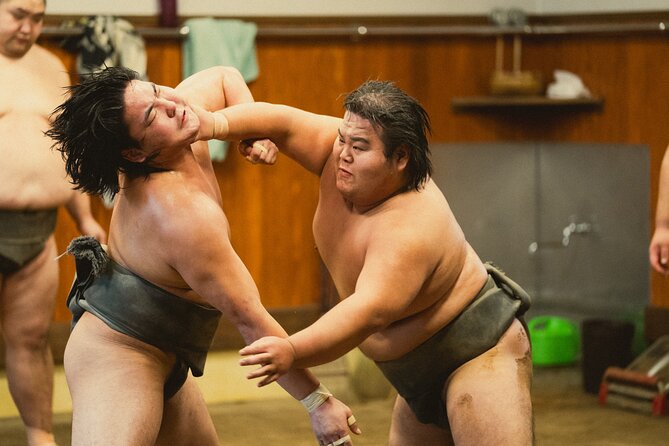
Imagine standing mere feet from powerful sumo wrestlers during their morning practice, hearing the thud of their collisions and feeling the intense discipline that fuels their routines. For those wanting a genuine peek into Japan’s national sport, the Sumo Wrestlers Morning Practice Tour in Tokyo’s Sumida District offers a rare and authentic glimpse into the daily life of these iconic athletes. Costing around $117.39 per person, the 2-hour experience is designed to blend history, culture, and the raw energy of sumo wrestling.
What we particularly love about this tour is how it combines close-up viewing with personal interaction — a rare chance to meet the stable master and, if luck is on your side, take photos with the wrestlers afterward. Plus, walking through the streets from the meeting point at Tokyo Skytree adds a bit of local flavor before heading into the stable. The tour is perfect for sports fans, culture enthusiasts, and curious travelers who appreciate genuine, behind-the-scenes moments rather than staged performances.
One thing to keep in mind is that the practice is conducted on a wooden floor without chairs, so if sitting cross-legged for about an hour and a half isn’t comfortable, this might not be your best fit. Also, the practice can sometimes end earlier than scheduled, which could affect the overall experience. But for most, the sheer authenticity and the chance to see sumo training up close outweigh the minor inconvenience.
In short, this tour offers a unique, memorable experience that deepens your understanding of sumo’s cultural roots, while giving you the opportunity to see these incredible athletes in their element. It’s best suited for adults and children over six, especially those interested in Japan’s traditions and sports.
Key Points
- Authentic Experience: Watch real sumo training, not staged shows or tournaments.
- Personal Interaction: Talk with the stable master and possibly take photos with wrestlers.
- Cultural Insight: Learn about sumo’s religious and historical significance in Japan.
- Close-up View: Stand right next to the ring and hear the sounds of the wrestlers’ collisions.
- Practical Details: About 15-minute walk from Skytree; no chairs; modest clothing required.
- Limited Flexibility: Practice may end early; expect a 15-minute walk in street shoes.
A Deep Dive into the Sumo Morning Practice Tour
.jpg)
While in Tokyo, here are other experiences we've covered
Getting Started: Meeting at Oshiage
Your adventure begins early, with a meeting at 7:30 am near the Oshiage train station, just a short walk from the famous Tokyo Skytree. The tour’s timing isn’t accidental; sumo wrestlers typically start their training at dawn, making this a perfect window to see their discipline and focus. Meeting your guide, who will likely be knowledgeable and friendly, sets the tone for an insider experience.
Walking to the Stable
From the meeting point, expect a 15-20 minute walk through Tokyo’s bustling streets to the sumo stable. This short stroll offers a glimpse of daily life in Tokyo, with the chance to observe local routines and perhaps catch a moment of quiet in the early morning. Remember to wear comfortable shoes and bring a towel if rain threatens—your path is on streets, not dedicated paths.
The Stable Experience: What to Expect
Once inside the sumo stable, the atmosphere shifts dramatically. You’ll be greeted by the serious sounds of wrestlers practicing, their grunts, the clang of their salt shakers, and the thud as they collide. The stable is a sacred space—no shoes allowed on the wooden floor, and respectful silence is expected throughout. Sitting cross-legged on the floor, you’ll witness the wrestlers’ routines that blend tradition, discipline, and athleticism.
The guide will explain sumo’s history, rules, and rituals — important context that enhances the viewing. You’ll learn how sumo is both a competitive sport and a religious ritual dedicated to Shinto deities. If you’re lucky, after the practice, you might get a chance to take photos with the wrestlers or even speak with the stable master, making the experience feel personal and genuine.
The Highlights: Why This Tour Excels
Many reviews highlight the value of seeing sumo up close and personal. One traveler noted, “We did a few different tours while in Japan. This one was amazing, we were literally ringside for two hours watching these incredible athletes go through their paces.” The sound and scent of the practice, along with the visual display of power and agility, create a visceral experience that videos simply can’t capture.
Another reviewer praised the friendly interaction with wrestlers and guides, saying, “Both the guide and the master were very open and approachable.” This openness adds a layer of warmth and authenticity to the experience, making it memorable beyond just the visual spectacle.
While you're exploring Tokyo, here are other experiences we've looked into
The Photo Opportunity
At the end of the session, the chance to snap photos with wrestlers adds a fun, tangible memory. It’s an ideal moment to capture the intensity of the training and perhaps ask questions about their diet, training, or daily routine. As one reviewer said, “Getting to take a photo at the end was the icing on the cake.”
Practical Tips & Considerations
- Timing is strict; arrive promptly at 7:10 am to avoid missing the start.
- No chairs—be prepared for floor seating, which can be uncomfortable if you’re not used to it.
- Respect the silence during the practice—it’s a form of reverence for the wrestlers’ focus.
- No flash photography and respectful behavior are essential.
- The practice may end early depending on the day’s schedule, so flexibility is key.
- The minimum age is 6, and children should be quiet and respectful.
Reviews Say It All
The overall sentiment from past travelers is overwhelmingly positive. Scores hover around 4.9 out of 5, with many praising the knowledgeable guides, the authenticity of the experience, and the value for money. Travelers appreciated the opportunity to see sumo wrestlers train privately, not just on TV or in staged performances.
One traveler remarked, “You don’t get to see this kind of practice often, and it’s a real insight into the discipline that’s required.” Another appreciated the approachability of the wrestlers, making the experience warm and memorable.
The Cultural and Educational Value
Beyond the spectacle, this tour offers a rare educational opportunity. Learning about the history of sumo, its religious roots, and the strict discipline involved deepens appreciation. It’s a chance to see Japanese tradition in action, which is often missed in more touristy settings.
Comparing Value
For $117.39, you’re paying for an intimate, guided experience with behind-the-scenes access that few travelers encounter. Compared to watching sumo on television or at a tournament, this offers a personal, up-close look at the sport’s core. The fact that the experience includes a knowledgeable guide and interaction with wrestlers adds to its value.
Who Will Love This Tour?
.jpg)
This experience is perfect for sports fans, culture lovers, and those interested in Japanese traditions. Families with children over six will find it engaging, especially those curious about athletic discipline and ritual. Travelers who want more than just sightseeing—who seek to understand everyday Japanese life and sport—will find this tour both educational and inspiring.
If you’re after a memorable, authentic glimpse into sumo’s training side, and don’t mind the early start and floor seating, this tour delivers in spades.
Frequently Asked Questions
.jpg)
Is the tour suitable for children?
Yes, children over six can participate. Just ensure they can sit quietly for about 1.5 hours, as noisy or restless children might be asked to leave.
What should I wear?
Modest clothing is recommended, and comfortable shoes for the walk from Skytree to the stable. Remember, no shoes are allowed inside the stable.
Can I take photos during the practice?
Photos are allowed without flash, but social media sharing is limited—no uploading photos or videos online. It’s best to ask the guide if you’re unsure.
What if I arrive late or miss the start?
You should arrive at the meeting point by 7:10 am for a prompt departure at 7:30 am. If late, inform the guide via message; otherwise, you can go directly to the stable on your own but won’t be able to join the group.
How long does the walk from the meeting point take?
About 15 minutes on streets from Tokyo Skytree, so plan accordingly. Bring a towel if rain is forecast.
What do I need to know about the practice itself?
No chairs, sitting cross-legged on the wooden floor. Respectful silence and behavior are required at all times.
Can I buy souvenirs or food at the stable?
No, the focus is on training. You can bring water, but no food or gum is allowed during the practice.
Is this experience good for people who want to see a sumo match?
No, this is a training session, not a tournament. For full matches, attending a sumo tournament is recommended.
Final Thoughts
.jpg)
This Sumo Wrestlers Morning Practice Tour offers a deeply authentic look into Japan’s national sport — beyond the glitz of tournaments and into the sweat and discipline of daily training. It’s a rare chance to see power, precision, and tradition in close quarters, all guided by passionate and knowledgeable hosts.
If you’re someone who values culture over staged performances, this tour will leave you with a newfound respect for these athletes and for sumo’s role in Japanese culture. It’s especially ideal for those curious about sports, rituals, and history who want a meaningful experience rather than just sightseeing.
While it demands an early start and a bit of floor-sitting patience, the memories and insights gained here are well worth the effort. For anyone eager to understand the heart of sumo, this tour offers a front-row seat to Japan’s unique athletic and spiritual tradition.
More Morning in Tokyo
- Tokyo Sumo Morning Practice with Guide Ringside Live Training
- Kamakura Early Morning Tour (Tokyo Departure Option Available)
- Tokyo: Sumo Morning Practice Viewing Tour at a Real Stable
- Tokyo Early Morning Tour Asakusa Meiji Shrine and Tsukiji Market
- Tokyo: Visit Sumo Morning Practice with English Guide
- Sunday Morning JDM Experience
More Tours in Tokyo
More Tour Reviews in Tokyo
- Cook Favorite Japanese Dishes with a Tokyo Mom
- Mt Fuji Carpool Day Tour for 5 to 9 Tourists
- Tokyo: Know about Hokusai and Sumo culture in 2.5 hours
- Private Tokyo, Fully Customized Your Day, Your Pace
- Tokyo Imperial Palace with Kagurazaka Alley Tour
- Time Travel in Tokyo Explore Old Town Asakusa and Local Food
More Tokyo experiences we've covered
- Mt Fuji Carpool Day Tour for 5 to 9 Tourists
- Tokyo: Know about Hokusai and Sumo culture in 2.5 hours
- Private Tokyo, Fully Customized Your Day, Your Pace
- Tokyo Imperial Palace with Kagurazaka Alley Tour
- Time Travel in Tokyo Explore Old Town Asakusa and Local Food
- Tokyo Sumo Morning Practice with Guide Ringside Live Training
- Full Day Private Tokyo Tour for Wheelchair Users
- tokyo niinja stretch ginza
- 3 to 5 Hours Private Tour in Tokyo with Local Guide
- Horse Racing Tour with Local Fans in Tokyo
- English/Italian guided cycling tour in Tokyo(with a rental bike)
- Barrier-Free Private Mt. Fuji Tour for Wheelchair Users