A film, a dark passage, and a reconstruction of a quake-struck city bring the 1995 Hanshin-Awaji earthquake into sharp focus at this Kobe museum. The experience moves from the disaster’s immediate destruction to the people who lived through it, then asks what you can do to reduce risk before the next one.
I like two things here: the personal stories make a vast disaster feel human, and the later exhibits turn grief into useful lessons about preparation and recovery. One consideration: the opening is emotionally intense, and some of the information is presented in Japanese, so you may need to use the available translation tools.
- Start on the fourth floor: Visitors are admitted in timed groups for two introductory films.
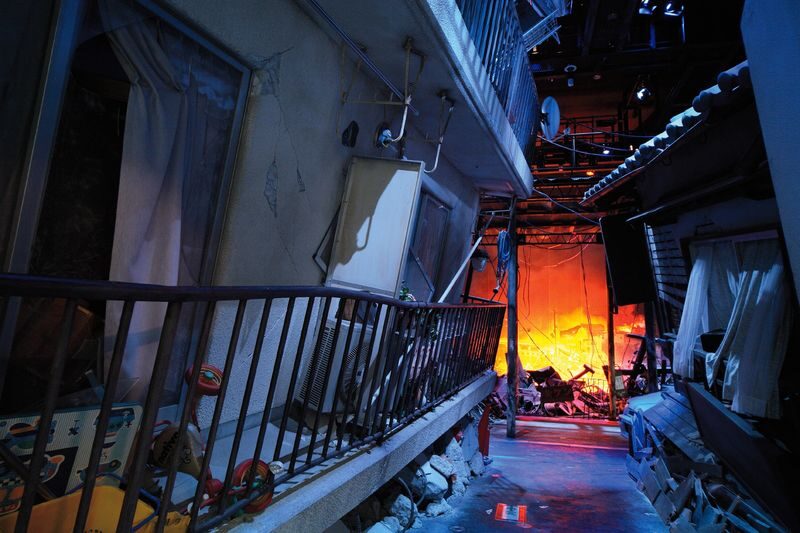
- Expect a powerful opening: Strobe effects and a darkened reconstruction convey the confusion and damage of the earthquake.
- Look beyond the destruction: Survivor accounts, photographs, and damaged objects show how the disaster affected everyday life.
- Stay for the recovery story: Displays explain how Kobe rebuilt and what communities can learn about disaster readiness.
- Allow about two hours: That gives you time for the exhibits in both the West and East Buildings.
- Check the calendar before buying: The museum closes on Mondays, and online vouchers are nonrefundable.
- From the 1995 earthquake to the work of rebuilding
- The fourth-floor films set the tone
- The reconstructed streets make the damage tangible
- Survivor stories add a human scale
- The East and West Buildings broaden the lesson
- Going with children, or visiting without Japanese
- The price is low, but the visit earns its time
- Getting there and planning your visit
- Who should make time for this museum?
- FAQ
- How long should I plan for the museum?
- What are the opening hours?
- Is the museum open on Mondays?
- How do I get to the museum by train?
- Is there English-language support?
- Is the museum suitable for children?
- Does admission include both buildings?
- Can I cancel or get a refund for the Klook voucher?
- The Best Of Kobe!
- More Museum Experiences in Kobe
- More Tours in Kobe
- More Tour Reviews in Kobe
From the 1995 earthquake to the work of rebuilding
 1 / 5
 2 / 5
 3 / 5
 4 / 5
 5 / 5
The Great Hanshin-Awaji Earthquake struck Kobe and the surrounding area in January 1995. It killed more than 6,000 people and caused widespread damage. At this memorial museum, the event is not treated as a distant date on a timeline. The displays bring you close to what happened in homes, streets, and neighborhoods, then show how survivors and the city responded.
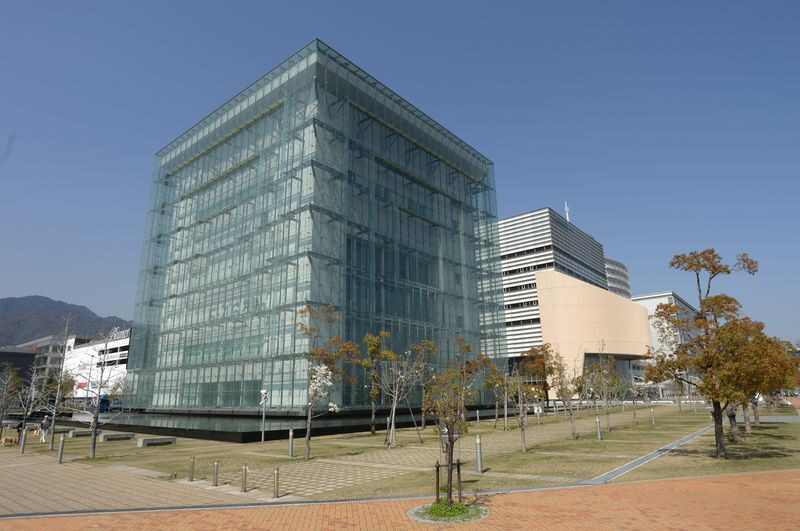
The museum is part of the Disaster Reduction and Human Renovation Institution. Its purpose reaches beyond commemoration: it preserves experiences of the earthquake and shares practical lessons about reducing disaster risks. That makes this a different kind of museum visit. You come to understand a tragedy, but you also leave thinking about preparedness in your own community.
The museum has two buildings, the West and East Buildings, and admission covers both. Plan roughly two hours if you want to see and try the main exhibits without rushing. You may be able to make a shorter visit, but the opening films and the amount of material make an hour feel tight.

👉 See our pick of the 7 Best Workshops & Classes In Kobe (With Reviews & Prices)
The fourth-floor films set the tone
The visit begins with two films on the fourth floor. Admission is handled in groups, so you may need to wait for the next entry time rather than walking straight into every gallery. That short pause helps set the scene, but it also means you should arrive with enough time before the 4:30 p.m. last admission.
One film runs for about seven minutes and depicts the earthquake’s destruction, including buckled expressways, collapsed buildings, and damaged neighborhoods. A strobe-light sequence is used to suggest the disorientation and confusion of the quake. It is an effective way to convey the force of the disaster, but it may be unsettling, especially for younger children or anyone sensitive to flashing lights.
The next film shifts toward personal loss. One account follows a woman who was 15 when she lost her older sister in the earthquake. Translation headphones are available for films, and some visitors have also used a camera or app to access English information. Translation support is worth checking at the entrance, since not every display has the same language options.
This opening is not light entertainment, and it should not be. The film sequence gives you context for the objects and stories that follow, while making clear that the earthquake was a human catastrophe, not just a dramatic geological event.
You can also read our reviews of more museum experiences in Kobe

The reconstructed streets make the damage tangible
After the films, you pass through a darkened section into a reconstruction of a damaged city. This is where the scale of the disaster becomes easier to grasp. Photographs show destruction, but a physical reconstruction gives you a sense of how suddenly a familiar street can become a place of wreckage and uncertainty.
The presentation is designed to be immediate. If you prefer a quiet, text-led museum, this may feel theatrical. I see the value in that approach: the museum is trying to explain what a major earthquake does to daily life, not simply list its effects. Still, the strobe effects and dark passage can be intense, so consider that before bringing a child who may be frightened by disaster scenes.
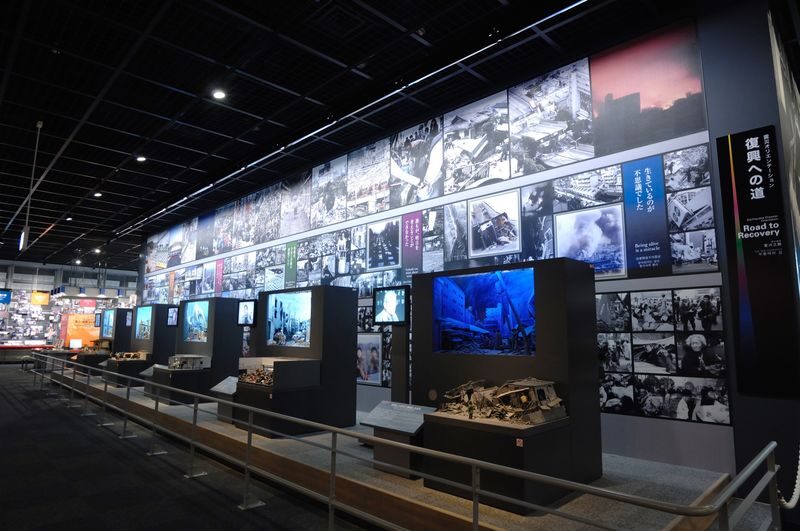
Beyond the reconstruction, you’ll find photographs, damaged building fragments, melted coins, and personal accounts. These details add texture to the story. A damaged object can make the event feel less abstract, while an individual account shows how the effects of a quake continue beyond the moment the ground stops moving.
The strongest exhibits connect these pieces rather than asking you to view them as isolated curiosities. You see the physical damage, then hear about the people who faced it. That combination helps explain why the museum’s tone is both memorial and educational.
Survivor stories add a human scale
The accounts of people who experienced the earthquake are central to the visit. They give you a window into the choices, losses, and uncertainty people faced, and they keep the museum from becoming only a display of collapsed buildings and statistics.
One film tells the story of a woman who lost her older sister when she was 15. It is a personal account, not a broad summary of the disaster, and it can be moving. Visitors have described the museum as emotional, particularly in the film sections. If you want time to process what you see, don’t schedule this as a quick stop squeezed between two busy attractions.
The museum also addresses the recovery of Kobe. This shift matters. The story does not end with damage: displays show how people worked to rebuild, and how the city drew lessons from the earthquake. You begin to see recovery as a shared effort involving residents and communities, not simply a return to what existed before.
That balance is one of the museum’s strengths. It respects the people who suffered while explaining what has been learned. The result is a more useful visit than a gallery that leaves you with tragedy but no sense of how people responded.
The East and West Buildings broaden the lesson
The West Building contains much of the earthquake-focused material and is worth giving time to. The East Building adds to the visit with exhibits and activities about natural disasters and ways to reduce risk. Together, the two buildings move from what happened in Kobe to how people can prepare for future events.
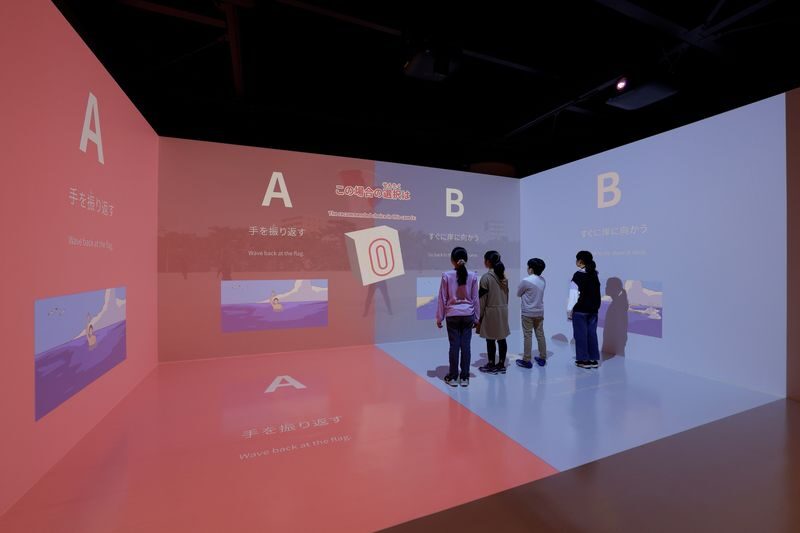
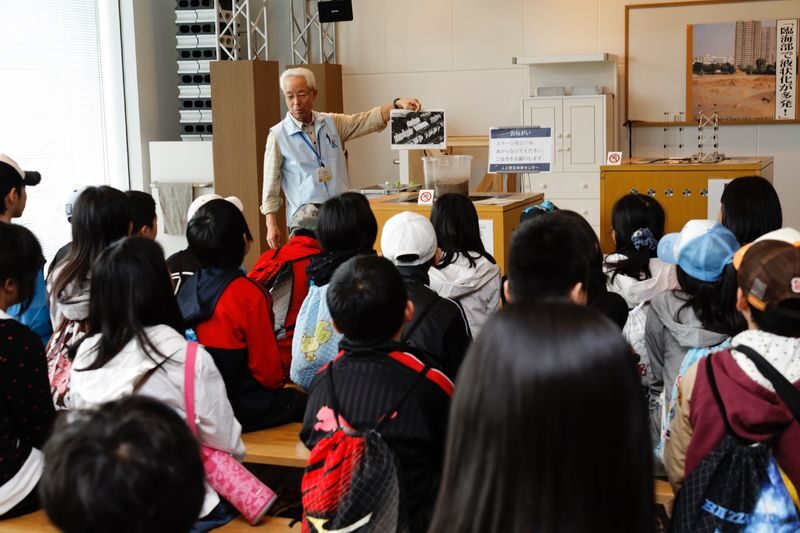
The museum uses games, experiments, and interactive displays to explain disaster prevention. These activities can make abstract ideas easier to understand, especially for children. They also give you a change of pace after the emotionally heavier films and personal accounts.
Not every part of the visit is hands-on. Some sections rely more on films, photos, and explanatory displays, while the interactive areas form a smaller part of the experience. If you’re expecting a room full of simulators, you may find the balance more exhibit-led than activity-led. One visitor found that an earthquake simulator was unavailable during their visit, so don’t plan your trip around a specific simulation without checking ahead.
The educational message is practical: understand the risks, know how to reduce damage, and think about how communities can become more resilient. You don’t need to live in an earthquake-prone region to find that useful. The exhibits offer a case study in how a city responds when ordinary systems are suddenly under pressure.
Going with children, or visiting without Japanese
This museum has no age limit, and its mix of films, objects, and interactive activities gives families several ways to engage. Children can learn how earthquakes affect buildings and communities, while the hands-on displays offer a change from reading. The opening sequence, however, includes darkness, strobe effects, and scenes of destruction. If your child is sensitive to frightening images, prepare them for that before you enter.
For visitors who don’t speak Japanese, the experience is still possible, but it may take a little extra effort. Translation headphones are available for at least one film, and camera or app-based English information has been used for some exhibits. Support can vary by display, so don’t expect every label or film to have the same translation.
Staff may be able to help, though the amount of assistance depends on the circumstances. Keep your phone ready if you plan to use digital translation, and make sure you have internet access if you need to open your Klook voucher. The ticket cannot be displayed without a connection.
The price is low, but the visit earns its time
Admission starts at $4.10, with tax included. For a museum that covers two buildings and takes about two hours to see properly, that is a modest price. The value comes less from a long list of attractions than from the care given to the films, personal stories, and educational displays.
There are a few cost details worth knowing. Admission is free on the 17th of each month. If the 17th falls on a scheduled closing day, free entry applies the following day. Visitors aged 70 and older, as well as people with disabilities, may qualify for discounts with the required certificate.
The Klook option is a common admission ticket, and it includes entry to the attractions and tax. It does not cover personal expenses. The voucher is valid for 90 days from confirmation, but it cannot be cancelled or refunded once purchased. Since closures or opening hours can change, check the museum’s official information before you commit to a date.
Getting there and planning your visit
The museum is at 1 Chome-5-2 Wakinohamakaigandori in Kobe’s Chuo Ward. You can walk there in about 10 minutes from Hanshin Iwaya Station or Hanshin Kasuganomichi Station. From JR Nada Station’s south exit, allow about 12 minutes on foot. Hankyu Oji Park Station is roughly a 20-minute walk away.
Paid parking is available on site, with no reservation required. If you’re driving, the museum is about eight minutes from the Ikutagawa exit on the Hanshin Expressway Kobe Line, or around four minutes from the Maya exit. Walking from a nearby station is a straightforward option if you’re already using public transport around Kobe.
The museum is open Tuesday through Sunday from 9:30 a.m. to 5:30 p.m. Last admission is at 4:30 p.m., one hour before closing. It is closed on Mondays, though it opens on a Monday national holiday and closes the following day. Check current hours before setting out, especially if your schedule is tight.
To enter with a Klook ticket, open the voucher in the app or website and show it on your phone to staff. Let staff operate the ticket; if you activate it yourself and it shows as used, it will no longer be valid. Make sure your phone has internet access before you arrive.
Who should make time for this museum?
I’d recommend this museum if you want to understand Kobe beyond its food, harbor, and city sights. It is particularly worthwhile for anyone interested in earthquakes, disaster preparedness, modern Japanese history, or how communities recover after a crisis. Families can find real educational value here, provided they are comfortable with the intense opening scenes.
It may not be the best fit if you have little time, prefer light exhibits, or want a visit built mainly around interactive simulations. The films and survivor stories are a major part of the experience, and they can be emotionally demanding. Language support also takes some planning if you rely on English.
Book it if you can give it about two hours and are ready for a serious visit. Check the schedule, consider the free-entry day, and arrive well before the last admission. At a modest price, it offers a clear account of the 1995 earthquake and, just as important, a practical look at what people can learn from it.
The Great Hanshin-Awaji Earthquake Memorial Museum
“Please please please add this on your things to do in Kobe. This museum is a work of art, education, and public service that deserves a day by itse…”
FAQ
How long should I plan for the museum?
Allow about two hours to see and experience the exhibits in both the West and East Buildings. The visit may take between one and three hours, depending on your pace.
What are the opening hours?
The museum is open Tuesday through Sunday from 9:30 a.m. to 5:30 p.m. Last admission is at 4:30 p.m.
Is the museum open on Mondays?
It is normally closed on Mondays. If a national holiday falls on Monday, the museum opens that day and closes the following day. Check current hours before visiting.
How do I get to the museum by train?
It is about a 10-minute walk from Hanshin Iwaya Station or Kasuganomichi Station, a 12-minute walk from JR Nada Station’s south exit, and a 20-minute walk from Hankyu Oji Park Station’s west exit.
Is there English-language support?
Translation headphones are available for some films, and camera or app-based English information is available for some exhibits. Language support may vary across the museum.
Is the museum suitable for children?
There is no age limit, and the museum offers educational activities, games, and experiments. The opening presentation includes dark scenes and strobe effects, which may be intense for some children.
Does admission include both buildings?
Yes. The common admission ticket covers the attractions, including the West and East Buildings, and includes tax.
Can I cancel or get a refund for the Klook voucher?
No. The ticket cannot be cancelled or refunded once purchased. It is valid for 90 days from the booking confirmation date.