
This article contains affiliate links. If you book through these links, I earn a small commission at no extra cost to you.
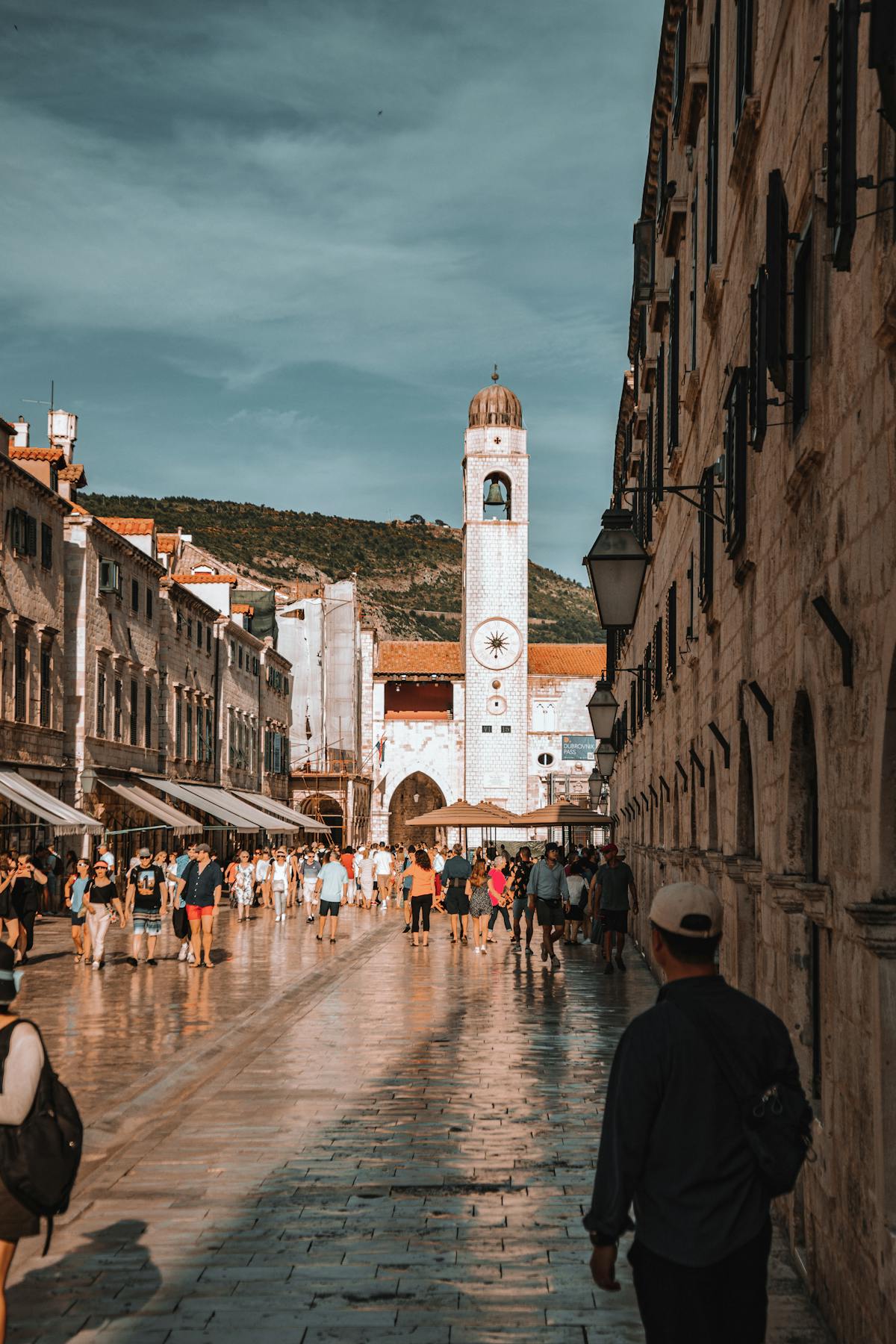
Dubrovnik is the kind of city that looks fake. You walk through the Pile Gate, step onto the polished limestone of the Stradun, and the whole scene — terracotta roofs, stone towers, the Adriatic glittering behind the harbour — feels like somebody built it specifically for photographs. They did not. People have been living here since the 7th century, and the city has survived earthquakes, sieges, and more recently, an invasion of Game of Thrones fans.
The crowds are real. Dubrovnik gets more cruise ship visitors per square metre than almost anywhere in the Mediterranean, and in July and August the Old Town can feel suffocating. But come in May, June, or September and it is a completely different city. The light is golden, the alleyways are quiet enough to hear your own footsteps, and you can actually enjoy the place rather than just survive it.
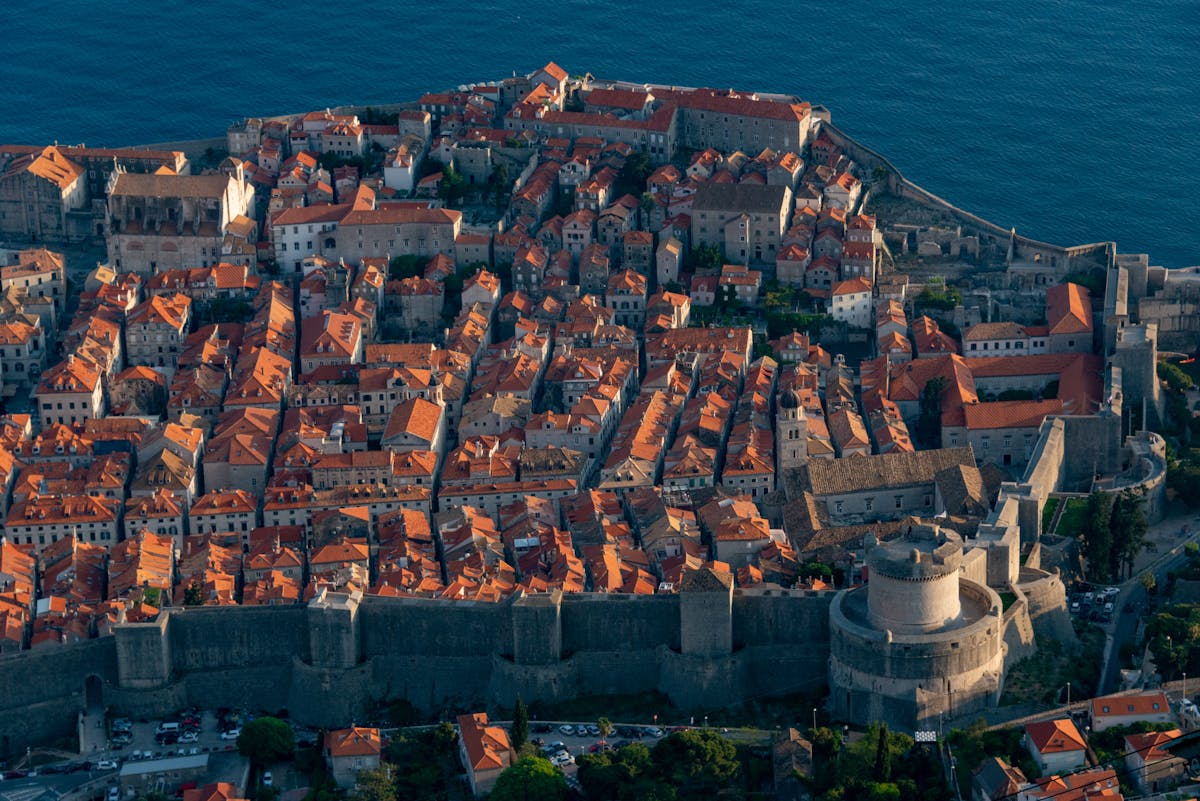
Here is what is actually worth doing in Dubrovnik, what you can skip, and how to avoid spending your entire trip standing in queues.
Walk the City Walls
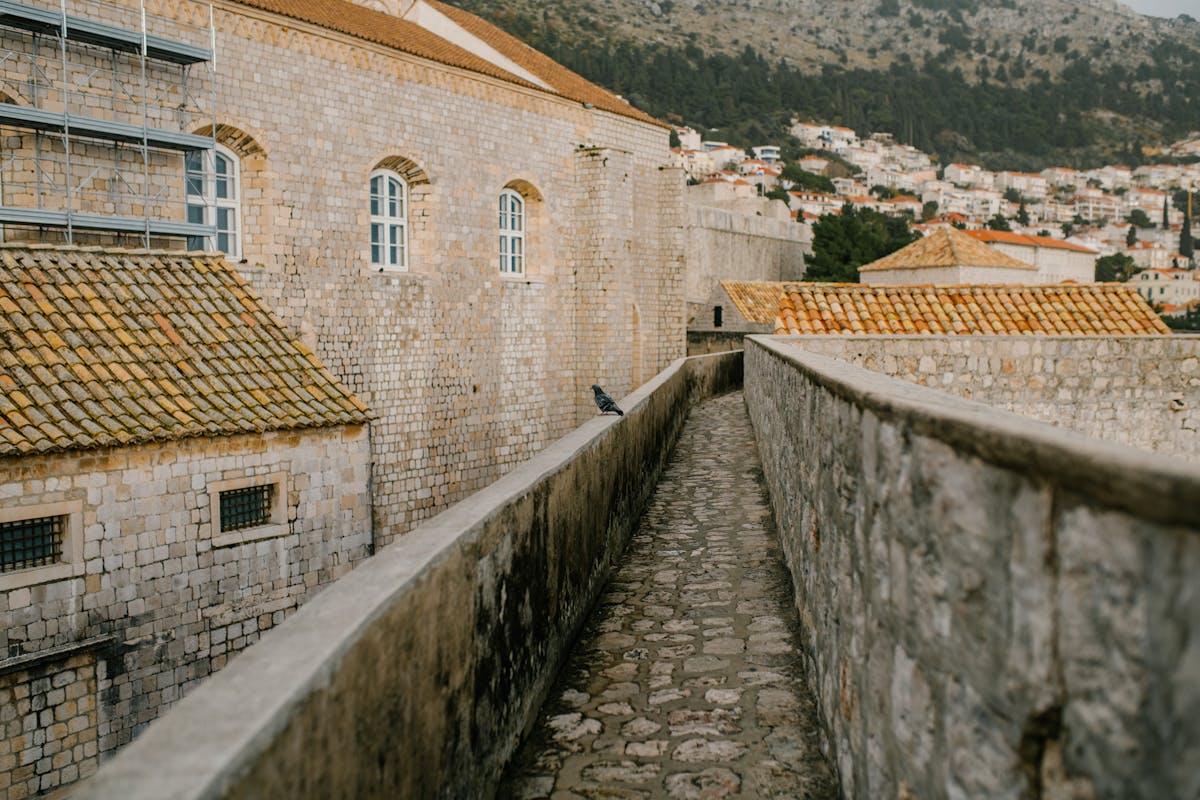
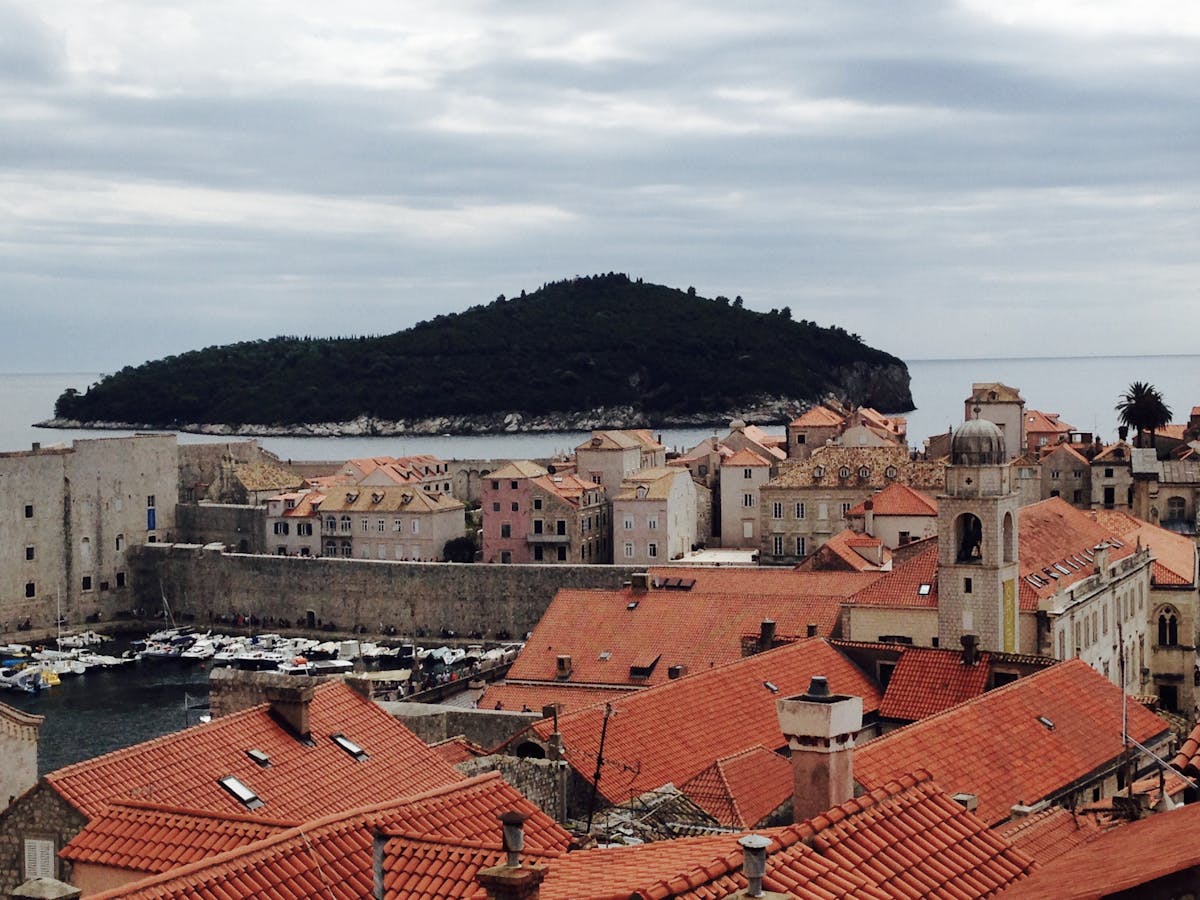
This is the one thing everyone tells you to do and they are right. The city walls are nearly two kilometres around, up to six metres thick, and offer the best views in Dubrovnik. You look down over the Old Town on one side and out to the Adriatic and Lokrum Island on the other. Every angle is absurd.
The walls date to the 9th century with major fortifications added in the 14th, and they are in remarkably good condition. Walking the full circuit takes roughly 90 minutes, though it can take longer if the crowds are thick (and they will be at midday in summer).
Practical details: tickets cost €35 in peak season, dropping to €15 between November and February. You can buy them at the entrance near Pile Gate — there is no need to pre-book as there is no daily limit. The walls open at 8am in summer, and that is when you should go. By 10am the path gets congested and the sun is brutal. Bring water and sunscreen — there is minimal shade up there.
Is it worth €35? Honestly, yes. It is expensive by Croatian standards but the experience is unique. You cannot see Dubrovnik like this from anywhere else.
Get Lost in the Back Streets
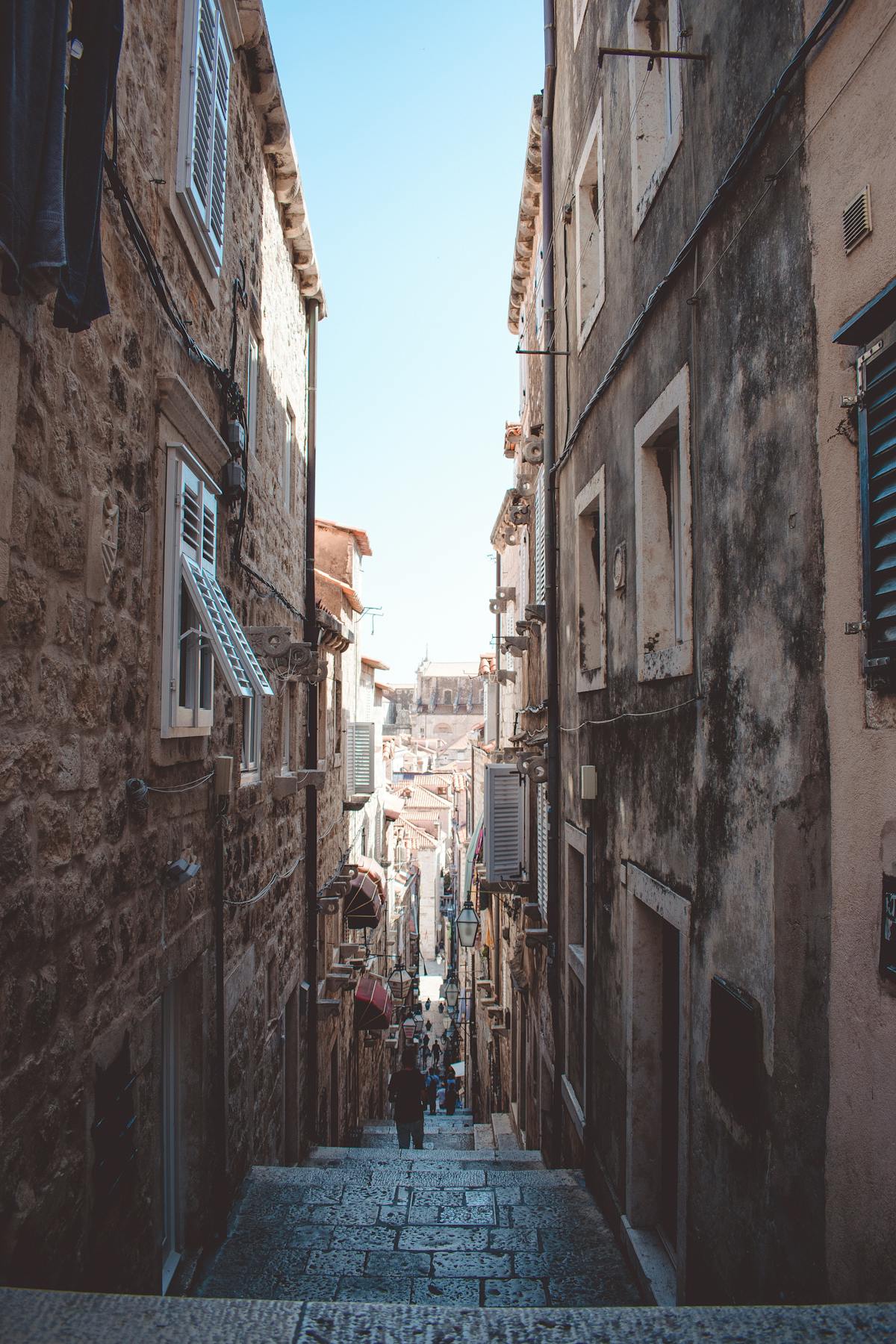
The Stradun (the main street) is beautiful but it is also where all the cruise ship passengers go. The real charm of Dubrovnik is in the side streets — narrow limestone alleys that climb steeply uphill from the main drag, connected by worn stone staircases that have been polished smooth by centuries of feet.
There is no specific route to recommend because the point is to wander. Turn into any alley heading uphill from the Stradun and you will find laundry hanging between buildings, cats sleeping on warm stone, tiny hole-in-the-wall bars, and views over rooftops that rival anything from the city walls.
The northern side of the Old Town (uphill from the Stradun toward Mount Srd) is steeper, quieter, and more residential. This is where locals actually live. The southern side drops toward the sea and has more restaurants and bars. Both are worth exploring.
One tip: look up. Many of the doorways and windows have carved stone details — coats of arms, dates, decorative flourishes — that most visitors walk right past because they are staring at their phones.
Walk the Stradun
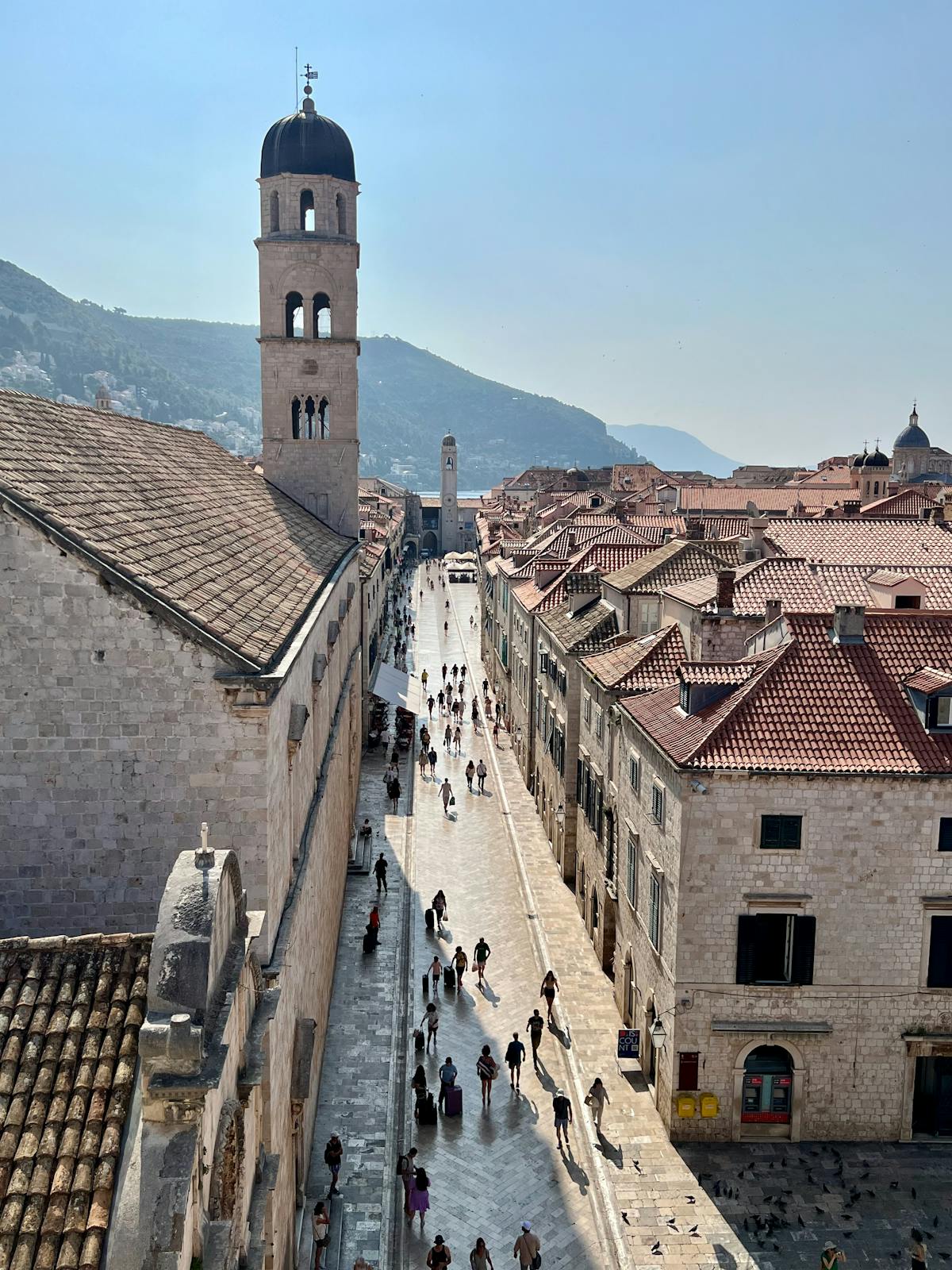
The Stradun (also called the Placa) is Dubrovnik’s main pedestrian street, running the length of the Old Town from Pile Gate to the Old Port. It is about 300 metres long, paved in polished limestone that gleams in the sun, and lined with baroque architecture that is almost absurdly symmetrical — every building has identical windows and doors, a quirk of post-earthquake rebuilding rules from the 17th century.
At the Pile Gate end, you will find the Large Fountain of Onofrio, built in the 1440s as part of the city’s water supply system. At the other end is the Clock Tower, Sponza Palace, and the Church of St. Blaise. Walk it twice — once during the day when it is busy and full of energy, and once late at night when it is empty and lit by street lamps. It is a completely different experience.
The cafes along the Stradun are overpriced (expect €4-5 for an espresso) but sitting there with a coffee watching the parade of travelers and locals is part of the Dubrovnik experience. Pay the premium once, then find cheaper options in the side streets.
Take the Cable Car Up Mount Srd
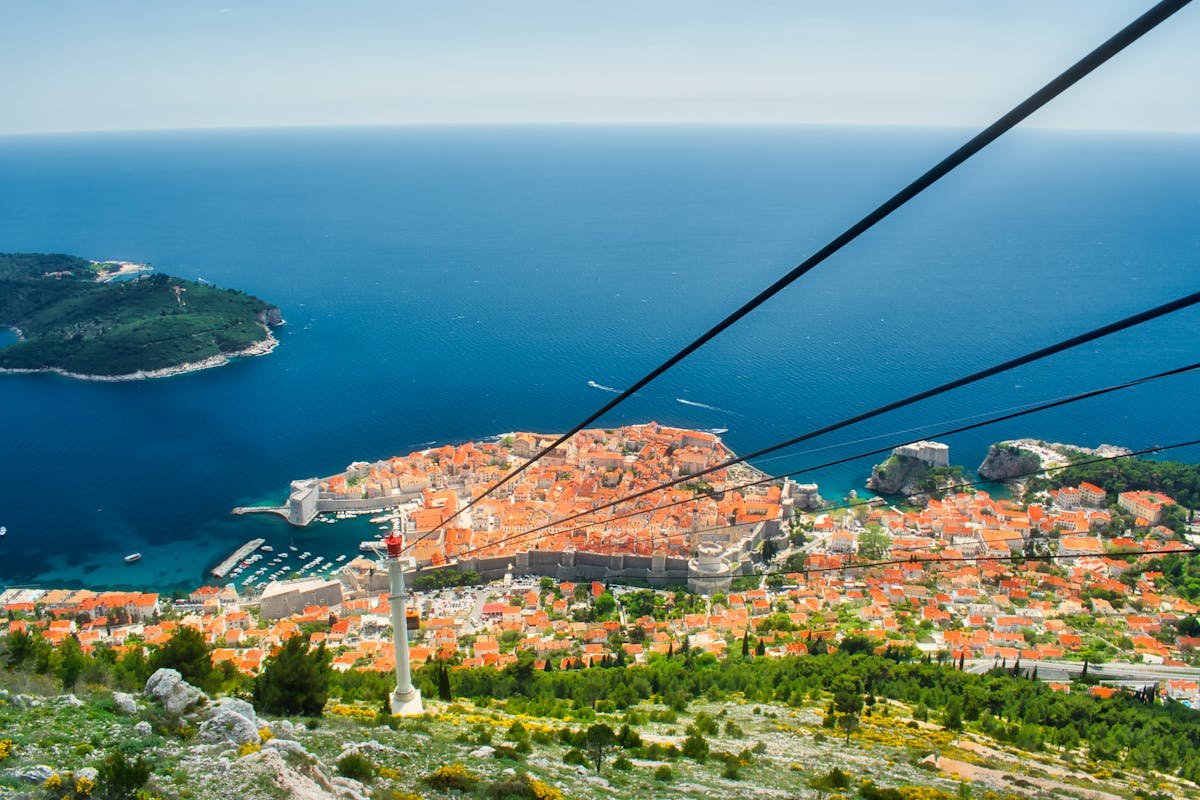
The Dubrovnik Cable Car runs from a station just outside the Ploce Gate up to the summit of Mount Srd (412 metres). The ride takes about four minutes and the view from the top is the single best panorama of Dubrovnik.
From the summit, you can see the entire Old Town, the harbour, Lokrum Island, the Elafiti Islands, and on a clear day, the coastline stretching south toward Montenegro. It is the kind of view that makes you understand why Dubrovnik became so famous. The ride costs around €27 return (€17 one-way) and runs throughout the day.
At the top there is a restaurant, a souvenir shop, and the remains of Fort Imperial, a Napoleonic-era fortress that now houses a small museum about the 1991-92 siege of Dubrovnik. The museum is sobering and worth visiting — it puts the city’s beauty in a different context when you learn that the red rooftops you are admiring were mostly rebuilt after being shelled.
If you are feeling energetic, you can hike up instead of taking the cable car (about an hour via the zigzag path) and take the cable car down. The path starts near the Buza Gate on the northern city wall. Bring water — the trail is exposed and hot in summer.
Visit Lokrum Island
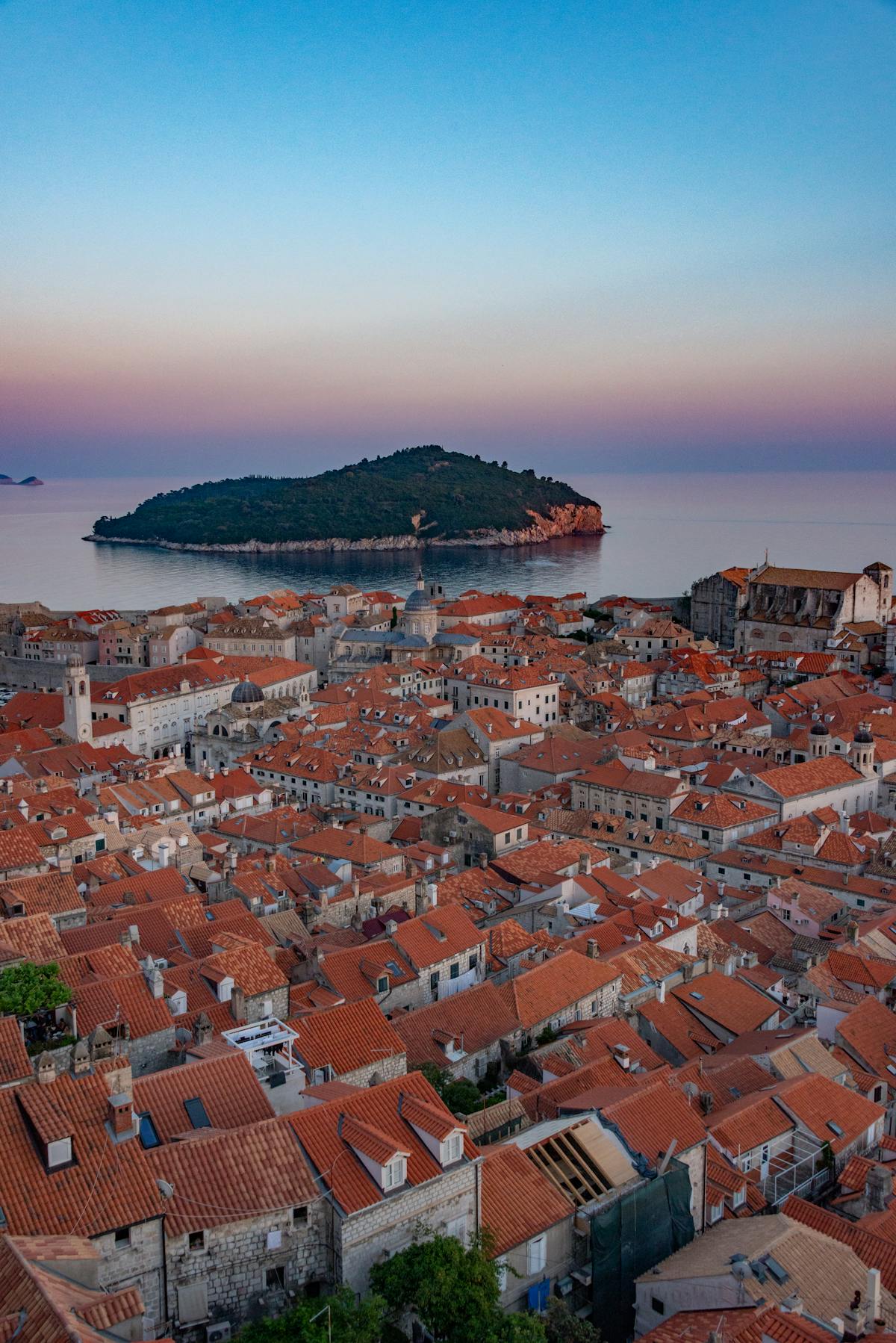
Lokrum is a small island just offshore from Dubrovnik’s Old Port, and it is one of the best half-day trips you can take. Ferries leave every 30 minutes in summer and the crossing takes about 15 minutes. Return tickets cost around €20.
The island is a nature reserve — nobody lives there permanently — and it is covered in dense Mediterranean forest, walking trails, and rocky swimming spots. The highlight is the Dead Sea (Mrtvo More), a small saltwater lake in the centre of the island connected to the sea by an underground channel. The water is warm, shallow, and perfectly sheltered.
There is also an 11th-century Benedictine monastery (now a museum and restaurant), a botanical garden started by the Habsburgs, and Fort Royal, a Napoleonic-era fortress at the island’s highest point with views back toward Dubrovnik. And yes, there are peacocks everywhere. They roam the island freely and are not even slightly afraid of people.
Bring a towel and swimsuit. The rocky beaches on Lokrum are cleaner and less crowded than anything in Dubrovnik proper, and the snorkelling is decent. There are a couple of cafes on the island but bringing your own food and water is a good idea.
Kayak Along the City Walls
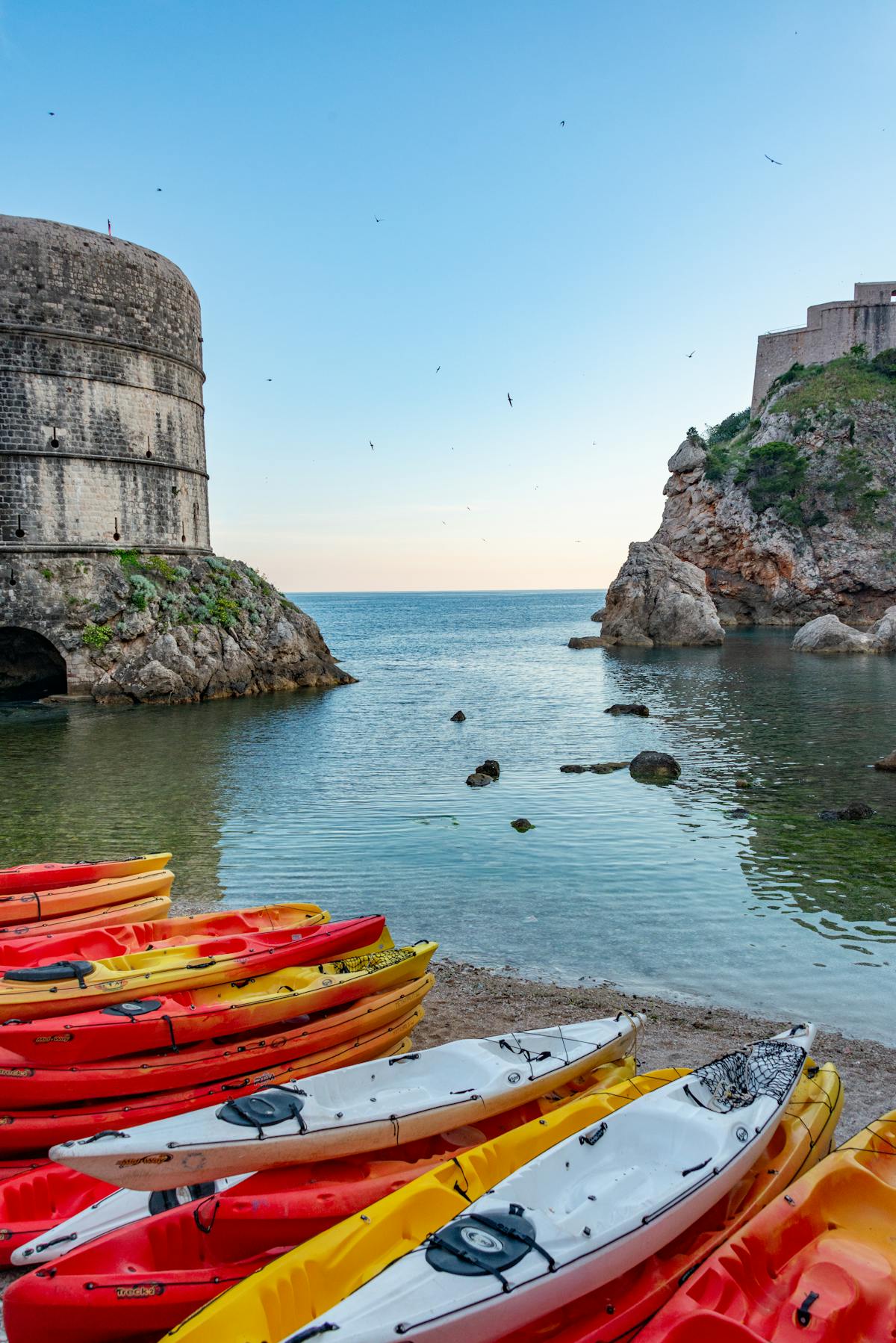
Seeing Dubrovnik from the water is a completely different experience from seeing it on land. Sea kayaking tours run from Pile Bay, paddling along the base of the city walls and around to Banje Beach and Lokrum Island. Most tours include a swimming stop and a snack break at a beach cave.
The standard tour takes about three hours, costs €35-45 per person, and runs in the morning or at sunset. The sunset option is spectacular — paddling past the illuminated walls as the sky turns orange is one of those experiences that actually lives up to the Instagram photos.
You do not need experience. The kayaks are stable sit-on-top tandems and the guides handle the navigation. The only requirement is being able to swim. If the wind picks up (the bora can be unpredictable), tours may be cancelled, so book early in your trip in case you need to reschedule.
Explore the Forts
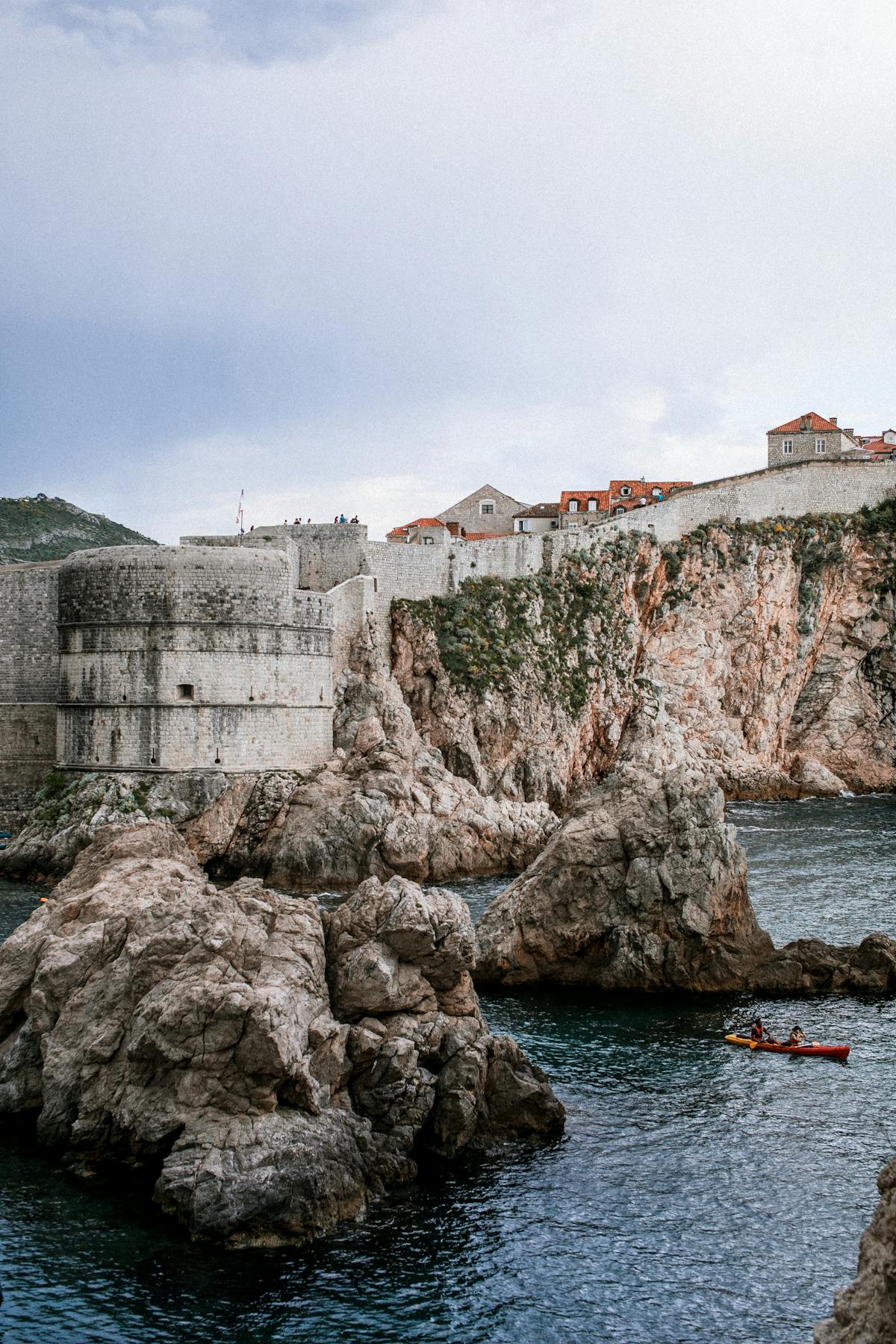
Dubrovnik has several fortresses beyond the main walls, and two are particularly worth visiting:
Fort Lovrijenac sits on a cliff just west of the Pile Gate, separate from the main walls. It was built in the 11th century to defend the western approach to the city and is massively thick-walled — the exterior walls facing the sea are 12 metres thick. Game of Thrones fans will recognise it as the Red Keep. Entry is included with your city walls ticket, so do not skip it. The views from the top are some of the best in Dubrovnik.
Fort Revelin guards the eastern entrance to the Old Town near the Ploce Gate. Built in the 16th century, it is the largest fortress in Dubrovnik and now serves multiple purposes — part of it is a nightclub (Culture Club Revelin, one of the better clubs on the Croatian coast), and part houses exhibitions. The rooftop terrace has views over the Old Port.
The Fort of St. John, at the southeast corner of the harbour, houses a maritime museum and a small aquarium. Neither is spectacular but they are decent rainy-day options, and the fort itself is impressive from the outside — especially when viewed from the city walls above.
Eat and Drink Like a Local
Dubrovnik is the most expensive city in Croatia for food and drink, but you can eat well without bankrupting yourself if you know where to look.
Skip the restaurants on the Stradun and the Old Port waterfront — they charge premium prices for mediocre food aimed at cruise ship day-trippers. Instead, walk into the residential streets uphill from the main drag. The difference in price and quality is immediate.
A few things worth trying:
- Fresh seafood — grilled catch of the day is a staple. Ask what is fresh today rather than ordering from the menu. Check the price per kilo before ordering — some restaurants are vague about fish pricing on purpose.
- Black risotto (crni rižot) — made with cuttlefish ink. It looks alarming and tastes incredible. A good version should be creamy, slightly briny, and stain your teeth for the rest of the evening.
- Burek — flaky pastry filled with cheese, meat, or spinach. Available from bakeries for €2-3. The best cheap breakfast in Croatia.
- Local wine — Dubrovnik is surrounded by vineyards. Try Plavac Mali (red) or Pošip (white), both grown on the nearby Pelješac Peninsula. A glass at a bar runs €3-5, compared to €8-10 for anything imported.
For a proper Croatian food experience outside the tourist zone, walk to the Gruž neighbourhood (20 minutes from the Old Town or a short bus ride). The green market there is the real thing — locals doing their daily shopping — and the restaurants nearby serve honest food at honest prices.
Practical Tips for Dubrovnik
When to visit: May, June, and September are the sweet spot. July and August are crowded and expensive. October is hit-or-miss with weather but peaceful. Winter is quiet and atmospheric but many restaurants and tours shut down.
How many days: Two full days is enough to see the Old Town, walk the walls, visit Lokrum, and eat well. Three days lets you add a kayak tour and a day trip (Cavtat, Ston, or the Elafiti Islands). More than three days in Dubrovnik itself is not necessary unless you are the kind of person who likes to settle into a routine.
Getting around: The Old Town is pedestrian-only and small — you can walk from one end to the other in 15 minutes. Buses connect the Old Town to the rest of the city (Lapad, Gruž, the bus station). Uber and Bolt work in Dubrovnik and are generally cheaper than taxis.
Money: Croatia uses the euro. Cards are accepted almost everywhere in Dubrovnik but carry some cash for small purchases. See our guide to money in Croatia for ATM and tipping details.
Cruise ship days: When multiple cruise ships dock (check the Dubrovnik Port Authority website for schedules), the Old Town floods with thousands of day-trippers between 10am and 4pm. On these days, do the walls early, retreat to a beach or Lokrum midday, and return to the Old Town after 5pm when the ships leave.
Where to stay: Inside the Old Town is atmospheric but noisy and expensive. Lapad and Babin Kuk are quieter, cheaper, and connected to the Old Town by bus (15-20 minutes). Gruž is good value and near the ferry port. Avoid staying near the Pile Gate if you are a light sleeper — it is the main entry point and noisy until late.