
This article contains affiliate links. If you book through these links, I earn a small commission at no extra cost to you.
Hvar is Croatia’s most popular island and the one that gets the most extreme reactions. People either love it — the nightlife, the beach clubs, the lavender fields, the glamour — or find it too polished, too expensive, and too full of travelers. Both reactions are valid, but they usually come from people who only visited Hvar Town. The island is much larger and more varied than its most famous town, and the best parts are the ones that most visitors never see.
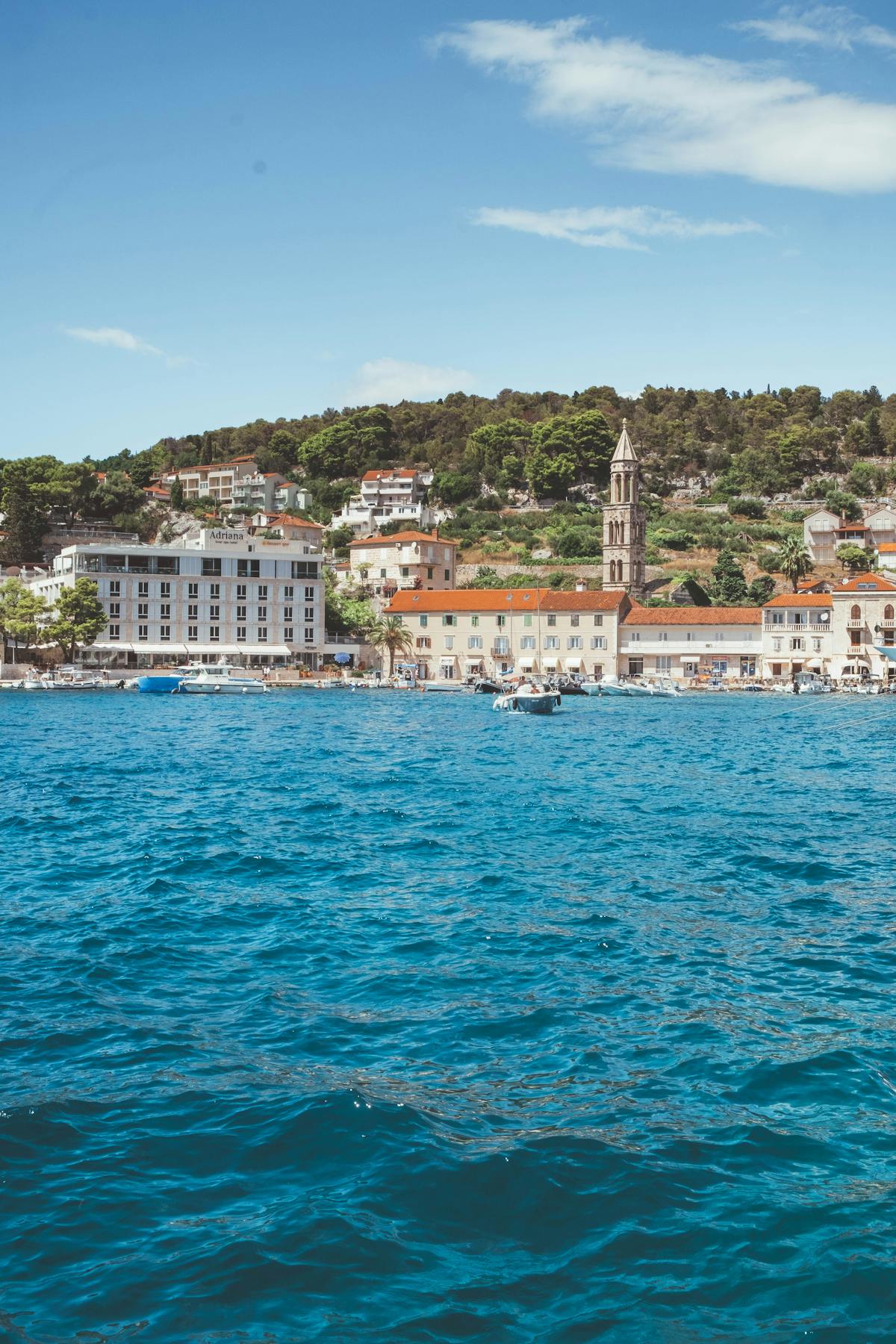
Hvar Town
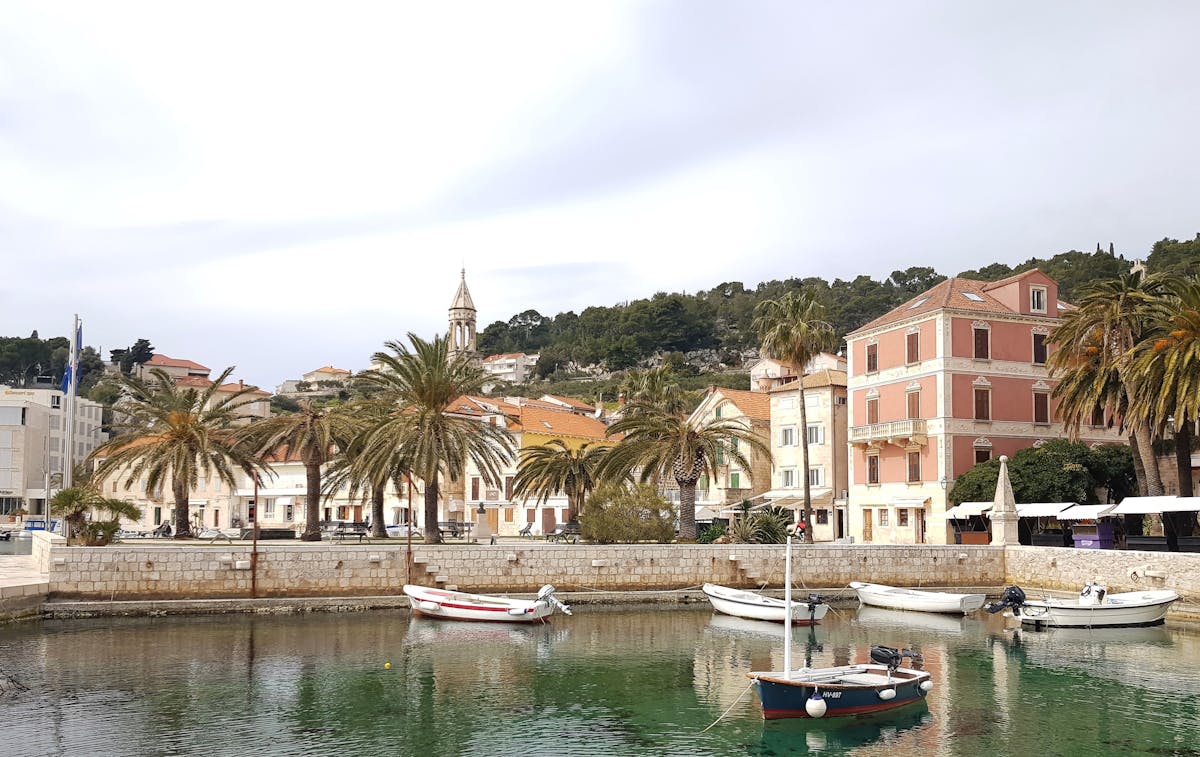
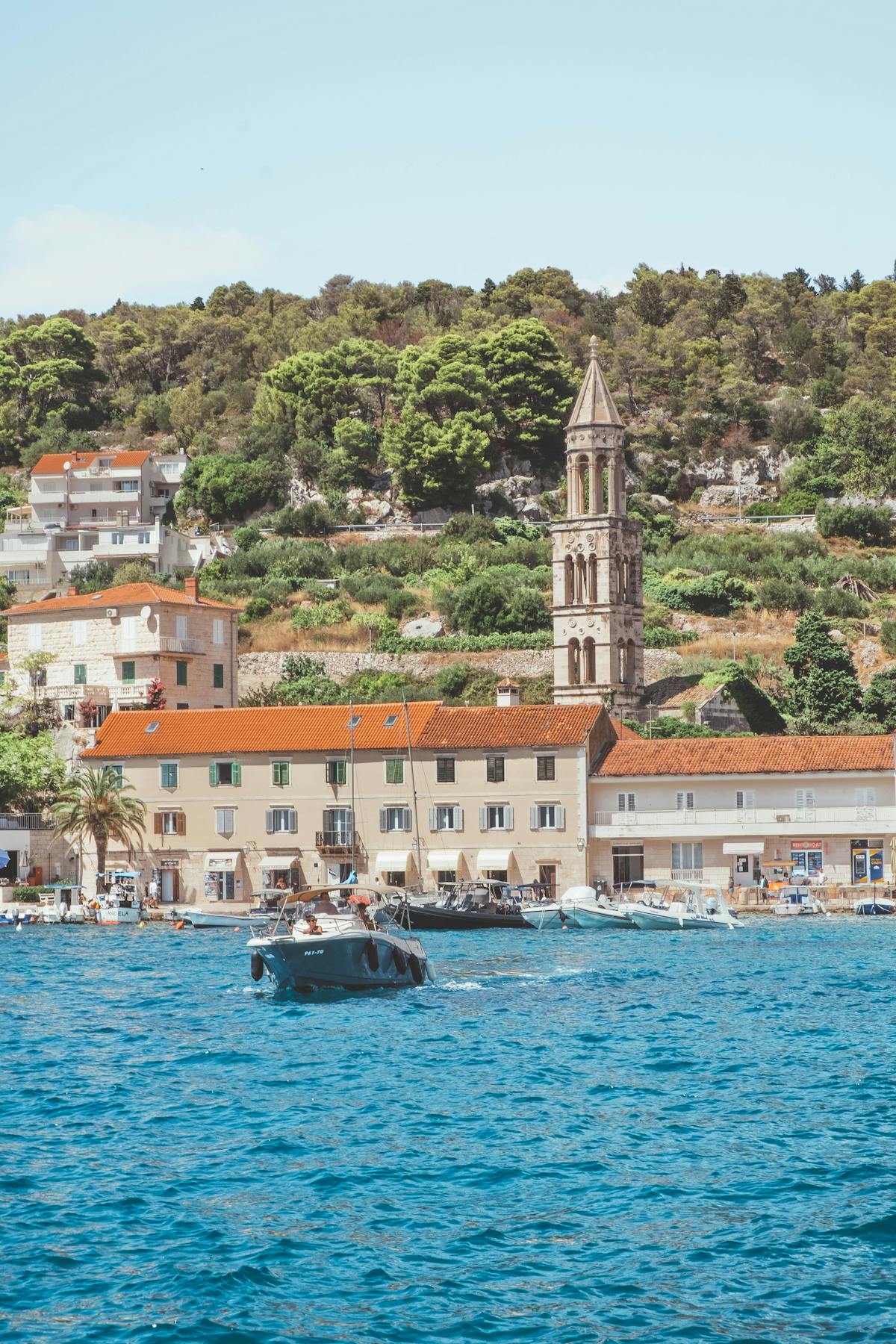
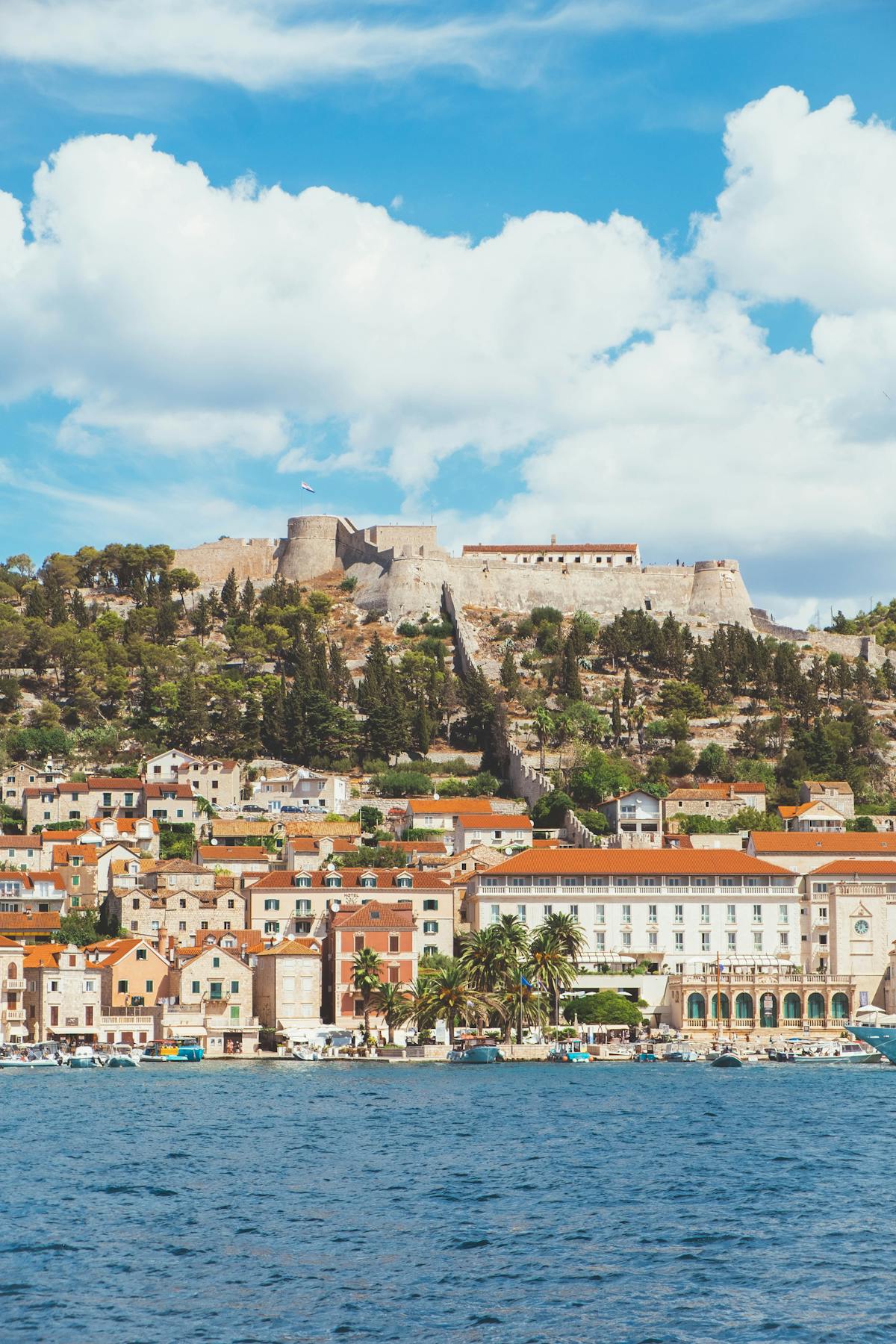
Hvar Town is the island’s main attraction and the destination for most visitors. It has a beautiful harbour lined with restaurants and bars, a large main square (St. Stephen’s Square — the largest in Dalmatia), a Venetian-era arsenal, and narrow stone streets climbing up to the Spanish Fortress above the town.
The Spanish Fortress (Fortica): A steep climb from the main square (about 20 minutes) rewarded by the best views on the island. From the top, you can see the Pakleni Islands, the harbour, and the surrounding coastline. Entry is about €8. Go at sunset.
St. Stephen’s Cathedral: A Renaissance cathedral on the main square with a distinctive bell tower. The interior is modest but the exterior is beautiful, especially when the square is illuminated at night.
Nightlife: Hvar Town is Croatia’s premier party island. Carpe Diem (on the waterfront) and Carpe Diem Beach (on Stipanska Island, a short boat ride away) are the most famous clubs. Hula Hula is a beach bar with sunset DJ sets that attracts a large crowd every evening. The nightlife scene runs from June to September.
The downside of Hvar Town: it is expensive. Hotel prices in July-August rival Dubrovnik. Cocktails run €10-15. Dinner for two can easily exceed €100. If budget matters, stay in Stari Grad or Jelsa and day-trip to Hvar Town.
Stari Grad
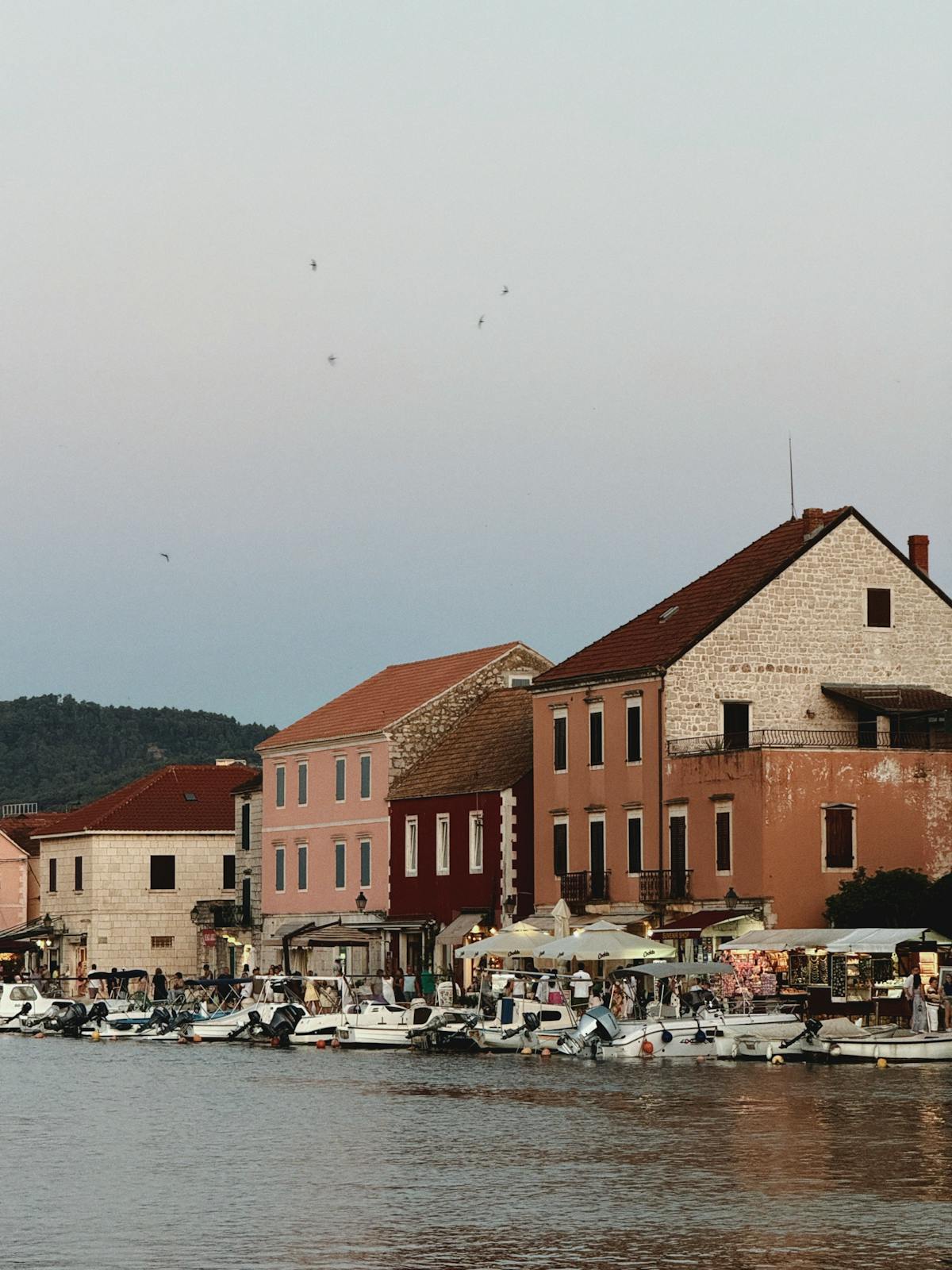
Stari Grad is where the main car ferry from Split arrives, and many visitors pass straight through to Hvar Town without stopping. This is a mistake. Stari Grad is one of the oldest continuously inhabited towns in Europe (founded as a Greek colony in 384 BC), and it has a charm that Hvar Town lost to tourism years ago.
The old town is a maze of narrow stone streets, small squares, and medieval buildings. The Tvrdalj (the fortified palace of 16th-century poet Petar Hektorović) has a garden with a fishpond that has been stocked with mullet continuously since the 1500s. The Stari Grad Plain — the UNESCO-listed agricultural landscape behind the town — has been farmed the same way for 2,400 years.
Stari Grad is quieter, cheaper, and more authentic than Hvar Town. It is also a better base if you are renting a car and exploring the whole island.
The Lavender Fields
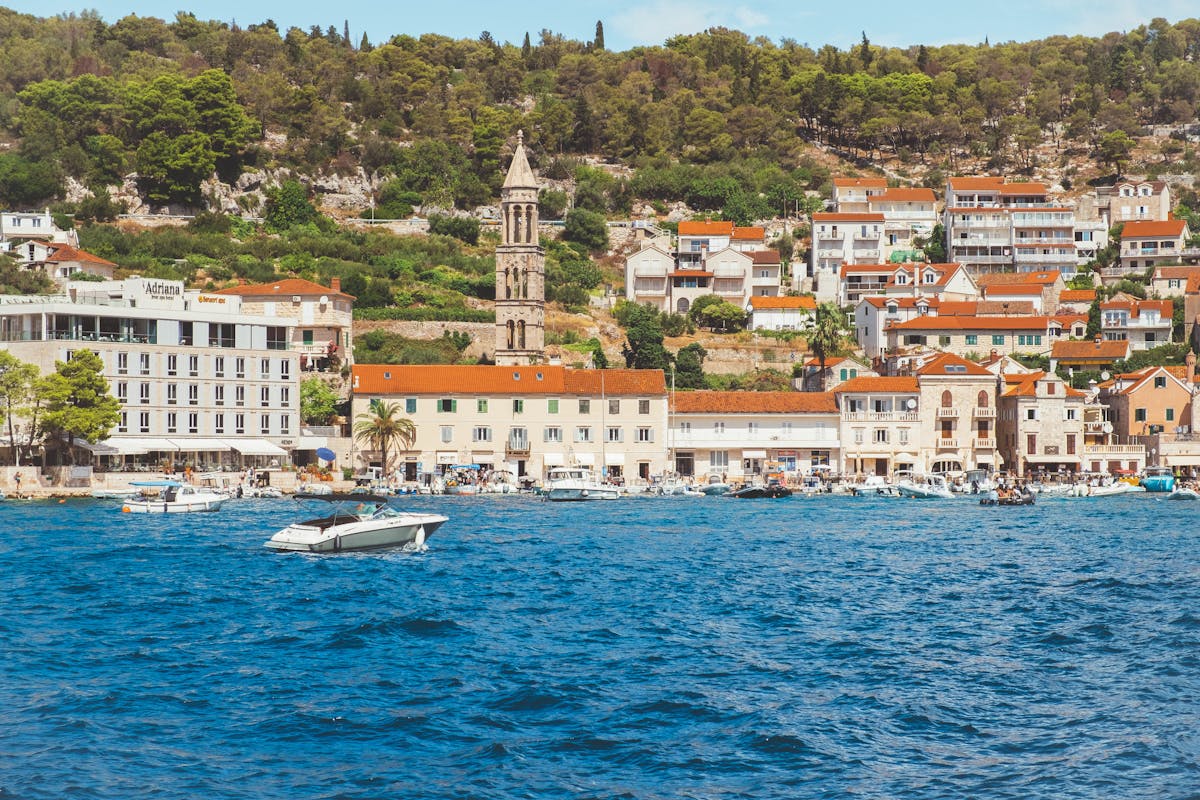
Hvar’s interior is covered in lavender, and in June when it blooms, the hillsides turn purple and the air smells incredible. The main lavender areas are around Velo Grablje and Brusje, two small villages in the hills above Hvar Town.
The Lavender Festival is held in late June in Velo Grablje. Lavender products — oil, soap, sachets, honey — are sold at stalls across the island throughout summer. They are the classic Hvar souvenir and genuinely high quality.
Beyond lavender, the interior has vineyards (Hvar produces excellent wine, particularly Plavac Mali), olive groves, and a network of trails connecting abandoned stone villages. Renting a scooter and exploring the interior for a day is one of the best things you can do on the island.
The Pakleni Islands
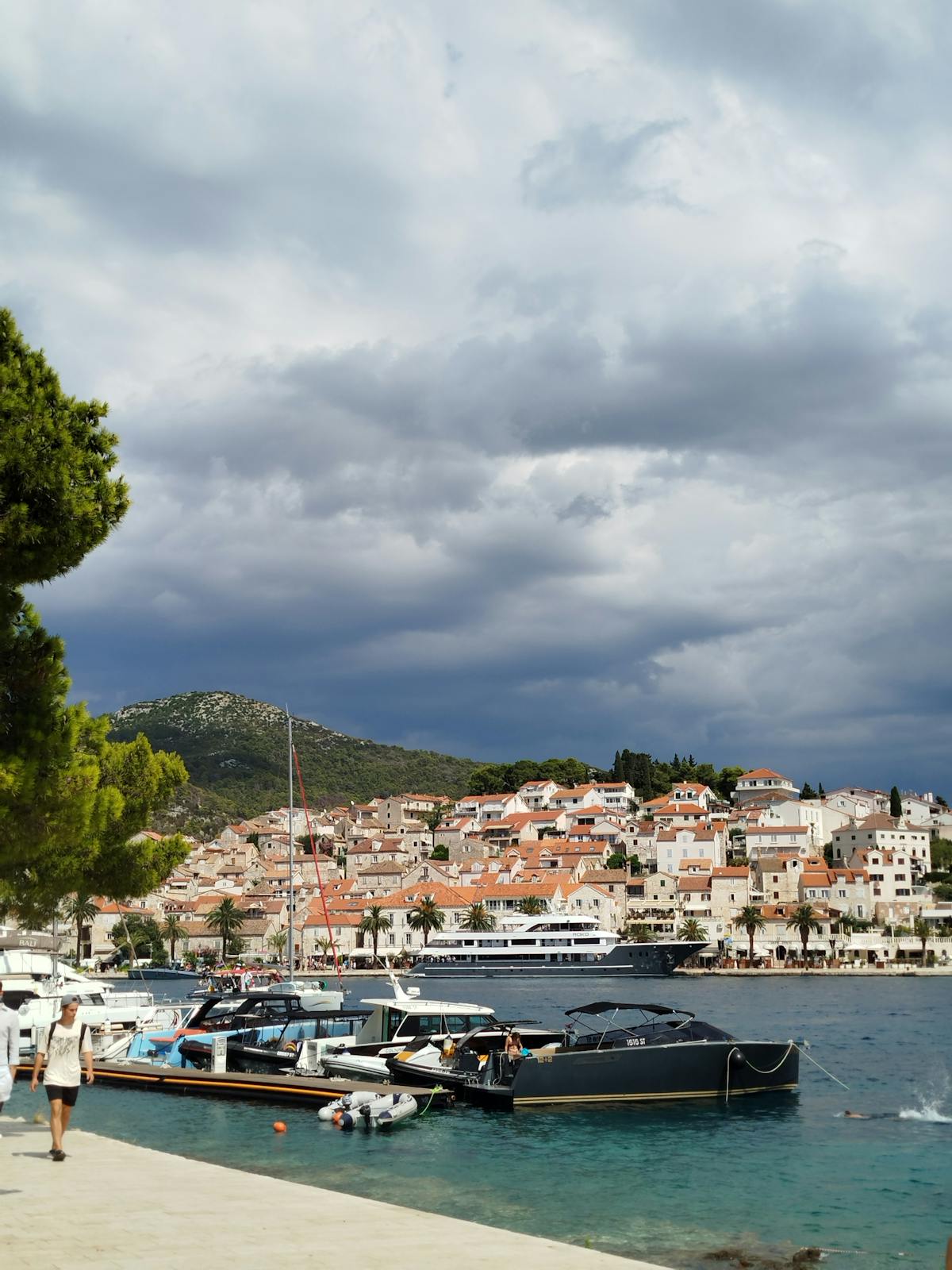
The Pakleni Islands (Paklinski Otoci) are a chain of small wooded islands just offshore from Hvar Town. Water taxis run from the harbour throughout the day (€10-15 return), and the islands have the best beaches and swimming spots near Hvar.
- Palmižana: The most developed island. A marina, restaurants, art galleries, and a botanical garden. Good for lunch and a swim.
- Zdrilca and Mlini: Rocky beaches, clear water, pine shade. Quieter than Palmižana.
- Carpe Diem Beach: The beach club island. DJ sets, cocktails, swimming pools. The party version of the Pakleni Islands.
Beaches
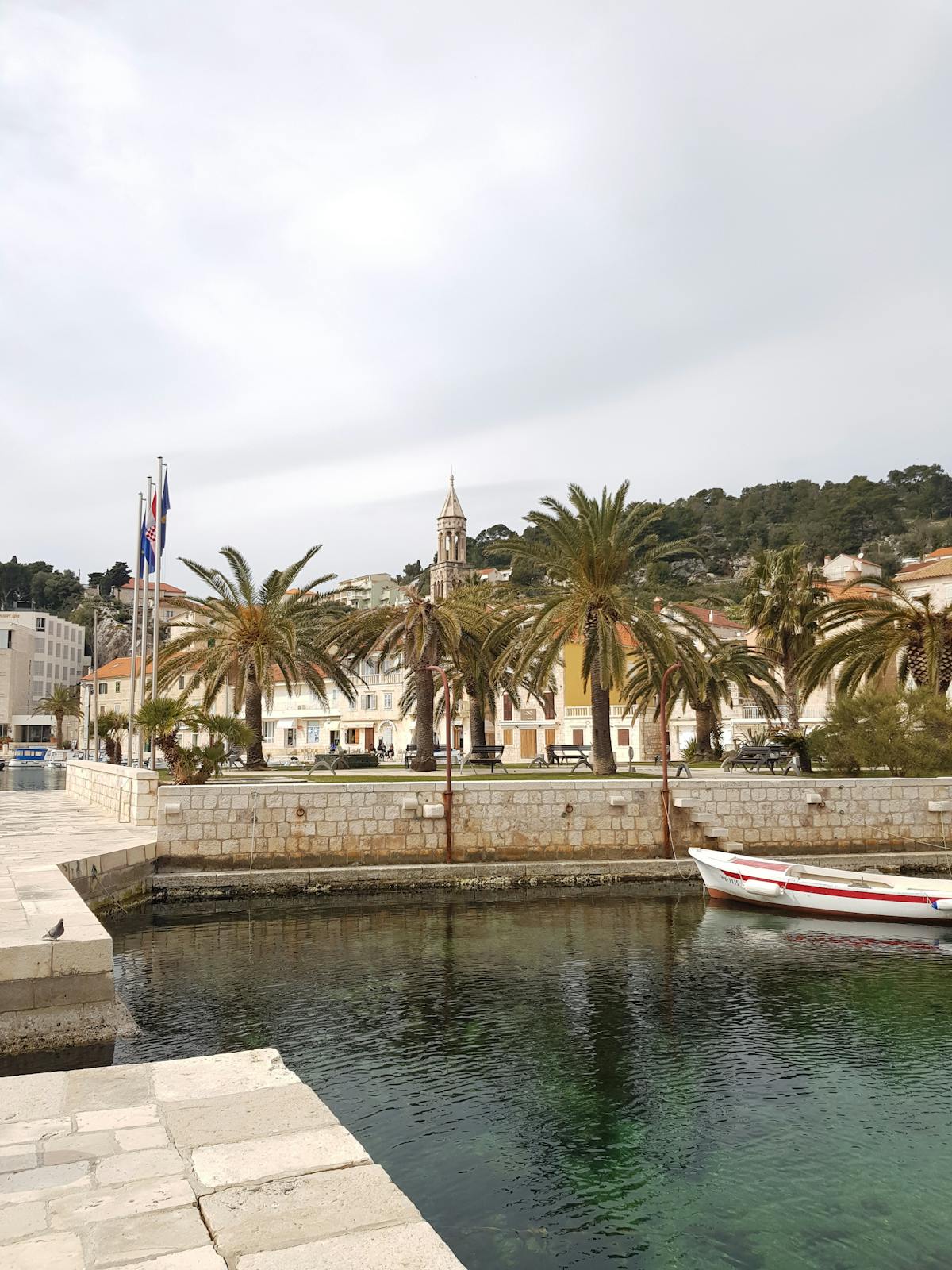
Hvar’s beaches are mostly pebble or rocky. The closest beach to Hvar Town is Pokonji Dol (a 20-minute walk east) — pebbly, popular, and backed by a beach bar. For something more secluded, the south coast of the island has remote coves reachable only by boat, scooter, or hiking trail.
Dubovica is the best beach on the island — a sheltered pebble bay on the south coast, reached by a winding road and steep stairs. The water is extraordinarily clear. There is a small beach bar in summer but bring your own water.
Food and Wine
Hvar’s food is Dalmatian with island touches — fresh seafood, olive oil, capers, and wild herbs. The island’s wine is excellent, particularly Plavac Mali reds and Ivan Dolac (a wine village on the south coast that produces some of Croatia’s best reds).
In Hvar Town, avoid the harbour-front restaurants (overpriced) and head into the back streets. Gariful (on the harbour, but worth the premium for seafood) and Konoba Menego (traditional Dalmatian, modest setting, excellent food) are both good.
In Stari Grad, Eremitaž and Antika are both reliable. For the best food experience on the island, drive to one of the inland konobas where the chef cooks whatever is fresh, the wine is local, and the prices are half what you would pay in Hvar Town.
Practical Tips
Getting there: Catamaran from Split to Hvar Town (1 hour, Krilo or Jadrolinija). Car ferry from Split to Stari Grad (2 hours, Jadrolinija). Book the car ferry in advance for summer.
How many days: 2-3 days minimum. One for Hvar Town and the fortress, one for the Pakleni Islands or south coast beaches, one for Stari Grad and the interior.
Getting around: Rent a scooter (€30-40/day) to explore the island. The bus service between Hvar Town, Stari Grad, and Jelsa exists but is infrequent. A car is useful if you want to reach the south coast beaches.
Money: Euro. Cards accepted in Hvar Town. Carry cash for smaller establishments and the Pakleni Islands.
When to visit: June for lavender and manageable crowds. July-August for nightlife and beach clubs (busy and expensive). September for warm water and fewer people. Hvar claims over 2,700 hours of sunshine per year — the sunniest island in Croatia.
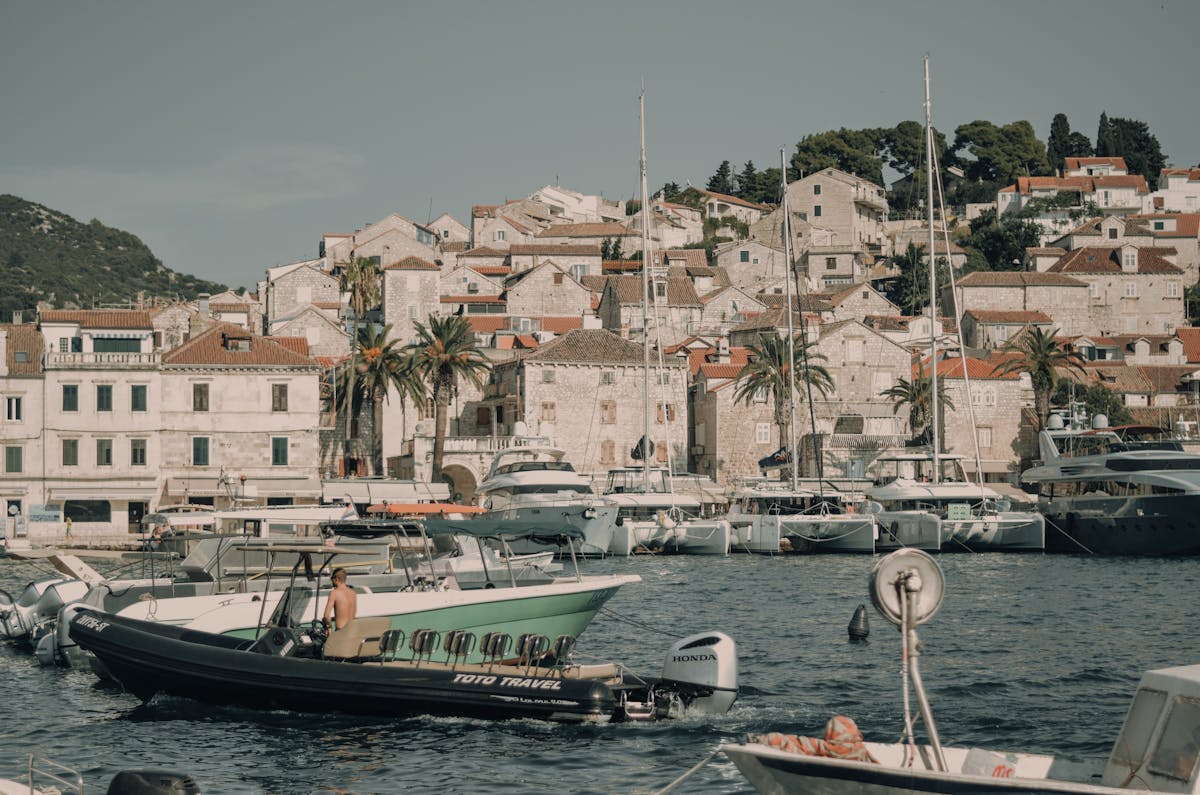
Hvar is a better island than its reputation suggests. Yes, the harbour scene in Hvar Town can feel like a Mediterranean Ibiza. But rent a scooter, drive into the interior, and you find lavender fields, abandoned stone villages, and hillside vineyards where the only sound is wind and cicadas. The island rewards exploration beyond the obvious, and the best parts are the ones you have to work a little to find.