
This article contains affiliate links. If you book through these links, I earn a small commission at no extra cost to you.
Split is the city that Dubrovnik wishes it still was. That sounds provocative, but hear me out. Both are walled Dalmatian cities built on the Adriatic, both have UNESCO status, and both draw massive tourist crowds. The difference is that Split still functions as a real city. People actually live inside Diocletian’s Palace — not as a museum piece, but as apartments, shops, and bars carved into 1,700-year-old Roman walls. You can buy groceries inside a Roman emperor’s retirement home. That is not something any other city in the world can claim.
Split is also the gateway to the islands. Ferries leave daily for Brač, Hvar, Vis, Šolta, and Korčula. If you are planning any sailing or island hopping, you will almost certainly pass through Split. And unlike Dubrovnik, where everything is aimed at travelers, Split has a locals-first energy that makes it feel authentic even at the height of summer.
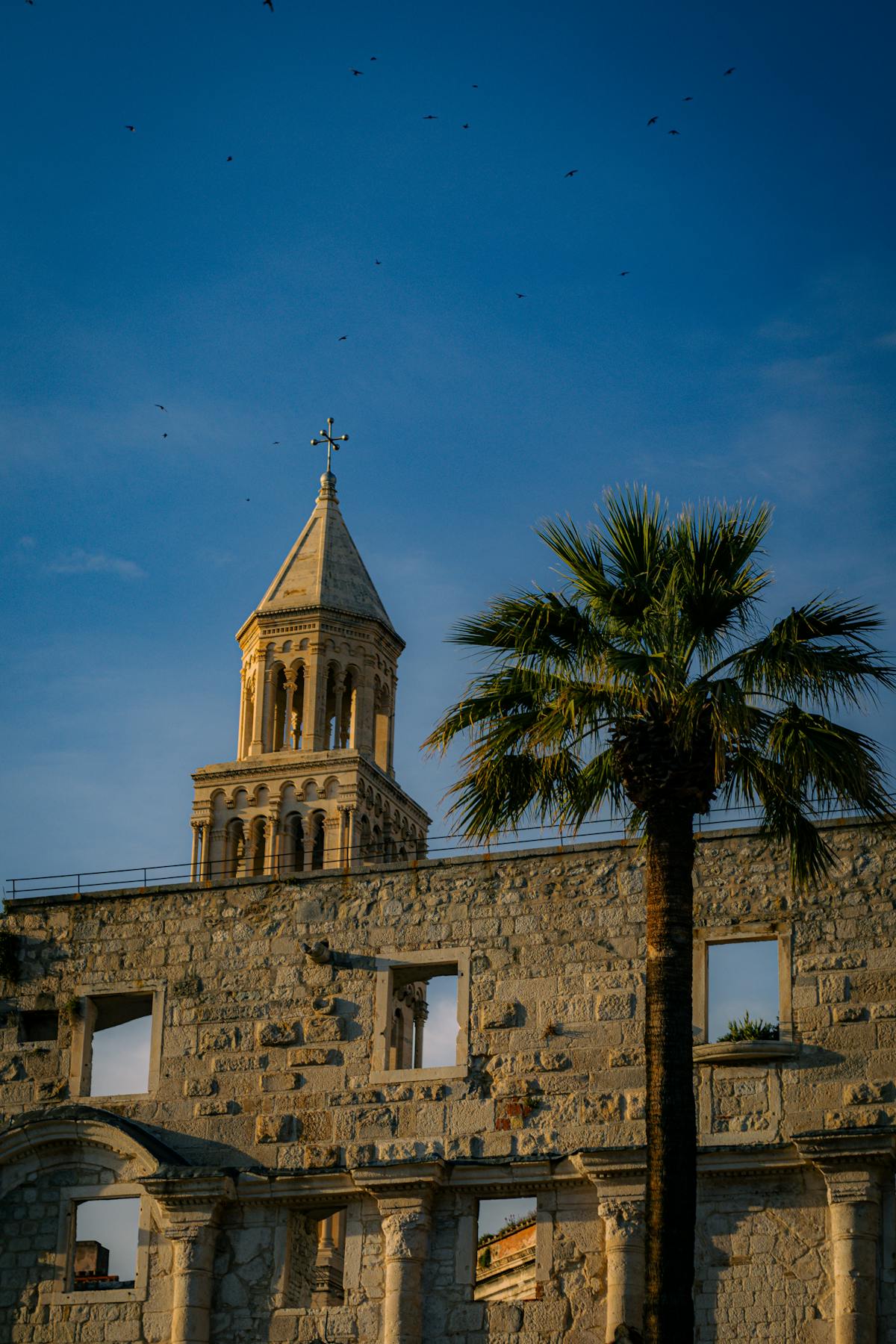
Explore Diocletian’s Palace
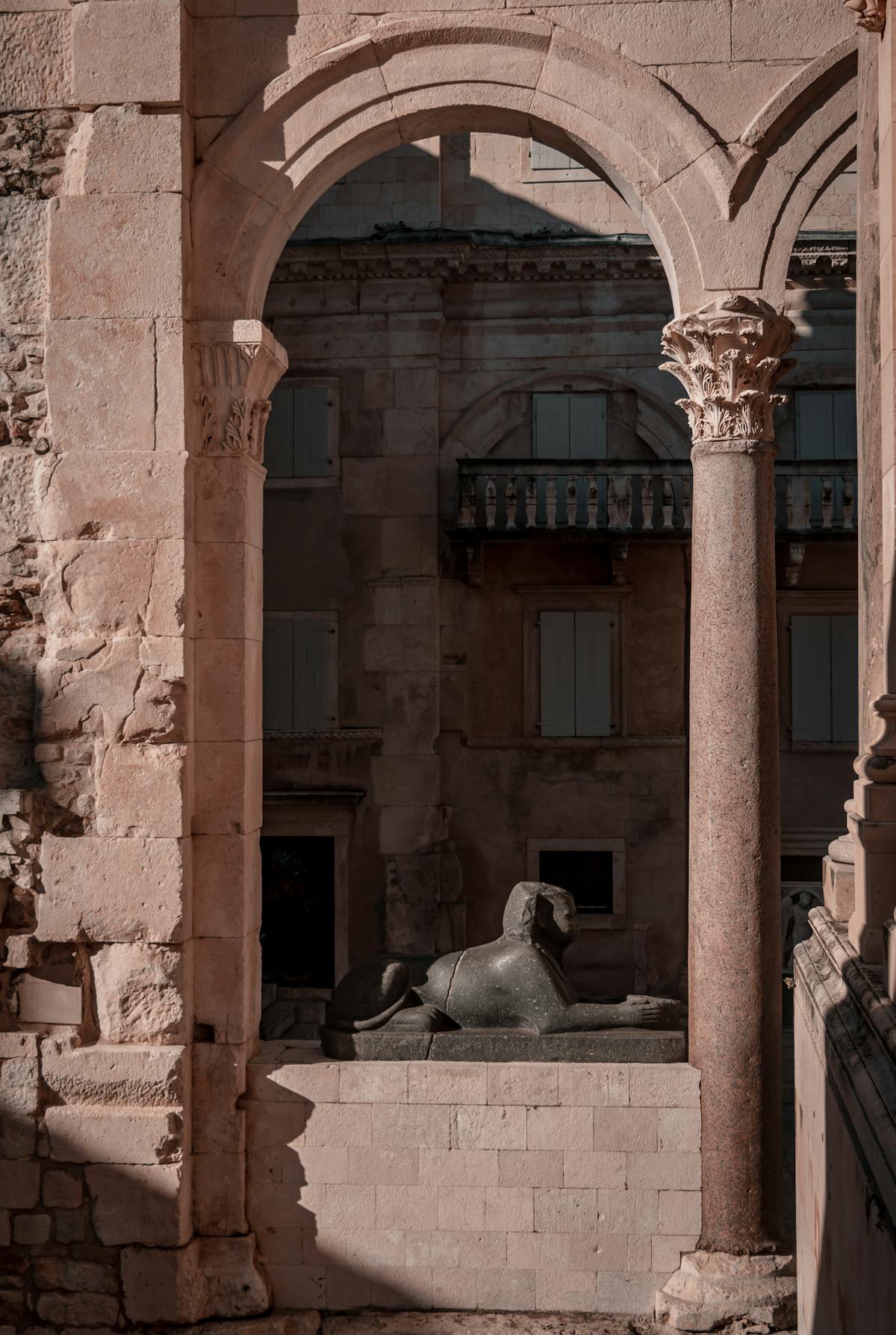
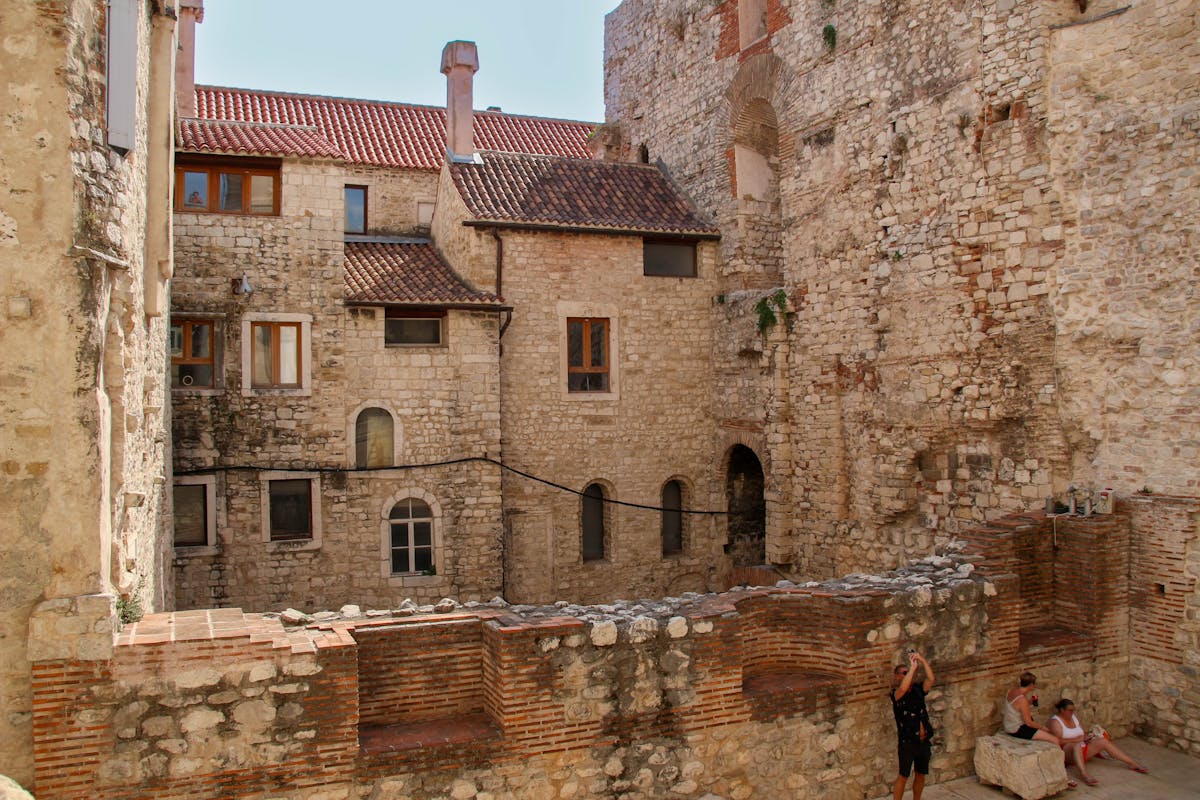
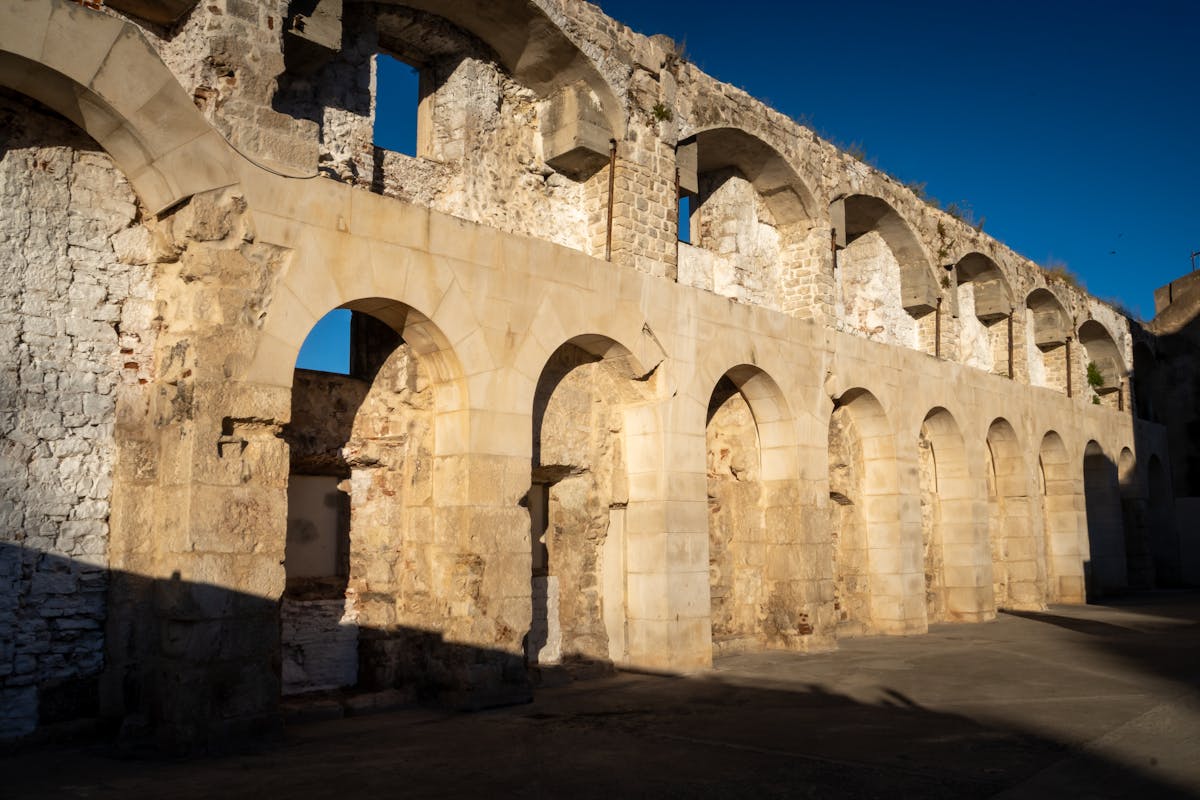
Diocletian’s Palace is not a palace in the conventional sense. It is more like a small walled city. Roman Emperor Diocletian built it around 305 AD as his retirement residence, and when the Roman Empire fell and refugees from nearby Salona flooded in, they turned the palace into a living town. That town became Split.
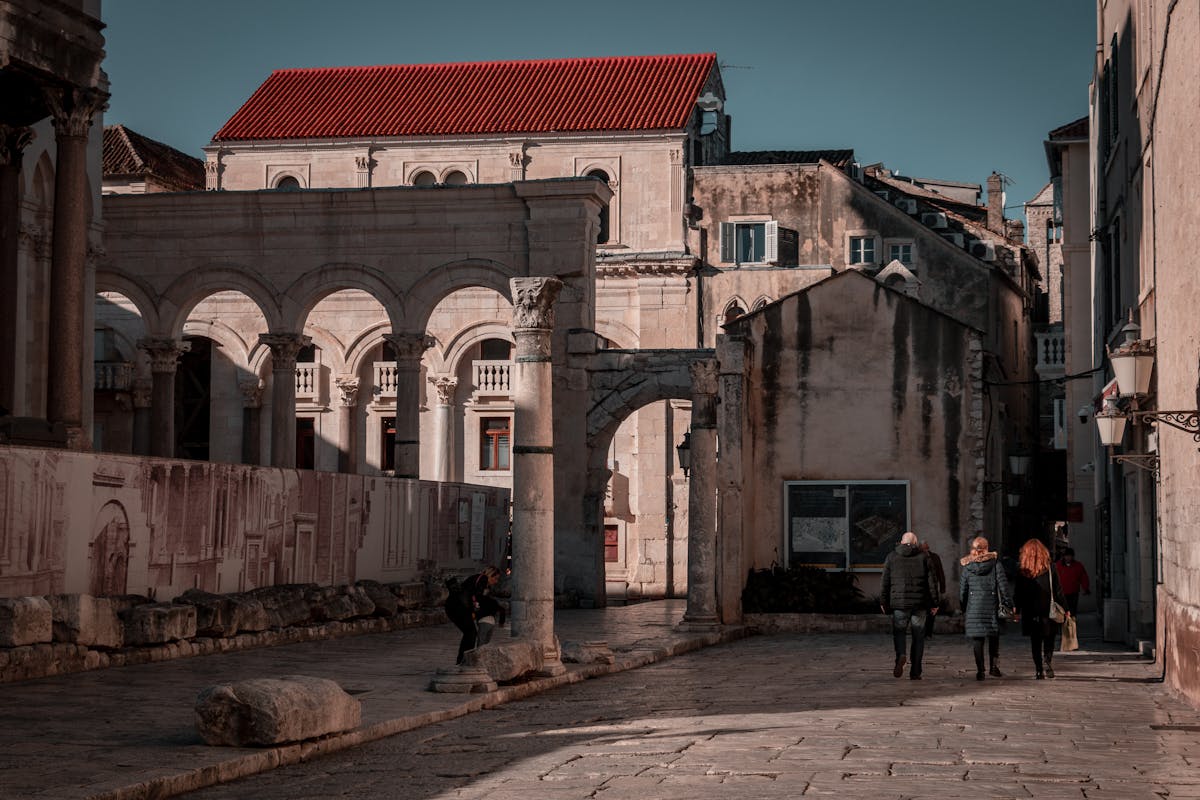
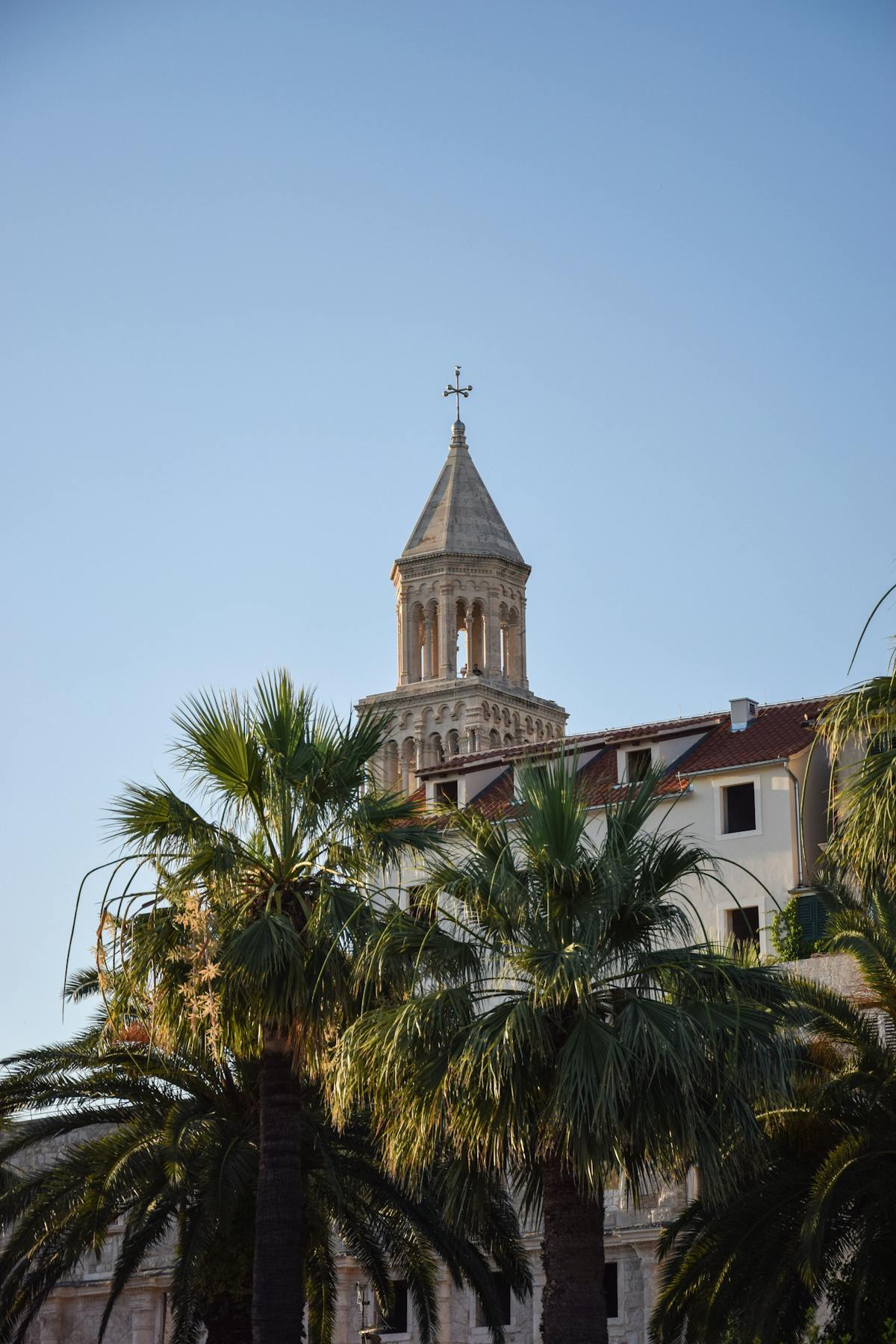
Today, the palace walls still define the heart of Split’s Old Town. Inside you will find the Peristyle (the original Roman courtyard, now flanked by cafes), the Cathedral of St. Domnius (converted from Diocletian’s mausoleum — possibly the world’s oldest cathedral still in continuous use), the Temple of Jupiter (now a baptistry), and a maze of narrow streets lined with restaurants, bars, and shops built into and between the Roman walls.
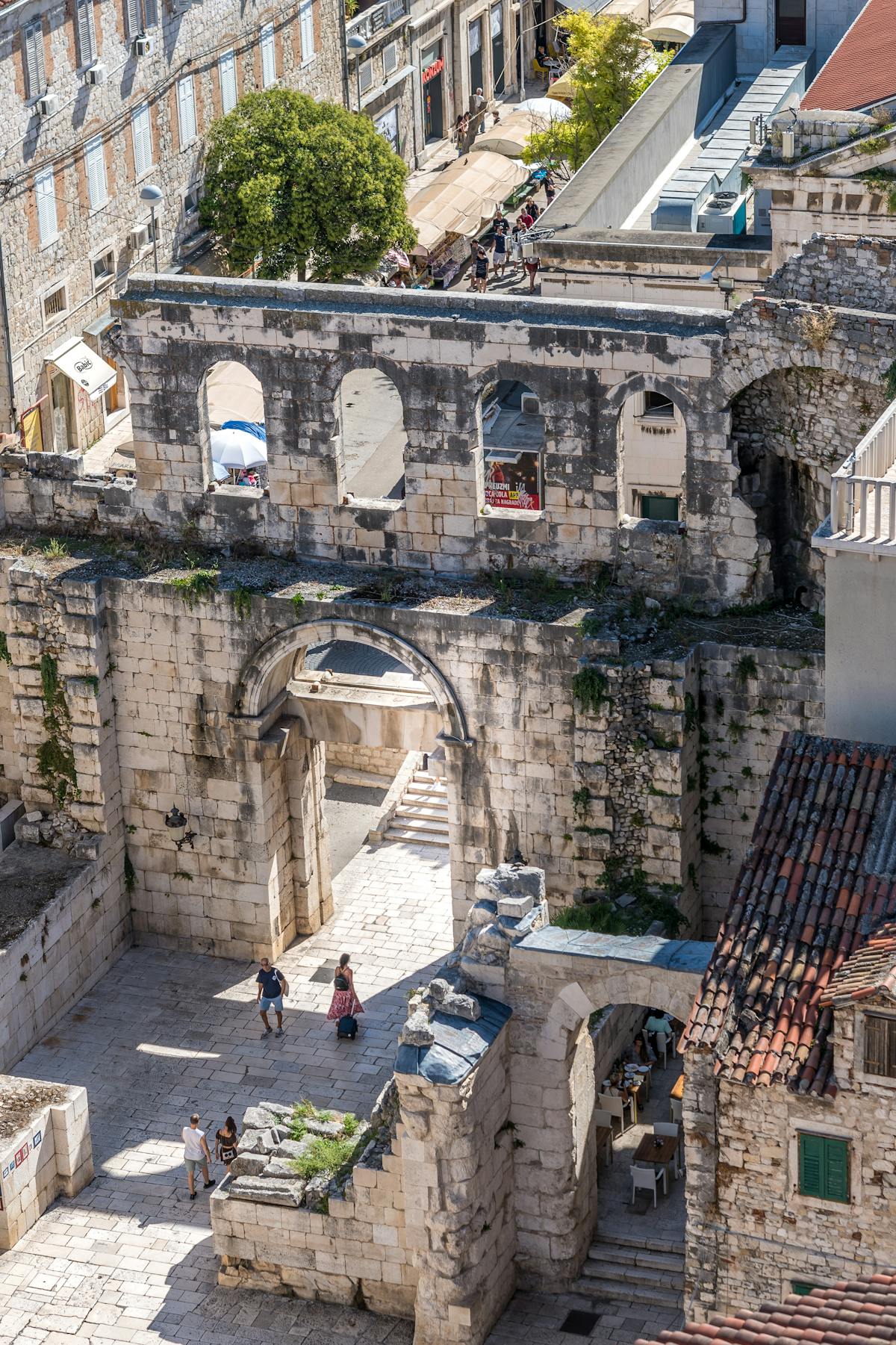
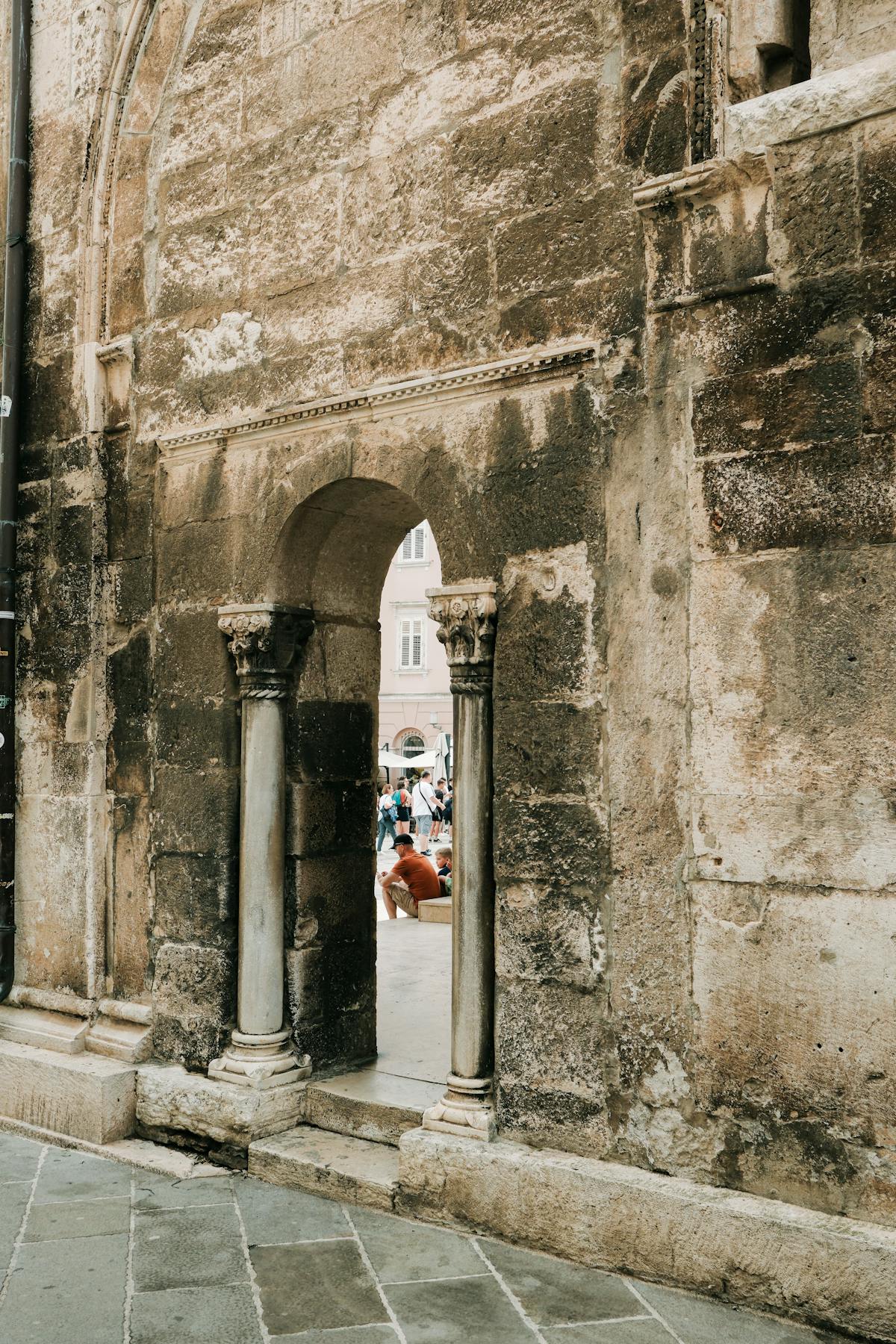
There is no ticket to enter the palace — you just walk in through one of the four gates. The Golden Gate (north), Silver Gate (east), Bronze Gate (south, facing the waterfront), and Iron Gate (west) are all open and free. Individual attractions inside — the Cathedral, the bell tower, the underground halls — charge small entry fees (€5-8 each).
The underground halls (Podrumi) are worth the entry fee. They mirror the layout of the palace above and give you a sense of the original scale of the building. They have also been used as a filming location for Game of Thrones (Daenerys’ throne room).
Walk the Riva
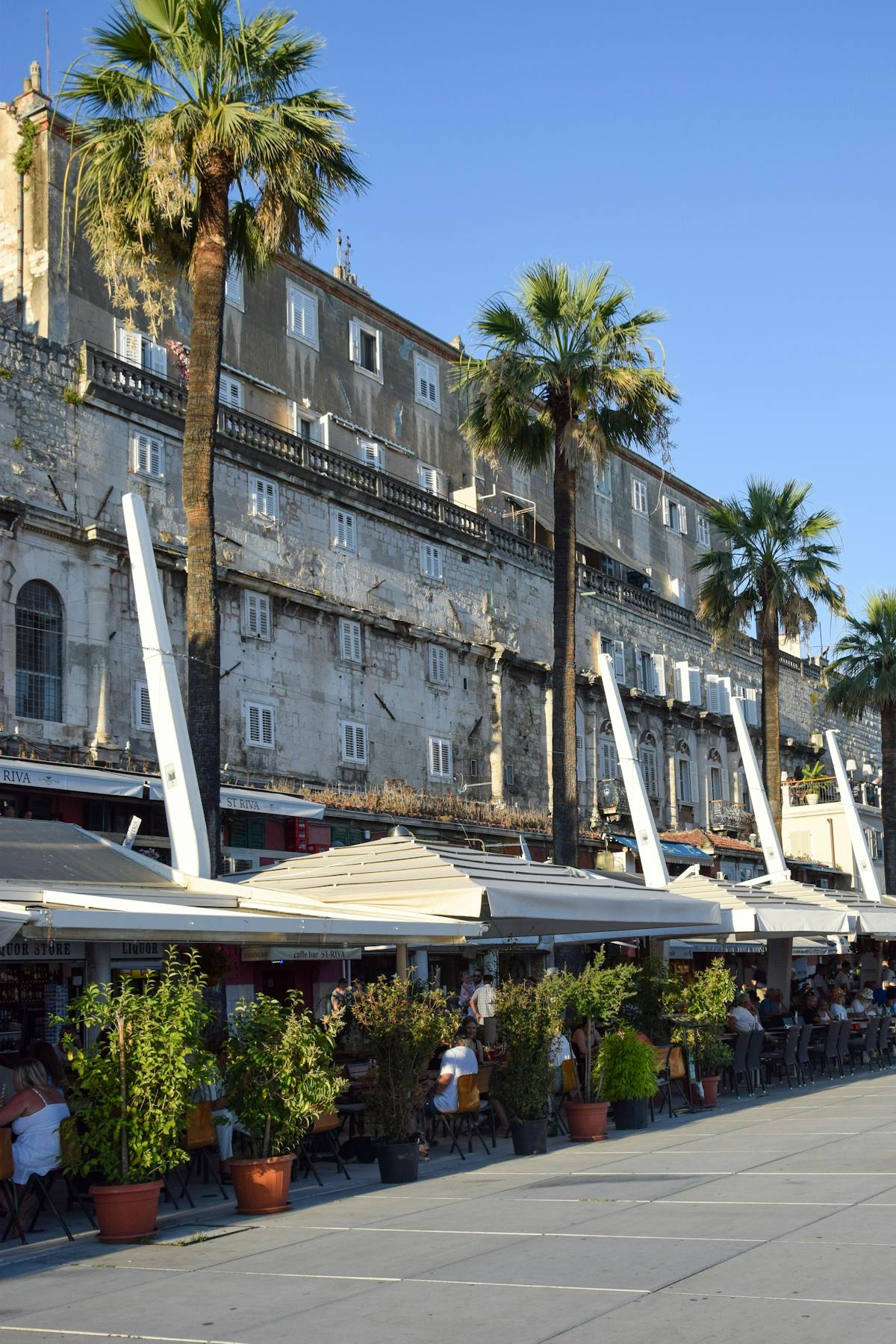
The Riva is Split’s seafront promenade, running along the south side of Diocletian’s Palace. It is a wide, palm-lined walkway with cafes on one side and the harbour on the other, and it is where the city comes to life. Locals use it as an outdoor living room — morning coffee, afternoon strolls, evening drinks.
Sit at one of the cafes (Luxor in the Peristyle is the most atmospheric, though overpriced; the Riva cafes are better value), order a coffee, and watch the parade. Ferry boats arrive and depart. Cruise passengers stream through. Locals walk their dogs. It is the best free entertainment in Split.
In the evening, the Riva transforms. The cafes fill up, musicians sometimes play, and the sunset over the harbour is reliably beautiful. If you are going to splurge on one overpriced drink in Split, do it here at sunset.
Climb Marjan Hill
Marjan is the forested hill that rises at the western end of Split’s peninsula. It is the city’s green lung — a park, a hiking area, and an escape from the crowded Old Town all in one. The summit (178 metres) takes about 30-45 minutes to reach on foot from the Old Town, and the views from the top are the best panorama of Split, the harbour, and the islands.
There are several trails through the pine forest, ranging from gentle strolls to steeper climbs. Along the way you pass small medieval churches (the Chapel of St. Nicholas and the Church of St. Jerome are both atmospheric), a Jewish cemetery, and rocky beaches on the south side of the hill.
Go in the morning or late afternoon to avoid the midday heat. Bring water — there are no cafes until you get back to the bottom. The staircase entrance from the Varoš neighbourhood (the old fishermen’s quarter at the western edge of the Old Town) is the most popular starting point.
Visit the Green Market
Split’s green market (Pazar) is just outside the Silver Gate on the east side of the palace. Every morning, local farmers set up stalls selling fruit, vegetables, cheese, olive oil, honey, lavender products, and dried figs. It is a working market, not a tourist attraction, though travelers are welcome.
This is the best place to buy breakfast supplies — fresh bread from a nearby bakery, local cheese, and seasonal fruit. In summer, the tomatoes, peaches, and figs are extraordinary. In autumn, the market fills with pomegranates and chestnuts.
The fish market (Peškarija) is nearby, inside a dedicated building just east of the Riva. If you are self-catering, the morning catch here is impressive — whole fish, squid, octopus, and shellfish straight from the boats. Even if you are not buying, it is worth a look for the atmosphere.
Day Trip to the Islands
Split’s ferry port is one of the busiest in the Mediterranean, and for good reason — the islands are spectacular. You can day-trip to several of them or use Split as a base for multi-day island hopping:
- Brač: The closest island (50 minutes by ferry). Home to Zlatni Rat, Croatia’s most famous beach. Good for a day trip — ferry to Supetar, bus or drive to Bol, swim, eat, return.
- Hvar: The glamorous island. Catamaran from Split takes about an hour. Hvar Town has the nightlife and the beach clubs. Stari Grad (the other port) is quieter and more historic. Lavender fields in the interior in June.
- Vis: The remote one. Further out (2-2.5 hours by ferry), less developed, and more interesting for it. Visit Stiniva Beach, eat at a konoba in Komiža, and see the Blue Cave on nearby Biševo.
- Šolta: The underrated one. Just 30 minutes from Split but overlooked by most travelers. Good olive oil, quiet beaches, and a pace that makes Hvar look frantic.
Jadrolinija runs the main ferry and catamaran services. Book in advance for car ferries in summer — foot passengers can usually get on without booking. The Krilo catamaran is faster and more comfortable for foot passengers.
Eat Everything
Split is an excellent food city. The Croatian food here is strongly Dalmatian — fresh seafood, olive oil, garlic, and wine dominate the menus. A few specifics:
- Peka: Meat or octopus slow-cooked under a bell-shaped lid with potatoes and vegetables. This is the signature dish of Dalmatia. Order it at least two hours in advance — it takes that long to cook properly. When it arrives at the table and the lid comes off, the smell alone is worth the wait.
- Fresh fish: Grilled catch of the day is a staple. Ask what is fresh — the waiter will usually bring the fish to the table for you to inspect. Check the price per kilo before agreeing.
- Ćevapi: Grilled minced meat sausages served in flatbread with onions and ajvar (roasted pepper relish). Quick, cheap, and available everywhere. Arguably the best hangover food in Europe.
- Soparnik: A traditional pie filled with Swiss chard, onions, and olive oil. Specific to the Dalmatian hinterland but available in Split. Underrated.
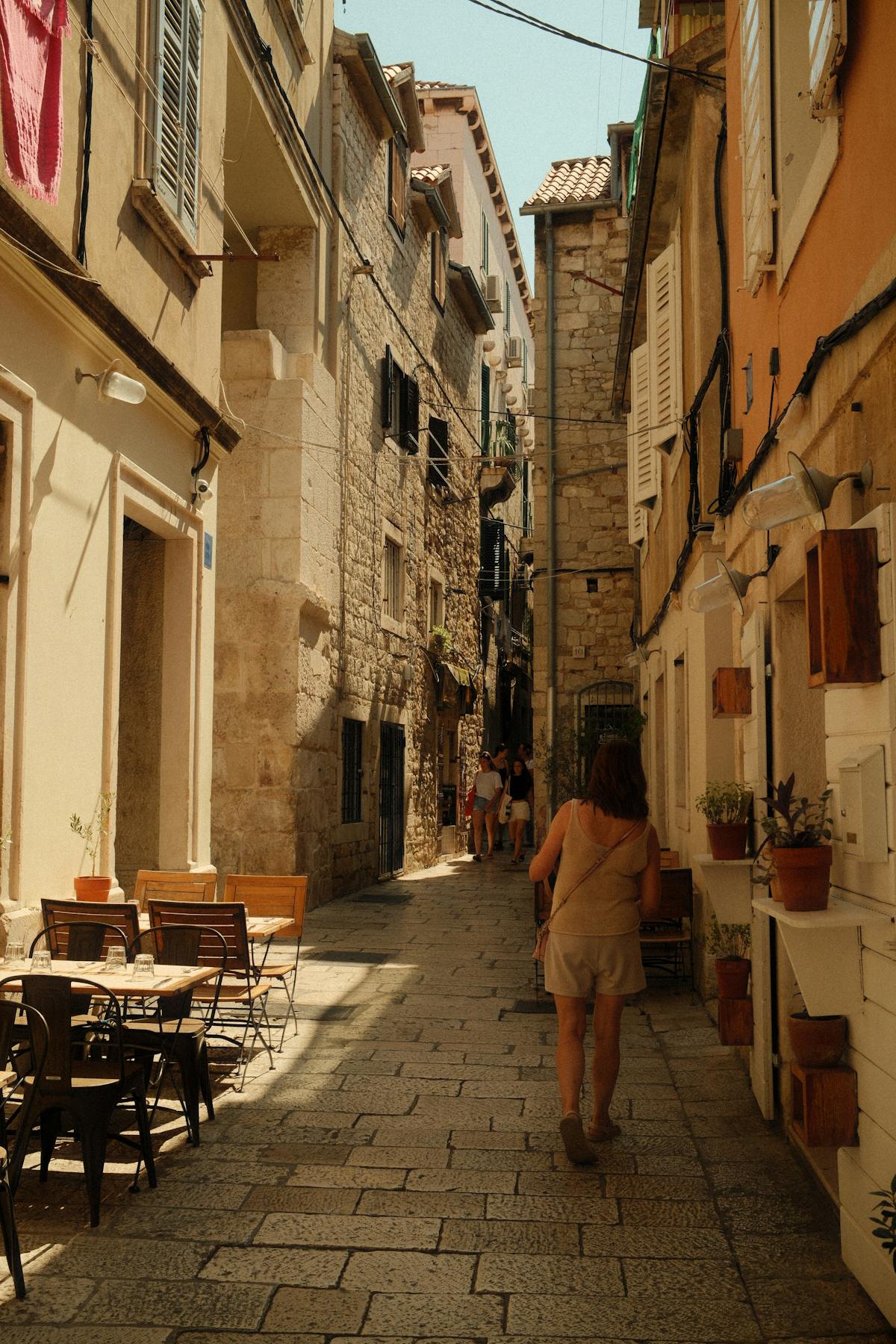
For restaurants, avoid the Riva and the Peristyle — they charge tourist premiums. Walk into the Varoš neighbourhood (west of the Old Town) or the streets behind the green market for better food at better prices. Konoba Matejuška (near the fishing harbour) and Konoba Fetivi (in the back streets) are both excellent and popular with locals.
Watch Hajduk Split Play
If you are in Split during football season (August to May) and Hajduk Split have a home game, go. Even if you do not care about football. The Poljud Stadium is a concrete masterpiece designed by a Croatian architect in 1979, and the Torcida — Hajduk’s ultras — are among the oldest organised fan groups in Europe (founded 1950).
The atmosphere at a home game is electric. Flares, chants, choreographed displays — it is intense and deeply Croatian. Tickets are cheap (€10-20 for most league games) and available at the stadium. The experience gives you an insight into Split’s identity that no walking tour can match.
Practical Tips for Split
How many days: Two full days is the minimum — one for the Old Town and palace, one for Marjan Hill and exploring the wider city. Add a day for each island day trip. Three to four days is ideal.
Getting around: The Old Town is entirely walkable. Buses connect the centre to outlying neighbourhoods, the bus station, and the airport. Uber and Bolt work well and are cheaper than taxis.
Where to stay: Inside the palace walls is atmospheric but noisy (bars stay open late). The Varoš neighbourhood is quieter and walkable to everything. Bačvice (east of the centre, near the beach) is good for families. Avoid staying near the ferry port — it is loud and industrial.
Money: Euro everywhere. Cards accepted at most places but carry cash for the markets and smaller konobas.
When to visit: May, June, and September are the best months. July and August are crowded and hot. The Ultra Europe music festival in July brings massive crowds — great if that is your thing, worth avoiding if it is not.
Split is the kind of city where you come for two days and start looking at apartment listings by the end of the first. There is a reason so many digital nomads and long-term travellers end up based here — the combination of history, food, beaches, island access, and a genuine local culture is hard to beat anywhere on the Mediterranean. Give it more time than you think you need.