
The appeal here is simple: you can link Tokushima’s far-flung sights without building a day around bus timetables or changing trains. Choose the art museum and Naruto coast, or trade those for the Iya Valley and Oboke Gorge. The charter gives you a private vehicle and room to shape the day, within an eight-hour service window and a 250-kilometer route limit.
I like the freedom to set a sensible route with customer-service help, and I like that the driver may share local culture or suggest a place to eat. The catch is cost: from $390.99, this is a better fit for a group that can share the fare than for a solo visitor. Admission fees, highway tolls, parking, and meals are extra.
- Two distinct day-trip choices: Route A pairs the Otsuka Museum of Art with Naruto Park and the Great Naruto Bridge area; Route B focuses on the Kazurabashi Vine Bridge, Iya Valley, and Oboke Gorge.
- An eight-hour private charter: You set the pickup time and agree on the stops, but the day’s driving and visits must fit the service window.
- A 250-kilometer limit: Plan a direct route rather than trying to tack on distant sights or double back.
- Vehicle sizes for different groups: Choose a five-, seven-, or ten-seat vehicle, counting infants and children as passengers.
- Helpful planning and comfortable rides: Past outings have included punctual pickup, smooth driving, roomy seating, route adjustments, and restaurant suggestions.
- Extra costs need attention: Attraction admission, meals, tolls, and parking are not included, and overtime or excess distance can add charges.
- Choose between Naruto’s art and Iya’s mountain sights
- The Otsuka Museum and Naruto’s whirlpool coast
- The vine bridge and Oboke Gorge on Route B
- What eight hours really allows
- Picking a vehicle that fits your group
- What the fare covers, and what it does not
- The strongest points, and the limits to weigh
- Who should book this Tokushima charter
- FAQ
- How long is the private car charter?
- Can I choose my own attractions?
- What is included in the price?
- What languages can the driver speak?
- How many passengers and suitcases can each vehicle carry?
- Are child seats available?
- The Best Of Tokushima!
- More Private Tours in Tokushima
- More Tours in Tokushima
- More Tour Reviews in Tokushima
Choose between Naruto’s art and Iya’s mountain sights
 1 / 7
 2 / 7
 3 / 7
 4 / 7
 5 / 7
 6 / 7
 7 / 7
The charter is not one fixed tour. Route A is the coastal and art-focused option: Tokushima to the Otsuka Museum of Art, the Great Naruto Bridge and whirlpools area, Naruto Park, and Awa Dance. Route B heads toward the Iya Kazurabashi Vine Bridge, Iya Valley, and Oboke Gorge. A third option lets you propose a custom day.
That choice shapes the whole experience. Route A puts a major museum alongside Naruto’s better-known sights, while Route B trades the museum visit for a day in Iya and Oboke. If you are keen on both, ask customer service whether your chosen stops can fit a reasonable route under the distance and time limits. Do not assume you can cover every named attraction in eight hours.
The package descriptions name stops, but do not set out a fixed amount of time at each one. You should agree on priorities before departure. The schedule can change with traffic or weather, and your driver needs to return you by the end of the charter.

👉 See our pick of the The Top 5 Tokushima Tours
The Otsuka Museum and Naruto’s whirlpool coast
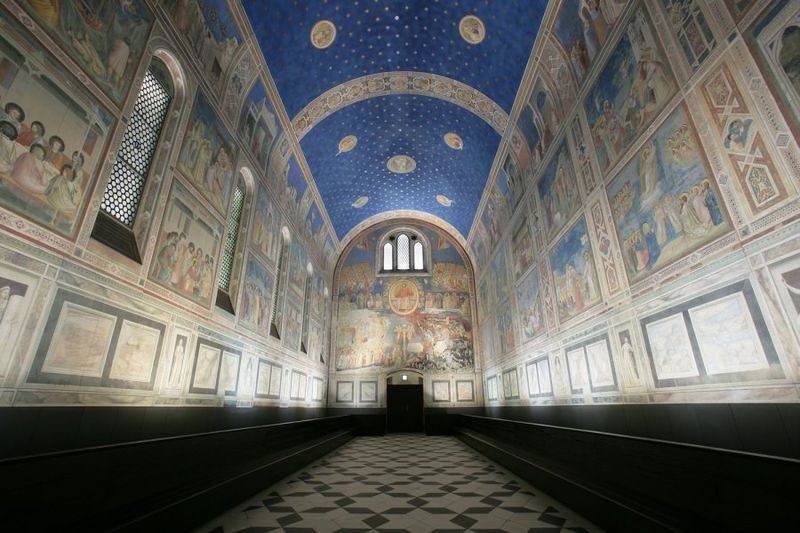
Route A makes sense if the Otsuka Museum of Art is high on your list. It sits in Naruto, and the charter can combine it with the Great Naruto Bridge area and Naruto Park. The museum’s address is 65-1 Fukuike, Tosadomariura, Naruto-cho, Naruto. Admission is not part of the charter, so budget for tickets separately.
The value of combining these stops is practical: you do not need to arrange separate transport between the museum and the Naruto sights. You can also ask to adjust the order to suit the day’s conditions. Customer service can help suggest a route, though you should confirm how much visiting time remains after driving.
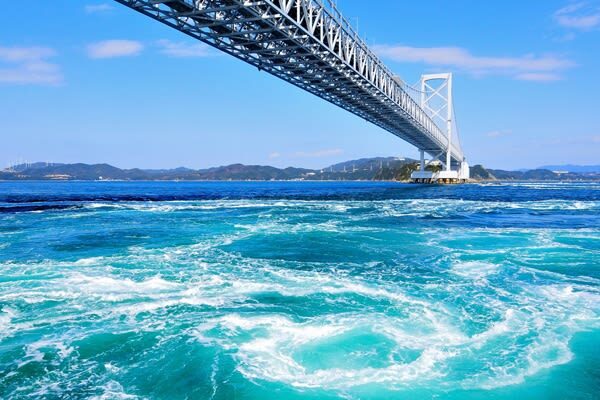
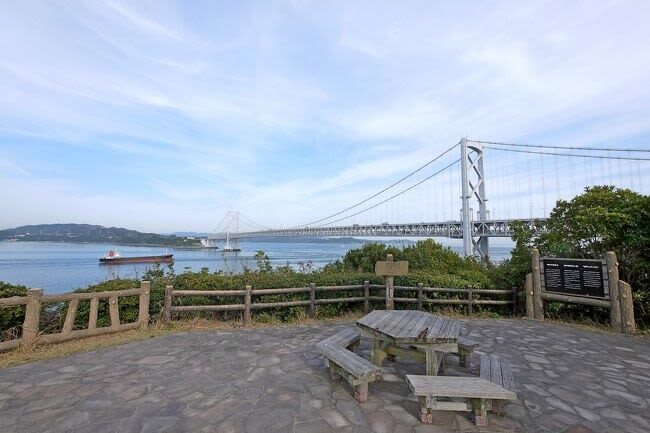
The Great Naruto Bridge and whirlpools are part of the route’s appeal, but the product details do not promise a particular whirlpool viewing method or timing. Treat the stop as a planned visit to the area, not a guarantee of a specific natural display. If seeing the whirlpools is your main reason for choosing Route A, ask in advance how the day’s timing will work.
Naruto Park is also included among the suggested stops. Awa Dance appears in the Route A package name, but the exact activity or venue is not specified. Before booking, check what that stop means for your date and how it fits alongside the museum and Naruto coast.
You can also read our reviews of more private tours in Tokushima

The vine bridge and Oboke Gorge on Route B
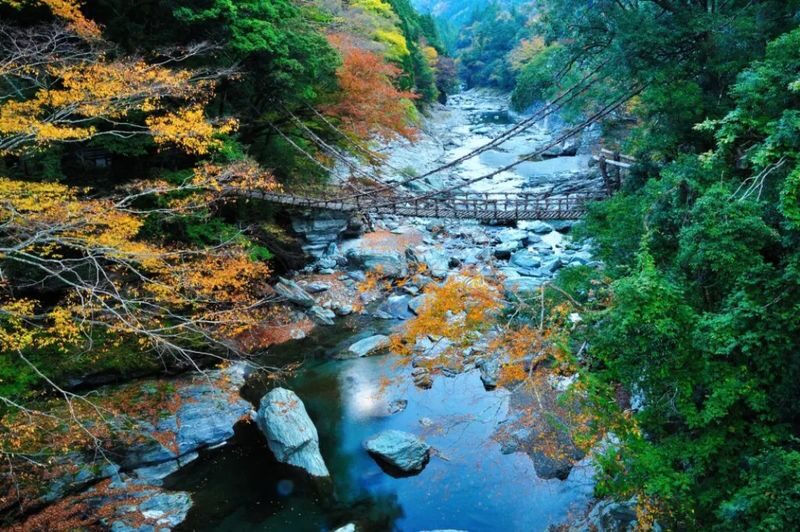
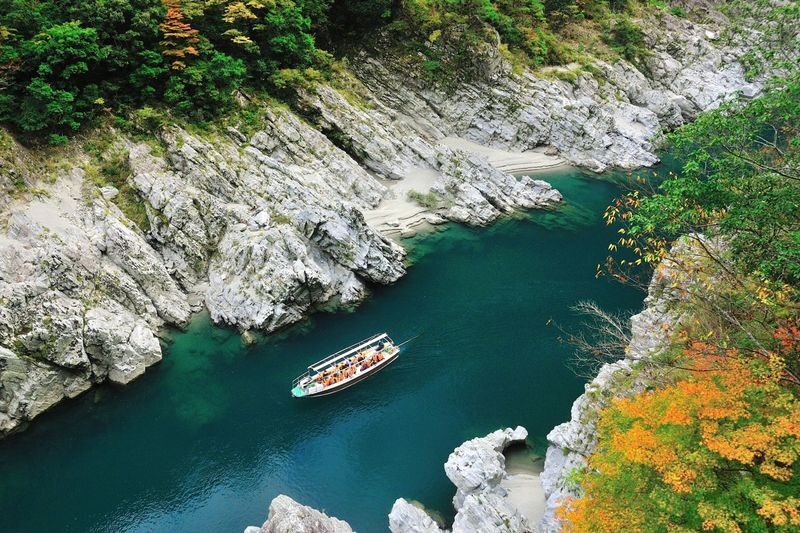
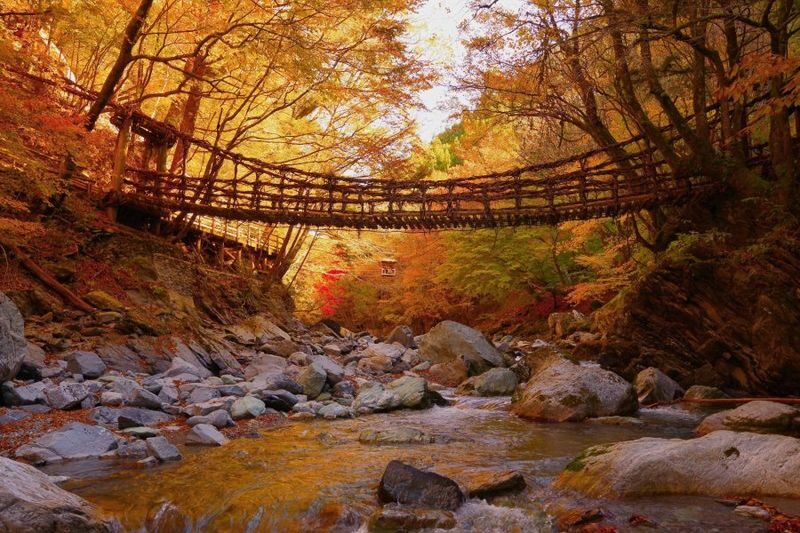
Route B is the stronger match if you want the Iya Valley and Oboke Gorge rather than a museum-and-coast day. The Kazurabashi Vine Bridge is the route’s signature stop, with the valley and gorge rounding out the plan. These places are spread across a route that requires driving time, so be selective about adding extra stops.
The charter can be especially useful here because the operator arranges a car and driver for the day, rather than leaving you to coordinate each leg of the journey. You can discuss the order of stops with customer service, and a past Iya outing included a route-order change and a lunch recommendation. That flexibility is useful, but it does not mean every request will fit the eight-hour limit.
One guide named Ms Liu Yue has been associated with an Iya outing. Still, the service promises a driver who speaks Chinese or Japanese, assigned at random, not a dedicated tour guide. A driver may introduce local culture and history, but you should book this for transport and itinerary flexibility, not for guaranteed guided commentary.
What eight hours really allows
The service is listed as an eight-hour round trip, commonly shown as a 09:00 departure and 17:00 return. Pickup and drop-off are arranged at a hotel or guesthouse in Tokushima city, with the exact time based on your request. The operator reconfirms pickup in advance, and you are asked to be ready in the hotel lobby at least ten minutes early.
Eight hours includes the driving, stops, and return. It is not eight hours of sightseeing on top of the road time. That distinction matters when choosing between Route A and Route B: write down your must-see stops first, then ask the operator to confirm whether the route is reasonable.
The route must stay within 250 kilometers and should avoid backtracking. If actual travel exceeds that distance, an extra charge of JPY 300 per kilometer may apply. If the vehicle runs overtime, an additional fee may also apply. The information provided gives different overtime rates for a ten-seat vehicle, so confirm the applicable rate with customer service before you travel. Traffic delays can still lead to overtime charges.
Pickup and drop-off at different places may add empty-driving time or a fee. The standard arrangement is within Tokushima city; leaving from another area can also change the price. Share your hotel address, preferred stops, passenger count, and luggage total when you arrange the charter, so the route and vehicle can be matched to your needs.
Picking a vehicle that fits your group
The five-seat vehicle carries up to three passengers and two standard 26-inch suitcases. The seven-seat option carries up to five passengers and four suitcases, while the ten-seat vehicle can take up to nine passengers and eight suitcases. Infants and children count toward passenger capacity.
Those figures make the vehicle choice more than a comfort question. A child seat takes up about one and a half passenger spaces and can reduce the room available for people or luggage. One child seat can be provided at no cost if requested in advance; additional seats cost JPY 2,000 each per day. For more than two, contact customer service.
Standard luggage is listed as 24 to 28 inches. Oversized bags and strollers should be disclosed ahead of time, and a large suitcase counts as two pieces. If the group or luggage exceeds the recommended capacity, you may need a larger vehicle or face added costs. The right-sized car is a simple way to avoid a cramped start to the day.
What the fare covers, and what it does not
Prices start at $390.99 for Route A. Route B and a custom charter start at $409.89. The amount is for a private vehicle service, so the value improves as more people share the cost. It can also make sense for a group that values door-to-door convenience and a plan shaped around its interests.
Included are round-trip transfers, fuel, seat reservation fees, the driver’s meal allowance, and online customer-service assistance with translation. The driver is assigned from Chinese- and Japanese-speaking staff. A dedicated tour guide is not included.
You pay separately for attraction tickets, food and drinks, personal expenses, highway tolls, parking, and tips. These extras can change the final cost, especially if you plan several paid stops. Ask customer service for a clear route and fee breakdown before confirming; one past charter was praised for explaining charges clearly, which is exactly the sort of detail worth settling early.


The strongest points, and the limits to weigh
The service’s best practical qualities are the ones that make a long day easier: punctual pickup, a smooth ride, a clean and comfortable car, and a driver who knows the roads. Past itineraries have also included recommendations for lunch and help adjusting the order of stops. Those touches can make a private charter feel more useful than simply hiring a car and hoping the route works.
The service is not a guided sightseeing tour by default. You are responsible for deciding what matters most and confirming how much can fit. The customer-service team can help plan, but the driver’s language assignment is random and a guide is not included. If you need detailed interpretation at each attraction, arrange that separately.
The overall score is 4.8 out of 5 from six ratings, a small sample. Treat it as encouraging rather than a guarantee. The strongest recurring themes are safe, steady driving, comfortable vehicles, punctual pickup, and helpful planning. One customer found the price high but still considered it good value, which gets to the heart of the decision: convenience costs more than public transport, but buys you a private route and less transport planning.
Who should book this Tokushima charter
I would shortlist this tour for families or small groups who want to visit sights beyond central Tokushima without changing transport several times. It is also a good fit if you have a firm priority, such as the Otsuka Museum or the Iya Vine Bridge, and want the day built around it. The private car is particularly helpful when your group includes children, though you must count them in the passenger total and request child seats ahead of time.
It is less compelling for a solo visitor focused on keeping costs down, or for anyone hoping to cover a long list of distant stops at a leisurely pace. The eight-hour window and 250-kilometer cap call for a focused day. A private charter offers flexibility within those limits, not an unlimited road trip.
Tokushima Private Car Charter Day Tour: Otsuka Museum of Art / Naruto Whirlpools / Iya Kazurabashi Vine Bridge (Customize Your Itinerary)
“Our tour guide, Ms. Liu Yue, was attentive, knowledgeable, and provided excellent service. I would definitely book a similar day trip again.”
FAQ
How long is the private car charter?
The service lasts eight hours. A typical schedule is 09:00 to 17:00, though the departure time is arranged with the operator.
Can I choose my own attractions?
Yes. You can choose Route A, Route B, or request a custom itinerary. Contact customer service with your preferred stops so the operator can suggest a reasonable route.
What is included in the price?
The charter includes round-trip transfers, fuel, seat reservation fees, the driver’s meal allowance, and online customer-service assistance with translation. Attraction tickets, meals, tolls, parking, and tips are extra.
What languages can the driver speak?
Drivers who speak Chinese or Japanese are assigned at random. A tour guide is not included.
How many passengers and suitcases can each vehicle carry?
The five-seat vehicle accommodates three passengers and two standard 26-inch suitcases. The seven-seat vehicle fits five passengers and four suitcases; the ten-seat vehicle fits nine passengers and eight suitcases. Children and infants count as passengers.
Are child seats available?
One child seat can be provided free if requested in advance. Additional seats cost JPY 2,000 per seat per day. A child seat takes up about one and a half passenger spaces.