

Imagine spending an hour and a half in Tokyo’s calmest corner, learning to shape a tiny tree—sounds peaceful, right? For about $125, you get to sit down with a bonsai master, learn about this elegant art form, and walk away with your very own miniature masterpiece. The experience, located conveniently in Marunouchi, is perfect for anyone curious about Japanese culture, nature, or just looking for a unique souvenir.
What makes this tour stand out? First, the hands-on approach. You’re not just watching a demonstration—you’re actively shaping your bonsai with expert guidance. Second, the cultural depth. You’ll gain a glimpse into the philosophy behind bonsai, which emphasizes patience, harmony, and mindfulness. It’s an engaging way to connect with Japanese traditions. A possible consideration? If you’re after a longer or more in-depth session, this workshop is brief, but that’s also part of its charm—it’s quick, manageable, and still meaningful.
This experience suits travelers who enjoy crafts, cultural insights, or simply want a quiet, reflective activity in Tokyo. Beginners and enthusiasts alike will find value here, especially those who want a tangible, personal keepsake from their trip.
Key Points
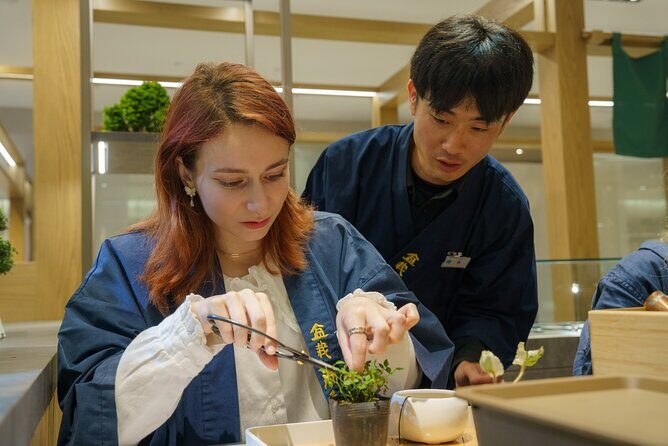
- Hands-On Learning: You create your own bonsai under expert supervision.
- Cultural Insight: Learn about the philosophy and aesthetics of bonsai, connecting with Japanese tradition.
- All Equipment Included: No need to bring anything—tools and materials are provided.
- Souvenir: Overseas guests get a bonsai booklet, while residents take home their finished tree.
- Short & Sweet: The 1.5-hour format fits easily into a busy sightseeing schedule.
- Small Group: With a maximum of 10 participants, you get personalized attention.
A Practical Guide to the Bonsai Workshop in Tokyo
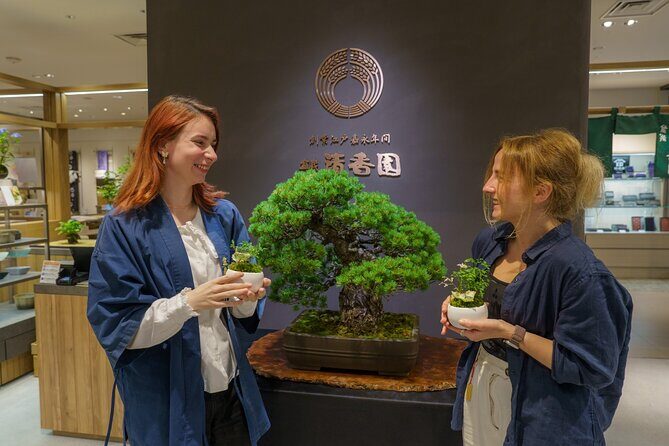
If you’re visiting Tokyo and looking for a different way to connect with Japanese culture beyond temples and sushi, this bonsai making experience offers a rare chance. Located in Marunouchi near public transportation, the meeting point is easy to find, making it accessible even for those with tight schedules. The workshop lasts about an hour and a half—a manageable length that offers a good balance of education and hands-on activity.
What to Expect During the Workshop: You’ll start with a brief introduction to bonsai’s history and philosophy, setting the tone for this mindful craft. Then, guided by your instructor—an English-speaking expert—you’ll learn key techniques such as pruning, wiring, and potting. These skills are explained clearly, and you’ll have all the tools you need to experiment and shape your miniature tree. The process is interactive, and you’ll be encouraged to consider how each cut and wire placement reflects nature’s harmony.
The atmosphere is calm and supportive, making it perfect for beginners. As one participant put it, “This workshop is more than just creating a small tree—it’s a cultural journey into mindfulness and patience.” The instructor’s guidance ensures everyone, regardless of experience, can produce a satisfying result. And because the group is small, you’ll receive plenty of individual attention.
What You Take Home: If you’re a visitor from outside Japan, you’ll receive a special bonsai booklet—a useful keepsake to remember the experience. Residents get to take home the bonsai they shape, which can be a wonderful reminder of your trip and a living piece of Japanese artistry.
Cost & Value: At $124.85, this might seem premium for an hour and a half, but it’s comprehensive—covering all tools, instruction, and materials. Plus, the chance to craft your own bonsai means you’ll leave with more than just memories; you have a tangible, beautiful souvenir.
Possible Drawbacks: If you’re seeking a lengthy, intensive bonsai course, this quick session might leave you wanting more. Some reviews suggest it’s a good introduction, but not an in-depth mastery class. However, for most travelers, it strikes a good balance between informative and manageable.
Who This Is Best For: This workshop suits those with an interest in Japanese culture, arts, or crafts, as well as travelers who appreciate a peaceful, reflective activity. It’s particularly good for beginners, families, or anyone wanting a meaningful souvenir that’s more personal than typical tourist memorabilia.
Planning more time in Tokyo? We've covered other experiences worth considering.
Deep Dive into the Experience
The Location & Accessibility
The starting point, Daimaru Tokyo at Marunouchi, is central and surrounded by public transit options. This makes it easy to incorporate into a day of sightseeing. The venue itself offers a quiet, dedicated space designed to promote focus and creativity, away from the bustling streets outside.
The Itinerary Details
The workshop begins with a concise introduction to bonsai’s cultural significance. You’ll learn that bonsai isn’t simply about miniature trees but embodies philosophy, aesthetics, and patience. This sets a thoughtful tone, inviting you to see your craft as a form of meditative practice.
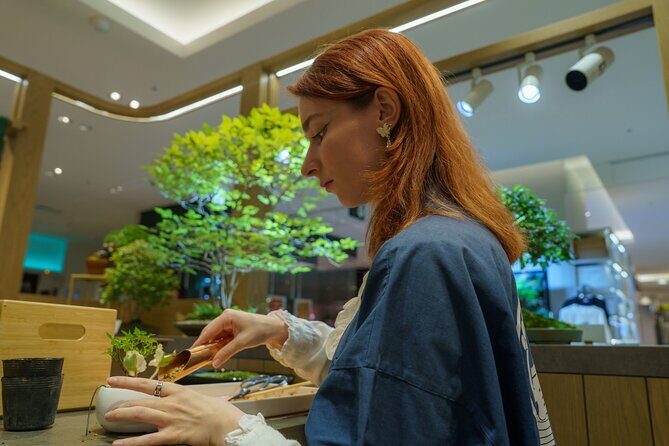
Next, the instructor guides you through pruning, “cutting away the unnecessary,” to shape the tree. Wiring techniques involve carefully wrapping thin wire around branches to direct growth—this is where you start to see the artistry unfold. Finally, potting your miniature tree completes the process, ready to be admired or gifted.
The Practice & Personal Touch
Participants praise the instructor’s clear instructions and patience, ensuring even novices feel capable of producing a pleasing result. We liked the way a participant described it: “The instructor made everything feel manageable, and I was surprised I could shape a tree that actually looked nice.” This hands-on approach is one of the biggest strengths, as it demystifies an often complex art.
While you're exploring Tokyo, here are other experiences we've looked into
The Ambiance & Cultural Significance
The workshop is not just about technique; it’s about appreciating nature’s harmony and Japanese aesthetics. Many find this experience a peaceful escape from urban chaos, a chance to slow down and focus on a living thing. It’s a form of mindfulness that can be quite refreshing amid busy travel days.
The Souvenir & Ongoing Care
Residents take their bonsai home, which can be a challenge to care for without prior experience, but the provided booklet helps bridge that gap. Overseas guests receive a keepsake booklet, a thoughtful reminder of their Japanese cultural adventure. The act of caring for your bonsai can be a lovely, ongoing way to remember your trip.
Value Analysis
While the price may seem high for a short workshop, it’s important to consider the quality of instruction, all materials provided, and the personal achievement of creating a unique piece of art. For those interested in arts, crafts, or Japanese tradition, it offers a level of engagement often missing from touristic activities.
Authenticity & Satisfaction
Authentic and intimate, this experience offers more than just a craft session; it’s a small window into Japanese philosophy. Though the reviews are limited, the high praise for the experience’s depth and the quality of instruction suggest travelers leave feeling they’ve gained genuine insight and a handcrafted souvenir.
Final Thoughts
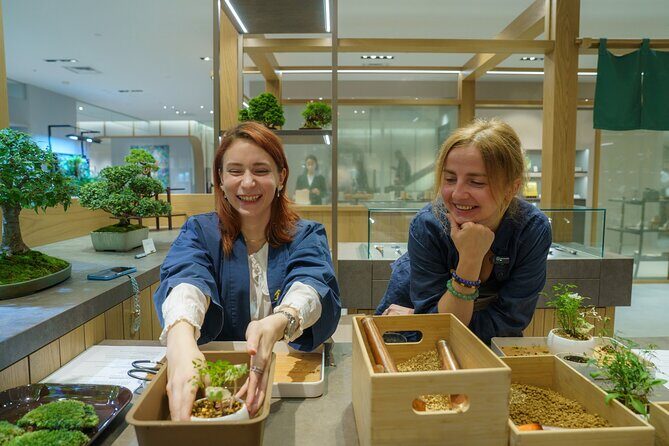
This bonsai making experience provides a calm, educational, and memorable activity for travelers in Tokyo. It’s particularly suited for those who want to experience a traditional art form firsthand and create a tangible memento. The small-group setting, expert guidance, and included materials ensure that even complete beginners can leave with a sense of accomplishment.
While it’s a brief workshop and doesn’t offer in-depth bonsai mastery, it’s a worthwhile introduction that combines culture, craft, and mindfulness. The opportunity to shape your own miniature tree while learning about Japanese aesthetics makes this a rare and meaningful activity.
If you’re after a peaceful, hands-on cultural experience that results in a beautiful keepsake, this workshop is worth considering. It’s especially fitting for curious travelers, craft lovers, or anyone seeking a quiet moment amid Tokyo’s busy streets.
FAQ
Is this experience suitable for beginners?
Yes, the workshop is designed for all levels, including complete beginners. The instructor provides clear guidance, making it accessible and enjoyable for first-timers.
How long does the workshop last?
The entire session takes approximately 1 hour and 30 minutes, making it a quick yet meaningful activity.
What is included in the price?
All necessary tools and materials are provided, along with an instructional session. Overseas guests receive a bonsai booklet, and residents can take home their finished bonsai.
Can I bring my own bonsai tools?
The experience includes all required equipment, so there’s no need to bring your own tools.
Where does the workshop take place?
It starts at Daimaru Tokyo in Marunouchi, a central location near public transit, with the activity ending at the same spot.
Is transportation included?
No, private transportation is not included. Travelers are expected to arrive on their own.
Are there any group size restrictions?
Yes, the maximum group size is 10, ensuring personalized attention and a relaxed atmosphere.
What if I need to cancel?
You can cancel free of charge up to 24 hours before the experience begins for a full refund.
Is this experience suitable for children?
While not explicitly mentioned, the activity’s calm nature suggests it could be appropriate for older children or teenagers interested in crafts, provided they can focus for 1.5 hours.
This detailed review should help you decide whether a bonsai workshop in Tokyo fits into your travel plans. It’s a brief, authentic taste of Japanese tradition, offering more than just a souvenir—it’s a moment of mindfulness and creativity in your trip.
More Tour Reviews in Tokyo
More Tokyo experiences we've covered
- Old and New Tokyo Full Day Private Tour
- Shibamata: Step Back into Old Japan!
- UENO Ameyoko Food Tour
- For Ramen Lovers: Tokyo’s Most Unique Bowls in Shibuya
- Explore Sake and Shochu Bar in Okuroji
- Private Transfer from Haneda Airport to Yokohama City and Port
- 2 Day Nagano Exploration Snow Monkeys Onsen & Hokusai
- Tokyo Haneda Airport (HND) to Yokohama Port – Private Transfer
- Mt Fuji Private tour by Land Cruiser Prado with pick and drop
- 3-Hour Odaiba Scenic Photo Walking Tour
- PrivatePremium Fish filletting sushi making course
- Hikawa Shrine Ibaraki Tone River Fireworks Festival One Day Tour