
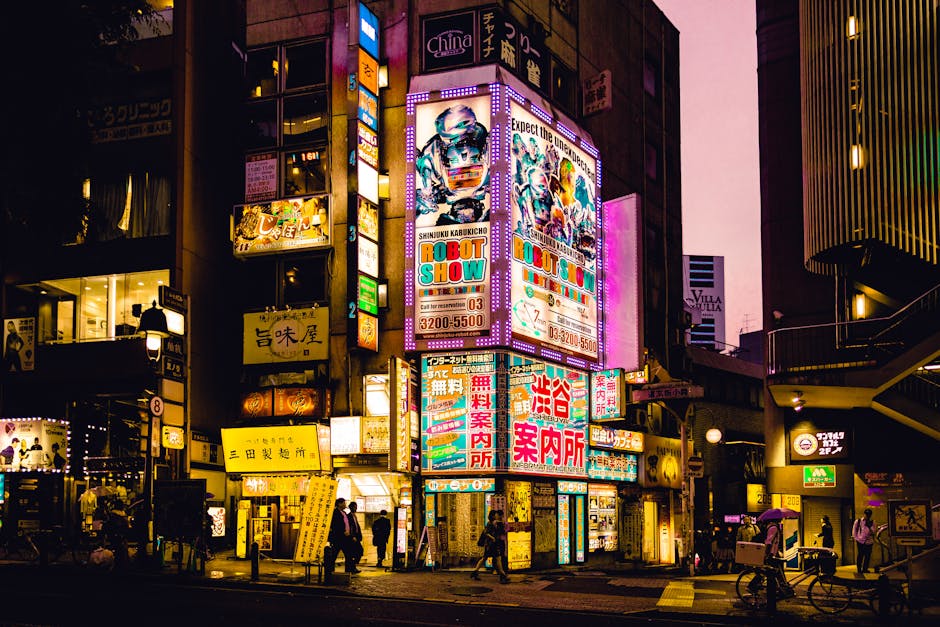
Tokyo doesn’t wind down at night. It just swaps one version of itself for another. The salaryman izakayas fill up by 6pm, the clubs don’t get going until midnight, and somewhere around 3am you’ll find yourself eating ramen at a counter next to a guy in a full suit who looks like he hasn’t been home in two days. That’s Tokyo after dark. It’s not one scene — it’s dozens of them, layered on top of each other across different neighborhoods, each with their own rules, their own crowd, and their own version of a good time.
The drinking culture here is different from what you’re used to. Japanese nightlife runs on a kind of structured chaos: there are cover charges at bars that seat six people, all-you-can-drink packages at karaoke joints, ¥300 beers next to ¥3,000 cocktails, and an unspoken expectation that you’ll order food with your drinks almost everywhere. The last train leaves around midnight, which creates this weird pressure point where half the city rushes to the station and the other half commits to staying out until the first train at 5am. That gap between midnight and 5am is when things get interesting.
I’ve broken this into neighborhoods and categories because that’s how Tokyo nightlife actually works. You don’t bar-hop randomly across the city — you pick an area, plant yourself there, and let the night unfold. Each neighborhood attracts a different crowd and offers a different experience. Some of these I’ve done multiple times, some I’ve gotten tips on from people who know the city far better than I do. All of it is honest.
One more thing before we get into it: if you’re planning your wider Tokyo trip, sort out your daytime itinerary first. Nightlife here will eat into your mornings, and you’ll want to know which days you can afford to sleep in.
- Golden Gai, Shinjuku — Tiny Bars, Big Characters
- Omoide Yokocho — Yakitori Under the Tracks
- Kabukicho — Neon, Noise, and a Word of Warning
- Shibuya at Night — Young, Loud, and Worth the Chaos
- Roppongi — Clubs, Cocktails, and the Scam District
- Yurakucho and Shinbashi — Under the Tracks with the Salarymen
- Nakameguro and Ebisu — The Chill Alternative
- Karaoke — It’s Not Optional
- Late-Night Food — Because You Will Be Hungry at 3am
- Practical Survival Guide — Getting Through the Night
Golden Gai, Shinjuku — Tiny Bars, Big Characters
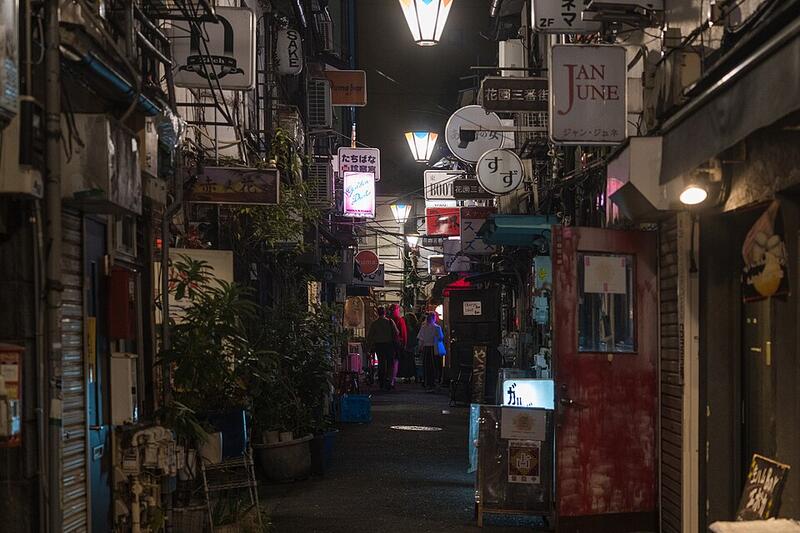
Golden Gai is six narrow alleys crammed with over 200 bars, most of them seating four to eight people. It sits in the northeast corner of Kabukicho, Shinjuku’s entertainment district, and it looks like it shouldn’t still exist — wooden buildings stacked on top of each other, barely wide enough for one person to walk through, with hand-painted signs and crooked staircases leading to second-floor drinking holes. The whole place should’ve been demolished decades ago, and in fact developers tried twice. The locals fought back, and now it’s protected. Good thing, because there’s nothing else like it in any major city on earth.
Here’s how it works. Each bar is independently owned and operated, usually by one person — the mama-san or master — who serves drinks and controls the vibe. Some bars cater to filmmakers, some to musicians, some to people who just want to drink whisky and talk to strangers. A few are openly hostile to travelers. Most are welcoming, but you need to read the room. If a bar has a sign in English or a menu visible from outside, it’s tourist-friendly. If the door is closed and there’s no indication of what’s inside, maybe peek in and ask before sitting down.
Cover charges run ¥500 to ¥1,000 at most places, which buys you the right to sit down. Drinks are separate, and they’re not cheap — expect ¥700 to ¥1,500 per drink depending on what you’re having. Beer is the budget option. Whisky gets expensive fast. But you’re paying for the experience of sitting in a room the size of a walk-in closet while the bartender tells you about the time they met David Bowie, and honestly, that’s worth a ¥500 door charge.
Don’t show up before 9pm. Most bars open around 5:30pm but Golden Gai doesn’t really come alive until later in the evening. By 10 or 11pm on a Friday the alleys are full of people spilling out of bars, smoking, chatting, deciding which tiny doorway to duck into next. Weeknights are quieter and sometimes better — you’re more likely to get a seat and more likely to have an actual conversation with the bartender rather than being packed in shoulder to shoulder.
One practical note: Golden Gai bars are small businesses with thin margins. Don’t walk in, take photos, and leave without ordering anything. It happens constantly and the owners hate it. Order a drink, stay for at least one, and tip if the mood strikes you (tipping isn’t expected in Japan but nobody’s going to refuse it in Golden Gai).
The bars are typically open until 5am, sometimes later. Which means if you miss your last train — and you will — Golden Gai is a perfectly acceptable place to wait out the hours until the first morning train. Just pace yourself. Five hours of drinking in a space with no natural light and a bartender who keeps topping you up is a recipe for a rough morning.
Omoide Yokocho — Yakitori Under the Tracks
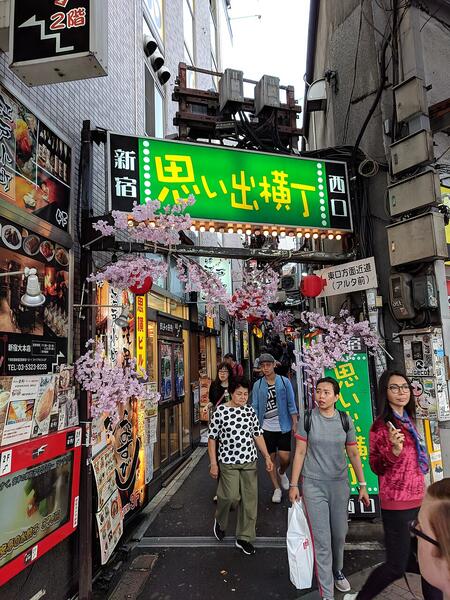
On the west side of Shinjuku Station, directly under and beside the train tracks, there’s a narrow alley of open-air yakitori stalls that’s been here since the post-war black market days. Omoide Yokocho — “Memory Lane” in English, though locals sometimes call it Piss Alley (Shonben Yokocho) for reasons you can probably guess — is the polar opposite of a refined dining experience. It’s smoky, cramped, loud, and the best place in Shinjuku to eat grilled chicken and drink cheap beer before heading out for the night.
The stalls here serve every part of the chicken you can think of, and several you’d rather not. Skewers run ¥100 to ¥200 each, and a beer is ¥400 to ¥500. You can eat and drink well for ¥1,500 to ¥2,000, which makes this one of the cheapest ways to start a night in central Tokyo. Most stalls have picture menus, and even if the staff don’t speak English, the pointing-at-what-you-want system works fine.
Get there around 6 or 7pm. The stalls fill up quickly and most seating is first-come, first-served on counter stools. Later in the evening it gets packed and you might have to wait or hover near someone who looks like they’re finishing up. There’s an etiquette to it: don’t linger for ages after you’ve finished eating. Have your skewers, have your beer, and move on to make room for the next person. This isn’t a place to spend three hours.
The smoke is intense. You’ll smell like charcoal and grilled chicken for the rest of the night, which is either a feature or a bug depending on your outlook. I’d call it a feature. Sit on one of those tiny plastic stools under the tracks with a cold Asahi and a plate of negima (chicken and spring onion skewers) while trains rumble overhead, and you’ll understand why this place has survived seventy-plus years of redevelopment pressure.
Omoide Yokocho makes a perfect warm-up before Golden Gai, which is a fifteen-minute walk east. Cheap food, cheap beer, the right amount of atmosphere — then walk it off through Shinjuku and land in the alleys of Golden Gai with a full stomach and a clear head. That’s a solid opening sequence for a Shinjuku night.
Kabukicho — Neon, Noise, and a Word of Warning
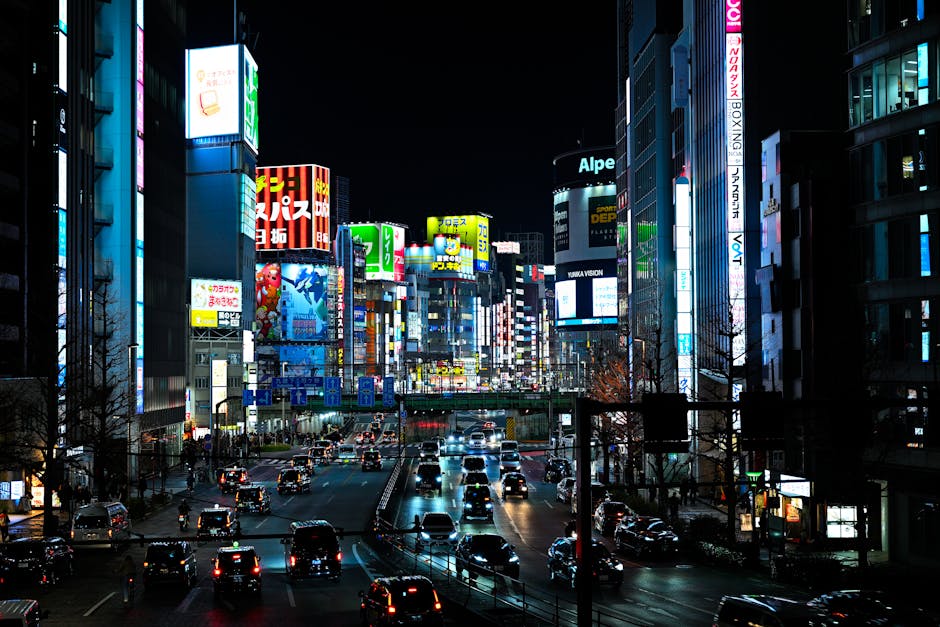
Kabukicho is Shinjuku’s main entertainment district and the brightest square kilometer in Tokyo. Massive neon signs, pachinko parlours blaring at full volume, host and hostess clubs, karaoke towers, late-night restaurants, and a general energy that feels like someone turned all the dials to maximum. It’s where Golden Gai and Omoide Yokocho sit on the edges, and where Robot Restaurant used to pull in travelers before it closed. The famous Godzilla head looms over Shinjuku Toho Building on the main drag.
There are legitimate places to eat and drink in Kabukicho. Some of the izakayas along the main streets are fine — standard chains like Torikizoku or Watami where you can get all-you-can-drink for ¥1,500 to ¥2,000 and fill up on cheap food. Nothing special, but functional and safe. The district also has several floors-of-entertainment buildings where each level has a different bar or restaurant concept.
But Kabukicho has a reputation for a reason. Touts will approach you, especially if you’re visibly foreign and especially late at night. They’ll offer deals on bars and clubs that sound too good to be true — because they are. The standard scam works like this: you’re led to a bar, you order drinks, and when the bill arrives it’s ¥30,000 to ¥50,000 for what should’ve cost a tenth of that. Some of these places have bouncers who make it clear that leaving without paying isn’t an option. It’s not common in the well-lit main areas, but it happens enough that every long-term Tokyo resident has a story.
The same goes for Roppongi, which I’ll get to later. The rule is simple: never follow a tout. If you didn’t find the place yourself — through research, a recommendation, or by walking past and deciding to go in — don’t go. If someone on the street is trying to get you through a door, that door leads somewhere you don’t want to be.
That said, walking through Kabukicho at night is an experience in itself. The neon, the noise, the sheer visual overload. Bring a camera, keep your wits about you, and eat at places that have visible prices. Don’t let the scam warnings stop you from experiencing the area — just don’t be naive about it.
Shibuya at Night — Young, Loud, and Worth the Chaos
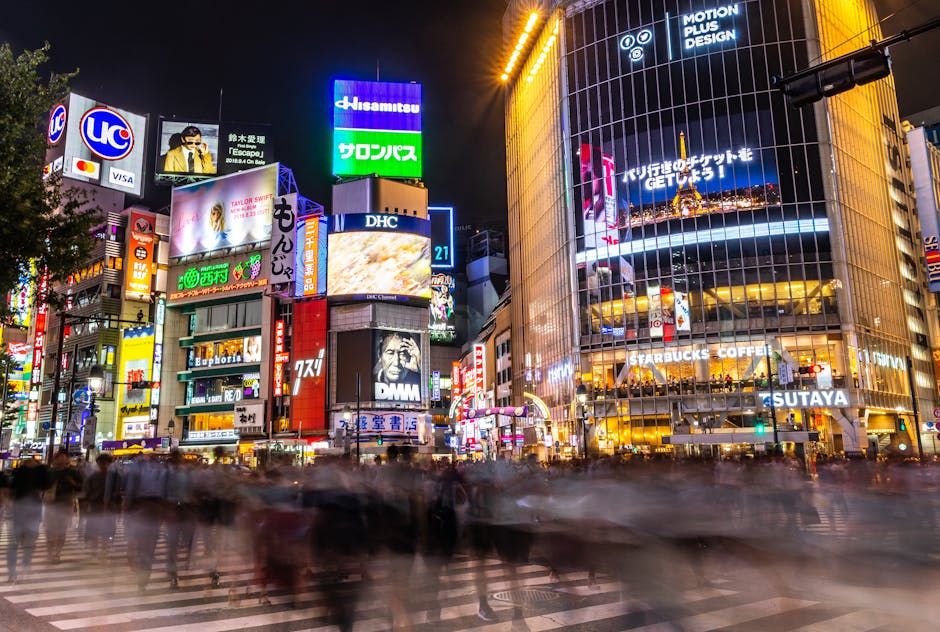
Shibuya skews young. Like, university-student-with-fake-ID young. If you’re over 30, you might feel slightly out of place in some of the bars and clubs here, but that’s fine — there’s plenty that works for all ages, and the energy of the district at night is something you should experience regardless. Roppongi draws the 25-and-up international crowd, Shinjuku tends toward 35-plus salarymen and locals, but Shibuya belongs to the teenagers and twenty-somethings. The Scramble Crossing at night, lit up and flooded with people, is more impressive than during the day. Worth crossing a few times just for the spectacle.
Nonbei Yokocho is Shibuya’s answer to Golden Gai, and it’s right next to the station. “Drunkard’s Alley” is the translation, and it’s accurate. A narrow lane of tiny bars squeezed between buildings, each one seating maybe five or six people. It’s smaller and less famous than Golden Gai, which means fewer travelers and more locals. The vibe is older, quieter, more intimate. Cover charges are similar — ¥500 to ¥800 — and you’ll get better conversations here because the bars aren’t as packed. If Golden Gai feels overwhelming, Nonbei Yokocho is the lower-key alternative.
Coins Bar charges ¥300 for every drink. Every single one. Beer, cocktails, highballs — all ¥300. The catch is the place is tiny and absolutely rammed on weekends, so getting in on a Friday or Saturday can mean a wait. Go on a weeknight if you can. It’s cozy inside, cheap enough that you don’t have to think about what you’re ordering, and a good launching pad for the rest of the evening.
Fight Club 428 is the most unusual bar I’ve come across in Shibuya, or maybe anywhere. Friday nights at 9pm, patrons can sign up for combat sparring matches. Not a joke. Actual sparring, with gloves and basic rules. The rest of the time it’s a bar that serves vodka protein shakes alongside regular drinks. Entry is free. Even if you don’t plan on fighting anyone, watching other people do it while drinking a protein shake is a Friday night story you can’t get anywhere else.
For clubs, Womb is the big name. Multiple floors, serious sound systems, and a regular roster of well-known DJs from Japan and internationally. Check their event calendar before going — the experience varies massively depending on who’s playing and what night it is. Cover charges fluctuate but expect ¥2,000 to ¥4,000 depending on the event.
Club Camelot is another solid option if Womb isn’t doing it for you. Three large floors, a mixed crowd, and a more party-oriented atmosphere than Womb’s focused electronic music scene. It’s less pretentious, more chaotic, and sometimes that’s exactly what you want.
And Brooklyn Parlor works if you want something that straddles the line — it operates as a cafe and bookshop during the day, then transitions into a DJ and live music spot at night. Not a full-on club, but a good middle ground if you want music and atmosphere without committing to a dance floor until 4am.
Roppongi — Clubs, Cocktails, and the Scam District
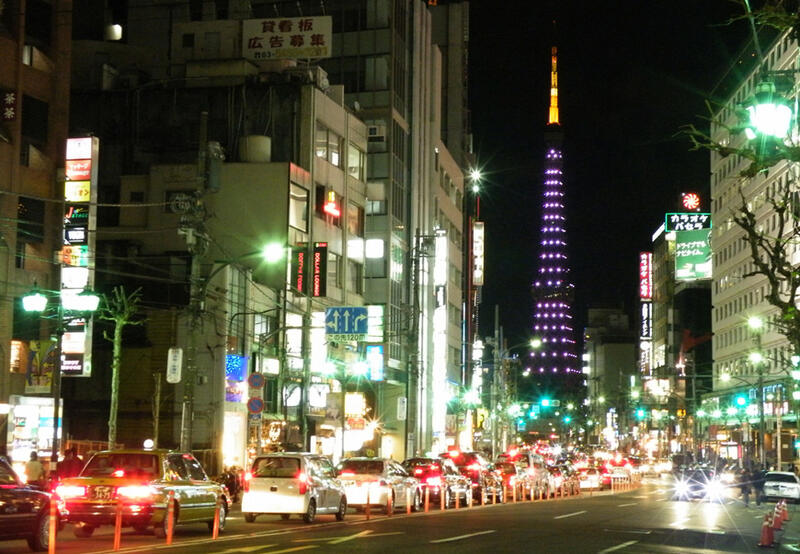
Roppongi has two faces. One is the legitimate international nightlife district with some of Tokyo’s best clubs, bars, and late-night dining. The other is a scam-heavy strip where touts prey on drunk foreigners. Both are real, and they exist on the same streets, sometimes next door to each other.
The club scene here is where Roppongi earns its reputation. Ageha isn’t technically in Roppongi — it’s out in Koto City, which means a taxi or shuttle bus ride — but it’s the nightclub that Roppongi regulars graduate to. Calling it big doesn’t do it justice. Ageha has the largest dance floors in Tokyo, an outdoor pool area (summer only), multiple rooms playing different genres, and a ¥3,500 entry fee that’s worth every yen. It’s open until 5am and the energy doesn’t peak until 2 or 3am. If you’re going to do one proper nightclub in Tokyo, this is the one. Just plan your transport — it’s far from everything, and taxis back to central Tokyo at 5am will sting.
ELE Tokyo is the upscale alternative in Roppongi proper. EDM-focused, with production values that include pole dancers and elaborate lighting. The crowd is predominantly Japanese, well-dressed, and there’s a door standard that isn’t officially stated but is very real. Don’t show up in trainers and a t-shirt. It’s expensive once you’re inside, but the production quality justifies it if you’re into that scene.
Maharaja is something else entirely — an 80s and 90s throwback with ParaPara dancing (a choreographed style you’ll recognize from YouTube videos) and a crowd that skews older. If you were born before 1985, this might actually be your speed. The music is gloriously retro, the dancing is infectious once you stop worrying about looking stupid, and the whole thing feels like stepping into a time capsule. Not what most people expect from Tokyo nightlife, which is exactly why it’s worth a visit.
Now, the important part. Roppongi has the same tout problem as Kabukicho, but arguably worse because the area specifically targets foreigners. Nigerian touts (this is well-documented and not a racial generalization — it’s a specific organized operation) stand on Roppongi’s main street and pitch bars and clubs with promises of free drinks and beautiful women. The bars they lead you to will present a bill of ¥50,000 or more for a few drinks. Some have been reported for drink spiking. This isn’t fearmongering — it’s in every guidebook, every travel forum, every expat blog about Tokyo for the last twenty years. Just walk past, don’t engage, and choose your own bars.
Bar High Five is in Ginza rather than Roppongi, but I’m putting it here because it’s the kind of place you might hit before or after a Roppongi night. There’s no menu. You sit down, tell the bartender what flavors you like, what spirits you prefer, what mood you’re in, and they create a custom cocktail on the spot. It’s a speakeasy-style experience in a Ginza basement, the bartenders are genuine craftsmen, and it’s pricey — figure ¥2,000 to ¥3,000 per drink. Whisky lovers will want to linger here. But for one or two special drinks on a night out, it’s the kind of place you remember years later. Not an every-night spot. A special-occasion spot.
Jade Room and Garden Terrace at the Tokyo EDITION Toranomon is the rooftop option if you want views with your drinks. It’s on the 31st floor, the terrace looks out toward Tokyo Tower lit up at night, and the cocktails are hotel-bar priced (meaning expensive, but you knew that). Go for one drink and the view, not for a full session. It’s the kind of place you start or end a night, not where you spend the whole evening.
Yurakucho and Shinbashi — Under the Tracks with the Salarymen
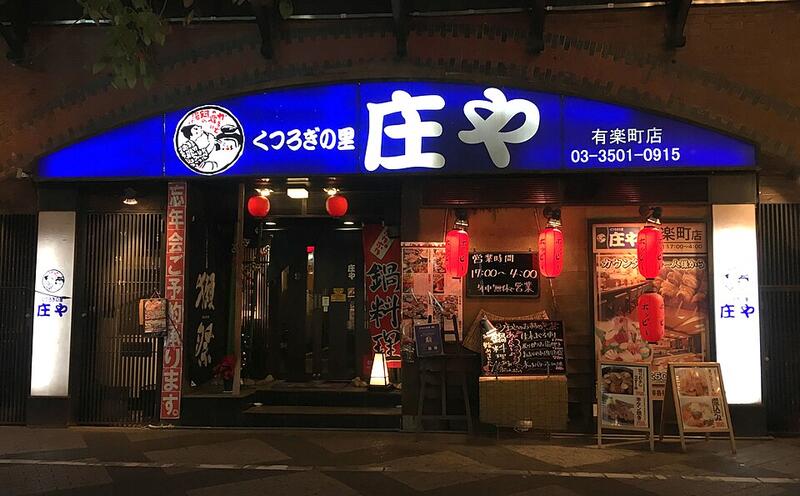
This is where you go if you want to see how actual Tokyo locals drink after work, without any tourist polish. The area under and around the JR tracks between Yurakucho and Shinbashi stations is lined with tiny izakayas, yakitori joints, and standing bars that have been serving the salaryman crowd since forever. Most of these places seat ten to twenty people, the smoke hangs in the air, the menus are handwritten in Japanese on the wall, and you’ll be the only foreigner in there.
It sounds intimidating if you don’t speak Japanese, but it’s really not. Most of these places operate on a simple system: sit down, order beer (nama biiru — draft beer — is the universal starter), point at things on the menu or at what the person next to you is eating, and the rest sorts itself out. The food is consistently good because these places survive on repeat customers who work in the nearby offices. If the grilled chicken or the oden or the fried tofu were mediocre, the salarymen would go elsewhere. They haven’t.
Prices are low. A beer and a few dishes will run ¥1,500 to ¥2,500, which is about as cheap as sit-down drinking gets in central Tokyo. Some places have a small table charge (otoshi) of ¥300 to ¥500 that gets you a tiny appetizer you didn’t order — this is standard in Japan and not a scam, even though it feels like one if nobody explains it.
I’d argue this is the most authentic nightlife experience available in Tokyo. Golden Gai is famous and atmospheric but increasingly tourist-oriented. Roppongi is international. Shibuya is young. But the Yurakucho tracks at 7pm on a Tuesday, with office workers loosening their ties and arguing about baseball over cheap highballs — that’s the real thing. Go on a weeknight for the full experience. Weekends are quieter because the salarymen are home.
Shirube is worth seeking out specifically if you want a sit-down izakaya experience that’s a step above the standing-room track bars. It’s a traditional izakaya with genuinely good food at decent prices. The staff don’t speak English, but there’s an English menu available, which puts you ahead of most places in this area. The kind of spot where you settle in for two hours with grilled fish, pickled vegetables, rice, and a steady flow of sake or beer.
Meishu Center near Hamamatsucho Station is a sake-focused bar where you pick your own bottle from the shelf. It’s less formal than a proper sake tasting and more educational than just ordering randomly at an izakaya. They have English-speaking staff on Monday and Friday nights specifically, which is unusually thoughtful for a place this local. If you’re trying to figure out what kinds of sake you actually like — dry vs. sweet, fruity vs. clean — this is a better classroom than most.
Nakameguro and Ebisu — The Chill Alternative
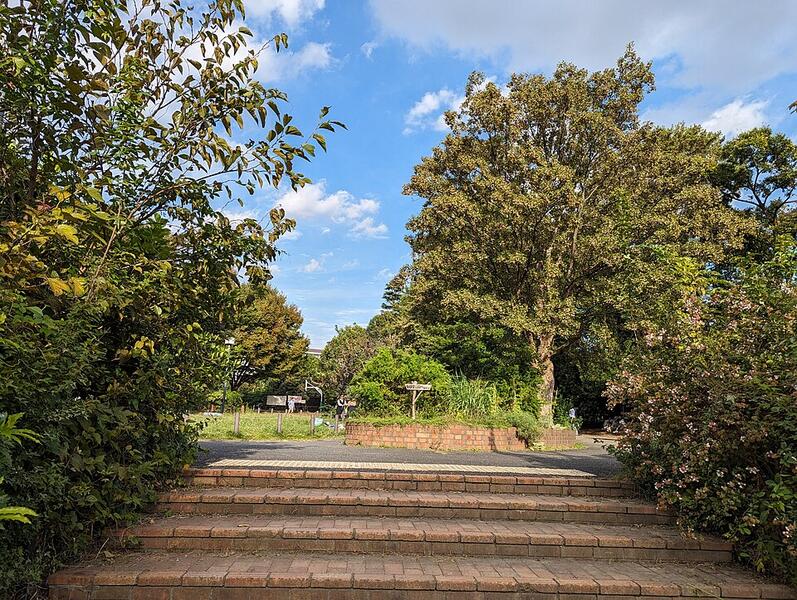
Not every night in Tokyo needs to involve neon and noise. Nakameguro and Ebisu, neighboring districts south of Shibuya, are where you go for a more relaxed evening — cocktail bars with actual ambiance, restaurants that stay open late, and streets quiet enough that you can have a conversation without shouting.
Nakameguro’s canal area is beautiful at night, especially in spring when the cherry blossoms are lit up (though “beautiful at night in spring” also means “packed beyond belief during sakura season”). The rest of the year it’s a pleasant walk between bars and restaurants that feel more curated — in the sense that someone actually thought about the interior design and the drink menu, rather than just slapping a neon sign on the door.
Buri in Ebisu is the specific place I’d point you toward. They do sake slushies — frozen sake blended into something between a cocktail and a dessert — alongside grilled skewers. It sounds gimmicky but it works. The sake slushies are refreshing and dangerously drinkable, the skewers are well-executed, and the whole thing makes for a solid start to an evening before moving on to cocktails or dinner elsewhere. It’s a date-night-appropriate spot if you’re traveling with someone and want to do something more thoughtful than cramming into a Golden Gai bar together.
Ebisu in general has a concentration of cocktail bars and wine bars that are a step above what you’ll find in the bigger nightlife districts. Less chaotic, slightly more expensive, and definitely more “adult” in the not-trying-too-hard sense. If you’re over 30 and Shibuya’s club scene sounds exhausting, an evening in Ebisu or Nakameguro is the answer. Walk the canal, have sake slushies at Buri, find a cocktail bar that catches your eye, eat somewhere good. You won’t have a “wild night in Tokyo” story, but you’ll have a genuinely enjoyable evening.
Karaoke — It’s Not Optional
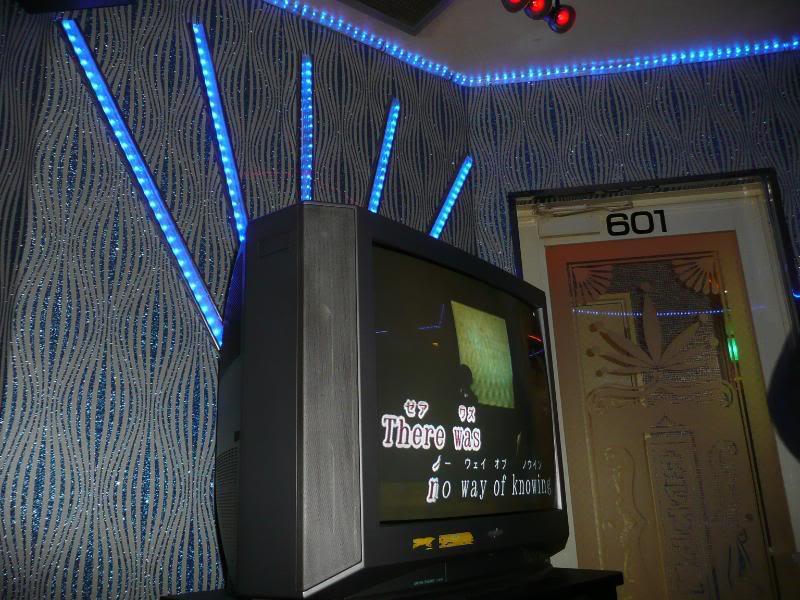
You’re going to do karaoke in Tokyo. Everyone says they won’t, and then they do. It’s not the stage-in-front-of-strangers karaoke you might be picturing from back home. In Japan, karaoke means private rooms — you and your group, a screen, two microphones, a thick songbook with English options, and a phone on the wall for ordering drinks and food delivered to your room. It’s less about singing ability and more about enthusiasm, beer, and the slow descent from “I’ll just watch” to performing a full emotional rendition of Bohemian Rhapsody at 1am.
The big chains — Big Echo, Karaoke Kan, Joysound — are everywhere. Pricing works on a per-person, per-time-block basis, and it varies wildly depending on the chain, the time of day, and whether you opt for a drink package.
Rainbow Karaoke is the budget option at ¥380 per 30 minutes. That’s almost comically cheap. The rooms aren’t fancy and the sound systems aren’t top-tier, but when you’re four beers deep and belting out 90s hits with friends, production quality is not your primary concern. It’s the place to go if you want maximum time for minimum yen.
Karaoke Kan in Shibuya is the famous one — this is where the karaoke scene in Lost in Translation was filmed. The all-you-can-drink packages here are the move: you pay a flat rate, typically ¥2,000 to ¥3,000 for two hours, and drinks keep coming for the duration. When you factor in what you’d spend buying drinks individually at a bar, the math works out heavily in karaoke’s favor. Two hours of all-you-can-drink karaoke costs roughly the same as three drinks at a Shibuya bar, and you get entertainment included.
A few karaoke tips. Book a room for at least two hours — one hour goes by in about fifteen minutes once you get going. The English song selection at major chains is surprisingly extensive — not just Western pop hits but also anime themes, classic rock, and obscure deep cuts. The food you can order to the room is mediocre at best, so eat before you go. And if you’re doing karaoke after a night of drinking (which you will), the room becomes a very comfortable place to sit down and rest your feet while pretending you’re still partying. Nobody judges. That’s what karaoke rooms are for at 2am.
Late-Night Food — Because You Will Be Hungry at 3am
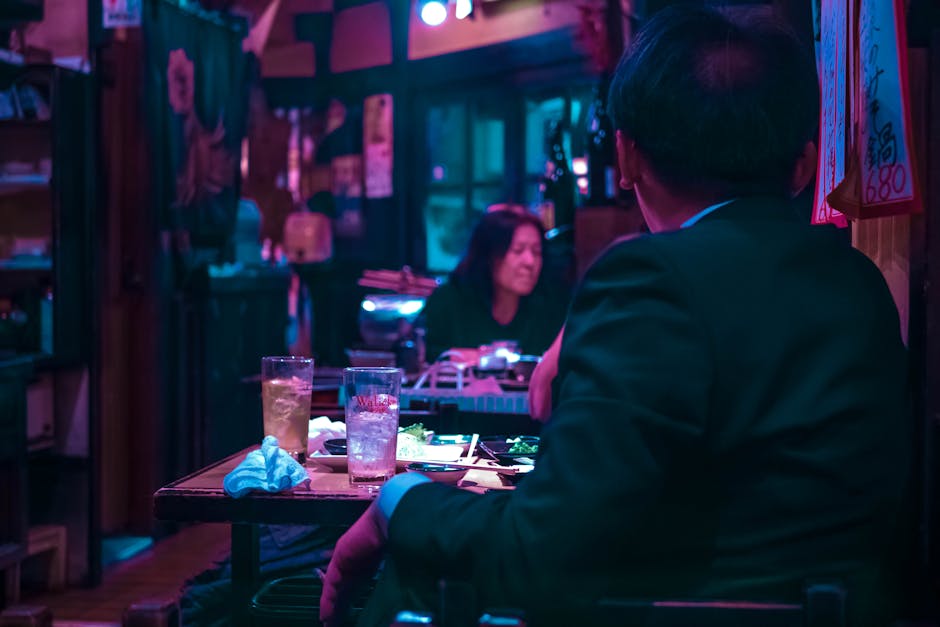
Tokyo doesn’t really close, and neither do your hunger pangs. After a night of drinking, you’ll need food, and the city delivers in ways that most places on earth don’t.
Ramen shops are the classic post-drinking move. Many stay open until 2, 3, or 4am, and some run 24 hours. Ichiran — the chain with individual booth seating where you don’t have to interact with another human being — is specifically designed for this moment. You fill out a paper form choosing your broth richness, noodle firmness, and garlic level, slide it through a bamboo curtain, and a few minutes later a steaming bowl appears. It’s ¥980 for a basic tonkotsu and it’s exactly what you need at that hour. Fuunji in Shinjuku does tsukemen (dipping noodles) that’s worth the late-night queue. And nearly every major station has at least one ramen shop open past midnight.
Cafe Eight is a 24/7 Chinese restaurant in Roppongi that’s become the unofficial after-party spot for the club crowd. When Roppongi’s clubs close and you’re starving and slightly disoriented, Cafe Eight is there with crispy Peking duck and fried rice at 4am. The food is legitimately good, not just “good for 4am.” The crispy Peking duck in particular is something people go back for sober, which tells you everything about the quality.
Yoshinoya and Matsuya are the budget fallback. These gyudon (beef bowl) chains are everywhere, open 24 hours, and serve a filling bowl of rice topped with simmered beef and onions for ¥400 to ¥500. Nobody goes to Yoshinoya for a culinary experience. You go because it’s 3:30am, you need carbs and protein immediately, and it’s right there on the corner. And honestly, a Yoshinoya beef bowl at that hour, when you’re tired and buzzed and your feet hurt, tastes better than it has any right to.
Konbini — convenience stores — are the real heroes of late-night Tokyo. 7-Eleven, FamilyMart, and Lawson operate 24/7 and their food selection puts most Western convenience stores to shame. Onigiri (rice balls) for ¥120 to ¥200, fried chicken that’s actually crispy, egg sandwiches, nikuman (steamed meat buns) in winter, and a hot food counter with rotating specials. You can assemble a completely satisfying 3am meal for ¥500 standing outside a 7-Eleven. Many people do exactly that, and there’s no shame in it.
If you’re in Shinjuku, the area around the east exit has a concentration of late-night ramen and izakaya options that stay open until the small hours. Shibuya’s options thin out faster after last train, but there’s usually something open near the Scramble Crossing. Roppongi has the best selection for very late night eating because the club crowd keeps restaurants open. And for those doing the full range of Tokyo activities, fueling up properly at night means you won’t waste the next morning in bed.
Practical Survival Guide — Getting Through the Night
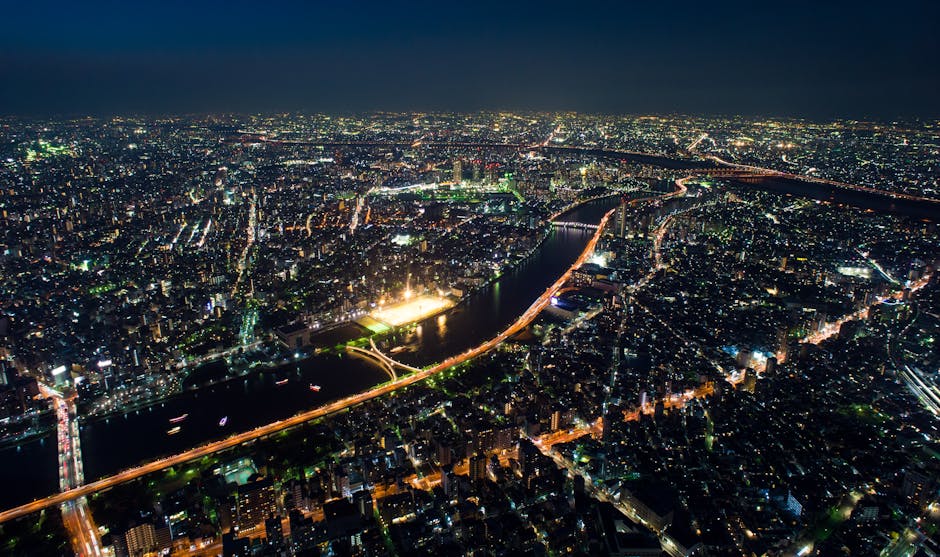
The last train problem. Tokyo’s trains stop running around midnight — the exact time varies by line, but broadly speaking, if you’re not on a platform by 11:45pm, you’re not getting home by train. This creates a nightly decision point: leave the bar at 11:30 and get back to your hotel at a reasonable hour, or commit to staying out until the first train around 5am. There’s no good middle ground. That dead zone between midnight and 5am is when taxis become your only real transport option, and they’re not cheap.
Taxi costs. A short taxi ride in Tokyo after midnight — say, Shinjuku to Shibuya — will cost ¥2,000 to ¥3,000. A longer ride back to a hotel in a different part of the city can easily hit ¥5,000 to ¥8,000. There’s also a late-night surcharge (typically 20%) that kicks in after 10pm. Uber and DiDi operate in Tokyo but prices are similar to regular taxis, sometimes higher during peak demand. If you’re splitting a cab with friends, it’s manageable. Solo, it adds up fast.
Capsule hotels as backup. If you’ve missed the last train and a taxi feels like throwing money away, capsule hotels are the strategic alternative. These cost ¥3,000 to ¥5,000 for a night, and while “sleeping in a pod” doesn’t sound glamorous, they’re clean, quiet, and warm. Many include bathing facilities — a hot bath at 2am after a night of drinking is genuinely restorative. Shinjuku, Shibuya, and Ueno all have multiple capsule hotels within walking distance of the main nightlife areas. Some even let you check in for just a few hours rather than a full night. Keep one bookmarked on your phone as a backup plan.
Drink prices — what to expect. A draft beer at a standard izakaya runs ¥400 to ¥600. Highballs (whisky and soda, the unofficial drink of Japan) are ¥300 to ¥500. Cocktails at a proper bar range from ¥800 to ¥2,000 depending on how fancy the hotel is. All-you-can-drink packages (nomihoudai) at izakayas and karaoke places run ¥1,500 to ¥3,000 for 90 minutes to two hours and are almost always the better deal if you plan on having more than two or three drinks. Wine is generally overpriced across the board — Japan isn’t a wine country and markups reflect that.
Table charges and otoshi. Many bars and izakayas charge a seating fee (usually ¥300 to ¥500) that comes with a small appetizer dish you didn’t order. This is the otoshi and it’s standard practice, not a scam. Think of it as a cover charge that comes with a bonus snack. It’ll appear on your bill automatically. Standing bars (tachinomi) usually skip this, which is one reason they’re cheaper.
Safety. Tokyo is one of the safest major cities in the world, and that extends to nighttime. You can walk through any neighborhood at 3am without serious concern. The main risks aren’t violent crime — they’re financial. Bill inflation at dodgy bars in Kabukicho and Roppongi is the biggest threat to your wellbeing. Second to that is the risk of simply spending more than you intended, because the drinks keep flowing and nobody’s cutting you off. Set a cash budget for the night and leave your credit card at the hotel if you don’t trust yourself. Japan is still heavily cash-based for nightlife anyway.
And drink spiking, while rare, has been reported at some Roppongi bars — particularly the ones you’d be led to by touts. Stick to places you chose yourself, watch your drink, and you’ll be fine. Standard advice that applies in any city, but worth repeating.
Food tours are worth considering if you want a structured introduction to the eating and drinking side of Tokyo nightlife. A good guide will take you to places you’d never find on your own and handle all the ordering and cultural navigation. We’ve reviewed Tokyo’s best food tours separately if you want to compare options.
For more general trip planning, Go Tokyo has current event listings and seasonal information that can help you figure out what’s happening on the nights you’ll be in town. And if you’re putting together a full itinerary, our Tokyo travel guide covers the daytime side of things that you’ll need to balance against your nightlife plans.
One final thought. The best nights out in Tokyo aren’t the ones where you have a rigid plan. They’re the ones where you start with one idea — Golden Gai, maybe, or a specific izakaya you read about — and then let the night pull you somewhere unexpected. A bartender recommends a place two streets over. Someone at the counter invites you to join them at a club. You stumble on a tiny ramen shop at 4am that isn’t in any guidebook. Tokyo rewards the people who stay out late and stay open to whatever happens next. That’s the whole point.