
Tokyo has a reputation problem. Everyone assumes it’s ruinously expensive — up there with Zurich, Singapore, London. And if you spend your trip eating in Roppongi, staying near Tokyo Station in a name-brand hotel, and taking taxis, then yes, you’ll burn through cash at a sickening rate. But that version of Tokyo is a tourist trap wearing a designer suit. The actual city — the one where 14 million people live, eat, commute, and go about their days — runs on a completely different price scale.
Here’s what nobody told me before my first trip: Tokyo is cheaper than most Western capitals right now. Not “cheaper than you’d expect.” Genuinely, measurably cheaper. The yen has been weak for years, hovering around ¥150-160 to the dollar, and that’s turned a city that was already reasonable into something approaching a bargain. A proper bowl of ramen for ¥800. A clean, safe capsule hotel for ¥4,000 a night. A full day of world-class sightseeing for literally nothing. Try pulling that off in Paris.
The thing that makes budget Tokyo different from budget travel almost anywhere else is that you’re not sacrificing quality. You’re not eating sad sandwiches or sleeping in sketchy dorms. The cheap version of Tokyo — standing sushi bars, local sento baths, ¥100 arcade games at midnight, dawn walks through shrine forests — that’s not some lesser experience you endure to save money. For most visitors, it ends up being the highlight of the whole trip.
This guide gets specific. Real prices, real names, real strategies. If you want the broader overview first, our Tokyo travel guide covers the full picture. Come back here when you want to know exactly how to do it without hemorrhaging yen.
- What Tokyo Actually Costs: Three Daily Budgets
- Shoestring: ¥6,000-8,000/day
- Comfortable Budget: ¥12,000-16,000/day
- Budget Luxury: ¥20,000-25,000/day
- Where to Sleep Cheap (Without Hating Your Life)
- Capsule Hotels
- Business Hotels
- Hostels
- Eating Cheap in Tokyo (The Real Guide)
- Konbini: Your Best Friend
- Ticket Machine Ramen Shops
- Gyudon Chains: The ¥400 Lifeline
- Standing Sushi
- Depachika: Department Store Basements at Closing Time
- The Lunch Special Strategy
- Free Things Worth Your Time
- Meiji Shrine
- Senso-ji Temple
- Yoyogi Park
- Shibuya Crossing
- Tokyo Metropolitan Government Building
- More Free Options
- Cheap Things That Are Worth Paying For
- Arcade Games: ¥100 Per Play
- Sento: ¥520
- Ueno Park Museums: ¥500-1,000
- Shinjuku Gyoen: ¥500
- Getting Around Without Overspending
- IC Cards: The Foundation
- When Day Passes Make Sense
- Walking Between Neighbourhoods
- Money Stuff That Actually Matters
- Cash and ATMs
- 100 Yen Shops
- Tax-Free Shopping
- Vending Machines
- Things You Should Not Cheap Out On
- Good Shoes
- Mobile Data
- One Splurge Meal
- Day-to-Day Patterns That Work
- Common Mistakes That Cost Money
- Final Thought
What Tokyo Actually Costs: Three Daily Budgets
Every budget guide throws out a daily number and moves on. That’s useless. What matters is the breakdown — where your money actually goes. These three tiers assume you’re already in Tokyo. Flights and travel insurance aren’t included.
Shoestring: ¥6,000-8,000/day
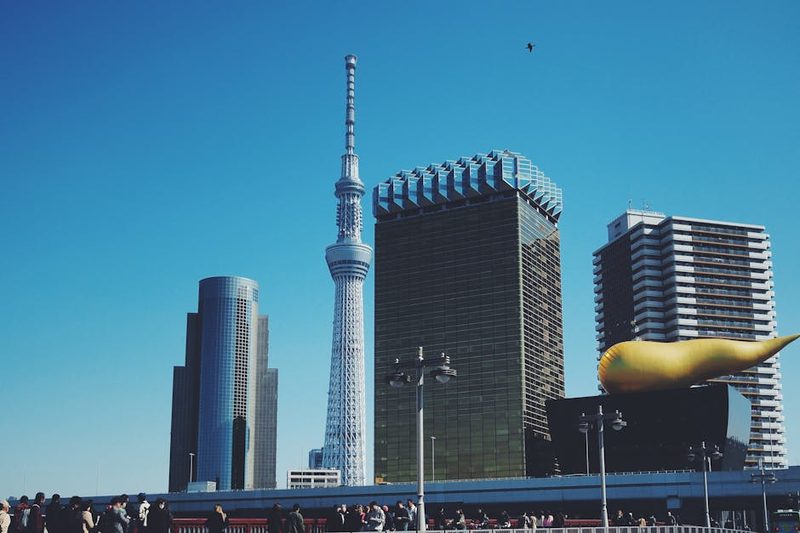
This is tight. But it’s not miserable, and that distinction matters.
- Sleep: ¥2,500-3,500 — hostel dorm bed or a basic capsule hotel
- Food: ¥2,000-2,500 — konbini breakfast, chain restaurant lunch, one cheap dinner or another konbini meal
- Transport: ¥800-1,200 — IC card with plenty of walking, a day pass if you’re covering serious ground
- Activities: ¥0-800 — mostly free sightseeing, maybe a sento or a cheap museum
You’ll eat better on ¥2,500 a day in Tokyo than you will on the equivalent in most American cities. That’s not an exaggeration. A ¥400 gyudon bowl is hot, filling, and genuinely good. Konbini onigiri at ¥150 each are better than half the “artisan” rice balls sold for ten times the price in Brooklyn. The floor for food quality in Japan is just absurdly high.
The main limitation at this level isn’t hunger — it’s fatigue. You’ll walk more to save on transport, you might skip paid attractions, and hostel dorms mean less sleep if you get noisy roommates. Sustainable for a week or two, but it wears on you beyond that.
Comfortable Budget: ¥12,000-16,000/day
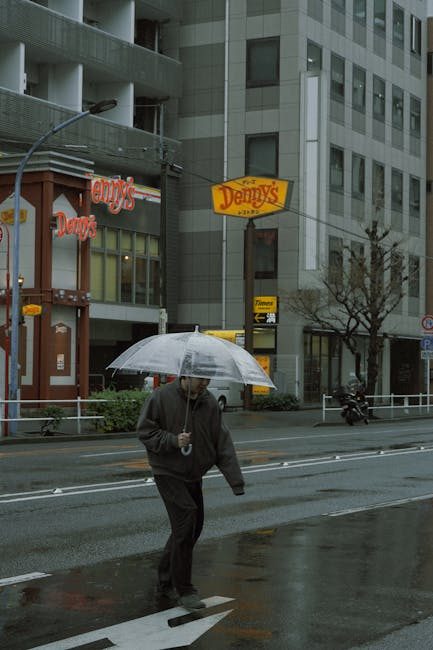
This is the sweet spot, and it’s where I’d tell most people to aim.
- Sleep: ¥5,000-7,000 — private capsule, business hotel with breakfast, or a hostel private room
- Food: ¥3,500-5,000 — mix of cheap meals and one or two proper sit-down spots
- Transport: ¥1,000-1,500 — IC card without stressing about an extra train ride
- Activities: ¥1,500-2,500 — a museum or two, a garden, some arcade time, a sento
At this tier, you can say yes to almost everything. Standing sushi for lunch? Sure. Beer from a vending machine in a park at sunset? That’s ¥250. The observation deck at the government building at 10pm? Free. Want to try three different konbini egg sandwiches to find the best one? That’s a ¥600 experiment. You’re not pinching yen, you’re just not being stupid with them.
Budget Luxury: ¥20,000-25,000/day
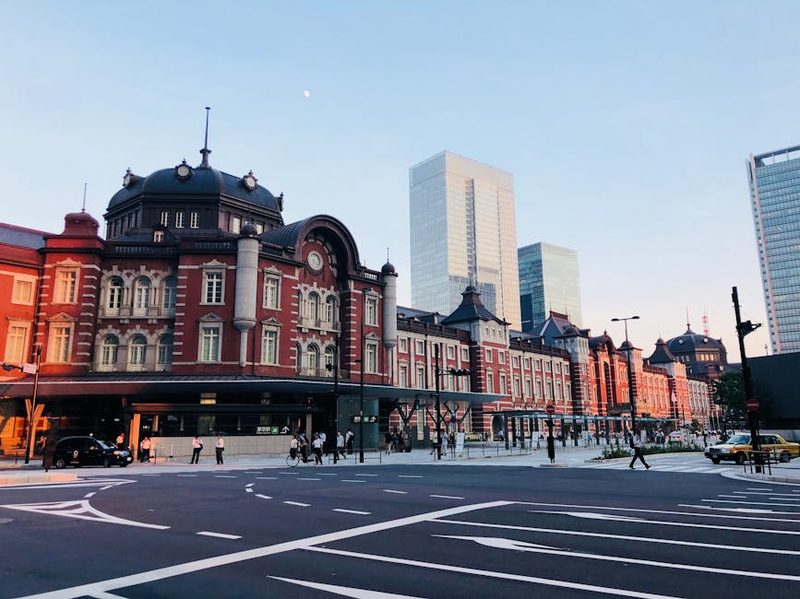
In London, this buys you a mediocre day. In Tokyo, you’re living extremely well.
- Sleep: ¥8,000-12,000 — solid business hotel, boutique hotel, or a nice Airbnb
- Food: ¥6,000-8,000 — one genuinely excellent meal per day, casual eating the rest
- Transport: ¥1,500-2,000 — go wherever you want without a second thought
- Activities: ¥3,000-5,000 — paid attractions, cooking classes, any experience that catches your eye
At ¥25,000 a day, you can do an eight-seat omakase counter for lunch, stay in a hotel with a rooftop onsen, hit every Ueno museum, and still have change left. That same day in New York or Paris costs three to four times as much. The yen is doing incredible work right now for anyone earning in dollars, euros, or pounds.
Where to Sleep Cheap (Without Hating Your Life)
Tokyo’s budget accommodation punches way above its weight class. The cheapest places here are cleaner and safer than mid-range hotels in a lot of European cities. For the full neighbourhood breakdown and more options, see our guide to where to stay in Tokyo.
Capsule Hotels
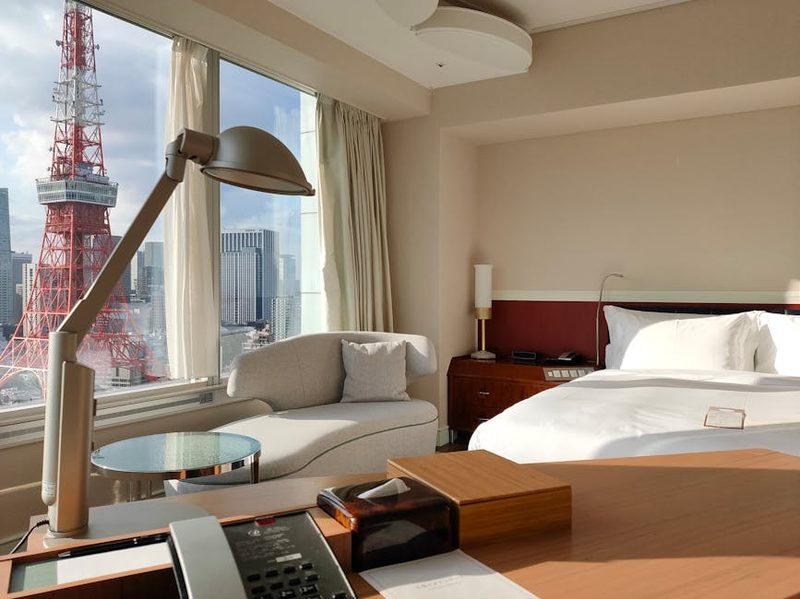
The iconic Tokyo option, and they’ve come a long way from the coffin-sized pods of the 1980s. Modern capsules are more like private sleeping cocoons — blackout curtains, USB charging, climate control, decent mattresses. They won’t work if you’re claustrophobic, and they’re not great for couples, but for solo travelers they’re the single best value-to-quality ratio in budget accommodation anywhere.
Nine Hours is the design-forward chain. Locations in Shinjuku, Shibuya, and near Tokyo Station. ¥4,000-5,500 per night. Everything is minimal, clean, almost clinical — white pods, good lighting, firm but comfortable bedding. The Shinjuku location is the most convenient. Check-in is automated, which is either a plus or a minus depending on how you feel about human interaction after a long flight.
APA Hotel isn’t technically a capsule chain — they’re compact business hotels — but the rooms are capsule-sized and the prices compete. Rooms from around ¥4,500 on weeknights. They’re everywhere in Tokyo. The rooms are tiny even by Japanese standards (some are genuinely 9 square metres), but they’re clean, the beds are decent, and that’s all a budget room needs to be.
One thing to know about traditional capsule hotels: some are men-only. This is changing, especially with newer chains, but always verify before booking. The newer places either have mixed floors or dedicated women-only floors with separate security access.
Business Hotels
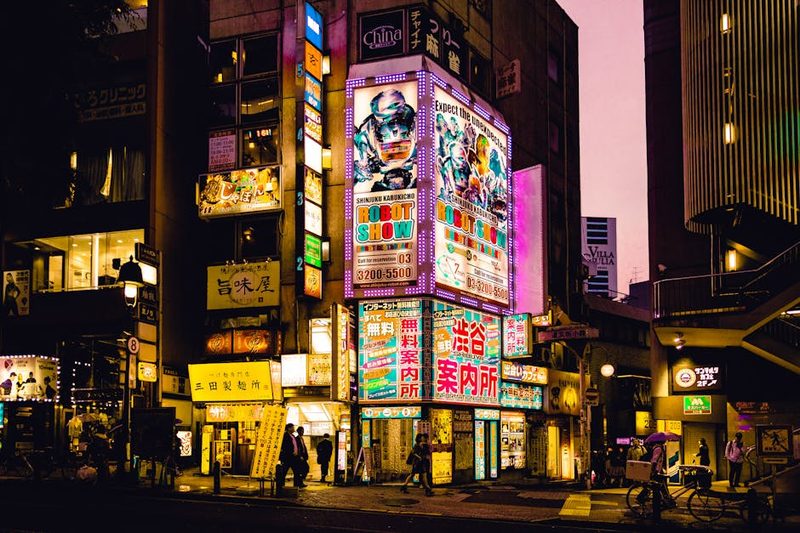
Japan’s business hotel chains are the unsung heroes of budget travel here. They’re not glamorous. They’re not Instagrammable. They’re just clean, efficient, well-located, and surprisingly cheap.
Toyoko Inn — rooms from around ¥5,500, and that includes breakfast. Free breakfast. Not a continental spread of stale pastries either — rice, miso soup, a couple of sides, sometimes curry. It’s basic but it’s hot food that fills you up, and it means one less meal to pay for. Toyoko Inn locations cluster around major stations, which keeps transport costs down too. Book directly through their website for the best rates, not through third-party booking sites.
Super Hotel — ¥5,000-7,000 per night, and quite a few locations include a small natural hot spring bath on-site. Yes, an onsen in a budget hotel. It’s not the mountainside open-air bath experience you’ve seen in photos, but soaking in actual hot spring water after a full day of walking is worth more than the ¥5,000 room rate suggests. Their breakfast is also free and slightly better than Toyoko Inn’s, with a few more options.
The rooms are small. Accept that. You’re in Tokyo — space is expensive, and a budget room is for sleeping, not living.
Hostels
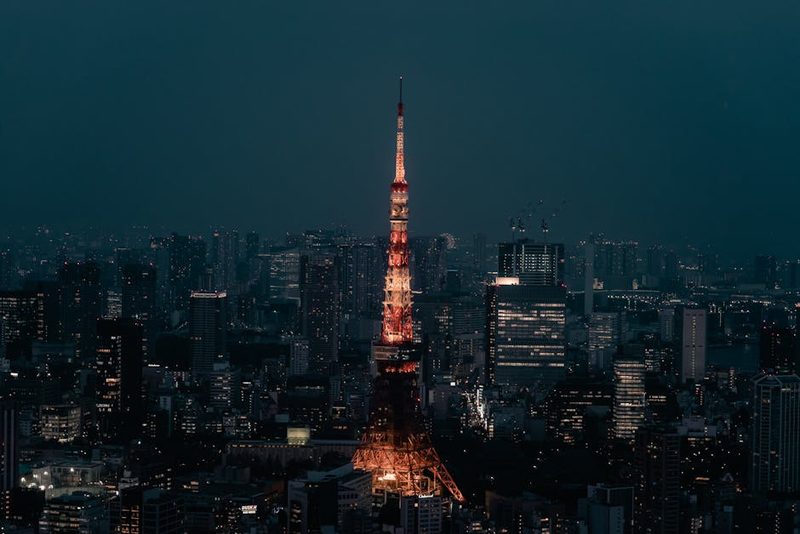
Tokyo’s hostel scene is strong. Japanese cleanliness standards apply even at the cheapest end, and some genuinely creative people have opened places worth staying in for their own sake.
Nui. Hostel & Bar Lounge in Kuramae is a converted warehouse with exposed brick, a gorgeous ground-floor bar, and the kind of atmosphere that makes strangers actually talk to each other. Dorm beds from around ¥3,000. The Kuramae neighbourhood is becoming one of Tokyo’s most interesting — craft coffee roasters, small galleries, a completely different feel from the tourist centres. Staying here puts you in a version of Tokyo most visitors never see.
Toco Tokyo Heritage Hostel is a converted 1920s Japanese house in Iriya, near Ueno. Dorms from ¥3,200. Tatami floors, sliding paper doors, a small garden. It’s beautiful. The trade-off is that it’s a traditional wooden building, which means you hear everything — every footstep, every door slide, every late-night conversation in the common area. Light sleepers should bring earplugs or pick somewhere else.
CITAN Hostel in Nihonbashi has a basement bar, an in-house coffee roaster, and a rooftop. Dorm beds from ¥3,500. It’s the most polished of the three, leaning more toward the “design hostel” end of the spectrum. The location in Nihonbashi is central and well-connected but quiet at night, which is a combination that’s hard to find in central Tokyo.
Private rooms at all three run ¥7,000-10,000, which overlaps with business hotel prices. At that point it’s about whether you prefer hostel atmosphere or your own bathroom.
Eating Cheap in Tokyo (The Real Guide)
Tokyo has more Michelin stars than any city on earth, but that’s not why it’s a great food city. It’s great because the baseline is so high that a ¥400 beef bowl is genuinely satisfying. The gap between “cheap” and “good” barely exists here. Our Tokyo food guide goes deeper, but this section is about eating well on a tight budget.
Konbini: Your Best Friend
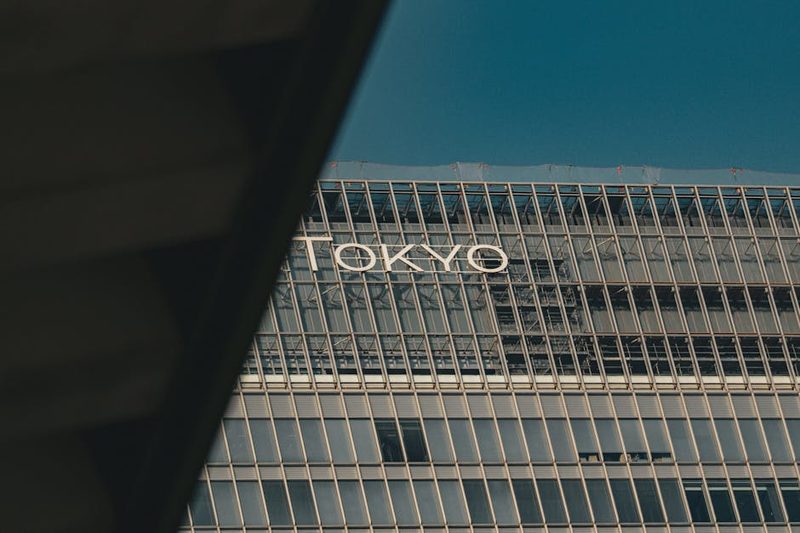
Convenience store food in Japan will wreck your expectations for convenience store food everywhere else for the rest of your life. I’m serious. The egg salad sandwich at 7-Eleven — white bread, impossibly fluffy eggs, Kewpie mayo — is better than most cafe sandwiches in London. It costs ¥200.
7-Eleven, Lawson, and FamilyMart are the big three, and they’re everywhere. Every block, sometimes two on the same block. For budget eating, here’s what works:
Onigiri (rice balls): ¥120-180 each. Dozens of fillings — salmon, tuna mayo, pickled plum, kelp. Two onigiri and a drink is a ¥400-500 breakfast that takes three minutes.
Bento boxes: ¥400-600 for a complete meal. Rice, protein, a couple of sides. The quality rotates — some days the chicken karaage bento is perfect, some days it’s mediocre. FamilyMart’s tend to be the most consistent, but Lawson’s seasonal specials occasionally blow everything else away.
Hot food counter: Fried chicken (karaage), nikuman (steamed buns), croquettes, oden in winter. ¥100-300 per item. The fried chicken at Lawson — specifically the “Karaage-Kun” — is a cult item for a reason.
Late-night konbini runs become a ritual. You’ll find yourself at 11pm, standing in a FamilyMart with a ¥150 onigiri, a ¥130 green tea, and a ¥180 matcha pudding, spending ¥460 on what feels like a proper meal. That math doesn’t work anywhere else.
Ticket Machine Ramen Shops
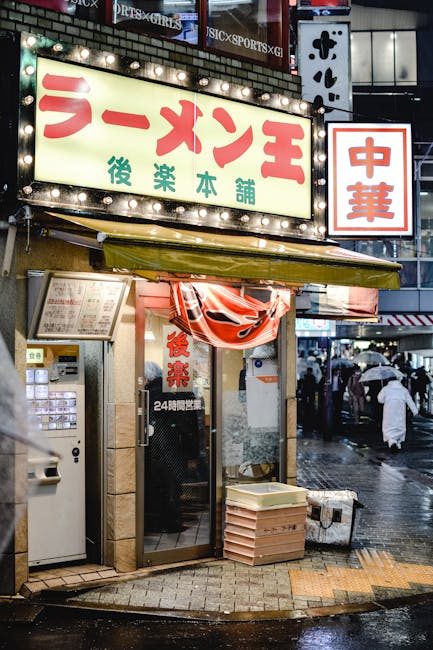
These are the restaurants where you buy your meal from a vending machine by the door, hand the ticket to the cook, and sit at a counter. No tipping, minimal interaction, fast service. Ramen costs ¥700-1,000 at most of these places, and the quality ranges from decent to genuinely outstanding.
The system is a relief if you don’t speak Japanese. Look at the machine (most have photos or plastic models nearby), press the button, pay, hand over the ticket. No ordering in a language you don’t speak. Some machines have English buttons now, though many don’t — look for photo displays or ask staff to point.
Fuunji in Shinjuku does tsukemen (dipping ramen) for about ¥900, and there’s almost always a line. It moves fast, and it’s worth the wait — the broth is thick and intensely flavoured. Ramen Nagi in Golden Gai does a rich pork broth for around ¥1,000. For the true budget option, Hidakaya is a chain with locations all over the city and bowls starting from ¥390. It’s not destination ramen, but it’s hot, filling, and cheap enough to eat twice a day if you’re really counting yen.
Gyudon Chains: The ¥400 Lifeline
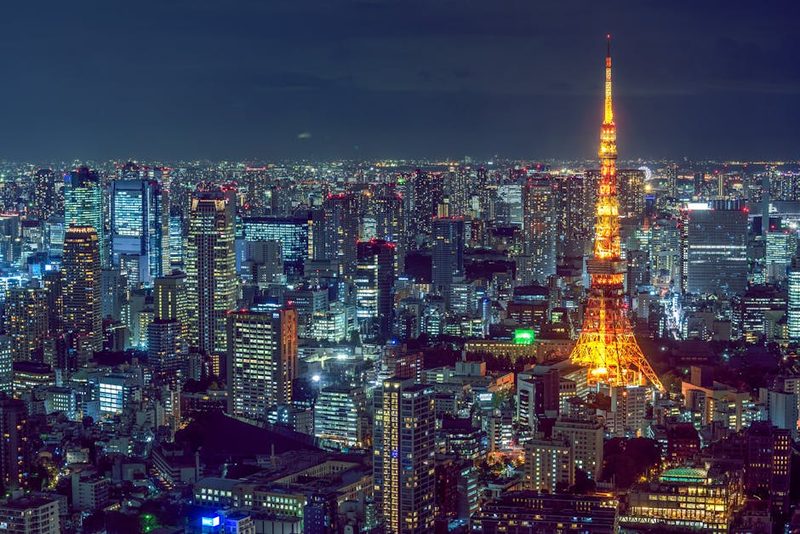
If I had to pick one single budget food hack for Tokyo, it’s this: learn to love gyudon. Beef and rice in a bowl. It’s simple, it’s fast, and at ¥400-470 it’s the cheapest proper meal you can get in the city.
Matsuya: ¥400 for a regular beef bowl, and it comes with free miso soup. That’s a complete hot meal for less than the price of a bottle of water at a European airport. The ordering is done via machine, so there’s no language barrier. Matsuya is my personal pick of the three big chains — the beef is slightly more seasoned and the free miso makes the value absurd.
Sukiya: ¥430 for the same basic deal. Slightly more topping variety than Matsuya. They do a cheese gyudon that sounds wrong but somehow works.
Yoshinoya: ¥468, the most expensive of the three and the original gyudon chain. Marginally different flavour profile — a bit more soy-forward. Honestly, the differences between the three are minor. Pick whichever one is closest.
All three are open 24 hours. After a night out in Shinjuku, when you’re hungry and everything else is closed, a 2am gyudon at Matsuya is exactly what you need. Fluorescent lights, tired salarymen at the counter, a meal that costs less than a beer. Budget travelers know this Tokyo. Wealthy travelers never find it.
Standing Sushi
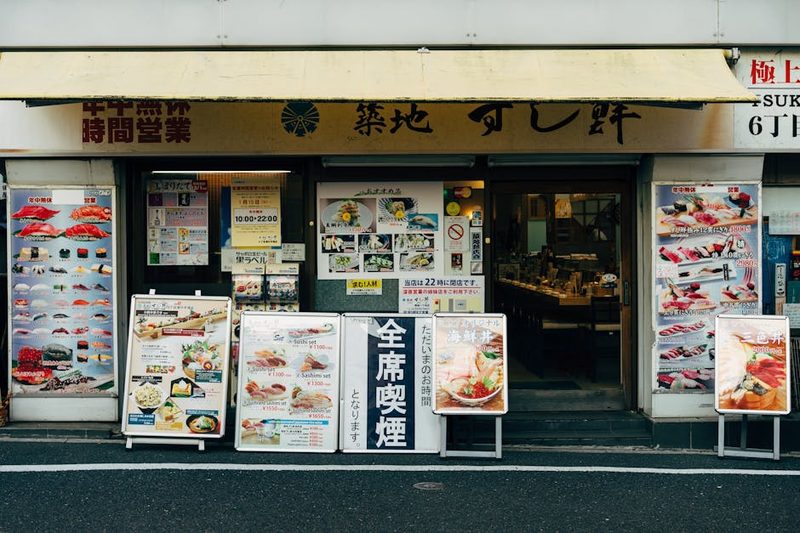
Standing sushi bars are a Tokyo institution that doesn’t get enough attention in travel guides, probably because they don’t look impressive from outside. No tablecloths, no fancy signage, sometimes just a counter and a chef and a handwritten menu. But the fish is fresh (it has to be — standing sushi places turn over their stock fast because they serve so many customers), and you’re eating for ¥800-2,000 depending on how much you order.
Stand at the counter, order piece by piece or ask for a set. Sets are usually better value — ¥1,000-1,500 gets you eight to ten pieces. The chef makes them right in front of you. Light soy dip only — the wasabi is already between the rice and fish.
Spots near Tsukiji Outer Market and around major train stations tend to have the best quality-to-price ratio. The ones inside train stations (look for them in the basement food floors) are often surprisingly good.
Depachika: Department Store Basements at Closing Time
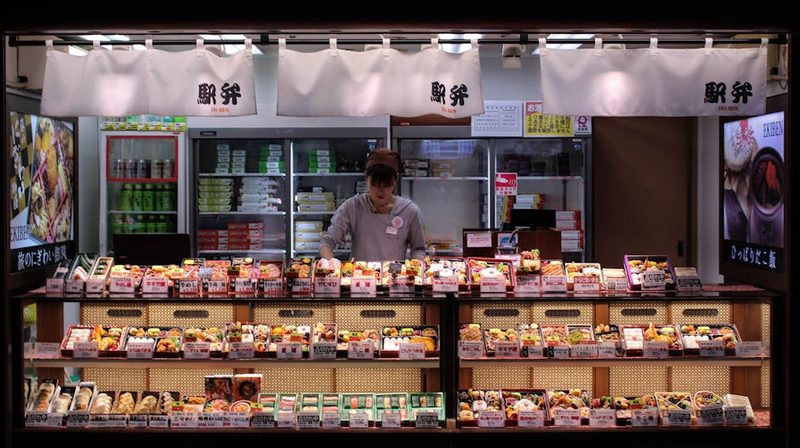
This is one of those tricks that sounds too good to be true but absolutely works. Department store basement food halls (depachika) sell gorgeous prepared food all day at premium prices — sushi platters, tempura, wagyu bento, seasonal sweets. Thirty to sixty minutes before closing (stores typically close between 8pm and 8:30pm), staff start slapping discount stickers on everything that won’t keep until tomorrow.
That ¥1,500 sushi tray? Now ¥750. The ¥2,000 wagyu bento? ¥1,200. Same food, same vendors. Discounts run 20-50%, and it’s first come, first served. Regulars know the timing at their local store. Tourists who stumble into it can’t believe what they’re getting.
Isetan Shinjuku and Daimaru Tokyo Station are the two best for this. Isetan’s basement is genuinely one of Tokyo’s great food experiences even at full price. At discount, it’s almost unfair. Mitsukoshi Ginza and Takashimaya Shinjuku also do it. Get there 45 minutes before closing for the best selection, or 15 minutes before for the steepest discounts on whatever’s left.
The Lunch Special Strategy
This is the single most impactful budget tip for eating in Tokyo, and I’ll say it plainly: eat your main meal at lunch.
Japanese restaurants operate on a pricing model that doesn’t really exist in the West. Lunch sets (teishoku) at the same restaurant, with the same chef, using the same ingredients, cost 40-60% less than dinner. A sushi place charging ¥5,000 for an evening omakase will serve a lunch set with the same fish for ¥1,500-2,000. A tonkatsu restaurant with ¥2,500 dinner sets will have ¥1,000-1,200 lunch plates. The food quality doesn’t drop. The portions are sometimes slightly smaller, but not dramatically.
Why? Lunch customers are office workers who eat fast and leave. Higher turnover means the restaurant can charge less per head. At dinner, people linger and drink. The pricing reflects that.
The play is obvious: splurge at lunch, eat cheap at dinner. Sushi omakase between 11:30am and 1:30pm, gyudon or konbini for dinner. You’ll eat just as well as someone spending twice your daily food budget, just in reverse order.
Free Things Worth Your Time
Tokyo has more free world-class attractions than almost any major city, and unlike a lot of “free things to do” lists, these aren’t filler. They’re genuine highlights. For the full rundown including paid attractions, our things to do in Tokyo guide covers everything.
Meiji Shrine
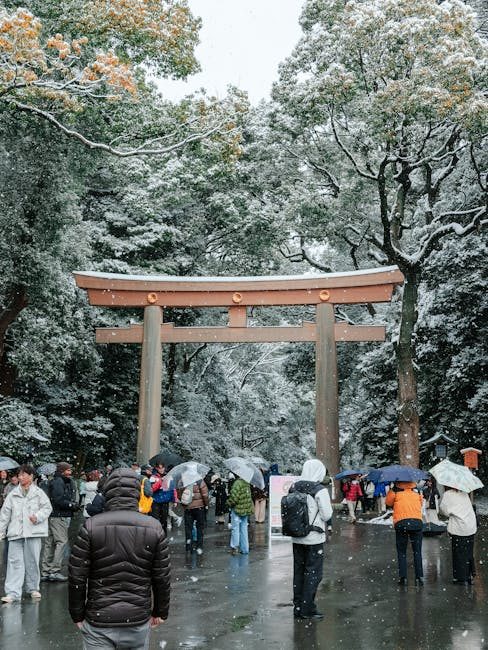
A hundred and seventy acres of forest in the middle of the city. The walk from the entrance torii through the tree-lined gravel path to the main shrine takes about ten minutes, and the noise of Harajuku fades almost immediately. It’s one of those places that makes you forget you’re in a city of 14 million people. Go before 9am on a weekday and you might share the path with a handful of joggers and a few people making morning prayers. Go at noon on a Sunday and you’ll share it with everyone.
The real draw is the forest — 100,000 trees donated from across Japan when the shrine was built in 1920. It feels wild and ancient, even though it’s entirely man-made and barely a century old.
Senso-ji Temple
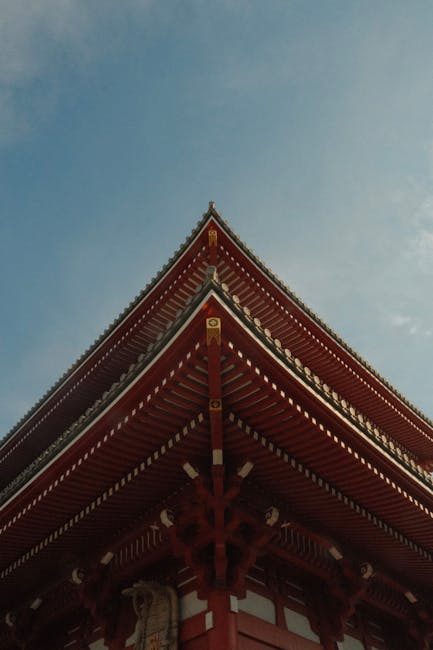
Tokyo’s oldest temple, in Asakusa. The main gate (Kaminarimon, the one with the giant red lantern) is probably in half the photos you’ve ever seen of Tokyo. Walk through it, down the shopping street of Nakamise-dori, and into the temple grounds. The incense burner in front of the main hall is where visitors waft smoke over themselves for good health — join in, nobody will mind.
The trick with Senso-ji is timing. During the day, it’s packed. At night, though — after the Nakamise shops close around 5pm — the temple grounds stay open and they’re illuminated. The crowds thin to almost nothing. The main hall, the pagoda, the gates, all lit against the dark sky. If you can, visit twice: daytime for the atmosphere and shopping, night for the photos and the quiet.
Yoyogi Park
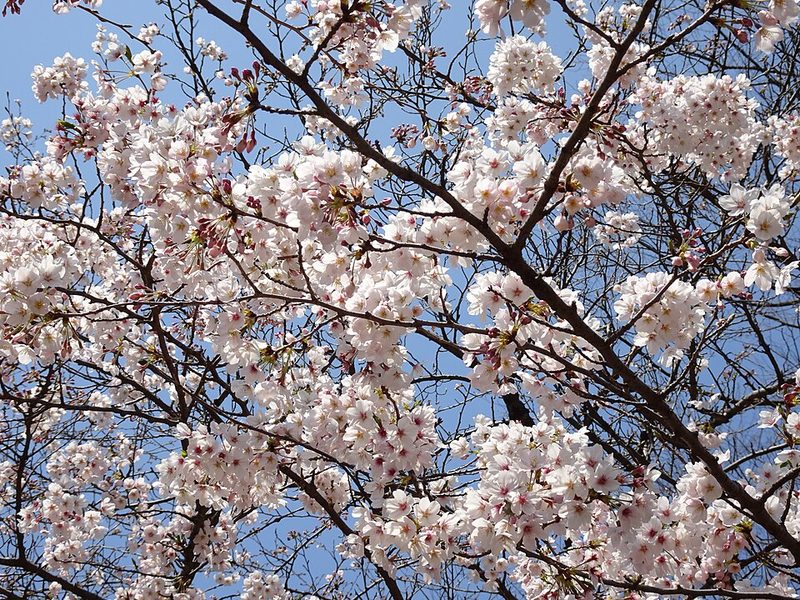
Adjacent to Meiji Shrine and a short walk from Harajuku. On weekdays it’s a pleasant green space. On Sundays, it becomes one of the most entertaining free shows in Tokyo. Rockabilly dancers doing their thing near the entrance. Drum circles. Cosplayers. Dance practice groups. Street performers. It’s chaotic and weird and genuinely fun to just sit on the grass and watch.
Shibuya Crossing
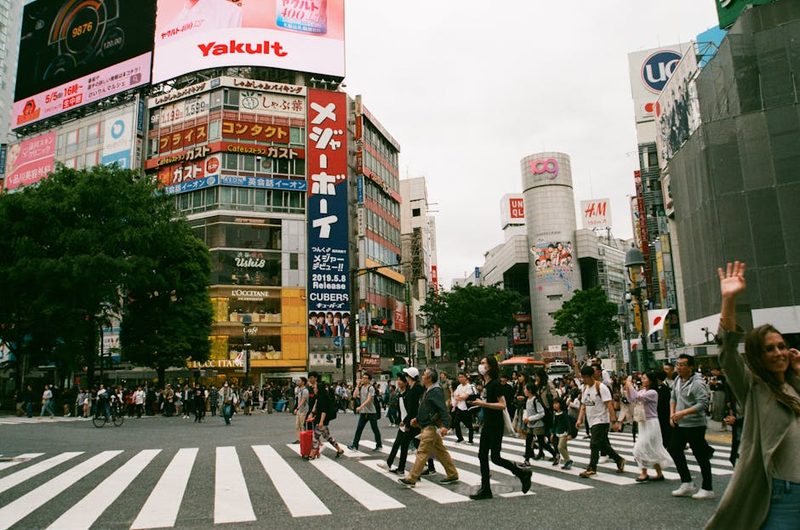
The famous scramble where up to 3,000 people cross at once. More impressive in person than in photos — the controlled chaos of it, everyone moving, nobody colliding, thirty seconds and it’s done. Best at night when the neon is going full blast. The upper level of Shibuya Station has free views, or grab a window seat at the Starbucks overlooking the crossing.
Tokyo Metropolitan Government Building
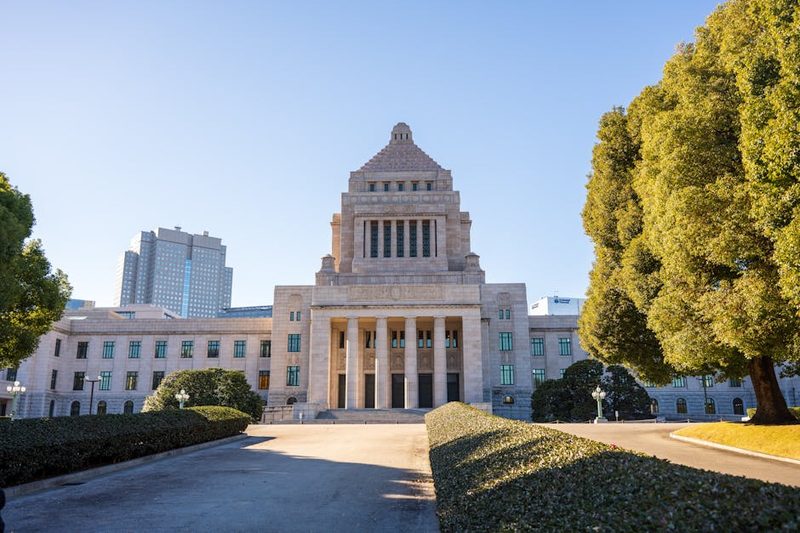
This is the one that surprises people. A free observation deck on the 45th floor of the government building in Shinjuku. Free. No ticket, no reservation, just walk in, go through security, take the elevator up. The view stretches across the entire city, and on clear days you can see Mount Fuji. The north and south observatories offer slightly different perspectives — the south side has a bar and cafe, the north side tends to be less crowded.
Open until 11pm most nights. Go at 9pm or 10pm when the city lights spread out below you like a circuit board. Tokyo Skytree charges ¥2,100-3,400 for the same experience from a different angle. Save your money.
More Free Options
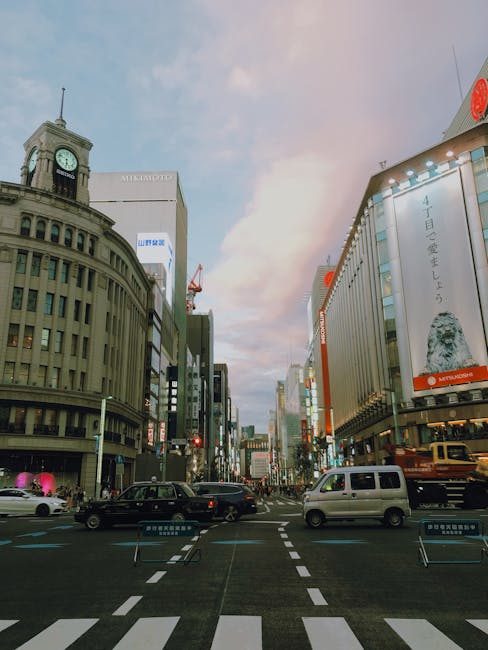
Zojo-ji Temple: A large temple with Tokyo Tower rising directly behind it. The photo opportunity is obvious and it delivers. Nezu Shrine: A tunnel of small red torii gates, similar to Kyoto’s Fushimi Inari but without the crushing crowds. Gotoku-ji: Hundreds of maneki-neko (beckoning cat) figurines covering shelves and altars. It’s strange and photogenic and completely free. Tsukiji Outer Market: The inner wholesale market moved to Toyosu, but the outer market streets of food stalls and small restaurants remain. Walking and browsing is free; eating is cheap.
Cheap Things That Are Worth Paying For
Arcade Games: ¥100 Per Play
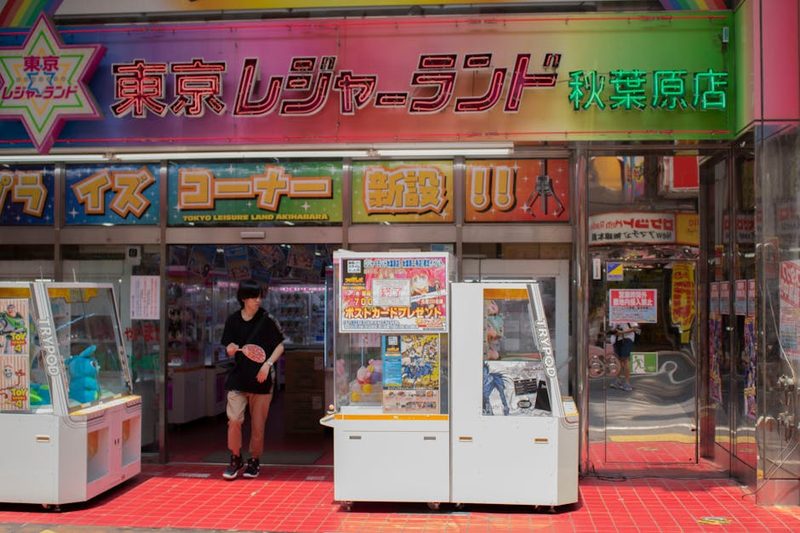
Tokyo’s game centres are going to eat your time and you should let them. Most machines take ¥100 coins. Claw machines, rhythm games, racing simulators, fighting games, bizarre Japanese-only titles you’ve never heard of that turn out to be weirdly addictive. An hour in Taito Station or Club Sega costs ¥500-1,000, and it’s more fun than most paid attractions.
Akihabara has the highest concentration, but Shinjuku and Ikebukuro both have massive multi-floor spots. Retro gaming floors are on the upper levels. Claw machines are always ground floor — don’t expect to win anything. Budget ¥300 for the attempt and walk away.
Sento: ¥520
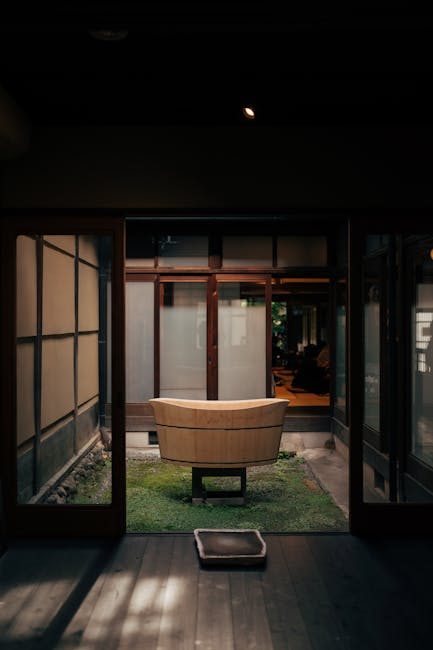
A sento is a public bathhouse. Not an onsen (hot spring) — a sento uses heated tap water, though some in Tokyo have natural spring water too. The standard admission across Tokyo is ¥520, set by the metropolitan government. For that, you get hot baths, cold baths, sometimes a sauna, and the experience of bathing the way Tokyo locals have done for centuries.
Sento etiquette is simple: wash thoroughly at the shower stations before entering any bath. Don’t skip the scrub. Tattoos are technically banned at many sento, though enforcement varies — small ones can be covered with a bandage, but large tattoos may get you turned away at older establishments.
Some travelers skip sento because they’re uncomfortable with the nudity. Your call, but you’re missing out. After 25,000 steps through Shinjuku and Shibuya, sinking into a hot bath at 9pm is worth every one of those ¥520.
Ueno Park Museums: ¥500-1,000
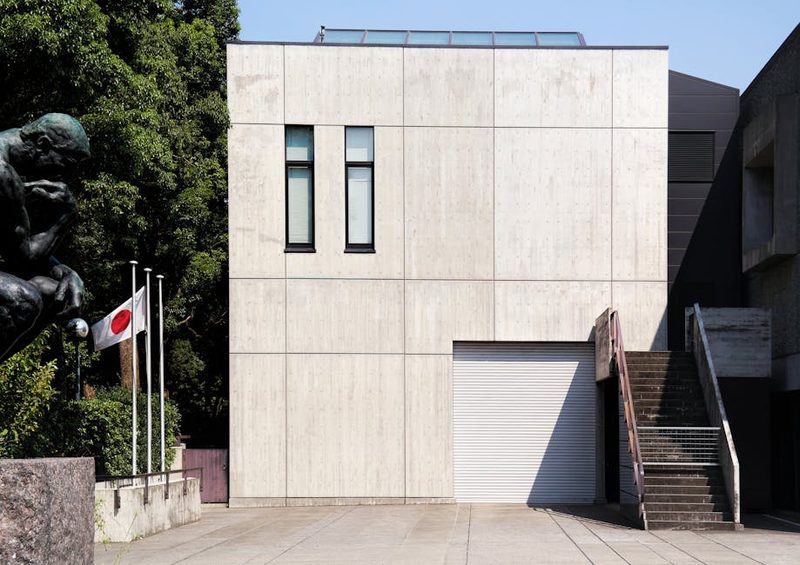
Ueno Park has the highest concentration of museums in Tokyo, and several of them are world-class by any standard. Tokyo National Museum: ¥1,000, the largest collection of Japanese art and antiquities in the world. You could spend half a day here. National Museum of Nature and Science: ¥630, excellent even if you’re not a science person — the dinosaur skeletons and the 360-degree theatre are worth the price alone. National Museum of Western Art: ¥500, a Le Corbusier-designed building with a permanent collection that includes Monet, Renoir, and Rodin. ¥500 for Monet. Come on.
If you’re hitting multiple museums, check for combination tickets at the park information centre. Not always available, but when they are, the savings add up.
Shinjuku Gyoen: ¥500
Tokyo’s most beautiful park. Traditional Japanese garden, English landscape garden, and French formal garden all in one space. During cherry blossom season (late March to mid-April) it’s one of the best hanami spots in the city — and unlike Ueno Park, where hanami gets rowdy and extremely crowded, Shinjuku Gyoen has an alcohol ban that keeps it calmer.
Outside cherry blossom season, it’s still worth the ¥500, especially if you need a quiet break from the sensory overload of Shinjuku. The greenhouse has some impressive tropical plants if you’re there on a cold day.
Getting Around Without Overspending
IC Cards: The Foundation
First thing you do when you arrive: get an IC card. Suica and Pasmo work identically on all trains and buses. iPhone 8 or newer can add a Suica through Apple Wallet before your flight. Android users on recent Samsung or Pixel phones can do the same via Google Wallet. Otherwise, buy a physical Welcome Suica at the airport.
Load ¥3,000 to start. You’ll use it on trains, buses, konbini, vending machines, and coin lockers. A typical sightseeing day costs ¥500-800 on transport with an IC card.
When Day Passes Make Sense
The Tokyo Subway Ticket covers all Tokyo Metro and Toei Subway lines. 24-hour pass: ¥800. 48-hour: ¥1,200. 72-hour: ¥1,500. If you’re doing more than four or five rides in a day on subway lines only, the 24-hour pass saves money. On heavy sightseeing days — say, Asakusa in the morning, Ueno at midday, Shibuya in the afternoon, Shinjuku at night — it’s worth it.
The catch: the pass only covers subway lines, not JR. The Yamanote loop (Shibuya, Shinjuku, Harajuku, Tokyo, Akihabara, Ueno) isn’t included. If your day follows the Yamanote loop, the pass is useless. Check your route on Google Maps before buying.
For most visitors staying four to seven days, the best strategy is IC card most days, a 24-hour subway pass on one or two heavy subway days, and walking as much as possible.
Walking Between Neighbourhoods
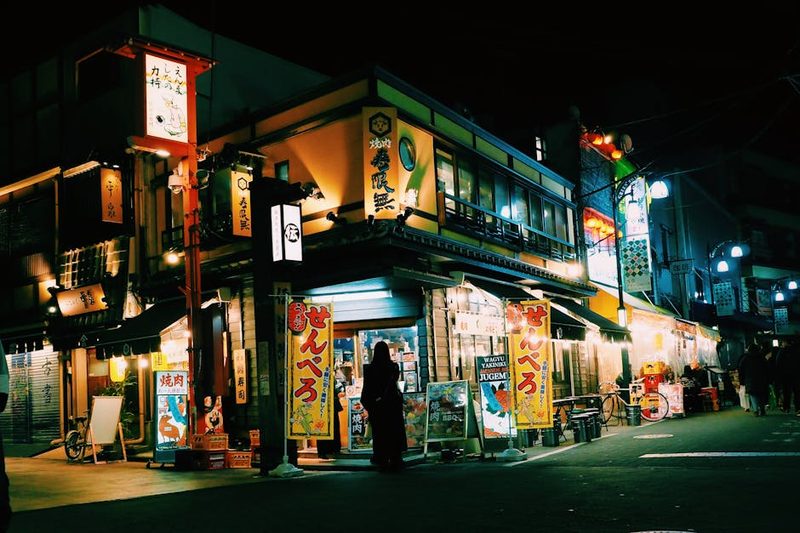
Tokyo is more walkable than its sprawl suggests. The distances between adjacent neighbourhoods are often 15-20 minutes on foot, and walking them reveals parts of the city you’d never see from a train window.
Shibuya to Harajuku to Meiji Shrine: 15-20 minutes total, all flat and pleasant. No reason to take a train for this. Asakusa to Ueno: About 20 minutes through Kappabashi (kitchen supply street — worth browsing even if you’re not buying). Akihabara to Nihonbashi to Tokyo Station: 20-25 minutes, mostly through business districts that are quiet on weekends. Shinjuku to Kabukicho to Golden Gai: This is all the same area, five minutes apart. Don’t pay for transport between them.
The walks between neighbourhoods often end up being highlights. Small shrines, local restaurants, residential streets with tiny gardens. Tokyo’s in-between spaces are more interesting than most cities’ main attractions.
Money Stuff That Actually Matters
Cash and ATMs
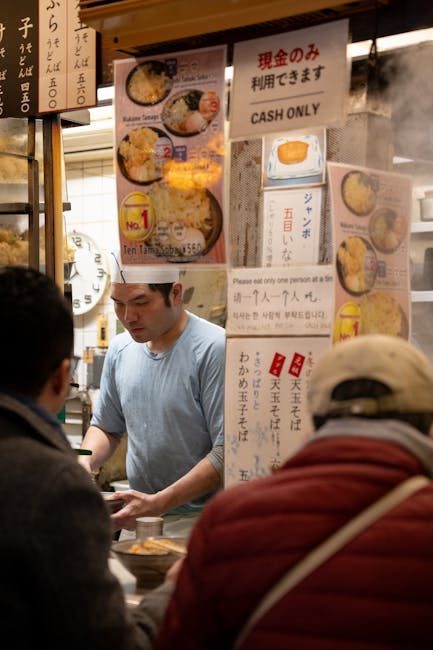
Tokyo is more cashless than it was five years ago, but cash still matters. Smaller restaurants, market stalls, sento, some shrines and temples — cash only. Always carry at least ¥5,000-10,000 on you.
7-Eleven ATMs are the most reliable for foreign cards. They accept Visa, Mastercard, and most international debit cards without the issues you’ll hit at Japanese bank ATMs. Withdraw ¥20,000-30,000 at a time to minimize fees. Your bank likely charges a flat fee per withdrawal plus a percentage, so fewer larger withdrawals beats frequent small ones. Japan Post ATMs (in post offices) also work well with foreign cards as a backup.
100 Yen Shops
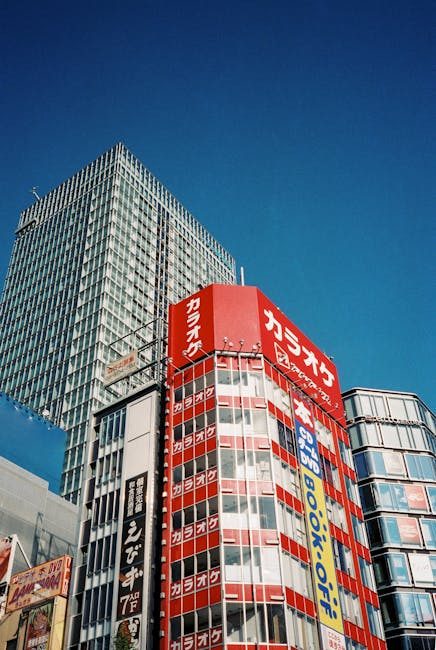
Daiso is the big one, but Seria and Can Do are worth knowing too. Everything ¥100 (plus tax, so ¥110). These aren’t junk shops — you’ll find genuinely useful travel items. Phone charger cables, rain ponchos, small umbrellas, travel towels, chopsticks, food containers, snacks, stationery, basic toiletries.
Forgot to pack something? Check Daiso before buying it at a regular store. The Harajuku Takeshita Street location is massive. A Daiso run on your first day saves thousands of yen over a trip — umbrellas for ¥110 instead of ¥800 at a konbini, phone cables, travel toiletries.
Tax-Free Shopping
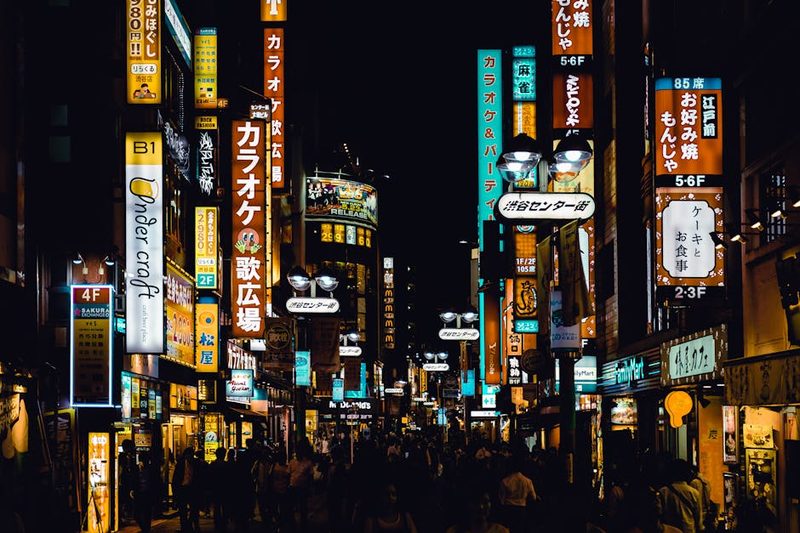
Spend over ¥5,000 at a single participating store and you can get the 10% consumption tax removed. You’ll need your passport — bring it shopping. Most department stores, electronics shops, and larger retail chains participate. The savings add up fast on bigger purchases like electronics or clothing. Look for the “Tax Free” signs or ask at the register.
Don’t go out of your way to consolidate purchases just for the tax benefit. But if you’re already buying ¥5,000 worth of stuff somewhere, it’s free money.
Vending Machines
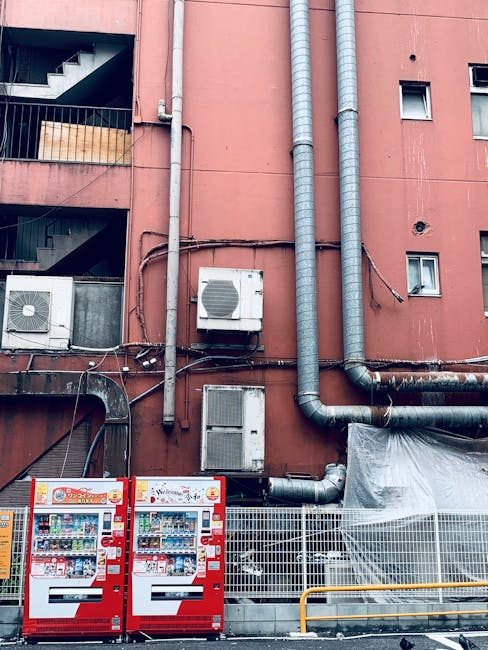
Vending machines are everywhere — every block, sometimes several per block. Drinks run ¥100-160. Before you buy a ¥350 water at a tourist kiosk, look around. There’s a vending machine within fifty metres selling the same thing for ¥110.
Things You Should Not Cheap Out On
Budget travel is about spending less on things that don’t matter so you can spend the right amount on things that do. Three things in Tokyo fall firmly in the “don’t skimp” category.
Good Shoes
You’ll walk 20,000-25,000 steps a day. That’s 15-18 kilometres, on concrete, through train stations with endless corridors, up and down shrine stairs. Bad shoes will ruin your trip more completely than a tight budget ever could. Bring shoes you’ve already broken in over distance. Not new shoes, not shoes that are “probably fine.” Shoes that have proven themselves. You’ll also be taking them on and off at temples, restaurants, and fitting rooms, so shoes that slip on and off easily save cumulative minutes across a week.
Mobile Data
An eSIM from Ubigi or Airalo costs ¥2,000-3,000 for a week or two of data. That’s a rounding error in your trip budget, and it’s the difference between navigating Tokyo confidently and wandering around confused. Google Maps transit directions in Tokyo are phenomenal — they tell you which platform, which car to stand in for the fastest transfer, which exit to take. Without data, you’re guessing. The ¥2,000 pays for itself before lunch on your first day.
Free wifi exists — konbini hotspots, Starbucks, some train stations — but it’s inconsistent and slow. Don’t plan your trip around it. Just get the eSIM.
One Splurge Meal
Set aside ¥5,000-10,000 for one genuinely special meal. A small sushi counter where the chef hands you each piece. An izakaya where you order six small plates and a beer and everything is perfect. A tempura lunch at a place with a cook who’s been frying shrimp for thirty years.
At those prices in Tokyo, you’re eating at a level that would cost five to ten times as much in New York. Skip two gyudon dinners to fund it. You won’t remember your fifth konbini bento. You will remember the omakase. Do it at lunch for even better value — a lunch omakase might run ¥3,000-5,000, while the same counter charges ¥8,000-15,000 at dinner.
Day-to-Day Patterns That Work
After enough trips on a budget, you develop rhythms. Here’s what a good budget day in Tokyo actually looks like, not as a strict itinerary but as a pattern you can adapt.
7:00-8:00am: Konbini breakfast. Onigiri, coffee from a can, maybe a pastry. ¥300-500. Or free breakfast at your Toyoko Inn or Super Hotel if you chose wisely.
8:00-11:30am: Free morning activity. Meiji Shrine, Senso-ji, a shrine you spotted on Google Maps, a walk through a residential neighbourhood. Temples and shrines are best in the morning — fewer people, better light, and you’re still fresh enough to appreciate them.
11:30am-1:00pm: Big lunch. This is your main meal. A lunch special at a proper restaurant, standing sushi, a really good ramen spot. ¥800-2,000 depending on the day and your budget tier.
1:00-5:00pm: Afternoon exploring. A museum, a neighbourhood walk, shopping at Daiso and tax-free stores, an arcade session. Mix free and cheap activities. Budget ¥0-1,500.
5:00-7:00pm: Golden hour wandering. Tokyo at dusk is something else. Neon starts coming on, the energy shifts, neighbourhoods that felt corporate during the day become atmospheric. This costs nothing and it’s one of the best parts of being here.
7:00-8:00pm: Cheap dinner. Gyudon, konbini bento, or a depachika discount raid if you’re near a department store. ¥400-800.
8:00pm onwards: Walk Kabukicho’s neon canyon, watch Shibuya Crossing after dark, hit the government building observation deck, browse Don Quijote, or just walk. Tokyo at night is free entertainment.
Total for that day: roughly ¥2,000-4,500 before accommodation. Add your sleep costs and you’re well within even the shoestring budget.
Common Mistakes That Cost Money
Eating near major tourist sites. Restaurants around Senso-ji, Tokyo Tower, and Skytree charge tourist prices for average food. Walk five minutes in any direction — prices drop, quality rises.
Taking taxis. ¥500 just to sit down, then it climbs fast. With trains this good, there’s almost never a reason. Exception: late at night after trains stop (around midnight), splitting a taxi three ways can beat paying for a hotel near the station.
Buying a JR Pass for a Tokyo-only trip. The Japan Rail Pass is for cross-country travel. If you’re staying in Tokyo, you don’t need one. It’s expensive and won’t save money on urban rides.
Airport currency exchange. Terrible rates. Use 7-Eleven ATMs instead. The fees are almost always less than the exchange desk margin.
Buying umbrellas at convenience stores repeatedly. Tokyo rains a lot. Buy a compact umbrella at Daiso for ¥110 on day one and keep it in your bag. Every konbini umbrella at ¥500-700 that you buy because you forgot the last one is money thrown away.
Final Thought
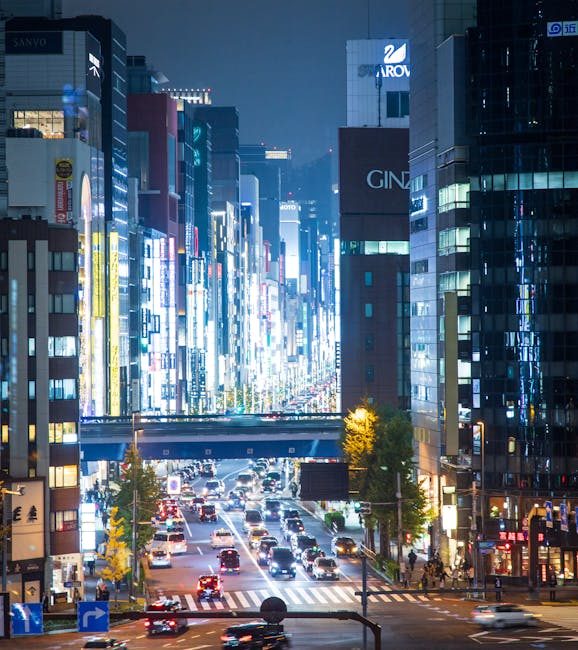
The cheap version of Tokyo isn’t a compromise. The person spending ¥8,000 a day — eating standing sushi, soaking in a sento, watching city lights from a free observation deck — is having a more authentic experience than the person spending ten times that at an international hotel. Not because budget travel is inherently more real (that’s a tired line), but because Tokyo’s infrastructure was built for everyday life at everyday prices. The convenience stores, the chain restaurants, the public baths, the free shrines — millions of people use them daily. You’re not slumming it. You’re just using the same city everyone else uses.
The weak yen won’t last forever. Right now, Tokyo at ¥150-160 to the dollar is one of the best travel deals in the developed world. Specific event listings and seasonal information are available at Go Tokyo, the city’s official tourism site.