
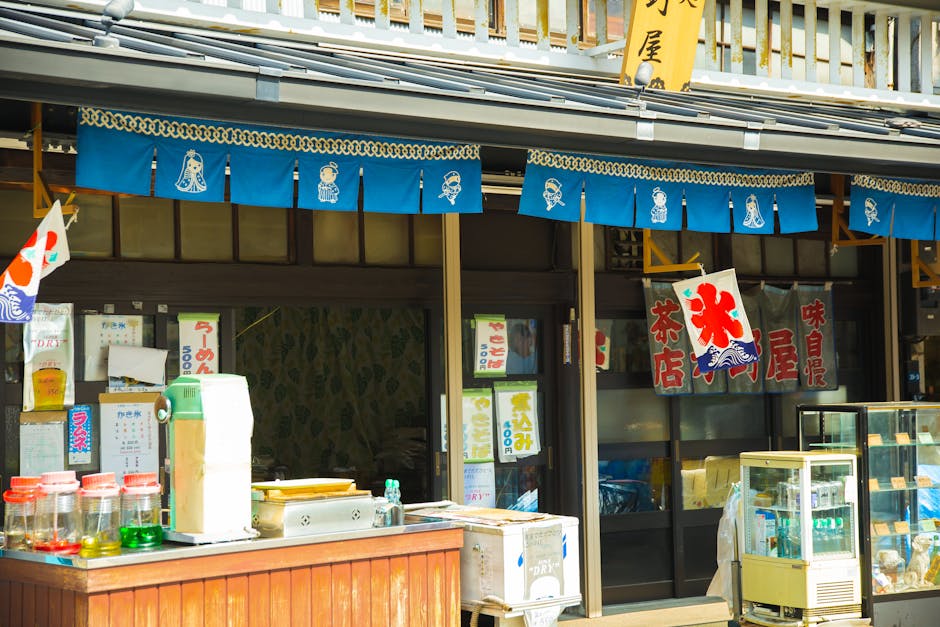
Tokyo ruined shopping for me everywhere else. I don’t mean that in a soft, nostalgic way. I mean that after spending two weeks browsing twelve-floor stationery stores, ¥100 shops with better design sense than most Western boutiques, and underground food halls that treat a box of cookies like a piece of art, walking into a mall back home feels like visiting a gas station. Nothing compares. Not London, not Seoul, not New York.
The problem most visitors run into isn’t finding things to buy — it’s buying the wrong things in the wrong places. They’ll pick up chopsticks at a temple souvenir stand for ¥2,000 when better ones cost ¥1,000 at Tokyu Hands. They’ll grab Kit Kats at Narita for double the street price. They’ll blow their budget on day one and spend the rest of the trip watching their credit card statement with one eye closed.
I’ve made all of those mistakes. This guide is the result of making them so you don’t have to. Every price listed below is what I actually saw on shelves — not “from” prices pulled off websites, not conversion estimates, actual yen on actual tags. If you’re still planning your trip, our Tokyo travel guide covers the logistics side. This one’s about spending money well.
- Harajuku and Omotesando
- Takeshita Street
- Cat Street
- Omotesando Avenue
- Kiddy Land
- Shibuya
- Don Quijote (Mega Donki)
- Tokyu Hands (Now Branded as Hands)
- Shibuya 109
- Ginza
- Mitsukoshi and Matsuya Department Stores
- Uniqlo Ginza Flagship
- Itoya Stationery
- Akihabara
- Yodobashi Camera Akiba
- Super Potato
- Mandarake Complex
- Nakano Broadway
- Shimokitazawa
- Ameyoko Market, Ueno
- 100 Yen Shops
- Depachika: Department Store Food Halls
- What to Buy as Souvenirs
- Tax-Free Shopping
- Common Mistakes
Harajuku and Omotesando
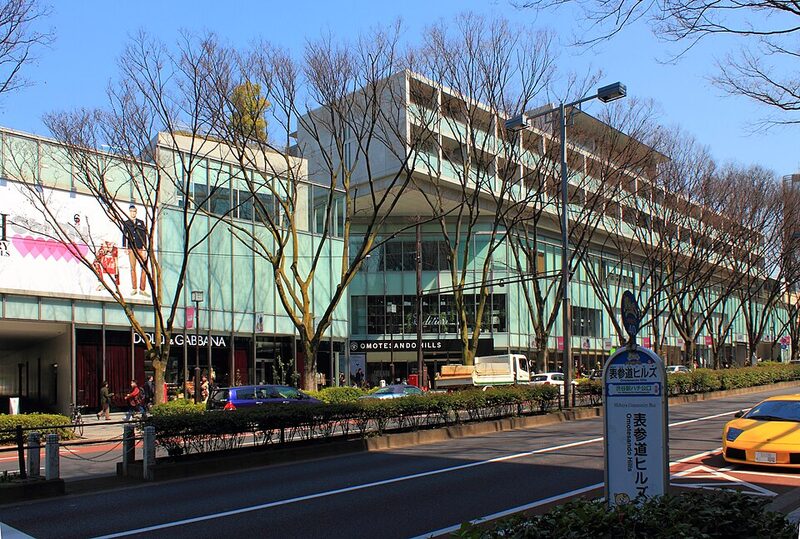
These two areas sit right next to each other but feel like different planets. Harajuku is teenage chaos and ¥990 tops. Omotesando is tree-lined avenues and architecture-school flagships. You can walk between them in five minutes, which makes for a genuinely strange afternoon.
Takeshita Street
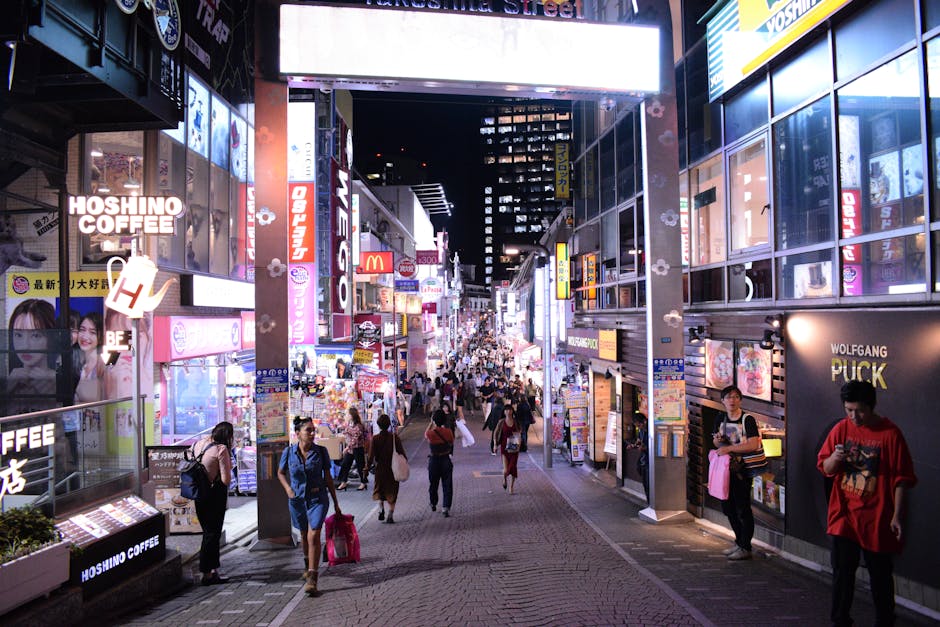
Runs straight from Harajuku Station into a wall of sound and people. On a Saturday afternoon, moving through Takeshita Street feels less like shopping and more like being carried by a current. Phone cases for ¥500, cosplay outfits ¥15,000-30,000, and more crepe shops than any single street needs.
The stores here target a younger crowd. WEGO is the anchor — fast fashion with surprisingly decent quality, tops and accessories from ¥990. They rotate stock constantly, so what’s there changes week to week. Acdc Rag is the weirder option: bold, loud streetwear that leans into punk and harajuku subculture, pieces running ¥2,000-8,000. If you’re over 25, you’ll probably feel slightly out of place, but that’s part of the experience.
My advice: go on a Tuesday or Wednesday morning if you actually want to look at things rather than be pushed past them. And don’t buy souvenirs here. The markup on anything gift-oriented is steep because the foot traffic supports it. Come for the atmosphere, buy elsewhere.
Cat Street
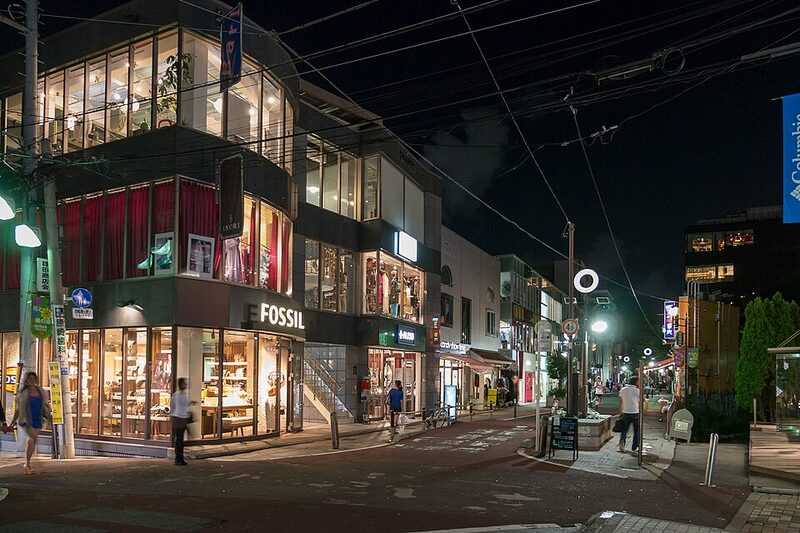
One block over from Takeshita and the energy shifts hard. Cat Street is where Tokyo’s fashion-conscious crowd actually shops — independent Japanese labels, small-run streetwear brands, and the kind of stores that don’t bother with signs because they don’t need to advertise.
Neighborhood is the standout for Japanese streetwear. Their graphic tees start around ¥8,000, jackets push past ¥40,000, and everything has that worn-in military-meets-workwear feel that the brand built its reputation on. There are also sneaker resale shops carrying Japan-exclusive releases (¥15,000-80,000 depending on the model and hype), a Converse flagship with Japan-only colorways from ¥7,700, and scattered vintage shops with tightly picked racks at ¥3,000-15,000 per piece.
If you care about clothing at all — even a little — Cat Street deserves at least an hour. It’s the kind of place where you walk in thinking you’ll browse and walk out carrying bags.
Omotesando Avenue
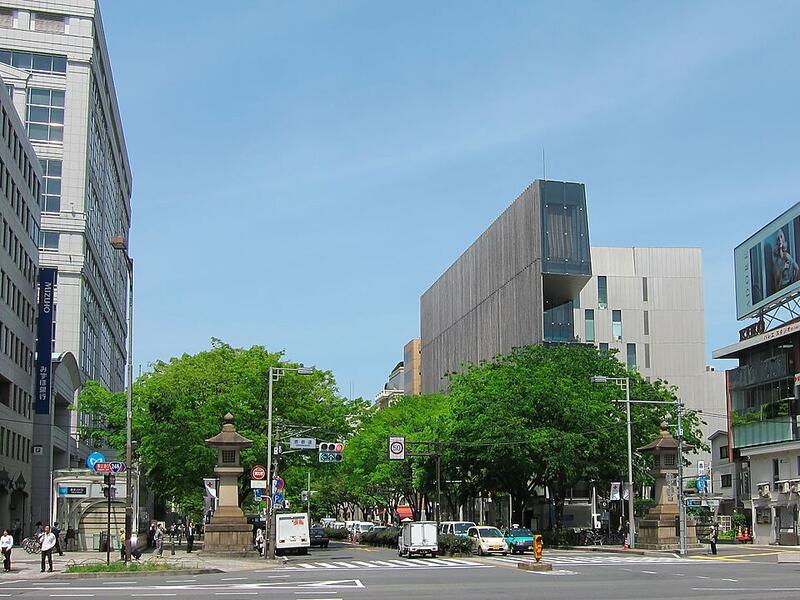
Tokyo’s version of a luxury boulevard, except the buildings themselves are half the point. The Prada flagship, designed by Herzog & de Meuron, looks like a glass honeycomb that shouldn’t be structurally possible. Dior, Louis Vuitton, and Tod’s all hired name architects to design their buildings too. You could do Omotesando as a free architecture walking tour and never step inside a single store.
But if you are shopping: luxury goods in Japan can run cheaper than in Europe right now, thanks to the yen’s weakness and the tax-free program. A bag that costs the same sticker price in Paris and Tokyo ends up meaningfully cheaper in Tokyo once you factor in the 10% tax refund and the exchange rate. Worth checking if you’ve had your eye on something specific.
Omotesando Hills, the Tadao Ando-designed shopping complex built into a slope, carries mid-to-high-end Japanese brands. Comme des Garcons (basic tees from ¥12,000, jackets from ¥60,000), Issey Miyake’s Bao Bao line (the geometric bags, from ¥25,000), and rotating pop-ups from brands you won’t find outside Japan. The spiral ramp interior is a nice design touch — you walk down through the building rather than riding escalators between flat floors.
Kiddy Land
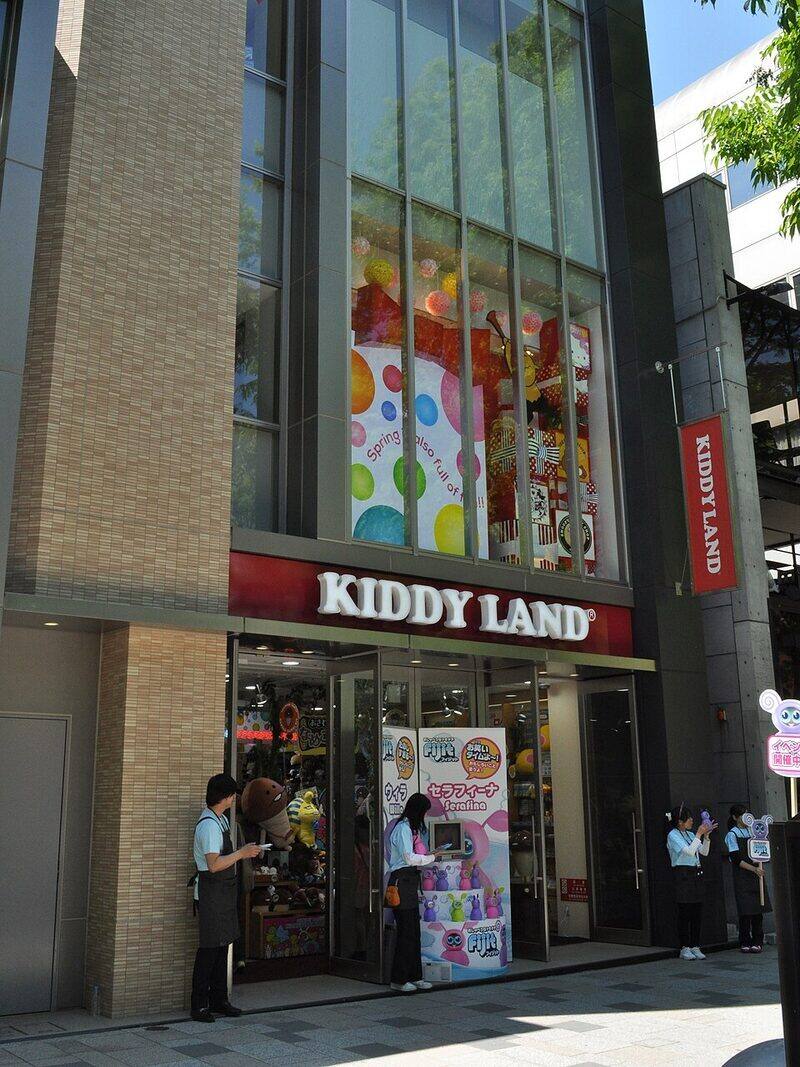
Multi-floor character goods store sitting on Omotesando. Sanrio, Ghibli, Pokemon, Rilakkuma, Sumikko Gurashi — every Japanese character franchise gets shelf space here, and a lot of the merchandise is exclusive to Japan or even exclusive to this store.
A Totoro plush runs ¥1,500 for a palm-sized one up to ¥5,000 for the bigger versions. Limited-edition Sanrio items range from ¥400 keychains to ¥8,000 collector figures. As gift shopping goes, Kiddy Land is one of the more reliable spots in Tokyo — the prices aren’t inflated the way temple district shops are, and you can knock out presents for multiple people in a single visit. It gets crowded on weekends, though. Plan accordingly.
Shibuya
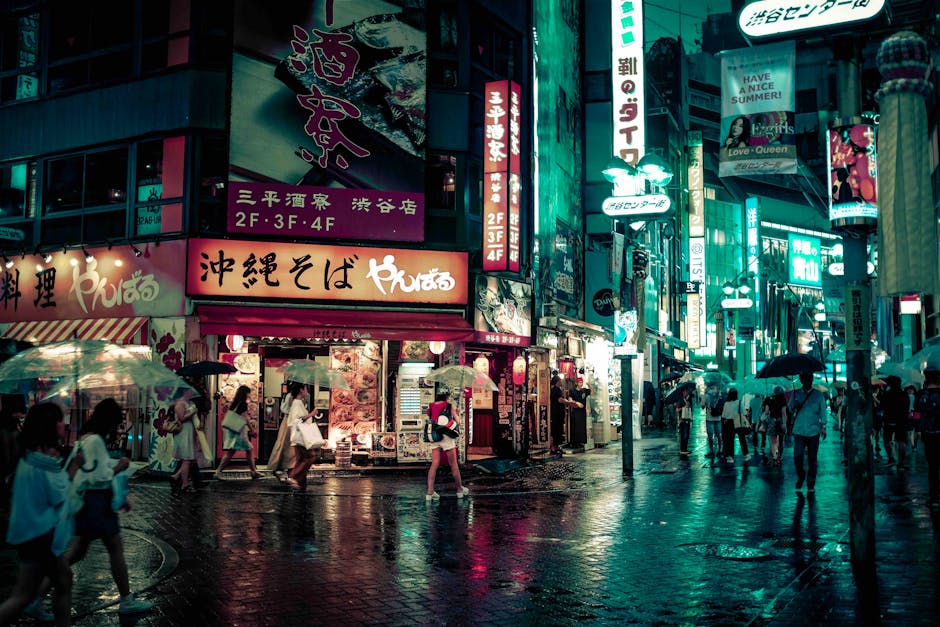
Shibuya is where shopping gets practical. The famous crossing and Hachiko statue get all the attention, but the real draw for anyone with a shopping list is the concentration of stores that sell things you’ll actually use — cosmetics, stationery, kitchen tools, snacks — at prices that make importing them feel like robbery.
Don Quijote (Mega Donki)
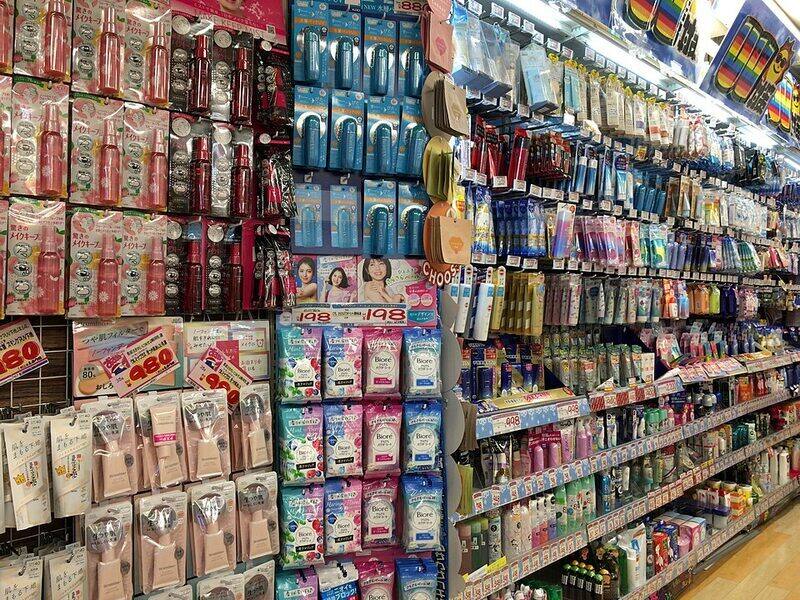
Open 24 hours. Seven floors of controlled chaos. Calling Don Quijote a discount store doesn’t capture what it actually is, which is closer to a warehouse that someone organized during an earthquake. Products are stacked floor to ceiling, aisles barely fit one person, and the jingle they play on loop will embed itself in your brain permanently. I genuinely love it.
Three categories make Donki worth a dedicated visit:
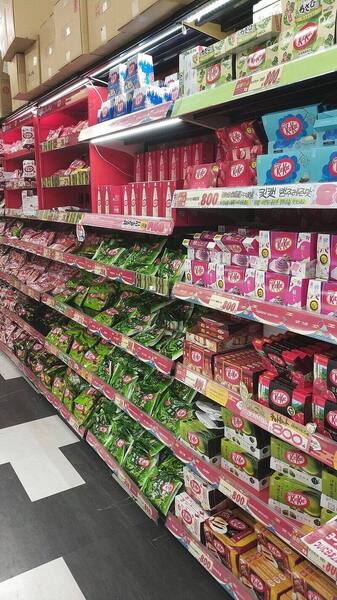
Japanese Kit Kats and snacks. The selection here is the best I’ve found anywhere in Tokyo. Matcha, strawberry cheesecake, sake, sweet potato, wasabi, Tokyo Banana flavor, and seasonal rotating varieties. Individual boxes run ¥200-500. Gift boxes — the ones with nice packaging that actually look like you put thought into the souvenir — go for ¥800-1,500. I can’t stress this enough: buy your Kit Kats here or at a regular supermarket. The airport charges nearly double for the exact same boxes.
Japanese beauty and skincare. Biore UV Aqua Rich Watery Essence sunscreen is ¥600-800 here. Imported to the US, the same tube costs $15 or more. Heroine Make Long & Curl mascara, which has a cult following for good reason, runs ¥1,100. Hada Labo lotions, DHC cleansing oil, Canmake cosmetics — all at Japanese retail prices, which are a fraction of what resellers charge overseas. There’s a dedicated tax-free counter for foreign travelers, but expect a queue on weekends. If waiting in line isn’t your thing, try going at 2 AM. That’s not a joke. It’s open.
Random useful stuff. Luggage (if yours broke), travel adapters, phone accessories, Halloween costumes in October, heated eye masks, compression socks, and about ten thousand other things you didn’t know you needed until you saw them at 1 AM on a Tuesday.
The Shibuya Mega Donki location is the largest in the area, but there are branches everywhere. The Shinjuku Kabukicho one is also massive.
Tokyu Hands (Now Branded as Hands)
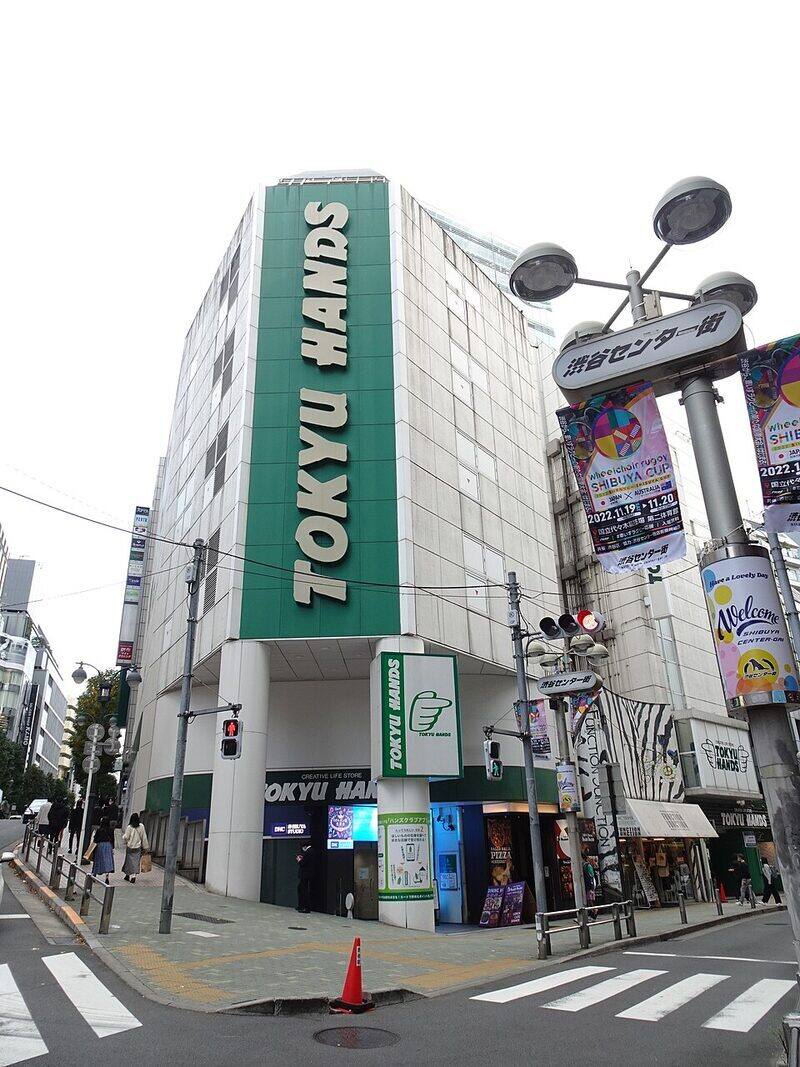
Tokyu Hands is harder to explain than Don Quijote because it doesn’t have an equivalent anywhere else. Part hardware store, part craft supply shop, part lifestyle boutique, part kitchen outfitter. The common thread is quality — everything they stock is a well-made version of whatever it is. The store feels like it was put together by someone who actually cares about pens and knives and notebooks, which is because it was.
The stationery floor alone justifies a visit. Uni Jetstream ballpoint pens from ¥150 — the smoothest ballpoint I’ve ever used, and I buy them in bulk every time I’m in Japan. Pentel EnerGel ¥200. Pilot Kakuno fountain pens ¥1,100, which is a remarkable entry point for a genuine fountain pen. And then there’s the Hobonichi Techo, the daily planner that has an actual fanbase. The basic A6 version is ¥2,200, the larger A5 Cousin is ¥4,400, and cover options range from plain to elaborate collaborations that sell out fast. People fly to Japan specifically to buy these. That sounds excessive until you use one.
Kitchen knives are the other category where Tokyu Hands punches above its weight. Tojiro DP series knives start at ¥3,500 for a petty knife — these are professional-grade entry-level knives, the kind that cooking schools recommend. Mid-range options from Misono or Fujiwara run ¥8,000-15,000. Buying the same knives imported will cost you 50-100% more, sometimes worse. They’ll wrap them for travel and some branches help with customs paperwork.
Check our things to do in Tokyo guide if you need a break from shopping in Shibuya — though honestly, Tokyu Hands can eat an entire afternoon on its own.
Shibuya 109
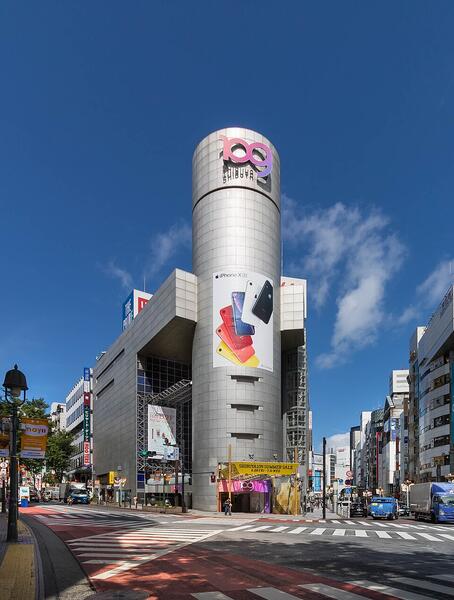
The cylindrical building near the crossing. It was the epicenter of gyaru fashion in the 2000s and still leans young and female, though the brands have shifted toward more mainstream J-fashion. If you’re into Japanese women’s fashion trends — the layered, accessory-heavy styles that don’t really translate to Western markets — this is where to see what’s current. Not everyone’s thing, but worth knowing about.
Ginza
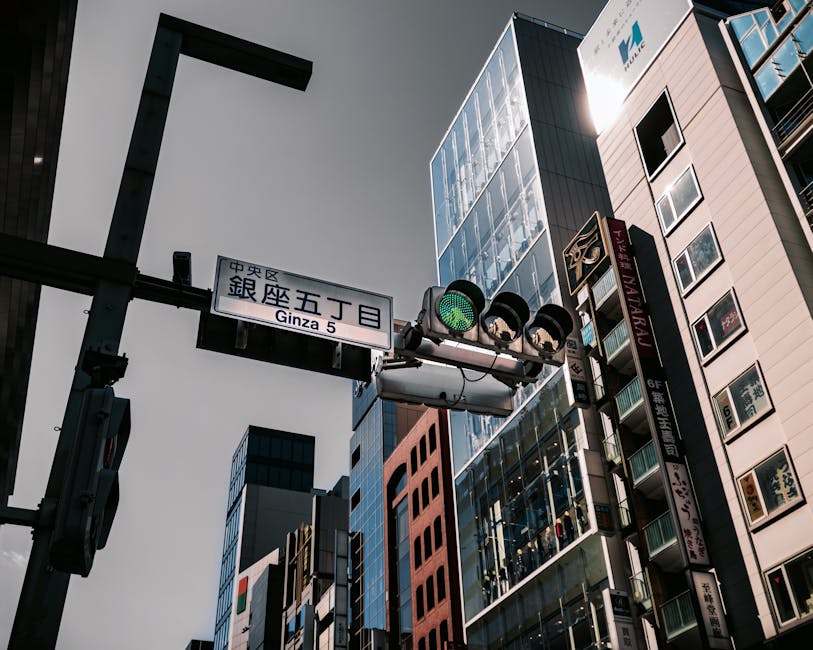
Ginza is old-money Tokyo. The streets are wider, the buildings are taller, and the price tags have more digits. But tucked between the luxury flagships are some of the best single-category stores in the city — and the department store basements alone are worth the train fare.
Mitsukoshi and Matsuya Department Stores
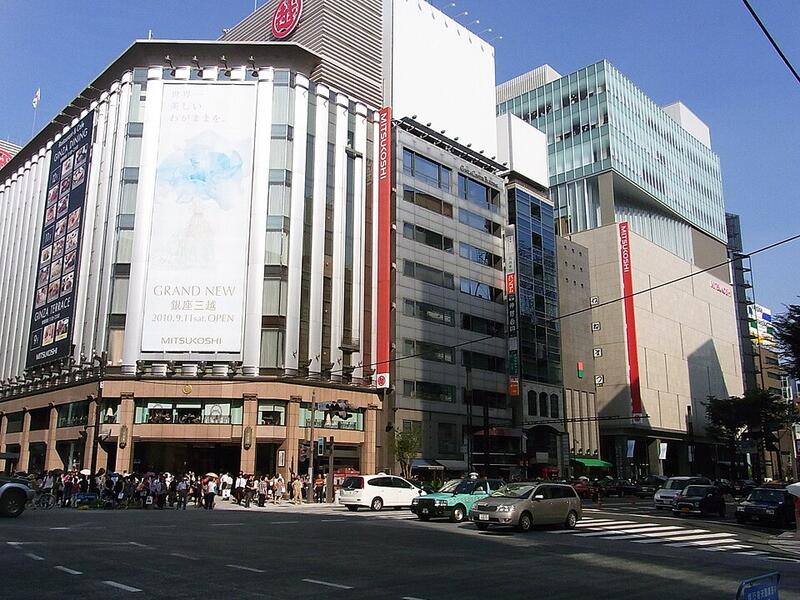
Japanese department stores operate on a different level than anything in the West. Staff greet you with a bow. Gift wrapping is precise enough to frame. The fashion floors carry both Japanese and international brands, with clothing mostly in the ¥10,000-30,000 range, and the presentation makes fast fashion feel like a yard sale by comparison.
But honestly? Unless you’re shopping for high-end fashion or gifts with premium wrapping, the main floors aren’t the reason to come. The real action is underground, in the depachika food halls — covered in their own section below. Mitsukoshi’s food floor is particularly good, with confectionery counters that have been operating for decades. Matsuya’s is slightly smaller but less crowded.
Uniqlo Ginza Flagship
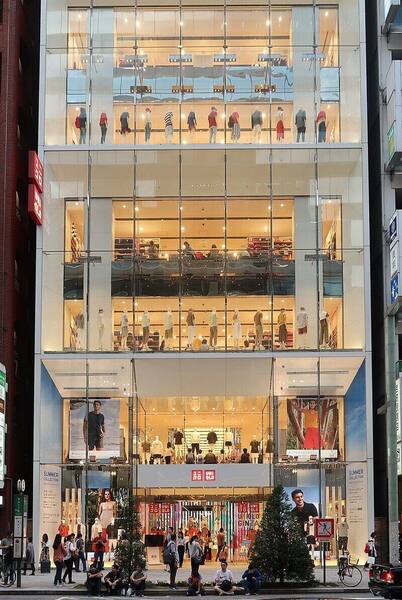
Twelve floors of Uniqlo. That sounds redundant when there’s a Uniqlo every four blocks in Tokyo, but the Ginza flagship carries Japan-exclusive items, special collaborations, and ranges that never make it to international stores. The prices are also lower than you’d pay for Uniqlo abroad — sometimes significantly so.
AIRism undershirts at ¥990 are the best hot-weather base layer I’ve found at any price point. Heattech base layers at ¥1,500 for the winter equivalent. But the real reason to come here specifically is the top-floor UT section, which stocks Japan-only graphic tees at ¥1,500 each. Anime collaborations, Japanese pop culture designs, artist partnerships — they change constantly and they make genuinely good souvenirs because they’re wearable, packable, and cheap. I’ve given Uniqlo UT tees as gifts to people who had no idea they were from a “budget” brand.
Itoya Stationery
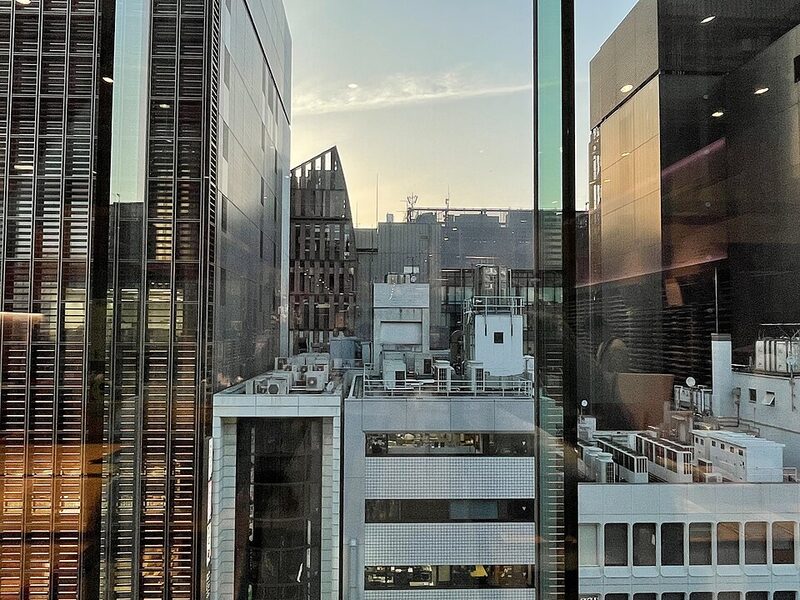
Twelve floors of stationery. Since 1904. If that sentence doesn’t excite you, skip ahead — but if it does, Itoya is a pilgrimage site.
The ground floor has hundreds of pens you can test. Not behind glass, not in packaging — just open and ready to try on sample paper. Midori MD notebooks from ¥800, with paper smooth enough that fountain pen ink glides without feathering. Washi tape from ¥200-500 per roll, in patterns you won’t find outside Japan. Life Noble notebooks from ¥600. The upper floors get into letterpress printing, custom stationery, and a small gallery space.
Budget at least 45 minutes. If you’re the kind of person who has opinions about paper weight and nib sizes, budget the whole morning. The store is calm and well-organized, which is a welcome contrast to the sensory assault of Don Quijote.
Akihabara
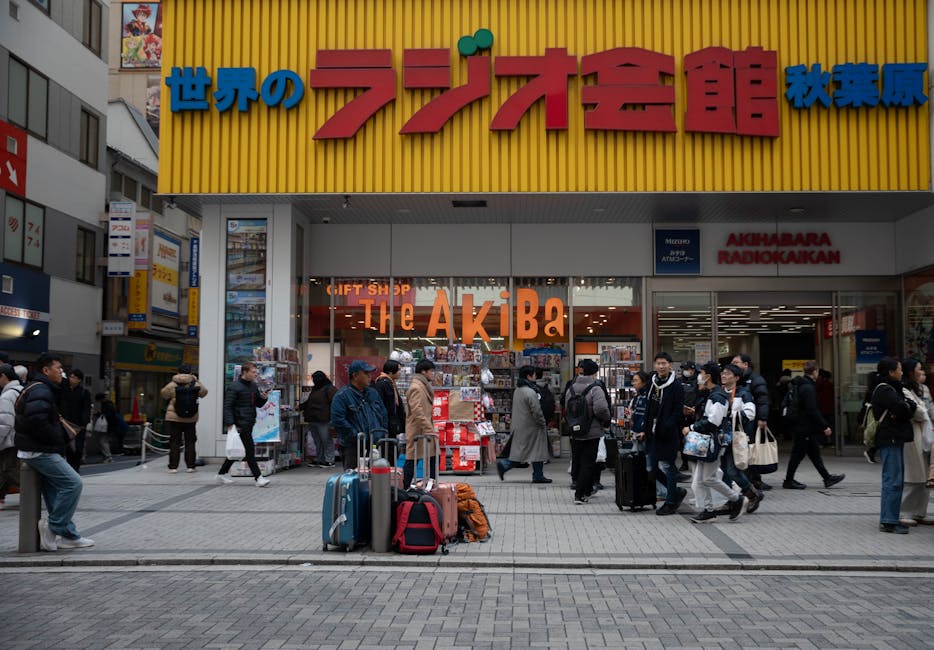
Akihabara’s reputation as “Electric Town” is a few decades outdated — it’s really anime and gaming culture now, with electronics as a secondary draw. That said, the electronics that remain are genuinely worth shopping for if you know what to look for and, critically, what to avoid.
Yodobashi Camera Akiba
Nine floors of electronics in a building the size of a city block. Cameras, computers, audio equipment, home appliances, toys, games, and a restaurant floor for when your brain gives out from comparison shopping. Think of it as a consumer electronics museum where everything has a price tag.
Rice cookers are the star purchase for most foreign visitors. Zojirushi and Tiger models range from ¥15,000 for a basic micom model to ¥60,000 for the pressure-IH versions that Japanese rice obsessives swear by. Having used both, I’ll say the ¥25,000-35,000 sweet spot gets you 90% of the performance of the top-end models. A good Japanese rice cooker transforms the quality of rice you eat at home — it’s not placebo, it’s engineering.
Camera gear, audio equipment, and electronic bidets (Toto Washlet portables from ¥10,000) are other strong buys. But here’s the thing that catches people: check the voltage before you buy anything. Japan runs on 100V. If the label says “100-240V” you’re fine — it’ll work anywhere. If it says “100V” only, you’ll need a step-down transformer at home, which is heavy, annoying, and sometimes voids the warranty. Phone chargers and laptops are almost always 100-240V. Rice cookers and hair dryers often aren’t. The staff at Yodobashi are used to this question from travelers and will help you check.
Super Potato
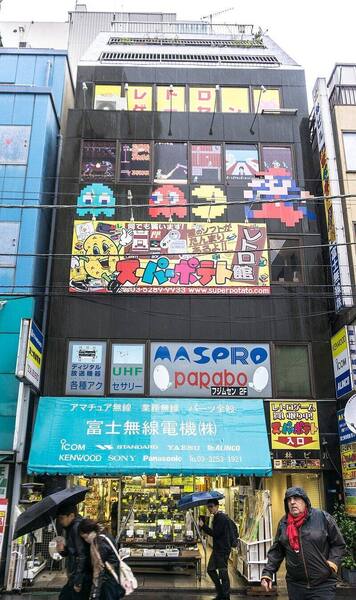
Retro gaming paradise spread across several cramped, neon-lit floors in the backstreets of Akihabara. If you grew up with a Famicom, Super Famicom, or Game Boy, walking in here triggers something primal.
Famicom cartridges for common titles go for ¥100-500 — less than a cup of coffee for a piece of gaming history. Super Famicom games ¥300-5,000, Game Boy titles ¥200-3,000. Rare or sought-after games jump into the ¥10,000-50,000+ range, especially anything sealed or complete in box. The top floor has a retro arcade where everything costs ¥100 per credit, and the machines are immaculate.
Prices here are fair for Akihabara, but I’ll be honest: Nakano Broadway has the same stuff for 10-30% less. Super Potato is a better experience — the atmosphere is thick with nostalgia — but if you’re buying in volume, make the trip to Nakano.
Mandarake Complex
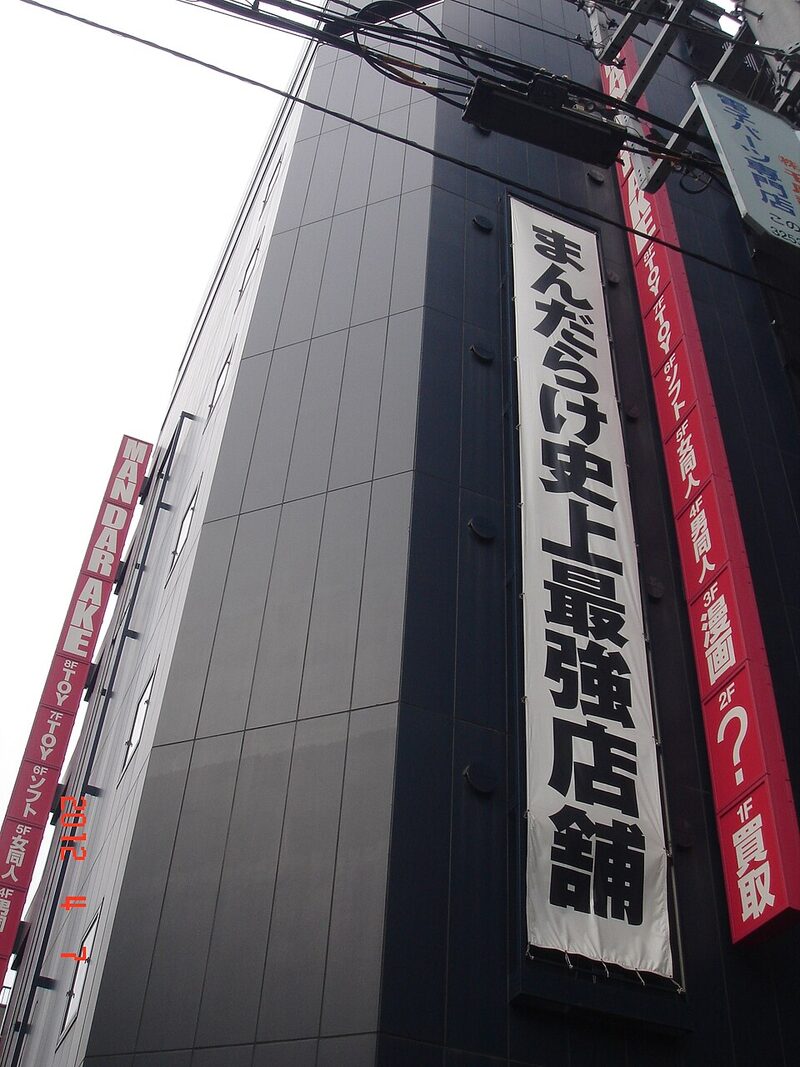
Eight floors of secondhand anime, manga, and pop culture collectibles. Each floor specializes: figures on one, manga on another, cosplay items, trading cards, doujinshi, vintage toys. The organization is meticulous, which is saying something given the sheer volume of stock.
Anime figures range from ¥500 for small prize figures (the kind you win from crane games) to ¥30,000 or well beyond for rare, discontinued pieces. Manga volumes in Japanese from ¥100-300 each. Trading cards — Pokemon, Yu-Gi-Oh!, and others — start at ¥500 for common singles and climb to genuinely absurd numbers for rare pulls. I saw a single Pokemon card priced at over ¥500,000 in a locked case, which either means the market has gone insane or I don’t understand trading cards. Probably both.
Nakano Broadway
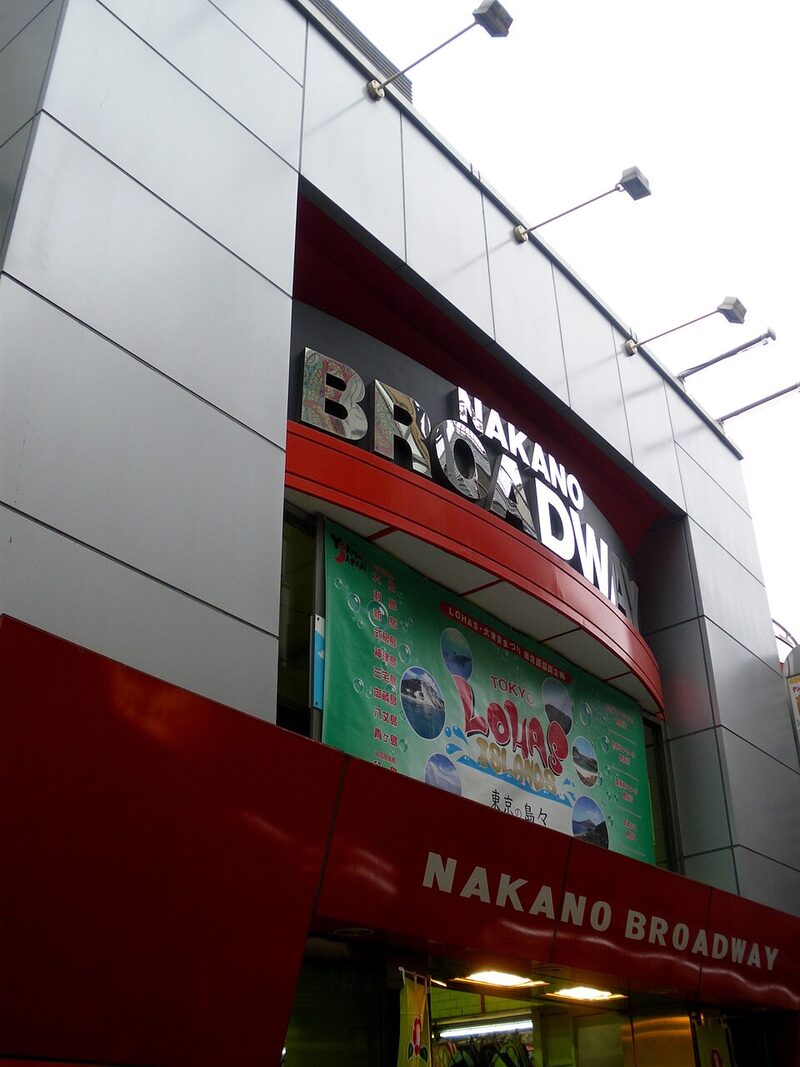
Five minutes from Shinjuku on the Chuo Line. Most travelers never come here, which is exactly what makes it better than Akihabara for actual buying.
The building looks unremarkable from outside — a slightly dated shopping mall with a covered arcade approach. The ground floor is normal shops and a supermarket. Take the escalator up and the tone shifts. The upper floors are packed tight with small specialist shops selling vintage toys, retro games, rare manga, anime cels, old movie posters, vinyl records, and categories of Japanese pop culture I didn’t know existed.
Over a dozen Mandarake storefronts operate inside Nakano Broadway, each one focused on a different niche. One does nothing but vintage Kamen Rider toys. Another is entirely women’s manga from the ’80s. A third deals exclusively in sealed retro games. The specialization means the staff actually know what things are worth, which cuts both ways — you won’t find mispriced steals, but you also won’t overpay the way you might at a generalist shop in Akihabara.
Prices run 10-30% lower than Akihabara for comparable items. The tourist markup simply isn’t there because the tourist traffic isn’t there. Famicom cartridges from ¥50 for the most common titles. Game Boy games from ¥100. The atmosphere is calmer, the aisles are quieter, and you can actually take your time examining things without being jostled.
Budget 2-3 hours minimum. If you’re a serious collector of anything Japanese, you could spend a full day.
Shimokitazawa
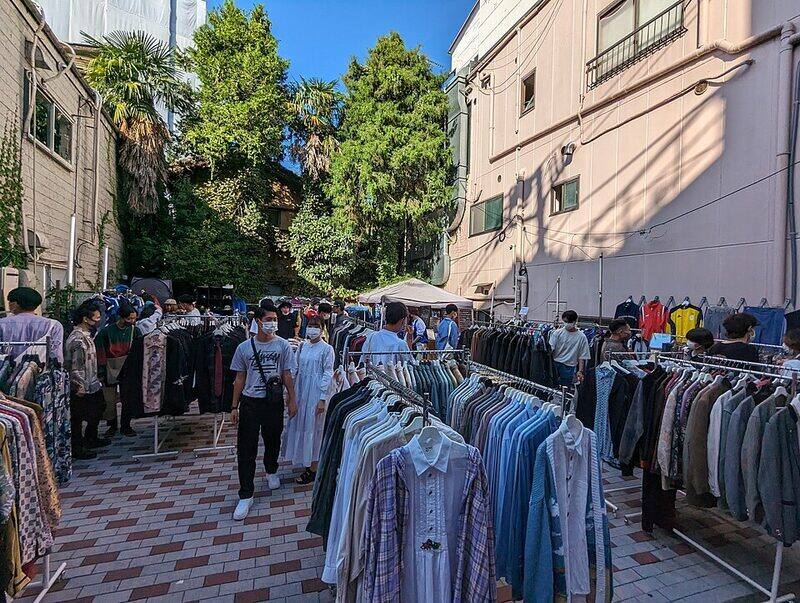
Tokyo’s best neighborhood for vintage clothing and vinyl records, and it’s not particularly close. Shimokitazawa has a scrappy, bohemian feel that most of Tokyo has polished away — narrow streets, tiny storefronts, live music venues sandwiched between coffee shops, and thirty-plus vintage clothing stores within walking distance of the station.
The vintage shops here source globally but price for a Japanese market, which means you’ll find American and European vintage at rates that haven’t been inflated by the internet resale bubble (yet). Vintage Levi’s 501s go for ¥5,000-15,000 depending on decade and condition. Band tees from the ’80s and ’90s — Metallica, Nirvana, Japanese punk bands — run ¥3,000-10,000. Military field jackets ¥5,000-20,000. Hawaiian shirts from ¥2,000, some of them deadstock Japanese-made reversal prints that vintage dealers in the US would price at three or four times that.
Flamingo has the best overall selection and a good eye for Americana. The prices are fair and the stock turns over fast, so it’s worth revisiting if you’re in Tokyo for a while. New York Joe Exchange does pay-by-weight days periodically — fill a bag, pay by the kilo — and when those happen, the value is staggering. Check their social media for dates. Stick Out is worth a look for military surplus and workwear.
Record stores are the other draw. Flash Disc Ranch specializes in Japanese city pop, jazz, funk, and electronic — the genres that have become collector’s items overseas. Prices start at ¥500 for common pressings and climb from there. Japanese city pop vinyl is still cheaper here than through overseas resellers, though the gap narrows every year as more foreign buyers catch on. Disk Union is the more organized option, with records filed by genre and condition, mostly ¥800-3,000 for good copies. Their jazz section is particularly strong.
The neighborhood is also packed with small cafes and curry restaurants, which makes it easy to burn an entire afternoon alternating between browsing and eating. There’s a rhythm to Shimokitazawa that rewards wandering without a fixed plan.
Ameyoko Market, Ueno
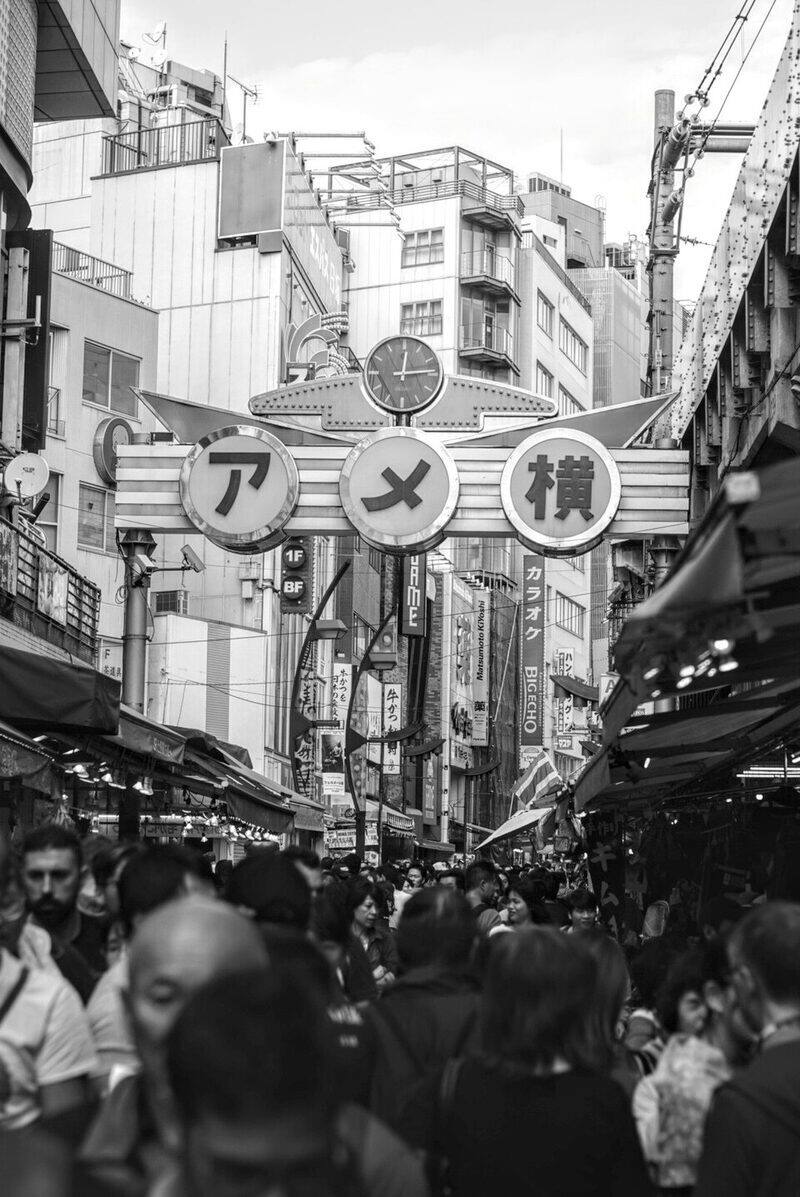
A street market running along the JR tracks between Ueno and Okachimachi stations. Ameyoko is raw and loud in a way that most of Tokyo simply isn’t — vendors shouting prices, seafood stalls with product spilling onto the pavement, military surplus shops next to sneaker stores next to dried fruit stands. It has the energy of a Southeast Asian market dropped into one of the world’s most orderly cities.
And here’s something you almost never hear about Tokyo: haggling works at Ameyoko. Start 20-30% below the asking price and you’ll usually land somewhere in the middle. This doesn’t apply at the established shops with fixed prices, but the open-front stalls and market vendors expect negotiation. It’s refreshing after the rigid pricing everywhere else in the city.
Fresh uni (sea urchin) for ¥500-1,000 a tray, eaten standing right there. Grilled seafood skewers ¥300-500. Chocolate and dried fruit shops selling by weight. Sneakers — both new and vintage — at ¥5,000-12,000, sometimes below retail for last-season models. The leather goods stalls have wallets and belts at reasonable prices if you’re willing to dig through the options.
Go on a weekday if you want to actually move through the market. Weekends and holidays turn it into a crush of people that makes Takeshita Street look spacious. Our Tokyo food guide covers more street food options across the city, but Ameyoko is one of the few places where shopping and eating happen simultaneously.
100 Yen Shops
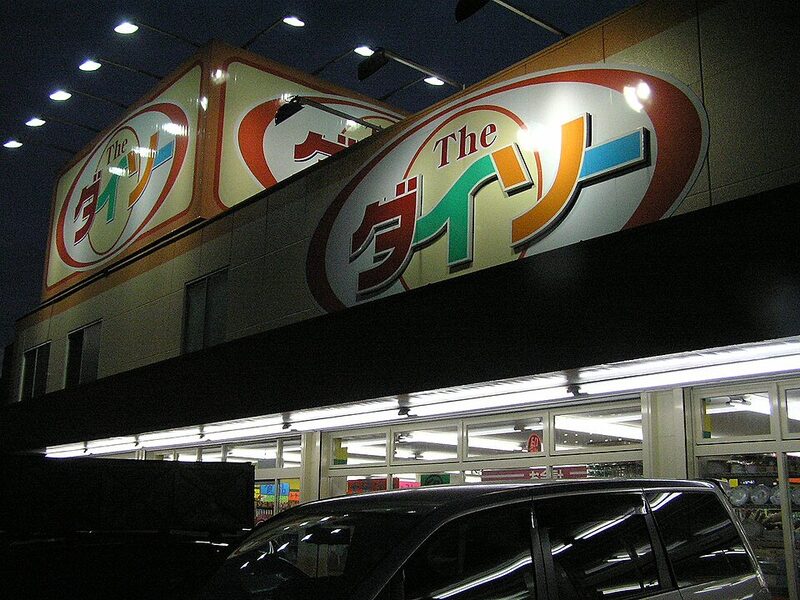
Every single person visiting Tokyo should spend at least 30 minutes in a 100 yen shop. I know that sounds like a throwaway recommendation. It isn’t. The quality-to-price ratio at Japanese 100 yen shops is genuinely startling — they stock items that would cost ¥500-1,000 at a regular store, and everything is ¥110 with tax.
Daiso is the biggest chain and the one you’ll encounter most often. Multiple floors in their larger locations, covering kitchen utensils, storage solutions, travel toiletry bottles, cleaning supplies, stationery, phone accessories, seasonal decorations, and snacks. The design quality has improved dramatically over the past decade — some of their kitchen items and storage containers look like they belong in a Muji display.
Seria is the stylish alternative. Smaller stores, more curated stock (I’m using that word because it’s genuinely true here), and a focus on aesthetics. Their kitchenware and home goods lean minimalist and monochrome. If Daiso is the everything store, Seria is the one with a mood board.
Can Do is the third major chain and has the best food selection of the three. Japanese snacks, seasonings, instant noodle varieties, and individually wrapped sweets — all at ¥110.
What to buy: chopsticks (surprisingly good quality for daily use), small ceramic dishes and bowls (the patterns are better than they have any right to be at this price), stationery, kitchen gadgets (the egg separator and the tofu press are both useful), travel-size toiletry containers, and individually wrapped Japanese sweets in bulk. Twenty pieces of varied Japanese candy for about ¥2,200 makes a perfect assortment gift — impressive-looking, interesting flavors, and you spent less than ¥3,000.
What to skip: electronics. Earbuds, phone chargers, USB cables — they break almost immediately. The ¥110 price point doesn’t stretch to functional electronics. Stick to physical goods and food.
Depachika: Department Store Food Halls
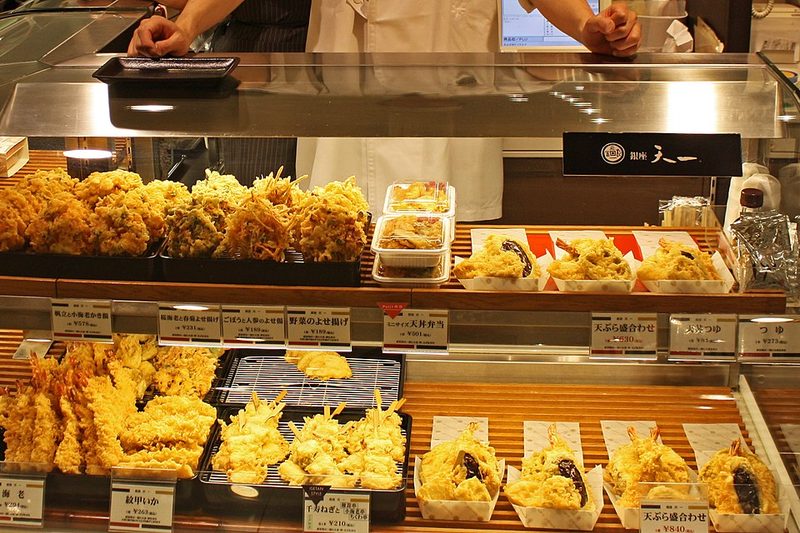
The basement food floors of Japanese department stores. “Depachika” is a portmanteau of “depato” (department store) and “chika” (underground), and they’re one of Tokyo’s most underrated shopping experiences, especially for edible souvenirs.
Every major department store has one. Glass cases of wagashi (traditional Japanese sweets) at ¥500-3,000 per box, with packaging so precise it feels wrong to open it. Bento boxes for ¥800-2,000, made fresh that morning by restaurants that would charge double for the same food upstairs. Pickles from specialty producers ¥400-1,500. Royce’ nama chocolate ¥800-1,500 (keep it cold — it melts). French-style pastries from Japanese patisseries that rival anything in Paris, because several of them trained there.
Staff will offer you samples without any pressure to buy. I’ve done loops of depachika floors eating my way through free tastings of mochi, chocolate, cheese, and cured meats. Nobody gives you a look. It’s expected.
The best depachika for souvenir shopping:
Isetan Shinjuku has the strongest wagashi selection. If you want beautifully boxed traditional sweets that look like tiny works of art, this is the one. The seasonal offerings change monthly, so there’s always something you haven’t seen before. It’s also the most crowded, especially on weekends.
Daimaru Tokyo Station is connected directly to Tokyo Station, which makes it the logical last stop before catching a Shinkansen or heading to the airport. The “Tokyo Character Street” section in the station itself also carries branded sweets and snacks from every anime and character franchise imaginable.
The discount trick that regulars know: show up 30-60 minutes before closing time. Perishable items — bento boxes, sushi, pastries, some prepared foods — get marked down 20-50% with discount stickers. The selection thins out as closing approaches, but what remains is half price or better. This is how Tokyo office workers eat well on a budget, and it works for travelers too.
What to Buy as Souvenirs
After years of bringing things home from Tokyo, here’s what consistently gets the best reactions and holds up over time.
Kit Kats and Japanese snacks. Already covered above, but worth repeating: buy them at Don Quijote, supermarkets, or convenience stores. Not at the airport. ¥200-500 per box at retail, ¥400-900 for the same boxes at Narita or Haneda. Tokyo Banana (the sponge cake, not a Kit Kat flavor) runs ¥1,000-1,500 at train station kiosks and is a reliable crowd-pleaser. Regional flavors — matcha from Kyoto, yatsuhashi, black sesame — make good gifts because they signal that you went somewhere specific.
Tenugui cloths. Traditional Japanese printed cotton towels, ¥1,000-2,000. They fold flat, weigh nothing, dry fast, and come in hundreds of patterns — seasonal designs, ukiyo-e prints, animals, geometric patterns, food motifs. Far more interesting than a keychain and actually useful. You can find them at department stores, specialty shops in Asakusa, and Tokyu Hands.
Chopsticks. Skip the tourist shops near temples. Quality wooden chopsticks at Tokyu Hands or a chopstick specialty shop run ¥1,000-2,000 for nice daily-use pairs. Ironwood or ebony pairs, the kind that last decades, go for ¥3,000-8,000. Some shops will engrave names — takes about 15 minutes and adds ¥300-500. A personalized pair of Japanese chopsticks is a genuinely thoughtful gift that costs under ¥3,000.
Ceramics. Kappabashi-dori in Asakusa is the restaurant supply street, and it’s open to the public. Handmade tea cups, sake sets, rice bowls, ramen bowls — ¥500-5,000 depending on the potter and the style. A beautiful yunomi (tea cup) for ¥1,500 is one of the best-value souvenirs you can bring home from Tokyo. It’s handmade, functional, and looks far more expensive than it is. The shops here sell to restaurants, so the quality is professional-grade even at low prices. Wrap them in your dirty laundry for the flight home — works better than bubble wrap.
Japanese whisky. The hype has calmed slightly but good bottles remain hard to find outside Japan. Nikka From the Barrel at ¥2,500-3,500 is the workhorse recommendation — strong, complex, affordable, and nearly impossible to buy at that price abroad. Suntory Toki ¥1,500-2,000 is smoother and more approachable. Nikka Coffey Grain ¥4,000-6,000 is the one whisky friends will thank you for. Buy at proper liquor shops — Shinanoya in Shibuya has good stock and fair prices. Don Quijote carries some bottles but the selection is inconsistent and the popular ones sell out fast.
Matcha. Ippodo Tea in Marunouchi (near Tokyo Station) sells ceremonial-grade matcha from ¥1,300 for 20g. The same tin imported costs triple or more. Their Ummon-no-mukashi blend is what I buy every visit. For cooking-grade matcha — smoothies, baking, lattes — supermarkets stock 100g bags from ¥500. The difference between ceremonial and culinary grade is significant, so buy both if you use matcha at home.
Traveler’s Notebook. Made by Midori (now called Designphil). The leather cover is ¥4,400, accepts different notebook refill inserts, and ages beautifully. This is one of those products where the materials and construction justify a premium — the leather develops a patina over years of use and the refill system means you never throw the cover away. Available at Traveler’s Factory in Nakameguro (their flagship, worth visiting for the atmosphere alone), Tokyu Hands, Itoya, and Loft.
Tax-Free Shopping
Foreign travelers in Japan can avoid the 10% consumption tax on purchases over ¥5,000 per store per day. You need your physical passport — a photo won’t work, a photocopy won’t work, it has to be the actual document. Carry it whenever you plan to shop.
There’s a catch that trips people up: general items (clothing, electronics, accessories, bags) and consumable items (food, cosmetics, drinks, medicine) are counted separately toward the ¥5,000 minimum. So ¥3,000 of clothing and ¥3,000 of cosmetics at the same store doesn’t qualify — you’d need ¥5,000 in one category or the other. This matters most at places like Don Quijote where you’re buying across categories.
Consumable items purchased tax-free are technically supposed to leave Japan unopened. They’ll seal them in a special bag at checkout. In practice, enforcement is loose — customs rarely checks — but officially you’re not supposed to use them during your trip. General items (clothing, electronics) have no such restriction.
Most major retailers participate. Department stores usually have a dedicated tax-free counter, often on the ground floor or basement, where you take your receipts after purchasing. Expect 15-30 minutes of waiting, sometimes longer on weekends. Electronics stores like Yodobashi and Bic Camera can often process tax-free at the register, which is faster. Don Quijote’s tax-free counter is notoriously slow — 30-60 minutes on a busy weekend is normal. Going during off-peak hours (early morning or late night) cuts the wait significantly.
The official Go Tokyo tourism site has a directory of tax-free shops searchable by area, which can be useful for planning.
Common Mistakes
These come up over and over. All of them are avoidable.
Buying electronics without checking voltage. Japan runs on 100V at 50/60Hz. Most of the world uses 110-240V. If the device label says “100-240V” (also written as “AC100-240V”), you’re fine — it’ll work anywhere with just a plug adapter. If it says “100V” only, it won’t work properly outside Japan without a step-down voltage transformer, which is bulky and inconvenient enough to erase any savings. Phone chargers and laptop adapters are almost always universal voltage. Rice cookers, hair dryers, and heated beauty tools are often 100V only. Ask the staff to check before you buy. Yodobashi and Bic Camera staff deal with this question dozens of times a day and will point you toward export models when they exist.
Buying souvenirs at temple and shrine areas. The shops around Senso-ji in Asakusa, Meiji Shrine in Harajuku, and other major tourist sites charge a premium because foot traffic is guaranteed. Those ¥2,000 chopsticks? Better quality ones at Tokyu Hands for ¥1,000. The ¥1,500 folding fans? ¥300 at Daiso, and honestly just as nice. The ¥800 matcha Kit Kats in the fancy packaging? ¥300 at any supermarket. The only things worth buying at temple shops are items specific to that temple — omamori (protective charms, ¥500-1,000) and goshuin (stamp books and stamps) — because those are only available at the actual shrine or temple.
Going too heavy on shopping the first day. I see this constantly. Visitors arrive, hit Shibuya or Akihabara on day one, and buy everything that catches their eye because the novelty is overwhelming. Then they spend the rest of the trip either carrying bags around or making return trips to their hotel. Better approach: browse and photograph on days one and two, make notes of prices and locations, then do your actual purchasing in the last day or two when you know what you actually want versus what looked exciting under jet lag.
Ignoring supermarkets and convenience stores. Seven-Eleven, Lawson, and FamilyMart stock a surprising range of items that travelers typically buy at specialty shops for more money. Kit Kats, face sheet masks, onigiri, Japanese candy, cup noodles, Pocky, and basic skincare products are all available at convenience stores, often cheaper than tourist-facing shops. Regular supermarkets are even better for bulk snack buying. Don’t overlook them because they seem mundane.
Not carrying a bag. Plastic bags cost ¥3-5 each at most stores since Japan’s 2020 bag charge law. Some shops (especially smaller vintage stores and market stalls) don’t offer bags at all. Bring a packable tote or two. A lightweight foldable bag takes no space and saves hassle all day.
Skipping the konbini ATMs. Not a shopping mistake exactly, but it affects shopping: Seven-Eleven ATMs accept virtually all foreign bank cards and charge reasonable fees. Many smaller shops, market stalls, and vintage stores are cash-only. Have yen on hand. Seven Bank ATMs are inside every 7-Eleven and the English menu is clear.
One thing I won’t tell you is to set a budget and stick to it, because nobody in the history of visiting Tokyo has successfully done that. What I will say is that the best purchases tend to be the things you can’t get at home — the stationery, the ceramics, the specific food items, the vintage finds. Generic souvenirs with “Tokyo” printed on them collect dust. A handmade tea cup or a box of regional Kit Kat flavors actually gets used and remembered.