

Tokyo Stock Exchange & Kabutocho Financial District Walking Tour: An Insider’s Look into Japan’s Financial Hub
Imagine strolling through the bustling financial district of Tokyo, where modern skyscrapers stand shoulder to shoulder with historic sites, and the air hums with economic energy. For about three hours and $65, this guided walking tour offers a deep dive into the pulse of Japan’s financial scene, taking you through Kabutocho, the city’s iconic financial district. Led by knowledgeable guides, you’ll visit real institutions like the Tokyo Stock Exchange and the Bank of Japan, gaining insights that go far beyond what a book or brochure can provide.
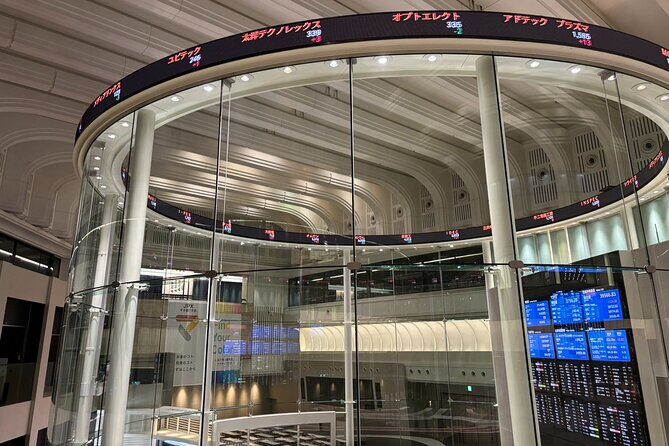
What we love about this experience? First, the chance to step inside the Tokyo Stock Exchange, the largest in Japan, and see the open trading platform—a rare glimpse into the workings of a major global financial hub. Second, the visit to Kabuto Shrine, a power spot revered by financiers, adds a spiritual dimension to the tour, blending tradition with commerce. A potential consideration is the tour’s focus on the financial world might feel a bit niche for those not especially interested in economics or finance, but overall, it’s perfect for travelers curious about Japan’s economic culture or looking for a unique city experience.
This tour is ideal for those wanting a balanced, authentic view of Tokyo’s financial history and present. It’s suitable for curious travelers, history buffs, or anyone interested in understanding how Japan’s money system evolved and still influences the world today. If you’re after an experience that combines education, culture, and a touch of Tokyo’s modern hustle, this walk could be just right.
Key Points
- Insightful: Offers a behind-the-scenes look at Tokyo’s financial institutions, including the Tokyo Stock Exchange.
- Historic & Cultural: Includes visits to historic sites like Kabuto Shrine and the Bank of Japan.
- Convenient & Compact: A 3-hour tour that covers major sights efficiently, ideal for a quick but meaningful experience.
- Value for Money: At $65, it provides access to significant sites with educational guides.
- Authentic Access: Inside the Tokyo Stock Exchange and other institutions, not just viewable from the outside.
- Suitable for Most: Most travelers, including those with limited mobility, can participate easily.
Exploring Tokyo’s Financial Heart: The Full Review
If you're drawn to exploring Tokyo on foot, we've looked into these other walking experiences
A Short but Rich Introduction
Starting at the Kayabacho Station, this tour introduces you to Tokyo’s financial district, known locally as Kabutocho. The name itself hints at history—“kabuto” meaning helmet—perhaps a nod to its long-standing role in Japan’s economic defense and growth. For $65 per person, you get roughly three hours of guided walking, with a focus on key financial landmarks, historic sites, and modern institutions. The tour is designed to be accessible, with most of it on foot, and includes a mobile ticket for ease of access.
Two things immediately stand out: the inside visit to the Tokyo Stock Exchange and the chance to see the currency museum. These are not your typical sightseeing stops—they’re real, working parts of Japan’s economy, giving you a perspective few travelers get on their standard trip. Plus, a bottle of water is included, which is appreciated on warm days or for those who just like to stay hydrated while walking.
The Itinerary: A Closer Look
Stop 1: Kabuto One
Your journey begins with a photo at the Kabuto-cho display, which acts as a symbolic entry point. It’s an iconic photo opportunity that sets the tone for your exploration of Japan’s financial hub. It’s a quick stop—about 15 minutes—but a good way to orient yourself before deeper visits.
Stop 2: Inside the Tokyo Stock Exchange
The highlight of the tour is entering the Tokyo Stock Exchange itself. Known as the largest in Japan, this arena of economic activity is a fascinating sight—think of it as the “Wall Street of Tokyo.” You’ll walk through the open trading platform and learn about Japan’s financial history. Guides often emphasize the importance of this institution, which has weathered economic upheavals, including the bubble burst of the 1990s and recent global shocks.
One traveler noted, “We loved the way the guide explained the complex trading systems in an accessible manner,” making this stop not only informative but also engaging. Because the exchange is still active, the visit offers a tangible sense of Tokyo’s financial power. No admission fee is charged, which adds to the overall value.
Stop 3: Kabuto Shrine
Next, you’ll visit Kabuto Shrine, dedicated to the guardian deity of securities. This site is especially significant for those interested in Japan’s cultural side—here, financiers come to pray for prosperity and success. It’s a quick visit—about 10 minutes—but it provides a spiritual contrast to the busy trading floors. Travelers report feeling a sense of reverence and connection to tradition, which enhances the experience beyond mere sightseeing.
Stop 4: Bank of Japan Head Office
A short walk takes you to the Bank of Japan, the nation’s central bank responsible for monetary policy. The building itself is impressive, and the guide will give you a brief tour of its exterior and history. This stop is about 15 minutes, and it offers insights into Japan’s economic stability efforts.
Stop 5: Currency Museum
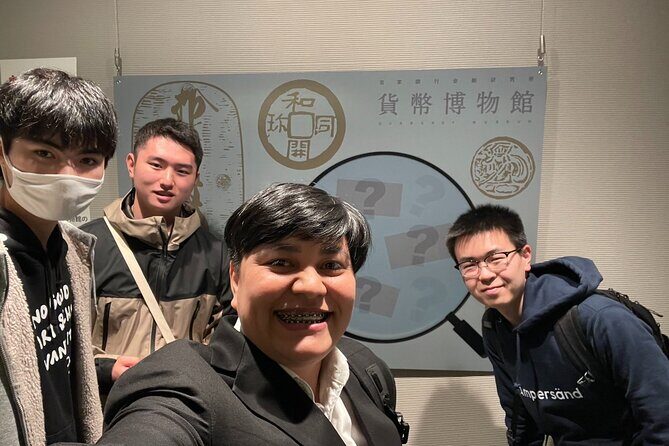
Finally, you’ll visit the Currency Museum, housed within the Bank of Japan. Here, the collection of currencies—ranging from the samurai era to contemporary notes—reveals fascinating stories about Japan’s economic history. One reviewer mentioned, “Seeing the old samurai currencies alongside modern bills was eye-opening,” highlighting how this museum offers both educational and visual delights. Visitors are encouraged to take their time exploring the displays, making this a fitting conclusion to the tour.
What the Tour Feels Like
The tour’s pacing is brisk but manageable. Guides are generally knowledgeable and enthusiastic, making complex topics like monetary policy or stock trading easier to understand. The group size is private, ensuring personalized attention and a relaxed atmosphere.
Since the tour is primarily on foot, comfortable shoes are recommended. The route is accessible to most travelers, and public transportation nearby makes it easy to continue exploring after the tour ends at Tokiwa Bridge Park, where a statue of Eiichi Shibusawa—known as the father of Japanese capitalism—grounds you in Tokyo’s economic legacy.
Considering the Cost and Experience
At $65, the tour offers excellent value, given the inside access to institutions typically off-limits to the public. The inclusion of bottled water and the fact that it’s a private tour mean you get personalized insights without the crowds. However, it’s important to note that lunch and private transportation are not included, so plan accordingly if you want to extend your day.
While you're exploring Tokyo, here are other experiences we've looked into
Who Will Enjoy This Tour?
This experience is best suited for curious travelers interested in Japan’s financial system, history buffs, or those who appreciate seeing real-world institutions. It’s also perfect if you want to combine cultural history with a touch of modern Tokyo. However, if you’re seeking more traditional sightseeing or outdoor adventures, this might feel a bit niche—though still very rewarding.
Final Thoughts: Why This Tour Could Be a Highlight
In a city as vibrant and diverse as Tokyo, this walk through Kabutocho offers a unique, educational look at the backbone of Japan’s economy. You’ll love the stunning views of the exchange’s trading floor and the sense of stepping inside a working financial institution. The visits to historic sites like Kabuto Shrine and the Currency Museum add depth and cultural context that make the experience more meaningful.
The tour’s focus on authentic access—inside the Tokyo Stock Exchange and the Bank of Japan—sets it apart from typical city walks. It’s especially valuable for those wanting to understand the mechanisms behind Japan’s economic resilience and growth, with guides helping to simplify complex topics.
While it might not suit travelers looking for leisure or outdoor adventure, those with an interest in finance, history, or Japan’s economic story will find plenty to enjoy. This tour balances history, culture, and modern finance, making for a genuinely insightful visit into Tokyo’s financial soul.
FAQ
Is this tour suitable for all ages?
Yes, most travelers can participate, including those with limited mobility. It’s a walking tour, but on accessible routes.
How long does the tour last?
Approximately 3 hours, including visiting each site and walking between stops.
Are meals included in the price?
No, lunch is not included, so you might want to plan for a meal before or after the tour.
Can I join if I am not interested in finance?
Yes, the tour also offers cultural and historical insights, especially at sites like Kabuto Shrine and the Currency Museum.
Is the Tokyo Stock Exchange visit inside the exchange building?
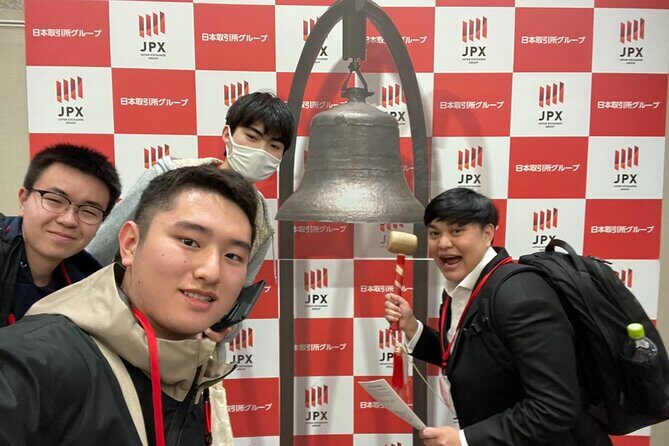
Yes, you’ll visit inside the actual Tokyo Stock Exchange, including the open trading platform.
What should I wear?
Comfortable walking shoes are recommended as the tour involves a lot of walking.
Are there any additional costs?
No, all included sites are free to enter, excluding lunch or personal souvenirs.
How do I get to the meeting point?
The tour begins near Kayabacho Station, which is accessible via Tokyo’s public transit system.
Can I cancel this tour?
Yes, cancellations are free if made at least 24 hours in advance, with a full refund.
To sum it up, if you’re looking for a thoughtful, engaging, and authentic glimpse into Japan’s financial institutions, this tour offers a rare opportunity to see inside the workings of Tokyo’s economic engine. It’s suited for anyone curious about Japan’s financial history, its modern economy, or who simply enjoys exploring the city’s less touristy, more professional side. Just remember to wear comfortable shoes and bring your curiosity—there’s plenty of fascinating information waiting to be uncovered.
More Walking Tours in Tokyo
More Tours in Tokyo
- Tokyo: teamLab Planets & Toyosu Fish Market Guided Tour
- Tradition Meets Modernity Kumihimo Braiding Tour in Kagurazaka
- Mt Fuji Twin Lakes Maple Festival Night Lights Tour
- Tokyo Early Morning Walking Tour (It`s a new tour!)
- Private Tokyo City Tour With English Speaking Driver
- Tokyo 5 Hour Private City Tour & 5meter Giant Robot Piloting Tour
More Tour Reviews in Tokyo
- Furoshiki Workshop with Kimono Fabric
- Tokyo: teamLab Planets & Toyosu Fish Market Guided Tour
- Tradition Meets Modernity Kumihimo Braiding Tour in Kagurazaka
- Mt Fuji Twin Lakes Maple Festival Night Lights Tour
- Japanese High School Girl Uniform Rental Near Tokyo Disneyland
- Nagasaki Airport(NGS) to Nagasaki city – Arrival Private Transfer
More Tokyo experiences we've covered
- Tokyo Stock Exchange & Kabutocho Financial District Walking Tour
- Furoshiki Workshop with Kimono Fabric
- Tokyo: teamLab Planets & Toyosu Fish Market Guided Tour
- Tradition Meets Modernity Kumihimo Braiding Tour in Kagurazaka
- Mt Fuji Twin Lakes Maple Festival Night Lights Tour
- Japanese High School Girl Uniform Rental Near Tokyo Disneyland
- Nagasaki Airport(NGS) to Nagasaki city – Arrival Private Transfer
- Tokyo Early Morning Walking Tour (It`s a new tour!)
- Private Tokyo City Tour With English Speaking Driver
- Tokyo: Step into tradition, sumo wrestlers and geisha
- Tokyo 5 Hour Private City Tour & 5meter Giant Robot Piloting Tour
- Tokyo: Asakusa Japanese Izakaya bar hopping tour