
Tokyo hits you before you’re ready for it. You step out of the station and it’s neon, crowds, vending machines selling hot coffee, and a convenience store every thirty metres that somehow has better food than most restaurants back home. And then you turn a corner and you’re in a quiet temple garden where the only sound is running water.
That contrast is what makes Tokyo. It’s not one city — it’s dozens of small cities glued together by one of the best train networks on the planet. Shibuya feels nothing like Asakusa. Akihabara and Ginza might as well be different countries. And that’s exactly why you need a plan, or you’ll spend half your trip just figuring out where to go next.
We’ve been to Tokyo enough times to know what’s worth your time and what’s overrated. This guide covers the neighborhoods, the food, the logistics, and — because this is what we do — the specific tours and experiences worth booking, with real reviews and prices.
- Getting There
- Luggage Transfer: The Best Trick Nobody Tells You
- Getting Around Tokyo
- Where to Stay: Picking Your Neighborhood
- What to Do in Tokyo
- Meiji Shrine and Yoyogi Park
- Harajuku and Takeshita Street
- Shibuya Crossing and Shibuya Sky
- Tsukiji Outer Market
- Asakusa and Senso-ji
- Akihabara
- TeamLab
- Shinjuku at Night
- Ueno: Museums, Markets, and Pandas
- Roppongi: Art Triangle
- Gotokuji: The Lucky Cat Temple
- Coffee and Kissaten Culture
- Shopping Beyond Department Stores
- Seasonal Guide: When to Visit Tokyo
- Cherry Blossoms (Late March – Mid April)
- Summer (June – August)
- Autumn (October – November)
- Winter (December – February)
- Day Trips from Tokyo
- Mt. Fuji and Kawaguchiko
- Kamakura
- Nikko
- Hakone
- Kawagoe (Little Edo)
- Tokyo Food: What to Eat and Where
- A 5-Day Tokyo Itinerary
- Luggage and Packing
- What to Pack
- Coin Lockers
- Yamato Forwarding (Repeat Because It’s That Good)
- Practical Tips
- Tours Worth Booking
- What Most Guides Get Wrong About Tokyo
Getting There
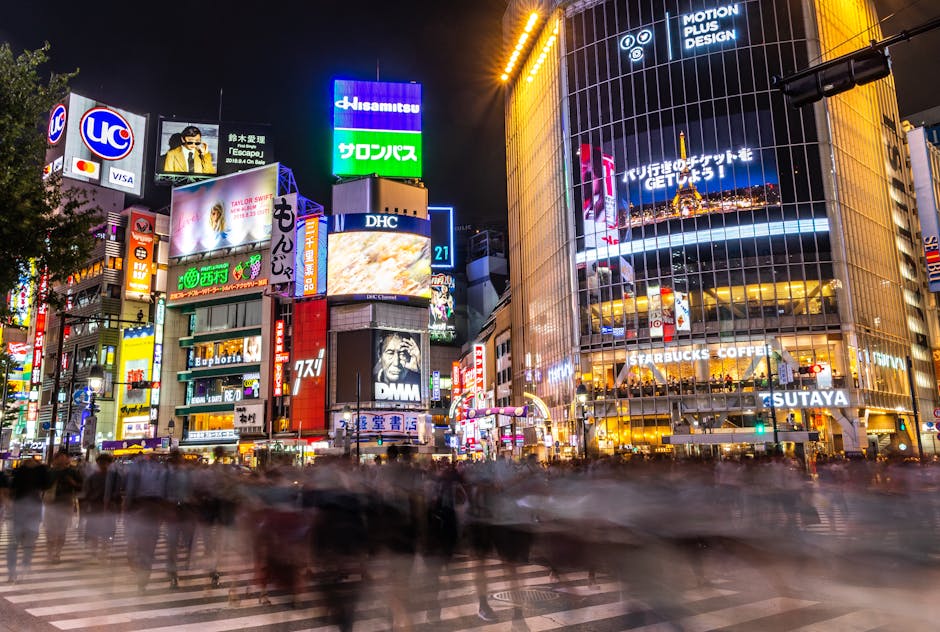
Two airports serve Tokyo: Haneda and Narita. They’re not interchangeable, and which one you fly into makes a real difference to your first few hours.
Haneda (HND) is the one you want. It sits on the southern edge of Tokyo Bay, about 30 minutes by monorail or Keikyu Line train to central Tokyo. Most domestic flights and an increasing number of international routes use Haneda — Delta, United, ANA, and JAL all fly here from major US and European hubs. The terminal is modern, well-signed in English, and you can be at your hotel in Shinjuku or Shibuya within an hour of clearing customs. That matters when you’ve just survived a 12-14 hour flight and your brain is fog.
Narita (NRT) is the older international airport, stuck out in Chiba prefecture about 60-90 minutes from central Tokyo by Narita Express train (¥3,250 one way) or Skyliner (¥2,520 to Ueno). American Airlines, many budget carriers, and quite a few Asian airlines still use Narita. The airport itself is fine — it’s the commute that hurts. After a long flight, that extra hour on a train feels like three. If you’re booking flights and Haneda is available for even ¥10,000 more, take it.
The upgrade question: if you’re flying 12+ hours, premium economy is worth considering. On most carriers (Delta Premium Select, ANA Premium Economy), you’re looking at roughly double the coach fare — wider seat, more recline, better food, and an actual chance of sleeping. First class is four to six times the price and rarely worth it unless someone else is paying. Our honest take: splurge on the seat and save on the hotel. You’ll thank yourself on day one when you’re not a zombie.
Luggage Transfer: The Best Trick Nobody Tells You
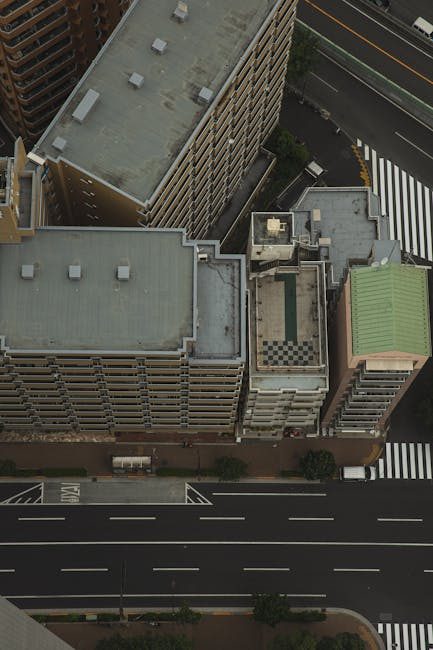
This is the single best travel hack in Japan. Yamato Transport (look for the black cat logo — Kuroneko Yamato) will pick up your luggage from one hotel and deliver it to the next. It costs about ¥2,000 per bag (roughly $13), and it means you can check out of your Shibuya hotel in the morning, spend the day exploring with just a daypack, and find your suitcase waiting at your next hotel by evening.
Here’s how it works: tell your hotel front desk the evening before checkout that you want to send luggage via Yamato. They’ll give you a form to fill out (most hotels have English versions or will help you). Your bags get picked up that night or early morning and arrive at the destination hotel by late afternoon or evening. Pack a change of clothes and your essentials in a backpack for the gap.
This service works between cities too — Tokyo to Kyoto, Kyoto to Osaka, anywhere in Japan. You can also use the Yamato kiosks at Haneda and Narita to send bags straight to your hotel on arrival day, so you skip the hassle of dragging luggage through train stations when you’re jet-lagged and disoriented. The kiosks are in the arrival halls, usually near the exits.
One caveat: if your flight arrives late and you miss the Yamato drop-off window, your bags won’t arrive until the following evening instead of the same day. Split essential items between your bags so you’re never completely stuck.
Getting Around Tokyo
You need an IC card — either Suica or Pasmo, they’re interchangeable. iPhone users can add a Suica directly to Apple Wallet before they even land, which is the smoothest option. Android users with certain phones can do the same via Google Pay. Everyone else can grab a physical card at the airport. Load it with ¥5,000 (about $33) and you’ll be set for days of train rides plus convenience store snacks.
Your IC card works on JR trains, Tokyo Metro, Toei Subway, most buses, and at convenience stores, vending machines, and coin lockers. Keep it in an easy-to-reach pocket — you’ll tap in and out of stations constantly, and fumbling for it while a river of commuters flows around you isn’t fun.
Forget the Japan Rail Pass for Tokyo-only trips. It’s expensive and unnecessary unless you’re also taking the bullet train to Kyoto or Osaka. For getting around Tokyo, your IC card on the metro is cheaper and simpler.
Google Maps works brilliantly for Tokyo transit. Plug in where you want to go, select “public transport,” and it’ll tell you which line, which platform, and which exit. The one thing it won’t tell you: trains stop running around midnight. Miss the last one and you’re looking at a ¥5,000+ taxi ride.
Where to Stay: Picking Your Neighborhood
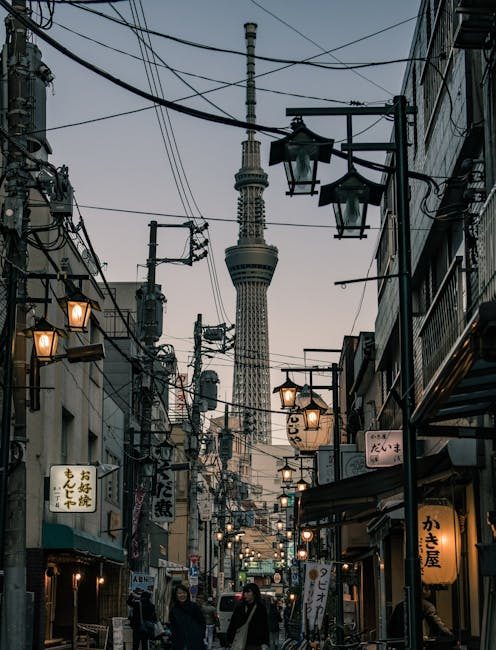
Where you stay in Tokyo matters more than which hotel you pick. Each neighborhood has a completely different feel, and being near the right train station saves you hours over a week-long trip. For the full breakdown with hotel reviews and prices, see our guide to where to stay in Tokyo.
Shinjuku — The biggest, loudest, most overwhelming station in the world (literally — 3.5 million people pass through daily). But it’s the most connected, with JR lines, metro lines, and the express to Mt. Fuji all in one place. Stay here if you want maximum transport options and don’t mind noise. Golden Gai and Omoide Yokocho (Piss Alley) are walking distance for evening food and drinks. The west side of the station has the big hotels and government buildings. The east side is where things get interesting — Kabukicho’s neon-lit entertainment district is right there. Fair warning: it’s not the quietest spot if you’re a light sleeper. Hotels like the Gracery Shinjuku (the one with the Godzilla head on the roof) put you right in the middle of it. Budget Japanese chains like Dormy Inn and Tokyu Stay have branches here with small but spotless rooms from ¥8,000-12,000 a night. The station itself takes a few days to stop being confusing — it has over 200 exits. Use the East Exit or South Exit as your landmarks and work from there.
Shibuya — Younger, trendier, and home to that famous scramble crossing. Good base for exploring Harajuku, Omotesando, and Yoyogi Park on foot — all within a 15-minute walk. The Shibuya Sky observation deck is worth it for the view, especially at sunset. Accommodation here ranges from budget business hotels to the more design-focused Trunk Hotel near Yoyogi Park, which is gorgeous but runs ¥50,000+ a night. The Dormy Inn Premium Shibuya Jingumae sits in a more practical price range (around ¥15,000) and includes a breakfast buffet that’ll set you up for a full day of walking. One thing about Shibuya — it’s loud and crowded around the station day and night. If that bothers you, stay a 10-minute walk away in the direction of Daikanyama or Ebisu. Same train line, much calmer streets, better restaurants. From the Dormy Inn, you can walk to Shibuya Crossing in about ten minutes and reach Takeshita Street in Harajuku in roughly the same.
Asakusa — The old Tokyo. Senso-ji temple, traditional shopping streets, rickshaws, and a quieter pace once the day-trippers leave in the evening. Great if you want atmosphere over nightlife. The Skytree is a short walk away. Asakusa transforms after about 6pm — the tourist crowds thin out, the lanterns come on, and suddenly you can actually enjoy the place. Morning is good too, before the shops along Nakamise-dori open. For a deeper look at the area, there are some excellent food tours that go through the backstreets where you’d never find the good stuff on your own. Hotels here tend to be more traditional and slightly cheaper than Shibuya or Shinjuku. The trade-off is that you’re farther from the big nightlife areas, though the Ginza Line gets you to Shibuya in about 30 minutes.
Akihabara — Anime, manga, retro game stores, maid cafes, and multi-storey arcades. If you’re into any of that, you’ll lose days here. Even if you’re not, the energy is something. The area is also surprisingly close to Ueno (one stop on the JR Yamanote line), so you can combine otaku culture with museum-hopping easily. The Nohga Hotel Akihabara is a standout option here — a step above the usual business hotel, with a proper bar and decent restaurant on-site. From Akihabara Station, you can reach Tokyo Station in four minutes on the JR Line, which is useful if you’re taking day trips or the bullet train. The neighbourhood has a different feel at night — the neon comes up, the arcades get louder, and the side streets fill with small bars and restaurants. Maid cafes are everywhere and they’re… an experience. Go once for the story, but the food is beside the point.
Ginza — Upscale shopping, department stores, and some of the best restaurants in the city. Quieter at night than Shinjuku or Shibuya. Close to Tsukiji and Tokyo Station. A solid choice for couples or anyone who prefers a calmer base. The depachika (basement food halls) in Ginza’s department stores are worth visiting even if you’re not staying here.
Off the usual list: Shimokitazawa and Nakameguro — These don’t appear in most Tokyo guides, but they’re where younger Tokyoites actually spend their weekends. Shimokitazawa is all vintage clothing, independent coffee shops, and small live music venues. Nakameguro has the canal-side cafes and the Starbucks Reserve Roastery — the most beautiful coffee shop in Tokyo. Both are a short train ride from Shibuya and feel like a completely different city from the tourist districts.
What to Do in Tokyo
For the complete list, see our things to do in Tokyo guide. Below are the highlights we’d tell a friend to prioritize.
Meiji Shrine and Yoyogi Park
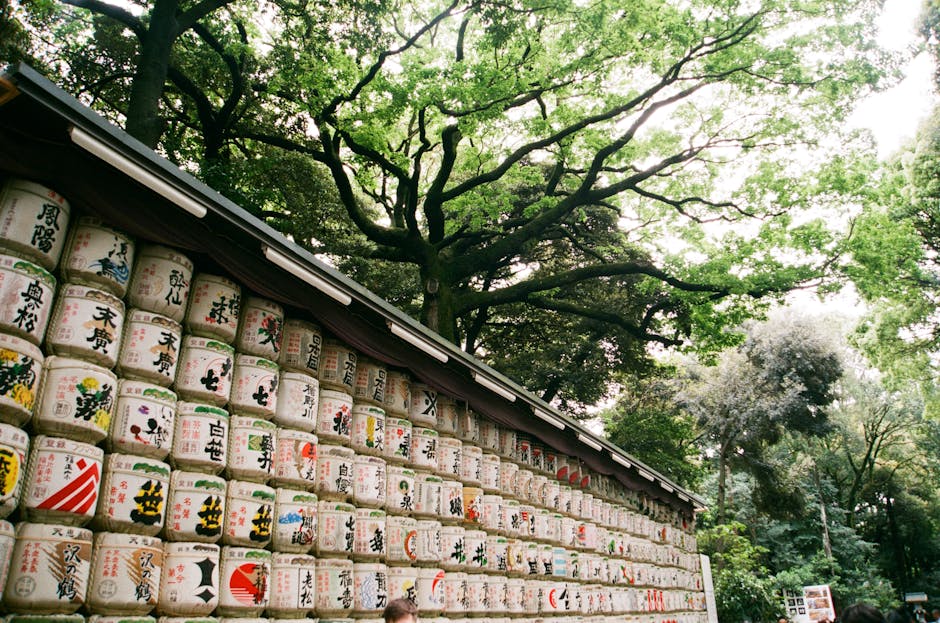
Start here on your first morning. The walk through the forested approach to Meiji Shrine is one of the best things in Tokyo — tall trees, gravel paths, and a sudden quiet that makes you forget you’re in a city of 14 million. The shrine itself is beautiful, especially on weekends when you might catch a traditional wedding procession.
Yoyogi Park is right next door. It’s where Tokyoites actually hang out — picnicking, practising dance routines, walking dogs. On Sundays, the area near Harajuku Station sometimes has performers and street stalls. In late March and early April, the park fills with cherry blossom picnickers — it’s one of the better free hanami spots in the city.
Harajuku and Takeshita Street
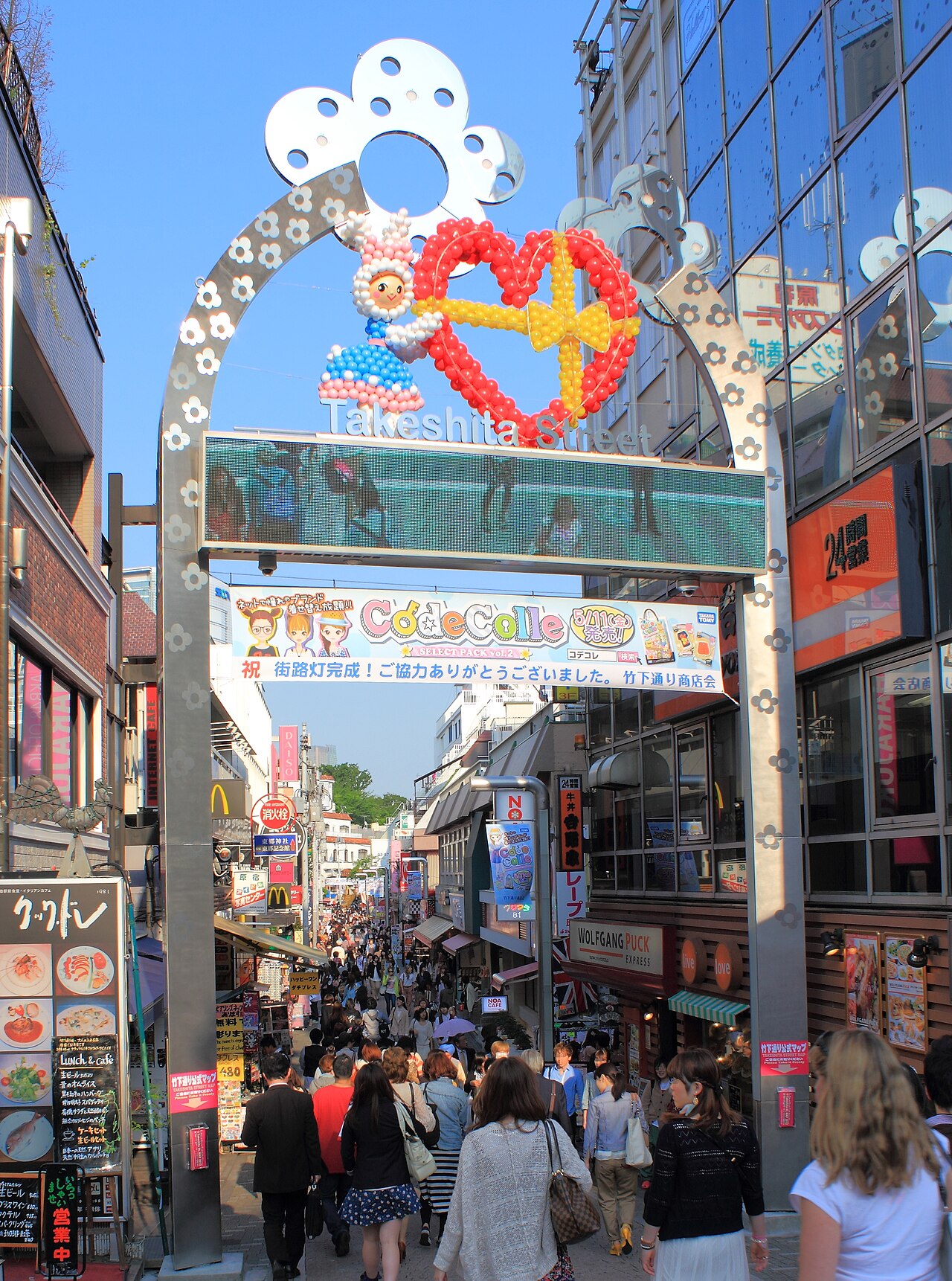
From Yoyogi, walk to Takeshita Street. It’s narrow, packed, and completely mad — rainbow cotton candy, crepe shops, character goods stores, and fashion that ranges from vintage to costumes. It’s a lot. But it’s Tokyo distilled into a single block. The cotton candy is photogenic but honestly not worth the queue. The crepes, on the other hand, are genuinely good — Marion Crepes near the top of the street has been there since the 1970s.
For something more substantial, Harajuku Gyozaro is a tiny gyoza spot on the backstreets just off Takeshita — the line is long but moves fast, and the pan-fried dumplings are some of the best in Tokyo. Six pieces for about ¥290. No menu decisions required — gyoza is all they make, and they’ve been making them for decades. If you’d rather sit down properly, Harajuku Okonomiyaki Yai-yai does excellent okonomiyaki (savoury pancakes) where you cook them yourself on the table griddle. It’s a fun lunch if you’re with someone.
For coffee before the Harajuku chaos, Roasted Coffee Laboratory near Shibuya has good matcha lattes and a calm atmosphere — the kind of place you need before diving into Takeshita Street.
Beyond Takeshita, wander into Omotesando — the tree-lined boulevard with high-end fashion and architecture. The Omotesando Hills building by Tadao Ando is worth a look even if you’re not shopping. Cat Street, which runs parallel to Omotesando, is where the more interesting independent shops are. It’s also where Tokyoites who’ve outgrown Takeshita Street go to shop.
The best walking tours in Tokyo often cover this stretch because there’s so much packed into a small area — from the traditional wooden entrance of Meiji Shrine to the glass-and-steel architecture of Omotesando in a 20-minute walk.
Shibuya Crossing and Shibuya Sky
Yes, it’s touristy. Yes, you should still do it. Standing in the middle of the world’s busiest pedestrian crossing as thousands of people move around you is genuinely memorable. Go at night when the neon is at full brightness.
For the best view of the crossing from above, the rooftop at MAG’s PARK (atop the Magnet by Shibuya109 building) is free and gives you a solid angle. But Shibuya Sky beats it by a mile for the full panoramic — book tickets in advance at ¥2,000 ($13) for the rooftop observation deck. Sunset is the best time. On a clear day you can see Mt. Fuji from the deck, which makes it feel like the whole point of going up there.
Tsukiji Outer Market
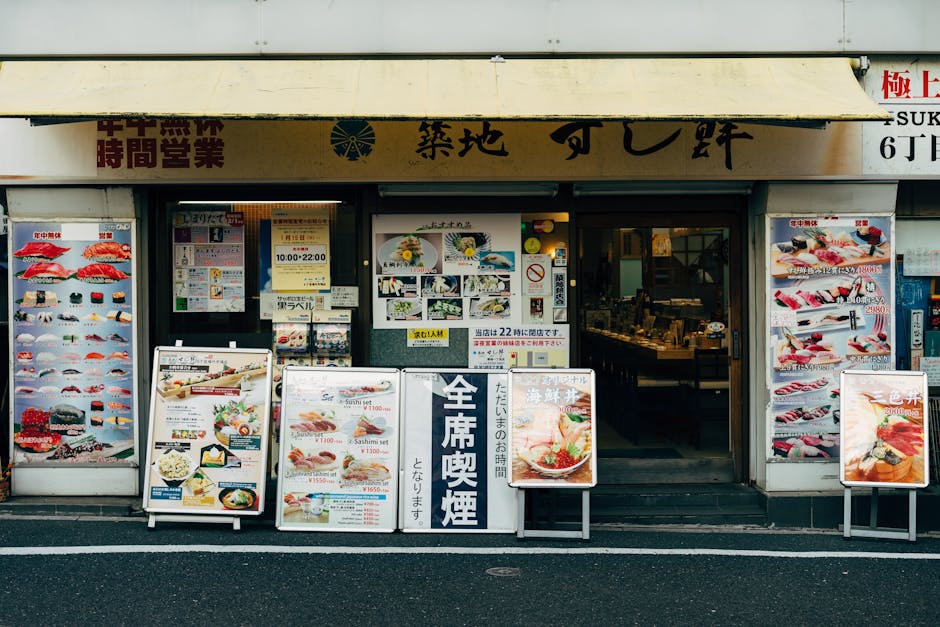
The famous tuna auctions moved to Toyosu in 2018, and honestly, Toyosu isn’t great for travelers — it’s a working wholesale market behind glass. But Tsukiji Outer Market is still there and still brilliant. Sushi for breakfast, tamago (sweet egg omelette) on a stick, fresh uni, grilled seafood skewers. Get there before 10am to beat the worst crowds.
Asakusa and Senso-ji
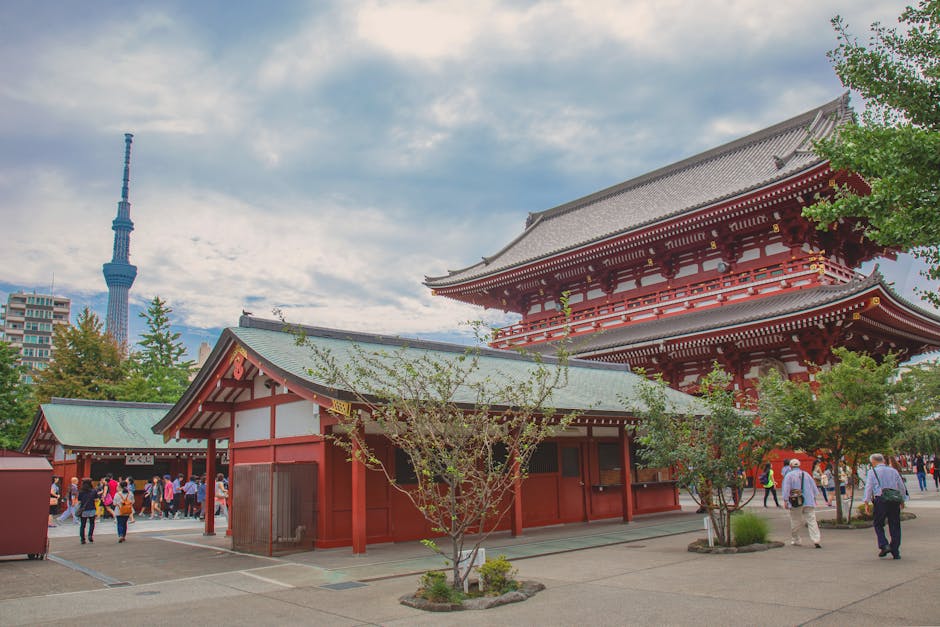
Tokyo’s oldest temple is packed with travelers during the day, but the approach through Nakamise-dori shopping street is fun for souvenirs and snacks — try the freshly made senbei (rice crackers). The temple itself is free to enter and looks best at dawn or after dark when it’s lit up and almost empty.
The backstreets around Senso-ji have some of the best traditional food in Tokyo. This is where a guided food tour pays for itself — the best spots have no English signs and you’d walk right past them. If you want a sit-down sushi meal in the area, the small sushi-ya on the back streets north of the temple tend to be better value than anything on the main tourist drag.
Akihabara
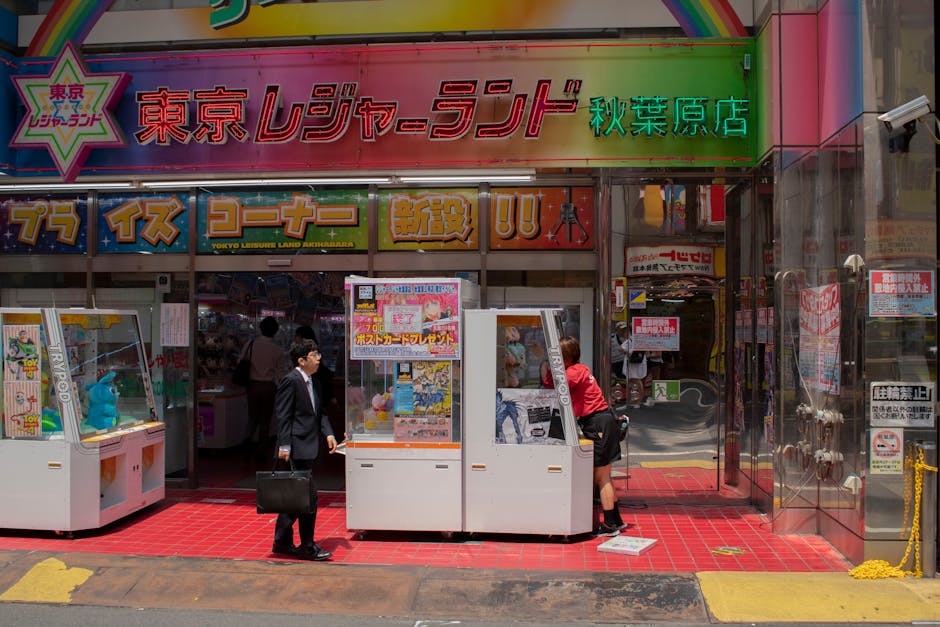
Even if anime isn’t your thing, Akihabara is worth a couple of hours. The multi-level arcades are genuinely fun — crane games, rhythm games, retro cabinets with Street Fighter II and Pac-Man. Most arcades are free to enter; individual games cost ¥100-200 ($0.70-1.30). Some of these buildings go up eight floors, and each floor has a different theme — fighting games on one, rhythm games on another, crane machines taking up an entire level.
The retro game stores are treasure troves. You can find original Game Boy cartridges, vintage Nintendo merchandise, and trading cards. Super Potato on Sotokanda street is the most famous, but the smaller shops often have better prices. If you’re into Magic: The Gathering or Pokemon cards, the selection and pricing here will ruin you for buying cards anywhere else.
TeamLab
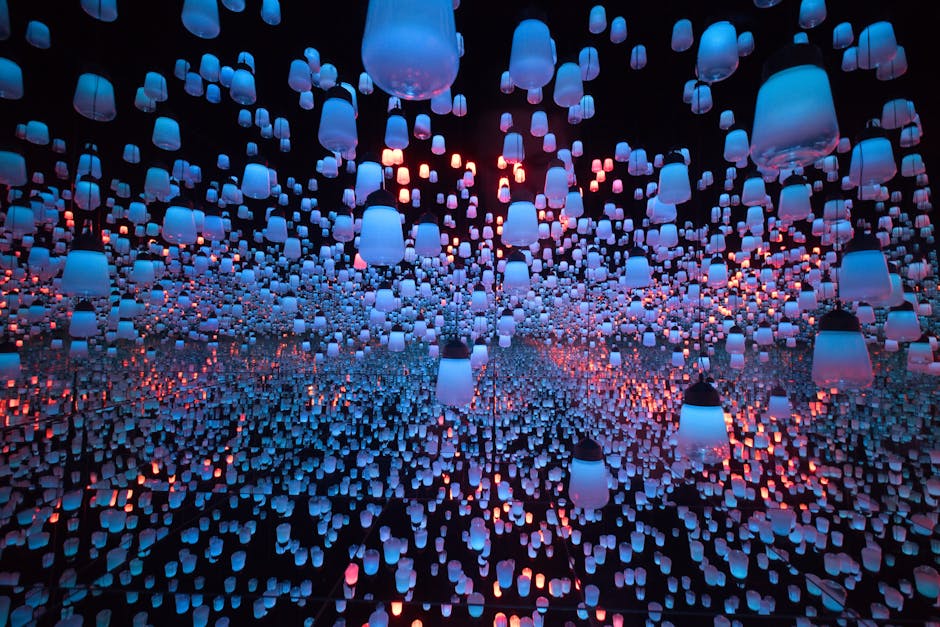
Tokyo has two TeamLab installations: TeamLab Planets in Toyosu and TeamLab Borderless at Azabudai Hills (moved from Odaiba). Planets is the one where you wade through water — bring shorts or roll up your trousers. Borderless is more immersive with rooms you can explore freely.
Both are spectacular and worth booking. Tickets sell out weeks in advance, especially weekends. Budget 2-3 hours. We’d pick Planets if you can only do one. Check our TeamLab Planets reviews for what to expect.
Shinjuku at Night
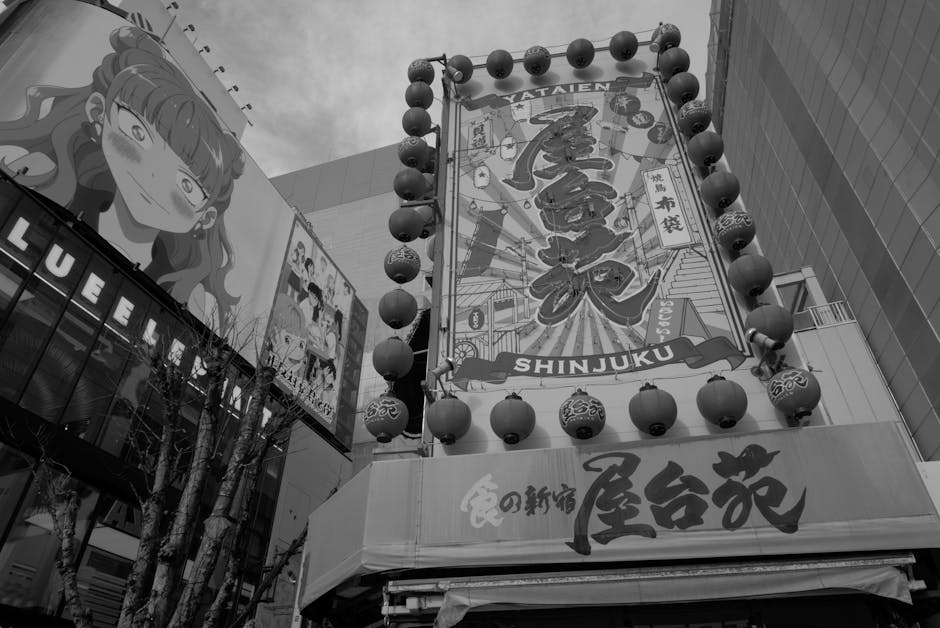
Shinjuku comes alive after dark. Two spots you shouldn’t miss:
Golden Gai — Six narrow alleys crammed with 200+ tiny bars, most seating 6-10 people. Some charge a cover (¥500-1,000), some don’t. The vibe ranges from jazz bars to horror-themed to places where the owner just wants to talk about baseball. Go after 9pm.
Omoide Yokocho (Piss Alley) — Don’t let the name put you off. It’s a row of tiny yakitori (grilled chicken skewer) joints under the train tracks near Shinjuku Station. Smoke, sizzle, cold beer, cramped seating. Some of the best cheap food in Tokyo. Most skewers are ¥100-200 each.
For more on the nightlife scene beyond these two spots, check our Tokyo nightlife guide.
Ueno: Museums, Markets, and Pandas
Ueno gets overlooked because it’s not as flashy as Shibuya or Shinjuku. That’s a mistake. Ueno Park holds the highest concentration of museums in Tokyo — the Tokyo National Museum (Japan’s oldest and largest museum, ¥1,000), the National Museum of Western Art (a Le Corbusier building, ¥500), and the National Museum of Nature and Science (¥630, great for kids). You could spend a full day just in the park.
Below the park, Ameyoko Market is a chaotic strip of stalls selling everything from fresh seafood and dried snacks to leather jackets and sneakers. It’s the closest Tokyo gets to a Southeast Asian market. Prices are negotiable here, which is unusual in Japan. Go hungry — the street food is excellent.
Ueno Zoo is there too, home to Japan’s giant pandas. Honestly, the zoo itself is nothing special by international standards, and the panda queue can be 90 minutes for a 30-second viewing window. But kids love it and entry is only ¥600.
Roppongi: Art Triangle
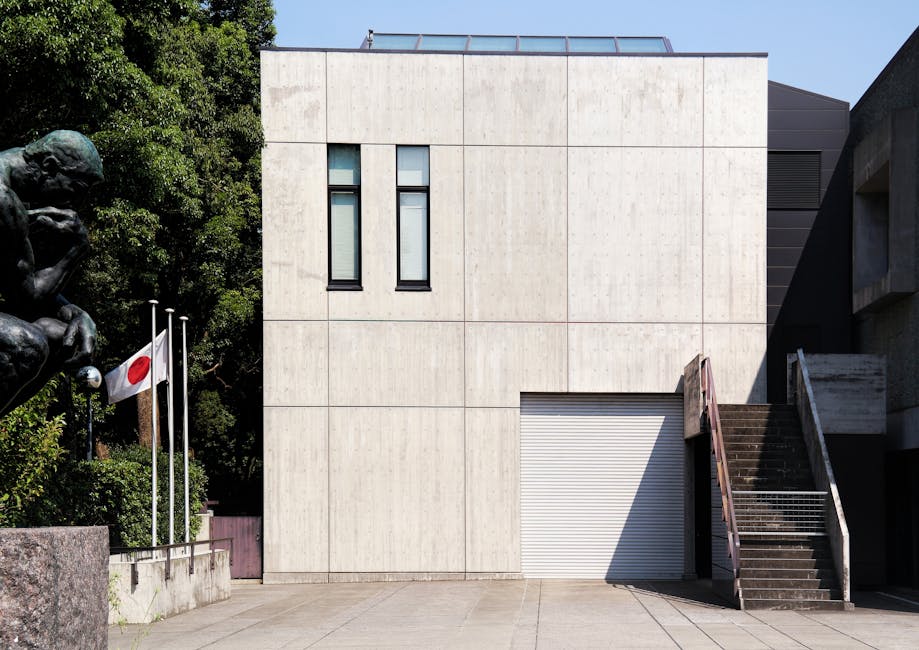
Roppongi has a reputation as Tokyo’s nightclub district, and that’s still true in parts. But during the day, it’s an art hub. The Roppongi Art Triangle links three major museums within walking distance: the Mori Art Museum (on the 53rd floor of Roppongi Hills, with a city view included in the ticket), the National Art Center Tokyo (a striking glass building with rotating exhibitions), and the Suntory Museum of Art.
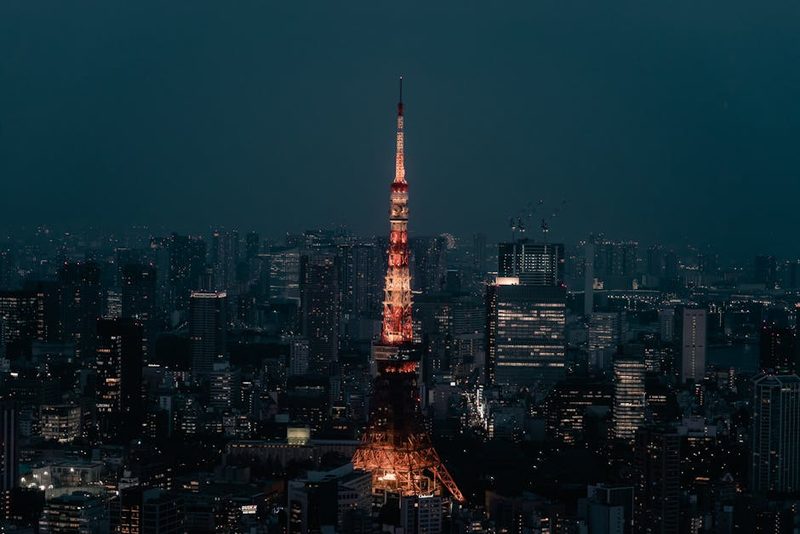
If you only have time for one, the Mori Art Museum combined with the Tokyo City View observation deck is the best value — contemporary art plus one of the best panoramic views in Tokyo, including a clear sightline to Tokyo Tower.
Gotokuji: The Lucky Cat Temple
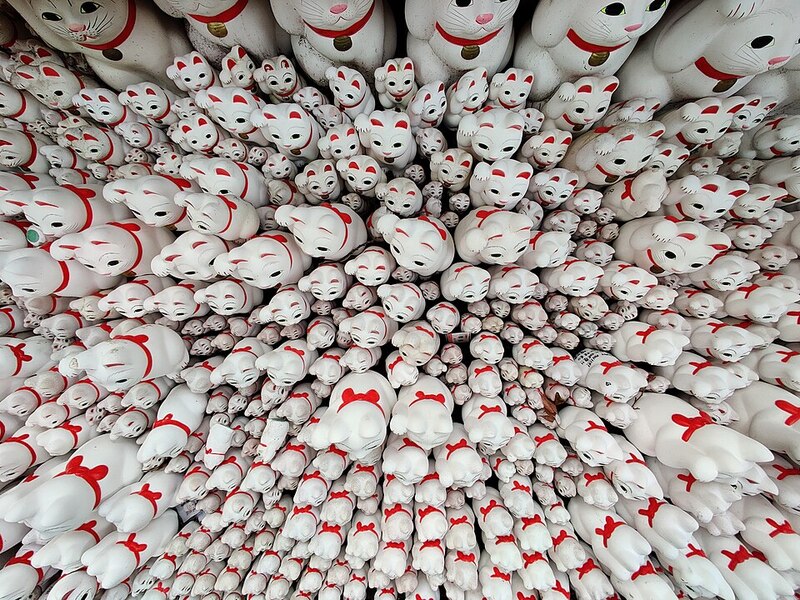
This one’s off most tourist itineraries, and that’s part of the appeal. Gotokuji Temple in Setagaya ward is the birthplace of the maneki-neko (beckoning cat) — and the grounds are covered in hundreds of white cat figurines left as offerings. It’s photogenic in a way that feels less staged than most Tokyo attractions. The temple itself is quiet, surrounded by residential streets, and about a 5-minute walk from Gotokuji Station on the Odakyu Line. You can buy your own small cat figurine at the temple office (from ¥300) and leave it as an offering or take it home. It’s an easy side trip — combine it with Shimokitazawa, which is two stops away on the same line.
Coffee and Kissaten Culture
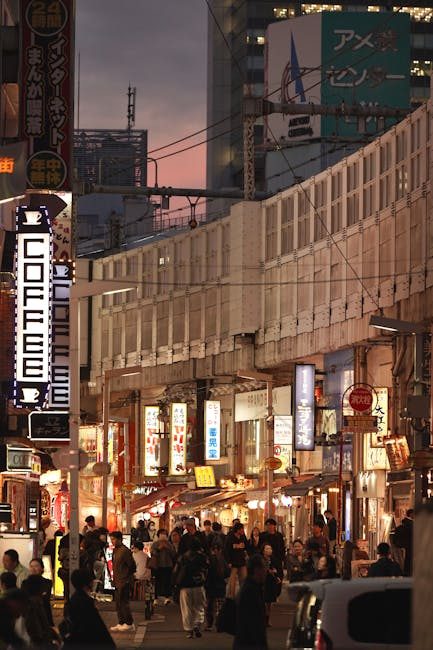
Tokyo takes coffee as seriously as it takes ramen. There are two worlds: the modern specialty coffee scene and the traditional kissaten (old-school coffee houses).
For specialty coffee, Onibus in Nakameguro is a favourite — a small roastery with beautiful canal views. Fuglen in Tomigaya is a Norwegian-Japanese hybrid that doubles as a cocktail bar at night. Blue Bottle Coffee has multiple locations but the Kiyosumi-Shirakawa flagship, in a converted warehouse, is worth the trip just for the architecture. And Roasted Coffee Laboratory near Shibuya does a matcha latte that’ll convert people who think they don’t like matcha.
For kissaten, these are the wood-panelled, dimly lit cafes where the coffee comes in a china cup with a spoon on the saucer and the owner has been roasting beans the same way for forty years. Chatei Hatou in Shibuya and Cafe de l’Ambre in Ginza are two of the most famous. The siphon coffee at these places is a ritual — and it tastes different from anything you’ll find at a modern cafe. Allow 30 minutes and enjoy the quiet.
Shopping Beyond Department Stores
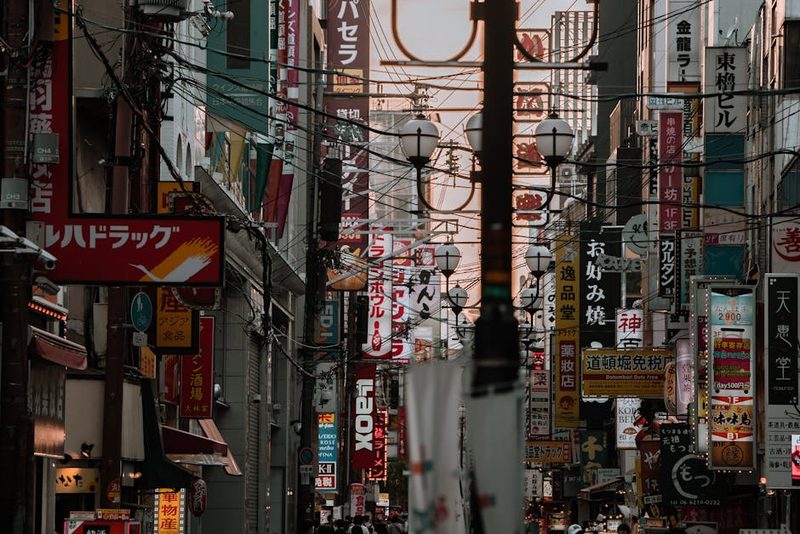
Tokyo shopping goes far beyond the Ginza department stores. A few spots worth knowing:
Don Quijote (Donki) — Open late (some 24 hours), absolutely chaotic, and selling everything from snacks and cosmetics to suitcases and electronics. The Shibuya branch near the crossing is the most famous. It’s overwhelming but oddly addictive. Great for quirky souvenirs and Japanese Kit Kat flavours you can’t get at home.
Tokyu Hands — The Japanese version of a lifestyle store. Craft supplies, stationery, kitchen gadgets, travel accessories, and random things you didn’t know you needed. The Shibuya branch (now called Hands) is the flagship. Budget at least an hour.
Nakano Broadway — If Akihabara is too tourist-oriented for your taste, Nakano Broadway is the local alternative. Four floors of tiny shops selling vintage manga, anime cels, vintage toys, and collectibles. Less crowded, better prices, and a more authentic otaku experience.
Shimokitazawa — Tokyo’s best neighborhood for vintage and secondhand clothing. Dozens of small shops packed into narrow streets, plus independent record stores and bookshops. Take the Keio-Inokashira Line from Shibuya (3 minutes).
Seasonal Guide: When to Visit Tokyo
Tokyo is a year-round destination, but each season changes the city so dramatically that it’s almost a different trip depending on when you go.
Cherry Blossoms (Late March – Mid April)
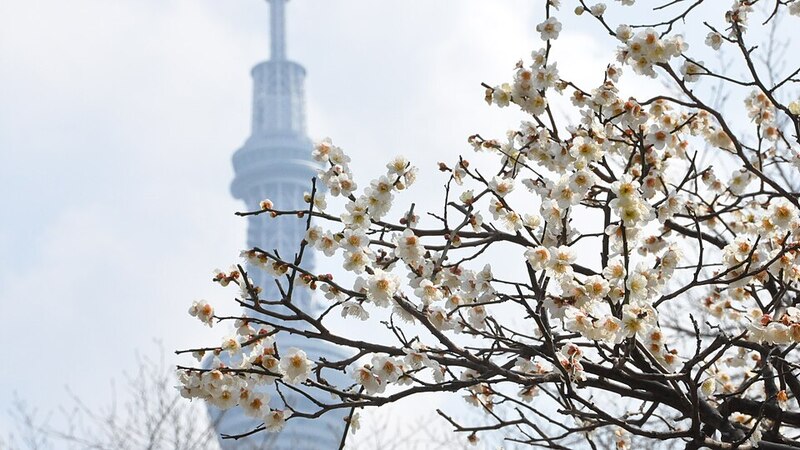
This is peak season and for good reason. When the sakura bloom, Tokyo turns into something you didn’t think a city of 14 million could become — soft, pink, almost gentle. The blossoms typically peak in late March to early April, but the exact dates shift every year by a week or two. The Japanese Meteorological Agency publishes forecasts starting in January, and people plan around them the way others plan around flights.
The best free spots: Ueno Park (the most popular and most crowded), Yoyogi Park (good for picnics), Shinjuku Gyoen (¥500 entry, worth it for the space and variety of trees), and the Meguro River in Nakameguro, where the branches hang over the canal and the reflections at night are unreal. Chidorigafuchi moat near the Imperial Palace is stunning if you rent a rowboat (¥800 for 30 minutes — go early, the queue gets brutal by midday).
Expect higher hotel prices — sometimes double — and book well ahead. The crowds during peak bloom are intense at popular spots. Early morning is your friend.
Summer (June – August)
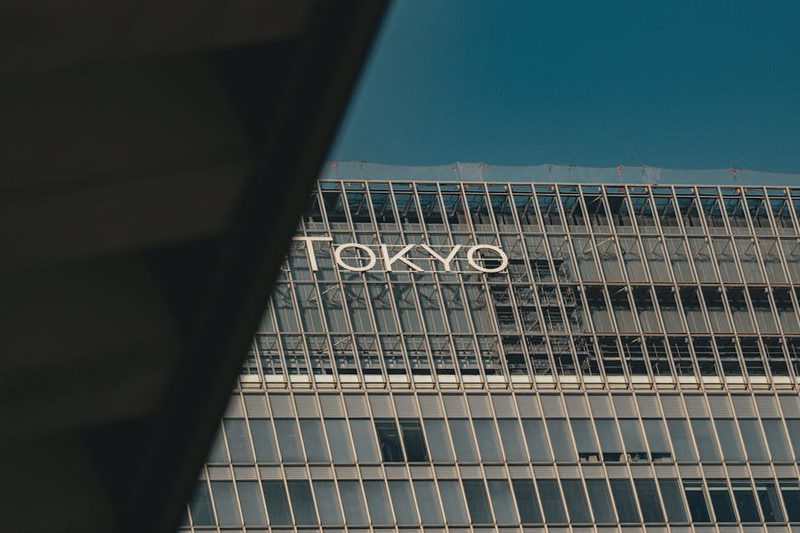
Honestly tough. June is rainy season (tsuyu), and July and August bring 35C+ heat with humidity that makes you feel like you’re breathing through a wet towel. If you must go in summer, plan for indoor activities during the hottest hours (1-4pm) and save outdoor sightseeing for morning and evening.
The upside: summer festivals. The Sumida River Fireworks Festival in late July is one of the biggest in Japan — nearly a million people turn out. Bon Odori dance festivals happen at temples across the city in August. And beer gardens pop up on department store rooftops. It’s not all bad, it’s just sweaty.
Autumn (October – November)
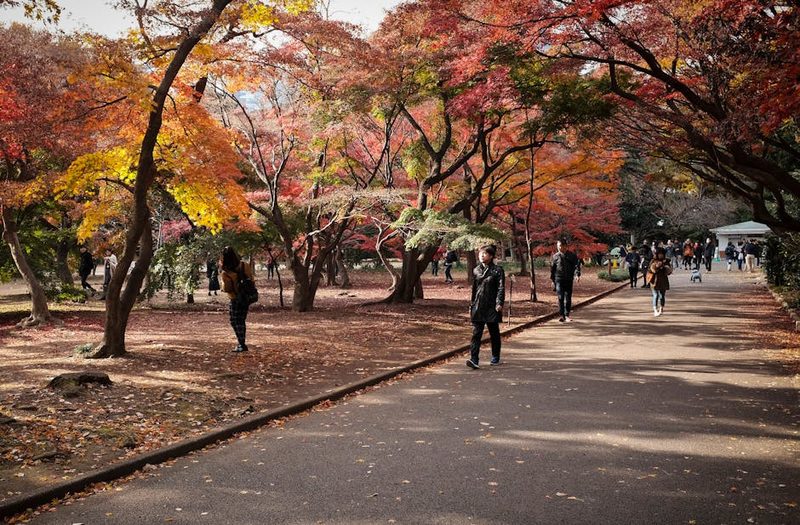
Underrated and arguably the best time to go if you don’t care about cherry blossoms. October is warm and dry. By November, the leaves start turning, and Tokyo’s ginkgo and maple trees put on a show that rivals the spring blossoms. The Meiji Jingu Gaien Ginkgo Avenue turns solid gold — it’s free to walk through and it’s magnificent. Rikugien Gardens does an autumn illumination event where the maples are lit up at night (¥300 entry, open until 9pm during the event).
Hotel prices are lower than spring peak, crowds are thinner, and the food shifts to autumn specialties — roasted sweet potatoes from street vendors, chestnut desserts, and seasonal ramen variations with rich miso broths. Late November is the sweet spot.
Winter (December – February)
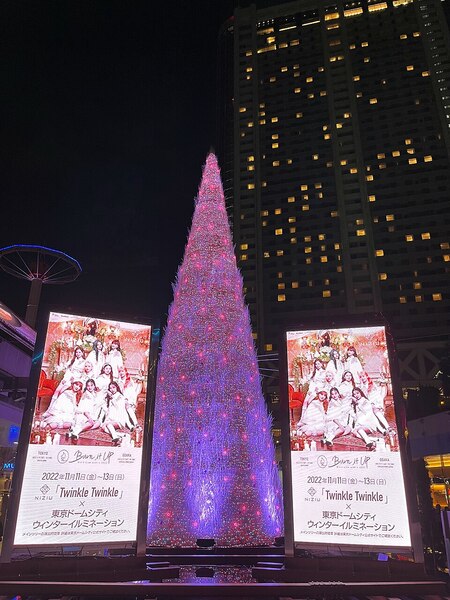
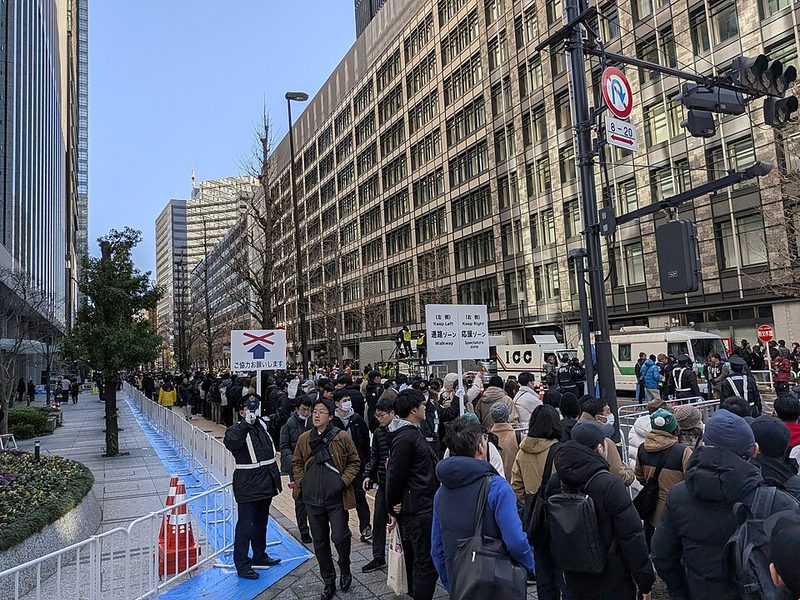
January and February are the most underrated months. Clear skies (best chance of seeing Mt. Fuji from the city), fewer crowds, the lowest hotel prices of the year, and winter illuminations that turn entire districts into light shows. The Marunouchi area near Tokyo Station, Roppongi Hills, and Omotesando all do major illumination displays from late November through February. Caretta Shiodome’s illumination is smaller but free and less crowded.
The cold is manageable — rarely below freezing — and you’ll warm up quickly in any ramen shop, depachika, or onsen. New Year (December 31 – January 3) is a special time to visit if you want to experience hatsumode — the first shrine visit of the year. Meiji Shrine gets over 3 million visitors in the first three days, which sounds terrible but is somehow exciting.
Day Trips from Tokyo
For the full list with transport details and tour reviews, see our best day trips from Tokyo guide.
Mt. Fuji and Kawaguchiko
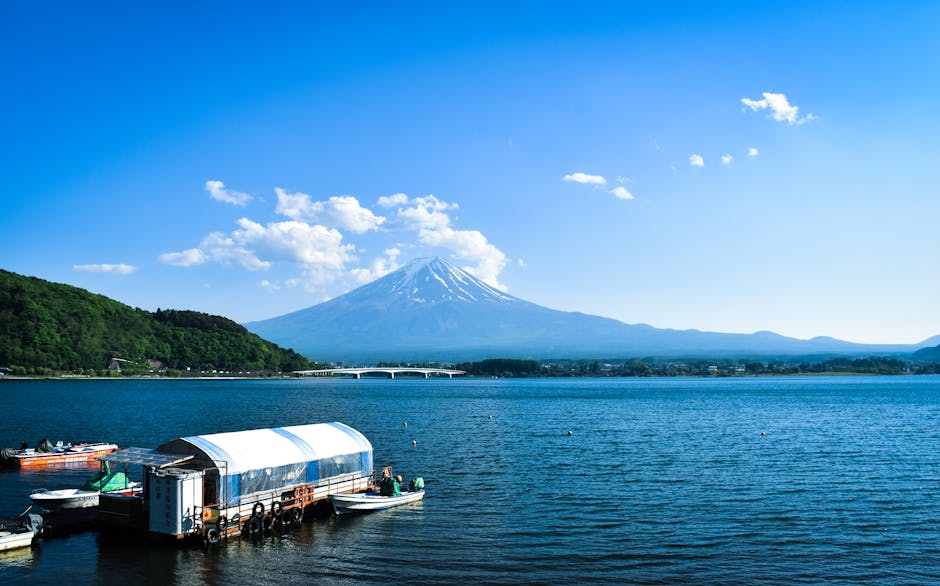
The classic day trip. On a clear day, the views of Fuji from Lake Kawaguchiko are the postcard shots you’ve seen everywhere. The highway bus from Shinjuku Expressway Bus Terminal takes about 2 hours and costs around ¥2,200 ($14) each way. Or you can book a guided tour that handles transport and includes stops at viewpoints plus often a Fuji Five Lakes loop.
One crucial thing: visibility. Fuji hides behind clouds more often than not, especially in summer. Best months for clear views: November through February. Morning is better than afternoon. Check the webcam at Kawaguchiko the night before and be flexible — there’s nothing worse than a 4-hour round trip to stare at fog.
Kamakura
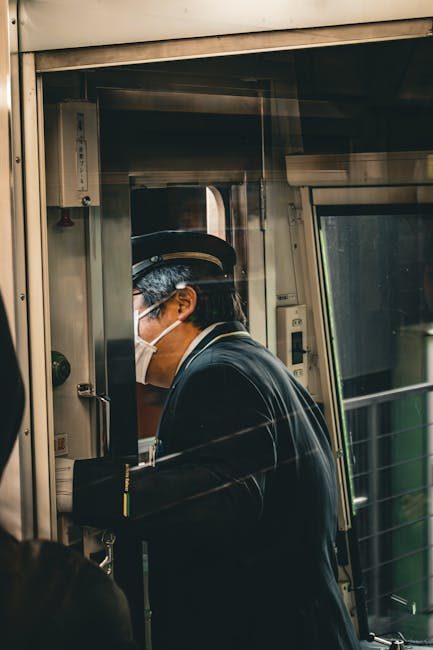
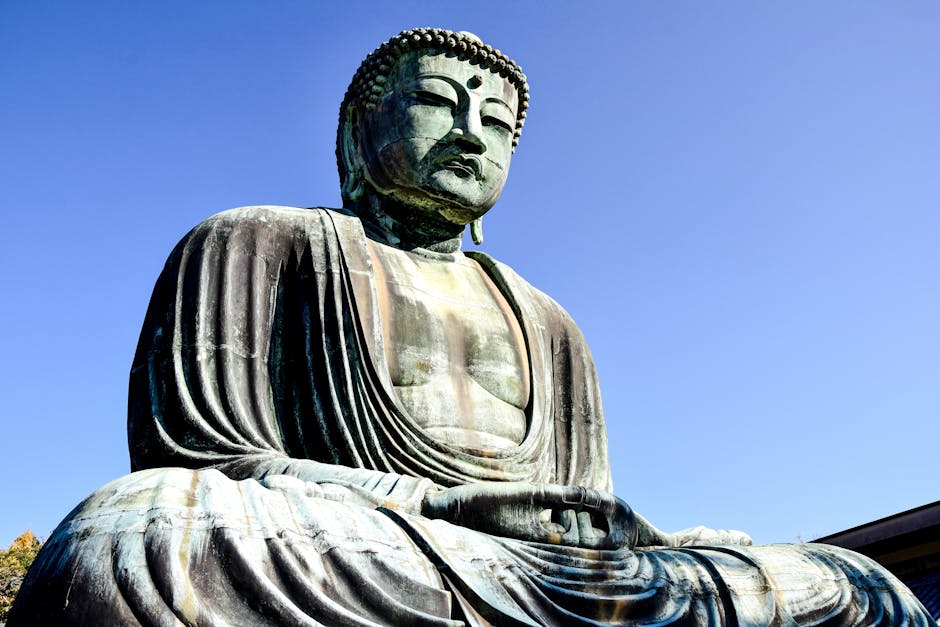
A coastal town an hour south of Tokyo by train (JR Yokosuka Line from Tokyo Station, or JR Shonan-Shinjuku Line from Shinjuku — about ¥940 each way). Famous for the Great Buddha (Daibutsu) — a 13-metre bronze statue from 1252 that sits outdoors. You can actually go inside it for ¥50.
Beyond the Buddha, Kamakura has excellent hiking trails connecting its many temples — the Daibutsu Hiking Course from Kita-Kamakura to the Great Buddha is the most popular, about 90 minutes through forest. Komachi-dori shopping street near the station is good for souvenirs and lunch — try the shirasu (whitebait) bowls, a local specialty. If the weather is warm, Yuigahama Beach is a 15-minute walk from the station.
Nikko
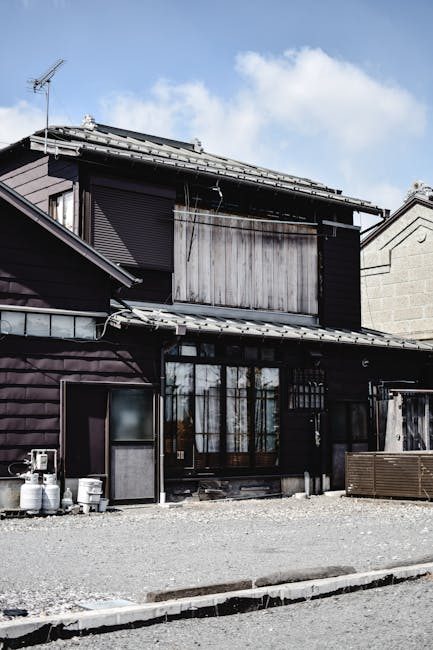
Two hours north by train (Tobu Railway from Asakusa Station — about ¥2,800 for the limited express), Nikko has some of Japan’s most ornate shrine architecture at Tosho-gu, the mausoleum of Tokugawa Ieyasu. The level of detail in the carvings is extraordinary — it takes a good 2-3 hours to properly explore. Beyond the shrine complex, Chuzenji Lake and Kegon Falls are about 45 minutes up the mountain by bus and worth the detour, especially in autumn when the surrounding hills are blazing with colour. Nikko is also surrounded by hot springs. More nature-oriented than Kamakura and worth an overnight if you want to combine culture with hot spring soaking.
Hakone
Hot springs, mountain views, a pirate ship cruise across Lake Ashi, and — on clear days — Mt. Fuji in the background. Hakone is where Tokyoites go to decompress. The Hakone Free Pass (¥6,100 from Shinjuku, about $40) covers the train from Shinjuku, all local buses, cable cars, the ropeway, and the boat for 2 days. It’s good value if you do the full loop.
It’s doable as a day trip but honestly better as an overnight if you want to soak in an onsen. Many ryokan (traditional inns) offer day-use bathing from about ¥1,500 if you don’t want to stay the night.
Kawagoe (Little Edo)
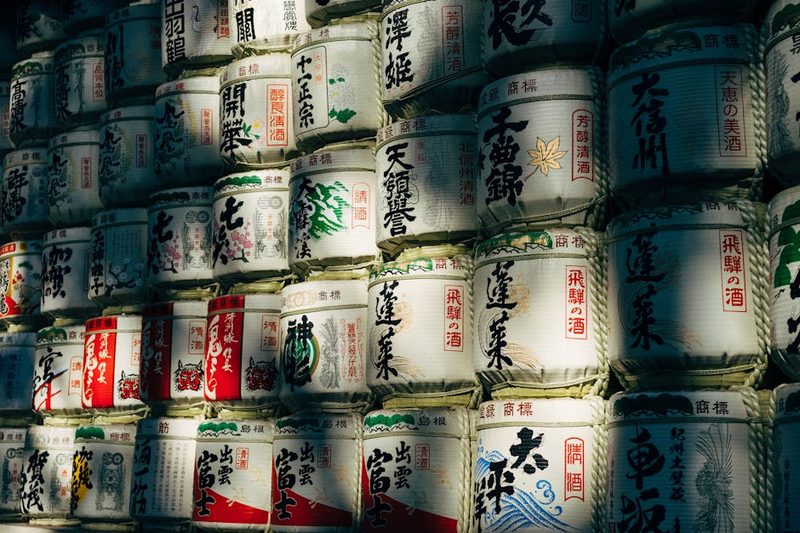
Less famous than the others but only 30 minutes from Ikebukuro by train. Kawagoe’s old warehouse district (Kurazukuri) looks like an Edo-period film set — traditional clay-walled buildings, a candy street (Kashiya Yokocho) with old-fashioned Japanese sweets, and the iconic Toki no Kane bell tower. It’s a relaxed half-day trip and rarely crowded compared to Kamakura.
Tokyo Food: What to Eat and Where
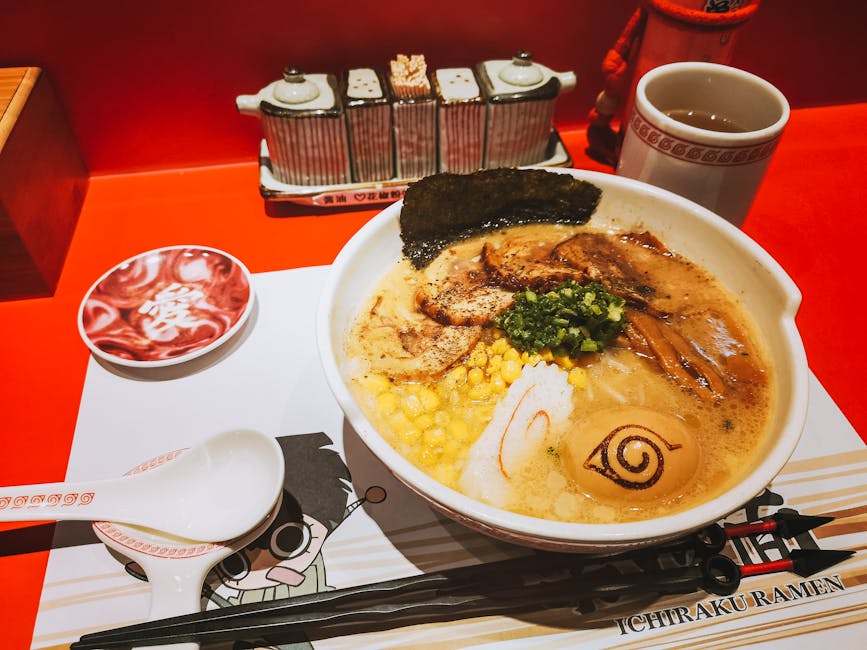
You could spend a month in Tokyo eating three meals a day and never repeat a restaurant. The range is staggering — from ¥300 ($2) conveyor belt sushi to ¥50,000 ($330) omakase. For the deep dive, our Tokyo food guide covers dozens more spots. Here’s where to focus:
Ramen — Every neighborhood has its own legendary shop. Fuunji in Shinjuku for tsukemen (dipping noodles) — the queue is always long but moves fast, and the concentrated dipping broth is worth the wait. Ichiran is the famous solo-booth tonkotsu chain where you order on a form and eat behind a bamboo curtain without seeing the cook. It’s touristy now but the ramen is still good, and the privacy-booth concept is a uniquely Tokyo experience. Afuri is the lighter option — their yuzu shio ramen is closer to clear soup than the heavy pork broths. Multiple locations, the Ebisu one is usually least crowded.
One tip for all ramen shops: almost all use ticket vending machines at the entrance. Put your money in, press the button for what you want (there are usually pictures), hand the ticket to the cook, sit down, eat. Don’t tip. The whole meal takes about 20 minutes.
Sushi — Skip the tourist traps near big stations. The best affordable sushi is at standing sushi bars (tachigui-zushi) like Uogashi Nihon-Ichi near Shibuya Station — nigiri from ¥100 per piece, eaten standing at the counter. It’s not fancy but the fish is fresh and the turnover is fast. For a proper sit-down experience, the streets around Tsukiji Outer Market still have excellent sushi restaurants. Sushi Dai was legendary but the queues are now 3+ hours — try Sushi Zanmai instead for similar quality without the wait.
Conveyor belt sushi (kaiten-zushi) is also worth trying at least once. Sushiro and Kura Sushi are the big chains — nothing special by Tokyo standards but plates start at ¥120 and the quality is genuinely better than most sushi restaurants in other countries.
Gyoza — Tokyo does dumplings differently from most of China — thinner skins, crispier bottoms, usually pan-fried. Harajuku Gyozaro is the cult favourite (mentioned above), but Dandasui in Shibuya and the gyoza spots under the tracks in Yurakucho are also worth seeking out. Most places are cash only and cheap — ¥300-500 for a plate of six.
Izakayas — Japanese pubs serving small plates with beer and sake. Omoide Yokocho and the streets behind Yurakucho Station (under the train tracks) are packed with them. Most run ¥2,000-3,000 per person for food and a couple of drinks. Shibuya Yokocho, a collection of small food stalls in the Shibuya area, is another solid option for hopping between different izakaya-style spots in one evening.
Convenience store food — This isn’t a joke. 7-Eleven, FamilyMart, and Lawson in Japan serve onigiri, sandwiches, fried chicken, and bento boxes that genuinely taste good. The egg salad sandwich from 7-Eleven is legendary. Budget travellers can eat well for under ¥1,000 a day from konbini alone.
Depachika — Department store basement food halls. They’re incredible — wagyu steak bento, fresh pastries, mochi, pickles, everything. Isetan in Shinjuku and Mitsukoshi in Ginza have the best ones. Go near closing time (around 7-8pm) for discounted items.
If you want someone to show you the spots you’d never find alone, the cooking classes and food tours are some of the highest-rated experiences on our site. Making ramen from scratch or learning to roll sushi from a Tokyo chef is a highlight most people don’t expect.
A 5-Day Tokyo Itinerary
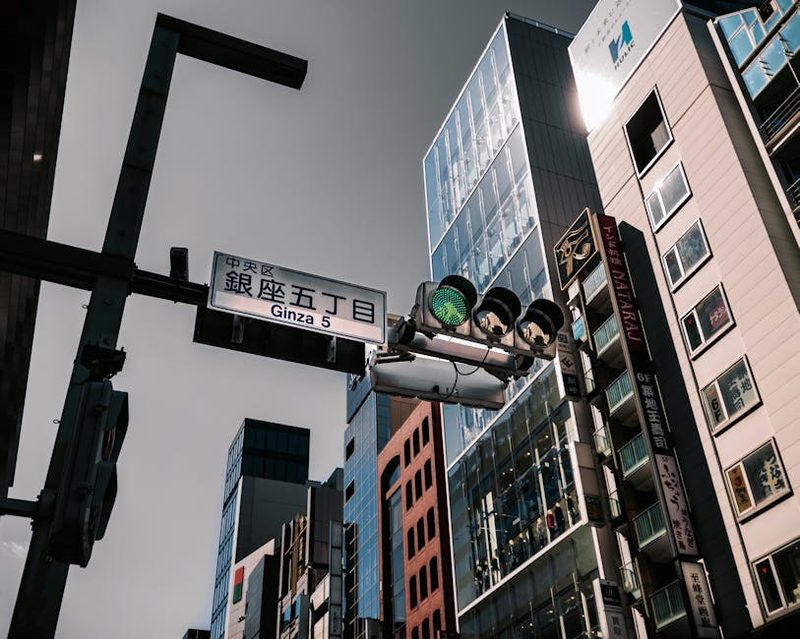
This is a condensed version — for the full day-by-day with maps, timing, and alternatives, read our 5-day Tokyo itinerary.
Day 1: Arrive, get your IC card, settle into your hotel. If you arrive early enough, explore your neighborhood on foot. Evening in Omoide Yokocho or Golden Gai for your first Tokyo meal.
Day 2: Meiji Shrine → Yoyogi Park → Harajuku/Takeshita Street (gyoza lunch at Harajuku Gyozaro) → Omotesando → Shibuya Crossing → Shibuya Sky at sunset. This is a full day on foot with minimal train travel. Everything connects geographically — you’re basically walking south from Meiji Shrine to Shibuya in a long, meandering line.
Day 3: Tsukiji Outer Market (early morning) → Asakusa/Senso-ji → Tokyo Skytree (if you want it) → Akihabara arcades → evening ramen in Shinjuku. The morning is east Tokyo, the afternoon is north-central, and the evening is west. The trains connect everything smoothly.
Day 4: Day trip — Mt. Fuji and Kawaguchiko, or Kamakura, or Nikko. Book a tour or take the train independently. If you’d rather stay in the city, the Ueno museum district plus Yanaka’s old-town streets make a full day.
Day 5: Whatever you missed or want to revisit. TeamLab (book ahead), a cooking class, museum hopping in Ueno, or just wandering Shimokitazawa’s vintage shops and coffee places. Evening: izakaya dinner under the tracks at Yurakucho.
This itinerary gives you the main hits without rushing. If you have more days, add Nikko, Hakone, Gotokuji Temple, or deeper dives into neighborhoods like Yanaka, Koenji, or Nakameguro. An 8-day trip lets you split time between two neighborhoods — start in Shibuya for the west-side attractions, then move to Akihabara or Asakusa for the east side, using Yamato to transfer your luggage between hotels so you don’t waste time backtracking.
Luggage and Packing
What to Pack
Pack less than you think. Japanese laundromats are everywhere (coin-operated, about ¥300-400 per load), and most business hotels have washing machines on-site. Five days of clothes for a 10-day trip is realistic.
Shoes matter most. You’ll walk 15,000-25,000 steps a day. Bring broken-in walking shoes — not new ones, not fashion ones. You’ll also be taking shoes off constantly at temples, some restaurants, and ryokan, so slip-on shoes save time and awkwardness. Nobody wants to be the person untying laces while a queue of people waits behind them.
Bring a small packable daypack for day trips. A compact umbrella is worth having year-round — rain can appear from nowhere, especially in spring and autumn. In summer, a small towel (tenugui) is almost mandatory for wiping sweat. Convenience stores sell them for ¥200-300 if you forget.
Coin Lockers
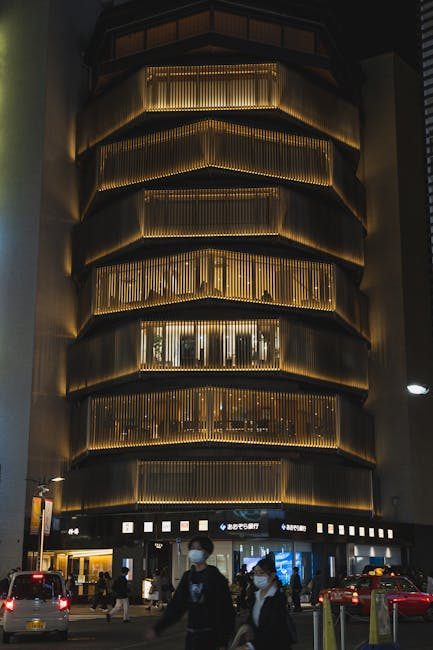
Every major train station has coin lockers in multiple sizes. Small lockers (for a backpack) cost ¥400-600 per day. Medium (carry-on suitcase) runs ¥500-700. Large (full suitcase) costs ¥700-1,000. Most now accept IC card payment, so you don’t need coins. The lockers near ticket gates fill up first — look for ones on the outer edges of the station or one floor up or down.
If all the lockers near you are full — which happens, especially at Shinjuku and Tokyo Station — the station staff can usually point you to an overflow area. There are also private luggage storage services like Ecbo Cloak that let you book space at nearby shops and cafes through an app.
Yamato Forwarding (Repeat Because It’s That Good)
As mentioned in the Getting There section, Yamato Transport is a lifesaver. Use it between hotels, from the airport to your hotel, and from your last hotel back to the airport. At ¥2,000 per bag, the freedom to explore without luggage is worth every yen. The service is reliable to the point of being boring — your bag shows up when they say it will, every time. Your hotel front desk handles the paperwork. You don’t need to book online or call anyone.
Practical Tips
Cash: Japan is still more cash-dependent than you’d expect. Convenience store ATMs (7-Eleven is most reliable for foreign cards, followed by Japan Post ATMs in post offices) accept international cards with no fuss. Carry at least ¥10,000 ($66) on you at all times — smaller restaurants, shrines, street food stalls, and some attractions are cash only. Many places now take IC card or credit card, but “many” isn’t “all,” and you’ll invariably find the best little ramen shop or bar that only takes cash. Department stores, chain restaurants, and hotels all take cards.
eSIM or pocket wifi: Get data before you land. An eSIM from Klook or Airalo takes two minutes to set up on your phone — no physical card, no pickup counter at the airport. If your phone doesn’t support eSIM, a pocket wifi rental device from the airport works fine (¥500-1,000 per day). Free wifi exists in Japan but it’s patchy, slow, and requires registration at every new hotspot. Having your own data connection isn’t optional — it’s how you’ll navigate trains, translate menus, and find restaurants.
Etiquette that actually matters: Don’t eat while walking (except at markets and festival stalls where it’s expected — you’ll see locals doing it there too). Stand on the left side of escalators in Tokyo (it’s the opposite in Osaka, which catches everyone out). Don’t tip — it’s not done and can cause genuine confusion. Bow slightly when thanking someone. Keep your voice down on trains — you’ll notice nobody talks on the phone on Japanese trains. It’s not a rule anyone will enforce, but you’ll get looks. Don’t blow your nose in public if you can help it — step away to a quiet spot or a restroom. And queue properly. The Japanese queue for everything, and cutting lines is about the rudest thing you can do.
Train rush hours: Avoid the trains between 7:30-9:30am and 5:30-7:30pm on weekdays if you can. The crowds are no joke — some lines run at 180-200% capacity during peak hours, which means you will be physically compressed against strangers. Women-only cars are available on most lines during rush hour (usually the first or last car). Plan your sightseeing to leave your hotel either before 7:30am or after 10am, and you’ll have a much better time. Weekends and holidays are a different story — the trains are busy but nothing like weekday commuter hours.
Toilets: Japanese toilets are famously excellent — heated seats, bidets, sound machines (to mask, well, sounds). The buttons are increasingly labelled in English, but when they’re not, the large button is flush and the small one is bidet. Public restrooms are everywhere — train stations, convenience stores, department stores — and they’re almost always clean. Carry a small pack of tissues anyway, since the occasional older public restroom runs out.
Budget: A rough daily budget for Tokyo — backpacker eating convenience store food and staying in hostels: ¥5,000-8,000 ($33-53). Mid-range with business hotels and restaurant meals: ¥15,000-25,000 ($100-165). Comfortable with nice hotels and good dining: ¥30,000-50,000 ($200-330). Tokyo is cheaper than most visitors expect, especially with the weak yen.
Best time to visit: March-April for cherry blossoms (see the Seasonal Guide above for details). November-early December for autumn colours. January-February for clear skies, low prices, and winter illuminations. Summer is the toughest season — hot, humid, and rainy.
Tours Worth Booking
One advantage of Tokyo is that the tour scene is massive — thousands of options from food walks to go-kart street racing. Here are the categories that add the most value:
Food tours: Absolutely worth it. Guides take you to places with no English menus in neighbourhoods you’d never explore on your own. Tsukiji, Shinjuku, and Shibuya all have well-reviewed options. See our full Tokyo food tour rankings.
Walking tours: Best way to understand a neighbourhood properly. We’ve reviewed dozens — check our top 15 Tokyo walking tours for the highest-rated options.
Cooking classes: Making ramen from scratch, rolling sushi, or learning wagyu preparation. Surprisingly hands-on and one of the best souvenirs — a skill you take home. Browse our Tokyo cooking class reviews.
Day trip tours: For Mt. Fuji especially, a guided tour saves the hassle of figuring out buses and schedules. Nikko day tours from Tokyo are also popular — they cover Tosho-gu, Kegon Falls, and Chuzenji Lake in a single coached day, which is hard to replicate on your own without rushing.
Go-kart tours: Yes, you dress up in costumes and drive go-karts through actual Tokyo streets. It’s ridiculous and fun. You need an International Driving Permit. Our go-kart tour reviews cover what to expect.
For more options across every category — from historical tours to spa experiences — browse our full Tokyo collection. Every tour has reviews, prices, and honest ratings.
What Most Guides Get Wrong About Tokyo

The Robot Restaurant is gone. It closed in 2020 and hasn’t reopened. Old guides still recommend it. Don’t go looking for it.
You don’t need a JR Pass for Tokyo. The pass costs ¥50,000+ and only makes sense if you’re also taking bullet trains to other cities. For Tokyo-only, an IC card is all you need.
Toyosu Market isn’t that interesting for travelers. It replaced the inner Tsukiji market, but you view the auction through glass from a distance. The outer Tsukiji market — the one with street food and stalls — is still there and that’s the one worth visiting.
Harajuku isn’t just Takeshita Street. Most guides send you to the one famous street and call it done. The Cat Street area, Ura-Harajuku backstreets, and Omotesando have far more interesting shops and far fewer crowds.
Skip Odaiba unless you have kids. The artificial island has a few attractions but it’s far from everything, the vibe is more shopping mall than Tokyo, and the commute eats into your day. TeamLab Planets is the only strong reason to go that way, and even that’s quick — in and out.
Don’t over-plan. Tokyo rewards wandering. Some of our best meals came from ducking into a random basement restaurant with a handwritten sign. Some of the best moments came from getting lost in a neighborhood we hadn’t planned to visit. Leave gaps in your schedule. The city will fill them.
For useful official information on transport, events, and seasonal highlights, check GO TOKYO, the official Tokyo tourism site.