- Discover the Hidden Gem of Nepal: Tsum Valley Trekking
- Key Points
- A Deep Dive into the Tsum Valley Trekking Experience
- Starting in Kathmandu: The Gateway to Adventure
- The Trek Begins: From Soti Khola to Machha Khola
- Crossing into the Heart of Tsum: Jagat and Chumling
- Reaching the High Altitude: Chhokangparo and Nile
- Reaching Mu Gompa: The Trek’s Pinnacle
- Descending and Returning: Through Gorkha and Lokpa
- Authenticity and Value
- Practical Considerations
- Who Should Consider This Trek?
- Final Thoughts
- Frequently Asked Questions
- The Best Of Kathmandu!
- More Hiking & Trekking Tours in Kathmandu
- More Tour Reviews in Kathmandu
Discover the Hidden Gem of Nepal: Tsum Valley Trekking
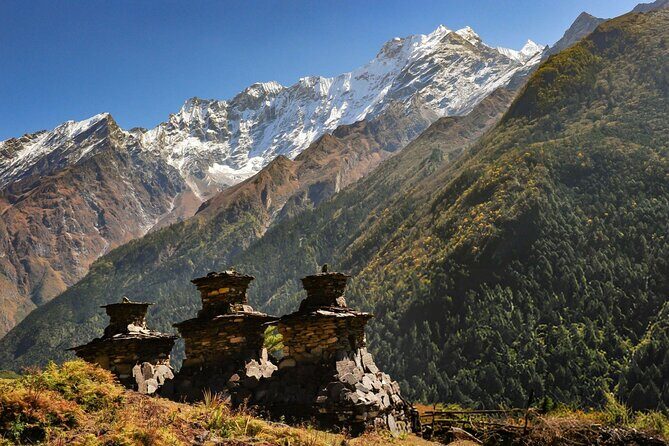
Imagine trekking through a world untouched by modern development—where ancient monasteries cling to cliffs, and the silence of the mountains is only broken by the rustling of prayer flags. That’s exactly what you get on the Tsum Valley Trek, a 15-day journey through a remote, culturally rich corner of Nepal. Starting in Kathmandu, this trek takes you through breathtaking scenery, traditional villages, and spiritual sites, culminating near the Tibetan border.
What we really love about this experience is the expert guidance and the authentic atmosphere. The guides, like Manoj, are well-versed in local traditions, history, and the landscape, making every conversation enriching. Plus, the chance to see Milarepa’s Cave and explore ancient monasteries offers a rare glimpse into Tibetan Buddhism.
One potential consideration is the intensity. The trek covers some long days, with up to 12-hour walks, so it’s best suited for those with a decent level of physical fitness. Also, because the area is so isolated, amenities are basic, but that’s part of the charm.
This tour is perfect for adventurers craving authentic Himalayan culture, nature lovers eager for stunning mountain vistas, and anyone interested in exploring a part of Nepal that remains largely unchanged by modern life. If you’re ready for a genuine, off-the-beaten-path experience, this trek will check all your boxes.

👉 See our pick of the 15 Best Workshops & Classes In Kathmandu
Key Points
- Authentic remote experience: Trek through an isolated valley only opened to travelers since 2007.
- Cultural immersion: Visit traditional villages, monasteries, and historic sites like Milarepa’s Cave.
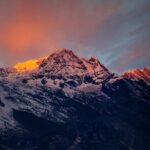
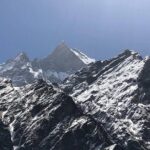
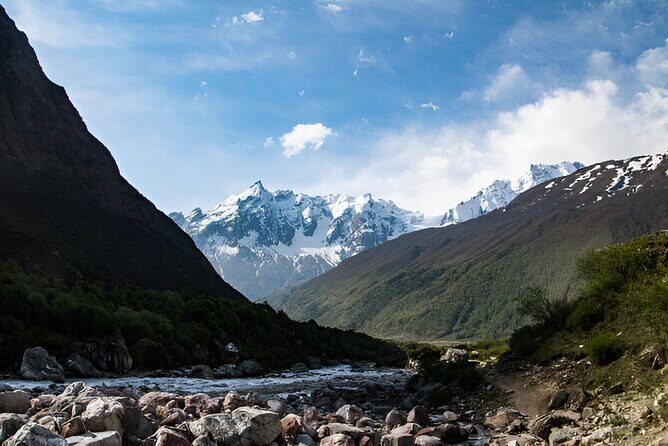
- Scenic beauty: Enjoy sweeping views of Ganesh Himal, snow-capped peaks, and lush forests.
- Expert guides: Knowledgeable local guides enhance cultural understanding and safety.
- Physical challenge: Expect long treks up to 12 hours on some days; good fitness is recommended.
- Value for cost: The $1,800 fee includes meals, guiding, and lodges, offering a comprehensive Himalayan adventure.
You can also read our reviews of more hiking tours in Kathmandu
- Everest Base Camp Trekking
★ 5.0 · 485 reviews - Nagarkot Sunrise View and Day Hiking from Kathmandu
★ 5.0 · 471 reviews - Annapurna Circuit Trek with Tilicho Lake
★ 5.0 · 368 reviews
A Deep Dive into the Tsum Valley Trekking Experience
Starting in Kathmandu: The Gateway to Adventure
Your journey begins in Kathmandu, where you’ll be greeted at Tribhuvan International Airport by your guide. From there, a transfer to Thamel—the bustling tourist heart of Kathmandu—sets the stage for the adventures ahead. Even before hitting the trail, we appreciated the ease of pickup and the opportunity to get acclimated to Nepal’s vibrant atmosphere.
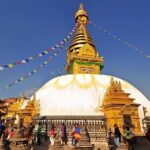
The initial day mainly involves resting and preparing for the trek. We like that the tour includes a dose of local culture with visits to UNESCO World Heritage sites like Kathmandu Durbar Square, Swayambhunath Stupa, and Pashupatinath Temple. These visits give context and a sense of the rich spiritual background that permeates this part of Nepal—something you’ll see reflected throughout the Tsum Valley.
The Trek Begins: From Soti Khola to Machha Khola
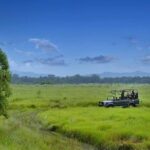
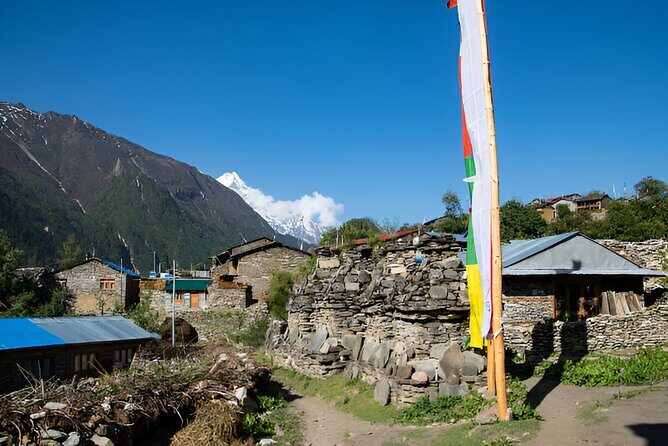
On Day 3, the trek kicks off with a journey through dense Sal forests and across the Soti Khola River. The walk through lush greenery immediately sets a peaceful tone. Walking through this untouched landscape, you’ll notice the absence of modern buildings, making it clear why Tsum Valley has remained so secluded.
The first long walking day (around 12 hours) might seem daunting, but the scenery keeps your energy up. Crossing suspension bridges over rushing mountain rivers, and descending into local villages like Lapubesi, makes every step worthwhile. As one reviewer put it, “their guides were legends—super knowledgeable and friendly, making the journey a breeze,” emphasizing the importance of good guides in such remote terrains.
Crossing into the Heart of Tsum: Jagat and Chumling
As you progress toward Jagat, you’ll encounter the first signs of cultural transition. The scenery shifts subtly, and local Gurung ethnic groups become more prominent. Day 5 marks the entry into Chumling, the first of the traditional villages in Tsum. Here, you see the influence of Tibetan culture—prayer flags, monasteries, and locals in traditional dress.
This part of the trek is not just about the scenery but the cultural richness. The intricate prayer wheels and the peaceful atmosphere deepen your appreciation for the spiritual history, especially as the valley is known for its long-standing Buddhist traditions.
- Private Kathmandu Sightseeing Tour | UNESCO World Heritage sites
★ 5.0 · 756 reviews - Everest Base Camp Helicopter Tour landing at Everest View Hotel
★ 5.0 · 668 reviews - Half day cooking class in Thamel kathmandu
★ 5.0 · 607 reviews - Kathmandu: Full Day 7 UNESCO Tour with Lunch – Private/Group
★ 5.0 · 415 reviews - Everest Base Camp Trekking – 13 Day
★ 5.0 · 365 reviews - Kathmandu: Local Women-Led Nepali Cooking & Momo Class
★ 4.9 · 360 reviews
Reaching the High Altitude: Chhokangparo and Nile
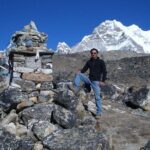
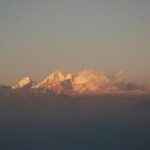
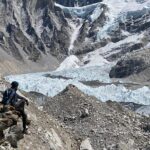
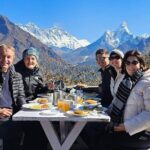
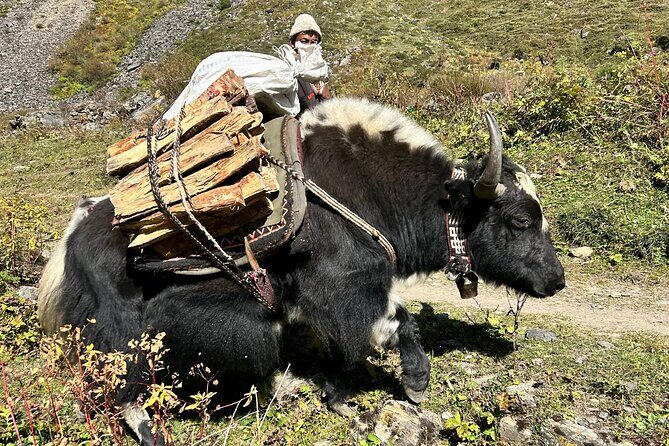
From Chumling, the trail ascends gradually, offering panoramic views of Ganesh Himal and surrounding peaks. The trek to Chhokangparo and then to Nile involves crossing small monasteries and mani walls, and passing through yak pastures, which adds a pastoral charm.
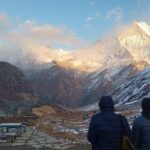
Passing Milarepa’s Cave en route is a highlight, providing a tangible connection to Tibetan spiritual history. As one reviewer noted, “the scenery was stunning, and visiting the caves felt like stepping into history.” The view of the mountains from Nile, near the Tibetan border, is truly breathtaking—and a perfect spot for photos.
Reaching Mu Gompa: The Trek’s Pinnacle
Day 8’s hike to Mu Gompa is often described as the most rewarding part. This ancient monastery is the highest point of the trek, offering striking views of the surrounding peaks. The monastery itself is a window into centuries-old monastic life, and the experience of walking among the prayer wheels and ancient relics is profound.
Our guides ensure that the cultural significance is explained, adding depth to the visit. The air here is thinner, and the silence profound—an ideal place for reflection and appreciating the remote Himalayan world.
Descending and Returning: Through Gorkha and Lokpa
After the high point, the trek begins descending through forests and small villages, like Rachen Gompa, known for its nunneries. It’s a peaceful walk, often described as “a slow, contemplative journey back down the mountains,” with opportunities to observe local daily life.
The route back to Kathmandu (Day 13) involves a long, scenic drive, giving travelers time to reflect on their adventure. The return journey is a chance to see Nepal’s changing landscapes from different angles, with the familiarity of the capital awaiting at the end.
Authenticity and Value
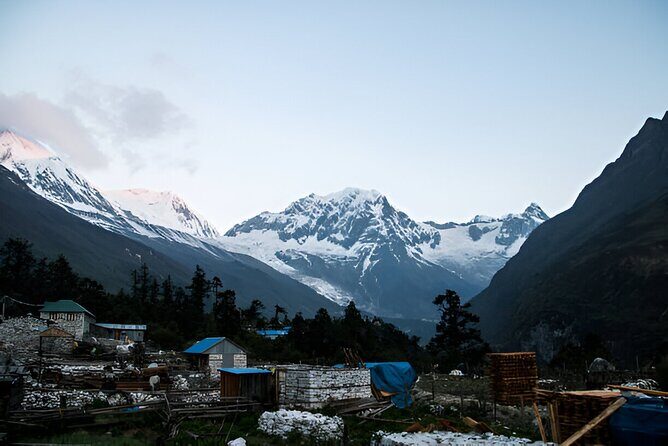
This trek offers authenticity in spades—few modern comforts, but plenty of genuine culture and natural beauty. The price of $1,800 covers meals, guiding, lodging, and logistical support, which is quite reasonable considering the remote areas visited and the expertise involved.
We found that the guides’ knowledge greatly enhances the experience, making visits to monasteries and caves more meaningful. The opportunity to witness tradition-rich villages and breathtaking mountain vistas makes this a compelling choice for those wanting more than just a sightseeing tour.
Practical Considerations
The trek requires moderate physical fitness due to long days of walking, some of which are quite strenuous. It’s best suited for travelers who enjoy physical activity and are prepared for basic accommodations—think simple lodges and guesthouses—rather than luxury resorts. The long travel days (up to 12 hours on some days) also mean patience and good planning are key.
Who Should Consider This Trek?
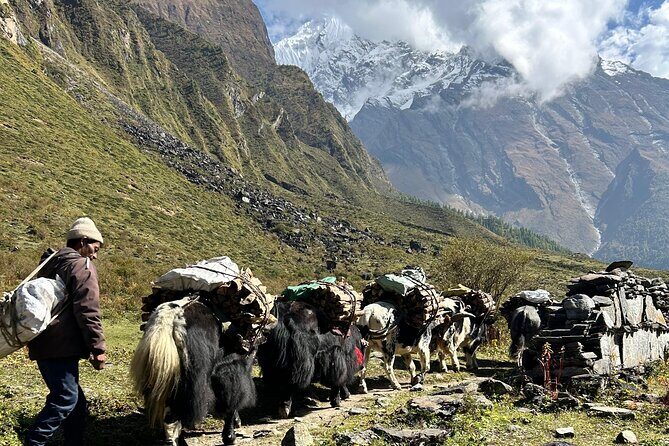
If you’re an adventure traveler looking for an off-the-beaten-path experience, this trek is perfect. It appeals particularly to those interested in Tibetan culture, Buddhist monasteries, and mountain scenery. It’s also suited for travelers who appreciate guided support, as the guides are well-regarded for their knowledge and friendliness.
However, if you prefer well-developed tourist infrastructure or are concerned about strenuous activity, you might want to consider alternative options. Still, for those craving truly authentic Himalayan life, this trek offers a rare window into Nepal’s most remote and culturally significant valleys.
Final Thoughts
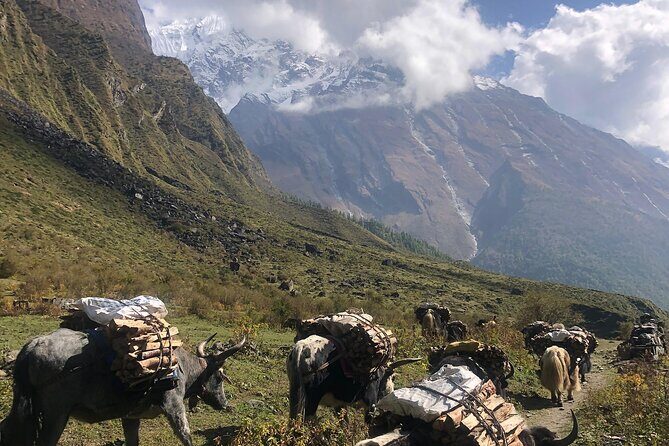
The Tsum Valley Trek offers a rare chance to step outside the usual tourist trail and into a world of ancient monasteries, rugged mountains, and traditional villages. With knowledgeable guides, stunning vistas, and a sense of genuine discovery, this journey is both challenging and deeply rewarding.
While the trek demands good physical condition and a love for rustic simplicity, it rewards travelers with unforgettable sights and stories. For anyone eager to connect with Nepal’s spiritual heart and untouched landscapes, this trek promises an adventure that can truly change the way you see the Himalayas.
Frequently Asked Questions
How physically demanding is the Tsum Valley Trek?
The trek involves long days of walking, with some days up to 12 hours. A moderate level of fitness is recommended to handle the altitude and walking distances comfortably.
What is included in the $1,800 price?
The fee covers meals (breakfast, lunch, dinner), guiding, accommodations at lodges, and the trekking support. International flights, visas, personal expenses, and travel insurance are not included.
Are guides experienced and knowledgeable?
Yes, reviews highlight guides being very friendly and well-informed, enhancing the cultural understanding of the area. They help navigate the remote trails and explain local customs and history.
What kind of accommodation should I expect?
Lodges and guesthouses in villages along the route offer basic but comfortable amenities. Expect simple rooms with shared facilities, typical of Himalayan trekking areas.
Is the trek suitable for families or older travelers?
While physically demanding, the trek is mainly suited for those with decent fitness levels. Families with active older children and those prepared for long days could find it manageable.
How do I get to Kathmandu at the start and end of the trek?
The tour begins with a transfer from Tribhuvan International Airport and ends with a drive back to Kathmandu. The journey is well-organized, ensuring smooth arrivals and departures.
Can I extend or customize this tour?
Yes, you can discuss additional activities or extension options with the provider, especially if you wish to explore more of Kathmandu or other regions of Nepal.
Embarking on the Tsum Valley Trek promises a journey into some of Nepal’s most untouched surroundings, filled with spiritual sites, stunning mountain scenery, and warm local hospitality. It’s a rare chance to see a side of the Himalayas that remains largely off the tourist radar—one that leaves lasting memories of adventure and discovery.