- Engaging First Impressions
- Key Points
- An In-Depth Look at the Tour Experience
- Starting Point: Seibu-Chichibu Station
- Participating in the Float Pulling
- The Festival Atmosphere
- Wearing the Happi and Engaging with Locals
- Kabuki Performance: An Elegant Finish
- Final Thoughts on the Itinerary
- Value for Money
- Who Should Consider This Tour?
- Final Summary: Who Will Love This Tour?
- FAQ
- The Best Of Saitama Prefecture!
- More Tours in Saitama Prefecture
- More Tour Reviews in Saitama Prefecture
Engaging First Impressions
If you’re looking for a tour that combines spectacular traditional festival sights with an intimate, behind-the-scenes look at Japanese culture, the UNESCO Chichibu Night Festival Float Pulling and Kabuki Live Tour is a compelling option. For $101, you’ll spend about six and a half hours exploring Saitama Prefecture’s famed festival scene, with an emphasis on local participation and authentic experiences. The tour kicks off at Seibu-Chichibu Station, right at the heart of the action, and guides you into the heart of the festival festivities.
We love the fact that this experience isn’t just about watching a parade — it invites you to wear a Happi coat, get involved with float pulling, and learn about the event’s traditions firsthand. The chance to witness Kabuki theatre after the floats are set up adds a cultural layer few other tours can match. Our favorite parts? The opportunity to connect with locals and the expert guidance that makes understanding the festival’s significance easier and more meaningful.
A potential consideration? Since transportation isn’t included, you’ll need to arrange your own trip to Seibu-Chichibu Station. Also, the tour’s physical activity — pulling floats and walking around during the festival — means it’s best suited for those with moderate fitness levels. This tour is perfect for those who want a deep, participatory experience that highlights Japan’s living traditions.
If you’re passionate about culture, festivals, and local history, this tour offers an insightful window into Japan’s intangible cultural heritage.
👉 See our pick of the The Top 5 Walking Tours In Saitama Prefecture
Key Points
- Authentic Participation: You’ll wear a Happi coat and actively participate in float pulling, not just observe.
- Cultural Significance: The festival is a UNESCO-recognized event, emphasizing its importance as a living tradition.
- Expert Guidance: Knowledgeable guides enhance understanding of festival symbols and history.
- Local Connection: You meet and engage with local people, gaining a more genuine perspective.
- No Transportation Included: Be prepared to plan your own route to the meeting point.
- Physical Activity: Moderate fitness is recommended due to walking and float pulling.
You can also read our reviews of more tours and experiences in Saitama Prefecture.
An In-Depth Look at the Tour Experience
Starting Point: Seibu-Chichibu Station
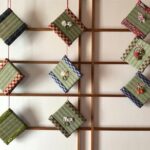
The tour begins at Seibu-Chichibu Station at 2 pm, a convenient spot if you’re staying nearby or arrive by train. From there, you’ll head into the festival grounds, where the silk market sets the festive mood and provides a glimpse into the area’s traditional crafts. This market, which has been part of the festival for over 300 years, is an authentic reminder of the community’s historical fabric.
Participating in the Float Pulling
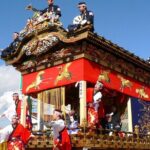
What distinguishes this tour is the hands-on experience of pulling the ornate festival floats, called Dashi. Guides like Yuki (if names are available) are often very knowledgeable, explaining the meaning behind the decorations, traditional music, and the roles of different community groups. We loved the way locals are deeply involved, and you get a sense of stepping into their world, sharing in a generations-old ritual.
The Festival Atmosphere
As evening approaches, the lighting of the floats creates a mesmerizing scene. The performance of Matsuri music and the lively chatter of locals make it a lively, joyful environment. The guides usually explain the symbolism of the floats’ designs, and you’ll learn how the festival is a way to pray for good harvests and community well-being.

Wearing the Happi and Engaging with Locals
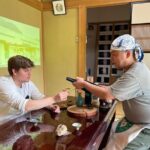
One of the tour’s highlights is the chance to wear a Happi coat — a traditional festival garment that instantly makes you feel part of the event. This simple detail enhances the sense of immersion and helps you connect with the local community. You’ll also get Groves and Hachimaki (headbands), adding to the festive spirit.
Kabuki Performance: An Elegant Finish
After the floats are pulled through the streets, the tour concludes with a live Kabuki show. This traditional theatre form, recognized as an Important Intangible Cultural Asset, offers a striking contrast to the lively festival floats, showcasing Japan’s refined performing arts. You get to enjoy a cultural performance that’s both entertaining and educational.
Final Thoughts on the Itinerary
The 6.5-hour duration is well-paced, mixing hands-on participation, spectacle viewing, and cultural education. The small group size (max 20 travelers) ensures a personalized experience, where questions are welcomed, and guides can tailor stories to your interests.
Value for Money
At $101, this tour packs a lot of value — you’re paying not just for entry but also for expert guidance, participation, and cultural insights. The inclusion of insurance, admission, and costumes makes it convenient, and the focus on authentic engagement makes it worth the cost for those eager to go beyond sightseeing.
Who Should Consider This Tour?
This experience suits cultural enthusiasts, history buffs, and anyone interested in living traditions. It’s especially appealing if you want to participate actively rather than just watch passively. Travelers with moderate physical fitness will find it manageable, but those with mobility concerns should note the walking and float pulling involved.
Final Summary: Who Will Love This Tour?
If you’re after an authentic and participatory festival experience, this tour offers a rare opportunity to stand beside locals, wear traditional clothing, and pull floats during one of Japan’s most revered festivals. The combination of hands-on activities, cultural performances, and guided explanations ensures you leave with a richer understanding of Japanese customs and community spirit.
This tour is best suited for adventure-minded cultural lovers who appreciate small group settings and are comfortable with light physical activity. It’s ideal if you want to avoid the crowds often associated with larger festivals and prefer a more personalized, meaningful experience.
While the lack of included transportation might require some planning on your part, the immersion into a UNESCO-recognized tradition makes this worth the effort. If you seek a deep dive into Japan’s festival culture with a knowledgeable guide leading the way, this tour will reward you with memories you’ll cherish long after.
UNESCO Chichibu Night Festival Float Pulling and Kabuki Live Tour
FAQ
Is transportation to the meeting point included?
No, transportation is not included. You’ll need to arrange your own travel to Seibu-Chichibu Station before 2 pm.
What should I wear or bring?
While the tour provides a Happi coat and Hachimaki, comfortable walking shoes are recommended as you’ll be walking and pulling floats. Dress appropriately for the weather.
How physically demanding is the tour?
The tour involves walking and pulling floats, so a moderate level of physical fitness is advised. If you’re comfortable with light activity, you’ll do fine.
Are meals included?
No, meals are not included. You’ll have free time during the tour to eat at local spots or bring snacks.
Can non-Japanese speakers participate?
Yes, guides are usually very knowledgeable and can explain things clearly, making it accessible for travelers of all backgrounds.
What is the best time to join this tour?
The festival is a winter event, so plan accordingly. The tour start time of 2 pm aligns with the festival’s afternoon activities, but check local schedules for exact dates.
This tour offers a genuinely engaging way to enjoy Japan’s living festival tradition — perfect for those eager to connect with local culture in an active, memorable way.