Himeji’s great castle is only the beginning of this full-day walk. You’ll climb through a rare original Japanese stronghold, pause in nine Edo-style gardens, visit a local shrine and finish with hands-on indigo dyeing.
I like the mix of famous sights and local traditions: the castle and gardens give the day a strong sense of place, while the workshop lets you make a scarf or bag yourself. I also like that an English-speaking guide connects the stops with stories about Himeji’s history and culture.
The trade-off is the pace and physical effort. The tour lasts about eight hours and includes plenty of walking and stairs, so it suits you best if you’re comfortable on your feet and wearing proper walking shoes.
- Himeji in one full day
- The day starts at Himeji Station
- Himeji Castle: two hours among original walls
- Koko-en: nine gardens and a quieter pace
- Itatehyozu Shrine and its long ritual cycles
- Lunch: Himeji specialities at your own cost
- Aizome: take home something you made
- Who will get the most from this tour
- Should you book the Himeji walking tour?
- FAQ
- Where does the tour start and end?
- How long is the tour?
- Is lunch included?
- Is the indigo-dyeing workshop included in the price?
- Are attraction admissions included?
- How much walking is involved?
- What is the child pricing?
- Can I cancel for a full refund?
- The Best Of Himeji!
- More Walking Tours in Himeji
- More Tours in Himeji
- More Tour Reviews in Himeji
Himeji in one full day
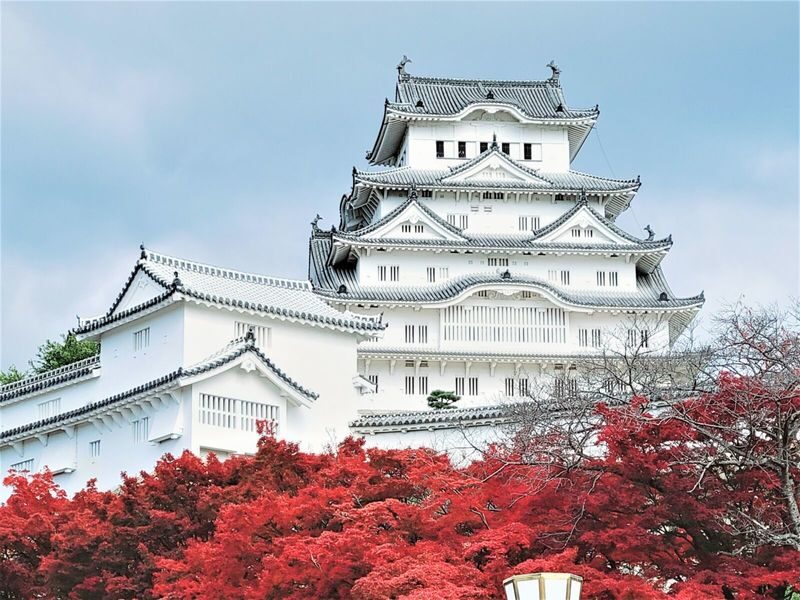

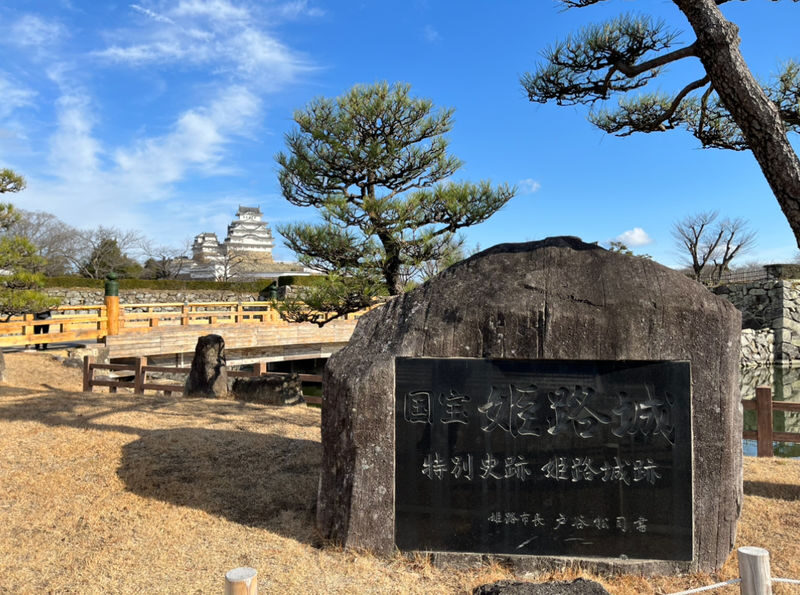
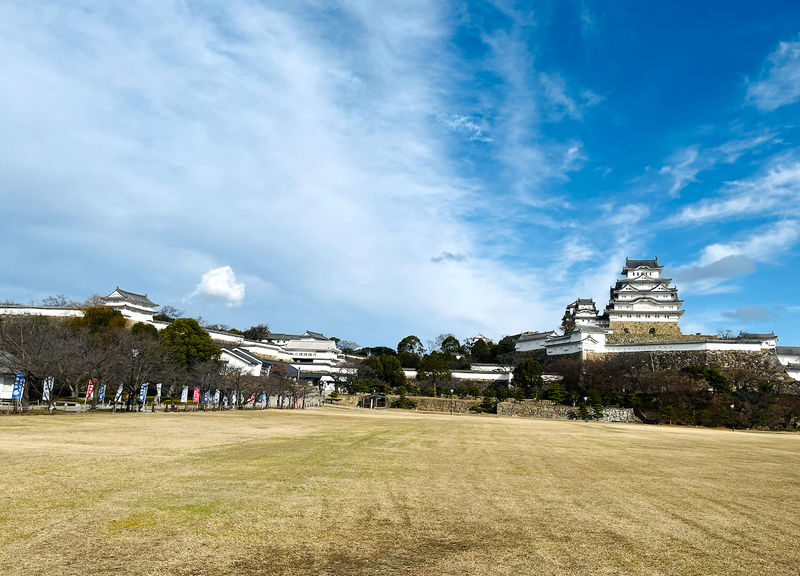
- Himeji Castle is the morning’s main event: See one of Japan’s largest surviving castles, one of the original 12 that has endured without destruction by war, earthquake or fire.
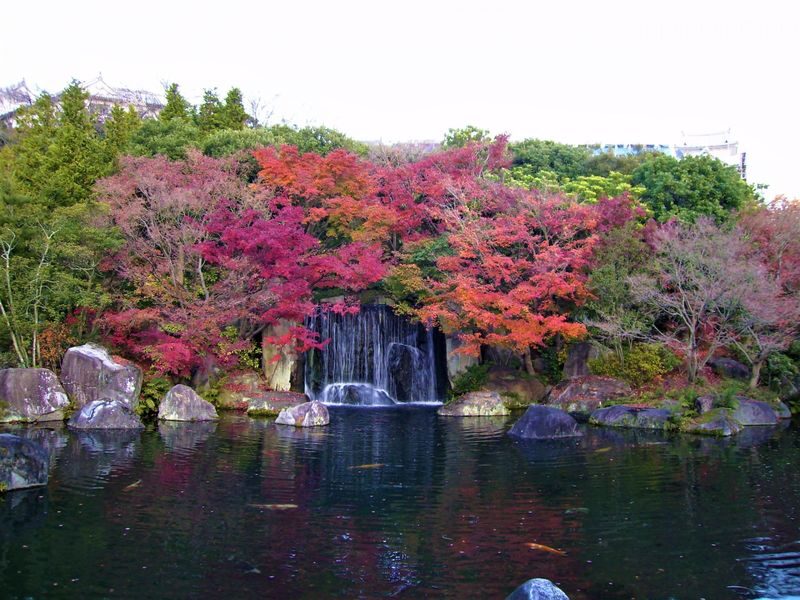
- Koko-en offers nine distinct garden settings: Its Edo-period styles make this a quieter, slower counterpoint to the castle climb.
- Itatehyozu Shrine adds a local ritual tradition: Its ceremonies are held on long cycles, including one every 20 years and another every 60.
- Indigo dyeing gives the afternoon a hands-on finish: Your workshop fee is included, and you can make a scarf or bag to take home.
- Lunch is your own expense: The group stops at a local restaurant to try Himeji specialties, but food and drinks are not included.
- Expect a walking day, not a gentle stroll: The tour runs from 9:30 to about 17:30 and includes stairs.

👉 See our pick of the Himeji’s 7 Top Walking Tours (With Prices)
The day starts at Himeji Station
Meet at 9:30 just outside the central gate of JR/Shinkansen Himeji Station, in front of the directory. Look for the guide holding a Snow Monkey Resort sign. The station is also where the tour ends, at about 17:30, so you can continue exploring the city centre afterward if you tell the guide.
Starting at the station keeps the day simple: no need to find a separate meeting point across town. The tour includes round-trip transfers to and from the meeting location, as well as admission to the attractions and the indigo workshop. The schedule may shift with traffic or weather, so treat the listed times as a useful plan rather than a minute-by-minute promise.
The group is led by an English-speaking guide. One available rating praises the guide’s command of the subject, but no guide name is provided. That matters here: the day is more than a sequence of stops, and explanations can help you connect the castle, shrine and craft to Himeji’s wider story.
You can also read our reviews of more walking tours in Himeji



Himeji Castle: two hours among original walls
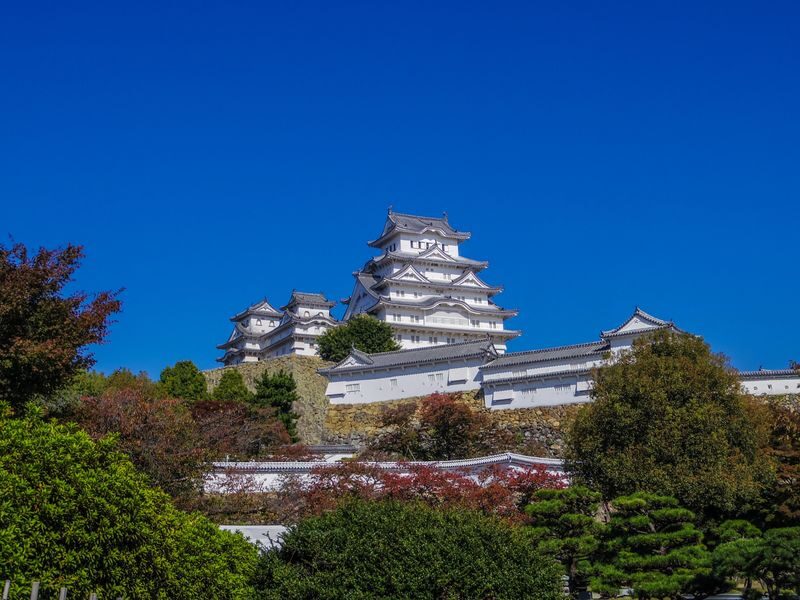
The castle visit begins around 9:45 and is scheduled for about two hours. Himeji Castle is one of Japan’s largest surviving castles and one of its original 12 castles. It has escaped destruction by wars, earthquakes and fire, a rare stroke of luck that makes the visit feel especially tangible.
This is the stop to bring your attention, and your legs. The tour includes stairs, and exploring a castle means moving through changing levels rather than strolling along a flat path. Wear walking shoes and be ready for a more active start than the word sightseeing might suggest.
A guide can help turn the building into more than a striking exterior. The tour promises explanations and stories as you go, alongside context about Himeji and its past. That guided approach is useful if you want to understand why this particular castle matters, rather than simply take a photo and move on.
The two-hour window is a substantial part of the day, but it also means you will not be racing through the castle in a few minutes. If you have mobility concerns or dislike stairs, consider carefully whether this itinerary suits you: the tour information specifically warns that the day involves considerable walking and stair climbing.
Koko-en: nine gardens and a quieter pace
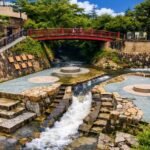
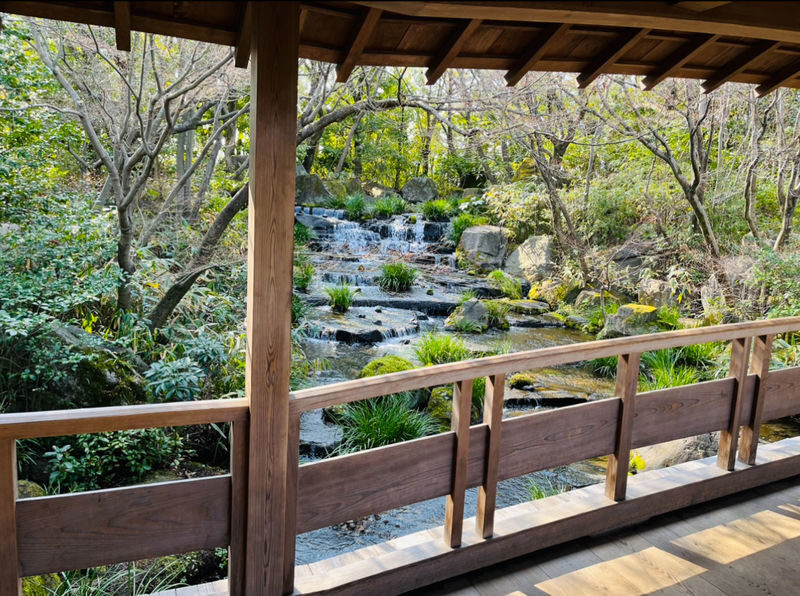
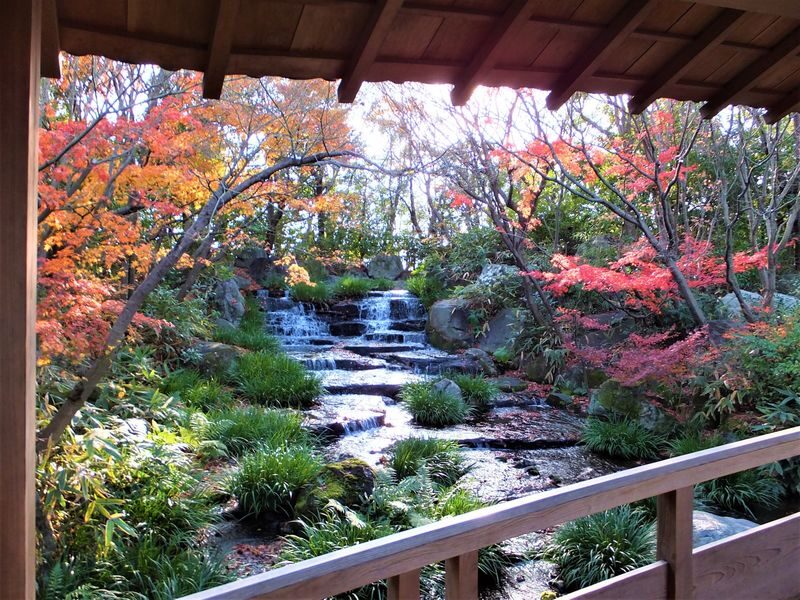
At about 11:45, the group heads to Koko-en for a guided visit. The garden is made up of nine strolling gardens, each with its own Edo-period style and landscaping theme. The variety gives this stop a different rhythm from the castle: instead of climbing through a historic structure, you can take time to notice how the garden spaces change.
The scheduled visit is a chance to slow down before the afternoon’s shrine, lunch and workshop. I like that the garden is not treated as a quick photo stop. Nine different designs offer a broader look at traditional Japanese garden-making than a single uniform space could.
Still, the day has a firm sequence. You have a guided visit rather than unlimited free time, and the tour continues to Itatehyozu Shrine before lunch. If you’re hoping to spend a long, unhurried afternoon in the gardens, this may feel brief; if you want a well-planned overview of several sides of Himeji, the variety is a good fit.
Itatehyozu Shrine and its long ritual cycles
Around 13:00, the tour visits Itatehyozu Shrine on the way back toward the shopping district. The stop adds a religious and cultural layer to a day otherwise anchored by architecture, gardens and craft.
The shrine is noted for two ceremonies held at unusually long intervals: the Ilsan ritual every 60 years and the Samsan ritual every 20 years. Those cycles make the visit a reminder that local traditions can stretch across generations. The tour provides a guide to explain the shrine and its customs, though no further detail about the rituals or the timing of the next ceremonies is specified.
This is a relatively short stop compared with the castle and workshop, so think of it as a useful pause and introduction, not an in-depth shrine visit. Its place in the route also makes practical sense: it sits between the garden portion of the day and lunch in the city.
Lunch: Himeji specialities at your own cost
Lunch is scheduled for 13:30 at a local restaurant, where you can try Himeji City specialties. The meal is not included, and neither are drinks or other personal expenses. That gives you some choice over what to order, but you should budget for lunch separately from the tour price.
No restaurant name or fixed menu is provided, so you should not count on a particular dish or dining style. If you have dietary needs, ask the operator before booking rather than assuming the stop can accommodate them. The break comes after several hours of walking, making it a sensible point to rest and refuel before the afternoon activity.
The price from US$149.05 covers a full day, an English-speaking guide, attraction admission, the indigo workshop fee and round-trip transfers to and from the meeting location. Lunch and personal spending are extra. For a day that combines several guided visits with a paid craft activity, the price may be worthwhile if you value a structured route and an expert-led introduction. It is less compelling if you prefer to explore independently or want to spend most of the day at one site.



Aizome: take home something you made
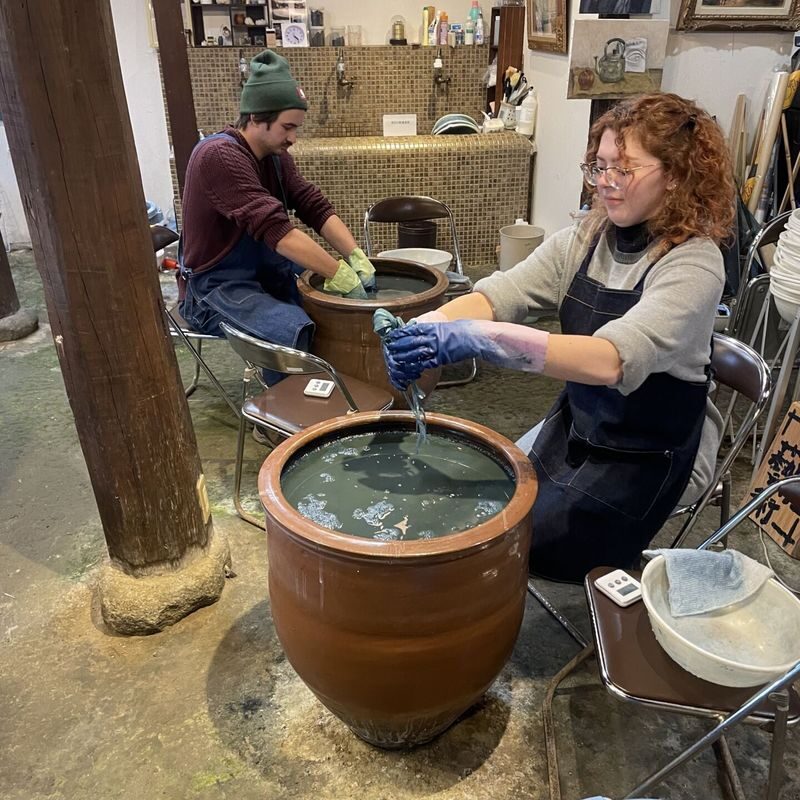
The afternoon begins around 14:45 at Wataya, at 296 Funaokacho. Here you take part in aizome, or indigo dyeing, a traditional Japanese art experience. Indigo is one of the oldest vegetable dyes, with a history dating back to ancient kingdoms in the Middle East.
The workshop fee is included, and you can make either a scarf or a bag to take home. That hands-on element gives the day a practical souvenir: instead of choosing something from a shop, you leave with an object made during the tour. The activity also offers a different way to engage with Japanese tradition after a morning spent looking at historic sites.
The information does not specify how long the workshop lasts, what patterns or techniques you will use, or whether you can choose your project on the day. If the craft is a major reason you want to book, check those details with the operator in advance. What is clear is that the workshop is part of the planned afternoon and its fee is included.
The tour returns to Himeji Station at about 17:30. The day may run differently if traffic or weather affects the schedule, but you can tell the guide if you want to stay in the city centre rather than return with the group.
Who will get the most from this tour
This tour suits you if you want a full introduction to Himeji in one day and like combining major sights with smaller cultural stops. Castle fans get a guided visit to one of Japan’s most important surviving castles; garden lovers get time among Koko-en’s nine styles; and craft-minded visitors get a dyeing activity with a take-home result.
It also works well if you prefer not to plan each transition yourself. You meet at the station, follow a set route with an English-speaking guide, and have admissions and workshop costs included. The guide’s explanations are part of the value, particularly if you want context rather than a self-guided circuit.
It is not the right choice if you want a short outing, a low-effort day or an included lunch. The long schedule, walking and stairs are real considerations. Families should also note that children aged 13 and older pay the adult rate, while children aged 0 to 5 are free. The tour information does not state the rate for children aged 6 to 12, so confirm that before booking.
Should you book the Himeji walking tour?
Book it if you want to see the castle, gardens and shrine in a single guided day, then try a traditional craft without arranging each piece yourself. The included admissions and dyeing fee make the starting price easier to assess, though you should add the cost of lunch and any personal purchases.
Skip it if you would rather linger at the castle or garden at your own pace, or if stairs and a full day of walking would be a strain. The strongest reason to choose this tour is its range: Himeji’s landmark architecture, quieter garden spaces, a shrine tradition and a hands-on activity all fit into one day. Bring comfortable shoes, keep some room in your schedule for a possible timing change, and decide whether that varied pace is what you want.
Walking Tour in Himeji: Castle, Garden and Aizome (Indigo Dyeing)
“Really nice experience, experiment guide with a lot of knowledge. I highly recommend !”
FAQ
Where does the tour start and end?
It starts at 9:30 at JR/Shinkansen Himeji Station, just outside the central gate, in front of the directory. The guide will hold a Snow Monkey Resort sign. The tour returns to the station at about 17:30.
How long is the tour?
The planned day runs from 9:30 to 17:30. The schedule may change depending on traffic and weather.
Is lunch included?
No. The group stops at a local restaurant to try Himeji specialties, but meals and beverages are not included.
Is the indigo-dyeing workshop included in the price?
Yes. The Aizome experience fee is included, and you can make a scarf or bag to take home.
Are attraction admissions included?
Yes. Admission to the attractions and the indigo-dyeing experience is included.
How much walking is involved?
The tour involves considerable walking and stairs. Wear walking shoes and make sure you are fit enough for an active full day.
What is the child pricing?
Children aged 0 to 5 can join for free. Children aged 13 and older are charged the adult rate. The rate for children aged 6 to 12 is not specified.
Can I cancel for a full refund?
You can receive a full refund if you cancel at least 24 hours before the activity date, using destination local time. In unforeseen events or extreme weather, the operator may cancel and offer a reschedule or full refund.