
- Tokyo Has Too Many Hotels. Here’s How to Actually Pick One.
- Quick Reference: Best Areas to Stay in Tokyo
- How to Choose Your Tokyo Neighborhood
- The Train Line Question
- Walking vs. Subway
- Seasonal Considerations
- Shinjuku “” Best for First-Timers and Nightlife
- Park Hyatt Tokyo “” Best for a Special Occasion
- Hotel Gracery Shinjuku “” Best Location in Shinjuku
- Nine Hours Shinjuku “” Best Budget Option
- Shibuya “” Best for Shopping and Youth Culture
- Trunk Hotel Yoyogi Park “” Best Design Hotel
- Shibuya Stream Excel Hotel Tokyu “” Best Transit Connection
- Dormy Inn Premium Shibuya Jingumae “” Best Value in Shibuya
- Asakusa “” Best for Traditional Tokyo
- Gate Hotel Asakusa Kaminarimon “” Best Views in Asakusa
- Asakusa View Hotel “” Best Reliable Mid-Range
- Ryokan Kamogawa Asakusa “” Best Cultural Experience
- Ginza “” Best for Luxury Shopping and Food
- Park Hotel Tokyo “” Best Unique Rooms
- Millennium Mitsui Garden Hotel Ginza “” Best Central Ginza Location
- Tokyu Stay Ginza “” Best for Extended Stays
- Special Mention: MUJI Hotel Ginza
- Akihabara/Kanda “” Best Underrated Base
- Nohga Hotel Akihabara “” Best Boutique Option
- Hotel 1899 Tokyo “” Best Themed Concept
- Ueno “” Best for Budget Travelers and Museum Lovers
- Mitsui Garden Hotel Ueno “” Best Value in Central Tokyo
- Where NOT to Stay in Tokyo
- Odaiba
- Shinagawa
- Near the Airports
- Tokyo Station/Marunouchi
- What Most Guides Get Wrong
- “Stay Near a Major Station”
- “Asakusa Is Too Far”
- “Capsule Hotels Are Just for One Night”
- “Book the Cheapest Room”
- Booking Tips That Actually Matter
- When to Book
- Which Platform
- Cancellation Policy
- Japan-Specific Tips
- The Neighborhood Test
- One Last Thing
Tokyo Has Too Many Hotels. Here’s How to Actually Pick One.
Tokyo has over 100,000 hotel rooms. That’s not a helpful number. Neither are the dozens of “best hotels in Tokyo” articles that recommend 40 places across 15 neighborhoods without telling you which ones are actually worth your money. You don’t need more options. You need fewer, better ones.
Here’s the thing most visitors get wrong: they pick a hotel based on the room photos and the star rating. In Tokyo, neither matters much. What matters is which train station you’re near, which exit of that station you’re near, and whether you’ll actually enjoy the streets around your hotel at 10 PM after a long day. A gorgeous hotel in a dead neighborhood is a waste. A simple hotel on the right block? That’s a good trip.
I’ve organized this guide by neighborhood because that’s the only decision that really matters. Pick the right area first, then pick the right hotel within it. I’ve included three options per major neighborhood “” budget, mid-range, and splurge “” with honest takes on what’s good and what isn’t. No hotel is perfect. Anyone who tells you otherwise is selling something.
Quick Reference: Best Areas to Stay in Tokyo
| Area | Best For | Our Top Pick | Price From | Book |
|---|---|---|---|---|
| Shinjuku | First-timers, nightlife, transit access | Hotel Gracery Shinjuku | ¥15,000/night | Booking.com |
| Shibuya | Shopping, younger crowd, Harajuku access | Shibuya Stream Excel Hotel Tokyu | ¥18,000/night | Booking.com |
| Asakusa | Traditional Tokyo, temples, budget stays | Ryokan Kamogawa Asakusa | ¥8,000/night | Booking.com |
| Ginza | Luxury shopping, food, older travelers | Park Hotel Tokyo | ¥25,000/night | Booking.com |
| Akihabara/Kanda | Central access, underrated value | Nohga Hotel Akihabara | ¥15,000/night | Booking.com |
| Ueno | Museums, budget travelers, Shinkansen | Mitsui Garden Hotel Ueno | ¥10,000/night | Booking.com |
How to Choose Your Tokyo Neighborhood
The Train Line Question
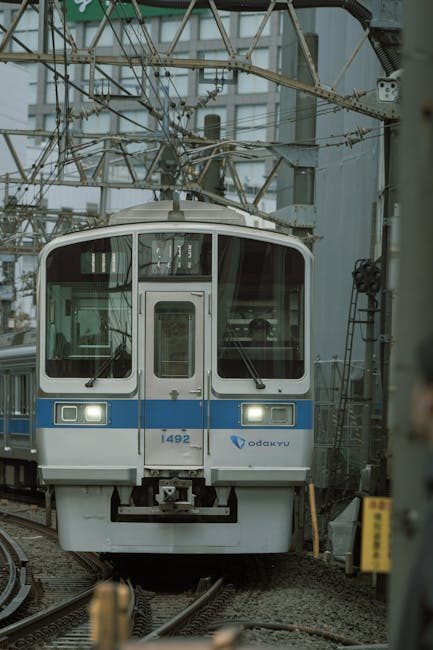
Tokyo’s subway map looks like a plate of spaghetti someone dropped on the floor. But here’s what simplifies everything: the JR Yamanote Line. It’s a loop that connects every major tourist area “” Shinjuku, Shibuya, Harajuku, Tokyo Station, Ueno, Akihabara, Ikebukuro. If your hotel is within walking distance of a Yamanote Line station, you can reach almost anywhere in the city in under 30 minutes. That’s the single most important factor in choosing where to stay.
The second factor is which side of Tokyo you’ll spend most of your time on. West side (Shinjuku, Shibuya, Harajuku) is younger, better nightlife. East side (Asakusa, Ueno, Akihabara, Ginza) is more traditional and tends to be cheaper. If you’re only in Tokyo for three or four days, pick a side and stick with it. You’ll still cross over “” everyone does “” but you’ll save an hour of commuting each day.
Walking vs. Subway
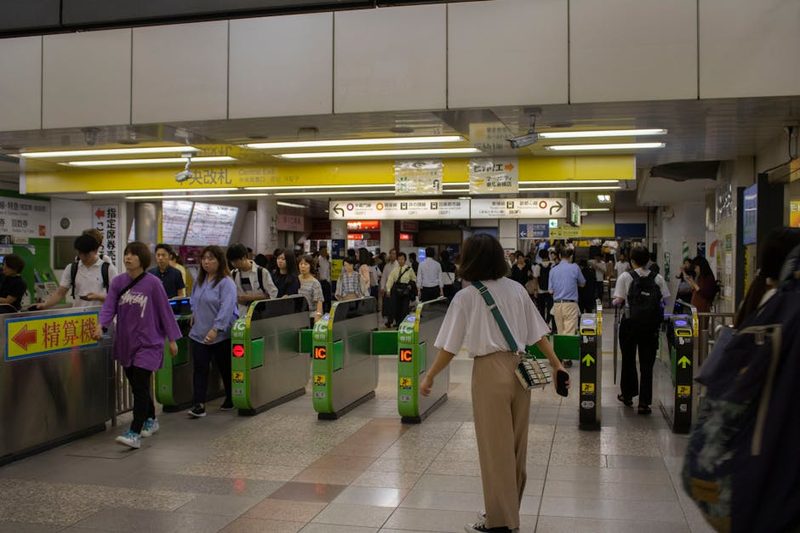
Hotel listings love to say “5-minute walk from the station.” That usually means 5 minutes if you know exactly which exit to use, you don’t have luggage, and you walk fast. Add 3-5 minutes to whatever the hotel claims. Also, Tokyo’s major stations (Shinjuku, Shibuya, Tokyo Station) are cities unto themselves. “Near Shinjuku Station” could mean a 2-minute walk from the south exit or a 15-minute walk from the east exit. Pay attention to which exit the hotel lists, not just the station name.
One more thing. Tokyo is a phenomenal walking city. Flat, safe, clean, interesting at every turn. A hotel that’s a 12-minute walk from the station isn’t a problem “” it’s an opportunity. Some of the best food in Tokyo is on the quiet streets between stations, not on the main drags. Don’t overpay for a room you can see the station from.
Seasonal Considerations
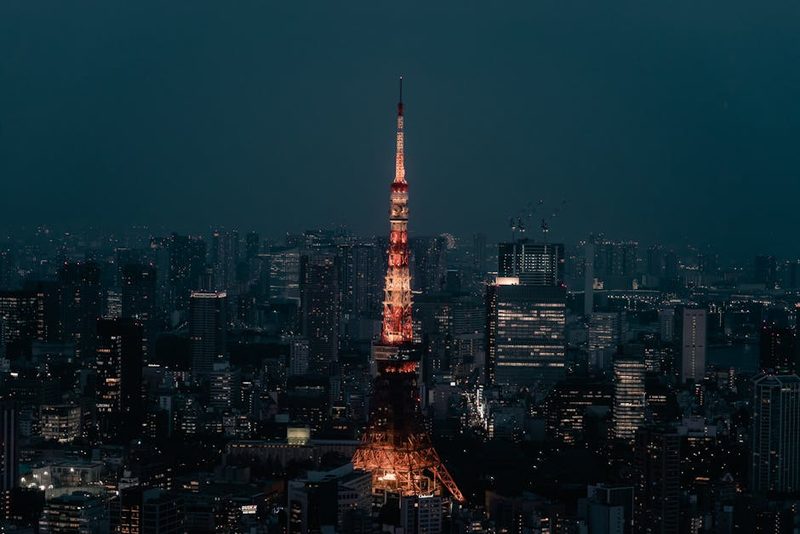
Cherry blossom season (late March to mid-April) and autumn leaves (mid-November to early December) are peak times. Book three to four months ahead or you’ll pay double for a room you wouldn’t normally choose. Golden Week (late April to early May) is when all of Japan travels domestically “” prices spike and availability drops fast. If you’re flexible, January and February offer the best rates and fewer crowds. It’s cold, but Tokyo doesn’t get harsh winters, and you’ll actually get a table at restaurants that have hour-long waits in spring. Check Go Tokyo for seasonal event calendars that might affect hotel demand.
Shinjuku “” Best for First-Timers and Nightlife
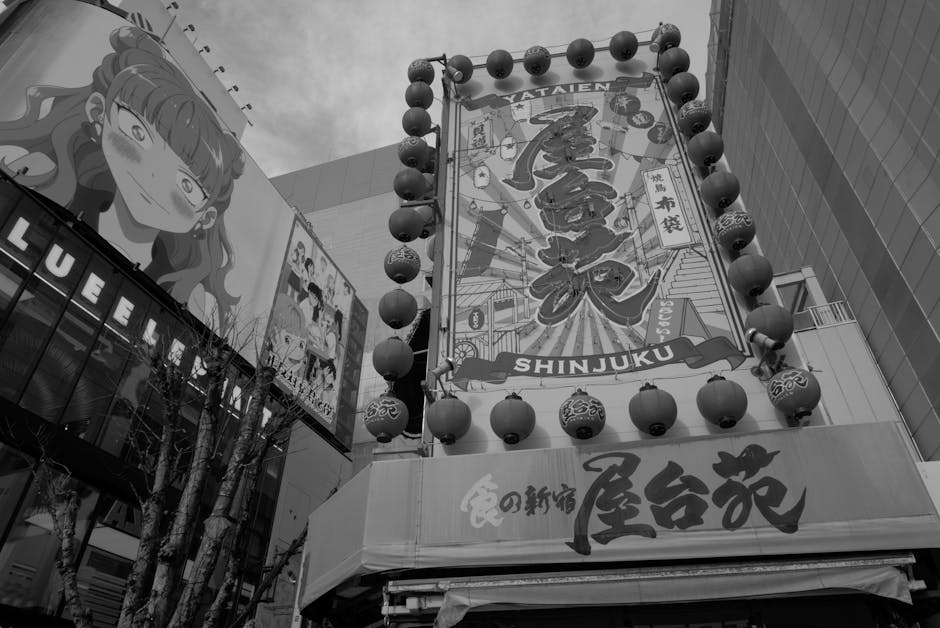
Shinjuku is chaos in the best possible way. The station handles over 3.5 million passengers daily “” the busiest in the world “” and the surrounding blocks reflect that energy. Neon signs stacked ten stories high, tiny ramen shops squeezed between skyscrapers, department stores next to alleyways full of yakitori smoke. The west side is all corporate towers and the Tokyo Metropolitan Government Building (free observation deck, by the way “” skip the paid ones). The east side is where it gets interesting: Kabukicho’s red-light district, Golden Gai’s 200+ tiny bars, and Omoide Yokocho’s cramped food alleys.
This is the default recommendation for first-time visitors, and for good reason. The JR Yamanote Line, multiple subway lines, and airport buses all converge here. You can reach Shibuya in 5 minutes, Tokyo Station in 15, and the airport in under 90. The food options within walking distance are nearly endless, and you won’t run out of things to do at night.
Who should stay here: first-timers, solo travelers, anyone who wants to be in the thick of it. Who shouldn’t: light sleepers, anyone who wants a quiet, traditional Tokyo experience. The honest negative? Shinjuku is loud, crowded, and can feel overwhelming after a long flight. The area around Kabukicho has touts, especially at night. It’s safe “” this is still Tokyo “” but it’s not relaxing.
Park Hyatt Tokyo “” Best for a Special Occasion
Nearest Station: Shinjuku (JR Yamanote, Marunouchi Line) “” 13 min walk
Best For: Couples, luxury travelers, film fans
From: ¥45,000/night
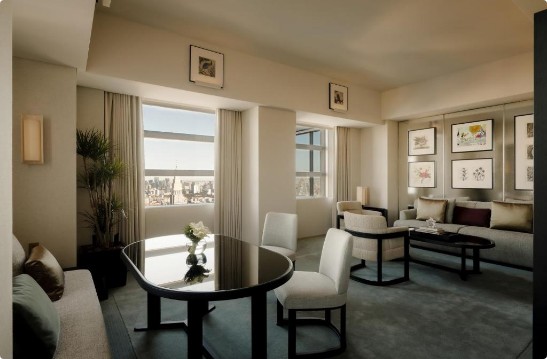
You know this hotel even if you’ve never been to Tokyo. It’s the “Lost in Translation” hotel, and yes, people still visit the New York Bar on the 52nd floor specifically because of that film. The lobby sits on the 41st floor, and the views over western Tokyo to Mount Fuji on clear days are staggering. The pool, the gym, the spa “” everything sits high above the city, and everything is run with the quiet precision that Japanese luxury does better than anywhere else.
The rooms are large by Tokyo standards (the smallest start around 55 square meters), and the service is the kind where staff remember your name without being asked. Breakfast in the Girandole restaurant is exceptional “” both the Western and Japanese options “” though at ¥6,000+ per person, it should be.
The catch? It’s a 13-minute walk to Shinjuku Station through the quiet corporate tower district of Nishi-Shinjuku. You’re paying for the hotel experience, not the neighborhood. If you want to stumble out of Golden Gai and into your lobby, this isn’t the place. But if you want the best hotel experience in Shinjuku, full stop, this is it.
What’s Good:
- 52nd-floor views that genuinely don’t get old, especially at sunset
- New York Bar is worth visiting even if you don’t stay here
- Pool and gym are among the best hotel facilities in Tokyo
What’s Not:
- 13-minute walk to Shinjuku Station through a quiet office district “” you’ll want a taxi at night
- At ¥45,000+ per night, it’s a significant investment that some travelers find hard to justify when the room is mostly for sleeping
Check prices: Booking.com
Hotel Gracery Shinjuku “” Best Location in Shinjuku
Nearest Station: Shinjuku (JR Yamanote, multiple lines) “” 5 min walk (East Exit)
Best For: First-timers, pop culture fans, couples
From: ¥15,000/night
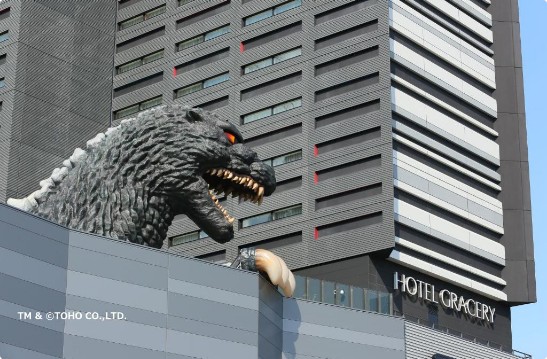
There is a giant Godzilla head on the roof of this hotel. It roars on the hour. That should tell you everything about the vibe “” it’s fun, it doesn’t take itself too seriously, and it’s right in the middle of Kabukicho. The hotel sits at the entrance to Shinjuku’s entertainment district, which means Golden Gai, Robot Restaurant (or whatever’s replaced it this year), and hundreds of restaurants are within a 5-minute walk.
Rooms are clean, modern, and well-maintained. They’re also small “” standard for Tokyo mid-range, so recalibrate expectations. The Godzilla-view rooms cost a premium but are genuinely fun, especially if you’re traveling with someone who’ll appreciate the absurdity. Standard rooms face the city and are perfectly fine.
The location is the real selling point. You’re five minutes from the east exit of Shinjuku Station, surrounded by food options at every price point. The downside is that Kabukicho can feel seedy, particularly late at night. There are touts, and the neon-lit streets aren’t everyone’s idea of charming. But it’s Tokyo “” you’re never in danger. Just annoyed, occasionally.
What’s Good:
- Location is hard to beat “” 5 minutes to the station, surrounded by food and entertainment
- The Godzilla head is genuinely fun and makes for great photos from the 8th-floor terrace
- Rooms are well-maintained and clean despite high turnover
What’s Not:
- Rooms are small, even by Tokyo standards “” if you have large suitcases, you’ll be climbing over them
- Kabukicho location means noise and touts outside, especially on weekends
Check prices: Booking.com
Nine Hours Shinjuku “” Best Budget Option
Nearest Station: Shinjuku (JR Yamanote, multiple lines) “” 4 min walk
Best For: Solo travelers, budget backpackers, one-night layovers
From: ¥4,000/night
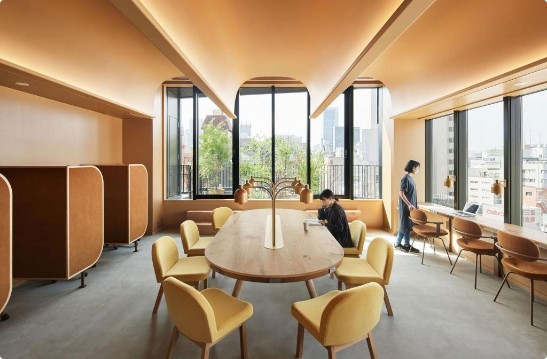
Capsule hotels are a Tokyo institution, and Nine Hours is the modern, design-forward version. Forget the grungy capsule hotels you might have seen in documentaries about salarymen “” this is all white surfaces, clean lines, and a check-in process that feels like entering a spaceship. You get a sleeping pod (surprisingly comfortable), a locker for your stuff, and access to shared showers and a lounge area. That’s it. And for ¥4,000 a night in central Shinjuku, that’s a remarkable deal.
The pods are well-designed “” control panel for lighting and alarm, decent mattress, good ventilation. You’ll get a solid night’s sleep if you’re not bothered by the occasional sounds of other guests. Earplugs help. The shared facilities are spotless.
This isn’t for everyone. You can’t stand up in your pod. Your luggage goes in a separate locker, not with you. Zero privacy beyond pulling down the pod’s screen. Couples can’t share a pod. But for one or two nights “” especially if you just need somewhere clean and central to crash “” the price-to-location ratio is hard to beat.
What’s Good:
- Stunning design “” looks and feels nothing like a traditional capsule hotel
- Impeccably clean, with frequent turnover of linens and thorough facility maintenance
- Central Shinjuku location at backpacker prices
What’s Not:
- No real privacy “” just a screen between you and the corridor
- No luggage storage in the pod itself, and locker space is limited for large bags
Check prices: Booking.com
Shibuya “” Best for Shopping and Youth Culture
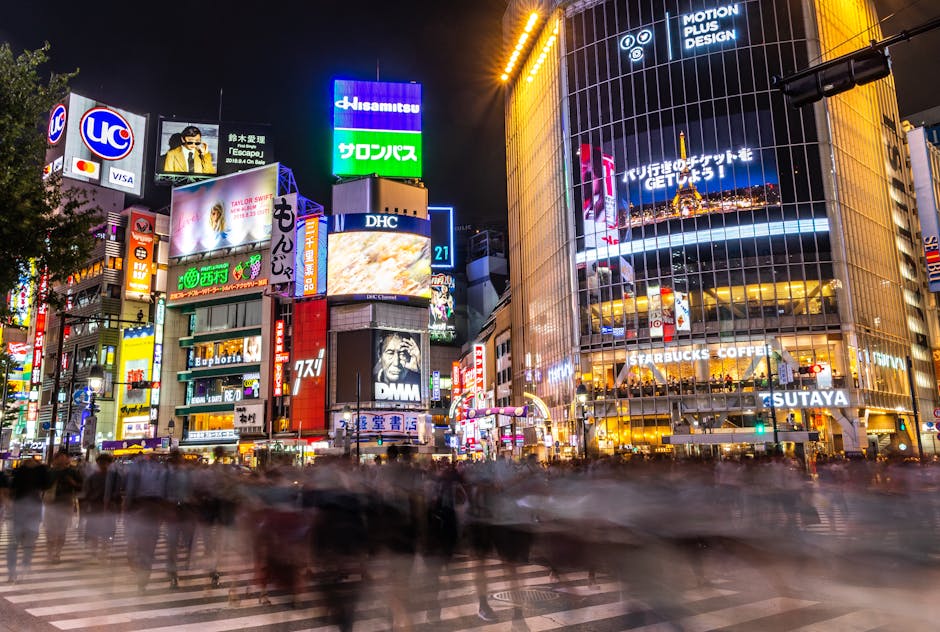
Shibuya is the neighborhood with the famous scramble crossing “” the one where a thousand people cross from every direction at once and somehow nobody collides. It’s a useful landmark but a terrible reason to pick a hotel. The real reason to base yourself in Shibuya is proximity. Harajuku and Omotesando are a 15-minute walk north. Shimokitazawa (Tokyo’s best neighborhood for vintage shopping and independent coffee) is two stops on the Keio Inokashira Line. Daikanyama and Nakameguro “” the areas where Tokyoites actually hang out on weekends “” are a short walk south.
Shibuya itself has been undergoing massive redevelopment. Shibuya Stream, Shibuya Scramble Square, and Miyashita Park have all opened in recent years, transforming the area from a slightly chaotic student district into something more polished. There’s still plenty of character in the backstreets “” the area around Nonbei Yokocho (a tiny alley of old-school bars near the station) keeps the old Shibuya spirit alive. And the food scene is strong, particularly for ramen, curry, and the kind of cheap izakaya where you eat standing up.
Who should stay here: shoppers, younger travelers, anyone who wants easy access to Harajuku and Omotesando. Who shouldn’t: anyone who dislikes crowds during the day (the area around the scramble crossing is packed from morning to midnight). The honest negative? Shibuya Station is one of the most confusing stations in Tokyo. It’s been under construction for years, the signage is inconsistent, and even locals get lost in there. Budget an extra 10 minutes every time you need to change lines.
Trunk Hotel Yoyogi Park “” Best Design Hotel
Nearest Station: Yoyogi-Koen (Chiyoda Line) “” 3 min walk / Shibuya (JR, multiple lines) “” 10 min walk
Best For: Design lovers, couples, special occasions
From: ¥40,000/night
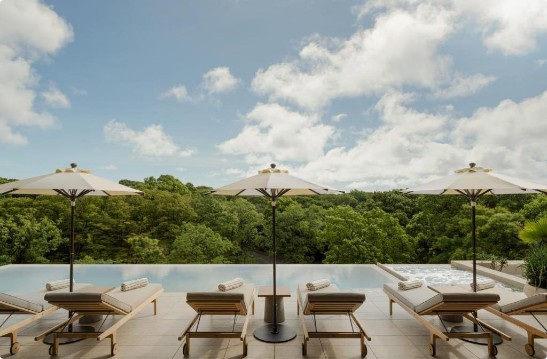
Trunk Hotel is the kind of place where every surface, every material, every piece of furniture has been considered. The original Trunk Hotel in Cat Street made waves for its “socializing” concept “” a hotel that was also a neighborhood hangout. This newer property near Yoyogi Park takes that idea and adds space. The rooms are larger, the restaurants are more ambitious, and the setting “” on a tree-lined street near one of Tokyo’s best parks “” is genuinely calming in a way that most Shibuya hotels can’t manage.
The design pulls from Japanese craft traditions without being kitschy about it. Natural wood, stone, handmade ceramics in the rooms. The on-site restaurant is worth eating at even if you’re not staying here, and the bar does excellent cocktails. The location means you can walk to Yoyogi Park in minutes “” useful for morning runs or just escaping the Shibuya crowds. Harajuku’s Takeshita Street and the Meiji Shrine are close too.
The trade-off is distance from Shibuya Station. Ten minutes on foot doesn’t sound like much, but after a full day of walking Tokyo, it adds up. The closest station is actually Yoyogi-Koen on the Chiyoda Line, which is convenient for some routes but not all. And at ¥40,000+ per night, you’re paying a serious premium for the design and atmosphere. If aesthetics matter to you, it’s money well spent. If you just want a comfortable room in a good location, the Shibuya Stream Excel is a better deal.
What’s Good:
- Genuinely beautiful design that draws from Japanese craft without feeling like a theme
- On-site restaurant and bar are excellent “” no need to go out if you don’t want to
- Quiet, leafy location near Yoyogi Park, a world away from the Shibuya scramble
What’s Not:
- At ¥40,000+, you’re paying a steep premium for the design “” the rooms aren’t enormous for the price
- 10-minute walk to Shibuya Station means you’ll rely on the smaller Yoyogi-Koen Station for most trips
Check prices: Booking.com
Shibuya Stream Excel Hotel Tokyu “” Best Transit Connection
Nearest Station: Shibuya (JR, Ginza Line, Fukutoshin Line, Tokyu Toyoko Line) “” 0 min walk (directly connected)
Best For: Anyone who values convenience, business travelers, first-timers
From: ¥18,000/night
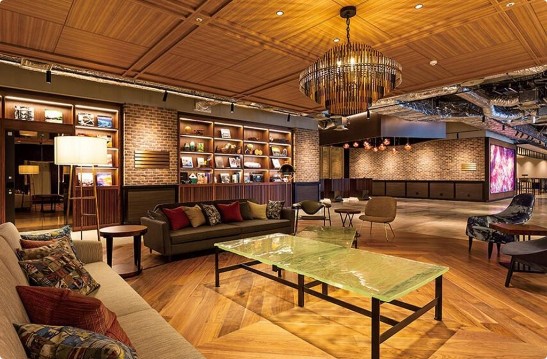
The Shibuya Stream Excel sits directly above Shibuya Station. Not near it. Not a short walk from it. Directly connected, through a covered walkway that means you never need to step outside to reach the trains. In a city where it rains frequently and stations are confusing, this is a genuine luxury. You can step off the Tokyu Toyoko Line from Yokohama and be in your room in five minutes without touching a sidewalk.
Rooms are modern and functional “” good beds, clean bathrooms, reliable Wi-Fi. Views from the higher floors look out over the Shibuya River and the surrounding cityscape. It’s a chain hotel, and it feels like one “” you won’t find boutique character here. But the execution is solid, the location is peerless, and the value in the ¥18,000-30,000 range is strong.
The downside is exactly that chain-hotel feel. The lobby is functional, not memorable. The rooms don’t have personality. But for a city where you’ll spend 14 hours a day outside exploring, a clean, well-located, comfortable room is all most people need. Save the boutique experience for a ryokan in Hakone “” use your day trip from Tokyo for that.
What’s Good:
- Direct connection to Shibuya Station “” you literally cannot get closer to the trains
- Modern rooms with good views from higher floors, especially south-facing
- Shibuya Stream complex has solid restaurants and a grocery store downstairs
What’s Not:
- Standard chain hotel feel “” clean and efficient but zero personality
- Premium pricing for what is essentially a business hotel with a great address
Check prices: Booking.com
Dormy Inn Premium Shibuya Jingumae “” Best Value in Shibuya
Nearest Station: Meiji-jingumae (Chiyoda, Fukutoshin Lines) “” 3 min walk / Shibuya (JR) “” 10 min walk
Best For: Value seekers, solo travelers, onsen lovers
From: ¥8,000/night
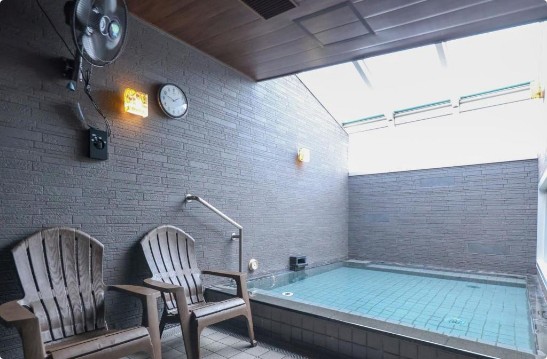
Dormy Inn is a Japanese business hotel chain that’s developed something of a cult following among budget-savvy travelers, and the Shibuya Jingumae location is one of their best. The reason is simple: they include things that other hotels charge extra for. There’s a rooftop onsen bath “” a proper one, with hot water piped in, open to guests for free. They serve free ramen every night from 9:30 PM. Breakfast is included at many rate levels and features both Japanese and Western options. These extras add up fast.
The rooms are small. This is a business hotel designed for business travelers who need a bed, a desk, and a bathroom. If you’re traveling with large suitcases, you’ll feel the squeeze. But the beds are comfortable, the bathrooms have proper washlet toilets, and the Wi-Fi is fast.
Location-wise, you’re closer to Harajuku than Shibuya proper. Meiji-jingumae Station is a 3-minute walk “” useful for reaching Omotesando, Roppongi, and Ikebukuro directly. Takeshita Street and the Meiji Shrine are both within walking distance. A solid base for exploring the Harajuku-Omotesando-Shibuya triangle without paying Shibuya prices.
What’s Good:
- Rooftop onsen bath is a genuine treat after a day of walking “” and it’s free for guests
- Free late-night ramen (yonaki soba) is the perfect end to a long day of exploring
- Excellent location between Harajuku and Shibuya at a fraction of the price of either area’s premium hotels
What’s Not:
- Rooms are small even by Tokyo standards “” two people with large suitcases will struggle
- It’s a business hotel, so don’t expect design or atmosphere “” this is about function and extras
Check prices: Booking.com
Asakusa “” Best for Traditional Tokyo
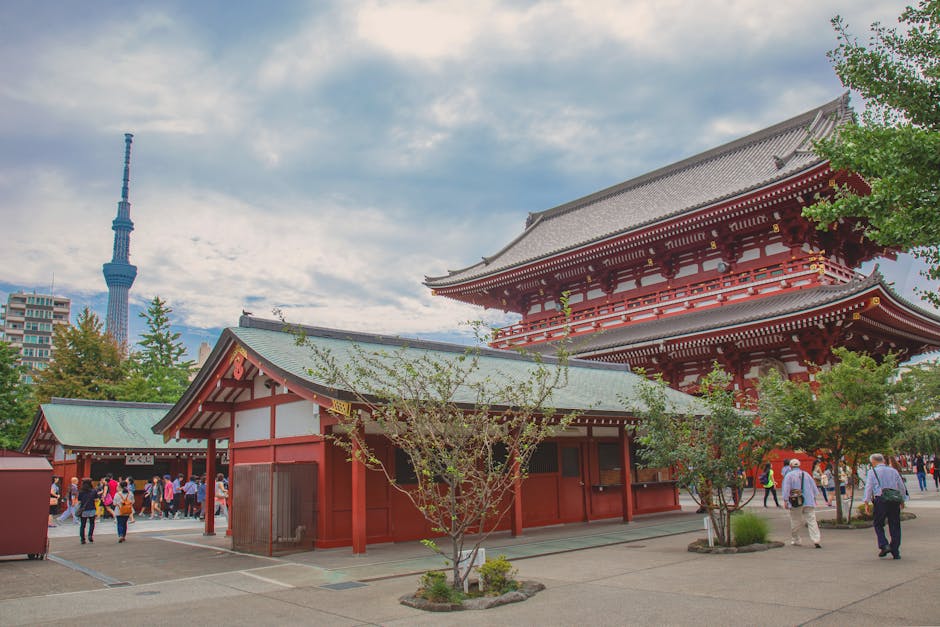
Asakusa is the Tokyo that existed before the skyscrapers. Senso-ji temple, Tokyo’s oldest, sits at its heart, and the surrounding streets still feel like a different era. Nakamise-dori (the shopping street leading to the temple) is touristy, sure “” but step one block off it and you’ll find family-run senbei shops, quiet temples, and streets where the main sound is bicycle bells. The Tokyo Skytree towers over the neighborhood from across the Sumida River, providing a constant visual reminder that you’re in a modern megacity, even when the streets around you suggest otherwise.
This is east Tokyo, which means two things. First, it’s cheaper. Hotels, restaurants, and daily expenses in Asakusa run noticeably less than in Shinjuku or Shibuya. Second, it’s farther from the west-side attractions. Getting to Shinjuku takes about 30 minutes on the subway. That’s not terrible, but it adds up if you’re making the trip daily. If your Tokyo itinerary focuses heavily on west-side activities (Shibuya shopping, Harajuku, Shimokitazawa), Asakusa isn’t the most practical base.
Who should stay here: travelers interested in traditional culture, budget-conscious visitors, anyone who prefers quiet evenings. Who shouldn’t: nightlife seekers (Asakusa goes quiet after 9 PM), anyone who wants to be central. The honest negative? Asakusa can feel like a tourist zone during the day, especially around Senso-ji. The crowds on Nakamise-dori are thick, and the “traditional” shops are often selling mass-produced souvenirs. The real charm is in the side streets, not the main drag. And once the sun goes down, options are limited “” a handful of good izakaya and not much else.
Gate Hotel Asakusa Kaminarimon “” Best Views in Asakusa
Nearest Station: Asakusa (Ginza Line, Tobu Skytree Line) “” 2 min walk
Best For: Couples, photographers, anyone who wants temple views
From: ¥20,000/night
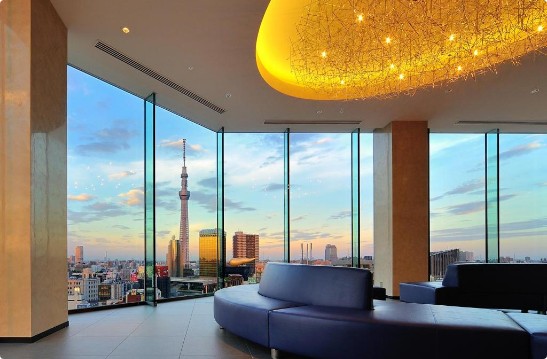
The Gate Hotel’s rooftop terrace is the reason to stay here. It looks directly out over Senso-ji temple and across to the Skytree, and at night, when the temple is illuminated and the crowds are gone, it’s one of the most beautiful views in Tokyo. The terrace serves coffee in the morning and cocktails in the evening, and both are good excuses to sit there and stare.
The hotel is modern and well-designed, with a lobby on the 13th floor that maximizes the skyline views. Rooms are a decent size with large windows. The Kaminarimon gate is literally right outside the front door “” you can visit Senso-ji early morning before travelers arrive, then walk back for breakfast.
The main drawback is Asakusa’s location in the broader context. If you’re spending most of your time in Shinjuku or Shibuya, you’ll be commuting 30+ minutes each way. This hotel is best for people who actively want to be in east Tokyo “” visiting Asakusa, the Skytree, Ueno, Akihabara, and taking day trips from the area.
What’s Good:
- Rooftop terrace with direct Senso-ji and Skytree views “” spectacular at night
- Location right at Kaminarimon gate, steps from Asakusa’s best streets
- 13th-floor lobby with panoramic views sets the tone on arrival
What’s Not:
- East Tokyo location means a 30+ minute commute to Shinjuku or Shibuya
- Premium pricing for Asakusa “” you could get a Shinjuku hotel for similar money with better transit access
Check prices: Booking.com
Asakusa View Hotel “” Best Reliable Mid-Range
Nearest Station: Asakusa (Tsukuba Express) “” 3 min walk
Best For: Families, older travelers, anyone who wants something predictable
From: ¥12,000/night
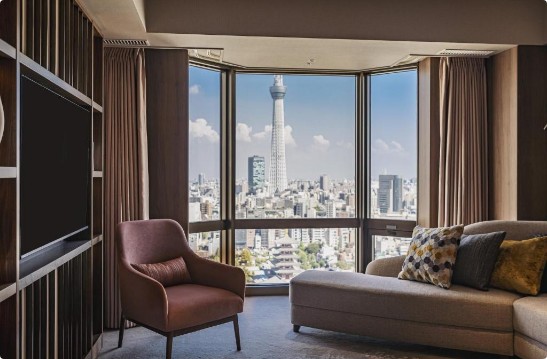
The Asakusa View Hotel does exactly what its name promises: it gives you views. The Skytree-facing rooms on higher floors look out across the Sumida River to Tokyo’s most recognizable tower, and on clear mornings the sight is worth the room rate alone. The hotel has been around since the 1980s, and it shows “” this isn’t a design-forward property. But what it lacks in Instagram appeal, it makes up for in consistency. The rooms are clean. The staff is helpful. The Japanese breakfast option is genuinely good, not just an afterthought.
No surprises, no quirks, no personality. It’s popular with Japanese domestic travelers, which is usually a good sign “” they tend to be discerning about cleanliness and service. The location is a few blocks from Senso-ji, close enough to walk easily but far enough to avoid the tourist-area noise.
The rooms are the weakest point. Some haven’t been renovated recently, and you can feel the age in the carpeting and bathroom fixtures. Request a renovated room when booking if you can “” the difference is noticeable.
What’s Good:
- Skytree views from river-facing rooms are genuinely impressive, especially at night
- Japanese breakfast is a highlight “” traditional and well-prepared
- Quiet location, a few blocks from the tourist crowds around Senso-ji
What’s Not:
- Some rooms feel dated “” carpets and bathrooms show their age
- Lacks the character or design appeal of newer Asakusa options
Check prices: Booking.com
Ryokan Kamogawa Asakusa “” Best Cultural Experience
Nearest Station: Asakusa (Ginza Line) “” 7 min walk
Best For: Culture seekers, solo travelers, couples wanting something different
From: ¥8,000/night
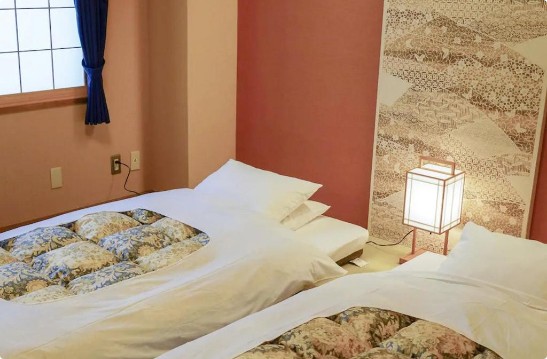
Most ryokan (traditional Japanese inns) in Tokyo are either overpriced tourist traps or so far from the center that you spend half your day commuting. Kamogawa Asakusa is neither. It’s a genuine ryokan experience “” tatami mat floors, futon bedding, sliding paper doors “” in a central Asakusa location at a price that won’t break your trip budget. They also have a private onsen bath that guests can reserve for free, which is rare in Tokyo and typically costs ¥3,000-5,000 at other establishments.
Sleeping on a futon on a tatami floor is an experience everyone should try at least once in Japan. It’s not as uncomfortable as Westerners assume “” the futons are thick and the tatami has some give to it. That said, if you have back problems or you simply prefer a mattress, this isn’t the place for a week-long stay. One or two nights for the experience, then move to a regular hotel, is a solid strategy. The walls are thin, too. You’ll hear your neighbors if they’re loud, and they’ll hear you.
The staff speaks English and is helpful with recommendations for the area “” they’ll point you to restaurants and spots that aren’t in the guidebooks. The location on a quiet Asakusa side street means you get the peaceful traditional atmosphere without being in the thick of the Senso-ji crowds. For a taste of old Japan in a modern city, at a budget-friendly price, this is hard to beat. Pair it with a visit to Senso-ji at dawn (before the tour groups arrive) and dinner at one of the old-school tempura restaurants nearby “” that’s a proper Tokyo evening.
What’s Good:
- Authentic ryokan experience in central Tokyo “” tatami rooms, futons, and the atmosphere that comes with them
- Free private onsen bath that you can reserve “” a genuine luxury at this price point
- Helpful English-speaking staff with excellent local knowledge
What’s Not:
- No beds “” futons on tatami floors only, which some travelers find uncomfortable after a few nights
- Thin walls mean limited sound privacy “” keep noise in mind for early risers and late returners
Check prices: Booking.com
Ginza “” Best for Luxury Shopping and Food
Ginza is old money. The department stores (Mitsukoshi, Matsuya, Wako) have been here for generations. The sushi restaurants have been serving omakase since before it was a trend. The streets are wide, clean, and on weekends, Chuo-dori closes to traffic and becomes a pedestrian boulevard. It’s polished, it’s expensive, and it’s utterly unlike the youthful chaos of Shibuya or the neon overload of Shinjuku.
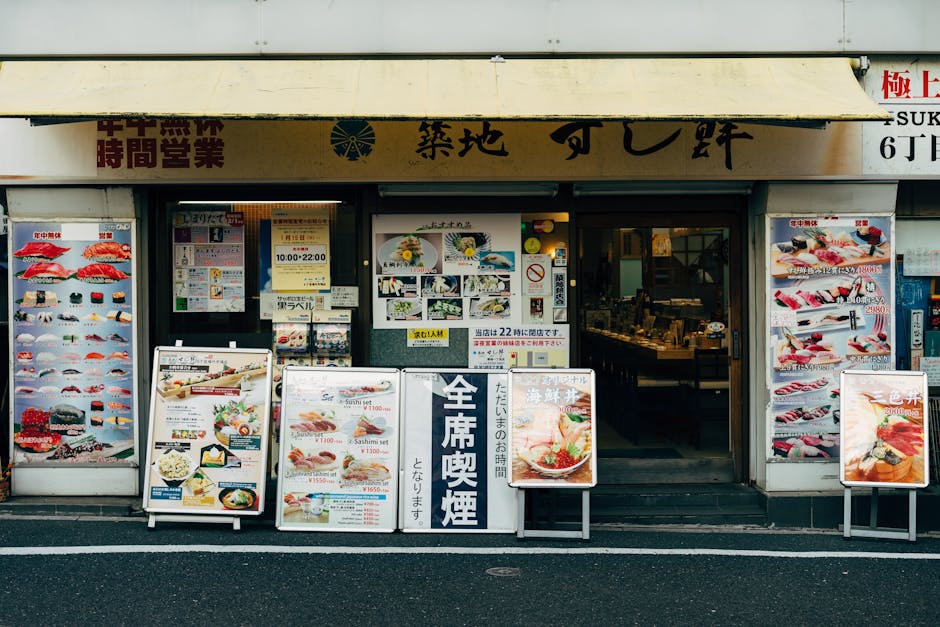
The food in Ginza is extraordinary. This area has one of the highest concentrations of Michelin-starred restaurants in the world, from legendary sushi counters to French fine dining to tempura shops that haven’t changed their recipe in a century. Tsukiji Outer Market is a short walk away (the inner market moved to Toyosu, but the outer market’s food stalls remain). And for shopping, Ginza is where you go for Japanese designer labels, luxury goods, and the flagship Uniqlo that’s twelve floors tall.
Who should stay here: food lovers, luxury shoppers, older travelers, business visitors. Who shouldn’t: budget travelers (everything costs more here), nightlife seekers (Ginza’s bar scene is refined and expensive, not rowdy), anyone who finds polished neighborhoods dull. The honest negative? Ginza is quiet at night. Not dangerous-quiet “” boring-quiet. By 10 PM, the restaurants are closing, the streets are empty, and there’s very little energy. If you want to go out after dinner, you’ll be heading to Roppongi or Shinjuku by subway.
Park Hotel Tokyo “” Best Unique Rooms
Nearest Station: Shimbashi (JR Yamanote, Ginza Line) “” 3 min walk
Best For: Art lovers, couples, design-conscious travelers
From: ¥25,000/night
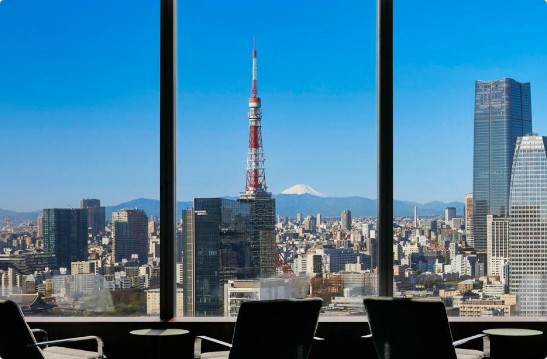
Park Hotel Tokyo’s signature feature is its Artist Room program. They’ve invited Japanese artists to transform individual rooms into gallery pieces “” one room is covered in cherry blossom paintings, another features kabuki motifs, a third has geometric patterns inspired by traditional crafts. Each room is one-of-a-kind, and staying in one feels like sleeping inside an art installation. Even the standard rooms start on the 25th floor, so every guest gets city views.
The lobby is on the 25th floor, inside the Shiodome Media Tower. First-timers find this confusing “” you enter an anonymous office tower at ground level, take an elevator up, and suddenly you’re in a hotel with panoramic views. The south-facing rooms look toward Tokyo Bay, and on clear days you can see all the way to Odaiba (not that you should go there “” more on that later).
The location is technically Shiodome rather than central Ginza, but it’s a short walk to Shimbashi Station and Ginza’s shopping district. Tsukiji Outer Market is about 10 minutes on foot. For the ¥25,000-40,000 range, the Artist Rooms offer something you genuinely can’t get elsewhere “” most hotels at this price point are interchangeable, but this one has real character.
What’s Good:
- Artist Rooms are genuinely unique “” each one is a commissioned piece of art you can sleep in
- Every room starts at the 25th floor, guaranteeing city views regardless of rate
- Walking distance to both Tsukiji Outer Market and central Ginza shopping
What’s Not:
- The 25th-floor lobby confuses first-timers “” the ground-floor entrance gives no hint you’re walking into a hotel
- Location in Shiodome is slightly removed from the heart of Ginza “” it’s a 10-minute walk to the main shopping streets
Check prices: Booking.com
Millennium Mitsui Garden Hotel Ginza “” Best Central Ginza Location
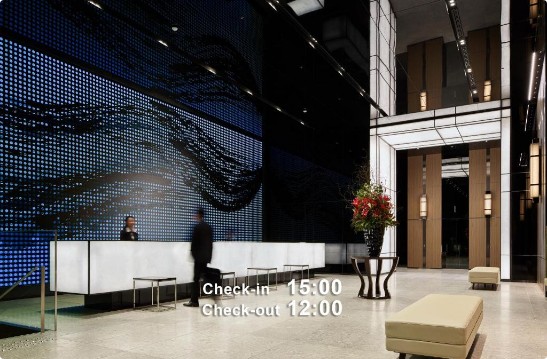
Nearest Station: Ginza (Ginza Line, Marunouchi Line, Hibiya Line) “” 3 min walk
Best For: Business travelers, shoppers, anyone who wants to be centrally located
From: ¥15,000/night
If you want to be in the center of Ginza without paying Ginza luxury prices, the Millennium Mitsui Garden is your best bet. It’s three minutes from Ginza Station “” one of the best-connected stations in Tokyo, with three subway lines converging “” and surrounded by the area’s major department stores and restaurants. Haneda Airport is about 30 minutes by direct train, which is convenient for late arrivals or early departures.
The rooms are modern, clean, and entirely predictable. If you’ve stayed in any Mitsui Garden Hotel, you know exactly what to expect: good beds, clean bathrooms, functional desks, reliable Wi-Fi. There’s nothing wrong with any of it, and nothing memorable about any of it either. This is the Toyota Camry of Tokyo hotels “” it does everything competently and nothing exceptionally. And sometimes, that’s exactly what you want.
Staff is efficient, check-in is smooth, and the hotel is well-maintained despite high occupancy. A smart choice for anyone who treats their hotel as a base rather than a destination. Just don’t expect to tell stories about it when you get home.
What’s Good:
- Central Ginza location with three subway lines within a 3-minute walk
- Modern rooms that are consistently clean and well-maintained
- 30-minute direct connection to Haneda Airport “” ideal for short business trips
What’s Not:
- No standout features whatsoever “” this is a perfectly fine hotel with zero personality
- Standard business hotel pricing for what feels like a standard business hotel room
Check prices: Booking.com
Tokyu Stay Ginza “” Best for Extended Stays
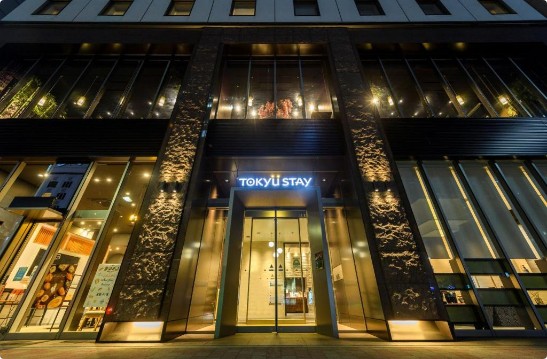
Nearest Station: Higashi-Ginza (Hibiya Line, Asakusa Line) “” 3 min walk
Best For: Long-stay travelers, budget-conscious visitors, families
From: ¥10,000/night
Here’s what makes Tokyu Stay different from every other budget hotel in Ginza: there’s a washing machine in your room. And a microwave. These sound like small things, but after a week in Tokyo, the ability to do laundry without finding a coin laundromat and the ability to reheat convenience store food in your room become genuine luxuries. For travelers staying five nights or more, these amenities save both money and time.
The rooms themselves are basic. White walls, simple furniture, small bathrooms. Nothing to photograph, nothing to complain about. They’re clean and functional, and at ¥10,000-15,000 per night in Ginza, the price is hard to argue with. You’re not getting a view or a lobby lounge or a rooftop bar. You’re getting a well-located room with practical amenities in an expensive neighborhood.
Higashi-Ginza Station is the nearest, which gives you the Hibiya and Asakusa Lines. The Asakusa Line is particularly useful “” it connects directly to Narita Airport via the Keisei Line, no transfers required (though the direct service runs on a limited schedule). Central Ginza, Tsukiji, and Kabuki-za Theater are all within walking distance. For a Ginza base at budget prices with practical amenities, this is the pick.
What’s Good:
- In-room washing machine and microwave “” game-changers for stays of four nights or more
- Ginza location at prices more typical of Asakusa or Ueno
- Direct Asakusa Line access to Narita Airport (limited schedule)
What’s Not:
- Rooms are basic “” no design, no views, no atmosphere
- Not a hotel for a special occasion “” purely functional
Check prices: Booking.com
Special Mention: MUJI Hotel Ginza
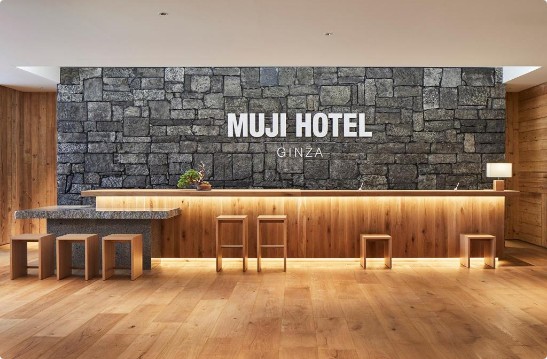
Nearest Station: Ginza (Ginza Line, Marunouchi Line, Hibiya Line) “” 2 min walk
Best For: Design fans, MUJI enthusiasts, minimalists
From: ¥20,000/night
If you’ve ever walked through a MUJI store and thought “I want to live here,” now you can. The MUJI Hotel sits above the brand’s Ginza flagship store “” the world’s largest “” and every single item in the room is a MUJI product. The bed, the towels, the pajamas, the toiletries, the alarm clock. It’s minimalism executed with the kind of obsessive consistency that only a Japanese brand could pull off. The rooms are simple, warm, and calming. Natural wood, muted colors, no visual clutter.
This is as much a brand experience as it is a hotel. You’ll sleep on MUJI’s mattress, shower with MUJI products, and then take the elevator down to the flagship store to buy everything you liked. It’s clever marketing, and it works “” most guests leave with a shopping bag. Beyond the brand tie-in, it’s a genuinely pleasant place to stay. The rooms are quiet, the materials feel good, and the design has a cohesion that most hotels never achieve.
What’s Good:
- Complete MUJI experience “” every item in the room is available to purchase in the store below
- Minimalist design creates a genuinely calming space, which is rare in central Ginza
- Location above the world’s largest MUJI store, in the heart of Ginza’s shopping district
What’s Not:
- If you’re not into MUJI’s aesthetic, the rooms may feel sparse rather than minimalist
- Rooms are on the smaller side for the ¥20,000-30,000 price range
Check prices: Booking.com
Akihabara/Kanda “” Best Underrated Base
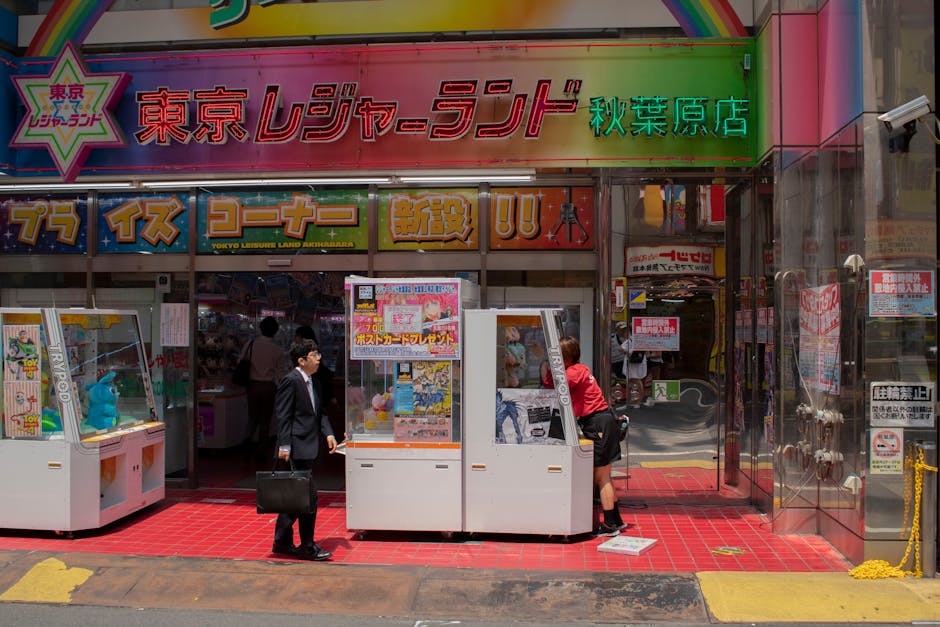
Nobody recommends Akihabara as a place to stay. It’s known as the anime and electronics district, and most guides treat it as a place to visit for an afternoon, not a neighborhood to sleep in. That’s a mistake. Akihabara sits on the JR Yamanote Line, one stop from Tokyo Station. Let that sink in “” one stop. You can be at the Shinkansen platform in 10 minutes. Ueno is one stop north. Ginza is a short walk or one subway stop. And hotel prices here are significantly lower than in any of those areas.
The neighborhood itself isn’t beautiful. The main streets are dominated by electronics shops, anime figure stores, and maid cafes. But step into the Kanda side (between Akihabara and Tokyo Station) and it changes. Kanda is an old Tokyo neighborhood with tiny ramen shops, craft beer bars, and curry restaurants “” famous for curry, with over 400 shops competing in an annual curry grand prix. It’s a real, lived-in neighborhood largely untouched by tourism.
Who should stay here: value-conscious travelers who want central access, repeat visitors who’ve already done Shinjuku and Shibuya, anime and gaming fans. Who shouldn’t: first-timers who want a classically photogenic neighborhood, anyone who wants nightlife within walking distance. The honest negative? Akihabara’s main strip is visually chaotic and can feel overwhelming. If flashing screens and anime billboards ten stories tall bother you, stick to the quieter Kanda side.
Nohga Hotel Akihabara “” Best Boutique Option
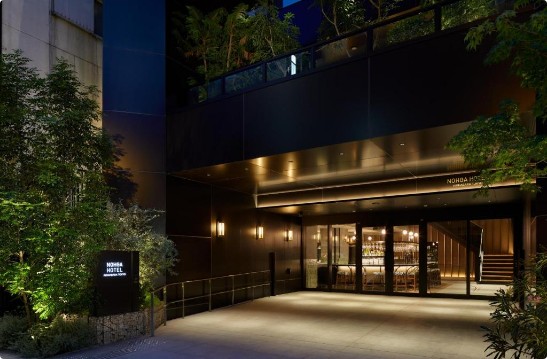
Nearest Station: Akihabara (JR Yamanote, Hibiya Line) “” 5 min walk
Best For: Design-conscious travelers, couples, anyone wanting a local neighborhood feel
From: ¥15,000/night
Nohga is a small Japanese boutique hotel chain that focuses on connecting guests with local neighborhoods, and the Akihabara property does this well. The ground-floor restaurant and bar source from local producers and feature rotating craft beer taps from Tokyo breweries. The rooftop bar has views over the area’s contrasting skyline “” old Kanda temples next to new Akihabara towers. The rooms are designed with natural materials and a calm palette that deliberately contrasts with the neighborhood’s neon exterior.
The location puts you on the quieter edge of Akihabara, closer to Kanda than to the anime strip. You get Akihabara’s transit advantages (Yamanote Line, Hibiya Line, Tsukuba Express) without the sensory overload. It’s a 5-minute walk to the station and about 12 minutes on foot to Tokyo Station.
At ¥15,000-22,000 per night, you’re getting a boutique experience that would cost ¥25,000+ in Ginza or Shibuya. The rooms are thoughtfully designed, the on-site food and drink are genuinely good, and the staff recommends neighborhood spots you wouldn’t find otherwise. The only drawback is Akihabara’s aesthetic “” the view from your window won’t win any beauty contests.
What’s Good:
- Boutique hotel quality at a price point well below Ginza or Shibuya equivalents
- Rooftop bar with neighborhood views and rotating local craft beer “” a genuine standout
- One stop from Tokyo Station on the Yamanote Line “” you can’t get more central than this
What’s Not:
- Akihabara’s streets aren’t pretty “” the anime billboards and electronics shops outside aren’t everyone’s aesthetic
- Limited dining options immediately around the hotel compared to Shinjuku or Shibuya
Check prices: Booking.com
Hotel 1899 Tokyo “” Best Themed Concept
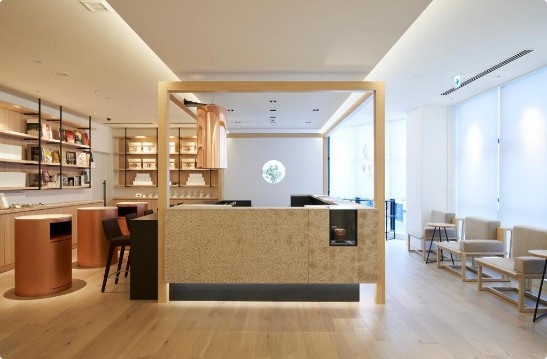
Nearest Station: Shimbashi (JR Yamanote, Ginza Line) “” 7 min walk
Best For: Tea enthusiasts, travelers who appreciate unique concepts, solo visitors
From: ¥10,000/night
Hotel 1899 is built around a single concept: Japanese green tea. The lobby serves matcha drinks. The rooms have tea-making sets with selected blends. The restaurant incorporates tea into its dishes. Even the bath amenities are tea-infused. It sounds gimmicky on paper, but it’s executed with genuine care “” the tea is high quality, sourced from Shizuoka prefecture, and the staff can talk about it with real knowledge. It’s the kind of place where the concept enhances rather than replaces the hotel experience.
Located in the quiet Kanda/Shimbashi area, the hotel sits between Akihabara and Ginza. Shimbashi Station is about a 7-minute walk, which gives you the Yamanote Line and the Ginza Line. Ginza’s shopping district is about a 12-minute walk. The neighborhood is a mix of offices and old Kanda shops “” not exciting, but calm and safe, with a few excellent local restaurants that cater to the office worker lunch crowd.
Rooms are small, as you’d expect at this price point. But they’re well-designed within that constraint, with clever storage solutions and a Japanese aesthetic that feels cohesive rather than forced. The tea ritual in the room “” boiling water in the iron kettle, preparing the tea with the provided set “” is a small daily pleasure that costs nothing extra but adds genuine value to the stay.
What’s Good:
- Tea concept is executed with genuine knowledge and quality “” not a gimmick
- Quiet Kanda location with easy walking access to Ginza
- Strong value at ¥10,000-16,000 for the quality of design and concept
What’s Not:
- Rooms are small “” the concept is great but the square footage is limited
- The Kanda/Shimbashi area is quiet at night “” limited dining and no nightlife within walking distance
Check prices: Booking.com
Ueno “” Best for Budget Travelers and Museum Lovers
Ueno doesn’t try to impress you. It’s not polished like Ginza, not trendy like Shibuya, not overwhelming like Shinjuku. It’s a working-class neighborhood with one of Tokyo’s best parks, several major museums, a chaotic market street, and some of the most affordable hotel rates in central Tokyo. If you’re watching your spending but don’t want to stay in the suburbs, Ueno deserves serious consideration.
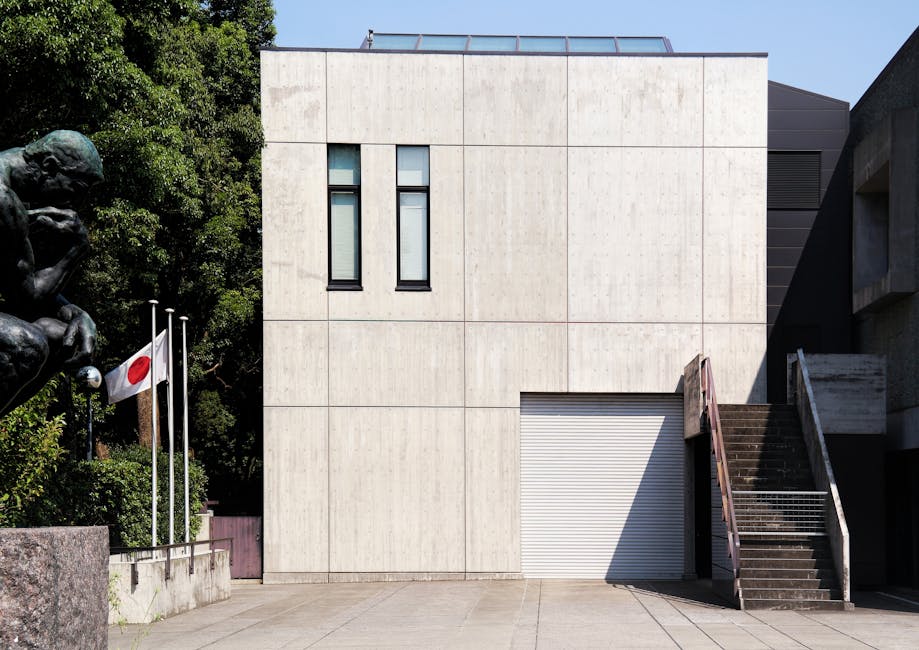
Ueno Park is the anchor “” Tokyo National Museum, National Museum of Western Art (a Le Corbusier UNESCO site), Ueno Zoo, and several smaller museums. Ameyoko Market, the raucous shopping street running under the Yamanote Line tracks, sells everything from fresh fish to sneakers at prices you won’t find elsewhere. And Ueno Station is a Shinkansen stop, so you can take bullet trains to day trip destinations directly without transferring at Tokyo Station.
Who should stay here: budget travelers, families with children (the park and zoo are great), museum enthusiasts, travelers taking the Shinkansen frequently. Who shouldn’t: anyone who wants trendy restaurants and nightlife, travelers who prioritize being near west-side attractions. The honest negative? Ueno is not fashionable. The restaurants are more functional than inspiring, the hotel options are mostly business chains, and the area south of the station (toward Okachimachi) can feel gritty. It’s safe, but it won’t be on anyone’s “most charming neighborhoods” list.
Mitsui Garden Hotel Ueno “” Best Value in Central Tokyo
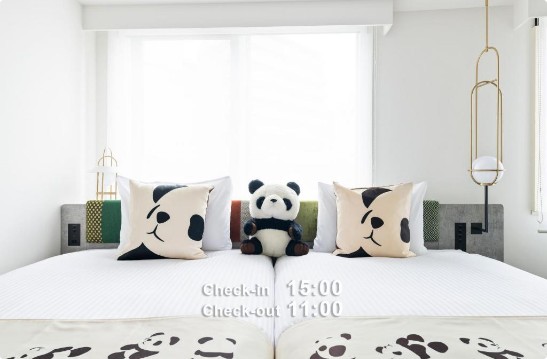
Nearest Station: Ueno (JR Yamanote, Ginza Line, Hibiya Line) “” 3 min walk
Best For: Budget travelers, museum goers, families, Shinkansen users
From: ¥10,000/night
The Mitsui Garden chain appears in this guide twice, which tells you something about their consistency. The Ueno property follows the same formula as the Ginza one “” clean rooms, reliable service, modern bathrooms, zero surprises. What makes this one stand out is the value proposition. You’re getting Mitsui Garden quality for ¥10,000-15,000 per night, in a location three minutes from one of Tokyo’s best-connected stations.
Ueno Station sits on the Yamanote Line, three subway lines, and connects to the Keisei Skyliner to Narita Airport (36 minutes “” one of the fastest airport connections in Tokyo). Smart base if you’re arriving from Narita or planning bullet train day trips. The hotel is right at the edge of Ueno Park, a 10-minute walk to the Tokyo National Museum.
Ameyoko Market is between the hotel and the station, so you’ll walk through it daily “” that’s either a plus (cheap street food, great energy) or a minus (crowded, noisy) depending on your tolerance. Rooms are standard business hotel size. But at this price, in this location? One of the best deals in central Tokyo.
What’s Good:
- Three minutes from Ueno Station, with direct Shinkansen, Narita Skyliner, and Yamanote Line access
- Adjacent to Ueno Park and its museums “” walk to the Tokyo National Museum in 10 minutes
- Mitsui Garden consistency at one of their most affordable price points
What’s Not:
- Ueno is functional, not trendy “” limited nightlife and dining compared to Shinjuku or Shibuya
- Standard business hotel rooms with nothing distinctive to set them apart
Check prices: Booking.com
Where NOT to Stay in Tokyo

Not every neighborhood in Tokyo is a good base. Some are actively bad choices that waste your limited time. Here are the ones to avoid:
Odaiba
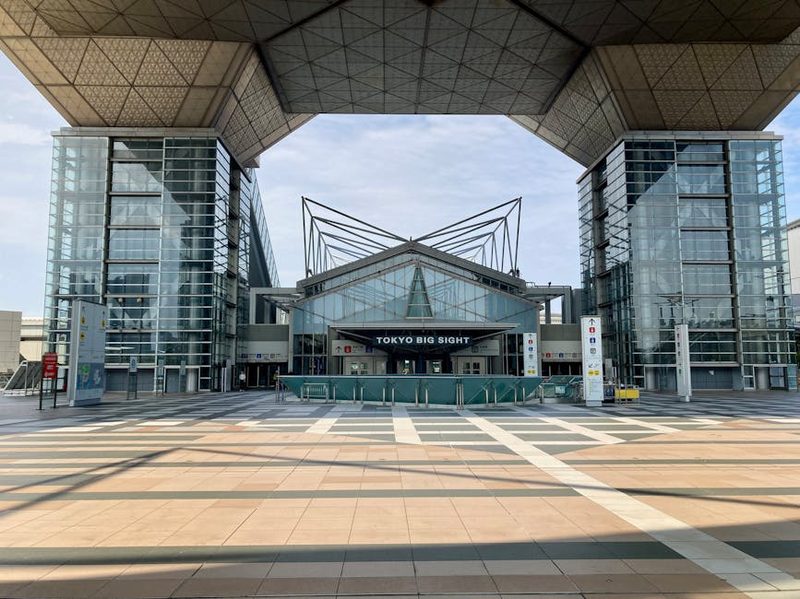
Odaiba is an artificial island built in the 1990s as a futuristic entertainment district. The future didn’t arrive. Shopping malls, a replica Statue of Liberty, and a monorail that adds 20-30 minutes to every trip into central Tokyo. The hotels are cheaper than the mainland, and now you know why. Nothing to do at night. The whole area feels like a suburban outlet mall that happens to have a view of Rainbow Bridge. Hard pass.
Shinagawa
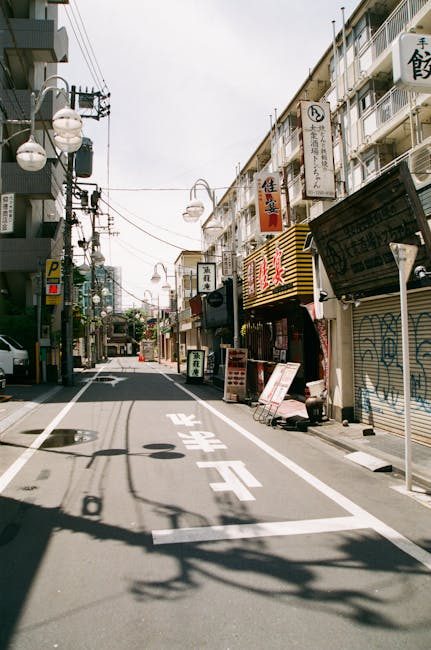
Shinagawa is a Shinkansen stop with Haneda Airport access. That’s why some guides recommend it. But being a transit hub is all it is. Office towers, chain hotels, and nothing to walk to at night. You’ll find yourself taking the train somewhere else for dinner. Stay near a station that has life around it, not just trains through it.
Near the Airports
Narita is 60-90 minutes from central Tokyo. Haneda is closer but still removed from anything interesting. Unless you have a 6 AM flight, book a hotel in the city. Airport trains run late enough and early enough that you don’t need an airport hotel for a standard flight schedule.
Tokyo Station/Marunouchi
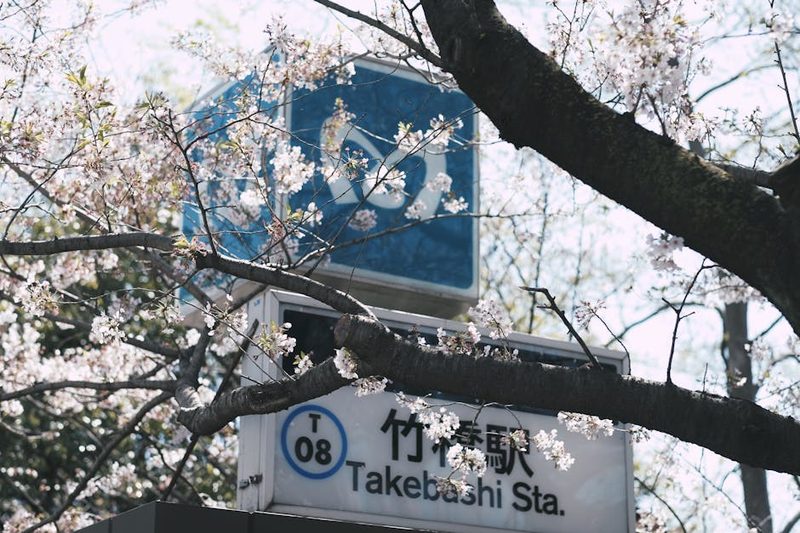
Tokyo Station is one of the most expensive places to stay, and one of the least rewarding. Marunouchi is all glass towers and luxury hotels charging ¥30,000+ to be near… other office buildings. After 7 PM on weekdays, the area empties. On weekends, it’s a ghost town. You can get almost-as-good connections at Ueno, Shinjuku, or Akihabara for half the price, in neighborhoods that actually have life when the trains stop running.
What Most Guides Get Wrong
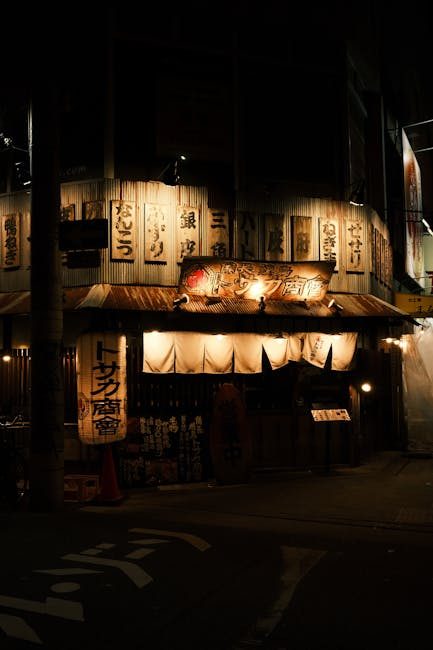
Every “where to stay in Tokyo” article recommends Shinjuku first. For first-timers, that’s fine. But the assumption that Shinjuku is the best base for everyone is lazy advice that gets repeated because it’s easy, not because it’s right.
“Stay Near a Major Station”
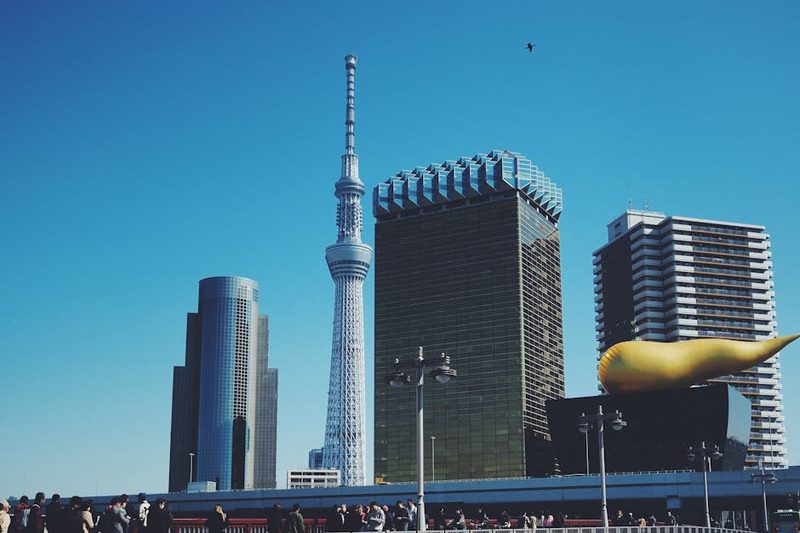
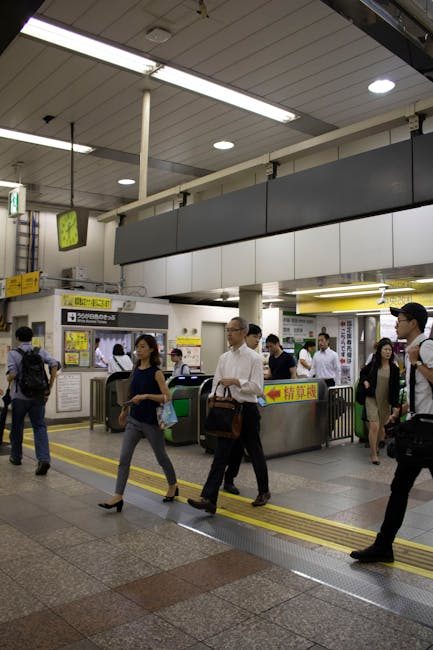
The standard advice is to stay within 5 minutes of a major station. This sounds logical but misses a crucial point: major stations in Tokyo are often the worst places to navigate. Shinjuku Station has over 200 exits. Shibuya has been under construction for years. The time you “save” by being close is often eaten up navigating the station itself. A hotel 8 minutes from a smaller station (Asakusa, Ueno, Akihabara) can be faster door-to-platform than a hotel “3 minutes” from Shinjuku, because you’re not spending 10 minutes finding the right exit.
“Asakusa Is Too Far”
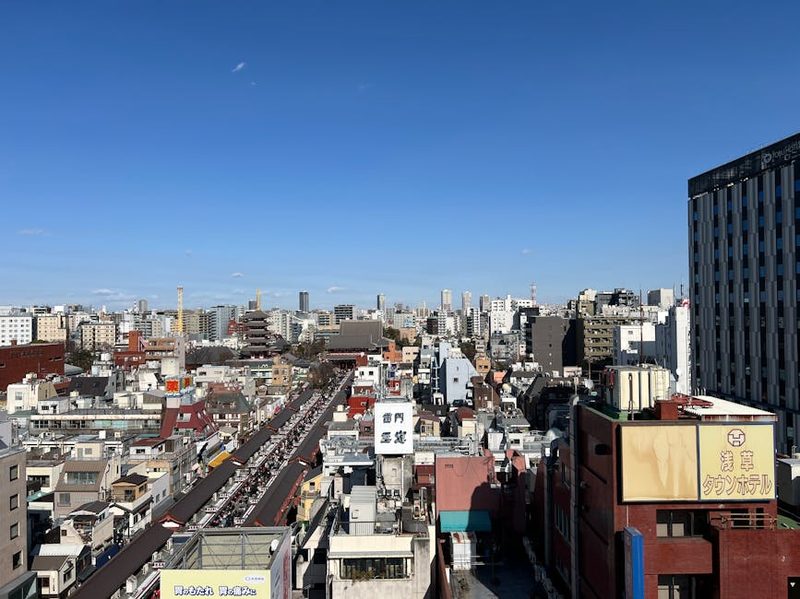
Many guides steer visitors away from Asakusa because it’s on the east side, away from Shinjuku and Shibuya. But Tokyo’s subway system is so efficient that “far” is relative. Asakusa to Shibuya is about 30 minutes on the Ginza Line to the Hanzomon Line. That’s the same amount of time it takes to get from Shinjuku to Tokyo Station at rush hour. The real question isn’t distance “” it’s what you want outside your door when you come home at night. If you want temples and quiet streets, Asakusa beats any west-side neighborhood.
“Capsule Hotels Are Just for One Night”
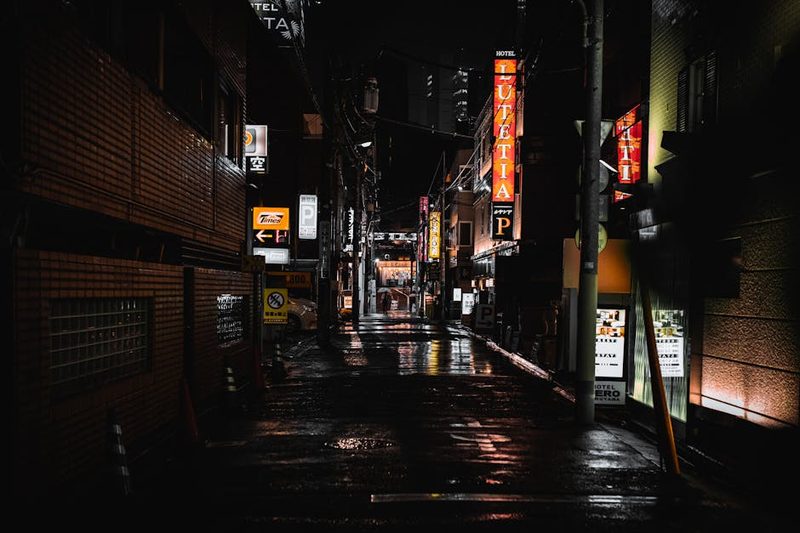
Some travelers write off capsule hotels as a one-night novelty. Modern capsule hotels like Nine Hours have changed that. If you’re a solo traveler who just needs a clean, central place to sleep, a capsule hotel for four or five nights saves ¥40,000-60,000 compared to a standard hotel. That’s money for food, food tours, and experiences. The key is choosing a modern capsule brand “” the difference in cleanliness and comfort versus traditional capsule hotels is massive.
“Book the Cheapest Room”
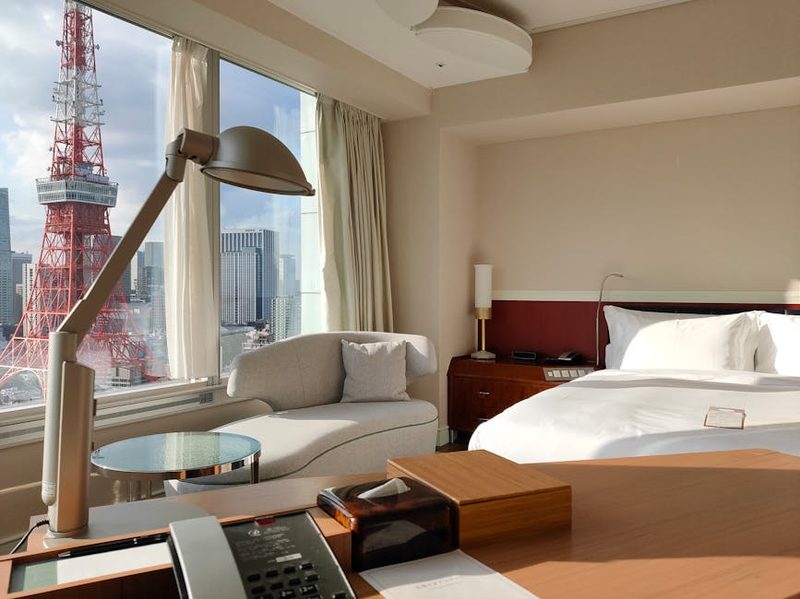
In Tokyo’s mid-range hotels, the price difference between the cheapest room and one a category or two up is often only ¥3,000-5,000. But the difference in room size, view, and floor height can be dramatic. A ¥15,000 room on the 5th floor of a hotel and a ¥19,000 room on the 20th floor of the same hotel are almost different products. Always check what the upgrade gets you. In a city with incredible skyline views, a few thousand extra yen for a higher floor is often worth more than a fancy dinner.
Booking Tips That Actually Matter
When to Book
For cherry blossom season (late March-mid April): book 3-4 months ahead. For Golden Week (late April-early May): book 4 months ahead. For autumn (November): 2-3 months ahead. For everything else: 4-6 weeks is usually fine for mid-range hotels. Budget and capsule hotels can often be booked a week out. Luxury properties (Park Hyatt, Trunk Hotel) during peak season should be booked as early as possible “” 4-6 months isn’t excessive.
Which Platform
Booking.com generally has the widest selection and most competitive prices, especially with Genius loyalty discounts. Agoda sometimes beats Booking on Asian properties, so cross-check. The hotel’s own website occasionally offers the best rate for international chains (Hyatt, Marriott, Hilton). For ryokans, Japanican (run by JTB, Japan’s largest travel agency) sometimes has exclusive availability that doesn’t appear on Western platforms.
Cancellation Policy
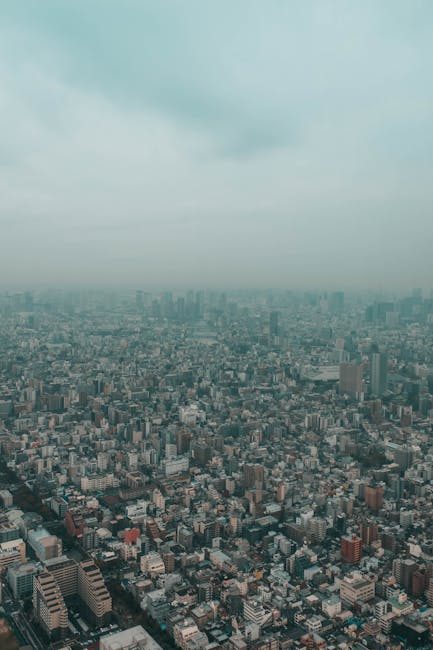
Book refundable rates whenever the difference is reasonable (usually 5-15% more than non-refundable). Tokyo prices fluctuate, and a room you booked three months ago might be cheaper now. With a refundable booking, you can rebook at the lower rate and cancel the original. Plans change “” typhoons, schedule shifts, a change of heart about neighborhoods. The flexibility is almost always worth the premium.
Japan-Specific Tips
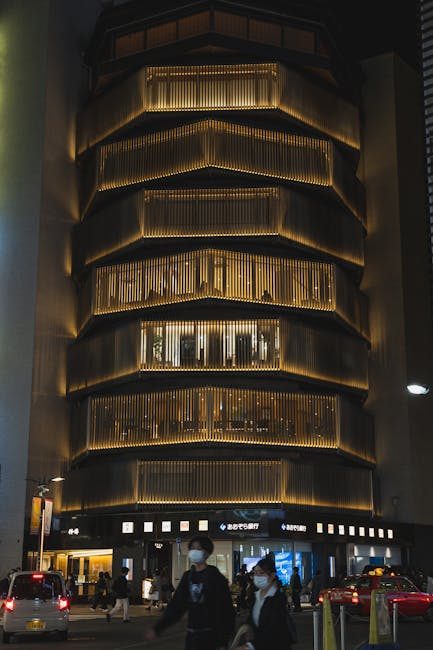
Check-in time in Japan is strict. If the hotel says 3 PM, they mean 3 PM. Most hotels will store your luggage if you arrive early, but you won’t get your room. Check-out is similarly firm “” usually 10 or 11 AM. Voltage is 100V (most modern chargers work fine, but check your hairdryer). Nearly all hotels have washlet toilets, even budget ones. And one thing that surprises visitors: Japanese hotels are quiet. Extremely quiet. If you’re a light sleeper who’s struggled in other countries’ hotels, you’ll sleep well in Tokyo.
The Neighborhood Test
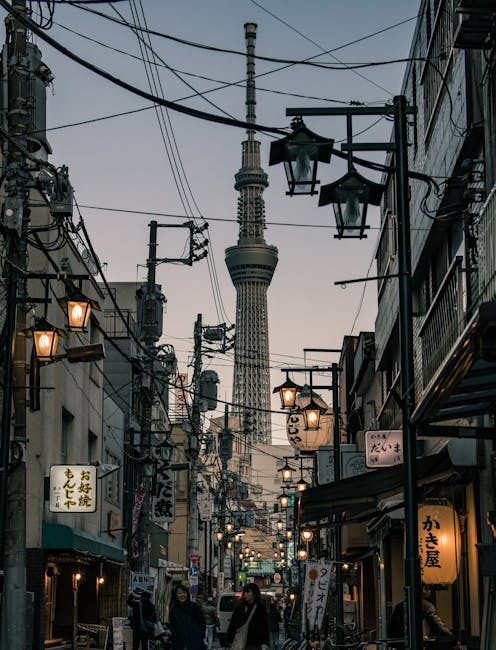
Before you book: look up the hotel on Google Maps, switch to Street View, and “walk” around the block. Restaurants? Convenience stores? Empty office district? The area within a 3-minute walk is where you’ll eat breakfast, grab a late-night snack, and start every morning. Make sure it’s somewhere you actually want to be. A walking tour through your neighborhood on day one is a smart way to get oriented.
One Last Thing
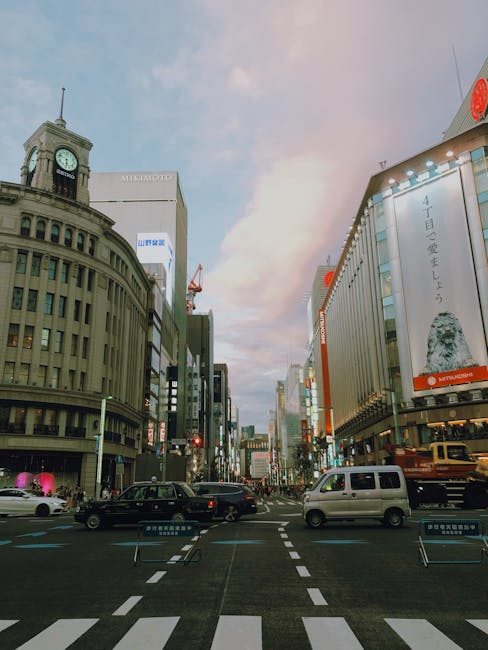
Don’t overthink this. Tokyo is one of the safest, cleanest, most efficient cities on earth. Even “bad” neighborhoods are safe. If you book a reasonably reviewed hotel near a Yamanote Line station, you’ll be fine. The difference between a good trip and a great one isn’t which hotel you pick “” it’s how you spend your days. Check our Tokyo travel guide and things to do for help with that. And if you’re into eating your way through the city (you should be), the food guide and nightlife guide have you covered after dark.
Now go book something and stop reading hotel reviews.