Discovering Hiroshima and Miyajima in One Day: A Practical and Authentic Tour Experience
A day trip from Hiroshima to Miyajima offers a chance to see two of Japan’s most iconic sights—Itsukushima Shrine and the Hiroshima Peace Memorial Park—both UNESCO World Heritage sites.
For around **$170, you’ll spend approximately 8 hours and 20 minutes immersed in history, spirituality, and breathtaking scenery. Guided by knowledgeable experts, this tour brings history to life with stories and insights that enrich your visit.
Two aspects we really appreciate: first, the balance of cultural exploration and reflective memorials—you get to see the beautifully preserved shrine, famous for its floating torii gate, and then pause at the Hiroshima Peace Park to contemplate the city’s tragic past.
Second, the friendly, well-informed guides ensure you don’t just see the sights but understand their significance, which adds depth to your experience.
One point to consider is the group size and sound quality. Several reviews mention that sometimes the guide’s voice was faint or that large groups made it hard to hear everything clearly. If you’re sensitive to noise or prefer a more intimate setting, you might want to arrive early or inquire about quieter group options.
This tour is ideal for travelers who value storytelling and context—those eager to see top sights without the hassle of planning logistics. It suits visitors with an interest in history, architecture, and cultural stories, especially if you appreciate respectful reflection at sites like the Atomic Bomb Dome. Families, solo travelers, or couples looking for a rundown will find it especially worthwhile.
Key Points
- Comprehensive experience blending Miyajima Island and Hiroshima’s Peace Memorial Park in one day
- Knowledgeable guides provide detailed stories and historical context
- Cost-effective for seeing UNESCO sites with included transportation and entry fees
- Flexible and well-organized, with time for sightseeing, shopping, and lunch
- Reflective and emotional visit that promotes understanding and peace
- Group size can be large, which may affect the quietness and clarity of commentary

👉 See our pick of the Hiroshima’s 13 Top Workshops & Classes (With Prices)
- Key Points
- An In-Depth Look at the Hiroshima and Miyajima Tour
- The Journey to Miyajima
- Exploring Itsukushima Shrine
- Lunch and Free Time on Miyajima
- Visiting the Atomic Bomb Dome
- Hiroshima Peace Memorial Museum and Memorials
- End of the Tour and Practicalities
- Why This Tour Works for Different Travelers
- The Sum Up: Who Should Consider This Tour?
- FAQ
- The Best Of Hiroshima!
- More 1-Day Tours in Hiroshima
- More Tours in Hiroshima
- More Tour Reviews in Hiroshima
An In-Depth Look at the Hiroshima and Miyajima Tour
If you’re visiting Hiroshima, this guided bus tour is a strong way to see the highlights without the stress of navigating public transport on your own. It’s priced at $170.15 per person, which might seem like a lot, but when you consider transportation, entry fees, and a licensed guide, it’s quite reasonable for an all-inclusive day of sightseeing. You’ll depart from Hotel Granvia Hiroshima, and after a comfortable, air-conditioned bus ride, you’ll head towards Miyajima, a place renowned for its stunning shrine and wild deer.
You can also read our reviews of more tours and experiences in Hiroshima
The Journey to Miyajima
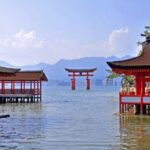
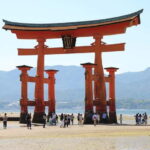
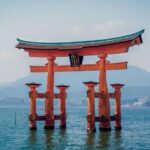
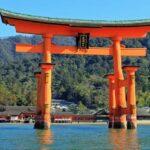
The trip kicks off around 10:10 am. The bus rides through scenic countryside, giving you a moment to relax and enjoy the views of Hiroshima’s outskirts. The highlight here is the ferry ride to Miyajima, a scenic moment where you’ll see the famous Itsukushima Shrine’s iconic torii gate seemingly floating at high tide. Multiple reviews mention this as a breathtaking sight—“view the red tori gate during high tide,” as one traveler put it—and it truly is one of Japan’s most photographed scenes.
Exploring Itsukushima Shrine
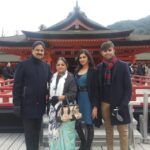
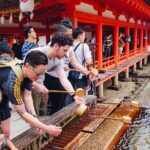
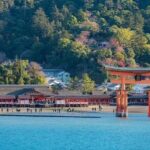
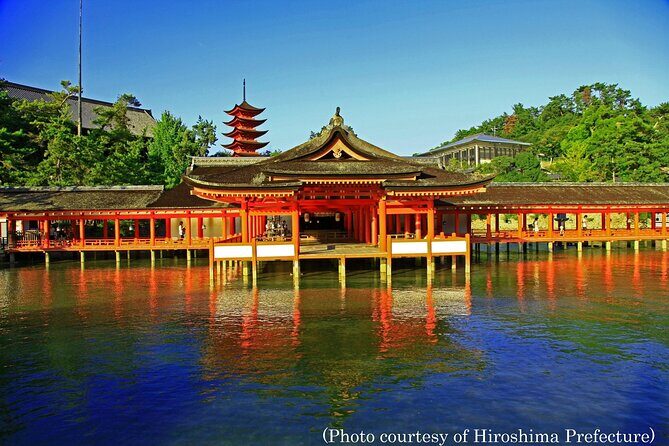
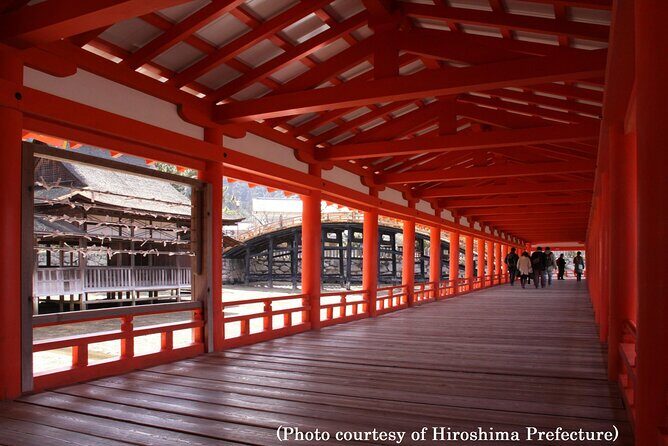
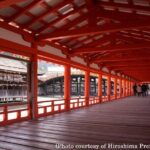
Once on Miyajima, the tour’s first stop is the UNESCO World Heritage-listed Itsukushima Shrine, established in the 6th century. The shrine’s architecture, with its Shinden-zukuri style, resembles a noble residence from the Heian period, which adds an authentic historical touch. The shrine is famous for its red torii gate, which during high tide gives the illusion of floating on the water.
The recommended one hour here allows enough time to walk around, take photos, and listen to your guide’s explanations. According to reviews, the guide shares interesting stories about the shrine’s history and significance, enhancing your appreciation of the site. Several visitors commented on the beautiful contrast of lush mountain greenery, the shrine’s lacquered wood, and the aquamarine sea, making it a truly picturesque moment.
Lunch and Free Time on Miyajima
Next, the tour allocates about an hour for lunch, giving you the freedom to choose among Miyajima’s many local delicacies. The island is well-known for oysters, Hiroshima-style okonomiyaki, and conger eel rice bowls—all delicious options, though not included in the tour price. Many travelers appreciate the opportunity to indulge in authentic local food at their own pace, and food lovers especially enjoy sampling on the island.
Visiting the Atomic Bomb Dome
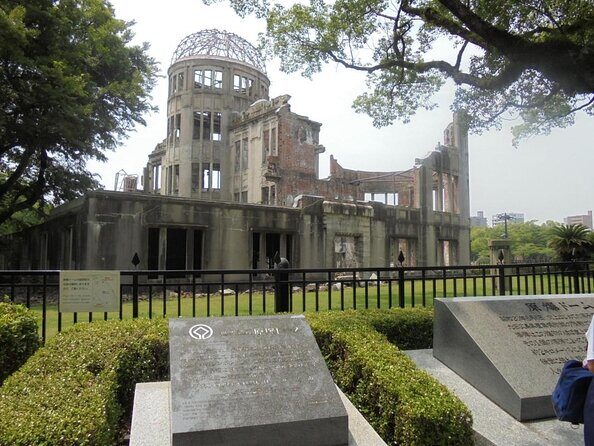
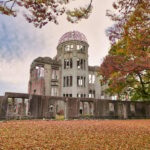
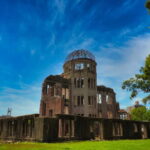
After returning from Miyajima, the tour moves to the Atomic Bomb Dome, a UNESCO site and a poignant symbol of Hiroshima’s destruction. The skeletal structure serves as a stark reminder of the horrors of nuclear warfare and is recognized worldwide as a plea for peace. Visitors often describe feeling a deep sense of solemnity and reflection here, emphasized by the fact that it has remained largely unchanged since 1945.
Many reviews praise the guide for sharing the story behind the building and explaining why it remains preserved. “The Atomic Bomb Dome is a symbol of the disastrous atomic bombing,” one reviewer mentioned, and it’s clear that this site leaves a lasting impression.
Hiroshima Peace Memorial Museum and Memorials
The final major stop is the Hiroshima Peace Memorial Museum, an important cultural property. The exhibits include photographs, artifacts, and personal stories that depict the devastation and aftermath of the atomic bomb. Many travelers find the museum deeply moving and educational, offering insights that go beyond surface-level history.
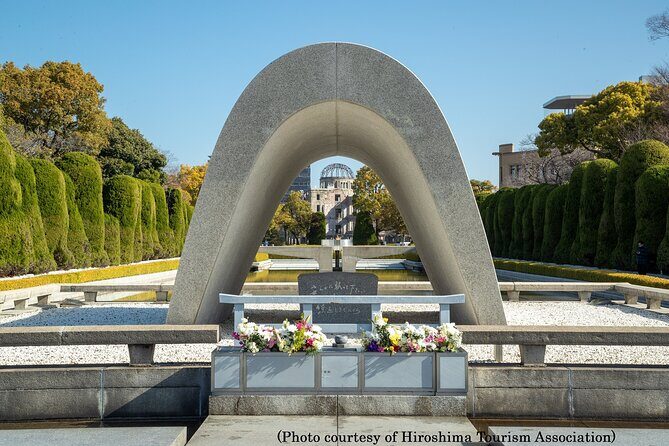
Included in the tour is a visit to the Memorial Cenotaph for Atomic Bomb Victims, which contains a list of those lost and serves as a powerful focal point for reflection. Several reviews mention how emotional and sobering this part of the tour can be, emphasizing the importance of remembering and promoting peace.
End of the Tour and Practicalities
The tour wraps up around 6:00 pm at Hiroshima Station, giving you time to explore further, catch a train, or head to your accommodation. The entire experience is designed for convenience, but note that large group sizes may sometimes lead to less clarity in the guide’s commentary, as some reviews pointed out.
Why This Tour Works for Different Travelers
This tour appeals to those who want to see the highlights of Hiroshima and Miyajima without the hassle of planning public transportation or navigating complicated routes. It’s especially suitable for history buffs, cultural enthusiasts, and those seeking a meaningful, reflective experience. The guide’s storytelling makes the sites come alive, and many appreciate the balance of sightseeing, cultural insight, and personal reflection.
If you’re a solo traveler wanting to meet others, you’ll find the group size manageable, although at times, some found the bus noise or guide’s voice hard to hear. Families with children are welcome, though children under five travel free, but without a seat unless paid for. Parental permission is required for minors.
Given the emotional weight of Hiroshima’s history, this tour is best suited for travelers prepared to engage with its sobering story. Food-wise, the island offers plenty of options, but plan to eat on your own since lunch isn’t included.
The Sum Up: Who Should Consider This Tour?
For those eager to see two UNESCO sites in a single day—the stunning Itsukushima Shrine and the Peace Memorial Park—this tour offers good value and a chance to learn from experienced guides. It’s perfect if you prefer organized, guided experiences that cover the basics and provide context you might miss exploring alone. It’s especially suited for history lovers, respectful travelers, and those wanting an emotional, reflective journey.
If you’re comfortable with large groups and some noise, and want a well-rounded overview with meaningful insights, this tour will serve you well. Expect to walk away with a deeper understanding of Hiroshima’s tragedy and its message of peace, plus lasting memories of Miyajima’s beauty.
1 Day Hiroshima and Miyajima Bus Tour from Hiroshima
FAQ
Is lunch included in the tour?
No, lunch is not included. You’ll have about an hour on Miyajima to enjoy local foods at your own pace.
What is the tour duration?
The entire day lasts around 8 hours and 20 minutes, starting at 10:10 am and ending around 6 pm.
Where does the tour start and end?
It starts at Hotel Granvia Hiroshima and ends at Hiroshima Station, making it convenient for onward travel.
Are children allowed?
Yes, children up to 5 years old can join free of charge but won’t get a bus seat unless booked at the child rate.
What if I want to cancel?
You can cancel up to 24 hours in advance for a full refund, as the policy states.
Are the sites accessible?
Most travelers can participate, but the review details don’t specify accessibility, so it’s best to check if you have special needs.
Is the tour suitable for solo travelers?
Absolutely. Many reviews mention the friendly guide and the opportunity to meet others during the day.
What should I bring?
Comfortable walking shoes, some cash for lunch, and a camera. The guide provides a lot of historical insight, so just be prepared to listen and reflect.
Can I bring my own food or drinks?
Yes, but eating is mainly at Miyajima’s local eateries; bring your own snacks if you prefer.
This guided tour of Hiroshima and Miyajima offers a thoughtful balance of cultural beauty, historical weight, and authentic stories. It’s a solid choice for travelers who want to make the most of a single day with minimal planning but with maximum understanding and emotional impact.